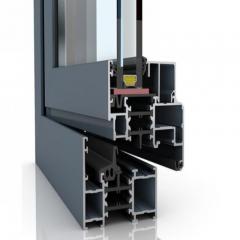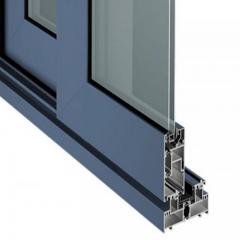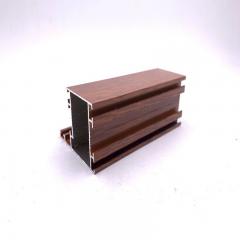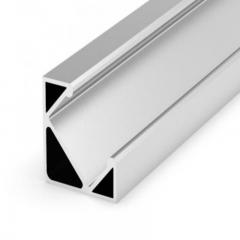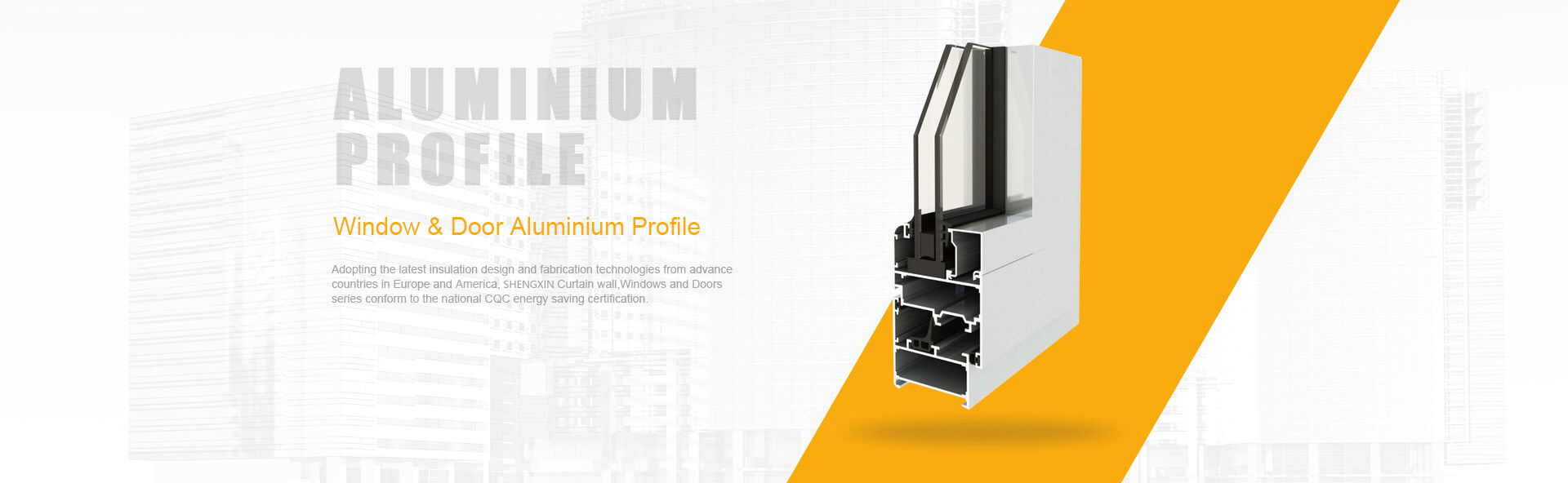
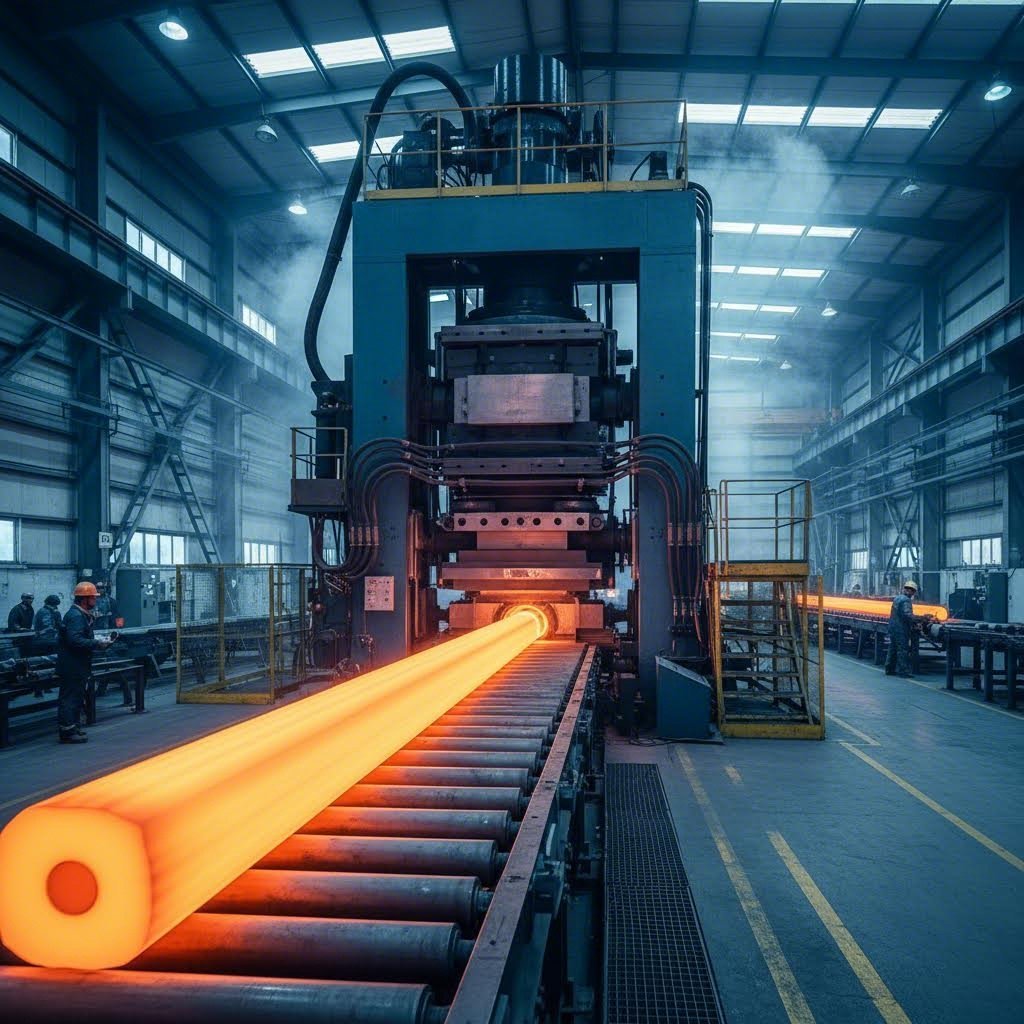
When you're sourcing aluminum components for specialized projects, the first critical decision often comes down to this: standard profiles or custom aluminum extrusions? This choice shapes everything from your product's functionality to its final cost.
So, what is an aluminum extrusion exactly? It's a manufacturing process where heated aluminum billets are pushed through a shaped die to create specific cross-sectional profiles. Think of it like squeezing toothpaste through a shaped opening—except with metal heated to around 900°F and industrial-scale precision.
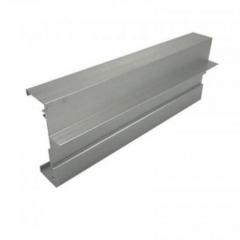
Custom aluminum extrusions are engineered specifically to your design specifications. Unlike off-the-shelf options, these extruded aluminum profiles are created using custom dies that match your exact dimensional requirements, functional needs, and aesthetic goals.
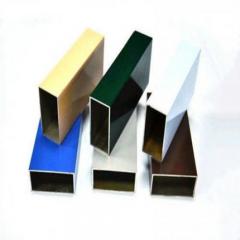
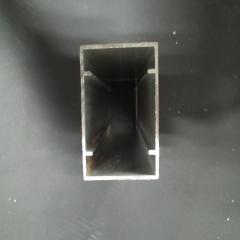
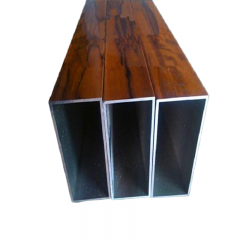
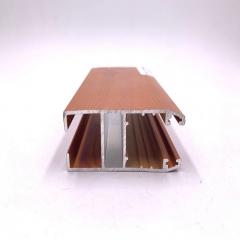
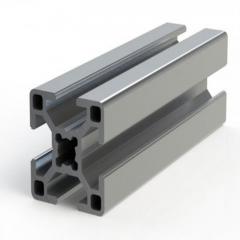
Standard extrusions come in fixed dimensions—tubes, angles, channels, and T-slots that work well for generic applications. Custom aluminum products, however, can incorporate integrated features like wire channels, mounting slots, heat dissipation fins, or unique geometries that simply don't exist in any catalog.
Custom extrusions enable design freedom impossible with standard shapes—allowing manufacturers to combine multiple parts into a single profile, reduce assembly steps, and achieve performance characteristics tailored precisely to the application.
Imagine you're developing a medical imaging device frame. A standard U-channel won't align with your internal components. Or consider a lighting manufacturer needing integrated heat sinks and mounting clips—standard profiles simply can't deliver these specialized features.
Aluminum extrusion profiles become truly custom when your project demands:
Throughout this guide, you'll learn exactly how to evaluate custom aluminum extrusion manufacturers, understand their processes, and make informed decisions. We'll cover everything from die development and alloy selection to pricing factors and manufacturer capabilities—giving you a complete framework for your sourcing journey.
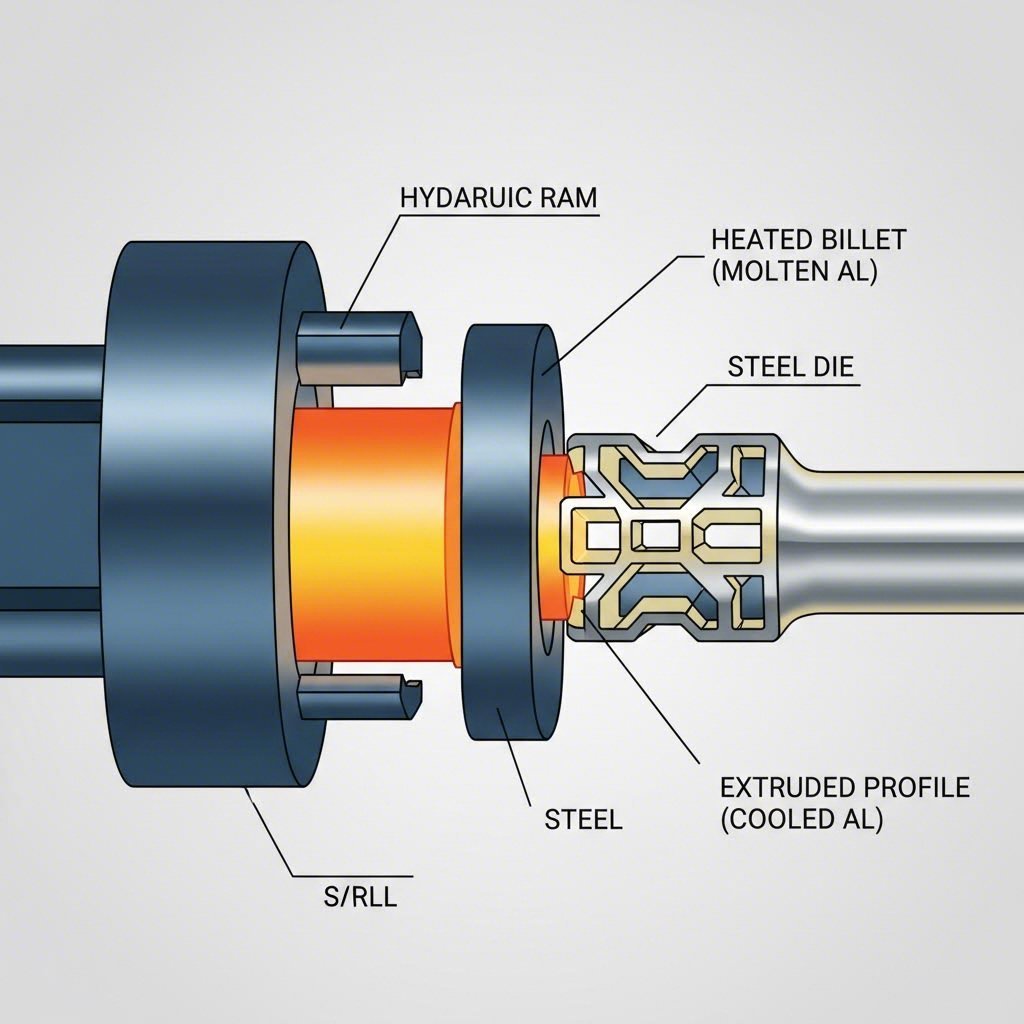
Ever wondered how does aluminum extrusion work when you submit a custom design? Understanding the manufacturing stages helps you communicate effectively with suppliers, set realistic timelines, and anticipate costs. Let's walk through the entire aluminium extrusion process from your perspective as a buyer.
The journey from raw aluminum to your finished custom profile follows a precise sequence. Here's what happens behind the scenes once your order enters production:
Two primary extrusion methods exist: direct and indirect. In direct extrusion, the ram pushes the billet through a stationary die—this is the most common approach for custom profiles. Indirect extrusion moves the die toward the stationary billet, reducing friction and enabling more consistent results for certain complex geometries.
Before any aluminium extrusion begins, manufacturers must create your custom die. This tooling investment represents a significant upfront cost you should understand before requesting quotes.
Aluminium extrusion dies are precision-machined steel disks—typically H13 tool steel—containing the exact opening that shapes your profile. The die type depends on your profile's geometry:
Die fabrication typically requires 7-20 working days depending on profile complexity. The aluminium extrusion die lifespan varies significantly based on your profile and chosen alloy. Solid dies typically last 20,000-50,000 kg of extrusion, while hollow dies manage 10,000-30,000 kg. High-strength alloys like 7075 can reduce die life by up to 30% due to increased wear.
Regarding die ownership policies, practices vary among manufacturers. Some include die costs in per-unit pricing for large orders, while others charge separately. Always clarify whether you own the die after payment and whether it can be transferred to another facility if needed.
Understanding these process details positions you to ask informed questions and evaluate manufacturers more effectively. With the extrusion process clear, the next consideration is whether extrusion is actually the right manufacturing method for your specific application.
Now that you understand how the extrusion process works, a bigger question emerges: is aluminum profile extrusion actually the right choice for your project? Before contacting manufacturers, you'll want to compare extrusion against other viable options—die casting, CNC machining, and roll forming each bring distinct advantages depending on your requirements.
Both processes create aluminum extrusion shapes and components, but they excel in fundamentally different scenarios. Extrusion produces parts with consistent cross-sections along their length—think window frames, heat sinks, or structural rails. Die casting, on the other hand, creates complex three-dimensional geometries by injecting molten aluminum into precision molds under high pressure.
When should you choose extrusion over die casting? Consider these factors:
Die casting wins when you need fully enclosed housings, waterproof enclosures, or intricate 3D features impossible to achieve with a linear profile. According to industry analysis, extruded aluminum enclosures remain more widely used due to lower costs, higher production efficiency, and simpler post-processing requirements.
CNC machining and extrusion often work together rather than compete. But for certain projects, machining from solid stock makes more practical sense than ordering custom extruded shapes.
Choose CNC machining when your project involves:
However, extruded shapes dominate high-volume production. Once the die exists, extrusion runs continuously, producing thousands of feet quickly and economically. Many manufacturers combine both methods—using cost-effective extrusion for the base profile, then CNC machining to add precise features like holes, threads, or milled pockets.
Use this comparison table to evaluate which process fits your project requirements:
| Factor | Aluminum Extrusion | Die Casting | CNC Machining | Roll Forming |
|---|---|---|---|---|
| Complexity Capability | Consistent 2D cross-sections; can be highly intricate | Complex 3D shapes including enclosed cavities | Virtually unlimited 3D complexity | Gradual bends; uniform longitudinal profiles |
| Unit Cost at Volume | Very low at high volumes | Low at high volumes | Higher; labor-intensive | Very low at high volumes |
| Tooling Investment | $300-$3,000 | $10,000-$100,000+ | None required | $5,000-$30,000+ |
| Lead Time (Tooling) | 1-3 weeks | 6-12 weeks | None | 4-8 weeks |
| Material Efficiency | Excellent; minimal waste | Good; some gates/runners | Poor; subtractive process | Excellent; from coil stock |
| Best Volume Range | 500+ pieces | 1,000+ pieces | 1-500 pieces | 5,000+ pieces |
| Typical Tolerances | ±0.010" to ±0.020" | ±0.005" to ±0.015" | ±0.005" or tighter | Very tight |
Roll forming deserves mention for sheet metal applications requiring medium-to-high volumes. According to manufacturing comparisons, roll forming produces very tight tolerances with attractive finishes and no length limitations—but it's limited to steel and sheet materials rather than the thick-walled aluminum profiles extrusion handles best.
The bottom line? Choose aluminum profile extrusion when you need consistent cross-sectional profiles at moderate-to-high volumes with reasonable tooling costs. For prototypes, choose machining. For complex 3D enclosures, consider die casting. And for steel sheet applications, explore roll forming. Once you've confirmed extrusion fits your project, the next critical decision becomes selecting the right aluminum alloy for your specific performance requirements.
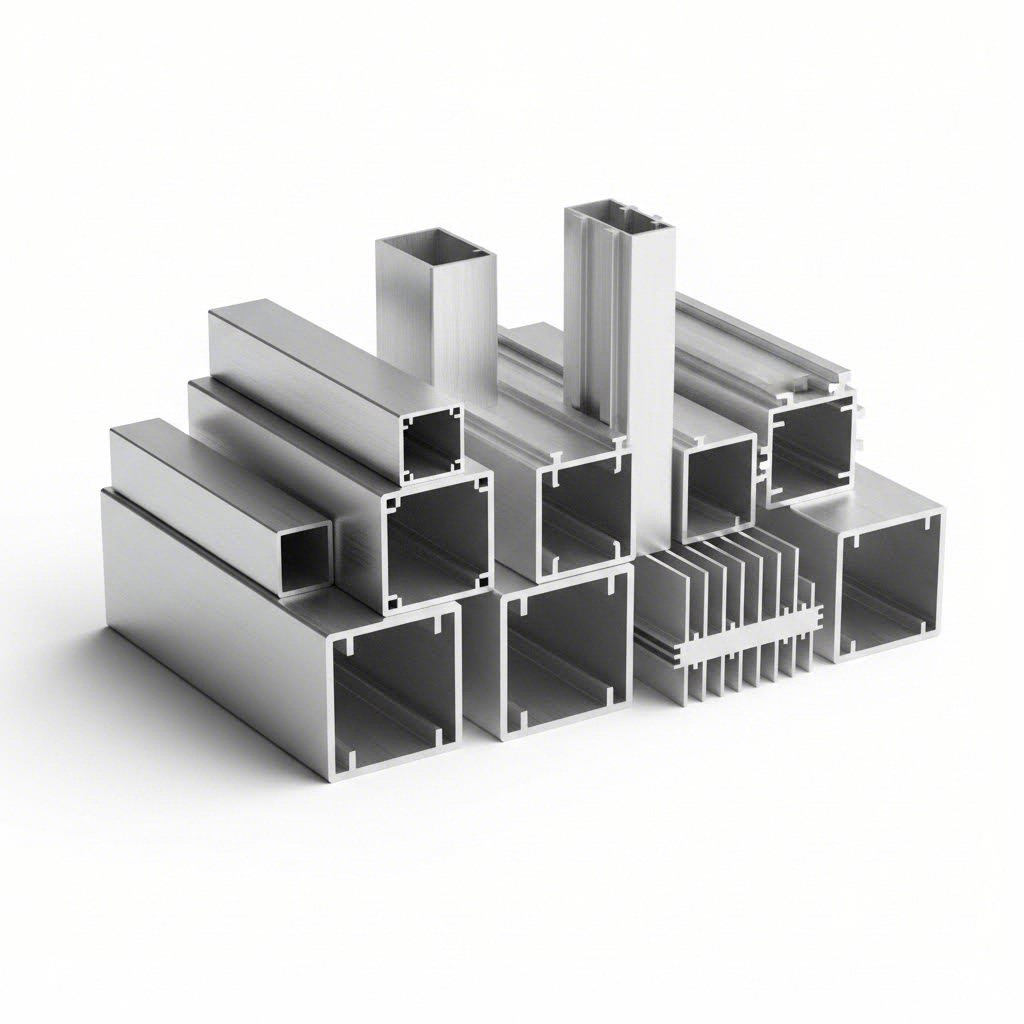
You've confirmed extrusion is the right manufacturing method—now comes a decision that fundamentally shapes your product's performance: which aluminum alloy should you specify? This choice affects everything from structural integrity and corrosion resistance to surface finish quality and final cost. Understanding alloy characteristics helps you communicate requirements clearly to custom aluminum extrusion manufacturers and avoid costly specification errors.
Each aluminum profile starts as a billet of specific alloy composition. The alloying elements—primarily magnesium, silicon, copper, and zinc—determine how the material behaves during extrusion and in your final application. Let's break down the options most relevant to custom projects.
If you're sourcing aluminum profiles for architectural, decorative, or general-purpose applications, 6063 alloy is likely your best choice. According to industry analysis, 6063 is the most popular alloy for aluminum extrusions—and for good reason.
What makes 6063 stand out for aluminium extruded profile applications?
Typical 6063 applications include window frames, door frames, curtain wall systems, furniture components, signage, decorative trim, and general-purpose structural profiles. When visual appeal matters as much as function, 6063 delivers.
However, 6063's moderate strength represents its primary limitation. In T6 temper, 6063 achieves ultimate tensile strength of approximately 28,000 psi and yield strength around 23,000 psi. For load-bearing structural applications, you'll need to consider alternatives.
When your aluminum extrusion profile must handle significant mechanical stress, high-strength alloys become essential. Here's where 6061, 2024, and 7075 enter the conversation.
6061 Aluminum: This precipitation-hardened alloy offers an excellent balance of strength and workability. With ultimate tensile strength of at least 42,000 psi and yield strength of 35,000 psi in T6 temper—significantly higher than 6063—6061 handles structural demands while remaining weldable and corrosion-resistant. You'll find 6061 aluminum extruded profiles in scaffolding, truck and marine components, railroad cars, bicycle frames, and structural angles.
2024 Aluminum: Developed for aerospace applications, 2024 contains copper as its primary alloying element, delivering high strength and excellent fatigue resistance. According to Pacific Northwest National Laboratory research, 2024-T8510 achieves yield strength of 522 MPa (approximately 75,700 psi). The tradeoff? Lower corrosion resistance requiring protective finishes, and significantly slower extrusion speeds—3.5 m/min versus 20-80 m/min for 6061—which increases manufacturing cost.
7075 Aluminum: The strongest commonly available aluminum alloy, 7075 is renowned for its exceptional strength-to-weight ratio. The same PNNL research demonstrated 7075-T6 achieving yield strength of 595 MPa (approximately 86,300 psi). This alloy dominates highly stressed aerospace structural components. However, 7075 extrudes at just 2 m/min conventionally, driving costs 25-75% higher than 6061 extrusions.
1100 Aluminum: At the opposite end of the spectrum, 1100 is nearly pure aluminum (99%+), offering excellent corrosion resistance and workability but limited strength. It's ideal for chemical equipment, decorative applications, and situations where formability trumps structural requirements.
Use this comparison table when discussing alloy selection with manufacturers:
| Alloy | Tensile Strength (T6) | Corrosion Resistance | Weldability | Machinability | Typical Applications |
|---|---|---|---|---|---|
| 1100 | 13,000 psi | Excellent | Excellent | Good | Chemical equipment, decorative trim, heat exchangers |
| 6063 | 28,000 psi | Very Good | Good | Good | Architectural profiles, window frames, furniture, trim |
| 6061 | 42,000 psi | Good | Good | Good | Structural components, marine, transportation, machinery |
| 2024 | 68,000 psi | Fair | Poor | Fair | Aircraft structures, aerospace components, high-stress parts |
| 7075 | 83,000 psi | Fair | Poor | Fair | Aerospace structures, military equipment, high-performance applications |
Beyond mechanical properties, your alloy selection influences several practical considerations:
For most custom aluminum projects, the 6000 series alloys—particularly 6063 for aesthetic applications and 6061 for structural needs—offer the optimal balance of performance, processability, and value. Reserve 2024 and 7075 for applications where their exceptional strength justifies the premium cost.
With your alloy selected, the next consideration is how you'll protect and enhance that aluminum surface through finishing treatments.
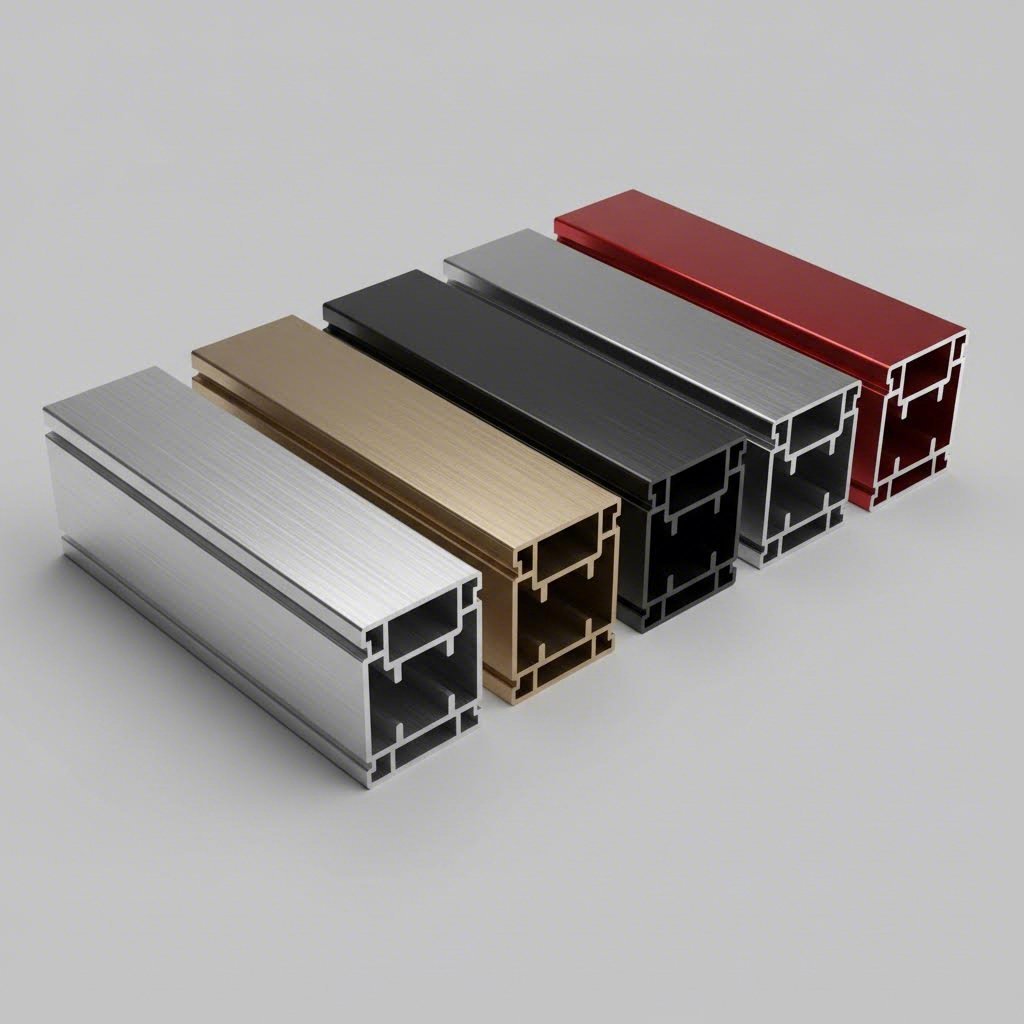
You've selected your alloy—now how will you protect and enhance that aluminum surface? Surface finishing isn't merely cosmetic; it directly impacts corrosion resistance, durability, and your product's lifespan. For extruded aluminum trim and architectural extrusion profiles, the finish often determines whether components last five years or fifty.
Understanding your options helps you specify requirements accurately and anticipate how finishing affects both project cost and lead time. Let's explore the primary treatments custom aluminum extrusion manufacturers offer.
Anodizing remains one of the most popular finishes for aluminium extrusion trim applications—and for good reason. This electrochemical process converts the aluminum surface into a durable oxide layer that's integral to the metal itself. Unlike paint or coatings that sit on top, anodized finishes cannot peel or flake.
According to finishing industry experts, the lifetime of an anodized finish is proportional to coating thickness. Here's what you need to know:
Why choose anodizing for your extruded aluminum trim profiles? The finish offers exceptional abrasion resistance—outperforming paint on door stiles, kick-plates, and high-traffic components. When an anodized surface appears weathered after years of service, mild abrasive cleaning often reveals renewed material underneath. This "renewable" quality distinguishes anodizing from organic coatings that require complete refinishing once degraded.
However, anodizing has limitations. Color consistency can vary between batches, requiring architects to specify color range panels and installers to sort panels carefully. Chemical resistance is also anodizing's weakness—acidic pollutants in urban environments can eventually degrade the coating surface.
When your project demands specific colors, brand matching, or superior weather resistance, organic coatings enter the conversation. Two primary options dominate architectural applications: powder coating and PVDF (polyvinylidene fluoride) liquid coatings.
Powder Coating eliminates solvents entirely—pigment encapsulated in powdered resin is electrostatically applied, then cured in an oven. Key advantages include:
The limitation? Powder coatings can exhibit "orange peel" texture, and small batch custom colors become expensive due to grinding equipment requirements. For bespoke aluminium extrusion projects requiring unique colors, minimum quantities may apply.
PVDF Coatings (marketed as Kynar 500® or Hylar 5000®) represent the gold standard for exterior architectural finishes. Formulated typically as 70% PVDF and 30% acrylic resins, these coatings deliver:
PVDF dominates the curtainwall and metal roofing markets precisely because color consistency and weather resistance matter most in these applications. Unlike powder coatings, PVDF can be mixed in small batches, offering unequaled flexibility for custom color matching.
Which finish suits your project? Consider these guidelines:
For demanding applications requiring superior durability, micro-arc oxidation (MAO)—also called plasma electrolytic oxidation—represents an advanced option worth considering. According to published research, MAO rapidly forms dense, pore-free ceramic layers on aluminum surfaces, significantly enhancing both corrosion and wear resistance.
Unlike conventional anodizing, MAO generates ceramic oxide coatings (primarily α-Al₂O₃) with hardness up to 2500 HV through plasma discharge reactions. This technology proves particularly valuable for aerospace components, industrial equipment, and any application where conventional finishes fall short.
Finishing choices directly impact your project timeline and budget:
Remember that organic coatings require factory application on properly pretreated aluminum. Field-applied touch-up paints never match factory finishes and will fade at different rates. Specify professional finishing upfront rather than planning post-installation touch-up.
With surface treatment options clear, the next critical step is understanding how all these factors—alloy, profile complexity, finishing, and volume—combine to determine your custom extrusion pricing.
You've selected your alloy and specified your surface finish—but what will your custom extrusion actually cost? Understanding the pricing structure helps you prepare realistic budgets, compare quotes meaningfully, and avoid surprises when invoices arrive. The aluminum extrusion cost isn't a simple per-pound calculation; it's a combination of interrelated factors that vary significantly between manufacturers and projects.
Let's break down exactly what drives your custom aluminum extrusion cost so you can approach aluminum extrusion companies with informed expectations.
When manufacturers calculate pricing for custom extrusions, they evaluate multiple variables simultaneously. Here are the primary cost factors you should understand:
Understanding these factors helps you identify where costs can be optimized. For instance, relaxing tolerances from ±0.10 mm to standard ±0.15 mm might reduce costs without affecting function. Similarly, consolidating multiple profiles into one custom extrusion design eliminates redundant die costs.
Perhaps no factor influences per-unit cost more dramatically than order volume. Die and tooling costs remain relatively fixed whether you order 100 pieces or 10,000—spreading that investment across larger quantities significantly reduces your per-unit expense.
Why do aluminum extrusion companies establish minimum order quantities (MOQs)? According to manufacturing experts, several practical reasons drive these requirements:
MOQs vary considerably among manufacturers. Large-scale producers with high-tonnage presses may require 500-1,000 kg minimums, while smaller operations offering prototype aluminum extrusions might accommodate runs as low as 50-100 kg. When evaluating quotes, always clarify MOQ requirements and how they affect pricing at different volume tiers.
What dimensional precision can you realistically expect? Standard extrusion tolerances follow industry guidelines, but achievable precision depends on profile geometry, alloy, and manufacturer capability.
Typical achievable tolerances include:
Requesting tolerances tighter than standard adds cost through slower production speeds, increased inspection requirements, and higher rejection rates. For prototype aluminum extrusions or initial development runs, consider accepting standard tolerances initially, then tightening specifications only where functional requirements demand.
Sounds complex? Here's a practical framework for estimating your custom extrusion budget:
When requesting quotes from multiple aluminum extrusion companies, provide identical specifications to each—including drawings with tolerances, alloy requirements, finish specifications, and anticipated annual volumes. This enables meaningful comparison and helps manufacturers provide their most competitive pricing.
With pricing factors understood, you're ready to evaluate manufacturers themselves—their capabilities, certifications, and value-added services that differentiate basic extruders from full-service partners.
You understand the process, you've selected your alloy and finish, and you've set realistic budget expectations. Now comes the critical question: which manufacturer should you trust with your project? Not all aluminum extrusion suppliers offer the same capabilities, quality standards, or service levels. Choosing the right partner can mean the difference between a seamless project and months of frustration.
Evaluating extrusion companies requires looking beyond price quotes. You need a systematic framework that examines certifications, technical capabilities, capacity, and support services. Let's build that evaluation checklist together.
Certifications serve as third-party validation that a manufacturer maintains consistent quality systems. When you're sourcing from certified aluminum suppliers for custom products, you're reducing risk significantly. According to industry quality experts, here are the key certifications to verify:
Why do these certifications matter practically? According to industry analysis, certified suppliers deliver improved quality through rigorous quality control processes, reduced risk of material defects and production delays, enhanced efficiency through well-defined systems, and increased customer satisfaction through reliable product performance.
When evaluating top aluminum suppliers for custom products, request copies of current certifications and verify their scope covers the processes relevant to your project. A manufacturer might hold ISO 9001 for general operations but lack aerospace certification if that's your industry requirement.
Certifications confirm quality systems exist—but can the manufacturer actually produce your specific profile? Technical capability assessment requires examining their equipment, tooling resources, and production capacity.
Here's what to evaluate when assessing a profile extrusion company's technical capabilities:
According to supplier evaluation guidance, facilities with multiple extrusion lines and automated systems often outperform smaller shops in meeting delivery windows—especially important for projects with fluctuating demand or tight schedules.
Beyond certifications and equipment, several additional factors should influence your selection of aluminum extrusion suppliers:
Before signing a contract with any manufacturer, take these verification steps:
Common evaluation mistakes include choosing suppliers based solely on price without verifying technical capability, accepting vague quality claims without certification evidence, and overlooking communication quality during the quoting process. A supplier that cannot provide samples, audit access, or detailed answers about materials and tolerances may not prove reliable long-term.
With your evaluation framework established, the next consideration is understanding which value-added services differentiate full-service manufacturers from basic extruders—and how those capabilities can streamline your entire project.
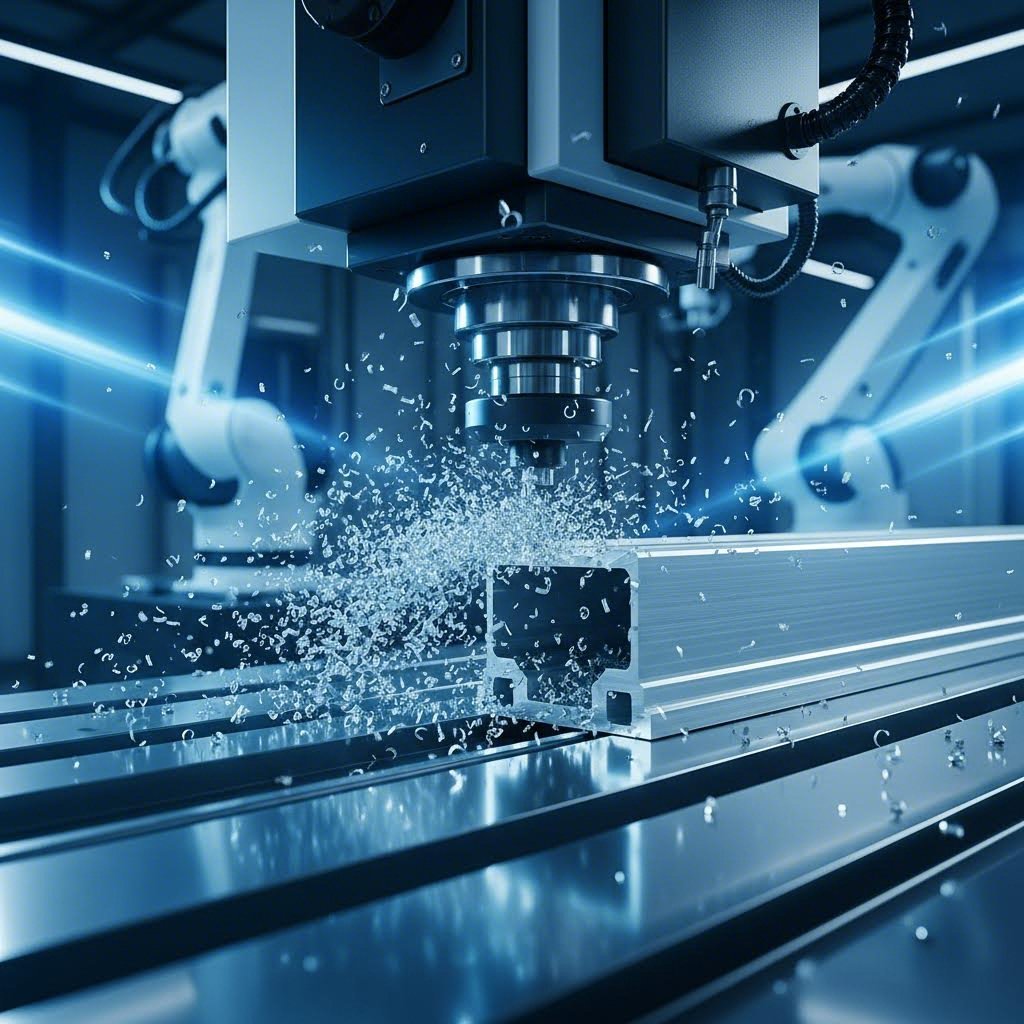
You've identified a manufacturer with the right certifications and press capacity—but can they deliver finished, ready-to-install components? The distinction between basic extruders and full-service partners often determines whether your aluminum extrusion parts arrive ready for assembly or require weeks of additional coordination with secondary vendors.
Think about it this way: every handoff between suppliers introduces potential delays, quality variations, and communication gaps. When you source raw extrusions from one company, send them elsewhere for machining, then coordinate finishing with a third party, you're managing multiple relationships, schedules, and quality standards. Full-service aluminum extrusion services consolidate these steps under one roof—and the benefits extend far beyond convenience.
Raw extrusions rarely function as finished components. Your profiles likely need holes drilled for fasteners, ends cut to precise lengths, slots milled for mating parts, or threads tapped for assembly. These secondary operations transform extruded aluminum parts into application-ready components.
What fabrication capabilities should you expect from a comprehensive custom metal extrusion services provider?
According to manufacturing industry experts, the first step after extrusion is often cutting the long extruded lengths into specific part sizes—and accuracy here is vital, especially for parts that need to fit perfectly within an assembly. CNC machining then adds features along the length or on the faces of the profile, creating holes, slots, pockets, threads, chamfers, and complex contours not achievable through extrusion alone.
Precision aluminum extrusion requires more than just accurate dies—it demands integrated downstream processing that maintains tight tolerances established during extrusion. When machining happens in-house, quality control spans the entire production chain rather than fragmenting across multiple vendors.
Beyond fabrication, full-service manufacturers offer capabilities that simplify your entire project lifecycle:
Assembly Services: Why receive components when you could receive finished assemblies? Progressive manufacturers combine multiple extruded aluminum parts with fasteners, gaskets, hardware, and components from other materials into ready-to-install units. This eliminates your assembly labor while ensuring consistent quality through controlled factory conditions.
Thermal Barrier Insertion: For architectural window and curtain wall profiles, thermal barriers—typically polyamide strips—interrupt heat transfer through the aluminum frame. This specialized process requires precision equipment and expertise that basic extruders simply don't possess.
Technical Design Support: The best partners engage early, reviewing your CAD files, suggesting tolerance optimizations, recommending alloy selections, and identifying design-for-manufacturability improvements before tooling begins. This collaborative approach prevents costly revisions after die development.
Prototyping Capabilities: Need to validate your design before committing to production tooling? Manufacturers with CNC machining capabilities can produce prototype quantities from stock extrusions or machined billets, allowing physical testing before die investment.
Integrated services reduce supply chain complexity dramatically—manufacturers with comprehensive capabilities can provide end-to-end support from die development through mass production, eliminating coordination costs and quality variations that plague multi-vendor approaches.
Consider the practical advantages when aluminum extrusion services include downstream processing:
According to operational excellence research, when manufacturers produce custom aluminum extrusions, their systems drive results through continual improvement programs that span the entire operation—from initial design through final delivery.
How do you distinguish comprehensive manufacturers from basic extruders? Ask these questions during evaluation:
Manufacturers with comprehensive capabilities—like those operating 35+ extrusion presses ranging from 600T to 5500T alongside CNC machining centers—can genuinely deliver end-to-end support. This scale enables matching your profile to the optimal press while providing downstream processing capacity for complex secondary operations.
For example, Shengxin Aluminium's deep processing services demonstrate what full-service capability looks like in practice: precision cutting, drilling, bending, and comprehensive surface treatments including anodizing, powder coating, PVDF, and micro-arc oxidation—all coordinated under one operation. This integrated approach exemplifies how leading manufacturers eliminate the coordination burden that fragments many custom extrusion projects.
With value-added services clarified, understanding which industries rely most heavily on custom aluminum profiles—and what specific capabilities they demand—helps you contextualize your own requirements against proven applications.
What are aluminum extrusions used for in the real world? The applications span virtually every industry where strength, precision, and lightweight performance matter. Understanding where custom profiles excel helps you identify which manufacturer capabilities align with your specific sector requirements—and what certifications or specializations to prioritize during evaluation.
From the window frames in your office building to aircraft aluminum extrusions flying overhead, fabricated aluminum components surround us daily. Let's explore the major industries driving demand for custom profiles and what each demands from manufacturers.
Building with aluminum extrusion dominates the custom profile market—and for good reason. Architectural applications combine demanding aesthetic requirements with structural performance needs that standard shapes simply cannot meet.
According to industry manufacturing data, architectural extrusions ensure the structural integrity, aesthetics, and sustainability of building projects. Key applications include:
What capabilities should you prioritize when sourcing architectural profiles? Manufacturers must demonstrate expertise with 6063 alloy (the architectural standard), offer comprehensive finishing options including anodizing and PVDF coating, and maintain tight tolerances across long production runs. Thermal barrier insertion capability becomes essential for energy-efficient window and curtain wall applications.
Beyond architecture, industrial and transportation sectors consume enormous quantities of custom extrusions. These applications typically prioritize structural performance over aesthetics—demanding different alloys, tighter tolerances, and specialized certifications.
Industrial Equipment Applications:
Transportation Sector Applications:
According to manufacturing capability resources, aluminum extrusions improve vehicle performance, fuel efficiency, and design aesthetics across transportation modes:
What are aluminum extrusions beyond structural applications? In electronics, custom profiles solve thermal management challenges that other materials cannot address cost-effectively.
The most demanding applications require unique extrusions meeting stringent certification and performance requirements. Aircraft aluminum extrusions exemplify these specialized needs.
According to aerospace industry analysis, aluminum extrusions are trusted in aerospace because they combine light weight, strength, corrosion resistance, and design flexibility in a cost-effective form. Key considerations include:
Certification Requirements:
Aerospace and defense applications demand manufacturers meeting rigorous standards. According to certification requirements research, aerospace aluminum extrusions must meet certifications like AS9100, AMS material specifications, and pass tests for strength, traceability, and consistency. Producers must control each stage—melting, extrusion, heat treatment, inspection—and maintain detailed records including mill certificates, chemical analysis, and mechanical test results.
Military and defense applications add additional certification layers. When evaluating manufacturers for these sectors, verify current AS9100 certification, ITAR registration if applicable, and documented experience with defense-sector quality requirements.
Your industry determines which manufacturer capabilities matter most:
| Industry Sector | Critical Capabilities | Key Certifications |
|---|---|---|
| Architectural | 6063 alloy expertise, thermal barrier insertion, comprehensive finishing | ISO 9001, AAMA certification |
| Industrial Equipment | 6061 alloy capability, tight tolerances, CNC machining | ISO 9001 |
| Automotive | High-volume capacity, welding capability, dimensional consistency | IATF 16949 |
| Aerospace/Defense | High-strength alloys (2024, 7075), full traceability, fatigue testing | AS9100, AMS specs |
| Electronics | Complex heat sink profiles, precision tolerances, anodizing | ISO 9001 |
Understanding these industry-specific requirements helps you filter potential manufacturers effectively. A supplier excelling at architectural profiles may lack the alloy expertise for aerospace work—and vice versa. Match your application demands to proven manufacturer capabilities, verifying certifications relevant to your specific sector before proceeding to final selection.
You've covered significant ground—from understanding how custom aluminium extrusion works to evaluating alloys, finishes, pricing factors, and manufacturer capabilities. Now comes the moment of decision. How do you synthesize everything you've learned into confident action?
Selecting custom aluminum extrusion manufacturers isn't simply about finding the lowest quote. It's about identifying partners who can support your project from initial design concept through production and beyond. The manufacturers who prove most valuable are those offering technical guidance when you need it, maintaining quality consistency across orders, and solving problems before they become costly delays.
Before reaching out to potential suppliers, ensure you've prepared the following information. This preparation dramatically improves quote accuracy and demonstrates project seriousness to manufacturers:
Having these details organized before contacting suppliers saves weeks of back-and-forth communication and ensures you receive comparable, accurate quotes from multiple sources.
As you evaluate potential partners for custom aluminum extrusion profiles, prioritize manufacturers demonstrating these characteristics:
The manufacturers who excel aren't necessarily the largest or cheapest—they're the ones who treat your project as a partnership rather than a transaction. Look for suppliers willing to suggest design improvements, flag potential issues early, and maintain communication throughout production.
When you're ready to move forward, consider exploring manufacturers offering factory-direct pricing combined with comprehensive capabilities. Partners with extensive experience—30+ years in the industry—understand the nuances that newer operations miss. Those operating diverse press capacity (ranging from 600T to 5500T) can match your profile to optimal equipment, while full surface treatment options including anodizing, powder coating, and PVDF ensure finishing quality matches extrusion precision.
For buyers seeking reliable partners for custom extruded aluminum projects worldwide, Shengxin Aluminium represents exactly this combination—over three decades of expertise, 35+ extrusion presses, integrated CNC machining, and comprehensive finishing capabilities from die development through mass production. Their end-to-end support model eliminates the coordination challenges that fragment many custom extrusion projects.
Your custom extrusion project deserves a manufacturer who understands both the technical requirements and the business realities you face. Armed with the evaluation framework from this guide, you're prepared to identify that partner and move confidently from concept to production.
Custom aluminum extrusion cost depends on multiple factors including die tooling ($300-$3,000 depending on complexity), raw aluminum pricing (which fluctuates between $1,500-$3,500 per metric ton), alloy selection, profile complexity, tolerances, and surface finishing. Finishing treatments add $800-$1,400+ per metric ton. High-strength alloys like 2024 or 7075 can increase costs by 25-75% compared to standard 6061. Order volume significantly impacts per-unit pricing since die costs remain fixed regardless of quantity.
6063 aluminum is the most popular alloy for architectural and decorative applications, offering exceptional extrudability, superior surface finish, and excellent anodizing response. It achieves tensile strength of approximately 28,000 psi. 6061 aluminum delivers significantly higher strength at 42,000 psi tensile strength, making it ideal for structural components, marine applications, and machinery. While 6063 excels in visual appeal and complex thin-walled profiles, 6061 handles load-bearing requirements where strength matters more than aesthetics.
Start by searching industry directories like the Extrusion Technology Foundation for certified suppliers. Evaluate manufacturers based on certifications (ISO 9001, IATF 16949 for automotive, AS9100 for aerospace), press tonnage capacity matching your profile requirements, in-house tooling capabilities, and value-added services. Geographic proximity affects shipping costs and communication, but don't dismiss overseas suppliers offering competitive pricing with reliable logistics. Request samples, verify certifications, and check references from companies with similar project requirements.
ISO 9001 serves as the baseline quality management certification for any reputable supplier. IATF 16949 is essential for automotive applications, while AS9100 validates aerospace and defense quality systems. ISO 14001 verifies environmental management practices. BS EN 12020-1 specifies precision tolerances for extrusions. The Aluminium Stewardship Initiative (ASI) certification confirms responsible sourcing and sustainability practices. Always verify certifications cover the specific processes relevant to your project and request current documentation.
Die fabrication typically requires 7-20 working days depending on profile complexity. Solid dies for simple profiles take less time, while hollow dies with internal features require longer development. Once tooling is complete, production lead times vary by manufacturer capacity, order volume, and finishing requirements. Clear anodizing adds 3-5 days, while custom color powder coating or PVDF may extend timelines further. Full-service manufacturers with integrated extrusion, machining, and finishing capabilities often deliver faster than coordinating multiple vendors.



 خدمة الإنترنت
 0086 136 3563 2360
 sales@sxalu.com
 +86 136 3563 2360
 العربية
 English
 français
 Deutsch
 русский
 español
 português
 ไทย
 Việt
 Українська