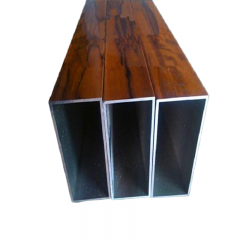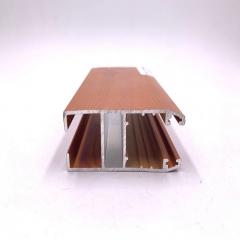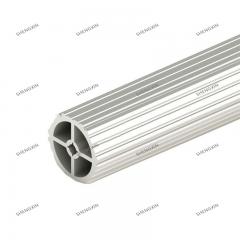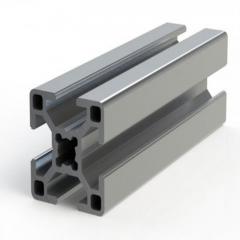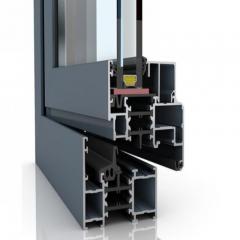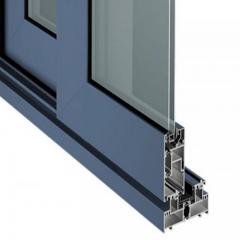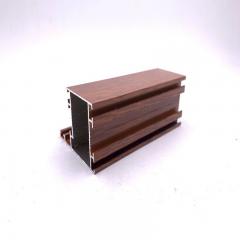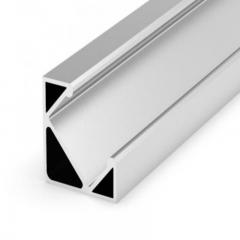
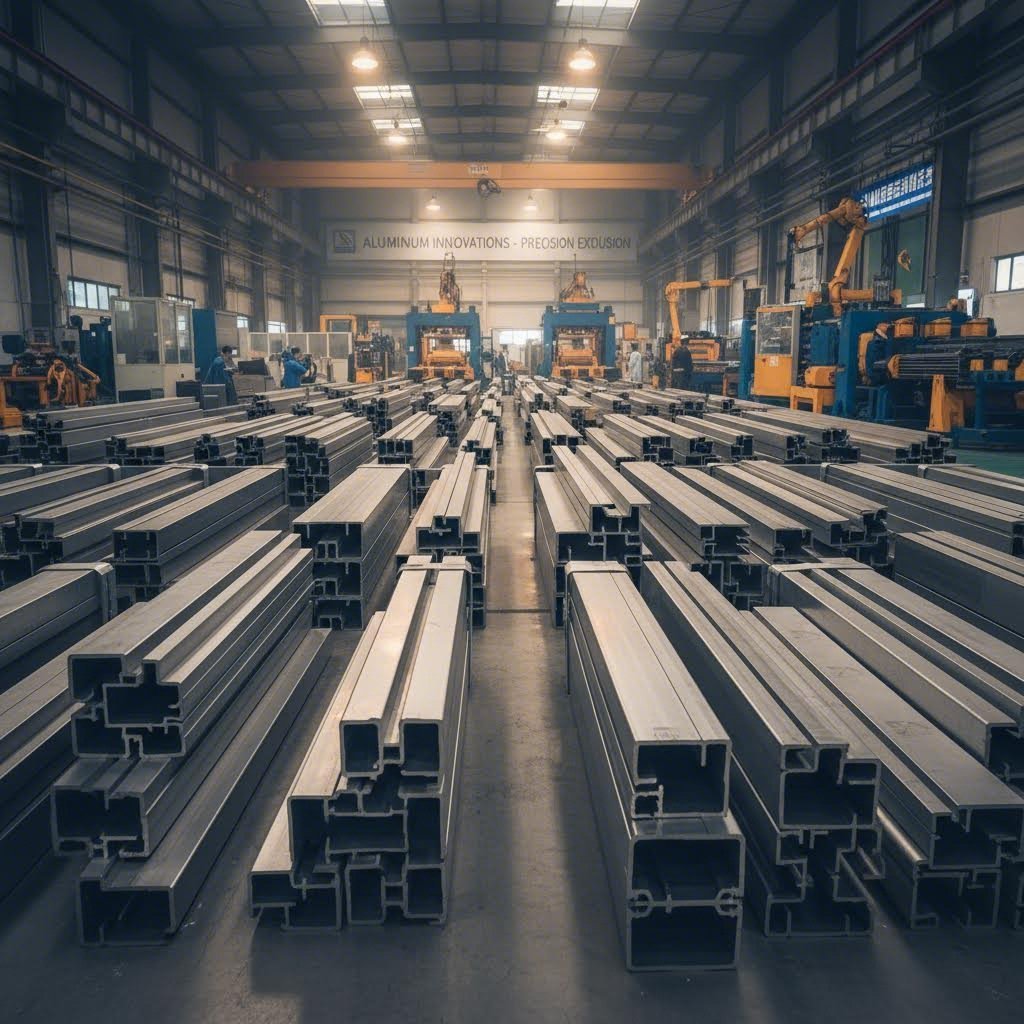
When you're planning an aluminum extrusion project, the alloy you choose isn't just a minor detail—it's the foundation that determines whether your project succeeds or struggles. Aluminum extrusion alloys are specialized formulations where pure aluminum is combined with elements like magnesium, silicon, copper, or zinc to achieve specific performance characteristics. Each combination creates distinct properties that affect everything from how easily the metal flows through the extrusion die to how well your finished product performs in the field.
Imagine designing a sleek architectural window frame, only to discover the chosen alloy won't achieve the smooth, anodized finish your client expects. Or consider engineering a structural component that fails under load because the alloy lacks sufficient strength. These scenarios aren't hypothetical—they happen when aluminum alloy extrusion decisions are made without proper understanding.
The right alloy selection directly influences four critical performance areas:
Selecting an inappropriate alloy creates cascading problems that extend far beyond the initial material cost. According to industry analysis, choosing the wrong alloy can lead to premature component failure, poor formability, reduced corrosion resistance, and inconsistent heat treatment response. For load-bearing applications, an alloy with insufficient strength results in structural failures. Conversely, over-specifying strength where it's unnecessary adds weight and cost without benefit.
The performance of aluminum extrusions is heavily influenced by the choice of alloy. Aluminum alloys exhibit different mechanical properties, corrosion resistance, and thermal characteristics, making alloy selection a crucial factor in achieving the desired performance for specific applications.
Unlike resources that focus narrowly on the popular 6000 series, this guide takes you through the complete spectrum of types of aluminum extrusion—from 1xxx series pure aluminum through high-strength 7xxx aerospace alloys. You'll discover how each alloy family serves different purposes: 1xxx for excellent corrosion resistance, 2xxx for aerospace applications, 5xxx for marine environments, and 7xxx for maximum strength requirements.
What follows is a structured decision framework that helps you move from broad requirements to specific alloy recommendations. You'll learn to evaluate mechanical strength needs, environmental conditions, surface finish requirements, and budget constraints systematically. By the end, you'll have the knowledge to confidently match aluminum extrusion alloys to your exact application needs—no more guessing.
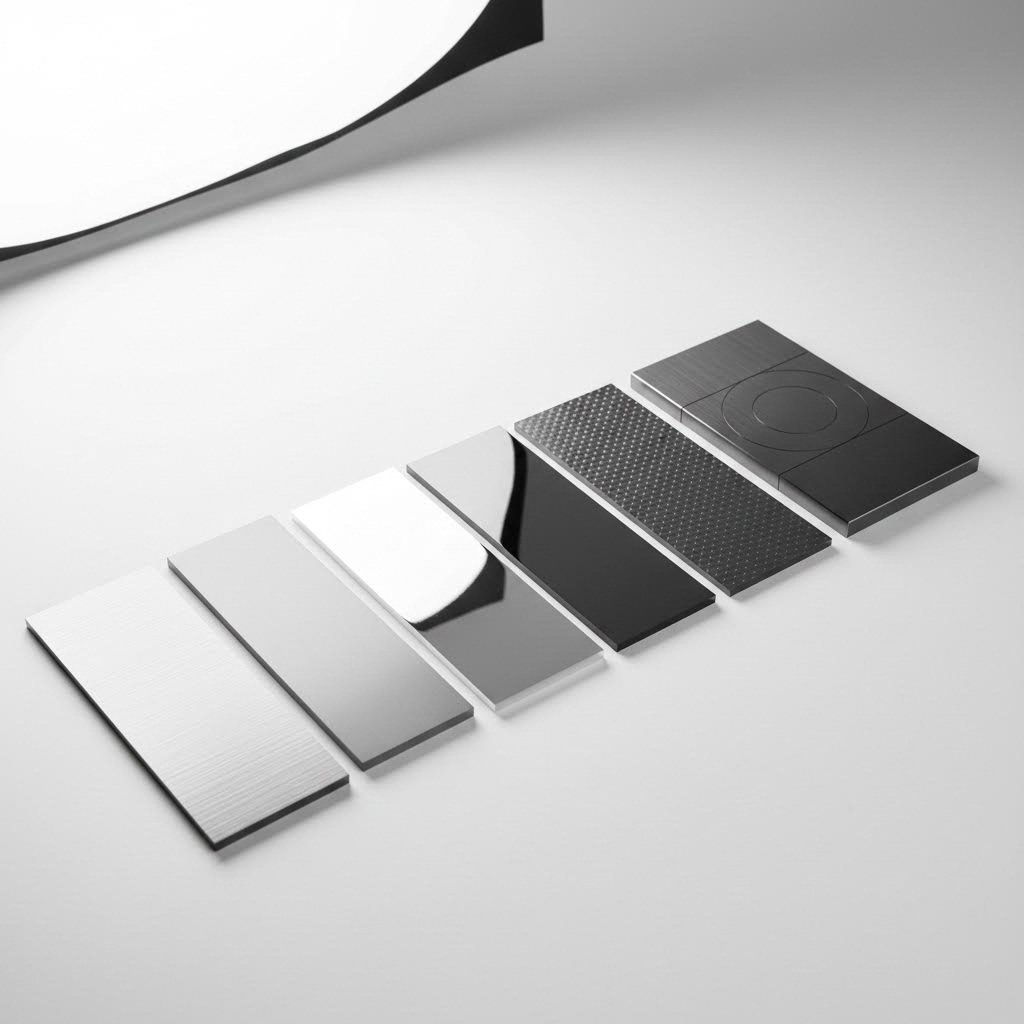
Now that you understand why alloy selection matters, let's explore your full range of options. Most resources focus almost exclusively on 6000 series aluminum, but that's only part of the story. The extrusion of aluminium alloys spans seven distinct series—each with unique characteristics that make them ideal for specific applications. Understanding this complete landscape empowers you to select the perfect match for your project rather than defaulting to what's most familiar.
Aluminum alloys are organized into series ranging from 1xxx to 7xxx, with each series defined by its primary alloying element. According to industry specifications, most aluminum alloys contain between 90-96 percent aluminum, with other elements making up the difference. Here's what each series brings to the table:
One of the most critical distinctions in types of aluminum extrusions is whether an alloy responds to heat treatment. This characteristic fundamentally affects how you can enhance mechanical properties after extrusion.
Heat-treatable alloys (2xxx, 6xxx, and 7xxx series) can be thermally processed to significantly increase strength. As noted by Silver City Aluminum, the heat-treatable description means these alloys can be thermally treated to enhance their strength properties. This makes them excellent candidates for applications requiring high mechanical performance.
Non-heat-treatable alloys (1xxx, 3xxx, and 5xxx series) achieve their mechanical properties through cold working or strain hardening. While they can't be strengthened through heat treatment, they offer other advantages:
So how do you narrow down from seven series to the right choice? Start by identifying your primary performance requirement. According to Gabrian International, when an application requires a very high strength-to-weight ratio, designers typically review 2xxx or 7xxx series alloys. When corrosion is the primary concern, 5xxx-series alloys should be strongly considered. The 6000 series aluminum remains one of the most popular choices for its great combination of properties.
It's worth noting that a stronger aluminum alloy with a higher concentration of alloying elements is generally more difficult to extrude and has a lower extrusion rate. This means selecting ultra-high-strength 7xxx alloys comes with higher production costs and longer lead times compared to readily extrudable 6xxx options.
| Alloy Series | Primary Alloying Element | Typical Strength Range (MPa) | Corrosion Resistance | Extrudability | Heat-Treatable | Common Applications |
|---|---|---|---|---|---|---|
| 1xxx | None (99%+ Pure Al) | 70-130 | Excellent | Excellent | No | Electrical conductors, food packaging, chemical equipment |
| 2xxx | Copper | 290-480 | Poor | Difficult | Yes | Aerospace structures, aircraft fittings, truck wheels |
| 3xxx | Manganese | 110-240 | Good | Good | No | Beverage cans, cooking utensils, heat exchangers |
| 5xxx | Magnesium | 125-350 | Excellent | Good | No | Marine vessels, pressure vessels, automotive panels |
| 6xxx | Magnesium + Silicon | 150-310 | Good to Excellent | Excellent | Yes | Architectural profiles, structural components, automotive |
| 7xxx | Zinc | 220-570 | Fair | Difficult | Yes | Aerospace frames, high-stress components, sporting goods |
One of the major advantages of aluminum alloys is their adaptability. Whether your need is conductivity, corrosion resistance, or strength, there's an alloy series suited for the task. The 6000 series aluminum stands out because it offers the best balance of extrudability, mechanical properties, and surface finish quality—which is why aluminum 6063 extrusion has become the standard for architectural applications worldwide.
With this foundation in alloy families established, let's dive deeper into the 6000 series—the most commonly specified alloys for extrusion projects—and explore the specific differences between 6061, 6063, and their variants.
The 6000 series dominates the aluminum extrusion industry for good reason. According to Alexandria Industries, this alloy family—built on the Al-Mg-Si system—combines good strength, corrosion resistance, and extrudability with the ability to be heat-treated. But within this popular family, choosing between 6061, 6063, 6005, and 6082 requires understanding how their subtle compositional differences translate into real-world performance.
What makes 6000 series alloys special? It all comes down to magnesium silicide (Mg₂Si) formation. When magnesium and silicon combine in the right proportions, they create strengthening precipitates during heat treatment that dramatically improve mechanical properties.
Here's where it gets interesting: the ratio and total concentration of these elements determine the alloy's behavior. According to industry analysis, the key compositional differences include:
The copper content in 6061 enhances strength but slightly reduces corrosion resistance compared to copper-free alloys. Meanwhile, the higher manganese in 6082 provides superior strength but makes extrusion more challenging. Understanding these trade-offs is essential for making informed material decisions.
When comparing 6061 aluminum extrusion to 6063 extrusion, you'll notice they appear similar at first glance—both share the same alloying elements and density (2.7 g/cm³). However, their performance characteristics diverge significantly in practice.
As Kloeckner Metals explains, 6063 aluminum is a top choice for architectural materials because of its excellent response to extrusion—it's easily formed into complex shapes with a good surface finish for decorative finishes. The lack of copper in its composition means extruded aluminum 6063 resists corrosion more effectively than 6061.
Conversely, 6061 aluminum extrusion is used primarily for its increased strength over other 6xxx alloys. It's one of the most popular aluminum alloys for applications requiring a light-yet-tough metal that will be machined or welded.
Key differences in 6063 aluminum material properties compared to 6061 include:
Sometimes neither 6061 nor 6063 is the optimal choice. That's where 6005 and 6082 come into play—each offering unique advantages for specific applications.
6005 (6005A): This alloy has characteristics similar to 6061 but with better extrudability and surface appearance. According to Alexandria Industries, in many cases 6005A is a more appropriate alloy than 6061 due to these manufacturing advantages. It's excellent for modular structures requiring both good mechanical properties and weldability.
6082: When you need the strongest 6000 series option, 6082 delivers. With tensile strength reaching 350 MPa in T6 temper, it often serves as a substitute for mild steel. However, its higher alloy content makes it more difficult to extrude—better suited for thick, load-bearing profiles rather than intricate architectural shapes. For marine environments, 6082 offers excellent corrosion resistance alongside its superior strength.
| Property | 6061-T6 | 6063-T6 | 6005-T6 | 6082-T6 |
|---|---|---|---|---|
| Tensile Strength (MPa) | ~310 | ~270 | ~310 | ~350 |
| Yield Strength (MPa) | ~276 | ~240 | ~260 | ~340 |
| Elongation (%) | 12-17 | 8-12 | 10-12 | 8-10 |
| Corrosion Resistance | Good (B rating) | Excellent (A rating) | Good | Excellent |
| Machinability | Excellent | Moderate | Fair | Moderate |
| Weldability | Excellent | Good | Excellent | Good* |
| Formability/Extrudability | Moderate | Excellent | Good | Difficult |
*Note: 6082 weld zones experience some strength reduction.
The bottom line? Choose 6063 extrusion when surface finish, complex profiles, and corrosion resistance matter most. Select 6061 aluminum extrusion for structural applications requiring higher strength and excellent machinability. Consider 6005 as a middle ground offering 6061-like strength with better extrudability. Reserve 6082 for demanding structural applications where maximum strength justifies the manufacturing challenges.
Now that you understand the mechanical differences between these popular alloys, it's time to explore how temper designations further modify their performance characteristics.

You've selected your alloy—but that's only half the equation. The same aluminum alloy can behave dramatically differently depending on its temper designation. Think of it this way: if the alloy is the recipe's ingredients, the temper is how you cook them. A 6061 alloy in O temper bends like butter, while the same alloy in T6 temper resists loads that would buckle mild steel. Understanding these designations unlocks the full potential of your material selection.
According to MatWeb's reference database, a standardized system designates aluminum treatments, with the "T" prefix indicating solution heat-treated products strengthened by thermal processing. Let's break down the most common tempers you'll encounter:
Why does heat treatment make such a dramatic difference? It all comes down to what happens at the atomic level. According to research published in the Canadian Metallurgical Quarterly, Al 6061 alloy is mainly hardened by the precipitation of secondary Mg₂Si and ternary (Al-Mg-Si) eutectic phases during the aging process.
Here's the transformation in simple terms:
The study revealed that water quenching increases ductile behavior but with a loss of ultimate tensile strength and yield strength. However, when quenching is by proper aging, the alloy 6061 T6 recovers and even exceeds original strength levels—demonstrating why the complete heat treatment cycle matters so much.
Choosing between tempers requires matching processing characteristics to your end-use requirements. The table below shows how 6061 aluminum performs across different temper conditions:
| Temper | Tensile Strength (MPa) | Yield Strength (MPa) | Elongation (%) | Best Applications |
|---|---|---|---|---|
| 6061-O | ~125 | ~55 | 25-30 | Deep drawing, complex forming, parts requiring maximum bendability |
| 6061-T4 | ~240 | ~145 | 22-25 | Automotive panels, frames requiring post-extrusion forming |
| 6061-T5 | ~260 | ~180 | 12-16 | Extruded profiles, welded assemblies, moderate-strength structural parts |
| 6061-T6 | ~310 | ~276 | 12-17 | Structural components, aerospace fittings, high-load applications |
| 6061-T651 | ~310 | ~276 | 10-12 | Precision machined parts, tooling plates, jigs and fixtures |
When should you specify each temper? Consider these guidelines:
Understanding aluminium alloy 6063 properties follows similar principles. While 6063 in T6 temper doesn't reach the same strength levels as 6061-T6, it offers superior surface finish and extrudability. The 6063 aluminium alloy properties make it ideal for architectural applications where appearance and corrosion resistance outweigh raw strength requirements.
With temper designations now demystified, you're equipped to specify not just the right alloy but the right condition for your application. Next, we'll translate this knowledge into industry-specific recommendations that match common applications to their optimal alloy and temper combinations.
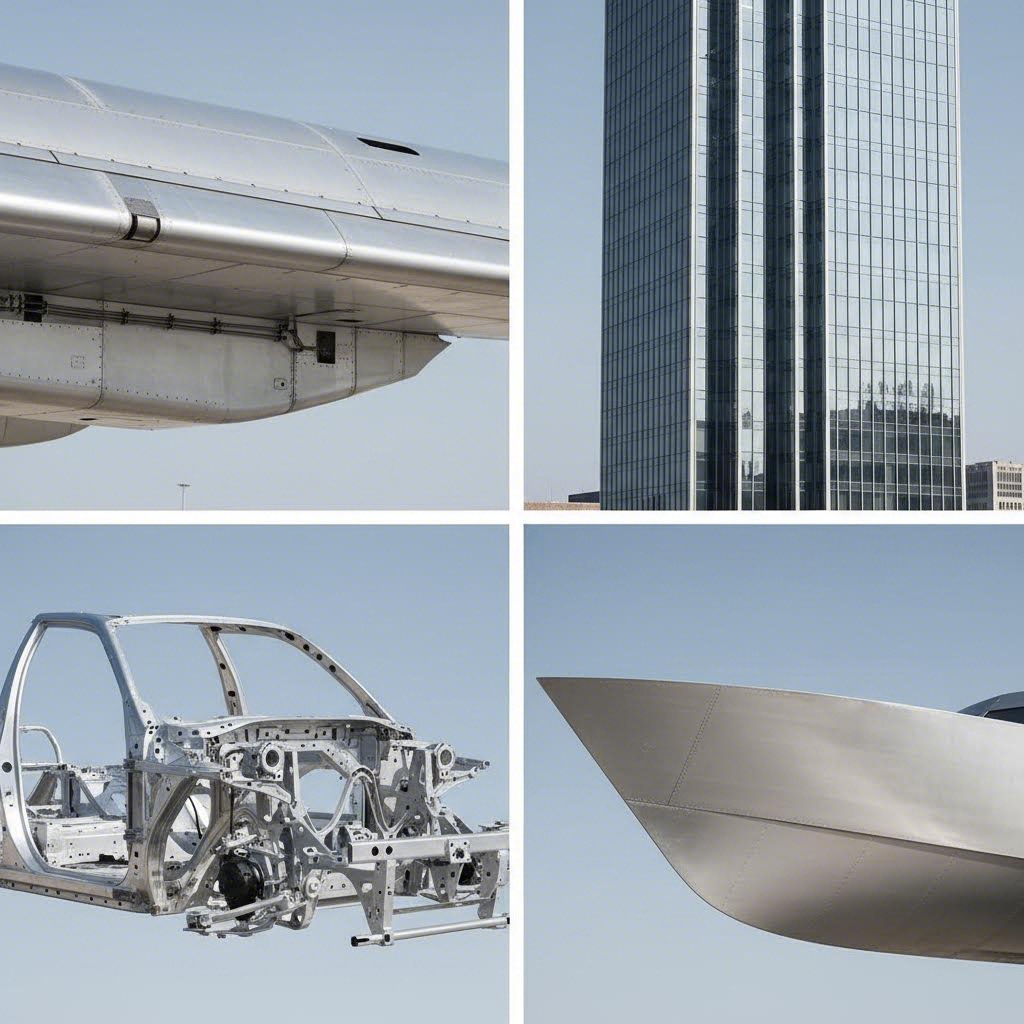
You now understand alloy families and temper designations—but how do these translate into real-world decisions? Different industries demand different performance priorities. What works perfectly for a sleek storefront window frame would fail catastrophically in an aircraft wing spar. This section bridges theory and practice by matching specific applications to their optimal alloys, organized by the industries where aluminum extrusions make the biggest impact.
When lives depend on material performance, there's no room for compromise. Aerospace aluminum extrusions face extreme demands: high stress loads, fatigue cycling, and weight restrictions that push engineering limits. According to aerospace industry analysis, two alloys dominate this sector—each serving distinct purposes.
7075-T6 is the workhorse of aerospace extrusions. This zinc-alloyed aluminum delivers strength approaching some steels while weighing far less. Its excellent fatigue resistance makes it ideal for components experiencing repeated stress cycles.
2024-T3 excels where damage tolerance matters more than maximum strength. Its copper content provides excellent strength and machinability, though with reduced corrosion resistance requiring protective coatings.
The choice between these aerospace extrusions often comes down to stress type: 7075 for compression-dominated structures, 2024 for tension applications where crack resistance matters.
Walk through any modern building and you'll encounter structural aluminum extrusions everywhere—window frames, curtain walls, door systems, and decorative trim. This sector prioritizes appearance, corrosion resistance, and extrudability over raw strength.
6063 Properties make it the undisputed champion of architectural applications. As noted by Silver City Aluminum, 6063 is often chosen for intricate designs due to its excellent finishing characteristics and efficient flow during extrusion.
6061 steps in when architectural applications require higher load-bearing capacity.
The automotive industry's push toward lightweighting has made aluminum extrusions increasingly critical. Every kilogram saved translates to improved fuel efficiency or extended electric vehicle range. Structural aluminum extrusions in this sector must balance strength, crash performance, and manufacturing efficiency.
6061 dominates automotive structural applications where strength and weldability matter most.
6082 offers even higher strength for demanding transportation applications.
Saltwater is aluminum's toughest adversary. While most aluminum alloys offer good atmospheric corrosion resistance, marine environments demand specialized selections. According to Hydro Shapes, the best alloys for saltwater environments belong to the 5000-series (5052, 5083, 5383, 5059) and select 6000-series alloys (6082, 6005A, 6063).
5083 leads the pack for severe marine exposure.
5052 offers a more economical marine option for less severe applications.
| Environment Type | Corrosion Severity | Recommended Alloys | Notes |
|---|---|---|---|
| Marine (Submerged) | Severe | 5083, 5086, 5383 | Avoid alloys with copper content; consider sacrificial anodes |
| Marine (Splash/Spray) | High | 5052, 5083, 6082 | Regular freshwater rinsing extends service life |
| Industrial (Chemical) | Variable | 1100, 3003, 5052 | Alloy selection depends on specific chemical exposure |
| Atmospheric (Urban) | Low-Moderate | 6063, 6061, 5052 | Most alloys perform well; 6063 ideal for appearance |
| Atmospheric (Rural) | Low | Any 6000 series | Minimal corrosion concerns; select based on other requirements |
Beyond heavy industry, aluminum extrusions appear in countless consumer products where appearance and feel matter as much as function.
With these industry-specific recommendations in hand, you're equipped to narrow your alloy selection based on your application sector. But what happens when your project spans multiple requirements or doesn't fit neatly into these categories? The next section provides a systematic decision framework to guide you from broad requirements to a specific alloy recommendation.
You've explored alloy families, compared specific grades, and reviewed industry applications—but how do you actually make the final call for your project? Many engineers default to familiar options like 6061 or 6063 simply because that's what they've always used. This habit-driven approach often leaves performance improvements and cost savings on the table. What you need is a systematic methodology that transforms scattered requirements into a confident extruded aluminum alloy recommendation.
The decision framework below walks you through four critical steps. Follow this sequence, and you'll narrow down from dozens of potential alloys to the one or two options that truly fit your application. No more guessing—just structured decision-making.
Before diving into alloy specifications, start with a clear picture of what your component must accomplish. According to Goodfellow's materials selection guide, the first step is defining your requirements: What properties are most important—strength, corrosion resistance, conductivity, or something else?
Your operating environment dramatically narrows alloy options. A component that performs flawlessly indoors might fail within months in marine or industrial atmospheres. Work through these environmental considerations systematically:
Even the perfect alloy on paper becomes problematic if it doesn't align with your manufacturing reality. As the reference materials note, a stronger aluminum alloy with higher alloying elements is generally more difficult to extrude and has a lower extrusion rate. Consider these fabrication factors:
With technical requirements narrowed, the final step weighs economic factors. Remember that raw material cost represents only part of total project economics—manufacturing efficiency, scrap rates, and secondary processing all factor in.
Imagine you're selecting an alloy for outdoor furniture frames. Walking through the framework:
Result: 6063-T6 with anodized finish—a confident, justified selection rather than a default guess.
For aluminium alloy extrusion projects requiring impact resistance or specialized forming, this framework helps identify when 5052 for bending applications or impact extrusions using 6061-T6 make more sense than standard architectural grades. The key is matching your specific requirements to alloy capabilities systematically rather than defaulting to familiar options.
Now that you have a structured approach to alloy selection, the next critical consideration is how your chosen alloy will respond to surface treatments and secondary processing—factors that can make or break your project's final appearance and functionality.
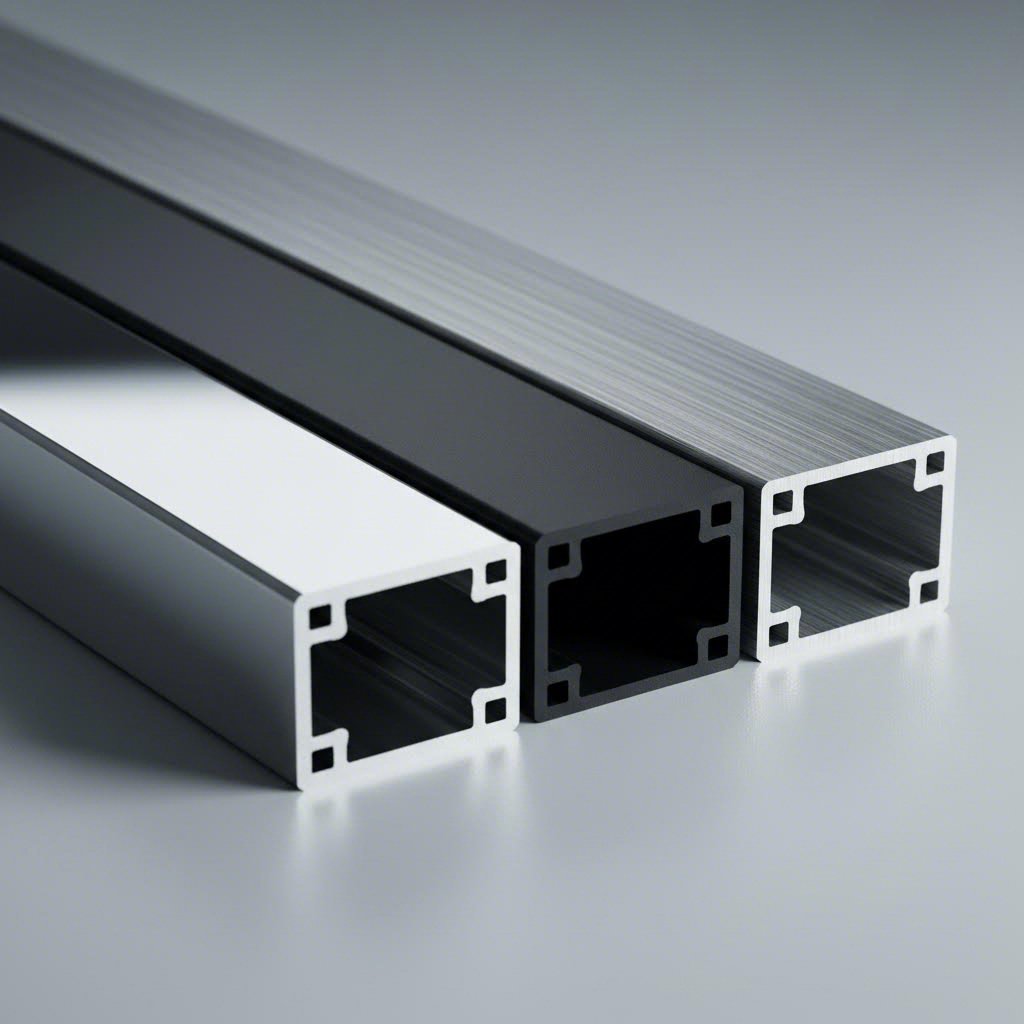
Your alloy selection doesn't end when the extrusion leaves the press. What happens next—anodizing, machining, welding, or coating—can dramatically affect your project's success. Here's the catch: not all alloys respond equally to these secondary processes. An alloy that extrudes beautifully might produce blotchy anodized finishes or crack during welding. Understanding these compatibility factors before you finalize your alloy choice prevents costly surprises downstream.
Anodizing creates a protective oxide layer that enhances corrosion resistance, wear properties, and aesthetic appeal. But the quality of that anodized finish varies dramatically depending on your alloy choice. According to Total Materia's surface treatment guide, architectural anodizing is specifically designed for permanent, exterior, and static applications where appearance and long life are crucial—making alloy selection particularly important.
How do different alloys perform under the anodizing process?
Beyond basic anodizing, you'll encounter various finish options including clear anodized metal for colorless translucent coatings, dyed anodized metal that absorbs pigments into the pore structure, and hard anodized metal optimized for wear and abrasion resistance. Each requires specific alloy characteristics to achieve optimal results.
For projects requiring premium surface finishes, experienced extrusion partners like Shengxin Aluminium offer comprehensive surface treatment options including anodizing in custom colors like Champagne and Rose Gold, powder coating, PVDF, and micro-arc oxidation. Their technical teams can guide alloy selection based on your desired finish requirements—ensuring you don't discover compatibility issues after production begins.
Planning CNC machining, drilling, or cutting operations after extrusion? Your alloy choice directly impacts machining efficiency, tool life, and surface quality. According to Gabrian International, 6061 offers good workability and machinability, making it a desirable candidate for extruded products requiring secondary processing.
Here's how common alloys compare for machining operations:
Why does this matter for your budget? Poor machinability translates directly to higher costs through slower feed rates, more frequent tool changes, and additional finishing operations to remove burrs. For projects involving extensive machining, selecting 6061 over 6063 can reduce secondary processing costs by 15-25%—even if the raw material costs slightly more.
For round aluminum extrusion applications requiring precise boring or turning operations, machinability becomes especially critical. Hollow profiles machined from 6061 maintain dimensional stability better than softer alloys during internal operations.
Welding aluminum extrusions introduces another layer of alloy-specific considerations. As PSI Extrusions notes, 6061 features good weldability, but it requires using the proper filler material to prevent solidification cracks.
Critical welding considerations by alloy type:
| Alloy | Anodizing Quality | Machinability | Weldability | Powder Coating | Best Surface Applications |
|---|---|---|---|---|---|
| 6063 | Excellent | Fair | Good | Excellent | Architectural, decorative, color-critical |
| 6061 | Good | Excellent | Excellent | Excellent | Structural, machined components |
| 6082 | Good | Moderate | Good | Excellent | High-strength structural, marine |
| 5083 | Good (gray tint) | Moderate | Excellent | Good | Marine, welded assemblies |
| 7075 | Fair (yellow tint) | Good | Poor | Good | Aerospace, protective coatings only |
| 2024 | Poor | Excellent | Poor | Good | Machined aerospace, painted finishes |
When your project requires both complex machining and premium anodized finishes, you may face a trade-off. One solution: work with extrusion partners offering end-to-end processing capabilities. Companies with integrated CNC machining centers and multiple surface treatment options—like anodizing, powder coating, and PVDF—can help optimize your alloy selection for the complete manufacturing process rather than just one step.
With surface treatment compatibility now factored into your decision matrix, you're ready to translate all this knowledge into action and move your project from planning to production.
You've journeyed through alloy families, temper designations, industry applications, and processing considerations. Now comes the moment that separates informed engineers from those still guessing: transforming this knowledge into real-world project decisions. The difference between a successful extrusion project and a frustrating one often comes down to applying these principles systematically—and partnering with manufacturers who understand the nuances as deeply as you now do.
Before you finalize your next project specification, run through these critical decision factors that separate optimal alloy choices from default selections:
The most successful extrusion projects result from matching alloy properties precisely to application requirements—not defaulting to familiar options simply because they've worked before.
Even with thorough alloy knowledge, the right manufacturing partner makes all the difference. As industry experts note, alloy selection is the fundamental first step in creating precise custom aluminum extrusion profiles—and experienced partners guide you through every subsequent decision.
What should you look for in an extrusion partner?
For projects requiring this complete solution, Shengxin Aluminium brings over 30 years of industry experience to custom extrusion challenges. Their facility houses 35 advanced extrusion presses ranging from 600T to 5500T—covering everything from intricate 6063 architectural profiles to demanding structural components. Their technical team provides end-to-end support from die development through mass production, with state-of-the-art CNC machining centers for precise secondary processing when your project demands it.
Ready to translate your alloy selection into manufactured parts? Follow this action sequence to move efficiently from specification to delivery:
Whether you need alum angle iron for simple framing applications or complex multi-hollow profiles for demanding structural uses, the systematic approach you've learned here ensures confident material decisions. The days of defaulting to "whatever worked last time" are behind you.
Your aluminum extrusion projects deserve more than guesswork. Armed with this comprehensive understanding of alloy families, temper effects, industry applications, and processing compatibility, you're now equipped to specify materials that optimize performance, manufacturability, and cost. The next step? Connect with a knowledgeable extrusion partner who can help bring your specifications to life.
The 6000 series alloys, particularly 6063 and 6061, are best for extrusion. 6063 offers excellent extrudability and superior surface finish for architectural applications, while 6061 provides higher strength for structural components. The choice depends on your specific requirements for strength, surface quality, and post-processing needs.
6061 aluminum contains copper for higher tensile strength (approximately 310 MPa vs 270 MPa) and offers excellent machinability, making it ideal for structural and machined parts. 6063 has superior extrudability, produces smoother surfaces perfect for anodizing, and provides better corrosion resistance due to its copper-free composition—making it the preferred choice for architectural applications.
The main 6000 series options include 6063 (best extrudability and surface finish), 6061 (higher strength with excellent machinability), 6005/6005A (bridges 6063-6061 properties with good weldability), and 6082 (highest strength in the series at 350 MPa). Each alloy serves different applications based on strength, formability, and processing requirements.
Temper designations dramatically change mechanical properties. T4 (naturally aged) offers moderate strength with good formability for post-extrusion shaping. T5 (artificially aged from extrusion heat) provides cost-effective moderate strength. T6 (solution treated and artificially aged) delivers maximum strength and hardness. T651 adds stress relief for dimensional stability during machining.
For marine applications, 5000 series alloys (5083, 5052) offer the best saltwater corrosion resistance. 5083 is ideal for boat hulls and offshore structures, while 5052 works for less severe marine exposure. Among 6000 series, 6082 provides excellent corrosion resistance with higher strength. Avoid copper-containing alloys like 2024 in marine environments as they have poor corrosion resistance.



 خدمة الإنترنت
 0086 136 3563 2360
 sales@sxalu.com
 +86 136 3563 2360
 العربية
 English
 français
 Deutsch
 русский
 español
 português
 ไทย
 Việt
 Українська