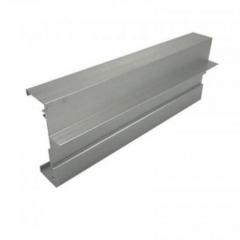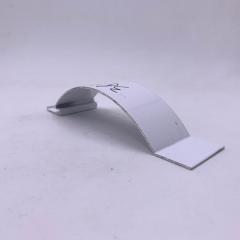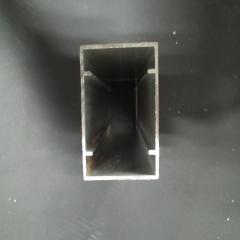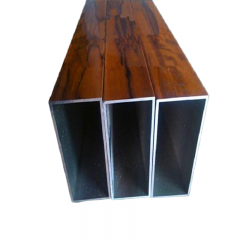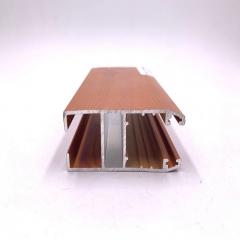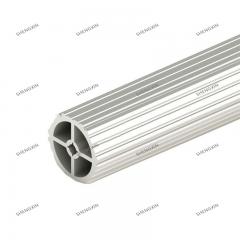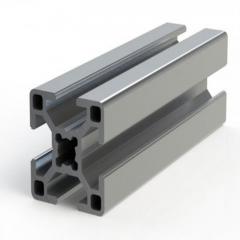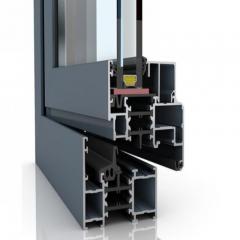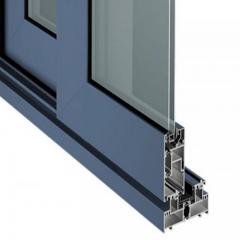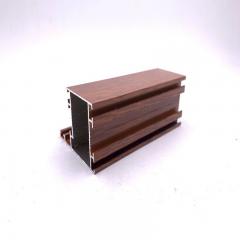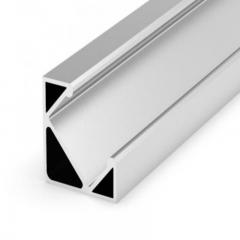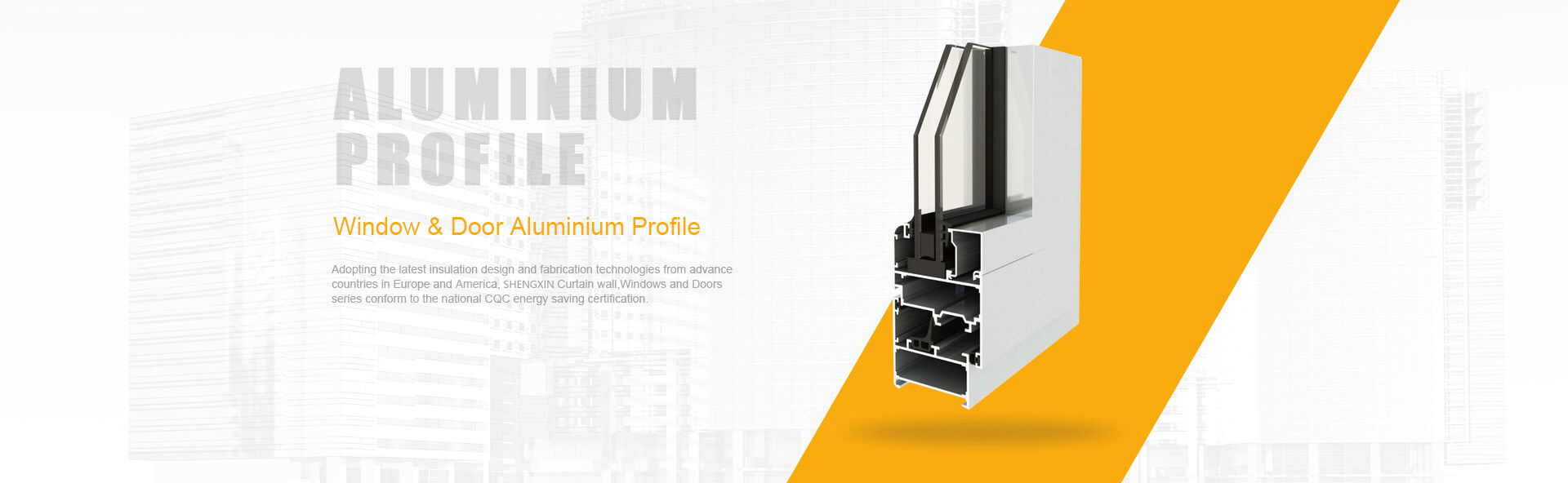
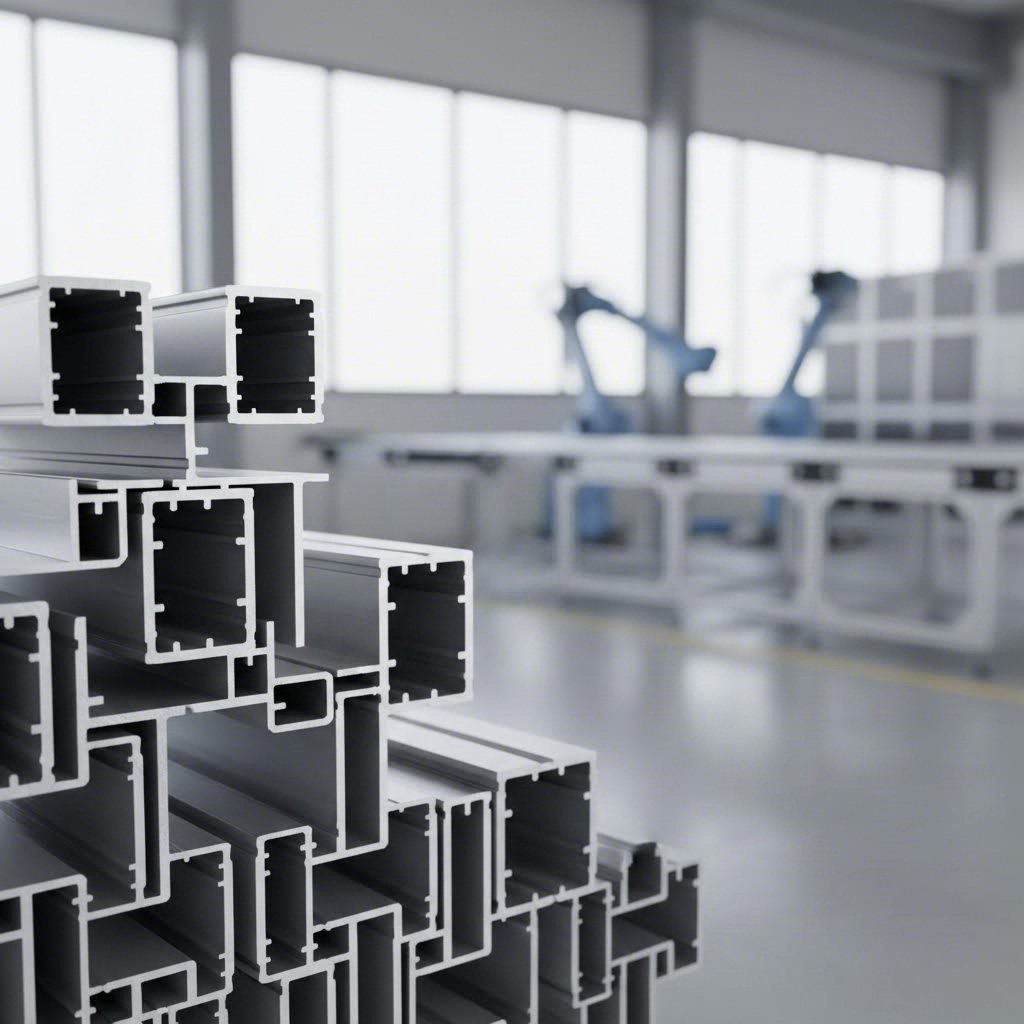
When you need a framing material that combines strength, precision, and versatility, structural aluminum extrusions stand in a class of their own. But what exactly are they? Simply put, these are aluminum profiles manufactured through a specialized process that forces heated metal through shaped dies to create continuous lengths with perfectly consistent cross-sections. The result? Load-bearing components that deliver remarkable dimensional accuracy and inherent structural integrity.
Unlike welded steel frames or timber construction, extruded aluminum profiles offer a unique combination of lightweight strength and modular flexibility. They've become the backbone of everything from industrial machine frames to architectural curtain walls. Understanding how they're made reveals why they perform so exceptionally well.
Imagine squeezing toothpaste from a tube—that's the basic principle behind aluminum extrusion, just executed with tremendous precision and force. The process begins with a cylindrical aluminum billet, which is preheated to temperatures between 700°F and 930°F (375°C to 500°C). At these temperatures, the aluminum becomes soft and malleable without actually melting.
Here's what happens next:
After the aluminium extrusion exits the press, it travels along a runout table where it cools and maintains its shape. The profile then undergoes aging treatments—either in specialized ovens or at room temperature—to enhance its mechanical properties and achieve final hardness.
You might wonder: why choose extruded aluminium over cast or machined alternatives? The answer lies in what happens to the metal's internal structure during extrusion.
The extrusion process aligns aluminum's grain structure in the direction of the profile, creating a more uniform and significantly stronger material than casting methods can achieve.
This grain alignment is crucial for structural applications. When aluminum flows through the die under immense pressure, the metal's crystalline structure becomes oriented along the length of the profile. This directional grain flow dramatically improves tensile strength—the material's resistance to pulling forces—and yield strength, which determines when permanent deformation begins.
Cast aluminum, by contrast, features a random grain structure that forms as molten metal solidifies in a mold. While casting allows for complex three-dimensional shapes, it simply cannot match the strength characteristics of extruded aluminum for load-bearing applications.
Structural aluminum extrusions also deliver exceptional dimensional consistency. Every inch of a profile matches the die's specifications precisely, meaning you can cut pieces to length with confidence that they'll fit together perfectly. This consistency is essential for modular framing systems where multiple components must align and connect reliably.
The aluminum extrusion process also enables designers to create complex hollow sections, internal ribs, and integrated mounting features—all in a single operation. These design possibilities allow engineers to optimize strength-to-weight ratios in ways that machined or fabricated alternatives simply cannot match economically.
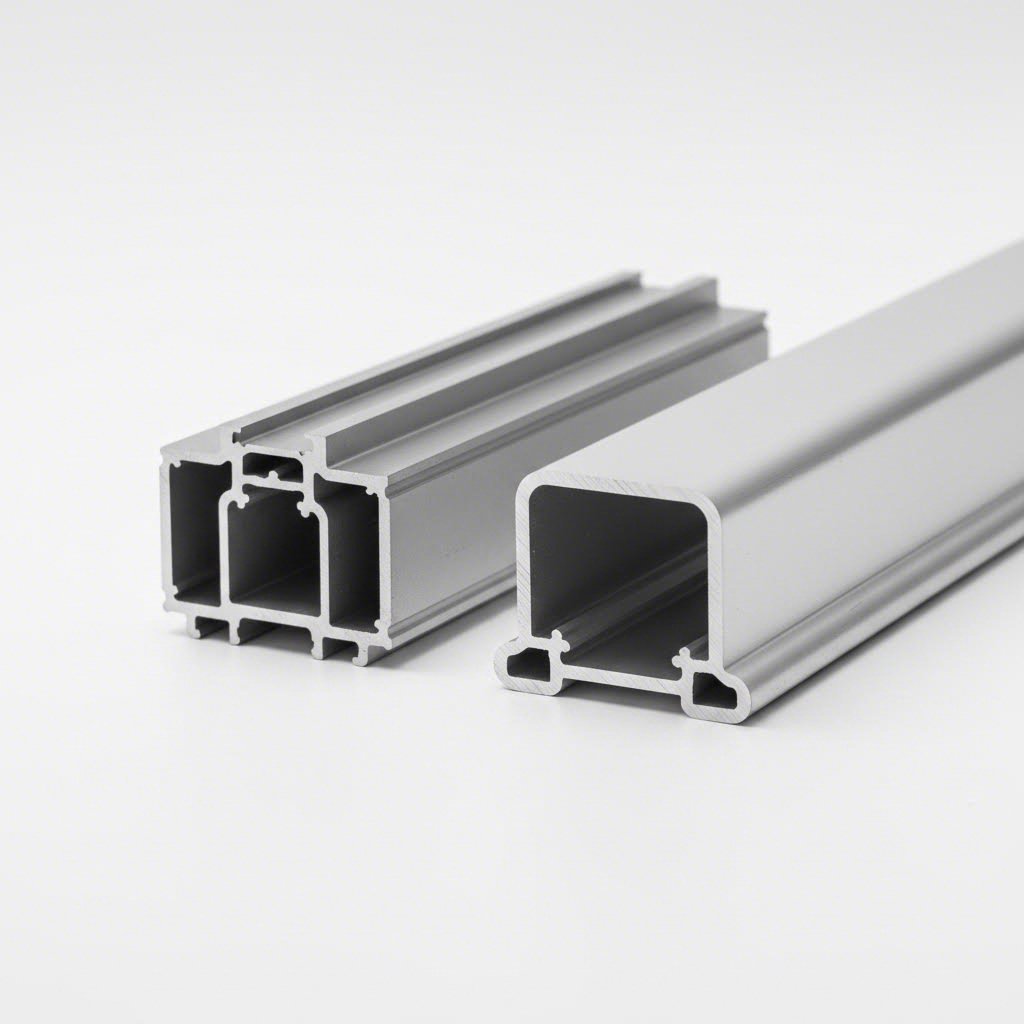
Now that you understand how structural aluminum extrusions gain their strength through the manufacturing process, here's the next critical question: which alloy should you specify? The answer depends entirely on your project's demands—whether you're building a heavy-duty machine frame or an elegant architectural facade.
Within the 6000 series aluminum family, two alloys dominate structural applications: 6061 and 6063. Both belong to the magnesium-silicon alloy group, meaning they're heat-treatable and can achieve enhanced mechanical properties through controlled thermal processing. However, their performance characteristics differ significantly, making proper selection essential for project success.
Think of 6061-T6 as the workhorse of extruded aluminum profiles—it's your go-to choice when structural performance takes priority. This alloy contains higher levels of magnesium, silicon, and copper compared to 6063, resulting in approximately 30-50% more strength. When you're designing load-bearing frames, machine bases, or any application where rigidity matters, 6061-T6 delivers the mechanical muscle you need.
By contrast, 6063-T5 earns its reputation as the architectural alloy. What it sacrifices in raw strength, it gains in surface quality and extrudability. The aluminum extrusion profile you specify in 6063 will feature smoother surfaces, sharper corners, and finer detail than the same shape in 6061. This makes it ideal for visible applications—think storefront systems, handrails, and decorative trim where appearance matters as much as function.
Here's a practical comparison across the metrics that matter most:
| Property | 6061-T6 | 6063-T5 | What This Means for Your Project |
|---|---|---|---|
| Tensile Strength | 310 MPa (45 ksi) | 185 MPa (27 ksi) | 6061 handles significantly higher pulling forces |
| Yield Strength | 275 MPa (40 ksi) | 145 MPa (21 ksi) | 6061 resists permanent deformation under load |
| Brinell Hardness | 95 | 60 | 6061 better resists surface wear and scratching |
| Corrosion Resistance | Excellent | Excellent | Both perform well; 6063 slightly better without treatment |
| Weldability | Good | Good | 6063 easier to weld with less strength reduction |
| Surface Finish Quality | Good | Superior | 6063 anodizes more uniformly with better appearance |
| Extrudability | Moderate | Excellent | 6063 achieves thinner walls and finer details |
| Relative Cost | Higher | Lower | 6063's popularity means lower MOQ and pricing |
You've likely noticed the "T" by numbers after alloy designations—but what do these actually mean? The temper designation tells you exactly how the aluminum extruded material has been thermally processed to achieve its mechanical properties.
For heat-treatable 6000 series alloys, the T-temper system works like this:
The distinction between T5 and T6 is particularly important for structural aluminum extrusions. While both involve artificial aging, T6 includes a separate solution heat treatment step where the aluminum plate or profile is heated to dissolve alloying elements, then rapidly quenched before aging. This additional processing increases strength by roughly 15-20% compared to T5, though it also adds cost.
When should you specify each alloy and temper combination? Consider these guidelines:
If you're uncertain which alloy suits your project, consulting industry standards for your application type provides reliable guidance. Experienced extrusion suppliers can also recommend the optimal alloy and temper based on your specific load requirements, environmental conditions, and finishing needs.
You've selected your alloy and temper—now comes a question that stumps many first-time buyers: what do those series numbers actually mean? Walk through any supplier's catalog and you'll encounter designations like 10 series, 15 series, 20 series, and 40 series. These aren't arbitrary labels. Understanding them is essential for selecting compatible hardware and building systems that work together seamlessly.
The series number in structural aluminum extrusions refers to the T-slot width—the opening where fasteners, connectors, and accessories slide into place. Get this wrong, and your carefully planned frame won't accept the hardware you've ordered. Let's decode these classification systems so you can specify profiles with confidence.
Here's the fundamental concept: the series number corresponds to the slot width, typically measured in millimeters for metric profiles or derived from inch-based dimensions for fractional systems. According to 80/20's naming convention guide, the series number represents the broader category to which a profile belongs, based on general profile size.
The naming pattern typically follows this structure:
[Series Number]-[Profile Size]x[Profile Size/Shape]-[Additional Features]
When you see a profile labeled "40-4080," for instance, the "40" indicates a 40 series profile (with 40mm slot dimensions), while "4080" describes a 40mm × 80mm rectangular cross-section. This systematic approach means once you understand the convention, you can quickly interpret any profile designation.
Here's what each common series offers:
The larger the series number, the greater the profile's structural capacity—but also the higher the weight and cost. Selecting the right series means matching your load requirements to profile capability without over-specifying.
Sounds complex? It becomes clearer when you recognize that two parallel systems exist: metric (millimeter-based) and fractional (inch-based). Your choice between them depends on geographic standards, hardware availability, and existing equipment compatibility.
Fractional profiles—common in North American applications—use inch-based dimensions. When you see 80/20 aluminum profiles like "1010" or "1515," these indicate 1" × 1" and 1.5" × 1.5" cross-sections respectively. The 8020 15 series and 10 series lines exemplify this approach, with slot dimensions designed to accept fractional fasteners.
Metric profiles use millimeter dimensions throughout—20mm, 25mm, 30mm, 40mm, and larger. European and Asian markets predominantly use metric systems, and many automation components assume metric compatibility. If you're integrating with imported machinery or following international standards, metric profiles often simplify component sourcing.
The critical consideration? Hardware compatibility. A T-nut designed for 40 series metric profiles won't fit 15 series fractional slots. Before ordering, confirm that your profiles, fasteners, brackets, and accessories all share the same system. Mixing systems creates frustrating mismatches that delay projects and waste materials.
Beyond series numbers, you'll encounter two distinct slot geometries: T-slot and V-slot. While sometimes used interchangeably in conversation, these serve fundamentally different purposes.
T-slot profiles feature the classic "T" shaped groove on each side—the industry standard for modular framing. The T-slot design excels at versatility and adjustability. You can position connectors, brackets, and accessories anywhere along the slot length, then lock them in place with a quarter-turn of a T-nut. This makes T-slot aluminum extrusions perfect for:
V-slot profiles incorporate beveled edges that create a V-shaped channel instead of the traditional T-shape. As Zetwerk explains, these beveled edges ensure that wheels and bearings sit precisely inside the groove. A v slotted aluminum insert or bearing rides smoothly along the V-channel, making these profiles function as integrated linear rails.
When should you choose V-slot over T-slot? Consider these scenarios:
For general structural framing without motion requirements, T-slot remains the superior choice. Its deeper engagement with standard fasteners provides more secure connections, and the broader ecosystem of compatible accessories offers greater design flexibility. Many experienced builders use T-slot for the main frame structure and incorporate V-slot specifically where linear motion is needed.
With profile series and slot types clarified, you're ready to tackle the next challenge: determining which profile size actually handles your specific loads.
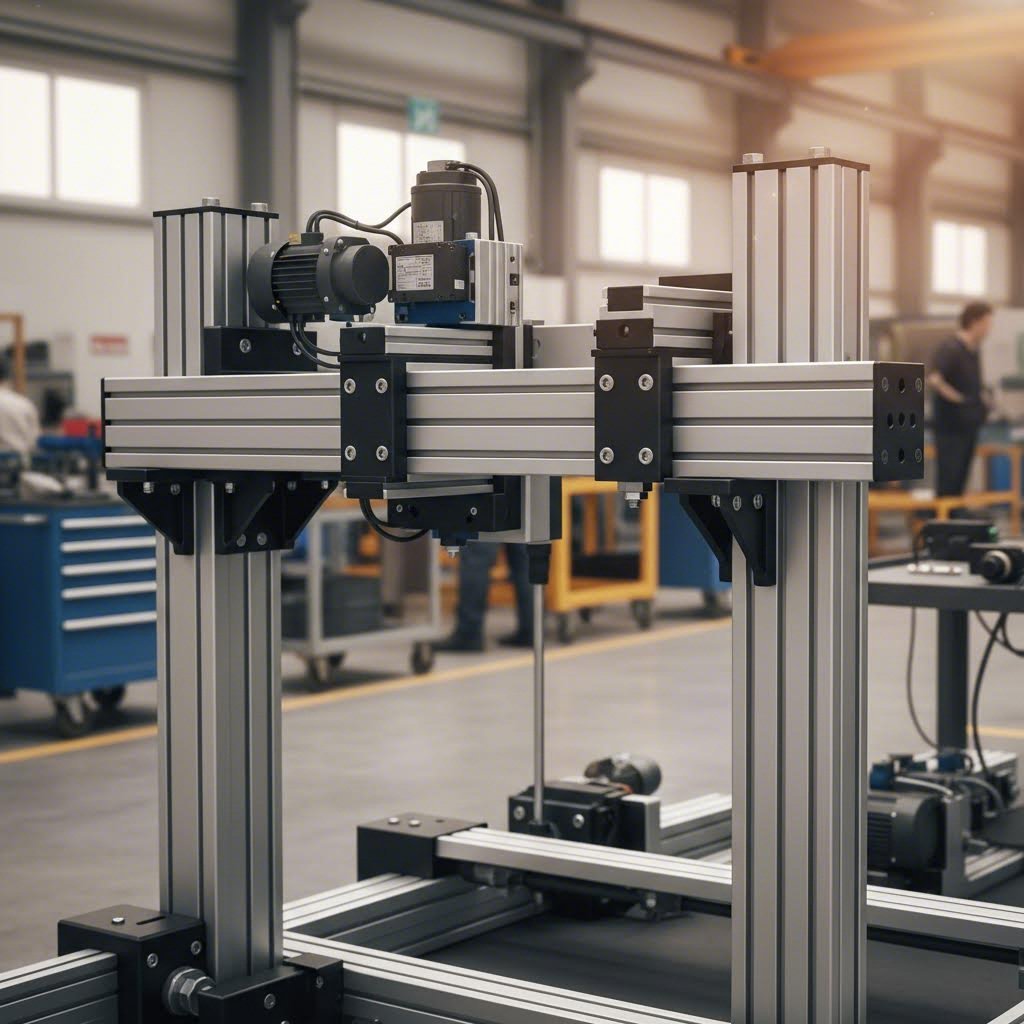
So you've identified your alloy, understood the series numbering, and selected your slot type. Now comes the question that separates successful builds from frustrating failures: will that profile actually support your load? This is where many DIY builders and even experienced engineers stumble—choosing profiles based on intuition rather than understanding the engineering fundamentals.
The good news? You don't need an engineering degree to make informed decisions about structural aluminum extrusions. By grasping a few core concepts, you'll gain the confidence to evaluate whether a profile is adequate for your application—or recognize when you need professional help.
When you place weight on a beam, three things happen simultaneously: the beam experiences stress (internal forces), it deflects (bends), and—if the load exceeds capacity—it fails. Understanding these behaviors helps you select profiles that perform reliably.
Let's break down the key engineering concepts in plain language:
According to engineering guidelines, doubling a profile's dimension from 20mm to 40mm increases the Moment of Inertia by more than tenfold. This dramatic scaling effect explains why jumping to a larger series often solves rigidity problems that no amount of bracing can fix with smaller profiles.
The load capacity of any profile depends heavily on how it's supported, how the load is applied, and the span length—not just the profile's size.
Here's what influences load capacity beyond the profile itself:
How do you actually choose the right profile for your project? While complex structures require professional engineering analysis, you can make reasonable preliminary selections by following a systematic approach.
Most profile manufacturers provide load tables showing allowable loads for specific spans and support conditions. These tables typically assume a maximum deflection limit (often L/200) and provide safe working loads that include appropriate safety factors. Always consult manufacturer data rather than relying on generic calculations.
When working with vertical posts—similar to how 4x4 post brackets and 4x4 post base hardware support wood construction—aluminum profiles follow the same principles. The connection at the base and the bracing configuration determine how effectively the post resists lateral forces. Bolts for 4x4 posts in wood framing serve the same fundamental purpose as T-nuts and brackets in aluminum systems: transferring loads securely between members.
Some applications absolutely require professional structural analysis. Don't gamble with safety when:
A qualified engineer can perform detailed finite element analysis, verify safety factors, and provide documentation that protects you legally. The cost of professional review typically represents a small fraction of total project cost—and an even smaller fraction compared to the consequences of structural failure.
For routine applications like workbenches, light machine guards, and display structures, the systematic approach outlined above provides adequate guidance. But as loads increase and consequences of failure grow more serious, professional engineering transitions from optional to essential. Understanding your own limits—and when to call in expertise—marks the difference between confident builders and reckless ones.
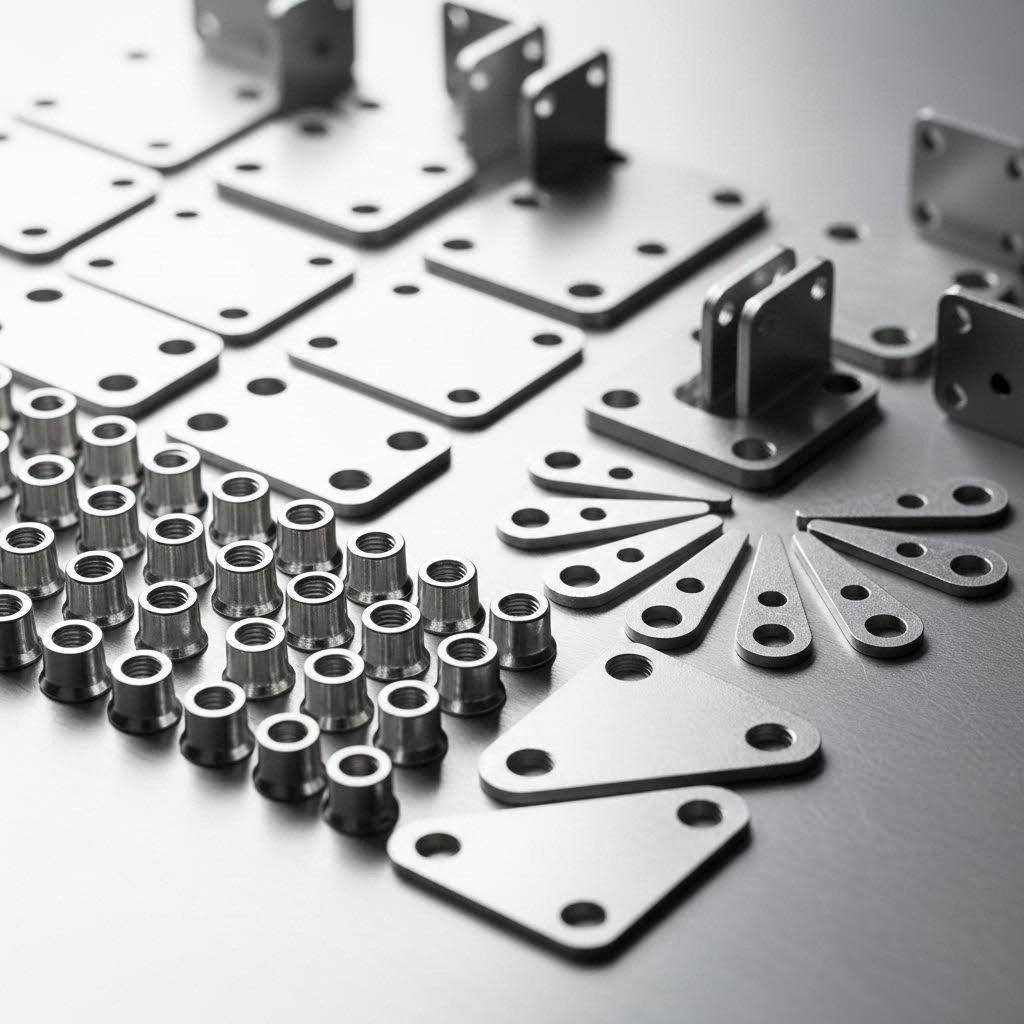
You've selected your profiles, calculated your loads, and designed your frame layout. Now comes the make-or-break element: how you connect everything together. Here's a truth that surprises many builders—aluminum extrusion joints can match the stiffness and strength of welded connections, but only when you choose the right hardware and assemble it correctly. Get this wrong, and even perfectly sized profiles will twist, slip, or fail under load.
The connection hardware you select determines whether your structure performs reliably for years or becomes a frustrating source of ongoing problems. Let's explore the complete range of aluminum extrusion accessories and extruded aluminum accessories that transform individual profiles into integrated structural systems.
Think of connection hardware in two broad categories: internal fasteners that hide within the profiles, and external fasteners that mount on the outside. Each category offers distinct advantages depending on your priorities—whether that's clean aesthetics, maximum strength, or easy reconfiguration.
Internal fasteners create connections that are largely invisible from the outside. According to 80/20's fastener comparison guide, these options typically require fewer parts, include necessary hardware, and won't interfere with your design area.
External fasteners mount visibly on profile surfaces, offering easier implementation and greater reconfiguration flexibility. When you need to adjust, relocate, or strengthen connections later, external options simplify the process.
With so many options, how do you decide which connection type fits your application? The answer depends on load requirements, assembly priorities, and whether you'll need to reconfigure the structure later.
| Connection Method | Relative Strength | Adjustability | Ease of Assembly | Relative Cost | Best Applications |
|---|---|---|---|---|---|
| Anchor Fastener | High | Reconfigurable | Moderate | Medium | Primary structural joints requiring strength |
| Inside Corner Connector | Medium-High | Fixed once installed | Easy | Low | Quick assembly of permanent frames |
| Bracket/Gusset | Medium to High | Fully adjustable | Easy | Low-Medium | Reinforcing corners, adding cross-members |
| Flat Joining Plate | Medium | Infinite positioning | Easy | Low | Spanning multiple profiles, panel mounting |
| Central Connector | High | Adjustable | Requires machining | Medium-High | Mid-span connections, T-intersections |
| 45-Degree Support | High (diagonal) | Fixed angle | Easy | Medium | Anti-racking bracing, corner reinforcement |
When evaluating connection requirements, consider load direction carefully. Joint configuration research shows that loads directed through compression—pushing down into the supporting profile—create stronger connections than those placing joints in tension or torsion. Whenever possible, design horizontal load-bearing members to rest on top of vertical supports rather than hanging from side connections.
What about structures that need to move? Beyond static framing, structural aluminum extrusions excel in dynamic applications where components slide, rotate, or pivot. These specialty connectors expand what's possible with modular framing.
Even the best hardware fails when installed incorrectly. Follow these guidelines to ensure your connections perform as designed:
The strength of your aluminum extrusion structure depends as much on connection quality as profile selection—pay equal attention to both.
With connection methods understood, you're equipped to assemble reliable structural frames. But how do aluminum extrusions compare against traditional materials like steel and wood? Understanding these trade-offs helps you make confident material decisions for your next project.
You've mastered profile selection, load calculations, and connection methods. But here's a question worth stepping back to consider: is aluminum extrusion even the right material for your project? Before committing to any framing system, understanding how structural aluminum extrusions stack up against steel, wood, and welded aluminum fabrication helps you make confident, informed decisions.
Each material brings distinct advantages—and limitations. The best choice depends on your specific requirements for strength, weight, cost, and flexibility. Let's examine how these framing options compare across the metrics that matter most.
Steel framing dominates heavy industrial construction for good reason. According to industry comparisons, steel delivers significantly higher tensile strength—approximately 50,000 psi versus aluminum's 36,000 psi. When raw load capacity matters above all else, steel wins.
But strength alone doesn't tell the complete story. Consider these trade-offs:
When does steel make sense? Choose it for extreme load applications, high-temperature environments, or projects where metal stud dimensions and metal stud specifications already drive the design—such as commercial door framing in buildings requiring fire-rated assemblies.
Wood remains the most common framing material for residential construction, offering low upfront costs and widespread familiarity. But how does it compare for precision applications?
According to construction industry analysis, wood framing excels in cost-effectiveness and ease of use for low-rise buildings. However, it presents significant limitations for applications requiring precision and modularity:
Wood wins for traditional residential construction, temporary structures, and budget-constrained projects where precision isn't critical. For industrial, architectural, or precision applications, aluminum extrusions deliver superior performance.
What about welded aluminum fabrication? After all, welding aluminum creates permanent, custom structures without the constraints of standard profiles. Why choose modular T-slot systems instead?
Welded aluminum offers advantages in specific scenarios: custom shapes impossible with standard extrusions, streamlined aesthetics without visible fasteners, and potentially lighter weight when optimized for a single purpose. But these benefits come with significant trade-offs:
| Property | T-Slot Aluminum | Steel Framing | Wood Framing | Welded Aluminum |
|---|---|---|---|---|
| Weight | Light | Heavy (3× aluminum) | Medium | Light |
| Strength-to-Weight Ratio | Excellent | Good | Moderate | Excellent |
| Corrosion Resistance | Excellent | Poor (requires coating) | Poor (requires treatment) | Excellent |
| Modularity/Reconfiguration | Excellent | Poor | Poor | None |
| Dimensional Precision | Excellent | Good | Fair | Good |
| Assembly Skill Required | Low | High | Medium | High |
| Initial Material Cost | Medium | Low | Low | Medium |
| Total Project Cost | Medium | Medium-High | Low | High |
Choose modular aluminum extrusions when you need flexibility to modify structures over time, rapid assembly without specialized trades, and consistent precision across components. Reserve welded fabrication for high-volume production runs where custom optimization justifies the engineering investment, or for aesthetic applications where visible fasteners are unacceptable.
The best framing material isn't universally superior—it's the one that best matches your project's specific requirements for strength, weight, cost, and adaptability.
Understanding these material trade-offs positions you to make smarter decisions. But where exactly do structural aluminum extrusions shine brightest? From factory floors to coastal installations, the applications are remarkably diverse.
Now that you understand how structural aluminum extrusions compare to alternative materials, where exactly do they deliver the most value? The answer spans an impressive range—from climate-controlled factory floors to salt-spray-battered coastal installations. This versatility stems from aluminum's unique combination of strength, light weight, and natural corrosion resistance.
Let's explore the applications where these profiles truly shine, organized by the industries that rely on them most heavily.
Walk through any modern manufacturing facility and you'll encounter structural aluminum extrusions everywhere. According to 80/20's application portfolio, these profiles form the backbone of industrial operations—from protecting workers to optimizing production workflows.
Why has industry embraced aluminum frame extrusion so completely? The answer lies in modularity. Production requirements change constantly. New equipment arrives, processes evolve, and layouts must adapt. T-slot aluminum systems reconfigure in hours rather than days, keeping operations agile without expensive rebuilds.
Beyond the factory floor, structural aluminum extrusions have transformed modern architecture and conquered demanding marine environments. These applications showcase aluminum's aesthetic versatility alongside its legendary durability.
Ever noticed how contemporary buildings feature expansive glass facades that seem to float without visible support? According to Taber Extrusions, structural aluminum has become essential in modern construction—particularly for window walls and curtain walls that define today's skylines.
What makes aluminum particularly valuable for architecture? As industry sources note, aluminum can withstand extreme temperatures ranging from -80°C to +300°C while remaining fully recyclable—aligning with sustainable building practices and reducing overall maintenance costs.
Marine environments are notoriously unforgiving. Saltwater corrodes most metals aggressively, waves deliver constant mechanical stress, and UV exposure degrades many materials rapidly. So why does aluminum thrive where other metals fail?
According to marine industry experts, the secret lies in aluminum's unique composition. When exposed to oxygen, aluminum instantly forms a thin but incredibly tough oxide layer on its surface. This natural barrier protects the underlying metal from further oxidation—unlike iron, which continues rusting until nothing remains.
Marine-grade alloys in the 5000 and 6000 series incorporate magnesium and silicon, enhancing this natural protection to create materials that:
Here's where you'll find aluminum extrusion tube and profile applications in marine environments:
Marine environments test materials to their limits—aluminum's natural oxide layer provides built-in protection that steel and wood simply cannot match.
While aluminum naturally resists corrosion, surface treatments can dramatically enhance durability for demanding environments. The right finish transforms already-capable profiles into components engineered for specific challenges.
The application environment should drive your surface treatment selection. Indoor industrial frames may need only mill finish or light anodizing. Coastal architectural installations demand heavy anodizing or PVDF coatings. Marine applications often specify marine-grade alloys combined with appropriate surface protection.
With applications spanning from factory automation to oceangoing vessels, structural aluminum extrusions prove their versatility across virtually every industry. But appearance matters too—especially for architectural and consumer-facing applications. Understanding surface treatment options helps you achieve both performance and aesthetics.
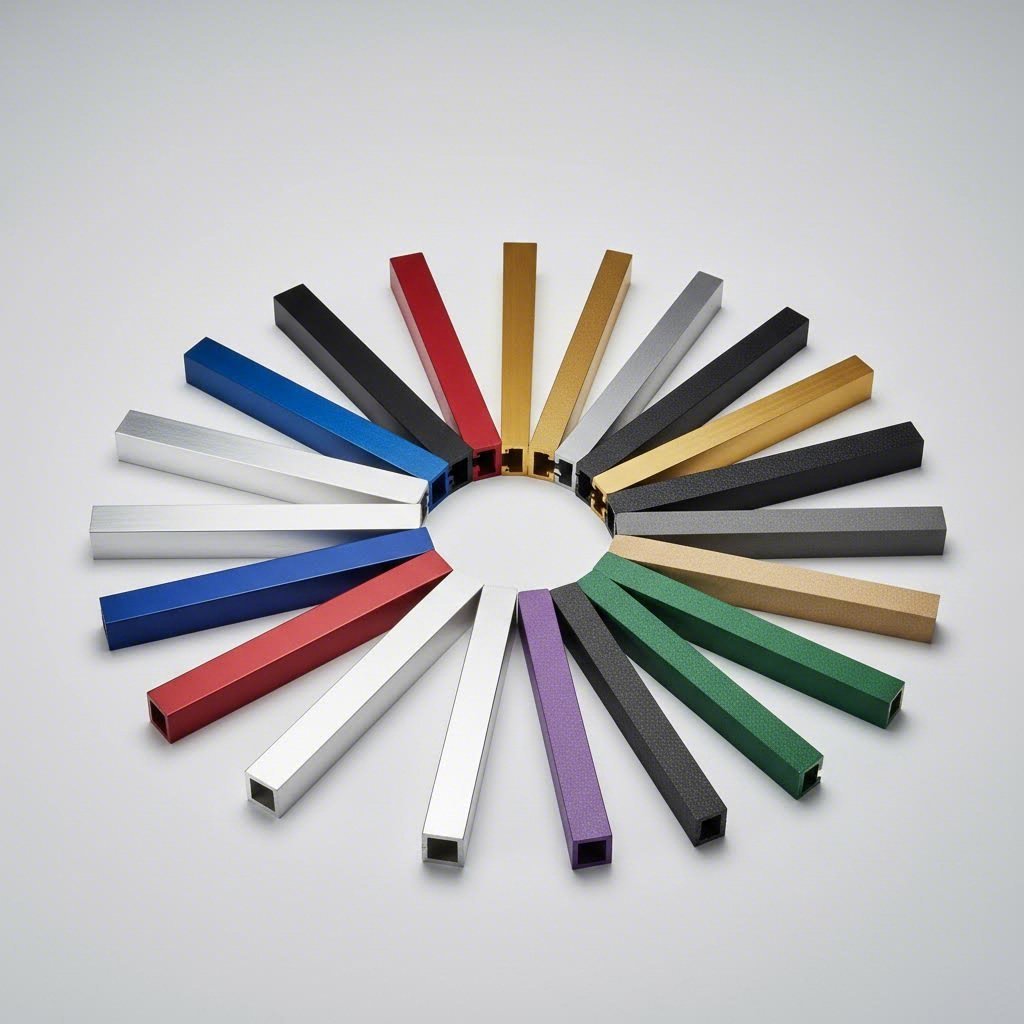
You've selected the perfect alloy, sized your profiles correctly, and planned your connections. But here's what separates good aluminum builds from exceptional ones: the surface treatment. Beyond aesthetics, the right finish dramatically affects how your structural aluminum extrusions perform over years of service—determining corrosion resistance, wear characteristics, and long-term maintenance requirements.
Think of surface treatments as protective armor for your aluminum profiles. While aluminum naturally forms a thin oxide layer that resists corrosion, engineered finishes amplify this protection while adding functionality you simply can't achieve with raw material. Let's explore the complete spectrum of finishing options available for your next project.
Anodizing remains the most popular surface treatment for anodized aluminum extrusions—and for good reason. According to Pioneer Metal Finishing, this electrochemical conversion process creates an oxidized surface finish that becomes part of the metal itself rather than sitting atop its surface. The result? A protective layer that won't chip, peel, or flake like paint or powder coatings might.
Here's how anodizing works: the aluminum profile is immersed in an acid electrolyte bath while electrical current passes through it. This controlled oxidation dramatically thickens the naturally occurring oxide layer—from mere angstroms to microns of hardened protection. The anodized surface displays exceptional characteristics:
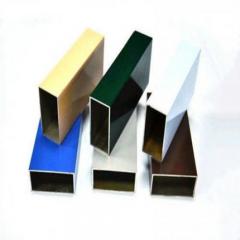
What about color options? The anodizing process accepts dyes before sealing, enabling a broad palette of possibilities. Standard options include clear (natural aluminum appearance), black aluminum extrusion finishes, bronze, gold, and champagne tones. Established manufacturers like Shengxin Aluminium offer custom anodizing colors including distinctive finishes like Champagne and Rose Gold—options that add architectural distinction while maintaining full protective properties.
Not all anodizing is created equal. Different types serve different purposes:
When anodizing alone isn't sufficient—or when specific aesthetic requirements drive the specification—alternative coating systems deliver targeted performance characteristics. Understanding these options helps you match the finish to your environment.
Powder coating applies dry powder electrostatically, then cures it under heat to form a tough, durable finish. According to the Aluminum Extruders Council, powder coatings offer alternative surface appearance and performance with reduced emissions of volatile organic compounds compared to liquid paints.
Key advantages of powder coating include:
The trade-off? Powder coatings sit on top of the aluminum surface rather than becoming part of it. Impact damage can chip the coating, potentially exposing the substrate—though the underlying aluminum's natural oxide layer still provides backup protection.
For premium architectural applications—curtain walls, storefronts, and exposed structural elements—polyvinylidene fluoride (PVDF) coatings represent the gold standard. These fluoropolymer finishes, applied as liquid coatings, deliver exceptional long-term performance:
The American Architectural Manufacturers Association (AAMA) specifications define performance parameters for these coatings, providing reliable benchmarks for specifying appropriate finishes.
When standard treatments can't meet your requirements, micro-arc oxidation (MAO) delivers extraordinary protection. This advanced process creates ceramic-like oxide layers with properties that exceed conventional anodizing by significant margins.
According to Shengxin Aluminium's technical documentation, micro-arc oxidation enhances durability, corrosion resistance, and wear resistance—providing long-term protection even in harsh environments. The process uses plasma discharge to create an extremely hard ceramic surface integrated with the aluminum substrate.
Consider micro-arc oxidation for:
How do you choose the right finish? Consider these factors:
| Environment/Application | Recommended Treatment | Why This Choice |
|---|---|---|
| Indoor industrial frames | Mill finish or clear anodize | Adequate protection at lowest cost |
| Architectural interiors | Colored anodizing or powder coat | Aesthetic options with good durability |
| Outdoor architectural | PVDF coating | Maximum UV and weather resistance |
| Marine environments | Heavy anodizing + marine alloy | Saltwater corrosion protection |
| High-wear sliding surfaces | Hardcoat anodizing or MAO | Maximum abrasion resistance |
| Food/pharmaceutical | Clear anodizing | Non-porous, cleanable surface |
The right surface treatment transforms capable aluminum profiles into application-optimized components engineered for your specific environmental challenges.
For projects requiring comprehensive finishing capabilities, working with manufacturers offering full-service processing simplifies sourcing. Shengxin Aluminium, for example, provides anodizing in custom colors, powder coating, PVDF, and micro-arc oxidation under one roof—eliminating the coordination headaches of multiple vendors while ensuring finish compatibility with your specific alloy and profile specifications.
Surface treatment represents the final layer of engineering that determines how your structural aluminum extrusions perform over their service life. With aesthetics and protection addressed, the remaining question is sourcing strategy: when do standard profiles suffice, and when does custom extrusion make sense?
You've designed your frame, selected your alloy, and specified your surface treatment. Now comes the practical question every project faces: where do you actually get these profiles? The sourcing decision—whether to use standard aluminum extrusions from catalog inventory or invest in custom die development—significantly impacts your project timeline, budget, and ultimate performance.
Understanding when each approach makes sense separates savvy buyers from those who overspend on unnecessary customization or struggle with ill-fitting standard profiles. Let's walk through the complete sourcing landscape so you can make confident procurement decisions.
Before diving into custom extrusion, consider this: standard profiles exist because they solve common problems effectively. According to Clinton Aluminum, comparing the cost and time of custom extrusion against standard alternatives helps you make a cost-effective decision. For many applications, catalog profiles deliver exactly what's needed without the investment of custom tooling.
When do standard aluminum extrusions make sense?
When should you consider custom extrusion?
The typical tooling cost for an extrusion die ranges from $900 to $1,500, with lead times of 10 to 14 days—far faster than alternatives like injection molding or die casting, which can take up to 20 weeks.
This relatively accessible entry point for custom tooling explains why many projects that start with standard profiles eventually transition to custom designs as volumes grow. The die investment, as industry experts note, is often recouped quickly due to faster machine cycle times and reduced assembly labor.
If your project justifies custom extrusion, understanding the development process helps you plan timelines and communicate effectively with suppliers. According to ALLWIN's B2B guide, the process involves several distinct stages, each requiring collaboration between your engineering team and the extrusion manufacturer.
The entire process—from initial design to first production shipment—typically requires 4 to 8 weeks, depending on profile complexity and supplier capacity. Planning for this timeline prevents schedule conflicts that force compromises.
Your choice of supplier matters as much as your profile design. The right partner provides technical support, consistent quality, and reliable delivery. The wrong one creates headaches that cascade through your entire project.
What distinguishes capable aluminum extrusion supply partners?
Raw extrusions rarely go directly into final assemblies. Most applications require secondary operations—and having these performed by your extrusion supplier often makes the most sense.
According to industry best practices, deep processing services transform raw profiles into ready-to-install components:
When evaluating whether to buy aluminum tubing or profiles with or without processing, consider the total cost of ownership. While processed profiles carry higher per-piece pricing, they eliminate your internal machining labor, reduce scrap, and accelerate assembly. For production applications, the math typically favors supplier-side processing.
Whether you're purchasing a 4x8 aluminum sheet for simple fabrication or specifying complex custom extrusions for production equipment, your sourcing strategy should align with project requirements:
| Project Characteristic | Recommended Approach | Why This Works |
|---|---|---|
| Prototype or one-off build | Standard catalog profiles | Immediate availability, no tooling investment |
| Low-volume production (under 500 ft) | Standard profiles with custom machining | Balances customization with cost efficiency |
| Medium volume (500-5,000 ft annually) | Evaluate custom vs. standard based on complexity | Die costs may justify at higher end of range |
| High-volume production (5,000+ ft) | Custom extrusion with integrated processing | Per-piece savings overwhelm tooling costs |
| Proprietary product development | Custom profiles from trusted supplier | Design ownership and competitive differentiation |
The structural aluminum extrusions you specify today become the foundation of projects that may serve for decades. Investing time in proper sourcing—whether selecting the right standard profiles or developing optimized custom designs with capable manufacturing partners—pays dividends throughout your project's lifecycle. From initial concept through final production, the right aluminum extrusion supply strategy transforms good designs into great finished products.
T-slot aluminum extrusion profiles serve as modular framing solutions for industrial machine frames, safety guarding, workstations, conveyor systems, and robotic integration. The T-shaped groove allows fasteners, brackets, and accessories to slide into place anywhere along the profile length, enabling infinite adjustability and easy reconfiguration without specialized tools. This makes them ideal for manufacturing facilities, automation equipment, and prototyping environments where layouts change frequently.
6061-T6 aluminum delivers approximately 30-50% higher tensile and yield strength than 6063-T5, making it the preferred choice for heavy load-bearing applications like machine bases and truck frames. 6063-T5 offers superior surface finish quality and better extrudability, allowing thinner walls and finer details—ideal for architectural applications like storefronts and window frames. Both alloys provide excellent corrosion resistance, but 6061 costs more due to additional processing requirements.
The series number refers to the T-slot width, typically measured in millimeters for metric profiles. A 40 series profile features 40mm slot dimensions, while a 15 series uses 1.5-inch slots in fractional systems. This classification determines hardware compatibility—T-nuts, bolts, and brackets designed for one series won't fit another. Common series include 10, 15, 20, 25, and 40, with larger numbers indicating greater structural capacity but also increased weight and cost.
Choose T-slot profiles for general structural framing requiring versatility and adjustability—machine guards, workstations, and safety enclosures. The deeper slot engagement provides secure connections with standard fasteners. Select V-slot profiles when your application requires linear motion, such as CNC machines, 3D printers, or laser cutters. The beveled V-channel allows wheels and bearings to ride smoothly, combining structural support with integrated linear rail functionality.
Custom extrusions become cost-effective for high-volume production exceeding 5,000 feet annually, when profiles need integrated functionality like wire channels or mounting features, or when weight optimization is critical. Standard profiles suit prototypes, low-volume needs under 500 feet, and tight timelines since they ship immediately. Custom die tooling typically costs $900-$1,500 with 10-14 day lead times—a worthwhile investment when per-piece savings from optimized designs offset tooling costs.



 خدمة الإنترنت
 0086 136 3563 2360
 sales@sxalu.com
 +86 136 3563 2360
 العربية
 English
 français
 Deutsch
 русский
 español
 português
 ไทย
 Việt
 Українська