You've probably been there before. You search online for aluminum extrusion pricing, hoping to find a simple answer, maybe a price per foot or per pound. Instead, you're met with frustrating phrases like "request a quote" or "pricing depends on specifications." Why can't anyone just give you a straight number?
Here's the honest truth: the aluminum extrusion cost genuinely varies based on multiple interconnected factors. This isn't suppliers being evasive—it's the reality of a complex manufacturing process where no two projects are exactly alike. From raw material fluctuations to die complexity, surface finishing to order volume, each variable shifts the final price tag.
When you're sourcing custom aluminum extrusions for your project, the pricing landscape can feel overwhelming. Unlike buying standard materials from a hardware store, extruded aluminum profiles are manufactured products with costs determined by your specific requirements. The aluminum price alone has fluctuated between $1,500 to $3,500 per metric ton in recent years, creating significant baseline variability before any processing even begins.
Consider this: a simple extruded t slot profile for a hobby project has vastly different cost drivers than a complex architectural profile requiring tight tolerances and specialty finishes. The journey from raw aluminum billet to finished product involves die creation, extrusion processing, surface treatments, and secondary operations—each adding layers to the final cost.
Reputable suppliers aren't trying to frustrate you when they ask for detailed specifications before providing pricing. They're protecting you from inaccurate estimates that could derail your budget later. A custom extrusion quote requires understanding your profile geometry, alloy requirements, finish specifications, tolerances, and quantities.
The complexity of transforming an aluminum billet into a precision-finished profile means that accurate pricing requires detailed project specifications—not because suppliers want to complicate the process, but because every design decision directly impacts manufacturing costs.
Looking for cheap aluminum solutions? Understanding these cost drivers actually empowers you to make smarter decisions. Whether you need t slotted framing for industrial automation or specialized profiles for architectural applications, knowing what influences pricing helps you optimize your specifications for better value.
This guide will demystify the complete pricing structure, break down each cost component, and give you actionable frameworks for estimating and reducing your aluminum extrusion expenses. By the end, you'll understand exactly what questions to ask suppliers and how to make informed decisions that align with your budget.
Now that you understand why pricing feels complicated, let's break down exactly where your money goes. Every aluminum extrusion quote consists of distinct cost components, each contributing a specific percentage to your final price. Understanding these elements helps you identify opportunities for savings and ask the right questions when evaluating supplier quotes.
Think of it like building a house. You have foundation costs, framing, electrical, plumbing, and finishing work. Each trade adds to the total, and knowing the breakdown helps you make informed trade-offs. The same principle applies to aluminum extrusion parts—from raw material to finished profile, each step has its own cost drivers.
Raw aluminum represents the largest single contributor to your overall aluminum extrusion cost, typically accounting for 60-75% of the total price. This commodity-based pricing means your costs fluctuate with global markets, regardless of which supplier you choose.
The London Metal Exchange (LME) and Shanghai Futures Exchange (SHFE) set baseline pricing for aluminum worldwide. As of 2025, LME aluminum trades at approximately $2,520-$2,530 per tonne, or roughly $2.52-$2.53 per kilogram. However, your actual material cost depends on several additional factors:
For buyers, this means timing matters. Locking in material pricing through contracts during favorable market conditions can yield meaningful savings on large projects.
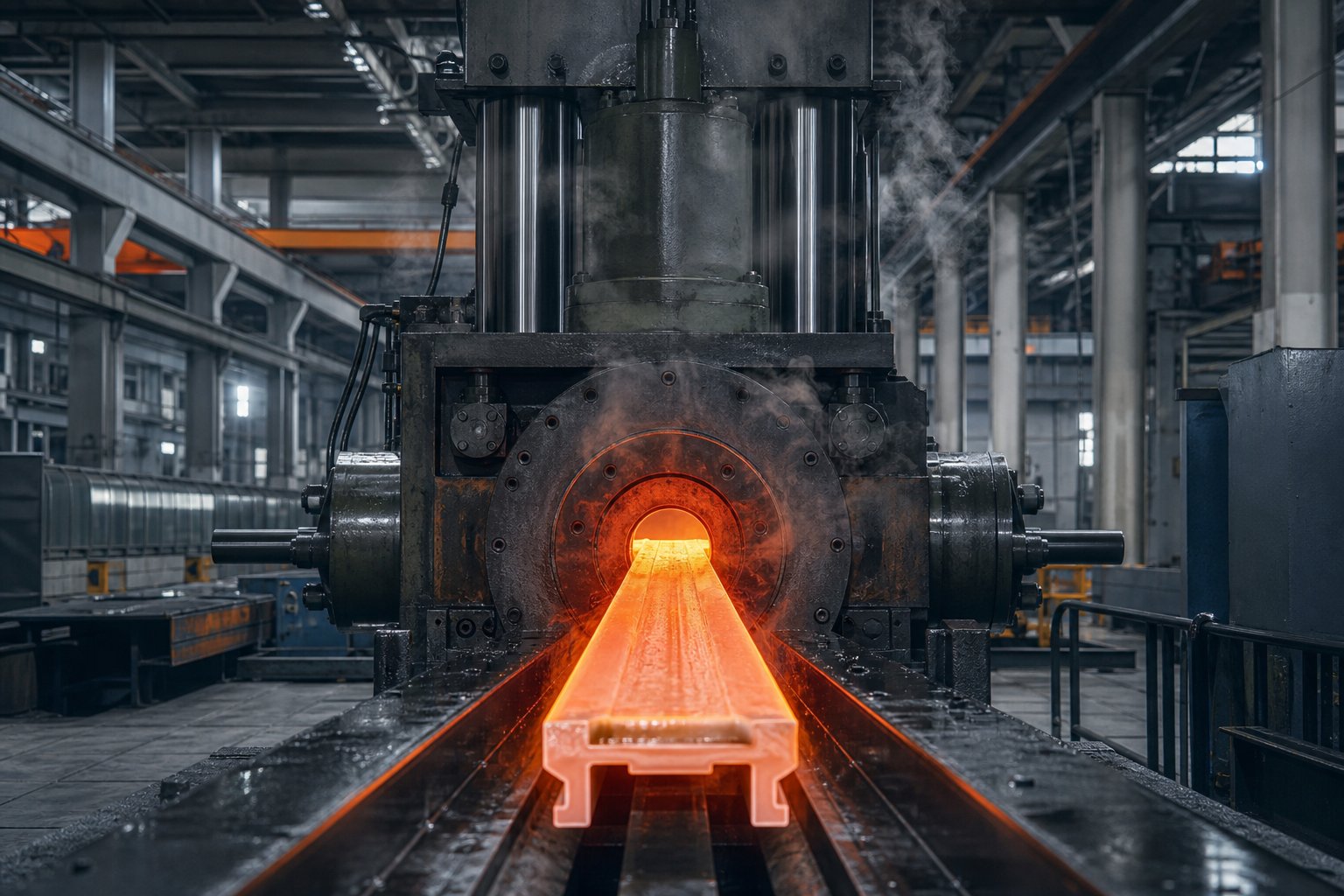
The aluminum extrusion die represents your most significant one-time cost. This precision-machined steel tool shapes the heated aluminum billet into your desired profile. Die costs vary dramatically based on complexity, ranging from a few hundred dollars for simple shapes to several thousand for intricate designs.
Here's what influences your aluminium extrusion die investment:
The die for aluminium extrusion is typically a one-time expense. Once paid, you can reuse it for future orders—often for thousands of production runs if properly maintained. Some suppliers charge upfront, while others amortize aluminum extrusion tooling costs across your order. For perspective, a $2,000 custom die spread across 10,000 parts adds only $0.20 per unit.
Always clarify die ownership with your supplier. Some retain the tooling, while others transfer rights after project completion. This matters significantly if you anticipate repeat orders or may switch suppliers later.
Extrusion processing encompasses everything from heating billets to running the press, cooling profiles, and performing basic cutting. This typically represents 15-25% of your total cost and varies based on several operational factors.
Regional labor rates create significant price differences. Manufacturers in China's Guangdong and Jiangsu provinces typically offer aluminum 1 series and standard profiles at $2.50-$3.50 per kilogram, while European or North American production often runs $3.50-$5.00+ per kilogram. This gap reflects labor costs, automation levels, and overhead differences.
Secondary operations add to processing costs substantially. CNC machining, drilling, bending, or complex cutting can increase your per-unit cost by 15-40% compared to straight extrusions requiring minimal finishing.
| Cost Component | Typical Cost Range | What Affects It |
|---|---|---|
| Raw Aluminum Material | $2.50-$3.80/kg (60-75% of total) | LME pricing, alloy grade, market conditions |
| Die/Tooling (One-Time) | $500-$5,000+ | Profile complexity, size, tolerance requirements |
| Extrusion Processing | 15-25% of total cost | Labor rates, automation, press efficiency |
| Surface Finishing | $0.10-$1.00+/kg (5-15% of total) | Finish type, color, thickness, quality grade |
| Secondary Operations | +15-40% above base | Machining complexity, hole patterns, assembly prep |
| Packaging & Logistics | $0.15-$0.40/kg (2-5% of total) | Protection requirements, shipping distance, method |
Understanding the distinction between one-time and recurring costs is crucial for budgeting. Die expenses hit once (unless you modify the design), while material, processing, and finishing costs repeat with every order. For high-volume buyers, amortizing that initial tooling investment across thousands of extrusion parts makes custom profiles surprisingly economical.
With these core cost components mapped out, you might wonder whether stock profiles could eliminate some of these expenses entirely. The answer depends on your specific application—something we'll explore in the next section.
Here's a decision that directly impacts your project budget: should you source ready-made stock profiles or invest in custom aluminum extrusion? This choice alone can swing your costs by hundreds or even thousands of dollars, depending on your requirements and order volume.
Stock profiles—angles, channels, tubes, and specialty shapes like t-slot aluminum—sit in distributor inventories ready for immediate shipment. Custom extrusions require a unique die built to your exact specifications. Each approach has distinct financial implications that deserve careful consideration before you commit.
Stock aluminum extrusions from distributors come with zero tooling costs. That $500-$5,000 die investment we discussed earlier? It simply doesn't exist when you're buying standard shapes. Distributors have already absorbed these expenses through high-volume production runs.
This makes stock profiles particularly attractive for several scenarios:
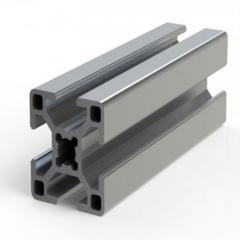
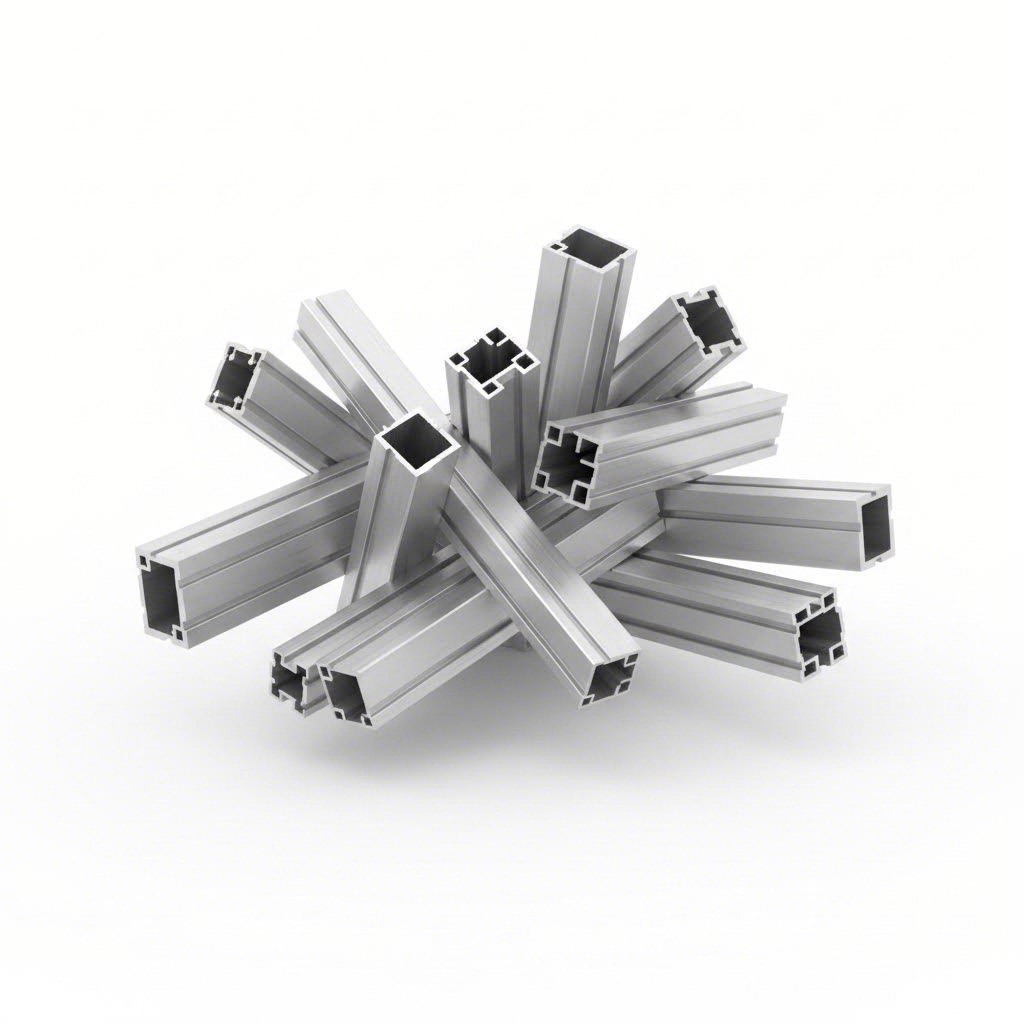
Common t slotted aluminum extrusions like the 1010 aluminum extrusion series exemplify this advantage perfectly. The 1010 series—with its 1-inch by 1-inch cross-section and versatile T-slot channels—has become an industry standard for modular framing, workstations, and machine guards. Because manufacturers produce these profiles in massive quantities, you benefit from economies of scale without any upfront investment.
A 1010 aluminum rail from established suppliers typically costs $3-$8 per foot depending on length, finish, and vendor. Compare that to commissioning a custom profile with similar dimensions, where you'd face both die charges and potentially higher per-foot costs on smaller orders.
Custom aluminum extrusion shifts the economic equation entirely. You're investing in tooling upfront with the expectation of recovering that cost through production efficiency, material optimization, or functional advantages that stock shapes simply can't deliver.
According to the Aluminum Extruders Council, extrusion tooling for presses with 7 to 10-inch circle size typically costs between $1,000 and $2,000 for solid shapes and $1,200 to $4,000 for hollow profiles, with lead times of 2 to 3 weeks. This compares favorably to other manufacturing processes—production tooling for rolled steel shapes can exceed $30,000 with 3-month lead times.
Custom extrusions become the smarter financial choice when:
The relatively low cost and quick availability of extrusion tooling also permits full-scale prototyping with minimal penalty for subsequent revision. If your first design needs adjustment, modifying the die is far less painful than retooling injection molds or stamping equipment.
The critical question becomes: at what point does custom extrusion cost less than buying stock profiles? This break-even calculation depends on three primary variables—die investment, per-unit price difference, and total quantity needed.
Imagine you need a t slotted rail profile. A stock 1010 extrusion costs $5 per foot. A custom profile optimized for your application might cost $3.50 per foot after amortizing a $1,500 die across your order. The math looks like this:
Break-even point = Die Cost ÷ (Stock Price - Custom Price)
Using our example: $1,500 ÷ ($5.00 - $3.50) = 1,000 feet
Order less than 1,000 feet? Stock profiles win. Need 5,000 feet over the project lifecycle? Custom extrusion saves you $6,000 after recovering the tooling investment.
Minimum order quantities significantly affect this calculation. Most extruders require minimums of 1,000 to 2,000 pounds per shape to justify press setup and run time. For smaller quantities, some suppliers offer minimum charge alternatives, though this increases your effective per-unit cost.
Here's where volume commitments create leverage. If your project spans multiple phases or you anticipate repeat orders, discussing annual volume projections with suppliers can unlock better pricing on custom profiles. They may reduce per-foot costs knowing they'll recover die investment over time, or offer favorable die amortization terms.
For buyers weighing t-slot aluminum options specifically, the decision often comes down to whether standard 1010 series dimensions work for your application. If they do, stock profiles from distributors offer unbeatable convenience and cost-effectiveness. If your design requires non-standard slot spacing, different wall thicknesses, or integrated features, custom aluminum extrusion becomes the economically rational choice once volumes justify the tooling investment.
Of course, whichever path you choose, surface finishing adds another cost layer that varies dramatically based on your performance and aesthetic requirements.
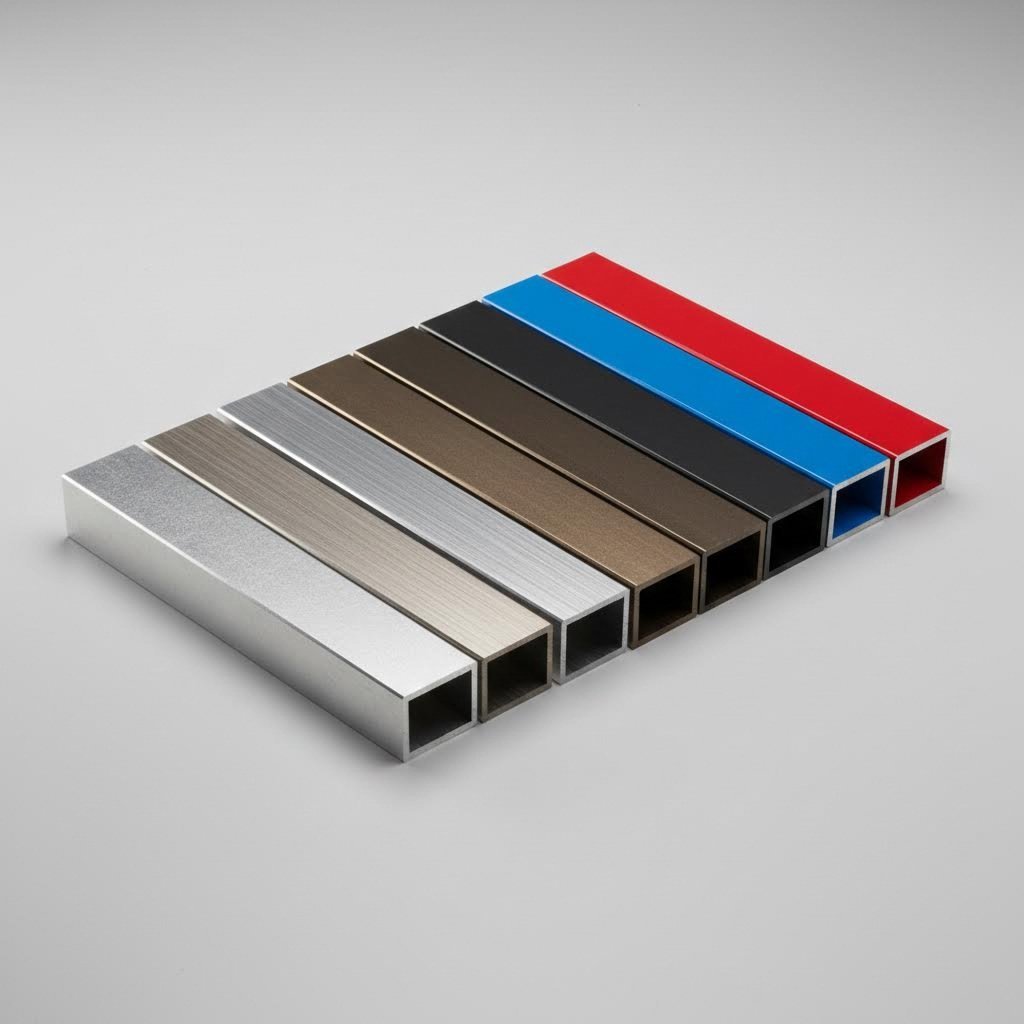
You've selected your profile type and calculated your tooling investment—but the surface finish you choose can add anywhere from zero to 50% or more to your total aluminum extrusion cost. This decision affects far more than aesthetics. It determines corrosion resistance, durability, maintenance requirements, and whether your extruded aluminum profile meets application-specific performance standards.
Think of finishing as the final ingredient in your cost recipe. A t slotted aluminum rail destined for a factory floor has vastly different requirements than custom aluminum profiles gracing a building's facade. Understanding these tiers helps you specify exactly what you need—without overpaying for performance you'll never use.
At the most economical end, mill finish extrusions leave the press with no additional surface treatment. This natural aluminum surface has a slightly textured, silvery appearance and costs nothing beyond base processing. For internal structural components, hidden framing, or applications where aesthetics don't matter, mill finish delivers excellent value.
However, mill finish has limitations. Untreated aluminum oxidizes naturally, developing a dull gray patina over time. While this oxide layer provides some protection, it won't satisfy applications requiring consistent appearance or enhanced corrosion resistance.
One step up, mechanical finishes like brushing or buffing add modest cost while improving visual consistency. These treatments smooth out press marks and create uniform surface textures. For t alum framing systems used in workshops or laboratories, a brushed finish often strikes the right balance between cost and appearance.
Chemical conversion coatings, sometimes called chromate or Alodine finishing, represent another budget-conscious option at approximately $800 per metric ton. These treatments enhance paint adhesion and provide moderate corrosion protection for interior applications or as a primer base.
Anodizing and powder coating occupy the middle ground—affordable enough for most industrial and commercial projects, yet durable enough for demanding environments. Both options typically add $1,200 to $1,400 per metric ton to your order, though the specific profile geometry affects actual pricing.
Anodizing creates a protective aluminum oxide layer through an electrochemical process. Unlike paint that sits on the surface, this coating integrates with the base metal—it cannot peel or flake. The Aluminum Association's Class I designation (0.7 mils thickness) provides excellent durability for architectural exteriors, while Class II (0.4 mils) suits less demanding applications at lower cost.
Several factors influence anodizing costs:
Powder coating offers unlimited color options—a significant advantage when matching corporate colors or architectural specifications. This dry finishing process electrostatically applies colored powder, then heat-cures it into a durable film. Standard polyester powders provide good exterior performance at competitive prices, making them popular for bespoke aluminium profiles in commercial construction.
When your extruded aluminum sizes will face decades of UV exposure, coastal salt spray, or high-traffic abrasion, premium finishes justify their higher cost through extended service life and reduced maintenance.
PVDF (polyvinylidene fluoride) coatings, sold under brands like Kynar 500 and Hylar 5000, represent the gold standard for architectural exteriors. These fluoropolymer coatings meet AAMA 2605 specifications—the most stringent standard for spray-coated architectural aluminum. AAMA 2605 requires actual 10-year Florida exposure testing, ensuring proven long-term performance rather than laboratory predictions.
Specialty finishes push costs higher still:
| Finish Type | Relative Cost Impact | Best Applications |
|---|---|---|
| Mill Finish | Baseline (no added cost) | Hidden structural components, cost-driven industrial uses |
| Mechanical/Brushed | +5-10% | Interior framing, laboratory equipment, visible industrial |
| Alodine/Chromate | ~$800/metric ton | Paint preparation, moderate interior corrosion protection |
| Anodizing (Class II) | $1,200-$1,400/metric ton | Storefronts, handrails, high-traffic surfaces requiring abrasion resistance |
| Anodizing (Class I) | $1,400-$1,800/metric ton | Curtainwall, exterior architectural, coastal environments |
| Powder Coating (Polyester) | $1,200-$1,500/metric ton | Commercial construction, custom colors, general exterior use |
| PVDF Coating (AAMA 2605) | $1,800-$2,500+/metric ton | Metal roofing, curtainwall, long-term architectural exteriors |
| Specialty (Wood-grain, Metallic) | $2,500-$4,000+/metric ton | Architectural accents, premium residential, signature designs |
The gap between industrial and architectural finishing costs is substantial. A simple extruded aluminum profile for factory automation might need only mill finish or basic anodizing. That same profile specified for a building exterior could require Class I anodizing or PVDF coating—doubling or tripling the finishing portion of your budget.
Color choice matters too. Standard colors that manufacturers stock in bulk cost less than custom-matched shades requiring special mixing. Metallic finishes demand multi-coat application processes that increase labor and material costs significantly.
When evaluating finishing costs, consider total cost of ownership rather than just upfront price. A premium PVDF coating costing an extra $1,000 on your order might prevent $10,000 in repainting costs over a building's 30-year lifespan. For custom aluminum profiles in exposed applications, that math often favors higher-quality finishes.
With surface treatments adding this much variability to your quote, you might assume the base costs are at least predictable. Unfortunately, several hidden expenses can still catch first-time buyers off guard.
You've calculated your material costs, factored in die investment, and selected a surface finish that fits your budget. Your quote looks solid—until the final invoice arrives with unexpected charges that push you over budget. Sound familiar? These hidden costs catch countless buyers off guard, especially those new to sourcing aluminum extrusions.
The truth is that the per-kilogram or per-foot price you receive represents only part of your total investment. When you buy aluminum extrusion, particularly from overseas suppliers or in non-standard quantities, ancillary expenses can add 15-30% to your anticipated costs. Understanding these factors upfront helps you budget accurately and negotiate more effectively.
Geographic distance between you and your supplier creates one of the most significant—and often underestimated—cost variables. Whether you're wondering where to buy aluminum extrusion near me or considering overseas manufacturers, logistics expenses deserve careful analysis.
For domestic buyers sourcing from local distributors, shipping costs typically remain predictable. Picking up stock profiles at aluminum extrusion Lowes locations or similar retailers eliminates freight charges entirely for small quantities. However, when you're sourcing wholesale aluminum extrusions from manufacturers, the equation changes dramatically.
International shipping introduces multiple cost layers that compound quickly:
Carriers charge based on the greater of actual weight or volumetric weight—an important consideration for aluminum profiles. Dense, compact extrusions may cost less to ship than bulky profiles with large hollow sections, even when actual weight is identical.
Less common shipping routes also command premium rates. High-traffic lanes like China to the US West Coast offer competitive pricing due to carrier competition. Shipping to secondary ports or inland destinations often costs considerably more per unit.
Need your extrusions faster than standard lead times allow? Prepare to pay for that urgency. Rush orders represent one of the most significant hidden costs in aluminum extrusion purchasing, with premiums that can increase your total expense by 20-50% or more.
According to industry analysis, rush orders create cascading impacts on manufacturing operations: production disruptions, overtime labor costs, expedited material sourcing, and scheduling conflicts that affect other customers. Suppliers pass these costs to you through premium pricing structures.
The most common rush order cost drivers include:
Smart buyers plan orders with realistic timelines that avoid these premiums. A typical custom aluminum extrusion order requires 4-6 weeks from die approval to delivery. Building this buffer into project schedules eliminates rush charges entirely.
If your project genuinely requires faster turnaround, ask suppliers about their specific rush order policies upfront. Some manufacturers maintain safety stock of high-demand alloys and pre-cut materials specifically to handle urgent requests more efficiently. Others allocate a percentage of daily production capacity for unplanned orders, allowing faster fulfillment without maximum premium charges.
How your aluminum profiles are packaged and protected during transit affects both shipping costs and the condition in which materials arrive. Inadequate packaging can result in surface damage, scratched finishes, or bent profiles—forcing costly replacements or rework.
Standard packaging methods vary in cost and protection level:
For companies shipping internationally, packaging decisions directly impact freight costs through added weight and cube. Wooden crates protecting your Lowes extruded aluminum equivalents during ocean transit might add $150-$400 to a shipment but prevent thousands in damage claims.
Quality inspection fees represent another frequently overlooked expense. Third-party inspection services verifying dimensional tolerances, surface quality, and alloy certification before shipment typically cost $200-$500 per inspection. While optional, these services provide valuable protection when sourcing from new suppliers or on high-stakes projects.
Before finalizing any aluminum extrusion purchase, ask your supplier these critical questions to avoid budget surprises:
Order timing also affects pricing in ways many buyers don't anticipate. Production schedules at extrusion facilities fluctuate seasonally, with higher demand periods commanding tighter capacity and potentially longer lead times or rush premiums. Placing orders during slower periods—often late fall through early winter in North American markets—may yield better scheduling flexibility and occasionally negotiated discounts.
Now that you understand both the visible and hidden components of aluminum extrusion pricing, the next question becomes: how can you strategically reduce these costs without compromising quality?
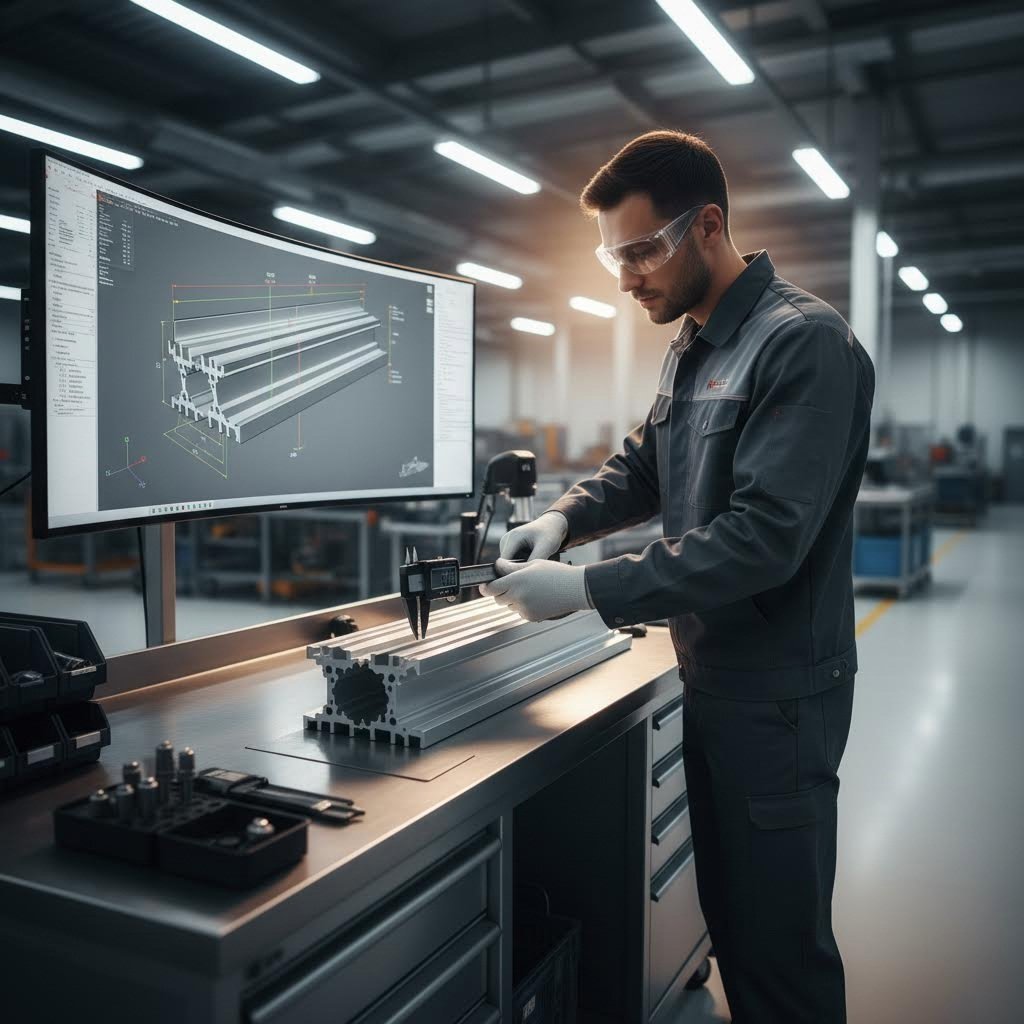
You've seen how costs accumulate across materials, tooling, finishing, and logistics. Now imagine trimming 15-30% from your total project expense—without sacrificing the performance your application demands. It's absolutely achievable when you approach cost reduction strategically rather than simply hunting for the cheapest quote.
The most successful buyers treat custom extrusions as engineering challenges, not just purchasing transactions. Every design decision, supplier relationship, and order timing choice creates opportunities to optimize your aluminum extrusion cost. Let's walk through the highest-impact strategies in priority order.
Your profile design influences manufacturing costs more than any other single factor. Before requesting quotes, invest time optimizing your specifications—the savings compound across every unit you'll ever order.
These design optimizations often require collaboration between your engineering team and the extrusion supplier. Experienced manufacturers can suggest modifications that maintain your functional requirements while dramatically reducing production costs—sometimes catching opportunities your team wouldn't identify independently.
Beyond design optimization, how you structure your purchasing relationship significantly impacts custom extrusion aluminum pricing. Volume creates leverage in multiple dimensions.
The math on volume commitments rewards long-term thinking. A 10% discount on annual purchases of $50,000 saves $5,000—often more than enough to justify slightly higher order quantities or longer supplier commitments.
Not all extrusion suppliers deliver equal value, even at identical quoted prices. The right partner reduces your total cost of ownership through efficiency, reliability, and expertise that cheaper alternatives simply can't match.
The supplier selection process itself can be optimized. Rather than sending specifications to a dozen vendors and comparing quotes, invest time qualifying 3-4 suppliers whose capabilities genuinely match your needs. Deeper engagement with fewer candidates typically yields better pricing, faster timelines, and stronger long-term partnerships than broad, shallow solicitation.
Working with experienced suppliers who maintain end-to-end support from die development to mass production reduces overall project costs through efficiency gains that simple price comparisons miss. These manufacturers identify cost reduction opportunities throughout the production chain, optimize processes based on decades of experience, and deliver predictable results that protect your project schedule.
Of course, even the best cost optimization strategy requires accurate quotes to evaluate. Understanding how different supplier types structure their pricing—and how to compare them fairly—becomes your next critical skill.
With your cost reduction strategies in place, you're ready to evaluate suppliers—but here's where many buyers make expensive mistakes. The quoted price per kilogram or per foot tells only part of the story. Custom aluminum extrusion suppliers operate under vastly different business models, each with distinct pricing structures, service levels, and hidden trade-offs that affect your total cost of ownership.
Choosing between domestic and overseas manufacturers, or between large integrated mills and specialty custom extruders, isn't simply about finding the lowest number on a quote sheet. It's about matching supplier capabilities to your project's specific requirements while accounting for the full spectrum of costs—visible and hidden alike.
The global aluminum extrusion market offers dramatically different pricing depending on where you source. But as industry analysis reveals, the sourcing decision in 2025 hinges on far more than per-pound rates—lead time, compliance risk, quality control, and total landed cost now drive smart purchasing decisions.
Overseas manufacturers, particularly in Asia, typically quote lower base prices. Custom aluminium extrusions from established Chinese operations often run $2.50-$3.50 per kilogram, while comparable domestic production in North America or Europe ranges $3.50-$5.00+ per kilogram. That 30-50% price gap looks compelling on paper.
However, those savings must be weighed against substantial additional costs:
Smart sourcing teams now calculate total landed cost (TLC) rather than focusing on ex-works pricing alone:
TLC = Ex-works price + Freight + Duties + Tariffs + Compliance + Carrying Cost + Risk Buffer
Domestic custom aluminum extruders win when projects demand short lead times, flexibility for design changes, or compliance documentation for federally funded work under Build America, Buy America (BABA) rules. US extruders routinely deliver dies and production runs in 3-8 weeks, with repeat orders often shipping within 2 weeks. Compare that to 32-52 days for ocean freight alone from Asia—before counting customs processing and inland delivery.
For buyers comparing options at retailers like mcmaster carr aluminum extrusion offerings versus direct manufacturer sourcing, the trade-off typically involves convenience and small-quantity availability versus price optimization on larger volumes. Distributors add markup but provide immediate availability without minimum order constraints.
Beyond geography, the type of supplier you choose dramatically affects pricing structure and service experience. Large integrated mills and specialty custom shops operate under fundamentally different business models.
Large-scale manufacturers bring significant advantages through sheer production capacity. According to industry research, their staggering production volumes enable faster, cheaper manufacturing processes while maintaining quality consistency across massive order quantities. These operations typically maintain extensive libraries of standard profiles and invest in specialized extrusion technology capable of producing complex designs across various dimensions.
Custom extruders and specialty shops occupy a different niche. They excel at engineering collaboration, tight-tolerance work, and rapid iteration on complex profiles. While their per-unit pricing may run higher than commodity mills, they often deliver lower total project costs through design optimization, reduced scrap rates, and faster problem resolution.
Mill-direct purchasing eliminates middleman markup and provides guaranteed material availability for large projects. However, mills typically require substantial minimum order quantities and longer lead times since metals are made to order. Service centers and distributors charge higher per-unit prices but offer lower order minimums, faster delivery from existing stock, and custom processing services like cutting and finishing.
For modular framing applications, specialty distributors like tnutz aluminum extrusion focus specifically on T-slot systems with excellent stock availability and quick shipping. These specialists may not offer the lowest per-foot pricing compared to direct manufacturer sourcing, but they eliminate tooling costs entirely for standard profiles and provide immediate availability that custom extruders cannot match.
The optimal supplier choice depends entirely on your specific project parameters. Volume, complexity, timeline, and compliance requirements all point toward different solutions.
| Supplier Type | Typical Pricing | Lead Times | Minimum Orders | Best For |
|---|---|---|---|---|
| Large Domestic Mills | $3.50-$5.00/kg | 3-8 weeks | 1,000-5,000 lbs | High-volume production, BABA compliance, predictable schedules |
| Overseas Manufacturers | $2.50-$3.50/kg (+ TLC factors) | 8-14 weeks total | 2,000-10,000 lbs | Cost-driven commodity profiles, predictable long-term demand |
| Specialty Custom Shops | $4.00-$6.00/kg | 2-6 weeks | 500-2,000 lbs | Complex tolerances, engineering collaboration, rapid prototyping |
| Service Centers/Distributors | $5.00-$8.00/kg | 1-5 days | No minimum | Small quantities, urgent needs, standard profiles only |
| Factory-Direct Integrated Manufacturers | $3.00-$4.50/kg | 4-8 weeks | 1,000-3,000 lbs | End-to-end projects requiring extrusion plus finishing and fabrication |
Many experienced OEMs and fabricators now run hybrid sourcing strategies. They maintain domestic supplier relationships for prototypes, short runs, and compliance-covered work while routing steady-state production through overseas partners for cost efficiency. Some even cut master dies domestically for IP protection, then send licensed replicas overseas once designs are qualified.
When evaluating custom aluminium extrusions suppliers, look beyond the quote to assess total cost of ownership:
Factory-direct pricing from established manufacturers with comprehensive capabilities offers a compelling middle ground. These integrated custom extruders control the entire production chain—from die development through extrusion, surface treatment, and secondary fabrication. By eliminating handoffs between separate vendors, they reduce logistics complexity, catch quality issues earlier, and deliver more predictable total project costs.
The right supplier match ultimately depends on honest assessment of your priorities. If rock-bottom unit cost drives your decision and you can manage extended lead times, overseas sourcing may deliver value. If agility, compliance, and reduced supply chain risk matter more, domestic partners justify their premium. And if your project requires complex custom profiles with tight integration between extrusion and fabrication, vertically integrated manufacturers provide advantages that neither commodity mills nor distributors can match.
Understanding these supplier dynamics positions you to request and evaluate quotes more effectively—a skill that separates strategic buyers from those who simply chase the lowest number.
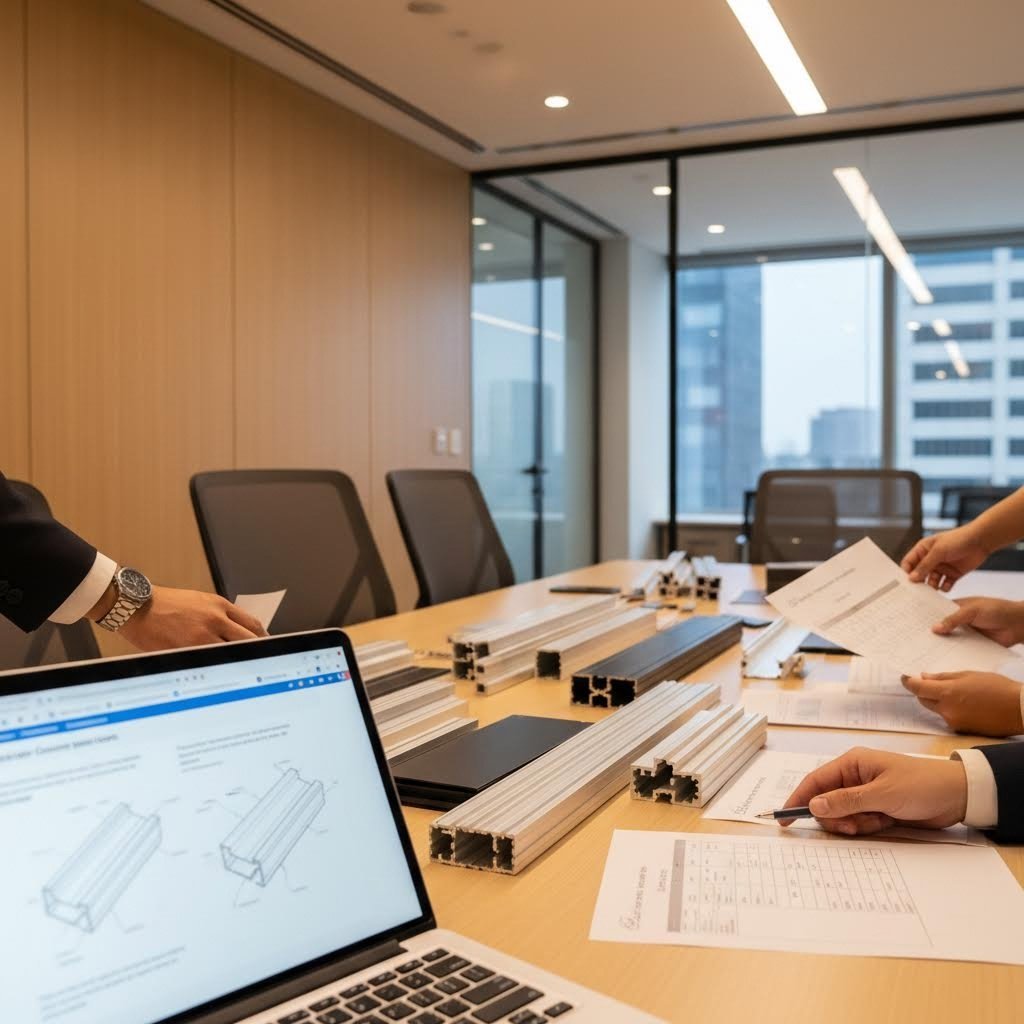
You've identified potential suppliers and understand the pricing landscape—now comes the moment that determines whether you'll receive accurate, comparable quotes or frustrating back-and-forth that wastes weeks of project time. The quality of your Request for Quote (RFQ) directly shapes the quality of responses you'll receive.
Think of the quoting process like a job interview, but in reverse. You're presenting your project to suppliers who need enough information to price accurately and demonstrate their capabilities. Incomplete or vague requests generate equally vague responses—leaving you comparing apples to oranges when decision time arrives.
Before reaching out to any supplier, assemble a comprehensive information package that answers the questions manufacturers need to extrude aluminum to your specifications. According to industry guidance, one of the most challenging aspects of working with aluminum extrusions is the RFQ process—yet it's also the most important step influencing vendor selection, budget accuracy, and manufacturing outcomes.
A well-prepared quote request should include:
For standard profiles like 1010 extruded aluminum or other common extruded aluminium rails, you may find existing catalog options that eliminate custom tooling entirely. Ask suppliers whether your requirements can be met with stock profiles before assuming custom development is necessary.
The more complete your initial request, the faster and more accurate your quotes will be. Industry best practices suggest that a detailed RFQ minimizes back-and-forth communication and ensures suppliers can match your needs efficiently using their aluminum extrusion profile catalog.
Once you've submitted your RFQ, evaluating responses requires understanding what a comprehensive quote should contain. Incomplete quotes create budget surprises later—exactly what you're trying to avoid.
A thorough supplier quote should clearly itemize:
When evaluating quotes for custom extruded aluminum profiles, watch for these red flags:
Working with suppliers offering comprehensive services—from die development through extrusion, finishing, and deep processing capabilities—simplifies the quoting process significantly. When one organization handles everything from tooling to CNC machining, you receive unified pricing that accounts for the entire production chain rather than piecing together separate quotes from multiple vendors.
For example, manufacturers like Shengxin Aluminium operate 35 extrusion presses ranging from 600T to 5500T capacity, combined with state-of-the-art CNC machining centers for precise cutting, drilling, and bending. This integrated approach means your aluminum extruded rail or complex profile quote includes accurate total project costs rather than estimates requiring reconciliation across multiple suppliers.
With quotes in hand, the comparison process reveals which supplier truly offers the best value—not just the lowest headline number. Fair comparison requires normalizing quotes to a common basis and evaluating factors that affect total cost of ownership.
Start by ensuring you're comparing equivalent specifications. Quotes based on different alloys, tolerances, or finish standards aren't directly comparable. If one supplier quoted 6063-T5 while another assumed 6061-T6, the price difference reflects material specification—not competitive positioning.
Create a comparison matrix addressing these evaluation criteria:
| Evaluation Factor | Questions to Ask | Why It Matters |
|---|---|---|
| Total Landed Cost | Does pricing include freight, duties, packaging? | Hidden logistics costs can add 15-30% to overseas quotes |
| Die Ownership | Who owns tooling after project completion? | Affects flexibility to switch suppliers or order from multiple sources |
| Volume Flexibility | What are repeat order minimums and pricing? | Future orders may have different economics than initial production |
| Engineering Support | Will they review designs for manufacturability? | DFM input can reduce costs more than the lowest quote |
| Quality Track Record | What are defect rates and warranty terms? | Poor quality creates hidden costs through rework and delays |
| Capacity and Reliability | Can they scale with your growth? References available? | Supplier constraints become your constraints during demand spikes |
| Finishing Capabilities | In-house or outsourced? What standards certified? | Outsourced finishing adds lead time and quality variation |
Beyond pricing mechanics, assess the responsiveness and professionalism you've experienced during the quoting process. Suppliers who struggle to answer basic questions or take weeks to provide quotes rarely improve after receiving your order. The quoting phase reveals how they'll perform when problems inevitably arise during production.
For projects requiring 8020 extrusion dimensions or other metric aluminum extrusion specifications, verify that suppliers actually stock or regularly produce these profiles. Some manufacturers quote based on custom production of "standard" profiles, adding unnecessary cost and lead time.
When your project requires both extrusion and secondary fabrication, integrated suppliers offer distinct advantages. Rather than coordinating between an extruder and a separate machine shop, you work with one point of contact accountable for the complete deliverable. This simplifies communication, reduces finger-pointing when issues arise, and often delivers faster turnaround through optimized production scheduling.
Consider requesting sample profiles or prototype quantities before committing to large production orders. Many suppliers will produce small evaluation runs—sometimes at premium pricing—that let you verify dimensional accuracy, surface quality, and overall capability before risking significant investment. This validation step proves especially valuable when working with new suppliers or on tight-tolerance applications where specification compliance is critical.
Armed with comprehensive, comparable quotes and a clear evaluation framework, you're positioned to make informed decisions that balance immediate costs against long-term value. The next step is synthesizing everything you've learned into a practical approach for your specific project requirements.
You've now traveled the complete journey from raw aluminum billet to finished profile—understanding every cost layer, hidden fee, and strategic opportunity along the way. Whether you're pricing your first custom aluminum extrusion cost project or optimizing purchasing for an established manufacturing operation, the frameworks in this guide equip you to make confident, budget-aligned decisions.
Let's consolidate everything into actionable takeaways you can apply immediately, starting with a practical estimation framework that puts numbers to your specific project.
Rather than guessing at total project costs, use this structured approach to build realistic estimates before requesting formal quotes. Each component contributes a predictable percentage to your final investment.
For aluminum extrusion custom projects, calculate your baseline estimate using these proportional guidelines:
For small aluminum extrusions with simpler profiles, costs per unit tend higher due to minimum order constraints. Large aluminum extrusions requiring bigger press capacity may face limited supplier options but often benefit from more competitive per-pound pricing on substantial volumes.
The single most important cost insight: your design decisions lock in 70-80% of manufacturing costs before any production begins. Investing time in design optimization—alloy selection, wall thickness, profile complexity—delivers greater savings than any amount of supplier negotiation.
After examining every dimension of aluminum extrusion pricing, these principles separate strategic buyers from those who simply chase the lowest quote:
For prototype and small-quantity buyers:
For high-volume industrial purchasers:
The t-slot framing market exemplifies these principles perfectly. Buyers needing standard 1010 or 2020 series profiles benefit from distributor stock availability and zero tooling investment. Those requiring non-standard dimensions, integrated mounting features, or optimized wall thicknesses justify custom development when volumes support die amortization.
You're no longer approaching suppliers blind. You understand what drives costs, what questions to ask, and how to evaluate responses meaningfully. Here's your action plan:
For readers seeking custom aluminum solutions with competitive factory-direct pricing, established manufacturers with decades of experience provide reliable partnership foundations. Shengxin Aluminium, for example, brings over 30 years of industry expertise combined with comprehensive surface treatment capabilities including anodizing, powder coating, PVDF, and micro-arc oxidation. Their integrated approach—housing 35 extrusion presses alongside state-of-the-art CNC machining centers—delivers the end-to-end support that simplifies complex projects while maintaining competitive pricing.
The aluminum extrusion market continues growing, with global demand projected to reach $185.2 billion by 2033 driven by construction, automotive, and renewable energy applications. This expansion means more supplier options, increased competition, and continued innovation in manufacturing efficiency—all factors working in buyers' favor.
Whether you need a single prototype run or ongoing production measured in tons, the knowledge you've gained transforms pricing conversations from frustrating mysteries into productive negotiations. You now speak the language of extrusion economics—and suppliers will respond accordingly.
Aluminum extrusion prices typically range from $1.60-$12.25 per pound depending on profile complexity, order volume, and finish requirements. Standard profiles cost $3-$8 per pound, while custom extrusions with specialized finishes can reach $12+ per pound for small runs. Raw material accounts for 60-75% of this cost, with processing, finishing, and logistics making up the remainder.
Raw aluminum fluctuates between $1,500-$3,500 per metric ton based on LME pricing. However, finished extrusions cost significantly more—typically $2,500-$5,500 per metric ton for standard profiles and $4,000-$8,000+ per metric ton for custom extrusions with anodizing or powder coating. Add surface treatments like PVDF coating, and costs can exceed $10,000 per metric ton.
Extrusion die costs range from $500-$5,000+ depending on complexity. Simple solid profiles start around $400-$1,000, while hollow sections with intricate designs cost $1,200-$4,000. Large or highly complex architectural dies can exceed $5,000. Dies are one-time investments that can produce thousands of parts, making per-unit tooling costs minimal for high-volume orders.
Custom extrusion becomes cheaper when your volume justifies die investment. Calculate break-even using: Die Cost ÷ (Stock Price - Custom Price). For example, a $1,500 die with $1.50/ft savings breaks even at 1,000 feet. Below that threshold, stock profiles win. Custom also offers material optimization and integrated features that reduce assembly costs—factors simple price comparisons miss.
Budget 15-30% beyond quoted prices for hidden costs including: shipping and freight ($1,500-$4,000 for international containers), import tariffs (5-25% on certain aluminum), packaging and protection fees, quality inspection charges ($200-$500), rush order premiums (20-50% extra), and minimum order quantity impacts. Always request itemized quotes specifying what's included versus additional.



 خدمة الإنترنت
 0086 136 3563 2360
 sales@sxalu.com
 +86 136 3563 2360
 العربية
 English
 français
 Deutsch
 русский
 español
 português
 ไทย
ไทย Việt
Việt Українська