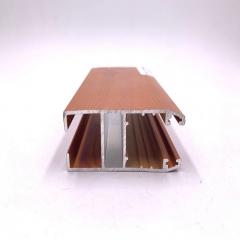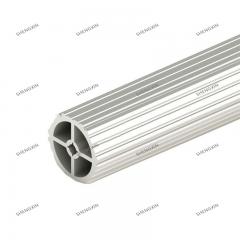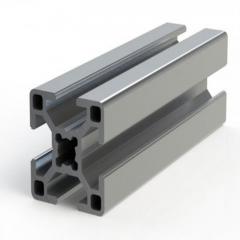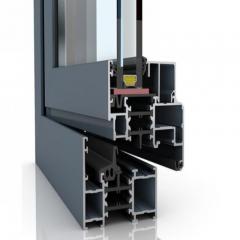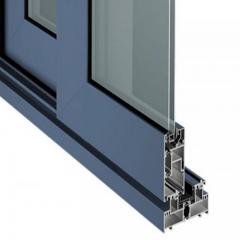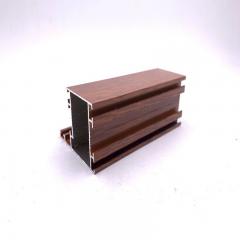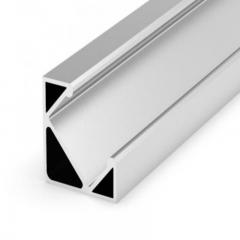
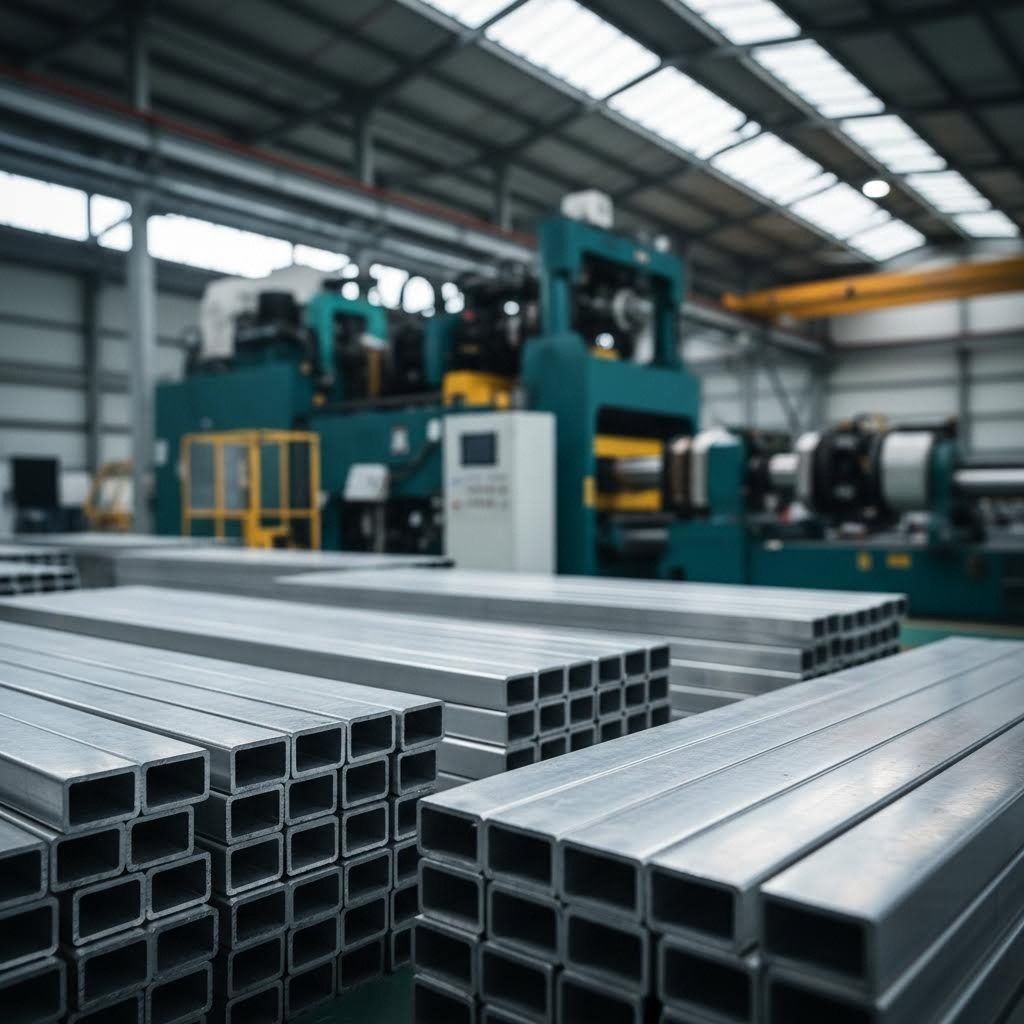
When you hear the term "sustainable aluminum extrusions," what comes to mind? For many manufacturers, architects, and engineers, this phrase represents a critical intersection between environmental responsibility and practical material performance. These products are aluminum profiles created through an extrusion process that prioritizes environmental considerations at every stage, from raw material sourcing through end-of-life recyclability.
So, what are aluminum extrusions exactly? The process involves heating aluminum billets and forcing them through a shaped die to create profiles with consistent cross-sections. Think of it like squeezing toothpaste through a tube, except the "tube" is a precision-engineered die that shapes everything from window frames to solar panel mounts. What distinguishes sustainable versions from conventional methods comes down to three key factors: the source of aluminum used, the energy powering production, and the manufacturer's commitment to closed-loop recycling systems.
Is aluminum sustainable? The answer requires looking beyond simple yes-or-no thinking. Aluminum possesses inherent properties that make it one of the most environmentally favorable metals available for manufacturing applications. Here's what sets sustainable extrusions apart:
Is aluminum renewable? Technically, no. Aluminum comes from bauxite ore, a finite geological resource. However, this classification misses the bigger picture. The recycling characteristics of this metal fundamentally change its environmental equation. Roughly 75% of all aluminum ever produced remains in active use today, continuously cycling through products and applications.
This distinction matters because it shifts the conversation from resource extraction to resource stewardship. When manufacturers prioritize recycled content and design for recyclability, they transform aluminum from a mined commodity into what many sustainability experts call a "permanent material." The environmental credentials become strongest when extrusion facilities integrate high percentages of recycled aluminum, use renewable energy sources, and implement water recycling systems throughout their operations.
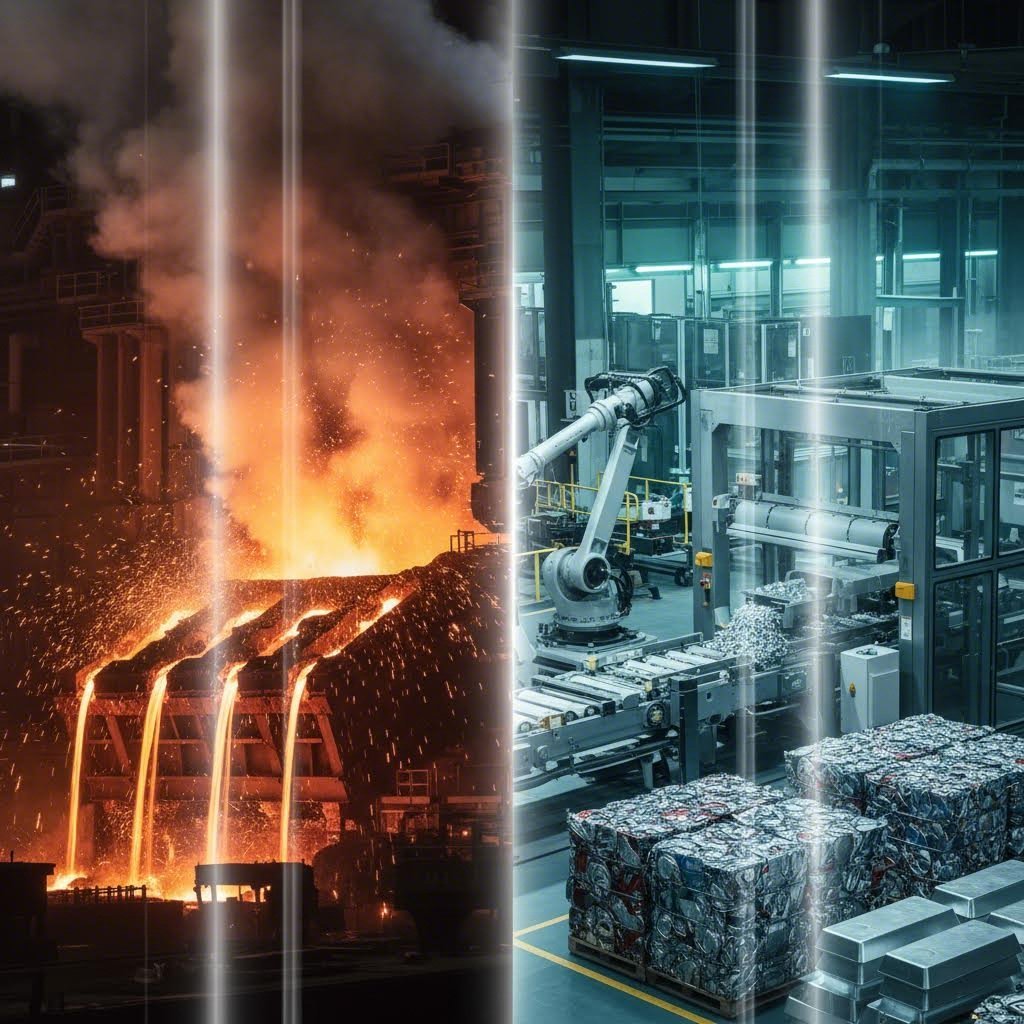
Understanding the aluminum environmental impact requires an honest look at the entire production lifecycle. You'll often hear impressive statistics about recycling benefits, but without context, these numbers can feel like empty marketing claims. Let's break down what actually happens during aluminum production and why the distinction between primary and recycled material matters so much for your sustainability goals.
Here's an important fact about aluminum that shapes every environmental discussion: producing this metal from raw bauxite ore demands enormous amounts of electricity. The Hall-Héroult process, developed in 1886 and still the primary method today, uses electrolysis to separate aluminum from aluminum oxide. This energy-intensive step explains why aluminum smelters historically located near abundant hydroelectric power sources. The environmental effects of aluminum production depend heavily on where and how that electricity gets generated.
When manufacturers talk about the 95% energy savings from recycling aluminum, they're referencing one of the most dramatic resource efficiency gains in materials science. But what does this actually mean in practical terms?
Primary aluminum production requires approximately 14,000 to 16,000 kilowatt-hours of electricity per metric ton of aluminum produced. This accounts for roughly 70% of the total production cost and generates substantial CO2 emissions, particularly when coal-powered electricity enters the equation. The remaining process steps, including bauxite mining, alumina refining, and transportation, add further environmental burdens.
Recycled aluminum, by contrast, skips the electrolysis step entirely. Melting existing aluminum scrap requires only about 5% of the energy needed for primary production. Imagine powering a city for months versus powering it for days; that's the scale of difference we're discussing.
| Factor | Primary Aluminum Production | Recycled Aluminum Production |
|---|---|---|
| Energy Consumption | ~14,000-16,000 kWh per metric ton | ~700-800 kWh per metric ton |
| CO2 Emissions | ~12-16 tons CO2 per ton of aluminum | ~0.5-1 ton CO2 per ton of aluminum |
| Raw Material Requirements | ~4-5 tons bauxite ore per ton aluminum | Existing aluminum scrap only |
| Water Usage | High (mining and refining processes) | Minimal (melting operations) |
| Process Complexity | Mining → Refining → Smelting → Casting | Collection → Sorting → Melting → Casting |
These figures reveal why recycled content percentages matter so much when evaluating sustainable aluminum extrusions. A manufacturer using 80% recycled content delivers dramatically different environmental performance than one relying primarily on primary aluminum, even if both products look identical.
Not all recycled aluminum carries equal environmental weight. Understanding the distinction between pre-consumer and post-consumer recycled content helps you evaluate sustainability claims more accurately and avoid greenwashing.
Pre-consumer recycled content (also called post-industrial) comes from manufacturing scrap generated during production processes. When an extrusion facility cuts profiles to length, the trim pieces become pre-consumer scrap. When defective billets get rejected during quality control, they're pre-consumer material. This recycling happens within industrial supply chains before products ever reach end users.
Post-consumer recycled content originates from products that completed their useful life with consumers or businesses. Demolished building facades, scrapped vehicles, discarded beverage cans, and retired industrial equipment all contribute post-consumer aluminum. This material genuinely diverts waste from landfills and represents true circular economy activity.
Why does this matter? Pre-consumer recycling, while valuable, often represents material that would have been recycled regardless of sustainability commitments. Manufacturers have always had economic incentives to reclaim their own production scrap. Post-consumer recycling, however, requires dedicated collection infrastructure, sorting capabilities, and processing systems that represent genuine sustainability investments.
When evaluating supplier claims, ask specifically about post-consumer recycled content percentages. A product containing 60% total recycled content might include only 10% post-consumer material, with the remainder being standard industrial scrap that any manufacturer would recycle anyway. The most transparent suppliers provide breakdowns of both categories, giving you accurate insight into their actual environmental performance.
You've likely heard claims about aluminum being "infinitely recyclable," but what does this actually mean? Is aluminum renewable or nonrenewable in the traditional sense? While aluminum originates from finite bauxite ore deposits, its recyclability characteristics place it in a unique category. Unlike materials that degrade with each processing cycle, aluminum maintains its fundamental properties through unlimited recycling loops. This distinction transforms how we should think about the sustainability of aluminum as a manufacturing material.
Understanding the science behind this capability helps you separate genuine sustainability claims from marketing spin. Let's explore what happens at the molecular level during recycling and how modern extrusion facilities capitalize on these properties.
When aluminum gets recycled, something remarkable happens: nothing changes at the atomic level. The crystalline structure of aluminum atoms remains intact regardless of how many times the material gets melted and reformed. This contrasts sharply with polymers, where molecular chains break down during reprocessing, or with paper fibers that shorten with each recycling cycle.
Aluminum is one of the most sustainable materials ever produced—not only because it is lightweight and durable, but because it can be recycled indefinitely without losing its original properties.
Why doesn't quality degrade? The answer lies in aluminum's atomic bonding structure. During melting at approximately 660°C, aluminum transitions from solid to liquid state without undergoing chemical changes. The metallic bonds between atoms break temporarily but reform identically upon cooling. Whether you're working with aluminum recycled once or fifty times, the resulting material exhibits the same tensile strength, corrosion resistance, and workability as freshly smelted primary aluminum.
This permanence creates what materials scientists call a "closed-loop material system." Consider this: roughly 75% of all aluminum ever produced since the 1880s remains in active circulation today. That beverage can you recycled last week might contain aluminum atoms that once formed aircraft components in the 1950s, window frames in the 1980s, and automotive parts in the 2000s.
The aluminum recycling process follows a systematic journey from scrap collection to refined ingots ready for extrusion:
Each step in this sequence uses only a fraction of the energy required for primary production. The refined product meets identical specifications for automotive, aerospace, and construction applications—proving that recycled aluminum truly supports a circular economy.
Is aluminum a renewable resource in practice? Through closed-loop manufacturing systems, extrusion facilities effectively treat it as one. These systems capture every gram of production scrap and reintegrate it directly into new billets, creating self-sustaining material cycles within the manufacturing process itself.
Here's how closed-loop recycling works in extrusion operations. When profiles get cut to customer specifications, the trim pieces go directly to on-site or partner recycling facilities rather than third-party scrap dealers. Defective extrusions, die trials, and setup waste follow the same path. This material never leaves the controlled supply chain, ensuring consistent alloy composition and eliminating contamination risks.
The economic incentives align perfectly with environmental benefits. Manufacturers reduce raw material costs by reclaiming their own production waste while simultaneously decreasing their dependence on primary aluminum markets. Customers benefit from more stable pricing and verified recycled content percentages.
Advanced extrusion facilities take this further by partnering with customers to recover end-of-life products. When a building gets demolished or a vehicle reaches its final years, the aluminum components can return to the original manufacturer for reprocessing into new extrusions. This "cradle-to-cradle" approach represents the highest form of sustainable aluminum production.
The quality consistency achievable through closed-loop systems often exceeds what's possible with mixed-source recycled aluminum. Because manufacturers control the entire material stream, they know exactly which alloys enter their furnaces. This predictability enables tighter quality tolerances and reduces the energy needed for alloy adjustment during melting.
For specifiers evaluating sustainable aluminum extrusions, asking about closed-loop capabilities reveals much about a manufacturer's genuine commitment to sustainability. Facilities with integrated recycling infrastructure demonstrate long-term investments in circular economy principles rather than simple marketing claims. The next section explores how to verify these and other sustainability claims through recognized certifications.
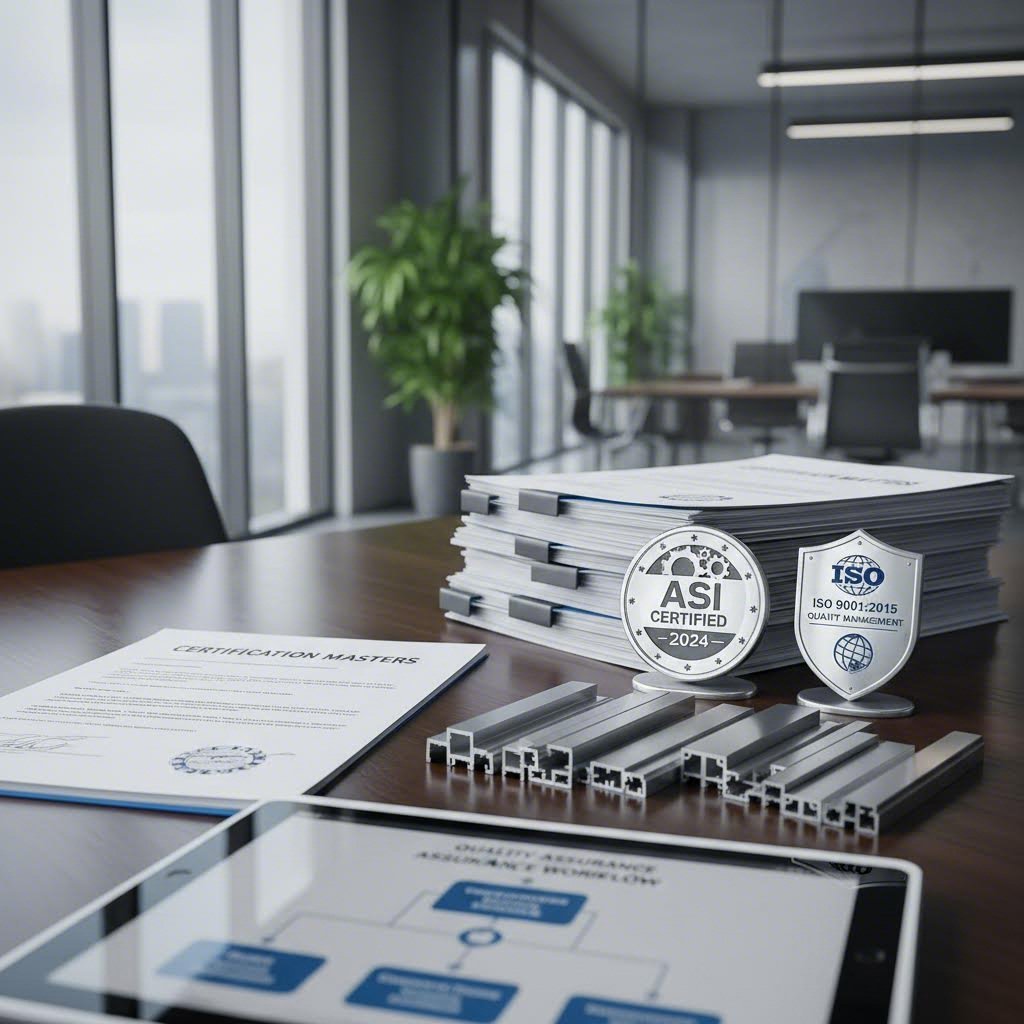
Is aluminium sustainable? The answer depends entirely on how manufacturers back up their claims. With sustainability becoming a competitive differentiator, some suppliers make vague environmental assertions without independent verification. Others invest in rigorous third-party certifications that demonstrate genuine commitment. Knowing how to distinguish between these approaches protects your procurement decisions and ensures your sustainability investments deliver real environmental value.
The gap between greenwashing and verified green comes down to one thing: documentation. Certifications from recognized bodies provide independent assurance that manufacturers actually implement the practices they advertise. Let's examine the most important certifications for aluminium sustainability and explore practical methods for verifying recycled content claims.
Three certification frameworks dominate the sustainable aluminum landscape. Each addresses different aspects of environmental and social responsibility, and understanding their distinctions helps you specify appropriate requirements for your applications.
ISO 14001 Environmental Management Systems
ISO 14001 certification confirms that an organization has implemented a systematic approach to managing its environmental responsibilities. This internationally recognized standard doesn't prescribe specific environmental performance levels. Instead, it verifies that manufacturers have established processes for identifying environmental impacts, setting improvement objectives, and continuously enhancing their environmental performance.
For aluminum extrusion facilities, ISO 14001 typically covers waste management protocols, energy efficiency programs, emissions monitoring, and chemical handling procedures. The certification requires annual surveillance audits and complete recertification every three years, ensuring ongoing compliance rather than one-time achievement.
Aluminium Stewardship Initiative (ASI) Certification
The Aluminium Stewardship Initiative represents the most comprehensive sustainability certification specific to the aluminum industry. ASI operates two complementary standards that together address both production practices and supply chain transparency.
The ASI Performance Standard covers critical issues across the entire aluminum value chain, including greenhouse gas emissions, waste management, biodiversity protection, water stewardship, and human rights. This standard applies to all phases of aluminum production and transformation, from bauxite mining through final product manufacturing.
The ASI Chain of Custody Standard links responsible production with responsible sourcing. It increases emphasis on sustainability in procurement practices and enables buyers to trace certified material through complex supply chains. According to TÜV Rheinland's ASI certification guidance, the chain of custody documentation provides credible assurance that aluminum in finished products actually originates from ASI-certified sources.
Chain of Custody Documentation
Beyond specific certifications, chain of custody documentation tracks material flow from source to finished product. This documentation proves that recycled content claims correspond to actual material inputs rather than theoretical calculations. Effective chain of custody systems maintain records at each transfer point, creating an auditable trail that independent verifiers can examine.
| Certification | What It Verifies | How to Confirm Validity |
|---|---|---|
| ISO 14001 | Environmental management system implementation; continuous improvement processes; regulatory compliance frameworks | Request certificate copy; verify issuing body is accredited; check certificate expiration date; confirm scope covers relevant facilities |
| ASI Performance Standard | Responsible production practices across environmental, social, and governance criteria specific to aluminum operations | Search ASI website certified member database; verify certification scope matches supplier's claimed activities; check certification period validity |
| ASI Chain of Custody | Traceability of ASI-certified material through supply chain; responsible sourcing practices; material accounting systems | Request chain of custody certificates for specific orders; verify supplier appears in ASI certified entities list; confirm material type (mass balance or physical segregation) |
| EPD (Environmental Product Declaration) | Lifecycle environmental impacts based on standardized methodology; carbon footprint data; resource consumption metrics | Verify EPD registration with program operator; confirm product category rules alignment; check declaration validity period |
Sounds complex? It doesn't have to be. Verifying recycled content claims follows a straightforward process when you know what questions to ask and which documents to request.
Start by requesting specific recycled content percentages rather than accepting vague "contains recycled material" statements. Ask suppliers to break down their figures into pre-consumer and post-consumer categories. As discussed earlier, post-consumer content represents genuine waste diversion, while pre-consumer content often reflects standard industrial practices.
Next, ask how these percentages get calculated and documented. Reputable suppliers use mass balance accounting systems that track material inputs across production batches. They can provide documentation showing recycled content calculations for specific orders or time periods. If a supplier cannot explain their methodology, treat their claims skeptically.
Third-party verification adds crucial credibility. The ASI certification process, for example, includes independent audits by accredited auditors like TÜV Rheinland who conduct risk-based conformity assessments. These auditors verify that entities have systems in place conforming to ASI standards, including material tracking and chain of custody requirements.
Consider these verification steps for your procurement process:
Is aluminium a sustainable material? The certifications and verification methods described here provide the tools to answer that question for any specific product or supplier. Manufacturers who invest in recognized certifications demonstrate commitment beyond marketing claims. Those who provide transparent documentation and welcome verification inquiries distinguish themselves as genuine partners in sustainability goals.
With verification frameworks understood, the next consideration becomes how sustainable aluminum specifications contribute to broader green building certifications and regional sourcing impacts on overall carbon footprint.
When architects and specifiers pursue LEED certification, material selection becomes a strategic decision that directly affects point totals. Sustainable aluminum extrusions offer multiple pathways to earning credits across several LEED categories, making them valuable contributors to green building goals. But here's what many project teams overlook: where you source your aluminum matters almost as much as what recycled content it contains.
Understanding how aluminum sustainability connects to specific LEED credits helps you maximize certification potential while making genuinely environmentally responsible choices. Let's explore the credit categories where sustainable aluminum extrusions deliver measurable value and examine how regional sourcing decisions affect your project's overall carbon calculations.
LEED v4 and v4.1 rating systems evaluate buildings across multiple performance categories, and sustainable aluminum extrusions can contribute points in several areas. The environmental impact of aluminium in your project depends on how thoughtfully you specify materials and document their sustainability attributes.
Here are the specific LEED credits where sustainable aluminum specifications make the strongest contribution:
The sustainability aluminium calculation for LEED purposes considers both the percentage of recycled content and the total material cost contributed to the project. Higher-value aluminum components like curtain wall systems and custom architectural profiles carry more weight in these calculations than commodity products.
Documentation requirements vary by credit category. For recycled content credits, you'll need manufacturer declarations specifying pre-consumer and post-consumer percentages. For EPD credits, products must have valid declarations from approved program operators. Working with manufacturers who maintain current certifications and can provide required documentation streamlines the LEED submission process significantly.
Imagine two identical aluminum extrusions with the same recycled content percentages. One travels 500 miles from a regional manufacturer; the other ships 8,000 miles from overseas. Which delivers better aluminum sustainability? The answer isn't as obvious as you might think, but regional considerations deserve serious attention in your specifications.
Transportation emissions represent a meaningful portion of any product's lifecycle carbon footprint. Shipping aluminum extrusions by ocean freight generates fewer emissions per ton-mile than truck transport, but the distances involved often offset this efficiency advantage. A domestically produced extrusion shipped by truck might generate comparable or even lower transportation emissions than an overseas product despite truck transport's higher per-mile emissions.
Beyond transportation, regional energy grid differences create substantial variation in production-phase emissions. Aluminum smelters powered by hydroelectric or renewable energy produce primary aluminum with dramatically lower carbon intensity than facilities relying on coal-generated electricity. When evaluating sustainability aluminium claims, consider these regional factors:
LEED v4.1 addresses regional sourcing through its location valuation factor methodology. Materials sourced within 100 miles of the project site may receive enhanced credit weighting, recognizing the environmental benefits of reduced transportation distances. This approach aligns environmental impact aluminium calculations with practical logistics considerations.
For projects pursuing aggressive sustainability targets, requesting supplier-specific carbon footprint data enables more accurate comparisons than relying solely on industry averages. Manufacturers with comprehensive environmental management systems can often provide facility-specific emissions data, transportation distance calculations, and regional grid information that supports informed sourcing decisions.
The interplay between recycled content, regional energy sources, and transportation distances creates complexity in sustainability assessments. A product with slightly lower recycled content from a nearby facility using renewable energy might outperform a higher-recycled-content product shipped from a coal-powered region. Evaluating these trade-offs requires looking beyond single metrics to consider total lifecycle environmental performance.

Generic sustainability claims sound impressive until you try applying them to real-world projects. The truth is, aluminum's environmental advantages play out differently depending on your specific industry. A building facade designer cares about durability and replacement cycles. An automotive engineer focuses on weight reduction and fuel savings. Solar energy developers prioritize corrosion resistance and decades-long performance. Understanding these sector-specific considerations helps you leverage sustainable aluminum extrusions where they deliver the greatest environmental return.
Is aluminum environmentally friendly? The answer becomes much clearer when you examine how this material performs across its actual service life in different applications. Let's explore the industries where aluminium eco design principles translate into measurable sustainability outcomes.
Architectural and Construction Applications
In construction, durability drives sustainability. Aluminum extrusions in window frames, curtain walls, and structural components routinely last 40 to 60 years with minimal maintenance. This exceptional longevity dramatically reduces the lifecycle environmental impact compared to materials requiring frequent replacement. When you factor in aluminum's natural corrosion resistance, the maintenance burden drops even further—no painting, no rust treatment, no premature component failures.
Consider the replacement cycle reduction this creates. A steel window frame might need refinishing every decade and replacement after 25 years. An aluminum frame from the same era often remains fully functional, requiring only occasional cleaning. Each avoided replacement eliminates the embodied carbon of manufacturing, transporting, and installing new components.
Automotive and Transportation
Here's where lightweight properties create compounding benefits. According to industry research on automotive aluminum applications, reducing vehicle weight directly translates to improved fuel efficiency. Every kilogram removed from a vehicle structure means less energy required for acceleration, cruising, and braking over the vehicle's entire operational life.
Is aluminum eco friendly in transportation applications? The math strongly supports this conclusion. Automotive aluminum helps manufacturers meet strict emissions standards while improving vehicle performance. From crash management systems to battery enclosures in electric vehicles, extruded aluminum components provide the exceptional strength-to-weight ratio that engineers need. The weight savings continue paying environmental dividends with every mile driven—benefits that accumulate over hundreds of thousands of miles during a vehicle's operational phase.
Solar Energy and Renewable Infrastructure
Renewable energy installations demand materials that perform reliably for 25 to 30 years with minimal intervention. Aluminum extrusions excel in solar panel mounting frames, tracker systems, and support structures precisely because they resist the environmental exposure that degrades other materials. Salt spray, UV radiation, temperature cycling, and moisture—aluminum handles these stresses without the protective coating failures that plague steel alternatives.
The renewable energy sector specifically values aluminum's durability and resistance to environmental factors in these demanding applications. When a solar installation reaches end of life after decades of service, the aluminum components retain full recyclability—returning to the material stream rather than landfills.
Industrial and Manufacturing Equipment
Industrial applications leverage aluminum's thermal conductivity and formability for specialized components. Heat sinks, enclosures, conveyor systems, and machine frames benefit from aluminum's ability to dissipate heat efficiently while maintaining structural integrity. In food processing and pharmaceutical manufacturing, aluminum's non-toxic properties and cleanability address hygiene requirements without relying on protective coatings that might degrade or contaminate products.
When you step back and view sustainability across entire product lifecycles, patterns emerge that explain why engineers consistently choose aluminum extrusions. The Aluminum Extruders Council notes that aluminum's combination of strength and weight serves as an industry game-changer—but the benefits extend far beyond initial performance specifications.
| Industry Sector | Primary Sustainability Benefit | Typical Applications |
|---|---|---|
| Architectural/Construction | Extended service life (40-60 years) reduces replacement frequency and associated embodied carbon; corrosion resistance eliminates maintenance coatings | Window frames, curtain walls, storefronts, structural supports, railings, louvers, sunshades |
| Automotive/Transportation | Lightweight properties reduce operational fuel consumption throughout vehicle life; weight savings compound over hundreds of thousands of miles | Body panels, crash management systems, battery enclosures, chassis components, heat exchangers |
| Solar/Renewable Energy | Decades-long durability in harsh environmental conditions without protective coating failures; full recyclability at end of installation life | Panel mounting frames, tracker structures, inverter housings, cable management systems |
| Aerospace/Defense | Critical weight reduction where every gram affects fuel consumption; high strength-to-weight ratio enables structural efficiency | Aircraft structures, satellite components, military vehicle frames, drone airframes |
| Consumer Electronics | Excellent thermal conductivity improves device efficiency and longevity; sleek aesthetics reduce need for additional finishing materials | Device enclosures, heat sinks, display frames, laptop housings, speaker grilles |
| Industrial Equipment | Thermal management capabilities reduce energy consumption in heat-generating processes; cleanability addresses hygiene without coating degradation | Machine frames, conveyor components, heat exchangers, cleanroom fixtures, automation systems |
What makes aluminum genuinely eco friendly across these diverse applications? Three factors consistently emerge: operational energy savings from lightweight designs, reduced replacement cycles from exceptional durability, and full material recovery at end of life. These benefits compound over time, often delivering greater environmental value during the use phase than the initial embodied carbon of production.
The versatility of aluminum extrusions has secured their role across numerous industries because the sustainability benefits adapt to sector-specific priorities. Transportation applications capture value through weight reduction. Construction projects benefit from longevity and low maintenance. Energy installations leverage corrosion resistance and recyclability. Understanding which benefits matter most for your application helps you communicate sustainability value to stakeholders and make informed material selections.
With sector-specific advantages understood, the practical question becomes: how do you actually specify and procure sustainable aluminum extrusions that deliver these benefits? The next section provides actionable guidance for turning sustainability goals into procurement requirements.

You've done the research. You understand certifications, recycled content distinctions, and lifecycle benefits. But when it comes time to actually write an RFQ or evaluate supplier proposals, where do you start? Translating sustainability knowledge into procurement action requires specific language, targeted questions, and clear documentation requirements that separate genuinely sustainable suppliers from those making hollow claims.
Is aluminium eco friendly when you purchase it from any supplier? Not necessarily. The sustainability credentials of your aluminum extrusions depend entirely on your specification clarity and verification diligence. This section provides the practical tools buyers, architects, and engineers need to procure sustainable aluminum extrusions with confidence.
Before drafting formal specifications, you need honest answers from potential suppliers. These questions reveal whether a manufacturer genuinely commits to sustainability or simply knows the right buzzwords. Pay attention not just to what suppliers say, but how readily they provide supporting documentation.
Recycled Content and Material Sourcing
Start here because material composition drives the largest portion of aluminum's environmental footprint. Ask suppliers to specify their total recycled content percentage and break it down into pre-consumer and post-consumer categories. As the Outdoor Industry Association's Aluminum Guidebook emphasizes, understanding whether you're getting low-carbon aluminum requires clarity on both recycled content and energy sources used in production.
Request information about primary aluminum sources when recycled content doesn't reach 100%. Where does their virgin aluminum originate? What energy sources power those smelters? Suppliers working with ASI-certified primary aluminum sources demonstrate supply chain responsibility beyond their own facilities.
Environmental Certifications and Compliance
Don't accept vague claims about being "environmentally responsible." Ask which specific certifications the supplier holds. According to sustainable aluminum procurement guidelines, giving preference to suppliers certified under recognized standards like ASI provides assurance of environmentally and socially responsible production practices.
Verify that certifications cover the specific facility and product lines you're considering—not just corporate headquarters or unrelated divisions. Request copies of current certificates and confirm validity dates. A supplier reluctant to share certification documentation raises immediate red flags.
Manufacturing Capabilities and Quality Systems
Sustainability means nothing if products fail prematurely. Evaluate whether suppliers maintain the manufacturing capabilities to deliver consistent quality that ensures long product lifespans. Established manufacturers like Shengxin Aluminium with comprehensive deep processing capabilities can provide end-to-end support from die development through mass production, ensuring dimensional accuracy and structural integrity that extends product service life.
Ask about quality management systems, testing protocols, and defect rates. Inquire about surface treatment options—anodizing and powder coating significantly extend product lifespan and reduce replacement frequency, amplifying the sustainability benefits of choosing aluminum in the first place.
Supply Chain Transparency
Can the supplier trace material origins through their supply chain? The apt Group's procurement guidance emphasizes demanding transparency from suppliers about their procurement criteria and supply chains. Manufacturers committed to sustainability invest in supply chain mapping and can explain where their aluminum originates, how it's processed, and what environmental controls apply at each stage.
Verbal assurances during sales calls won't satisfy auditors, certification bodies, or your own sustainability reporting requirements. Build documentation requirements directly into your procurement specifications to ensure you receive verifiable evidence of sustainability claims.
Here's a systematic approach to specifying sustainable aluminum extrusions that leaves no room for greenwashing:
Is aluminium environmentally friendly by default? No—but aluminium becomes sustainable when you specify and verify the right requirements. These documentation standards transform sustainability from marketing language into contractual obligations that suppliers must meet.
With questions asked and documentation requirements defined, you need a systematic approach to evaluating responses. Not all suppliers who claim sustainability credentials deliver equal environmental performance.
Consider developing a weighted scoring matrix that evaluates potential suppliers across multiple sustainability dimensions. Include categories for recycled content percentages, certification status, supply chain transparency, manufacturing efficiency, and documentation quality. Weight each category according to your project's sustainability priorities.
Pay particular attention to how suppliers respond to detailed questions. Manufacturers with genuine sustainability programs answer confidently and provide comprehensive documentation promptly. Those making superficial claims often deflect, delay, or provide vague responses that don't directly address your questions.
Evaluate manufacturing capabilities alongside environmental credentials. The OIA Aluminum Guidebook notes that strong relationships with supply chain partners are critical for increased sustainability impact. Suppliers with advanced extrusion capabilities, integrated surface treatment facilities, and comprehensive quality systems deliver products that perform reliably throughout their intended service life—maximizing the sustainability value of your aluminum specification.
Manufacturing partners offering factory-direct pricing combined with technical expertise often provide better overall value than intermediaries who add cost without adding sustainability verification capabilities. With over 30 years of experience and 35 advanced extrusion presses, manufacturers like Shengxin Aluminium can support complex custom requirements while maintaining the documentation and quality systems that verified sustainability demands.
Finally, consider site visits for significant procurement relationships. Walking a supplier's facility reveals operational realities that documentation alone cannot capture. Observe waste management practices, recycling systems, energy efficiency measures, and overall environmental housekeeping. These observations often tell you more about genuine sustainability commitment than any certification certificate.
You've explored certifications, verification methods, lifecycle benefits, and procurement specifications. Now comes the critical question: how do you pull all these elements together into a coherent sourcing strategy that delivers genuine environmental value without compromising product performance? The environmental concerns of aluminum production are real, but so are the solutions available to informed buyers who know what to demand from their supply chain partners.
Sustainable aluminum sourcing isn't about choosing between environmental responsibility and manufacturing excellence. The best outcomes emerge when you treat these as complementary goals that reinforce each other. Let's consolidate the essential considerations and outline your path forward.
Throughout this guide, several themes have emerged as critical success factors. Keep these priorities front and center when evaluating suppliers and making procurement decisions:
The most sustainable aluminum extrusion is the one that performs flawlessly for decades—balancing recycled content targets with manufacturing precision ensures you achieve both environmental and performance goals.
Ready to implement what you've learned? Start with these actionable steps that move you from understanding to execution:
First, audit your current aluminum specifications. Do they include recycled content minimums, certification requirements, or documentation standards? Identify gaps where greenwashing could slip through unverified claims.
Second, develop a supplier questionnaire based on the essential questions covered earlier. Use consistent evaluation criteria across all potential suppliers to enable meaningful comparisons of their environmental impacts of aluminum production.
Third, establish relationships with manufacturers who combine sustainability credentials with proven manufacturing capabilities. Partnering with experienced manufacturers offering factory-direct pricing and comprehensive technical support—such as Shengxin Aluminium with over 30 years of expertise and 35 advanced extrusion presses—ensures both sustainability goals and precision requirements are met without compromise.
The aluminum environmental effects you're concerned about are addressable through informed sourcing decisions. With proper verification, thoughtful specification, and capable manufacturing partners, sustainable aluminum extrusions deliver genuine environmental value while meeting the demanding performance requirements your applications demand.
Making aluminum more sustainable involves prioritizing recycled content, particularly post-consumer material, which reduces energy consumption by up to 95% compared to primary production. Manufacturers can further improve sustainability by using renewable energy sources, implementing closed-loop recycling systems, and obtaining certifications like ASI Performance Standard. Partnering with suppliers like Shengxin Aluminium that offer comprehensive deep processing capabilities and surface treatments like anodizing and powder coating extends product lifespan, reducing replacement frequency and overall environmental impact.
Common alternatives include steel, PVC plastic, fiberglass, and wood, each suited to different performance and application needs. However, aluminum extrusions offer unique advantages that alternatives struggle to match: infinite recyclability without property degradation, exceptional strength-to-weight ratio, natural corrosion resistance, and 40-60 year service life in construction applications. When evaluating alternatives, consider the complete lifecycle impact including durability, maintenance requirements, and end-of-life recyclability.
Common challenges include dimensional inaccuracies from irregular cooling, worn dies, or incorrect extrusion speeds, plus surface defects like scratch marks or die lines from improper lubrication or billet contamination. These issues can be minimized by working with experienced manufacturers maintaining advanced equipment and rigorous quality systems. Established facilities with comprehensive CNC machining capabilities and surface treatment options ensure consistent quality and precision that supports long product lifespans.
Yes, aluminum is one of the few materials that can be recycled indefinitely without losing its structural or aesthetic properties. Unlike plastics where molecular chains break down or paper fibers that shorten with each cycle, aluminum's atomic bonding structure remains intact during remelting. Approximately 75% of all aluminum ever produced since the 1880s remains in active circulation today, continuously cycling through various products and applications.
Request specific certifications including ISO 14001 for environmental management, ASI Performance Standard for responsible production practices, and ASI Chain of Custody for supply chain traceability. Ask suppliers to provide recycled content breakdowns separating pre-consumer from post-consumer percentages, and verify certificates through issuing bodies or the ASI certified member database. Transparent suppliers readily provide Environmental Product Declarations, mill test reports, and chain of custody documentation linking finished products to certified sources.



 خدمة الإنترنت
 0086 136 3563 2360
 sales@sxalu.com
 +86 136 3563 2360
 العربية
 English
 français
 Deutsch
 русский
 español
 português
 ไทย
 Việt
 Українська