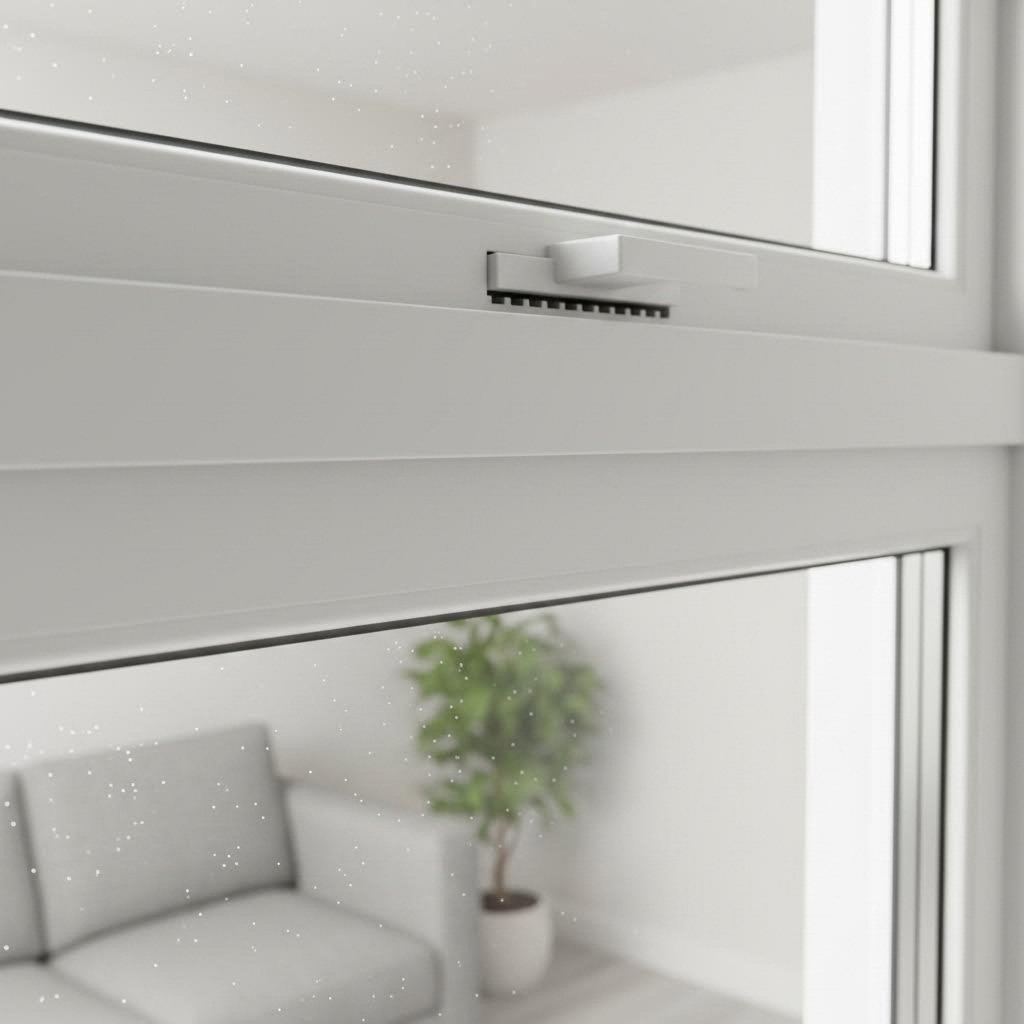
Ever noticed those slim vents sitting at the top of your windows? They're called trickle vents, and they play a surprisingly important role in keeping your home healthy. But here's the thing: not all trickle vents are created equal. Sliding trickle vents represent a distinct category that gives you something fixed alternatives simply cannot offer—complete control over your indoor airflow.
So, what is a trickle vent exactly? At its core, a trickle vent is a slot-shaped device installed in window or door frames that allows fresh air to circulate naturally through your living spaces. Unlike opening a window, these vents provide continuous background ventilation while maintaining security and weather protection. According to Titon's guide on trickle vents, these devices typically cover ventilation areas ranging from 2000mm² to 8000mm², depending on the room's requirements.
What sets sliding trickle vents apart is their manual slider mechanism. While fixed slot vents remain permanently open, allowing a constant stream of air regardless of conditions, sliding variants feature an adjustable aperture you can open, close, or set anywhere in between. Imagine having a dimmer switch for your home's ventilation—that's essentially what you get with window trickle vents featuring a sliding mechanism.
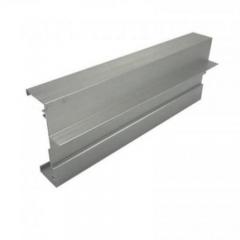
The fundamental design of these vents centers on one principle: user control. When you look at a sliding trickle vent, you'll notice a track system that allows the cover plate to move smoothly across the ventilation opening. This seemingly simple feature transforms how you interact with your home's trickle ventilation system.
Fixed vents offer no adjustment options. They're either installed or they're not. Humidity-controlled alternatives respond automatically to moisture levels, which sounds convenient but removes your ability to make decisions based on other factors like outdoor noise, temperature preferences, or seasonal changes. Sliding mechanisms put that decision-making power back in your hands.
This control becomes particularly valuable when considering interior door ventilation requirements. In spaces where airflow between rooms matters—think en-suite bathrooms or connecting hallways—having adjustable vents ensures you can fine-tune ventilation based on actual living conditions rather than relying on fixed or automated solutions.
Understanding how these vents function helps you appreciate their elegance. The physics behind window ventilation relies entirely on passive principles—no electricity, no motors, no moving parts beyond the slider itself.
Here's how it works: warm air inside your home naturally rises and creates slight negative pressure near openings like vents. This pressure differential draws fresh outdoor air through the trickle vent opening. The process happens continuously and silently, requiring zero energy input. Your sliding mechanism simply controls how much of the vent opening remains exposed to this natural airflow.
When you slide the cover fully open, you maximize the equivalent ventilation area, allowing the greatest possible air exchange. Partially closing the slider reduces this area proportionally, giving you precise control over ventilation rates. Close it completely during extreme weather or when exterior noise becomes bothersome, then open it again when conditions improve.
Every sliding trickle vent comprises several essential components working together:
These components must work in harmony. Poor-quality weather sealing defeats the purpose of having adjustable control, while a sticky slider track leads to frustration and eventual neglect of proper ventilation habits. Quality ventilation windows feature all four elements engineered to exacting standards.
Whether you're a homeowner researching air ventilation window options or a trade professional specifying products for installation, understanding these fundamentals helps you make informed decisions. The sliding trickle vent isn't just another product variation—it's a distinct solution designed for people who want genuine control over their indoor environment.
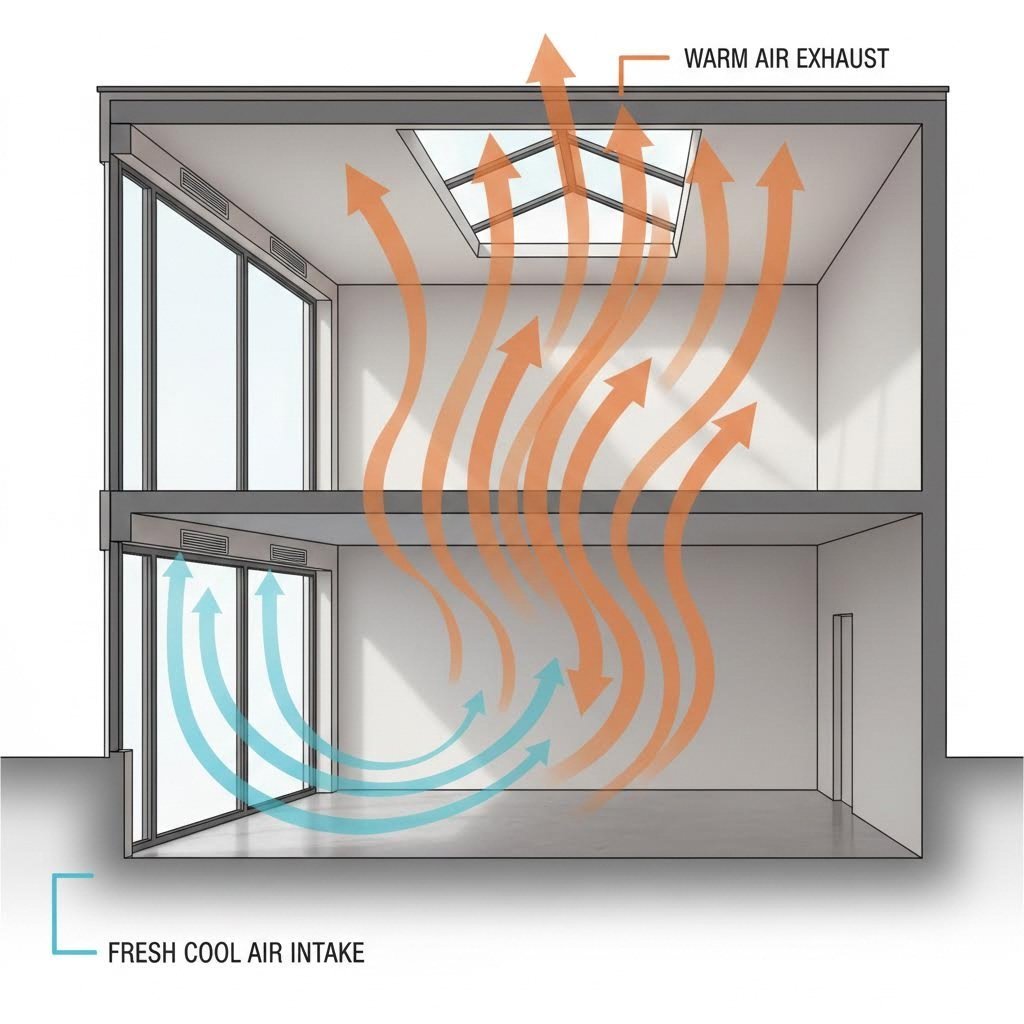
Now that you understand what sliding trickle vents are and how their components work together, let's dive deeper into the science that makes them so effective. Why does air naturally flow through these small openings? And how does that simple slider give you such precise control over your home's atmosphere? The answers lie in fundamental principles of physics that have been used in building design for centuries.
Picture this: you're cooking dinner on a cold evening, steam rising from pots on the stove. Without adequate window ventilation, that moisture has nowhere to go. It condenses on cold surfaces, fogs up your windows, and creates the perfect breeding ground for mold. But with properly adjusted trickle ventilation windows, that moist air quietly escapes while fresh, drier air takes its place—all without you lifting a finger beyond setting your slider position.
The magic behind passive ventilation comes down to two key phenomena: the stack effect and cross-ventilation. Neither requires electricity or mechanical assistance. They're driven purely by natural forces that exist in every building.
The stack effect—sometimes called the chimney effect—occurs because warm air is less dense than cold air. When you heat your home, that warm air naturally rises toward the ceiling and upper floors. As it rises, it creates a zone of slightly lower pressure near the floor and at any openings positioned lower in the building envelope. This pressure differential draws fresh outdoor air inward through available openings, including your trickle vents.
Here's where it gets interesting for air ventilation window systems. The greater the temperature difference between inside and outside, the stronger this natural draft becomes. During winter, when your heating creates the largest temperature differential, the stack effect works most powerfully. Your ventilation windows don't need to work harder—physics does the work for them.
Cross-ventilation adds another dimension to this process. When wind blows against one side of your home, it creates positive pressure on that windward face. Simultaneously, the leeward side (the side sheltered from wind) experiences negative pressure. This pressure difference drives air through any openings that connect these two zones. Properly positioned trickle vents take advantage of this phenomenon, allowing fresh air entry on one side while stale air exits on another.
What happens when you combine both effects? You get continuous, gentle air circulation that refreshes your indoor environment without creating uncomfortable drafts. The air exchange happens so gradually that you won't feel cold streams of air—just a consistently fresher atmosphere. Many homeowners find themselves asking whether their window ac unit vent open or closed matters as much as proper background ventilation. The reality is that passive solutions like sliding trickle vents complement mechanical systems beautifully, reducing the load on air conditioning while maintaining air quality year-round.
Understanding these principles is one thing. Putting them to practical use is where your sliding mechanism becomes invaluable. Unlike fixed alternatives that provide constant airflow regardless of conditions, your adjustable vent lets you respond to changing circumstances throughout the day and across seasons.
When you fully open the slider, you expose the maximum equivalent ventilation area—the measurement used by building regulations to quantify airflow capacity. This position allows the greatest possible air exchange between indoors and outdoors. It's ideal for situations requiring rapid ventilation: after cooking, following a shower, or when your home feels stuffy after being closed up.
Partially opening the slider creates a proportionally smaller aperture. If your vent has a rated equivalent area of 4000mm² when fully open, closing it halfway reduces that to approximately 2000mm². This direct relationship between slider position and airflow rate gives you genuinely precise control. You're not choosing between "all" or "nothing"—you're fine-tuning to match exact conditions.
The primary advantage of sliding trickle vents over fixed alternatives is user control. You decide how much ventilation your home needs at any given moment, adapting to weather, noise levels, security concerns, and personal comfort preferences. No automated system or fixed opening can replicate this responsive, human-centered approach to indoor air quality management.
Seasonal adjustment strategies make the most of this control. Consider how your needs change throughout the year:
Energy efficiency ties directly to this control. Studies of trickle ventilation windows consistently show that adjustable vents, when used thoughtfully, outperform fixed alternatives in real-world energy performance. Why? Because occupants actively manage the balance between ventilation and heat loss rather than accepting a one-size-fits-all approach.
Think about it this way: a fixed vent sized for adequate summer ventilation may allow excessive heat loss during winter. A fixed vent sized for winter efficiency may provide insufficient airflow during humid summer conditions. Your sliding mechanism eliminates this compromise entirely. You optimize for current conditions, not average conditions across an entire year.
The relationship between slider position and energy use isn't complicated. Wider openings during mild weather cost little in terms of heating or cooling energy. Narrower openings during extreme temperatures preserve conditioned air while still preventing the moisture buildup and stale air that lead to condensation and health issues. This responsive approach makes ventilation windows with sliding mechanisms a practical choice for energy-conscious homeowners.
Understanding how window type affects compatibility with these ventilation principles becomes crucial when selecting the right solution for your home. Different frame materials and window styles interact with sliding trickle vents in distinct ways—factors we'll explore in detail next.
You've grasped how sliding trickle vents work and why adjustable control matters. But here's a question that trips up many homeowners: will these vents actually work with your specific windows? The answer depends on two critical factors—your frame material and your window style. Get these compatibility considerations right, and you'll enjoy seamless integration. Get them wrong, and you're looking at installation headaches, compromised performance, or aesthetic mismatches that undermine your investment.
This is where most general trickle vent information falls short. You'll find plenty of guidance explaining what vented windows are and why ventilation matters, but precious little about matching solutions to specific window types. Let's fix that knowledge gap with practical, material-specific guidance you can actually use.
Your window frames aren't just structural elements—they determine how trickle vents integrate, install, and perform over time. The three primary frame materials each present distinct advantages and considerations when fitting sliding mechanisms.
uPVC Frames: The Ideal Match
If you have uPVC windows, you're in luck. These frames are particularly well-suited for sliding trickle vent installation, and here's why: uPVC profiles feature hollow chamber construction. Those internal chambers provide natural channels for routing ventilation pathways without compromising the frame's structural integrity or thermal properties.
When installers cut into uPVC to fit air vents in double glazed windows, they're working with a material designed to accommodate such modifications. The chambers allow vents to be recessed cleanly into the frame head, creating a flush finish that looks intentional rather than retrofitted. According to guidance from Colin's Sash Windows, uPVC windows require vents specifically designed for uPVC frames to ensure a secure, lasting fit.
Installation complexity remains relatively low with uPVC. The material drills cleanly using standard high-speed metal drill bits, and the consistent density throughout the profile means predictable results. Weathersealing integrates smoothly because uPVC accepts gaskets and foam seals effectively. Most importantly, the material's stability means your slider mechanism will operate smoothly for years without warping or binding.
Aluminium Frames: Durability with Precision Requirements
Aluminium windows bring exceptional durability to the equation. These frames resist corrosion, maintain dimensional stability across temperature extremes, and support slim sightlines that maximize glass area. For sliding trickle vents, aluminium offers a premium foundation—but demands precision during installation.
The challenge with aluminium lies in its rigidity. Unlike uPVC's forgiving nature, aluminium frames require exact measurements and careful cutting. Mistakes aren't easily corrected. Professional installation typically yields better results than DIY attempts, particularly for retrofit situations where existing frames must be modified.
That said, once properly installed, aluminium frames provide superior long-term performance for your vents. Titon recommends aluminium vents for maximum durability, noting that the material's inherent strength supports smoother slider operation over extended service life. If you're investing in double glazed windows with ventilation and want components that match your frames' longevity, aluminium-compatible vents make practical sense.
Thermal bridging deserves mention here. Aluminium conducts heat efficiently—great for cookware, less ideal for window frames. Modern aluminium windows address this through thermal breaks, but adding vents introduces additional pathways for heat transfer. Quality sliding trickle vents designed for aluminium applications incorporate appropriate insulation to minimize this concern.
Timber Frames: Traditional Character with Special Considerations
Timber windows carry historical significance and aesthetic warmth that synthetic materials struggle to replicate. Many period properties feature original wooden frames that homeowners rightfully want to preserve. Sliding trickle vents can absolutely integrate with timber—but the organic nature of wood introduces variables that don't exist with manufactured materials.
Wood moves. It expands in humid conditions and contracts when dry. Seasonal variations affect dimensions, which in turn affects how your slider mechanism operates. A vent that glides smoothly in summer might bind slightly during damp winter months. Quality installations account for this movement by incorporating appropriate tolerances and using hardware designed for timber applications.
Surface-mounted vents often work better than recessed options on timber frames, particularly for retrofit installations. Cutting deep channels into existing wooden frames risks compromising structural integrity and weatherproofing. Surface mounting preserves the frame while still providing effective trickle vents windows functionality.
Maintenance matters more with timber. Unlike uPVC or aluminium, wooden frames require periodic repainting or staining. When maintaining your timber windows, you'll need to work around installed vents carefully. Removable slider components simplify this process—check whether your chosen vent design accommodates easy removal for frame maintenance.
Beyond frame material, your window's operating style influences where vents should be placed and how they'll perform. Different configurations create different airflow patterns, security considerations, and aesthetic expectations.
Casement Windows
Casement windows—those hinged at the side that swing outward or inward—represent the most straightforward style for trickle vent integration. The frame head provides a natural location for vent installation, positioned above the opening sash where it remains unobstructed during window operation.
For air vents for double glazed windows in casement configurations, placement at the top of the frame maximizes the stack effect discussed earlier. Warm air rising inside your home exits through higher openings most efficiently. Your sliding vent positioned near the ceiling takes advantage of this physics to deliver optimal passive ventilation.
Opening direction matters less than you might expect. Whether your casements swing in or out, the vent remains in the fixed frame portion. Just ensure adequate clearance for any external canopy components if your windows open outward across the vent location.
Sash Windows
Traditional sash windows—featuring vertically sliding upper and lower sections—present unique integration opportunities. According to The Sash Window Workshop, trickle vents for sash windows typically sit in the frame head, with external components hidden under the frame drip rail. This positioning means you need to look upward into the window to see the vent—an elegant solution that preserves the window's traditional appearance.
For cord-hung sash windows, vents are often surface-mounted rather than recessed, accommodating the traditional construction methods used in these heritage-style units. Spiral sash windows (using spring balances rather than cords and weights) can accept flush-fitted vents recessed into the frame for a more streamlined look.
The inherent ventilation properties of sash windows—where you can open both top and bottom sections to create natural airflow patterns—complement trickle vents beautifully. Your sliding mechanism provides background ventilation when both sashes are closed, while the window's own adjustability offers additional control during suitable weather.
Tilt-and-Turn Windows
Popular in continental Europe and increasingly common in the UK, tilt-and-turn windows offer two opening modes: tilting inward from the top for ventilation, or swinging fully open from a side hinge for cleaning and maximum airflow. This versatility might seem to reduce the need for trickle vents, but background ventilation remains important when windows are fully closed.
Vent placement requires careful consideration with tilt-and-turn designs. The complex hinge mechanisms occupy frame corners that might otherwise accommodate vent installations. Frame head positioning remains the preferred location, though available space may be more limited than with simpler window styles.
The tilt function itself provides an intermediate ventilation option, but it's not a direct substitute for trickle vents. Tilted windows create larger openings than background vents, potentially allowing excessive heat loss in cold weather or security concerns when left overnight. Your sliding trickle vent fills the gap between "fully closed" and "tilted open," providing controlled airflow that neither extreme offers.
The following table summarizes key compatibility factors to help you evaluate options for your specific situation:
| Factor | uPVC Frames | Aluminium Frames | Timber Frames |
|---|---|---|---|
| Installation Complexity | Low to moderate; hollow chambers simplify integration | Moderate to high; requires precision cutting | Moderate; must account for wood movement |
| Aesthetic Integration | Excellent; flush-mounted options available in matching colors | Excellent; slim profiles complement modern aesthetics | Good; surface mounting often preferred for preservation |
| Thermal Performance Impact | Minimal; chamber construction limits thermal bridging | Requires thermal break consideration; quality products minimize impact | Low; wood provides natural insulation around vent |
| Long-term Slider Operation | Stable; material doesn't warp or bind | Excellent; dimensional stability ensures smooth operation | May require occasional adjustment for seasonal movement |
| Retrofit Suitability | High; straightforward modification of existing frames | Moderate; professional installation recommended | Moderate; surface mounting reduces frame modification |
| Maintenance Requirements | Minimal; occasional cleaning of slider tracks | Minimal; corrosion-resistant hardware | Higher; must work around vents during frame repainting |
This compatibility analysis gives you a foundation for informed decision-making. But knowing which vent type suits your windows is only part of the equation. Understanding how sliding mechanisms compare to other ventilation solutions—and when adjustable control genuinely matters—helps you confirm whether this approach serves your specific needs.
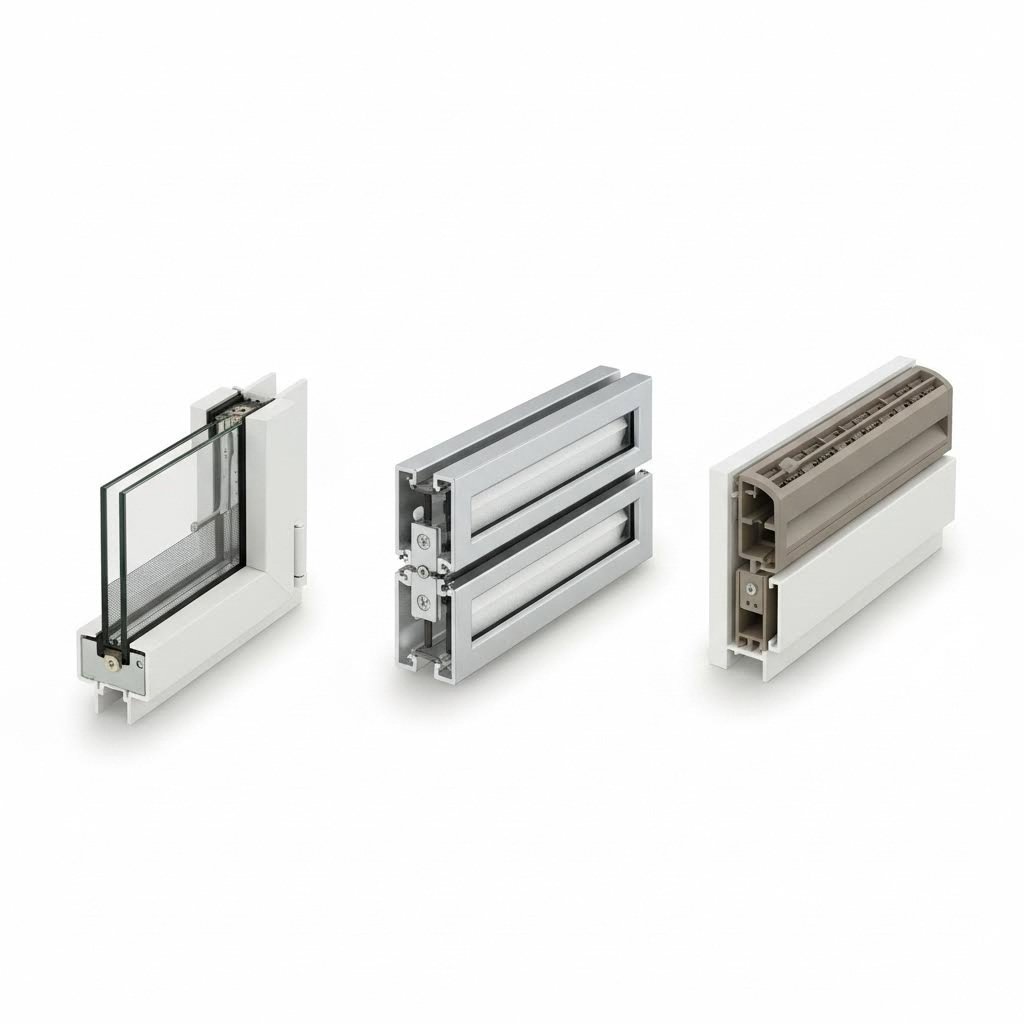
You've explored how sliding trickle vents work, understood the science behind adjustable control, and assessed compatibility with your window type. Now comes the practical question: how do these adjustable vents stack up against the alternatives? When you're browsing trickle air vents for windows, you'll encounter several distinct product categories—each with different strengths, limitations, and ideal use cases.
Understanding the difference between window and ventilator types helps you avoid a common mistake: choosing based on price alone. The cheapest option rarely delivers the best value when you factor in long-term performance, comfort, and control. Let's break down how sliding mechanisms compare to fixed, over-frame, and humidity-controlled alternatives so you can match the right solution to your actual living situation.
Fixed slot vents represent the simplest approach to background ventilation. They're exactly what they sound like—permanent openings in your window frame that allow continuous airflow. No moving parts, no adjustments, no decisions to make. Sounds convenient, right? In practice, this simplicity comes with significant trade-offs.
When you install fixed trickle vents in windows, you're accepting a one-size-fits-all ventilation rate. The equivalent area—that measurement determining how much air passes through—remains constant whether it's a mild spring afternoon or a howling winter storm. You cannot close them when external noise becomes bothersome. You cannot reduce airflow during heating season to preserve warmth. You cannot respond to changing conditions at all.
Sliding trickle vents eliminate this compromise entirely. Your manual control lets you:
The control advantage becomes particularly apparent at night. Many homeowners prefer closing vents in bedrooms during sleeping hours to minimize drafts, noise, and security concerns, then opening them during the day when rooms are unoccupied. Fixed vents deny you this flexibility—they ventilate identically at 3 AM and 3 PM regardless of your preferences or presence.
From a practical standpoint, fixed vents do offer one genuine advantage: zero user effort. If you genuinely never want to think about ventilation settings, a fixed solution requires no ongoing attention. But for most households, the inability to respond to changing conditions proves frustrating rather than liberating. You'll find yourself wishing you could just close that vent during the coldest nights or open it wider after a steamy bath.
Beyond control mechanisms, trickle vents differ in how they integrate with your window frames. This installation location affects aesthetics, performance, and even which products suit your specific situation. The two primary approaches—over-frame and through-frame mounting—each serve different needs.
Through-frame vents sit within the frame itself, typically in the frame head above the glazing. Installers cut a slot through the frame profile, insert the vent body, and attach internal and external covers. This approach creates a flush, integrated appearance that looks like an intentional part of the window design rather than an afterthought.
For sliding mechanisms, through-frame installation offers the smoothest operation. The vent body is fully supported by the surrounding frame material, providing stable tracks for the slider. Weather sealing integrates cleanly, and the overall profile remains slim. If aesthetics matter to you—and for most homeowners, they absolutely do—through-frame vents deliver the cleanest result.
Over-frame vents mount on the surface of existing frames without cutting into the profile. They're sometimes called surface-mounted or clip-on vents. The entire vent body sits proud of the frame surface, secured by screws or adhesive mounting systems.
Over-frame installation appeals in specific situations:
The trade-off? Over-frame vents protrude from the frame surface, creating a more noticeable visual presence. They're also more exposed to accidental damage and may collect dust and debris more readily than flush-mounted alternatives. Slider mechanisms in surface-mounted vents typically work well, though the slightly less rigid mounting can occasionally affect smooth operation over extended use.
Consider your priorities: if invisible integration matters most, through-frame sliding vents deliver superior aesthetics. If minimal frame modification is essential, over-frame options provide effective ventilation without permanent alterations.
What if your vents could think for themselves? Humidity-controlled trickle vents attempt exactly this. These units incorporate hygroscopic sensors—materials that respond to moisture levels in the air—to automatically adjust their aperture based on indoor humidity conditions.
The concept sounds appealing: high humidity triggers wider opening to expel moist air, while dry conditions allow the vent to close partially, preserving warmth. No manual adjustment required. The vent responds intelligently to actual conditions rather than relying on you to notice and react.
In certain applications, humidity-sensing vents perform admirably. Bathrooms and kitchens—spaces with predictable moisture generation—benefit from automatic response. The vent opens when you shower or cook, then closes as conditions normalize. For secondary spaces you don't regularly occupy, automatic control ensures adequate ventilation without requiring your attention.
However, humidity-controlled alternatives come with limitations that make manual sliding vents preferable for many homeowners:
Perhaps most importantly, humidity-controlled vents remove your agency. You cannot override their decisions when you disagree with automated behavior. If the vent decides your bedroom needs more ventilation at 2 AM based on moisture readings, it opens—regardless of the cold draft this creates or the street noise it admits.
Sliding mechanisms restore that control. You observe conditions, consider multiple factors (humidity, temperature, noise, security, personal comfort), and make decisions accordingly. This human-centered approach proves more satisfying for most occupants than surrendering choices to automated sensors.
For rooms requiring background ventilation where you're rarely present—utility rooms, pantries, or internal door vents connecting spaces—humidity control can work well. But for living spaces, bedrooms, and areas where comfort matters, manual sliding vents offer an alternative to trickle vents that are purely automated, putting decisions back in your hands.
The following table provides a comprehensive comparison across the primary ventilation categories. Use this as a reference when evaluating options for your specific situation:
| Feature | Sliding Trickle Vents | Fixed Slot Vents | Over-Frame Vents | Humidity-Controlled Vents |
|---|---|---|---|---|
| Adjustability | Full manual control; infinitely variable from closed to fully open | None; permanent fixed aperture | Varies; some offer sliding mechanisms, others fixed | Automatic only; no manual override on most models |
| Noise Control | Excellent; close or reduce opening during noisy periods | Poor; constant opening admits noise continuously | Varies by specific product design | Limited; cannot close for noise without affecting humidity response |
| Installation Complexity | Moderate; requires frame cutting for through-frame mounting | Low to moderate; simpler mechanism | Low; surface mounting without frame modification | Moderate; similar to sliding but includes sensor calibration |
| Typical Cost | Mid-range; slider mechanism adds modest cost | Lowest; simplest construction | Low to mid-range; varies by mounting system | Highest; sensor technology increases price |
| Maintenance Requirements | Low; occasional track cleaning and lubrication | Minimal; no moving parts | Low; may require tightening surface mounts | Moderate; sensor components may need periodic replacement |
| User Effort Required | Moderate; manual adjustment as conditions change | None; no interaction possible | Varies by design | None; automatic operation |
| Best For | Homeowners wanting control over ventilation decisions | Set-and-forget applications with stable conditions | Retrofit situations avoiding frame modification | Moisture-prone spaces with predictable humidity patterns |
Notice how sliding trickle vents occupy a practical middle ground. They're not the cheapest option—that honor goes to fixed vents. They're not fully automated like humidity-controlled units. But they offer something neither alternative provides: genuine human control over a fundamental aspect of your indoor environment.
Think about how you interact with other home systems. You adjust thermostats based on comfort, dim lights for ambiance, and close curtains for privacy. These manual controls don't burden you—they empower you. Sliding trickle vents bring that same agency to ventilation, letting you respond intelligently to conditions rather than accepting predetermined or automated behavior.
The comparison extends beyond windows to other ventilation points in your home. If you're considering a door vent for internal airflow between rooms, the same principles apply. Adjustable options let you balance ventilation needs against noise transfer, privacy, and temperature management. Fixed alternatives force you to accept constant airflow regardless of circumstances.
For complete whole-house ventilation strategies, sliding mechanisms often prove most versatile. You might fully open vents in living areas during occupied hours, partially close bedroom vents for sleeping comfort, and adjust kitchen vents based on cooking activities. This room-by-room control optimizes ventilation where you need it while minimizing where you don't—a nuanced approach that fixed or automated systems cannot match.
Having established why sliding mechanisms offer superior control compared to alternatives, the next consideration becomes regulatory compliance. Building regulations set minimum ventilation requirements that your chosen solution must satisfy, regardless of which type you select.
You've compared ventilation types and understand why adjustable control matters. But here's a reality check: your preferences don't override legal requirements. Building regulations in England set specific ventilation standards that every dwelling must meet. The good news? Sliding trickle vents satisfy these requirements beautifully—when properly sized and installed. Understanding the regulatory framework helps you make compliant choices while maximizing the health benefits these systems deliver.
Whether you're renovating an existing property or specifying window air vents for new construction, compliance isn't optional. Let's decode what the regulations actually require and how your adjustable vents can meet—and exceed—those standards.
In England, ventilation requirements fall under Approved Document F, published by the Ministry of Housing, Communities and Local Government. This statutory guidance establishes minimum ventilation rates for maintaining indoor air quality across different building types. The current edition, effective since June 2022, significantly updated requirements—particularly regarding background ventilation through devices like trickle vents.
What does Document F actually require? For dwellings, the regulations specify three ventilation components:
Your sliding trickle vents address that third requirement directly. The regulations specify minimum equivalent ventilation areas based on room type and size. For habitable rooms, you'll typically need between 5000mm² and 8000mm² of equivalent area—measurements that quality drip vents in windows routinely achieve when properly specified.
Here's where recent regulatory changes become relevant. According to industry analysis, the latest Approved Document F effectively doubled the required size of background ventilator openings compared to previous editions. This change responds to increasingly airtight modern construction, which reduces uncontrolled air leakage that older buildings relied upon for incidental ventilation.
For homeowners with house window vents installed under earlier regulations, this raises questions. Do your existing vents still provide adequate ventilation? If you're undertaking significant renovation work, new installations must meet current standards. The good news is that sliding trickle vents come in various sizes, allowing you to specify products that satisfy updated equivalent area requirements without compromising aesthetics.
Calculating compliance involves matching your vent's equivalent area to your room's requirements. Most quality manufacturers clearly state equivalent area specifications, making it straightforward to verify that your chosen product meets regulatory minimums. For complex situations—multiple rooms, unusual layouts, or mixed-use spaces—consulting building control or a qualified ventilation specialist ensures your approach satisfies all applicable requirements.
What about older properties? Wall vents old houses commonly feature may or may not meet current standards. If you're upgrading windows in a period property, consider whether existing ventilation provisions remain adequate or whether additional background ventilation through modern sliding trickle vents becomes necessary. The regulations focus on outcomes—adequate fresh air supply—rather than mandating specific product types, giving you flexibility in how you achieve compliance.
Regulatory compliance represents the minimum standard. The real value of properly functioning ventilation extends far beyond satisfying building inspectors—it directly impacts your health, comfort, and property condition. Understanding these benefits helps you appreciate why adjustable sliding vents offer advantages that fixed alternatives cannot match.
Condensation remains the most visible consequence of inadequate ventilation. When warm, moisture-laden indoor air contacts cold surfaces—windows, external walls, unheated corners—water vapor condenses into liquid droplets. You've seen the results: streaming windows, damp patches, and eventually, the distinctive musty smell of mould growth.
Sliding trickle vents combat condensation through continuous moisture removal. By allowing controlled fresh air exchange, they prevent indoor humidity from reaching levels where condensation becomes inevitable. But here's the crucial advantage: adjustability lets you respond to moisture-generating activities in real time.
Imagine cooking a large meal with multiple pots simmering. Steam fills your kitchen, humidity spikes dramatically. With fixed vents, you accept whatever ventilation rate was predetermined during installation—often insufficient for peak moisture events. With sliding mechanisms, you open your vents wider during cooking, actively managing moisture removal when it matters most. After the meal, you can reduce the opening to balance ventilation with heat retention.
This responsive approach proves particularly valuable in bathrooms. A hot shower generates enormous moisture volumes in minutes. Open your sliding vent fully before showering, maintain maximum ventilation during and afterward, then adjust to normal settings once humidity normalizes. This targeted response prevents moisture accumulation more effectively than constant low-level fixed ventilation.
Beyond condensation, proper ventilation delivers broader health benefits that often go unrecognized. Indoor air quality affects respiratory health, cognitive function, and general wellbeing—yet most people spend the majority of their time indoors breathing air that may contain elevated levels of pollutants, allergens, and biological contaminants.
Fresh air introduced through your trickle vents dilutes these indoor pollutants. Volatile organic compounds—chemicals released by furniture, cleaning products, paints, and building materials—accumulate in sealed spaces. Controlled ventilation continuously flushes these compounds outdoors, replacing them with fresh outdoor air. The result? Lower exposure to potentially harmful substances throughout your daily life.
The health benefits of properly adjusted sliding trickle vents include:
For households with allergy sufferers or respiratory conditions, these benefits prove tangible rather than theoretical. Studies consistently demonstrate that improved ventilation correlates with reduced respiratory symptoms, better sleep quality, and enhanced cognitive performance. Your sliding vents aren't just regulatory compliance devices—they're health infrastructure.
The adjustability advantage extends to allergen management specifically. During high pollen seasons, you might partially close vents to reduce outdoor allergen entry while maintaining minimum necessary ventilation. During winter, when outdoor pollen counts drop, wider openings maximize fresh air benefits without triggering hay fever symptoms. Fixed vents deny you this seasonal adaptation.
Mould deserves particular attention given its health implications. Mould spores trigger allergic reactions, exacerbate asthma, and in severe cases cause serious respiratory infections. Once established, mould proves difficult and expensive to remediate—prevention is far more effective than cure. By maintaining humidity levels below mould-supporting thresholds, your sliding vents provide ongoing protection against this pervasive problem.
The connection between ventilation and mould prevention isn't theoretical. As ventilation specialists note, modern airtight dwellings concentrate moisture unless adequate background ventilation exists. Trickle vents represent the first line of defense, providing continuous moisture removal that prevents humidity accumulation. Your ability to adjust ventilation rates based on activities—opening wider after showers, cooking, or clothes drying—enhances this protection beyond what fixed alternatives achieve.
Understanding these regulatory requirements and health benefits establishes why proper sizing and installation matter so much. Getting these details right ensures your sliding trickle vents deliver both compliance and genuine wellbeing improvements throughout your home's occupied lifespan.

You understand the regulations, the health benefits, and why adjustable control matters. But here's where many homeowners hit a wall: how do you actually determine the right size vent for your specific rooms? And once you've selected the correct product, what does proper installation look like for sliding mechanisms specifically? These practical details separate successful ventilation upgrades from frustrating misfits that underperform or cause ongoing headaches.
Think about it this way. You wouldn't buy trousers without knowing your waist size. Yet countless homeowners purchase window trickle vent products based on price or appearance alone, then wonder why their ventilation feels inadequate or their slider sticks after six months. Getting sizing and installation right from the start saves money, ensures compliance, and delivers the performance you're paying for.
Proper sizing starts with understanding equivalent area—that measurement we've mentioned throughout this guide. Equivalent area (EA) quantifies how much air can actually pass through a ventilator under standard conditions. It accounts for internal baffles, grilles, and other design elements that restrict airflow. A vent with 8000mm² equivalent area allows more air exchange than one rated at 4000mm², regardless of their physical dimensions.
Building regulations specify minimum equivalent areas based on room type. According to Norrsken's analysis of Part F requirements, habitable rooms in multi-storey dwellings require minimum 8000mm² equivalent area, while single-storey properties need 10,000mm². Kitchens follow similar requirements, whereas bathrooms need at least 4000mm² regardless of building height.
But here's what confuses many homeowners: these are minimum totals per room, not per vent. You might achieve your required equivalent area through one large vent or multiple smaller ones. The key is ensuring your combined ventilation capacity meets or exceeds the regulatory minimum for each space.
How do you calculate what you need? Follow this step-by-step measurement process:
The relationship between window size and ventilation capacity isn't as straightforward as you might assume. Larger windows don't automatically require larger vents. What matters is the room's ventilation requirement, which relates to room function and building type rather than glazing area. A small bedroom window might need the same equivalent area as a larger living room window if both rooms fall under the same regulatory category.
That said, window size does constrain your options. A narrow window frame may not accommodate a large single vent, requiring you to distribute ventilation across multiple windows or consider easy glaze trickle vents designed for compact installation spaces. Measure carefully before purchasing to avoid discovering your selected product simply doesn't fit.
For tickle vents (a common misspelling that leads many homeowners to these products), the sizing principles remain identical. Whether you call them trickle vents, tickle vents, or window ventilators, equivalent area requirements don't change based on terminology. Focus on matching your room's needs to your product's rated performance.
Sliding trickle vents demand more installation precision than fixed alternatives. The slider mechanism requires properly aligned tracks, adequate clearance for smooth movement, and careful weatherproofing that doesn't impede operation. Cut corners here, and you'll end up with vents that stick, jam, or leak—defeating the purpose of choosing adjustable control in the first place.
What makes sliding vent installation unique? Several factors require attention beyond standard trickle vent fitting:
Track alignment matters critically. The slider track must be perfectly level and straight for smooth operation. Even slight misalignment creates friction points where the slider binds or catches. During installation, use a spirit level to verify track positioning before final fixing. Once screws are fully tightened and the frame is drilled, correcting alignment becomes far more difficult.
Clearance ensures operation. The sliding cover needs adequate space to move through its full range without obstruction. Check that no frame edges, seal lips, or mounting hardware interfere with slider travel. Test operation repeatedly during installation—before sealing and finishing—to catch problems while correction remains straightforward.
Weatherproofing requires balance. Your vent needs to exclude rain, wind, and drafts when closed, yet the sealing system cannot impede slider movement. Quality products achieve this through carefully designed gaskets that compress adequately for weather protection while allowing the slider to move freely. Inferior products often sacrifice one for the other—either the slider sticks due to excessive seal compression, or gaps remain that admit drafts and moisture.
The installation process for sliding mechanisms follows a logical sequence. According to Shengxin's homeowner guide, standard installation involves measuring and marking the correct position, drilling ventilation holes through the frame, smoothing edges, then securing internal and external vent components. For sliding variants, additional steps ensure proper mechanism function:
Warranty implications deserve serious consideration. Many window manufacturers void warranties if frames are modified after installation—including drilling for trickle vents. Before proceeding with any installation, review your window warranty terms carefully. Some warranties explicitly permit trickle vent addition; others specifically exclude it; many remain ambiguous.
For newer windows still under warranty, contact your window supplier before installing any ventilation modifications. Document their response in writing. If warranty protection matters to you, professional installation by an approved contractor may preserve coverage where DIY work would void it. The cost difference between DIY and professional fitting often pales compared to warranty replacement value if something goes wrong.
When is DIY installation appropriate? Consider handling the project yourself if:
When should you call a professional? Professional installation makes sense when:
Professional installation typically adds £50-£90 per window above product cost, according to industry estimates. For a single window, this premium might seem steep. For a whole-house installation involving multiple windows, professional fitting often proves cost-effective when you factor in guaranteed quality, warranty preservation, and time savings.
Consider basement window with vent installations as a specific example where professional help often proves worthwhile. Basement windows frequently present challenges: limited access, unusual frame configurations, moisture management concerns, and potential structural considerations. A professional installer recognizes these complications and addresses them appropriately, whereas DIY attempts may overlook critical factors that affect long-term performance.
Regardless of who performs installation, certain quality indicators apply. Finished installations should feature:
Test your completed installation thoroughly before considering the job done. Open and close the slider multiple times, checking for consistent smooth operation. Verify that the vent closes completely with proper seal compression. Inspect external components for proper alignment and weather protection. Address any issues immediately while tools remain at hand and before declaring success.
Proper sizing and installation establish the foundation for years of reliable performance. But even perfectly installed vents require ongoing attention to maintain optimal function. Understanding maintenance requirements and troubleshooting common issues ensures your sliding trickle vents continue delivering the adjustable control that made them the right choice for your home.
You've invested in quality sliding trickle vents, had them properly sized and installed, and enjoyed months—perhaps years—of reliable adjustable ventilation. Then one morning, you reach up to open your bedroom vent and the slider refuses to budge. Or it moves, but with frustrating resistance that wasn't there before. What went wrong? And more importantly, how do you fix it without calling a professional or replacing the entire unit?
Here's the reality most manufacturers and installers don't emphasize: sliding mechanisms require periodic attention to maintain smooth operation. Unlike fixed vents with no moving parts, your adjustable window air vent contains components that interact with each other and with environmental factors. Dust accumulates. Seals degrade. Tracks collect debris. Without basic maintenance, even premium products eventually underperform.
The good news? Most sliding vent problems stem from predictable causes with straightforward solutions. Understanding what goes wrong—and catching issues early—keeps your vents functioning properly for their full service life. Let's explore the common problems you'll encounter and the maintenance practices that prevent them.
When your slider stops gliding smoothly, resist the urge to force it. Applying excessive pressure risks cracking the slider cover, damaging the track, or stripping the mechanism entirely. Instead, identify the underlying cause and address it properly.
Sticking and Resistance
The most frequent complaint involves sliders that move reluctantly or require excessive force. Several factors cause this resistance:
Debris in the track: Your slider track sits at the top of your window frame—prime territory for accumulating dust, cobwebs, and airborne particles. Over months and years, this debris compacts into the track channel, creating friction that impedes smooth movement. The solution? Regular cleaning with a small brush or vacuum attachment removes accumulated material before it compacts into stubborn obstructions.
Paint or finish contamination: If you've recently painted your window frames or surrounding walls, overspray may have entered the slider track. Even tiny paint flecks create friction points. Carefully scrape away any visible contamination using a plastic scraper (metal tools risk scratching the track), then clean thoroughly with a damp cloth.
Weatherseal compression: Quality sliding vents incorporate seals that compress when closed to exclude drafts and rain. Over time, these seals may stiffen or deform, creating excessive friction during slider movement. According to Anglian's maintenance guidance, inspecting seals regularly and replacing degraded components restores smooth operation.
Jamming and Complete Failure to Move
When your slider won't move at all—not just resistance, but complete immobility—the cause typically involves mechanical obstruction rather than simple friction:
Debris lodged in the mechanism: Larger particles like leaf fragments, insect remains, or construction debris can wedge into the slider mechanism, physically preventing movement. Careful inspection often reveals the obstruction. Remove it gently, clean the area thoroughly, and test operation before reassembling any covers.
Ice formation: During winter, condensation within the vent assembly can freeze, locking the slider in position. Never force a frozen slider—you'll likely break something. Instead, warm the area gently (a hairdryer on low setting works well) until ice melts, then operate the slider to confirm restored function. Persistent freezing indicates moisture ingress requiring weatherseal attention.
Component failure: Occasionally, plastic slider components crack or break, particularly after years of use or exposure to UV degradation. If inspection reveals broken parts, replacement typically becomes necessary. Contact your vent manufacturer for replacement components—many suppliers offer slider mechanisms separately without requiring complete unit replacement.
Airflow Problems Despite Correct Slider Position
Sometimes your slider moves freely, but ventilation performance disappoints. The vent appears open, yet airflow seems restricted or absent. Several conditions cause this frustrating situation:
External canopy blockage: Your vent's external canopy protects against weather but remains exposed to environmental debris. Bird nests, wasp activity, accumulated leaves, and compacted dirt can obstruct the external opening entirely. Inspect from outside—you may discover the blockage isn't visible from indoors at all.
Internal grille obstruction: Similarly, the internal grille can accumulate dust and debris that restricts airflow even when the slider sits fully open. Vacuum the grille surface regularly and wipe with a damp cloth to maintain clear passages.
Weather conditions overwhelming capacity: On completely still days with minimal temperature differential between indoors and outdoors, passive ventilation naturally reduces. This isn't a fault—it's physics. The pressure differences driving airflow depend on wind and temperature differentials. If you need ventilation during calm, moderate conditions, consider temporarily opening windows rather than expecting trickle vents to perform beyond their design parameters.
Reactive troubleshooting addresses problems after they occur. Proactive maintenance prevents them from developing. Establishing a simple seasonal routine keeps your sliding vents operating smoothly year after year, avoiding the frustration and expense of repairs or premature replacement.
How often should you maintain your vents? Most manufacturers recommend inspection and cleaning at least twice annually—once before winter and once in spring. Properties in dusty environments, coastal locations with salt exposure, or areas with heavy pollen may benefit from quarterly attention. The effort required is minimal; the payoff in reliable long-term performance is substantial.
Cleaning Routines
Effective cleaning addresses both visible surfaces and hidden mechanisms. Start with the obvious: wipe down internal and external vent covers with a damp cloth to remove surface dust and grime. For stubborn deposits, mild soap solution works well—avoid harsh chemicals that might degrade plastic components or damage finishes.
The slider track demands particular attention. Use a small brush (an old toothbrush works perfectly) to dislodge debris from the track channel. Follow with vacuum suction to remove loosened material. Compressed air can reach areas brushes cannot, though use caution to avoid driving debris deeper into the mechanism.
External canopies often accumulate surprising amounts of debris. Check for cobwebs, insect activity, and organic material that might restrict airflow. A garden hose rinse (from a safe position) clears most accumulation, though stubborn deposits may require brush attention.
Lubrication Requirements
Proper lubrication ensures smooth slider movement without attracting additional debris. The key is using the right lubricant sparingly—more isn't better, and wrong products cause more problems than they solve.
According to Anglian's product maintenance guide, light engineering oils with corrosion inhibitors (such as 3-in-One Multi-Purpose Oil) suit most vent mechanisms. Apply sparingly to slider tracks and any visible pivot points, then operate the slider through its full range to distribute lubricant evenly. Wipe away any excess to prevent dust attraction.
Critical warning: never use WD-40 or similar solvent-based aerosols on your trickle vents. Despite their popularity for household lubrication, these products contain chemicals that attack plastics and can weaken or damage vent components. They also dissolve factory-applied lubricants rather than supplementing them. Stick to purpose-appropriate products even if they require a separate purchase.
Inspection Schedules
Regular inspection catches developing problems before they cause failures. During each maintenance session, check for:
Document what you find. A simple note recording inspection date and observations helps you track changes over time, identifying gradual degradation before it becomes critical.
Use this comprehensive checklist during each maintenance session to ensure nothing gets overlooked:
Not every problem yields to maintenance. Sometimes components have simply reached the end of their service life, and replacement offers the only practical solution. Knowing when to repair versus when to replace saves frustration and money.
Consider replacement when you encounter:
Cracked or broken slider components: Plastic parts subjected to UV exposure and repeated operation eventually fail. Once structural cracks appear, replacement becomes the only reliable option. Some manufacturers sell replacement slider mechanisms separately—check availability before ordering complete new units.
Severely degraded weatherseals: Seals that no longer compress properly or have hardened beyond function require replacement. While some trickle vent blanking plate alternatives exist for temporary situations, proper seal replacement restores intended function.
Track damage preventing smooth operation: If the slider track itself is bent, cracked, or otherwise damaged beyond simple cleaning and lubrication, the entire vent assembly typically needs replacement. Track damage usually results from impact or improper installation rather than normal wear.
Significant aesthetic degradation: Even if mechanically functional, vents showing severe discoloration, surface crazing, or UV damage may warrant replacement for appearance reasons. Modern replacements often offer improved performance alongside refreshed aesthetics.
Obsolete or discontinued products: Older vent models, including some Velfac trickle vent designs and other manufacturer-specific products, may lack available replacement parts. When repairs become impossible due to parts unavailability, full replacement becomes necessary regardless of the specific problem.
Before replacing, consider the economics. A single replacement vent costs considerably less than a service call, making DIY replacement attractive for straightforward installations. However, if multiple vents need attention, professional replacement may prove more cost-effective when you factor in time, tools, and the risk of installation errors.
The distinction between maintenance-solvable problems and replacement-requiring failures often comes down to severity. Dust in the track? Clean it. Cracked track housing? Replace it. Stiff seal? Try lubrication first; replace if degradation is severe. Approaching each situation with appropriate response—neither over-reacting to minor issues nor under-responding to genuine failures—keeps your ventilation system functioning optimally without unnecessary expense.
Regular maintenance isn't glamorous, but it delivers genuine value. A few minutes of attention twice yearly extends your sliding trickle vents' service life, maintains the smooth adjustable operation you chose them for, and prevents the frustration of mechanisms that fail when you need them most. Treat your vents as the precision home comfort components they are, and they'll reward you with years of reliable, responsive performance.
With maintenance practices established, the final consideration becomes selecting the right product in the first place. Quality varies significantly across the market, and choosing well initially reduces future maintenance burden while ensuring the adjustable control features that make sliding trickle vents worth choosing.

You've learned how sliding trickle vents work, understood compatibility requirements, compared alternatives, and mastered maintenance practices. Now comes the decision that matters most: which specific product belongs in your windows? This final step transforms knowledge into action, matching your household's unique circumstances to ventilation solutions that deliver genuine, lasting value.
Choosing well isn't simply about finding the cheapest option or the most expensive one. It's about understanding what you actually need from your vent window and selecting products engineered to meet those needs. A family battling allergies has different priorities than urban dwellers fighting traffic noise. Security-conscious homeowners weigh factors that renters might overlook entirely. Your ideal sliding trickle vent reflects your lifestyle, your environment, and your expectations for window air ventilation performance.
Think about the decisions you've already made throughout your home. You didn't buy generic appliances—you selected refrigerators, washing machines, and heating systems based on how your family actually lives. Your windows with vents deserve the same thoughtful approach. The right choice today means years of comfortable, controlled ventilation. The wrong choice means frustration, compromise, and eventual replacement.
Your household isn't generic, so your ventilation solutions shouldn't be either. Different living situations create different demands on your small window vent installations. Understanding these factors helps you prioritize features that genuinely matter for your circumstances.
Families Managing Allergies and Respiratory Conditions
If anyone in your household suffers from hay fever, asthma, or other respiratory sensitivities, ventilation becomes a delicate balancing act. You need fresh air to maintain healthy indoor environments and dilute indoor pollutants. But during high pollen seasons, maximizing airflow means maximizing allergen entry. Fixed vents leave you no options—they admit whatever outdoor air contains, good and bad alike.
Sliding mechanisms restore your agency in this equation. During peak pollen periods, you can reduce vent openings to minimize allergen introduction while maintaining essential background ventilation. When pollen counts drop—early mornings, after rain, or during winter months—you open wider to maximize fresh air benefits. This responsive approach isn't possible with fixed alternatives or purely humidity-controlled units that ignore allergen considerations entirely.
For allergy-sensitive households, consider these priorities when selecting vents:
Urban Dwellers Battling External Noise
City living brings countless advantages—convenience, culture, opportunity. It also brings noise. Traffic rumbles through the night. Emergency sirens pierce early mornings. Construction projects echo through weekends. For urban residents, windows represent the primary barrier between peaceful interiors and chaotic streetscapes.
Every opening in that barrier—including your ventilation—potentially admits unwanted sound. Fixed trickle vents provide no defense: they admit noise constantly, regardless of conditions. Sliding mechanisms let you respond to acoustic conditions in real time. Close your vents during rush hour when traffic peaks. Open them during quiet evening hours when fresh air comes without acoustic penalty. Adjust bedroom vents for sleeping comfort without accepting the noise levels that daytime ventilation might involve.
According to Titon's comprehensive guide on acoustic trickle vents, sound attenuation has become a significant consideration for occupants in urban environments. Higher Dn,e,w values indicate better sound reduction performance—a specification worth checking when noise control matters for your situation. Some manufacturers specifically engineer their products for acoustic performance, incorporating internal baffles and sound-absorbing materials that reduce noise transmission while maintaining adequate airflow.
For noise-sensitive environments, prioritize:
Security-Conscious Homeowners
Ventilation creates openings in your building envelope—a necessary reality for healthy indoor air, but a consideration for security-minded households. While standard trickle vents are far too small for intrusion, some homeowners prefer knowing they can close all openings completely when away from home or during overnight hours.
Fixed vents deny this option entirely. They remain permanently open whether you're home, away, or sleeping. Sliding mechanisms provide the peace of mind that comes with complete closure capability. Heading on vacation? Close your vents entirely. Sleeping in a ground-floor bedroom? Reduce openings to minimum levels that provide essential ventilation without larger apertures.
This control extends beyond intrusion concerns to include:
The psychological dimension matters too. Knowing you can close your ventilation completely—even if you rarely choose to—provides comfort that fixed alternatives cannot offer. Your home feels more controllable, more responsive to your preferences and concerns.
Beyond these specific scenarios, consider how your household uses different rooms. Bedrooms benefit from vents that close completely for sleeping comfort. Kitchens need vents that open widely for moisture removal during cooking. Living spaces might require different settings for quiet evenings versus active family gatherings. The versatility of sliding mechanisms accommodates all these variations through a single product type, adjusted to match each situation.
Understanding your lifestyle needs is half the equation. The other half involves recognizing quality when you see it. Not all sliding trickle vents are created equal—manufacturing precision, material selection, and engineering sophistication vary dramatically across the market. Knowing what distinguishes premium products from budget alternatives helps you invest wisely.
Quality reveals itself through several observable characteristics. During selection, examine potential products against these benchmarks to ensure you're getting genuine value rather than false economy:
Consider the total cost of ownership rather than just purchase price. A budget vent that requires replacement after three years costs more than a quality product lasting a decade or more. Factor in maintenance requirements, replacement part availability, and the frustration cost of dealing with poorly performing products. Quality vents from established manufacturers like Shengxin Aluminium deliver value that extends far beyond initial purchase economics.
The integration question deserves particular attention for uPVC windows. Many households already have uPVC frames and want vents that work seamlessly with existing systems. Products specifically engineered for uPVC compatibility—like Shengxin's Slim uPVC Window Trickle Vents—install more easily and perform more reliably than generic alternatives adapted to multiple frame types. The hollow chamber construction of uPVC profiles suits purpose-designed vents that take advantage of this architecture rather than fighting against it.
Similarly, small vent windows or compact frame configurations require appropriately sized products. Standard vents may not fit narrow frames, and forcing oversized products into undersized spaces compromises both appearance and performance. Manufacturers offering range options—multiple lengths and equivalent area ratings—let you match products precisely to your specific window dimensions.
Don't overlook canopy design for external components. The external hood affects both weather protection and aesthetic integration. Quality canopies shed water effectively, resist UV degradation, and complement your home's exterior appearance. Budget alternatives may function adequately initially but deteriorate visibly within seasons, undermining your investment.
If external noise represents a significant concern, investigate acoustic specifications before committing. While standard sliding trickle vents provide adjustability that fixed alternatives lack—allowing you to close vents during noisy periods—some products offer enhanced sound attenuation through specialized internal design.
Acoustic performance depends on more than just closing capability. According to research published in MDPI's building sciences journal, trickle vents with higher acoustic resistance typically incorporate internal baffles and sound-absorbing materials that attenuate noise even when partially or fully open. This engineering matters for situations where you need both ventilation and noise reduction simultaneously—nighttime sleeping in urban environments, for example.
When acoustic performance matters, look for:
While this guide focuses on sliding trickle vents, effective ventilation often involves multiple components working together. Your window vents provide background ventilation in habitable rooms, but kitchens and bathrooms may require additional extract ventilation. Connecting spaces might benefit from internal door vents that allow airflow between rooms without requiring doors to remain open.
Think holistically about your home's ventilation needs. Sliding trickle vents in living spaces, bedrooms, and offices handle background fresh air requirements. Kitchen extractors remove cooking moisture and odors. Bathroom fans address shower humidity. Cabinet door vent solutions may suit utility spaces or storage areas requiring air circulation. Each component contributes to overall indoor air quality when properly specified and positioned.
For comprehensive ventilation planning, consider consulting with ventilation specialists who can assess your specific property and recommend appropriate solutions. Building regulations provide minimum requirements, but optimal comfort often exceeds regulatory minimums through thoughtful product selection and placement.
Armed with lifestyle understanding and quality recognition, you're positioned to make confident purchasing decisions. Start by listing your priorities—noise control, allergy management, security, aesthetics, budget constraints—in order of importance. Then evaluate available products against this prioritized list, focusing on how well each option addresses your most critical needs.
Request specifications before purchasing. Quality manufacturers provide detailed product information including equivalent area ratings, acoustic performance data, material specifications, and installation requirements. Missing or vague specifications suggest products that haven't been properly engineered or tested—a red flag regardless of attractive pricing.
Consider the supplier relationship alongside the product itself. Manufacturers offering technical support, warranty backing, and replacement part availability provide value beyond the initial purchase. When questions arise or components eventually need replacement, responsive supplier relationships simplify resolution. Budget products from anonymous sources may save initially but leave you stranded when problems develop.
For homeowners seeking quiet, controlled passive ventilation that integrates seamlessly with existing uPVC systems, Shengxin Aluminium's Slim uPVC Window Trickle Vents represent a proven solution combining manual airflow regulation, condensation reduction, and durable construction. Their engineering approach—prioritizing smooth slider action, effective weathersealing, and aesthetic integration—demonstrates the quality characteristics that distinguish premium products from budget alternatives.
Whatever specific product you choose, sliding trickle vents deliver something no fixed alternative can match: genuine control over your indoor environment. You decide how much ventilation each room receives at any given moment. You respond to changing conditions rather than accepting predetermined settings. You balance fresh air benefits against noise, security, temperature, and comfort preferences according to your own judgment.
This control transforms ventilation from a passive building feature into an active comfort tool. Your sliding mechanisms become familiar extensions of how you manage your living environment—adjusted seasonally, tweaked daily, responsive to your lifestyle rather than indifferent to it. The right product, properly installed and maintained, delivers this responsiveness for years of reliable service.
Your home deserves ventilation that works with you, not despite you. Sliding trickle vents make that partnership possible.
Fixed trickle vents have limitations including constant airflow that cannot be adjusted during extreme weather, potential noise ingress in urban environments, and no control over allergen entry during high pollen seasons. However, sliding trickle vents address most of these concerns by offering manual adjustment. You can close them completely during storms, reduce openings when traffic noise peaks, or minimize airflow during allergy seasons while maintaining essential ventilation when needed.
Since June 15, 2022, Building Regulations Part F requires trickle vents on all newly installed windows and doors in England. This applies to replacement windows in existing homes, not just new construction. Sliding trickle vents meet these requirements when properly sized—typically 8000mm² equivalent area for habitable rooms in multi-storey dwellings. If you're replacing windows, your installer must ensure compliance with current ventilation standards.
Alternatives to traditional fixed trickle vents include sliding trickle vents with manual adjustment, humidity-controlled vents that respond automatically to moisture levels, passive stack ventilation systems, and mechanical ventilation with heat recovery (MVHR). Sliding trickle vents offer the best balance of control and simplicity—you decide airflow rates based on conditions, noise, security, and comfort rather than accepting fixed or automated settings.
Yes, sliding trickle vents can be retrofitted to existing windows if the frame head is wide enough to accommodate them—typically 250mm to 400mm length. Installation involves drilling ventilation holes through the frame, then securing internal and external vent components. For uPVC windows, the hollow chamber construction makes retrofit straightforward. However, check your window warranty first, as some manufacturers void coverage when frames are modified.
During winter, sliding trickle vents should remain partially open to maintain essential background ventilation and prevent condensation buildup. The adjustable slider lets you narrow openings to balance fresh air with heat retention—the stack effect remains strong due to indoor-outdoor temperature differences, so even smaller apertures provide adequate ventilation. Open wider after moisture-generating activities like showering or cooking, then reduce to a comfortable setting.



 خدمة الإنترنت
 0086 136 3563 2360
 sales@sxalu.com
 +86 136 3563 2360
 العربية
 English
 français
 Deutsch
 русский
 español
 português
 ไทย
ไทย Việt
Việt Українська