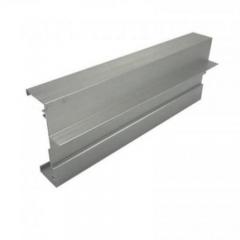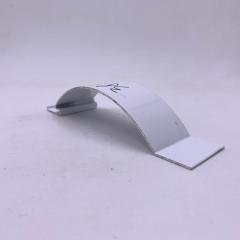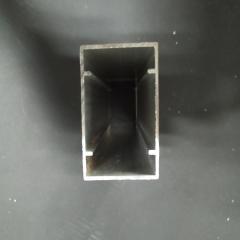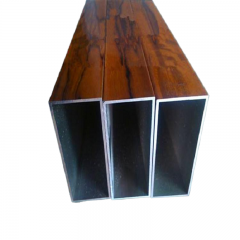
Ever wondered why your installer keeps mentioning those small slots at the top of your new windows? Those are trickle vents, and they play a more important role than most homeowners realise. When you upgrade to modern double or triple glazing, you're not just improving insulation. You're also sealing your home much tighter than before.
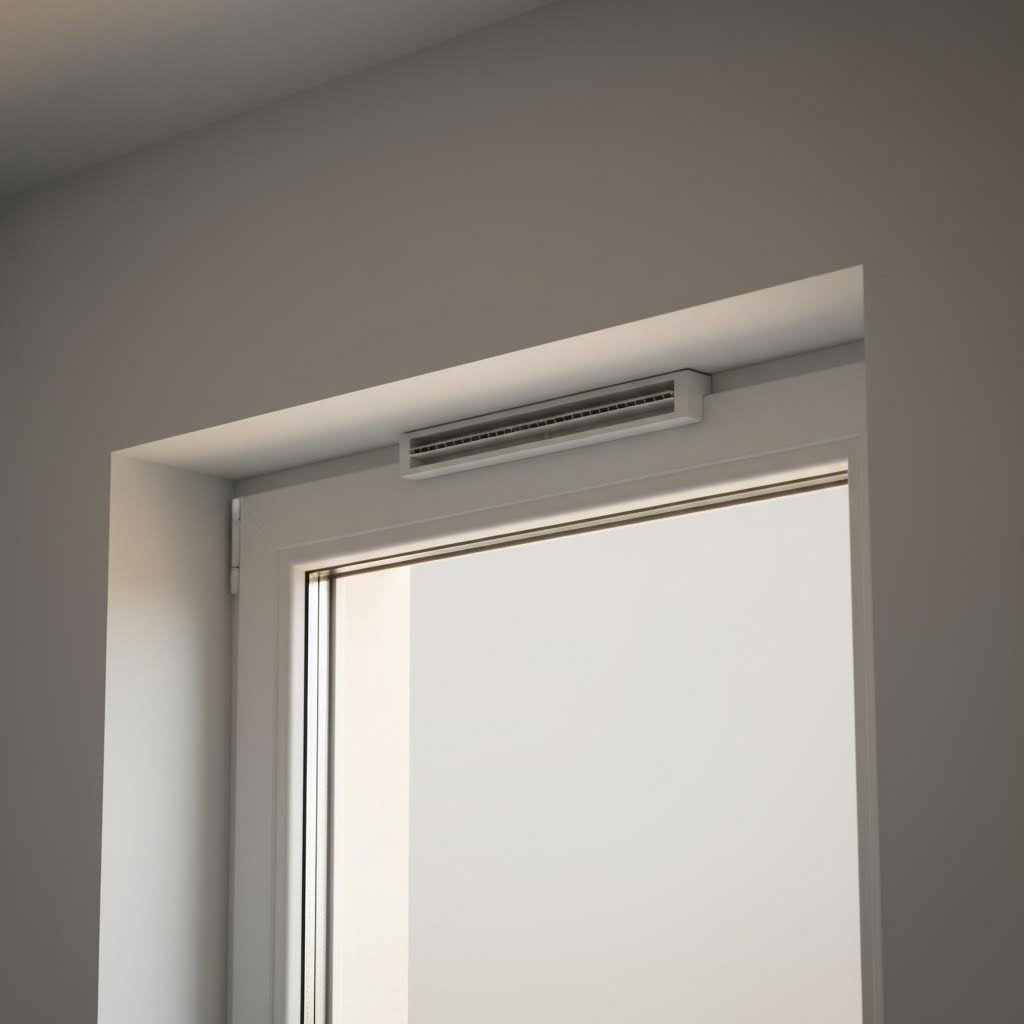
A trickle vent is a small, controllable opening built into a window frame that allows continuous, low-level airflow into a room without needing to open the window itself.
Sounds simple enough, right? But here's what most people miss: window trickle vents serve a completely different purpose than opening your windows. Understanding this distinction is key to making sense of current building regulations.
So, what does a vent do in practical terms? Imagine your home as a sealed box. Older windows, with their gaps and imperfect seals, allowed air to trickle in naturally. You probably didn't notice it, but that incidental leakage kept fresh air circulating. When you install modern replacement windows, those gaps disappear. Your home becomes significantly more airtight.
This creates a ventilation deficit. Without some form of controlled airflow, moisture builds up, air quality drops, and condensation becomes a real problem. Trickle vents for windows address this by providing a deliberate, controllable pathway for fresh air. They're typically positioned in the window frame's top rail and can be opened or closed as needed.
The beauty of trickle vents lies in their passive operation. They don't require electricity or mechanical systems. Air moves through them naturally due to pressure differences between inside and outside your home.
UK Building Regulations Part F recognises two distinct ventilation modes, and this is where things get interesting:
Here's the critical point: trickle vents handle background ventilation only. They're not designed to replace openable windows, and they can't deliver the rapid air changes you need for purge ventilation. Both systems work together to keep your indoor environment healthy.
When you're getting replacement windows fitted, this distinction matters. Your new windows still need to open for purge ventilation. But they also need trickle vents to maintain that steady background airflow your sealed, energy-efficient home now requires.
So you understand what trickle vents do. But here's the question most installers gloss over: when are they actually required? The answer lies in Approved Document F of the UK Building Regulations, and the 2022 update changed the game significantly.
Part F governs window ventilation requirements for all buildings in England and Wales. When you replace windows, you're not just swapping glass and frames. You're altering your home's ventilation strategy, and building control takes notice.
The 2022 revision introduced stricter requirements for trickle ventilation windows. The core principle is straightforward: if your original windows had trickle vents, your replacement windows must have them too. But it goes further than that. Even if your old windows lacked vents, your new ones may still need them to meet current ventilation standards.
Why the change? Modern construction methods and high-performance glazing create increasingly airtight buildings. Regulators recognised that simply matching what existed before wasn't enough. Homes need adequate background ventilation regardless of what the previous windows provided.
Here's what catches many homeowners off guard: compliance is the installer's responsibility to deliver, but it becomes your liability as the property owner. If your windows don't meet Part F requirements, you could face issues with building control sign-off, insurance claims, or future property sales. This applies whether you're fitting vented windows in a living room or installing an above door vent in a hallway.
Part F establishes a clear hierarchy of ventilation types. Understanding where trickle vents fit helps you see why they're non-negotiable in most replacement scenarios.
Trickle vents sit firmly in the background ventilation category. They're the foundation of your home's ventilation strategy, working continuously while purge and extract systems handle specific situations.
Think of it this way: extract fans deal with steam from your shower, opening windows clears cooking smoke, but trickle ventilation keeps fresh air moving through your home every hour of every day. Without that baseline, moisture accumulates even when you're not generating obvious humidity.
Building control in England and Wales applies these requirements to replacement window installations. Your installer should be able to explain how their proposed windows meet Part F, including the specific trickle vent provision. If they can't, that's a red flag worth addressing before work begins.
Of course, regulations rarely come without exceptions. The next section explores exactly when replacement windows might be exempt from trickle vent requirements, and what evidence you'd need to prove it.

You've heard that trickle vents are mandatory for replacement windows. But then someone mentions exemptions exist. So which is it? The truth is more nuanced than most installers let on, and understanding the exemption criteria could save you unnecessary expense or help you avoid a compliance headache.
Here's the reality: exemptions do exist under Approved Document F, but they're not a free pass. They require specific conditions to be met and documented evidence to prove it. An installer saying "you don't need them" isn't enough. Let's break down exactly when ventilation windows can legitimately skip the trickle vent requirement.
The exemption framework centres on one core principle: your dwelling must already achieve adequate background ventilation through alternative means. This isn't about preference or aesthetics. It's about demonstrable airflow rates that meet regulatory standards.
Think about it this way. If your home already has sufficient window air vents, mechanical ventilation systems, or other passive ventilation openings that collectively meet the required whole-dwelling ventilation rate, adding more trickle air vents for windows would be redundant. The regulations recognise this and allow for exemptions in such cases.
However, the burden of proof falls on demonstrating compliance, not assuming it. Your original windows lacking vents doesn't automatically mean your home ventilates adequately through other means. Similarly, having a bathroom extractor fan doesn't exempt your bedroom windows from needing background ventilation.
Qualifying for an exemption isn't simply a matter of ticking a box. The conditions are specific and require proper assessment:
Notice a pattern? Every exemption scenario requires evidence. A verbal assurance from your installer that "you'll be fine without them" doesn't constitute compliance documentation. If building control or a future surveyor asks for proof, you need paperwork.
Consider a practical example: you're replacing windows in a Victorian terrace that never had trickle vents. The property has original airbricks, a basement window vent providing passive airflow, and chimney flues that remain open. A ventilation assessment might demonstrate that these existing openings collectively meet the background ventilation requirement, exempting your new windows from needing additional vents.
Conversely, if your home is a 1990s build with sealed chimneys, no airbricks, and the only ventilation comes from opening windows, you're unlikely to qualify for exemption. The replacement windows would need trickle vents to establish adequate background ventilation.
Exemptions are not a loophole. They require documented evidence demonstrating your dwelling meets background ventilation requirements through alternative means.
The key takeaway? Don't assume exemption applies to your situation without proper assessment. Ask your installer whether they've conducted or can arrange a whole-dwelling ventilation assessment. If they dismiss the question or can't provide documentation, that's a warning sign. Compliance isn't optional, and neither is the evidence supporting any claimed exemption.
Understanding exemptions is valuable, but most replacement window projects will require trickle vents. The next question becomes: how big do those vents actually need to be? Sizing requirements are where many installations fall short of compliance, even when vents are physically present.
Here's something most installers won't mention: having a trickle vent fitted doesn't automatically mean you're compliant. The vent needs to be the right size for the room it serves. An undersized window vent insert is a compliance failure, even if it looks identical to a properly sized one. This is where many replacement window installations quietly fall short.
So how do you know if your window vents are actually adequate? It comes down to a measurement called equivalent area, and understanding this concept puts you in a much stronger position when dealing with installers.
Equivalent area, expressed in mm² WE (millimetres squared, weather equivalent), measures the effective airflow capacity of a ventilation opening. Think of it as the vent's breathing capacity rather than just its physical dimensions.
Why does this distinction matter? A vent's physical opening might look generous, but internal baffles, filters, or screen vent components reduce the actual airflow. The equivalent area accounts for these restrictions, giving you a true picture of ventilation performance.
Imagine two drip vents in windows that appear identical from the outside. One has a simple open channel; the other incorporates acoustic baffles to reduce noise. The second vent will have a lower equivalent area because those baffles restrict airflow. Both might be perfectly acceptable, but they serve different room sizes.
This is precisely why you can't judge compliance by appearance alone. A small vent with an efficient design might outperform a larger one with restrictive internal geometry. The equivalent area rating tells you what actually matters: how much air can flow through under standardised conditions.
Approved Document F specifies minimum equivalent areas based on room type and floor area. The principle is straightforward: larger rooms and rooms with higher moisture loads need greater ventilation capacity.
For habitable rooms like bedrooms and living spaces, the minimum equivalent area typically scales with floor area. Wet rooms such as kitchens and bathrooms have additional requirements because they generate more moisture. The regulations also distinguish between rooms with and without openable windows, since air vents in double glazed windows must compensate when purge ventilation options are limited.
The specific figures are detailed in Approved Document F, Table 1.3. Rather than memorising numbers that may be updated, the smarter approach is knowing what to ask for. Your installer should provide a schedule of ventilation openings that demonstrates compliance for each room. This document lists every vent, its equivalent area rating, and how the total provision meets Part F requirements for your specific dwelling.
If your installer can't produce this schedule, that's a significant red flag. Compliance isn't about installing something that looks right. It's about documented evidence that the ventilation provision meets regulatory minimums.
The type of window you're installing influences how sizing requirements apply. A casement window with an openable sash provides purge ventilation through the opening itself. The trickle vent handles background ventilation, and sizing is calculated accordingly.
Fixed-light windows present a different scenario. With no openable sash, the fixed panel can't contribute to purge ventilation. If a room relies solely on fixed glazing, the background ventilation provision becomes even more critical. The trickle vent must carry the full ventilation load for that window, and sizing requirements apply without any offset from openable area.
This matters when you're mixing window styles in a single room. Imagine a living room with one large fixed-light panel and one smaller casement. The casement provides purge ventilation, but both windows need appropriately sized trickle vents for background airflow. The fixed panel doesn't get a pass simply because another window in the room opens.
Screen vent configurations in fixed glazing require particular attention. Without the option to open the window for rapid air exchange, the passive ventilation system must work harder to maintain air quality. Installers should account for this when specifying vent sizes.
An undersized trickle vent is a compliance failure, regardless of whether a vent is physically present.
The bottom line? Ask your installer for the equivalent area ratings of the proposed vents and request the ventilation schedule showing how these meet Part F requirements for each room. This documentation protects you and demonstrates that your replacement windows are genuinely compliant, not just visually complete.
Of course, knowing the sizing requirements is one thing. What if your existing windows don't have vents at all, and you'd rather add them than replace the entire window? Retrofitting trickle vents is absolutely possible, but the approach varies significantly depending on your frame material.
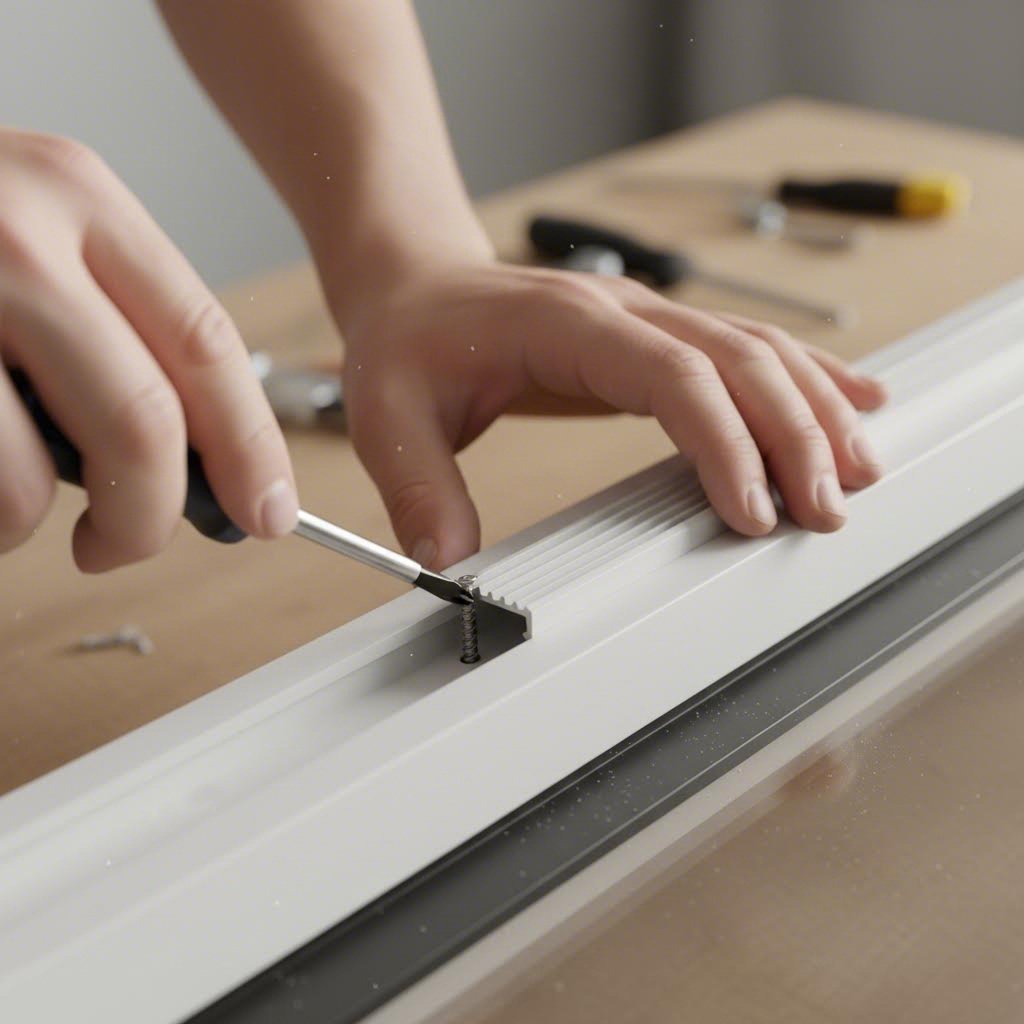
What if your windows are in perfectly good condition but lack trickle vents in windows? Replacing the entire unit just to add ventilation seems wasteful. The good news: retrofitting is a viable option for many homeowners. The catch? Your frame material determines whether this is a straightforward weekend project or something best left to professionals.
Not all frames are created equal when it comes to retrofit feasibility. Understanding the differences before you start saves frustration, money, and potentially your window frames.
Each frame material presents unique challenges and opportunities. Here's what you need to know before picking up any tools:
| Frame Material | Retrofit Feasibility | Method | Key Limitations |
|---|---|---|---|
| uPVC | Good to Excellent | Slot-cutting into the top rail using a router or oscillating tool | Frame thickness varies; internal steel reinforcement can obstruct cutting; some profiles too narrow for standard vents |
| Timber | Good | Drilling and slotting with standard woodworking tools | Frame condition critical; rot or damage compromises structural integrity; hardwood requires more effort than softwood |
| Aluminium | Moderate to Difficult | Specialist vents designed for thermal break profiles; professional cutting required | Thermal break profiles complicate installation; incorrect cutting can compromise insulation; specialist tools often needed |
For uPVC frames, the top rail is your target. Most modern uPVC windows have sufficient depth in the frame head to accommodate a standard trickle vent. However, you'll need to check for internal steel reinforcement before cutting. Some manufacturers position reinforcement bars exactly where you'd want to cut, making retrofit impractical without professional assessment.
Timber frames are generally the most forgiving for DIY work. If you're comfortable with basic woodworking, fitting vents to timber is straightforward. The main concern is frame condition. Any signs of rot, water damage, or structural weakness mean you should address those issues first. A vent installed into compromised timber won't seal properly and could accelerate deterioration.
Aluminium frames present the biggest challenge. Modern aluminium windows use thermal break technology, where an insulating barrier separates the inner and outer frame sections. Cutting through this barrier incorrectly creates a thermal bridge, defeating the purpose of your energy-efficient glazing. Unless you have experience with aluminium systems, professional installation is the sensible choice.
The same principles apply whether you're working on ground-floor windows or a basement window with vent requirements. Location doesn't change the fundamental approach, though accessibility obviously affects how easily you can work.
For confident homeowners tackling uPVC or timber frames, here's what the retrofit process involves:
The entire process typically takes one to two hours per window for someone with moderate DIY experience. Easy glaze trickle vents and similar retrofit products are designed specifically for this application, with components sized to fit standard frame profiles.
One practical consideration: if you're retrofitting multiple windows, do one first and assess the result before continuing. This lets you refine your technique and identify any issues specific to your particular window system.
For double glazed windows with ventilation requirements, retrofit vents provide a cost-effective solution when the glazing itself remains in good condition. You get the background ventilation compliance without the expense of complete window replacement.
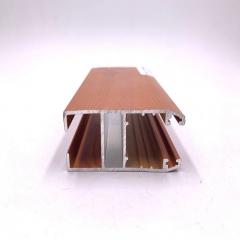
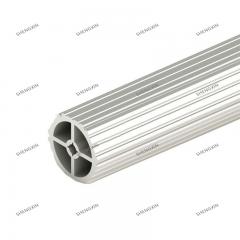
Purpose-designed retrofit trickle vents are available in both aluminium and plastic finishes to match your existing frames. Shengxin Aluminium's window trickle vents represent one option designed to fit both uPVC and timber systems, offering Part F compliance with straightforward installation for DIY-capable homeowners.
A quick note on basement applications: a basement window with vent requirements follows the same retrofit principles, though accessibility and moisture considerations may warrant extra attention to sealing quality.
DIY retrofit is feasible for uPVC and timber frames. Aluminium systems typically warrant professional installation due to thermal break complexity.
Retrofitting makes sense in many situations, but it's not always the right answer. The next section provides a neutral framework for deciding whether retrofit or full replacement better serves your specific circumstances.
You've seen how retrofitting works. But here's the question that really matters: should you retrofit trickle vents to your existing windows, or is full replacement the smarter move? Most advice you'll find online comes from companies selling one solution or the other. Let's cut through that bias with a practical framework you can actually use.
The honest answer? It depends on your specific situation. Neither option is universally better. What makes sense for a 1990s uPVC window in good condition differs completely from what's right for tired timber frames approaching the end of their lifespan.
Retrofitting a window trickle vent shines in specific scenarios. If your windows are structurally sound, thermally efficient, and the only issue is missing background ventilation, adding vents makes obvious sense. Why spend thousands replacing perfectly functional glazing just to tick a compliance box?
Consider this situation: you have ten-year-old double glazed windows with no visible damage, good seals, and decent energy performance. The only problem? No trickle vents, and you need them for a building control sign-off or to address condensation issues. Retrofitting solves the ventilation problem at a fraction of the replacement cost.
Trickle vents windows installed via retrofit also make sense when you're working within a tight budget but need to achieve compliance. The cost difference between retrofitting and replacing can be substantial, freeing up funds for other home improvements.
However, retrofitting isn't always the right call. If your windows are already showing their age, adding vents to frames that might need replacing in a few years creates wasted effort and expense.
Rather than guessing, work through these factors systematically. Each one points toward either retrofit or replacement depending on your circumstances:
| Decision Factor | Retrofit Favoured | Replacement Favoured |
|---|---|---|
| Window condition and remaining lifespan | Windows in good condition with 10+ years of useful life remaining | Visible deterioration, seal failures, draughts, or frames nearing end of life |
| Frame material and retrofit feasibility | uPVC or timber frames suitable for DIY or straightforward professional retrofit | Aluminium frames with complex thermal breaks, or frames too narrow for standard vents |
| Budget constraints | Limited budget where retrofit cost per window is significantly lower than replacement | Budget available for full replacement, especially if financing or grants apply |
| Existing ventilation elsewhere | Other windows with vents already installed; only specific rooms need addressing | Whole-house window replacement planned; consistent ventilation strategy preferred |
| Wider renovation context | No other major works planned; windows are a standalone consideration | Part of broader renovation where new windows improve overall project value |
| Energy performance goals | Current glazing meets your thermal performance needs | Upgrading from single to double glazing, or double to triple, for energy savings |
Work through each row honestly. If most factors point toward retrofit, that's likely your answer. If replacement keeps coming up, the higher upfront cost probably delivers better long-term value.
Here's a practical example: imagine you own a 2005-built home with uPVC windows with vents missing from the original installation. The frames are solid, seals intact, and the double glazing performs well. Retrofit makes clear sense. You're adding trickle window vents to functional windows, achieving compliance without unnecessary expense.
Now imagine a different scenario: a 1980s property with original timber frames showing signs of rot, single glazing, and poor thermal performance. Retrofitting vents to these windows addresses ventilation but ignores the bigger problems. Full replacement with modern windows with vents included delivers ventilation compliance, better insulation, and eliminates the maintenance burden of deteriorating timber.
While specific prices vary by region, supplier, and installation complexity, the general cost relationship is consistent: retrofitting is significantly less expensive per window than full replacement.
Retrofit costs typically include the vent components themselves plus installation labour if you're not doing it yourself. Full replacement involves the window unit, removal and disposal of the old frame, installation, making good any surrounding finishes, and certification costs.
The gap between these two approaches can be substantial. For a homeowner needing to address ventilation across multiple windows, that difference often determines which option is financially viable.
That said, cost alone shouldn't drive the decision. Retrofitting vents to windows that need replacing within five years means paying twice. Replacing windows that have another decade of life purely to add ventilation wastes money that could go elsewhere.
Full replacement purely to add trickle vents is rarely cost-justified when windows are otherwise in good condition.
The smartest approach? Get quotes for both options. A reputable installer should be willing to assess your windows honestly and recommend the solution that genuinely fits your situation, not just the one that generates the highest invoice.
Once you've made the retrofit-or-replace decision and have your trickle vents installed, another question inevitably arises: can you just keep them closed? The answer matters more than most homeowners realise.

Let's address the elephant in the room. You've got trickle vents installed, but you're tempted to keep them permanently closed. Maybe you've already done it. You're not alone. This is one of the most common homeowner behaviours, yet nobody talks about what actually happens when you do it.
The short answer? Your entire background ventilation strategy fails. But the consequences go deeper than a stuffy room.
When you seal off that ventilation opening permanently, you're essentially turning your home back into the airtight box that modern glazing creates. Except now, there's no controlled pathway for fresh air to enter.
Here's the chain reaction that follows:
Think about it practically. Your venting windows and air ventilation window systems were designed to work together. Remove one element, and the whole strategy collapses. Some homeowners worry their home might become over ventilated with vents open, but the reality is quite the opposite. Trickle vents provide minimal, controlled airflow. They're calibrated to prevent under-ventilation, not create excessive drafts.
So why do people close their vents in the first place? Two concerns dominate: noise from outside and heat escaping in winter. Both are legitimate worries. But modern vent design has evolved specifically to address them.
Acoustic-rated trickle vents use baffled internal channels to attenuate sound. Instead of a straight path from outside to inside, air travels through a maze-like structure. Sound waves lose energy with each turn, significantly reducing noise transmission without blocking airflow. If you live near a busy road or flight path, acoustic vents can make a noticeable difference while still maintaining the ventilation opening your home needs.
Heat loss concerns are equally valid but often overstated. Yes, air moving through a vent carries some thermal energy with it. However, the heat loss through a correctly sized trickle vent is measurable but small. Compare it to the energy cost of running mechanical extraction fans continuously to compensate for poor ventilation, or the expense of remediating mould damage. The maths favours keeping vents open.
Modern designs incorporate several features that minimise these objections:
Here's the key distinction many homeowners miss: trickle vents are designed to be adjustable. Closing them temporarily during a storm or on an exceptionally cold night is perfectly reasonable. That's what the adjustable closure is for. The problem arises when temporary becomes permanent.
Closing trickle vents temporarily in extreme weather is different from keeping them permanently shut. One is sensible; the other defeats the purpose entirely.
If noise or heat loss genuinely concerns you, the solution isn't permanent closure. It's upgrading to acoustic-rated or thermally improved vents that address your specific concerns while maintaining compliant background ventilation. Your home needs to breathe. The question is whether that breathing happens through controlled, designed openings or through moisture damage and mould remediation later.
Understanding why vents matter is one thing. But what happens if your windows were installed without them, or with undersized vents that don't meet regulations? The consequences extend beyond comfort into building control, insurance, and resale territory.
So your windows were installed without trickle vents, or the ones fitted are undersized. Maybe your installer assured you it would be fine. What's the worst that could happen? This is the question nobody wants to answer directly, but you deserve to know the real stakes.
Non-compliance isn't just a technical violation. It creates practical problems across three distinct areas that can cost you time, money, and significant stress. Let's walk through each one honestly.
Replacement windows in England and Wales require certification. Your installer should provide either a FENSA certificate or arrange local authority building control sign-off. Both routes verify that the installation meets current building regulations, including Part F ventilation requirements.
Here's where things get uncomfortable. If your trickle vent window installation doesn't comply, building control can require rectification. What does that mean in practice? Potentially removing and replacing windows that were just installed. The cost falls on you as the property owner, even if the installer made the error.
Some homeowners discover non-compliance years after installation, often when selling or remortgaging. A missing FENSA certificate triggers questions. A surveyor noting no vents in windows that should have them raises red flags. Suddenly, you're dealing with a compliance issue you didn't know existed.
The question of whether air vents should point towards window openings or away from them matters less than whether they exist at all. Without proper ventilation provision, the entire installation falls outside regulatory compliance.
Insurance complications represent a less obvious but equally serious risk. Imagine this scenario: you make a claim for moisture damage or mould remediation. Your insurer investigates and discovers your replacement windows lack compliant ventilation. They may argue the damage resulted from an installation that didn't meet building regulations.
This doesn't guarantee a rejected claim, but it creates grounds for dispute. Insurers look for reasons to limit payouts, and non-compliant building work provides exactly that. The conversation you should have with your installer before work begins becomes much harder to have after damage occurs.
Resale complications are increasingly common. Solicitors handling property transactions routinely request FENSA certificates or building control completion certificates for replacement windows. Home surveys flag ventilation concerns more frequently than they did a decade ago. Surveyors understand that house window vents aren't optional extras.
A buyer's solicitor spotting non-compliant windows can delay or derail a sale. You might face requests to rectify before completion, price reductions to cover the buyer's future costs, or buyers walking away entirely. None of these outcomes are guaranteed, but all are possible.
The three risk areas break down clearly:
None of this is meant to alarm you unnecessarily. Many non-compliant installations never cause problems. But "probably fine" isn't the same as "definitely compliant," and the consequences when problems do arise can be substantial.
Non-compliance creates risk across building control, insurance, and resale. The cost of rectification later typically exceeds the cost of compliance upfront.
If you're concerned about your current installation, speak with your installer, a surveyor, or your solicitor as appropriate. Understanding your specific situation is the first step toward addressing it. And if you're planning new windows, ensuring compliance from the start avoids these headaches entirely.
Compliance requirements don't apply uniformly across all window types, though. How trickle vents work with casement windows differs from sash or fixed-light configurations, and understanding these variations helps you make informed decisions for your specific project.
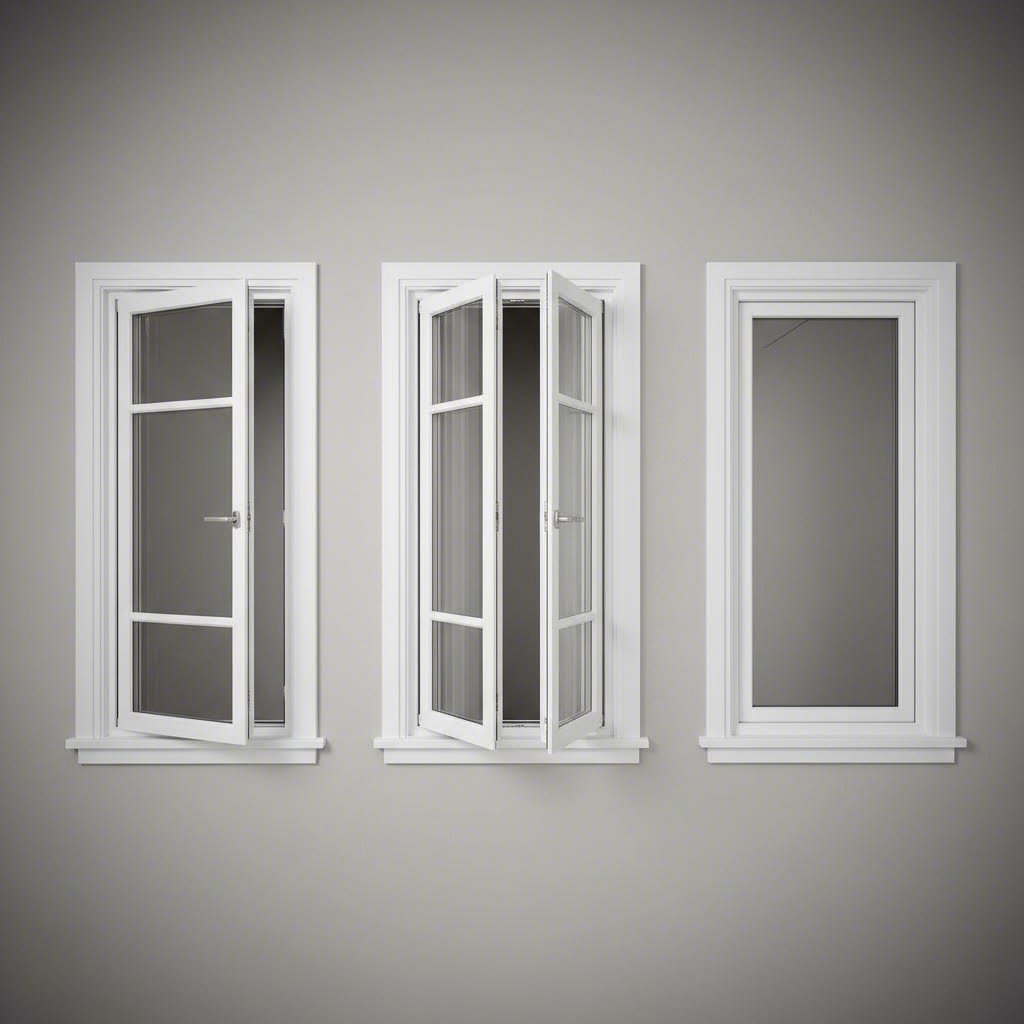
Not all windows are built the same, and neither are their ventilation requirements. Whether you're installing a classic casement, a period sash, or a modern fixed-light panel, the approach to fitting trickle vents varies considerably. Understanding these differences helps you plan your project properly and avoid surprises during installation.
Here's what most guides miss: the window style you choose directly affects where vents can be positioned, how easily they retrofit, and what special considerations apply. Let's break it down by type.
Casement windows are the most common vent window style in UK homes. They hinge at the side and swing outward, making them straightforward for ventilation purposes. The standard location for a trickle vent is the top rail of the frame, sitting above the openable sash. This positioning keeps the vent accessible for adjustment while staying out of the way during normal use.
For most uPVC and timber casement systems, fitting air vents for double glazed windows is relatively simple. The frame geometry is predictable, and standard vent sizes fit without modification. If you're retrofitting, the top rail typically offers enough depth to accommodate the vent body without compromising structural integrity.
Tilt-and-turn windows follow similar principles but with a twist. These versatile units can tilt inward at the top for ventilation or swing fully open like a casement. The ventilator window mechanism is more complex, and frame profiles vary more between manufacturers. Before assuming a standard vent will fit, check the manufacturer's guidance for your specific system. Some tilt-and-turn frames have narrower top rails or different internal reinforcement patterns that affect retrofit feasibility.
One practical tip: if you're ordering new tilt-and-turn windows, specify trickle vents at the point of order. Factory-fitted vents integrate seamlessly with the frame design. Retrofitting later is possible but may require more careful product selection to match the frame profile.
Sash windows present unique challenges. Traditional sliding sash designs have the vent positioned in the top rail of the outer frame, above the upper sash. This keeps the ventilation opening clear of the sliding mechanism while maintaining the window's period appearance.
Heritage sash windows in conservation areas deserve special attention. If your property sits within a conservation area or is a listed building, permitted development rights may not apply. Installing visible windows vents could require planning consent, particularly if they alter the external appearance of a historically significant facade. Always check with your local planning authority before proceeding. The last thing you want is to install compliant ventilation only to face enforcement action for an unauthorised alteration.
Modern sash window replacements often incorporate discreet vent designs that minimise visual impact. Some manufacturers offer slim-profile vents specifically designed for heritage applications, balancing compliance with conservation requirements.
Fixed-light windows require a different mindset entirely. With no openable sash, a fixed panel can't contribute to purge ventilation. Every bit of background ventilation for that window must come through the trickle vent. This means sizing requirements apply in full, with no offset from openable area.
Think about it this way: a venting window with an openable sash shares the ventilation workload between the vent and the opening. A fixed-light panel puts the entire burden on the vent alone. If you're installing small vent windows or fixed glazing in a room, ensure the equivalent area rating of the vent matches the room's requirements without relying on other windows to compensate.
Fixed-light windows combined with properly sized trickle vents are actually a common configuration in modern replacement schemes. The fixed glazing maximises thermal performance and eliminates moving parts that could fail over time. The vent handles background ventilation continuously. It's an efficient pairing when specified correctly.
| Window Style | Standard Vent Location | Retrofit Feasibility | Notes |
|---|---|---|---|
| Casement | Top rail of frame, above openable sash | Good — straightforward for uPVC and timber | Most common style; standard vents fit most profiles without modification |
| Tilt-and-Turn | Top rail of frame | Moderate — frame geometry varies | Check manufacturer guidance; some profiles have narrower rails or different reinforcement |
| Sash (Sliding) | Top rail of outer frame, above upper sash | Moderate — heritage considerations apply | Conservation areas may require planning consent; slim-profile vents available for period properties |
| Fixed-Light | Top rail of fixed frame | Good — but sizing critical | No openable sash means vent carries full background ventilation load; equivalent area requirements apply without offset |
Whatever window style you're working with, the fundamental principle remains consistent: background ventilation must be provided, and the vent must be appropriately sized for the room it serves. The style affects how and where you fit the vent, but not whether you need one.
With the technical variations covered, the final piece of the puzzle is knowing what to look for when sourcing vents for your project. The right product makes installation smoother and ensures long-term compliance.
You've made it through the regulations, exemptions, sizing requirements, and installation considerations. Now comes the practical question: what should you actually look for when sourcing vents for windows? Getting this right means the difference between a compliant, functional installation and one that causes headaches down the line.
Let's recap the essentials before diving into product selection. Compliance isn't optional for replacement windows in England and Wales. Sizing matters as much as physical presence. Your frame material determines which retrofit method works. And keeping vents permanently closed defeats the entire purpose of installing them.
With those fundamentals clear, here's how to choose the right product for your project.
When you're comparing products, these factors separate quality vents from ones that'll disappoint:
One question worth considering: is there a genuine alternative to trickle vents that achieves the same compliance outcome? In most cases, no. Mechanical ventilation systems can substitute in specific circumstances, but for standard replacement window projects, properly specified trickle vents remain the most practical and cost-effective solution.
Finding quality vents for windows isn't difficult once you know what to look for. Building merchants, specialist glazing suppliers, and online retailers all stock compliant products. The key is verifying that whatever you choose meets the criteria outlined above.
For homeowners and contractors seeking a reliable starting point, Shengxin Aluminium's window trickle vents tick the essential boxes. Available in premium aluminium or plastic finishes, they're designed to fit both uPVC and timber window systems. The products comply with international standards including UK Part F and are engineered for continuous passive airflow without compromising insulation integrity.
Whether you're tackling a single retrofit or specifying vents for a larger construction project, starting with a product that meets documented compliance standards saves time and avoids the risk of failed inspections or future rectification work.
The right trickle vent balances compliance, performance, and practicality. Choose based on evidence, not assumptions.
Your replacement windows represent a significant investment. Ensuring they include properly specified, correctly sized ventilation isn't just about meeting regulations. It's about protecting that investment, maintaining healthy indoor air quality, and avoiding the moisture problems that plague poorly ventilated homes. Get the ventilation right, and your windows will serve you well for decades to come.
Under UK Building Regulations Part F 2022, replacement windows in England and Wales must include trickle vents if the original windows had them. Even properties where old windows lacked vents may require them to meet current whole-dwelling ventilation standards. Compliance is verified through FENSA certification or local authority building control sign-off, making proper ventilation provision essential for any replacement window project.
Yes, retrofitting trickle vents is a cost-effective alternative to full window replacement when your existing frames are in good condition. uPVC and timber frames are generally suitable for DIY retrofit using slot-cutting methods, while aluminium frames typically require professional installation due to thermal break complexity. Products like Shengxin Aluminium's window trickle vents are designed to fit both uPVC and timber systems, offering Part F compliance without the expense of new windows.
Permanently closing trickle vents defeats your home's background ventilation strategy, leading to moisture accumulation, condensation on cold surfaces, mould growth, and deteriorating indoor air quality. Modern trickle vents feature acoustic baffles and insulated bodies to address noise and heat loss concerns, making permanent closure unnecessary. Temporary closure during extreme weather is acceptable, but continuous sealing creates conditions that can damage building fabric and require costly remediation.
Trickle vent sizing is measured in equivalent area (mm² WE), which reflects actual airflow capacity rather than physical dimensions. Part F specifies minimum equivalent areas based on room type and floor area, with larger rooms and wet rooms requiring greater ventilation capacity. Request a ventilation schedule from your installer showing each vent's equivalent area rating and how the total provision meets Part F requirements for your specific dwelling.
Non-compliance creates risks across three areas: building control may require rectification at your expense, potentially meaning window removal and replacement; home insurers may dispute moisture or mould damage claims based on non-compliant building work; and property sales can be delayed or complicated when solicitors or surveyors flag missing FENSA certificates or inadequate ventilation. Ensuring compliance upfront costs far less than addressing these issues later.



 خدمة الإنترنت
 0086 136 3563 2360
 sales@sxalu.com
 +86 136 3563 2360
 العربية
 English
 français
 Deutsch
 русский
 español
 português
 ไทย
ไทย Việt
Việt Українська