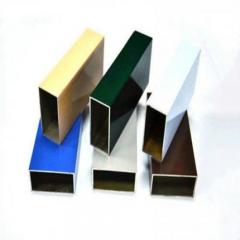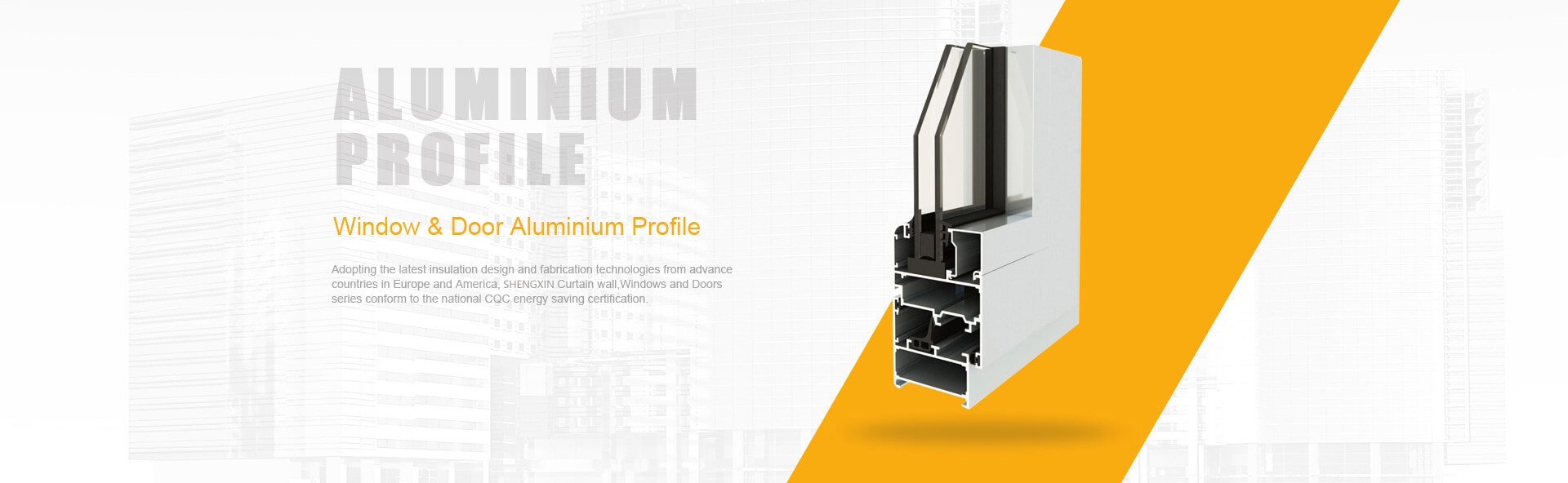
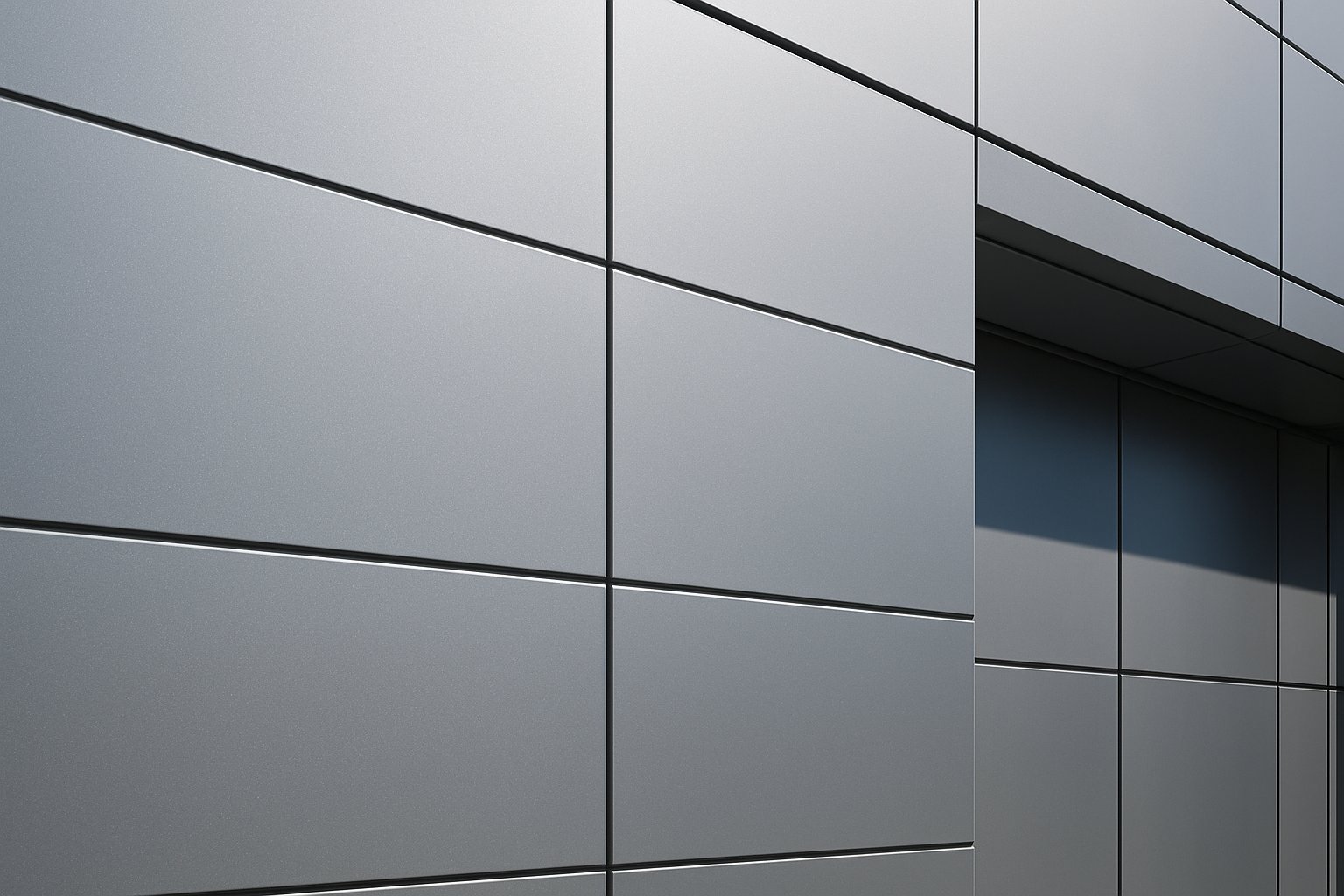
If you are asking what is PVDF coating, the simplest answer is this: it is aluminum finished with a high-performance fluoropolymer coating system, not just a standard paint layer. That difference matters. Generic painted or powder-coated aluminum may look similar on day one, but PVDF is typically chosen when long-term outdoor color stability, gloss retention, and weather resistance are part of the job.
PVDF coated aluminum is aluminum protected with a polyvinylidene fluoride based finish engineered for strong UV, weather, and chemical resistance. It is commonly specified for exterior building components where appearance retention matters as much as basic protection.
In real-world buying language, this usually means sheet, coil, panel, or other coated aluminum finished with a PVDF coating system. Material buyers look for it when a project needs a finish that resists fading and chalking over time. Architects often search for it for visible exterior elements. Fabricators pay attention because finish choice affects forming, handling, and final quality.
What does PVDF stand for? It stands for polyvinylidene fluoride. Fairview describes it as a fluoropolymer-based resin valued for UV resistance and flexibility, traits tied to strong carbon-fluoride bonds. In plain English, the chemistry is why this finish is used where ordinary coatings can lose their look faster.
Aluminum is a natural match because it is lightweight, formable, and widely used in exterior cladding and trim. Pairing aluminum with PVDF gives specifiers a metal that is practical to fabricate and a finish designed to stay attractive outdoors. That sounds simple enough, until spec sheets start mentioning fluoropolymer blends, resin percentages, and two-coat systems.
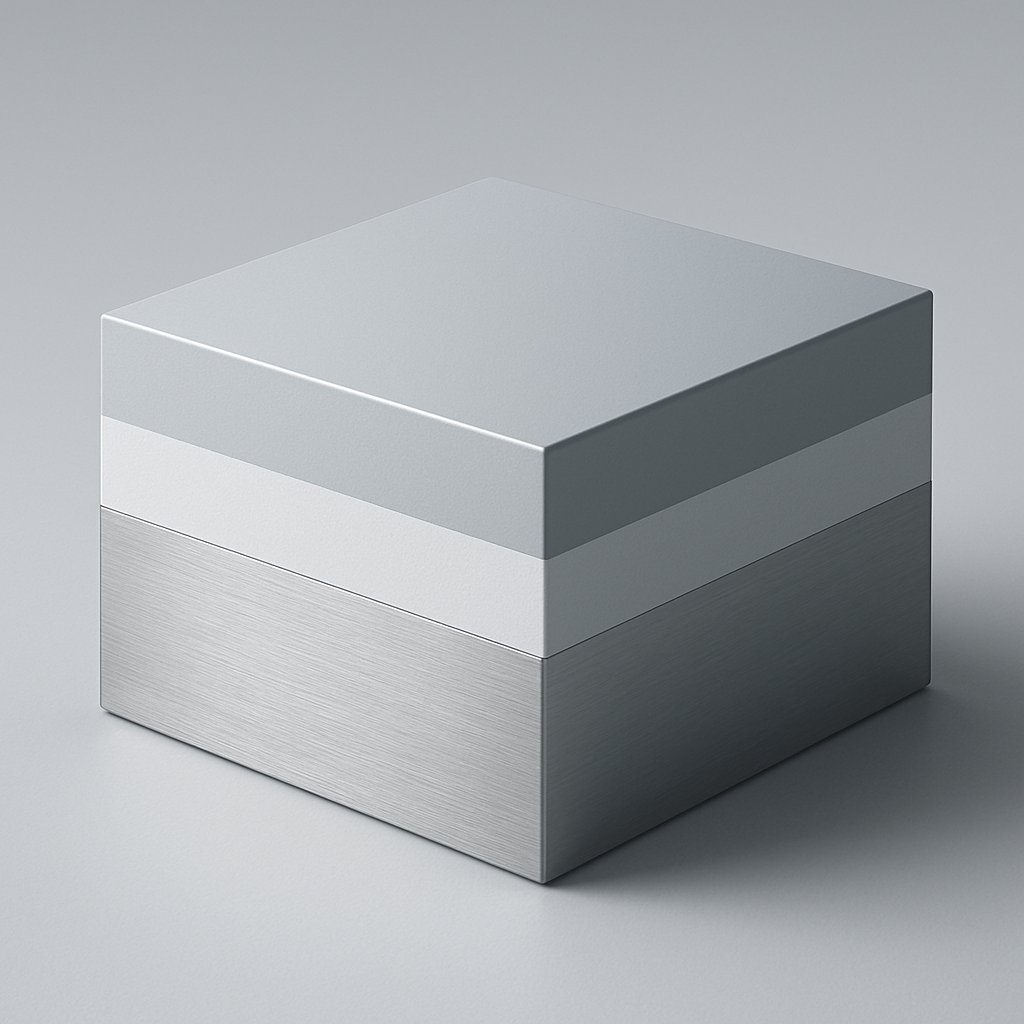
Spec sheets love shorthand. Terms like fluoropolymer, 70% PVDF, and two-coat system all point to the chemistry behind a finish, not just its color. In a coating, the resin is the binder that forms the paint film and helps hold pigments to the metal. What makes a fluoropolymer PVDF finish different is its carbon-fluorine chemistry. ACA notes that fluorinated polymers are valued for resistance to UV radiation, chalking, water, chemicals, and dirt pickup, which is why PVDF coatings are tied so closely to exterior architecture.
A PVDF fluoropolymer resin is the performance-driving part of the system, but it is not the whole coating by itself. Formulators also use pigments, solvents, additives, and often another resin to make the finish workable and stable. The Sherwin-Williams guide points out that products using similar PVDF resins can still perform differently because each manufacturer builds its own full formula.
When buyers specify 70% PVDF, they usually mean the resin blend, not the total contents of the paint. ACA explains that, for workability, PVDF coatings typically use a resin system made of 70% PVDF and 30% acrylic. That is why brand names such as Kynar and Hylar are best understood as PVDF resin families, not guarantees that every finish is identical. Pigments, primer choice, and application quality still shape real-world results.
Layer count adds another layer of jargon. A common architectural build is a primer plus a pigmented topcoat. The primer matters because it supports adhesion between the metal and the finish, as the Sherwin-Williams guide explains. Some systems add extra coats for metallic effects, clear protection, or higher visual depth. Fairview also notes that labels like PVDF 2 and PVDF 3 are not standardized across the market, so more coats do not automatically mean a better finish.
| Spec term | What it usually refers to | Typical layer view | End-use expectation |
|---|---|---|---|
| PVDF coating | Fluoropolymer resin-based finish | Usually primer plus topcoat | Long-term exterior appearance retention |
| 70% PVDF | Resin blend ratio | 70% PVDF, 30% acrylic in the resin system | Premium architectural shorthand |
| Kynar or Hylar | PVDF resin trade names | Not a separate layer system | Useful language, but not the full spec |
| Two-coat PVDF | Standard pigmented build | Primer plus color coat | Common for many architectural colors |
| Multi-coat PVDF | Effect or specialty build | Added color effect or clear layers | Chosen for look, not automatically more durable |
All of that sounds neat on paper. Aluminum makes it more interesting, because the same resin system still depends heavily on substrate prep, forming, and edge conditions.
A premium resin helps, but the substrate still decides how well the system performs. In practice, PVDF compatibility depends on the aluminum itself, the pretreatment sequence, and what happens during cutting, bending, and assembly. That is where many spec sheets get thin. They describe the coating chemistry well, yet say very little about how aluminum behaves underneath it.
Aluminum does not rust like steel. Instead, it forms a thin oxide layer almost immediately, and that layer is both helpful and challenging. It supports the metal’s natural corrosion resistance, but it also means adhesion depends heavily on proper surface preparation. The engineering guide on aluminum corrosion also points out that failures on coated parts often show up as pitting, white corrosion products, or filiform attack starting from scratches, cut edges, holes, or other coating breaks.
Alloy and temper matter just as much. For formed parts, the same guide highlights 5052 and 6061 as a useful contrast: 5052 is widely favored when strong formability and corrosion resistance are needed, while 6061 is often chosen for strength but can be less forgiving for bending, depending on temper and radius. So the right pvdf finish is never only a coating choice. It is a substrate and fabrication choice too.
On aluminum, long-term performance is built from the surface up. Gabrian describes a typical PVDF process as cleaning, degreasing, deoxidizing, applying a conversion coating, then primer and topcoat. That sequence matters because poor prep can leave contamination, unstable oxide, or weak bonding sites under the finish.
Fabrication can either protect the finish or quietly undermine it. Tight bends, sharp edges, and aggressive post-finish handling raise adhesion risk and can open pathways for moisture. Wet service adds another concern at joints. The same corrosion guide notes that direct contact with dissimilar metals such as copper or stainless steel can accelerate galvanic attack on aluminum when an electrolyte is present, which is why isolation details matter.
| Aluminum form | What to verify | Common concern |
|---|---|---|
| Sheet | Alloy, temper, bend demand | Coating stress at tight bends |
| Coil | Pretreatment documentation, forming sequence | Finish damage during later forming |
| Panel | Edge condition, drainage, joint design | Filiform or crevice corrosion at cuts and laps |
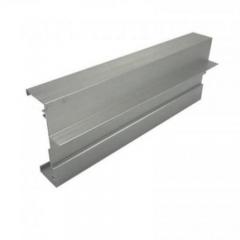
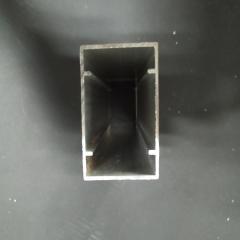
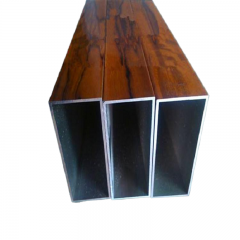
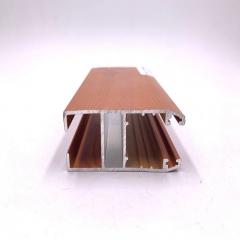
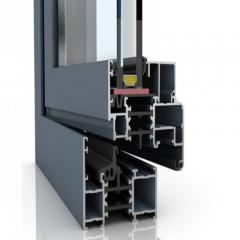
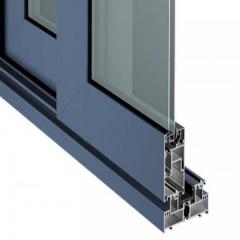
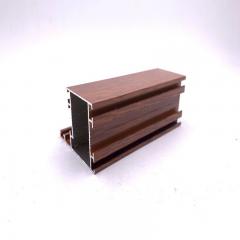
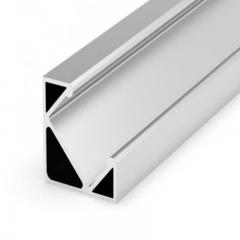
| Extrusion | Coverage on complex geometry, masking needs | Thin film at corners or contact areas |
That is why coating metal forms cannot be treated as a one-line purchasing item. The product shape, the fabrication plan, and the exposure details all influence whether aluminum should be finished before forming, after forming, or through a different factory route entirely.
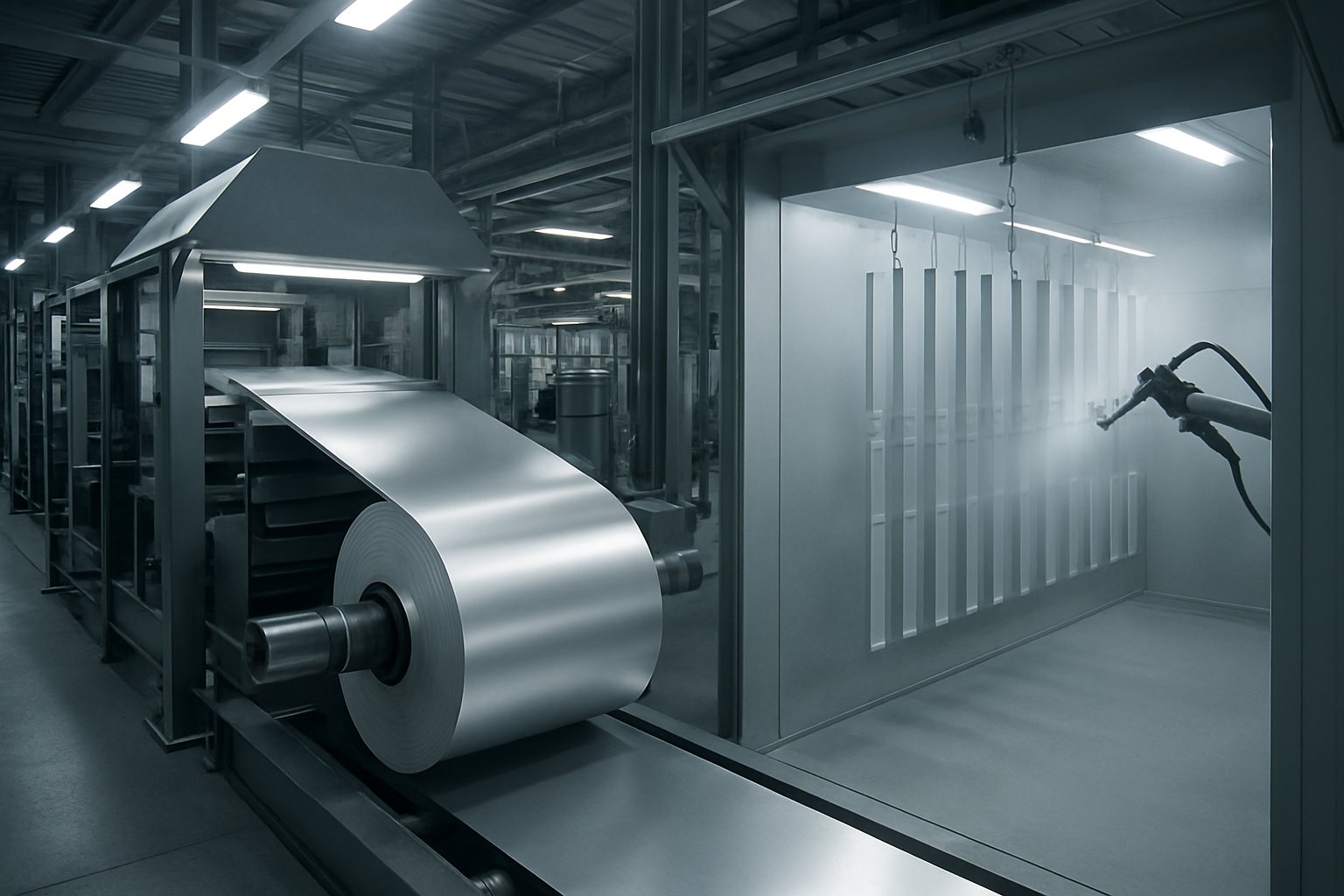
Whether a buyer asks for PVDF paint or casually says Kynar paint, the more useful question is when the finish should be applied. That timing changes everything. It affects finish uniformity, fabrication risk, and how the part moves through industrial metal painting and assembly.
In coil and extrusion coatings, coil coating is applied to flat coiled sheet before the metal is formed. Spray-applied PVDF is used after the aluminum shape has already been made, which is common for extrusions and other formed components. A separate guide on PVDF coatings for aluminum describes spray application as a liquid process built around surface preparation, primer, PVDF topcoat, curing, and, when needed, an added clear layer.
| Route | Product form | Finish consistency | Fabrication timing | Repair implications |
|---|---|---|---|---|
| Coil-coated PVDF | Flat sheet and coil for roof panels, wall panels, soffit and fascia, rainware | Strong consistency across long runs of flat stock | Finish first, then form | Damage introduced later during forming or handling should be covered by an approved repair plan |
| Spray-applied PVDF | Extrusions, custom parts, formed assemblies, profile-heavy components | Well suited to complex shapes, with results tied closely to shop process control | Form first, then finish | Confirm approved color-match and repair procedure with the finisher before release |
Factory-finished sheet and coil make the most sense when the final product starts as flat stock and follows a repeatable forming pattern. That is why roof panels, wall panels, and gutters are common coil-coated products. Windows, door frames, storefront systems, curtain wall members, and similar shapes usually fit post-form spray application better because the geometry is already established before finishing.
That route decision is not just a factory detail. It also shapes how performance claims, test language, and finish standards should be read in the specification.
Application route tells you how a finish gets onto aluminum. Specification language tells you what that finish must keep doing years later. For pvdf coated aluminum, the conversation usually moves past color cards and into appearance retention, adhesion, and weathering performance. That is the point where specifiers stop asking whether a coating sounds premium and start asking how it is tested.
In practice, most finish reviews come down to a short list of performance categories. Chalk resistance asks how much surface powdering develops with weathering. Color retention asks whether the finish drifts visibly over time. Gloss retention measures how much sheen remains. Adhesion looks at whether the film stays bonded to the aluminum through service and handling. Corrosion-related categories examine how the system responds to moisture, humidity, chemicals, and cycling conditions that can undermine the substrate-coating bond.
The AAMA 2605 requirements make those ideas more concrete. For architectural aluminum, that standard includes 10 years of South Florida exposure with color change no greater than 5 Delta E units, chalk ratings of at least 8 for colors and 6 for whites, minimum 50 percent gloss retention, and less than 10 percent erosion. It also includes humidity resistance, cyclic corrosion testing, and chemical resistance. Adhesion matters just as much, even when it is not the first number people quote from a datasheet.
| Performance category | Typical exposure environment | Finish-selection implication |
|---|---|---|
| Color, chalk, and gloss retention | High UV facades, prominent elevations, owner-sensitive aesthetics | Lean toward premium architectural performance expectations, often AAMA 2605-level |
| Adhesion and film integrity | Fabricated parts, handling-heavy workflows, parts that are hard to replace | Verify full system compliance, not just resin label or brochure claims |
| Humidity and cyclic corrosion resistance | Coastal zones, wet climates, pollution exposure, difficult drainage details | Require higher-tier testing and stronger corrosion-related documentation |
| Chemical resistance | Areas exposed to cleaners, mortar, or jobsite contaminants | Confirm the specification covers likely chemical contact during service and maintenance |
| Basic decorative durability | Interior or mild exterior conditions with easier maintenance access | A lower-tier requirement may be sufficient if long-term appearance retention is less critical |
The AAMA system gives a useful baseline. AAMA 2604 and 2605 guidance describes AAMA 2603 as basic for interior or mild conditions, AAMA 2604 as suited to moderate weather, and AAMA 2605 as the highest level for harsh weather, strong UV, and demanding exterior exposure. For aluminum on high-rise facades, coastal buildings, landmark structures, or locations where access for maintenance is difficult, the premium tier often earns its keep.
That is also why search phrases like kynar 500 sherwin-williams or fluropon vs kynar keep showing up in buying research. People are often trying to decode market language, but brand shorthand is not the specification. The same caution applies when broad terms like pvf coating appear in project talk. What matters is the required standard, the tested finish system, and whether the performance level matches the job.
Judge finish performance by exposure severity, maintenance access, and service-life priorities, not by coating label alone.
A canopy soffit in a mild climate does not face the same risks as a sun-blasted curtain wall or salt-exposed coastal panel. PCI frames the larger rule well: long-term coating performance depends on matching chemistry to site conditions and validated durability testing. That means the right finish is always relative to exposure, visibility, and maintenance reality.
Two products can both sound impressive on paper, yet one may be excessive for sheltered trim while another is barely enough for a high-value facade. Standards help set the floor. Choosing between PVDF, powder coating, anodizing, polyester, SMP, or FEVE still depends on the tradeoffs above, and that comparison tends to be where finish selection gets far more practical.
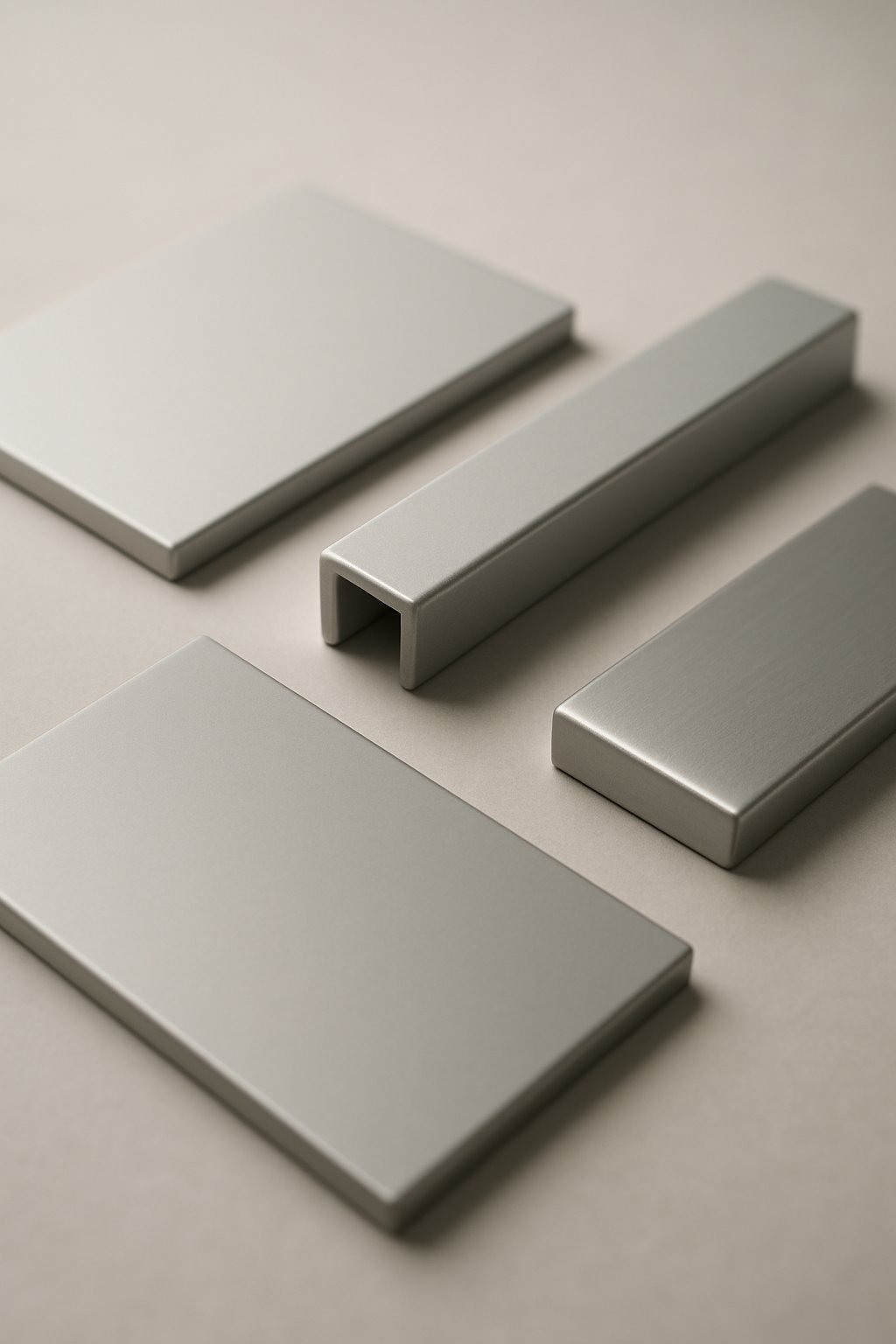
Standards can tell you whether a finish clears a performance bar. They do not tell you which finish is smartest for a specific aluminum part. That choice usually comes down to tradeoffs: long-term appearance, abuse resistance, shape complexity, repair expectations, and budget. For pvdf coated aluminum, the strongest advantage is usually appearance retention outdoors. That does not make it the automatic winner in every application.
Against powder coating, PVDF usually leads in color and gloss retention under long exterior exposure. A Mastercraft overview also notes that PVDF is valued for consistent finish quality, smaller custom color batches, and easier touch-up than powder. Powder, however, has real strengths of its own. It is known for impact resistance, low to no VOC emissions, and strong suitability for complex shapes. The LT Coating guide also points out that some premium architectural powders are fluoropolymer based and can reach high exterior performance levels.
Anodizing sits in a different category because it is integral to the aluminum rather than an applied paint film. That same LT Coating guide describes anodizing as harder than PVDF or FEVE and especially useful where abrasion matters, such as storefront doors, hand-contact areas, and other high-traffic parts. The tradeoff is aesthetic and practical: anodizing offers a more metallic, translucent look, but color variation and spot repair are harder to manage.
Within organic coatings, PVDF is usually the premium benchmark. RoofSmart describes SMP as harder and more scratch resistant than PVDF, but also more prone to faster chalking and fading. Polyester is the budget end of the spectrum and is generally better suited to lighter-duty or lower-UV service. In other words, SMP can make sense when surface hardness and lower cost matter more than maximum appearance life, while polyester fits applications where exterior exposure is milder or service-life expectations are lower.
FEVE paint and FEVE-based powders sit closer to PVDF than to polyester or SMP. The LT Coating guide notes that some AAMA 2605 powder systems are based on FEVE resins, giving specifiers a high-end fluoropolymer option when powder application is a better process fit.
Searches like pvef vs pvdf, pvef pvdf difference, or pvdf pvef often mix together different fluoropolymer terms. If a datasheet uses unusual wording such as vinyl ether fluoride polymer pvef, verify the actual resin family and the tested performance standard before assuming it is interchangeable with feve paint or PVDF.
| Finish type | Durability and look retention | Maintenance profile | Color range and look | Consistency across shapes | Field repair | Cost tier | Best-fit applications |
|---|---|---|---|---|---|---|---|
| PVDF | Excellent outdoor color and gloss retention | Routine cleaning, low appearance drift | Wide color range, including many premium architectural colors | Very consistent on coil-coated sheet and controlled spray work | Touch-up possible, exact match unlikely | High | Facades, roofing, visible exterior panels and trim |
| Powder coating | Good to very high, depending on resin system | Routine cleaning, impact wear handled well | Broad finish options from matte to gloss | Strong on complex shapes and extrusions | Harder to blend or repair | Mid | Extrusions, high-traffic parts, shaped components |
| Anodizing | Excellent abrasion resistance, no peeling | Can be renewed by cleaning in some cases | Metallic and translucent, more limited palette | Good on aluminum forms, but variation must be managed | Poor spot repair | Mid to high | Storefronts, hand-contact areas, metallic architectural looks |
| SMP | Moderate exterior durability, faster fade than PVDF | More appearance change over time | Common architectural and roofing colors | Often used on panel products | Possible, but aging mismatch remains | Low to mid | Cost-sensitive exterior panels and roofing |
| Polyester | Lower UV and weathering performance | More frequent appearance decline in exterior use | Broad stock color availability | Common on lighter-duty parts | Possible, with limited long-term match | Low | Interior or mild exterior applications |
| FEVE | High-end fluoropolymer performance | Premium maintenance profile similar to top-tier coatings | Good premium color flexibility | Useful where fluoropolymer powder systems are preferred | System dependent | Mid to high | Premium exterior work where powder route is advantageous |
A practical comparison starts with five questions.
That checklist usually makes the finish decision much clearer. PVDF earns its place when long-term appearance is hard to compromise on. Other finishes can be the better answer when abrasion, shape complexity, metallic aesthetics, or budget take the lead. The real question, then, is not which finish sounds most impressive, but when the premium actually pays back.
The comparison only becomes useful when someone has to make a real purchase. Many searches for pvdf paint for metal roof, pvdf metal roof paint, or a kynar finish are really asking the same thing: does the project truly need premium long-term appearance retention, or is a lower-cost finish enough?
PVDF usually earns its higher cost where weathering, visibility, and service life all matter at the same time. Exterior facade panels, canopies, soffits, premium roof panels, and prominent storefront elements often fall into that category. In the PVDF, HDP, and PE comparison, PVDF is positioned as the premium choice for high-end facades, curtain walls, and roofing because of stronger resistance to UV exposure, chalking, and color loss. For demanding exterior architecture, finish systems tied to AAMA 2605 are commonly the safer fit when maintenance access is limited or the design needs to keep its original look for many years.
A premium finish is not always the smartest finish. Lower-cost systems can make sense on sheltered components, lower-visibility areas, interiors, or exterior parts that are easy to clean, replace, or refinish. The same comparison guide places PE as a budget option for interior and lighter-duty use, while HDP sits in the middle for exterior work that needs more durability than standard polyester but not the full premium of PVDF. That means some trims, secondary soffits, or cost-sensitive industrial enclosures may not need the highest tier.
Choose PVDF when exposure, visibility, and long-term appearance all rank high. Choose a lower-cost finish when the part is more sheltered, easier to maintain, or less critical visually.
That simple filter narrows the field quickly. The smarter question then becomes practical: can the supplier prove the substrate form, pretreatment, and finishing route needed to deliver that choice consistently?
A strong finish specification can still fail in purchasing if the supplier cannot prove process control. For finished aluminum, buyers should verify the metal form, the finishing route, and the records behind both. That matters whether you are comparing local metal coaters locations, reviewing a fabricator that mentions a kynar industrial coating service, or sourcing a full custom assembly.
The most useful review starts with documentation. Guidance from Aluphant recommends requesting process flowcharts, standard samples, inspection records, and painted-part salt spray and adhesion reports. For PVDF work, that same discipline helps confirm that the approved finish is the one that reaches production.
Capability is more than a color card. A reliable supplier should be able to show controlled equipment, batch-to-batch records, and measurable checks such as film thickness, color consistency, visual inspection, or adhesion data. This becomes especially important on custom extrusions, where corners, recesses, and large profile sizes are harder to finish consistently than flat sheet.
Some projects begin as a PVDF inquiry and shift once product geometry and workflow are fully reviewed. If the better fit turns out to be a powder-coated extrusion rather than a PVDF-coated sheet product, Shengxin Aluminum is one example worth screening. The company highlights 30 years of manufacturing experience, extruders up to 5500T, and custom architectural and industrial solutions with precision powder coating for protection and appearance. The bigger lesson is practical: when finish route, profile complexity, and manufacturing scale all intersect, the right partner reduces risk long before the first shipment leaves the plant.
PVDF coated aluminum is aluminum finished with a fluoropolymer-based coating system built for demanding exterior use. It is commonly chosen for visible building parts because it helps the surface keep its color and overall appearance longer than many standard decorative finishes. In practice, performance depends not only on the PVDF label, but also on pretreatment, primer quality, curing control, and how the aluminum part is fabricated and handled.
In most architectural coating language, 70% PVDF refers to the resin blend portion of the coating, not to the entire paint formula. Buyers use it as shorthand for a premium fluoropolymer system, but it should not be treated as proof that every product performs the same way. The full coating package still matters, including the primer, pigment system, application quality, and the tested standard the finish is designed to meet.
Neither finish is universally better. PVDF is often the stronger choice when long-term outdoor color stability and gloss retention are the main priorities, especially on highly visible facades and trim. Powder coating can be the better fit for complex extrusions, shape-heavy parts, or projects where impact resistance and process flexibility matter more. The right decision comes from matching the finish to exposure, geometry, repair expectations, and budget.
Coil-coated PVDF usually makes the most sense for flat sheet or coil that will follow a repeatable forming path after finishing. Spray-applied PVDF is more suitable when the aluminum is already shaped, such as extrusions, formed profiles, or custom assemblies. A good rule is to choose the route that reduces finish damage during later processing, then confirm approval samples and repair procedures before production starts.
Buyers should confirm the aluminum form, alloy, temper, pretreatment sequence, primer and topcoat system, finishing route, approval sample process, and production traceability. It is also smart to ask how the supplier manages corners, cut edges, bend areas, and batch consistency on large orders. If a project involves large custom profiles or a comparison between PVDF sheet products and powder-coated extrusions, a manufacturer such as Shengxin Aluminum is worth evaluating because it offers long manufacturing experience, large extrusion capability up to 5500T, and custom architectural and industrial solutions through its powder coating line.



 خدمة الإنترنت
 0086 136 3563 2360
 sales@sxalu.com
 +86 136 3563 2360
 العربية
 English
 français
 Deutsch
 русский
 español
 português
 ไทย
ไทย Việt
Việt Українська