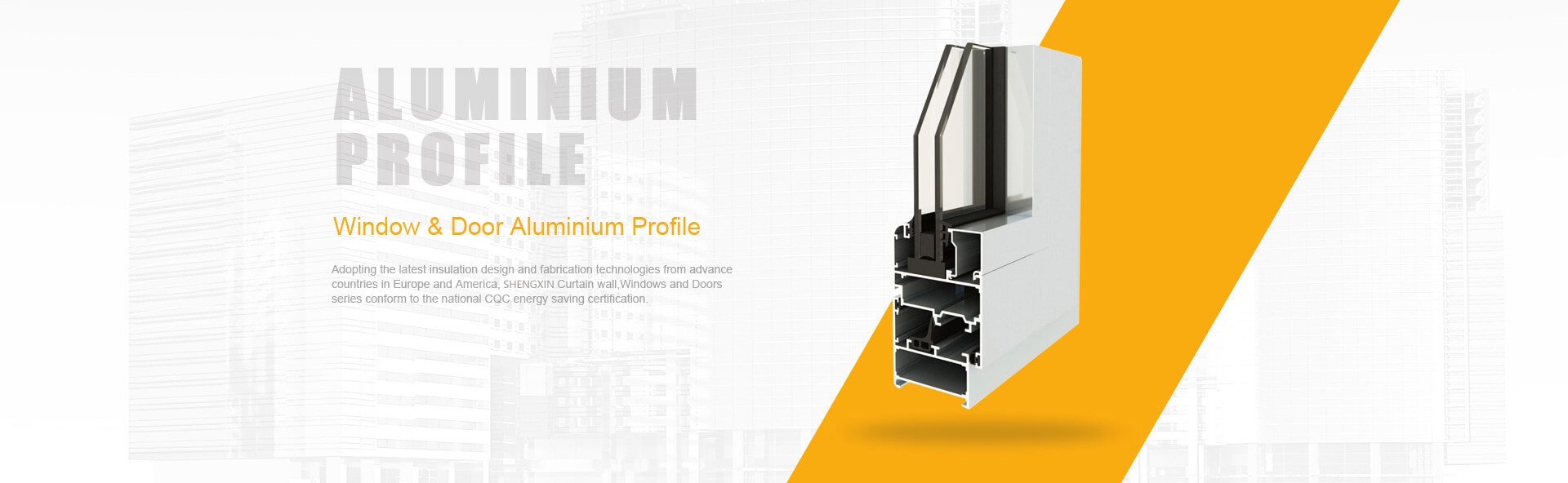
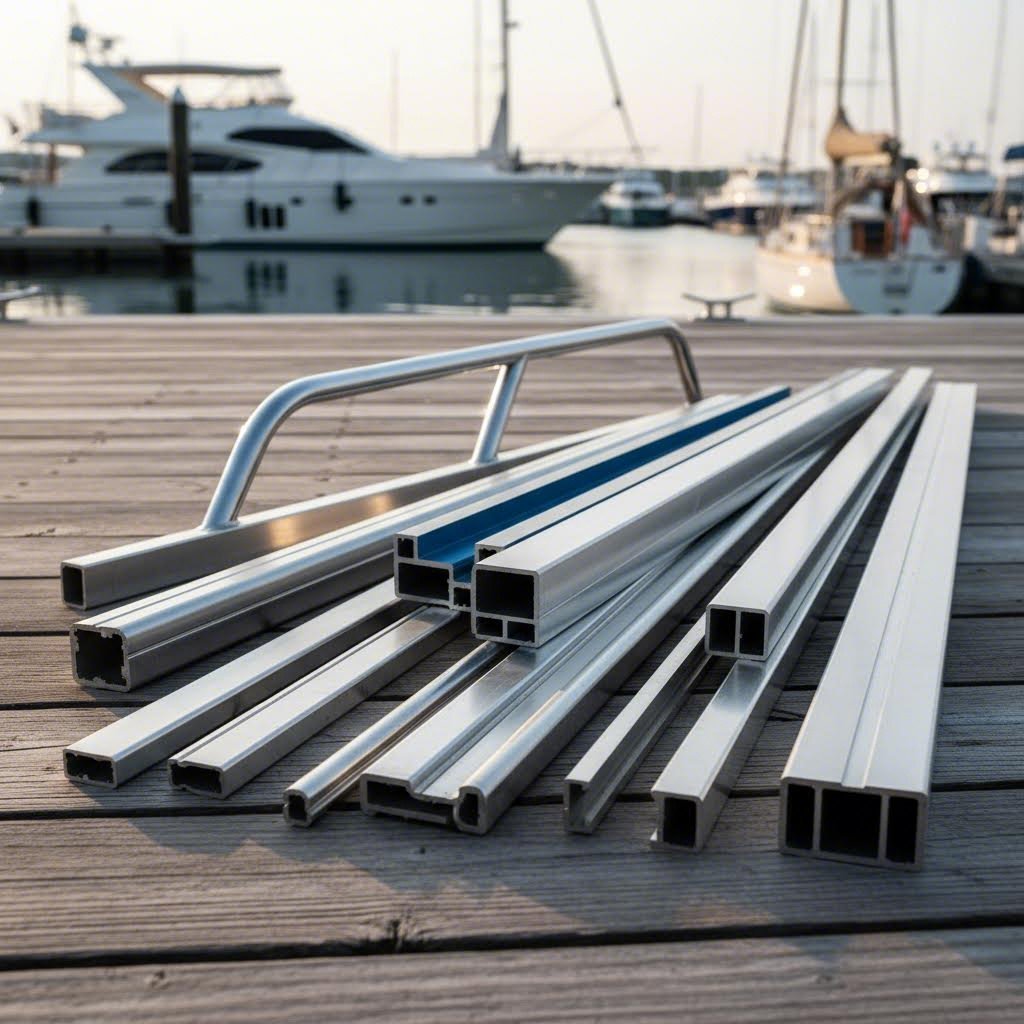
When you're designing a boat hull, dock system, or any structure destined for saltwater exposure, choosing the wrong material can mean watching your investment corrode within months. Marine aluminum extrusions offer a solution engineered specifically for these punishing environments. But what exactly are they, and why do they outperform other materials where salt spray and ocean conditions are constant threats?
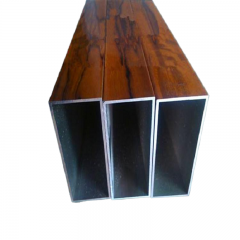
Simply put, marine aluminum extrusions are precisely shaped aluminum profiles manufactured from alloys specifically formulated to resist saltwater corrosion. These profiles serve as the structural backbone of everything from recreational boat molding and trim components to commercial vessel frameworks and offshore platform structures.
The extrusion manufacturing process is surprisingly elegant. Imagine squeezing toothpaste from a tube - the aluminum extrusion process works on the same principle, just with considerably more force and heat. Here's how it works: a solid aluminum billet (essentially a large cylindrical log of aluminum alloy) is heated to approximately 400-500°C until it becomes soft and malleable. This heated billet is then forced through a custom-designed steel die under immense pressure - sometimes exceeding thousands of tons of force. The result? A continuous length of aluminum emerging with the exact cross-sectional shape of the die opening.
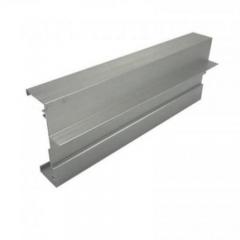
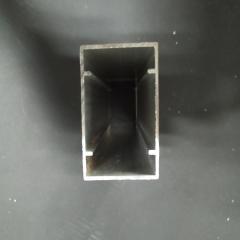
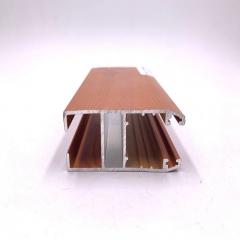
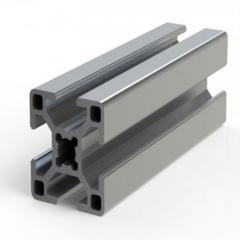
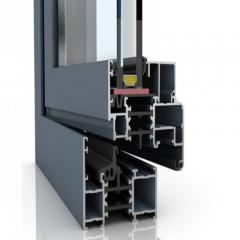
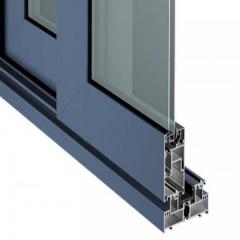
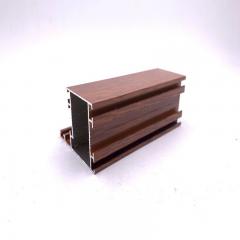
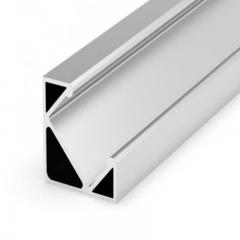
This process allows manufacturers to create remarkably complex profiles - from simple aluminum extrusion trim pieces to intricate hollow sections with internal chambers - all in a single operation. After extrusion, the profiles are cooled, stretched for straightening, cut to length, and heat-treated to achieve their final mechanical properties.
What makes these extruded profiles particularly valuable for marine applications comes down to four essential characteristics:
Here's where marine aluminum gets truly interesting. When exposed to air, aluminum instantly forms a thin, transparent layer of aluminum oxide on its surface. This isn't rust - it's actually a protective shield. This oxide layer is airtight, incredibly hard, and has a remarkable ability to repair itself if scratched or damaged.
This self-healing characteristic is what gives properly specified marine aluminum its legendary durability in saltwater environments. While steel requires multiple protective paint layers applied in controlled conditions, aluminum alloys can withstand harsh marine environments without any protective coating on surfaces above the waterline.
For boat builders, dock manufacturers, and marine equipment designers, understanding these properties isn't just academic - it's essential for making material selections that will perform reliably for decades rather than failing prematurely. The key lies in selecting the right alloy for your specific application, which is precisely where many projects go wrong. Choosing an alloy designed for architectural applications instead of true marine-grade formulations can lead to rapid corrosion failure, even when the aluminum initially appears identical.
So you've decided aluminum is right for your marine project - but which alloy should you specify? This question trips up even experienced builders because not all marine aluminum extrusions perform equally in saltwater environments. Selecting the wrong alloy can mean watching your aluminum boat extrusions pit and corrode far sooner than expected, while the right choice delivers decades of reliable service.
The confusion stems from a simple reality: aluminum alloys designed for general industrial or architectural use often look identical to true marine-grade formulations. The difference lies in their chemical composition - specifically, the alloying elements that determine how they'll behave when constantly exposed to saltwater, humidity, and the mechanical stresses of waves and impacts.
Let's break down the five alloys you'll most commonly encounter when sourcing marine aluminum profiles:
| Alloy | Tensile Strength | Yield Strength | Corrosion Resistance | Weldability | Typical Marine Applications |
|---|---|---|---|---|---|
| 5052 | Moderate | Moderate | Excellent | Excellent | Fuel tanks, deck hardware, formed components |
| 5083 | High | High | Excellent | Very Good | Hull plating, structural frames, pressure vessels |
| 5086 | Medium-High | Medium-High | Excellent | Excellent | Hull construction, deck plating, offshore structures |
| 6061-T6 | 290-310 MPa | 240-276 MPa | Good | Good (with caution) | Structural components, railings, hardware |
| 6063 | Moderate | Moderate | Good | Very Good | Window frames, trim, decorative elements |
When corrosion resistance is your absolute priority, the 5xxx series alloys are your go-to choice. These alloys are primarily alloyed with magnesium, which significantly enhances both their strength and their resistance to pitting and crevice corrosion - the two most common failure modes in marine environments.
Here's how the three main 5xxx series alloys compare:
Why do 5083 and 5086 dominate hull construction specifically? The answer lies in their superior resistance to stress corrosion cracking - a phenomenon where the combination of tensile stress and corrosive environment can cause sudden, catastrophic failure in susceptible alloys. The magnesium content in these alloys creates a protective oxide layer that inhibits further corrosion, even after years of saltwater exposure.
Not every marine component needs maximum corrosion resistance. For aluminium window extrusions, decorative trim, and structural elements that won't be constantly submerged, the 6xxx series alloys offer compelling advantages.
The 6xxx series alloys contain both magnesium and silicon, creating a different set of performance characteristics. According to marine aluminum specifications, 6063 provides excellent finishing characteristics and tensile properties, making it ideal for interior and exterior architectural applications and trim. Meanwhile, 6061 possesses superb mechanical properties and is available in plate, sheet, and extruded shapes for versatile applications.
The key consideration with 6xxx series alloys? They require more attention to protective finishes when used in direct saltwater exposure. However, for above-waterline applications where aesthetics matter - think handrails, window frames, and decorative elements - their excellent anodizing characteristics and surface finish quality often make them the preferred choice.
You'll notice alloys often specified with temper designations like "6061-T6" - but what do these letters and numbers actually mean for marine performance?
The temper designation indicates the heat treatment the aluminum has received, which directly affects its mechanical properties:
A critical welding consideration: T6 tempered aluminum loses its temper properties in the heat-affected zone around welds. For welded marine structures, you'll need to either plan for post-weld heat treatment or design around T4 or T5 tempers in welded areas.
When sourcing from extruded aluminium suppliers, always specify both the alloy and temper designation. A "6061" specification without the temper leaves critical performance characteristics undefined - and in marine environments, those details matter enormously. With your alloy selection understood, the next consideration becomes matching specific extrusion profiles to your intended marine application.
Now that you understand which alloys perform best in saltwater environments, a practical question emerges: which profile shapes should you actually specify for your specific project? Whether you're building a weekend fishing boat or outfitting an aluminum excursion tour vessel, the profile geometry matters just as much as the alloy selection. Get it wrong, and you'll end up with components that are either overbuilt and unnecessarily heavy or underspecified and prone to failure.
The marine extrusion market offers three distinct categories of profiles, each serving different needs and budgets. According to industry specifications, these include standard profiles manufactured in simple shapes with common dimensional tolerances, special profiles with specific shapes engineered for particular functions, and fully customized extrusions manufactured according to your exact technical drawings.
Let's explore how these options apply across different vessel types and marine structures.
Imagine walking through a marina and examining the aluminum boats docked there. You'll notice marine aluminum extrusions everywhere - from the sleek aluminum boat trim running along the gunwales to the structural transom components holding outboard motors in place. Each application demands specific profile characteristics.
For recreational vessels, here's how applications typically break down:
When selecting aluminum boat trim for recreational vessels, consider both the environmental exposure and visibility. Trim pieces on the bow take constant spray and UV exposure, demanding hard-anodized finishes. Meanwhile, interior cabin trim can use standard anodizing or even mill finish if the aesthetic requirements allow.
Commercial vessels and industrial marine infrastructure operate under entirely different demands. Where a recreational boat might see weekend use in protected waters, commercial applications face continuous operation, heavier loads, and often more aggressive marine environments.
The types of boats utilizing extruded aluminum span an impressive range. According to marine industry data, you'll find aluminum extrusion components in personal watercraft, commercial fishing vessels, military ships, and everything in between. The key is matching the extrusion specification to the operational demands.
Commercial and industrial applications typically include:
How do you decide which profile category fits your project? The decision typically comes down to three factors: structural requirements, production volume, and budget constraints.
Standard profiles manufactured with common alloys like 1050, 1070, 3103, and 6060 offer the most economical solution when their dimensions and shapes match your requirements. Think angle sections, rectangular tubes, and simple channels that can be sourced from existing inventory with minimal lead time.
Special profiles fill the gap between stock shapes and full custom tooling. These are typically manufactured with 6060 alloy and offer specific geometries designed for common marine applications - things like specialized boat molding trim sections, window frame profiles with integrated gasket channels, and standardized railing components.
Customized profiles make sense when your application demands exact specifications that off-the-shelf options can't satisfy. The customization service allows you to turn technical drawings with specific mechanical features into finished products matching your exact requirements. Beyond just shape, customization extends to surface treatments and finishes including anodizing, powder coating, and specialized protective coatings.
Before specifying custom tooling, carefully evaluate whether the additional die costs justify the performance improvements over adapting standard or special profiles. For production volumes exceeding a few hundred meters, custom extrusions often prove cost-effective. For smaller projects, creative adaptation of existing profiles frequently makes more economic sense.
With your application and profile type identified, the next critical consideration becomes protecting your aluminum investment from the electrochemical reactions that can rapidly destroy even properly specified marine alloys.
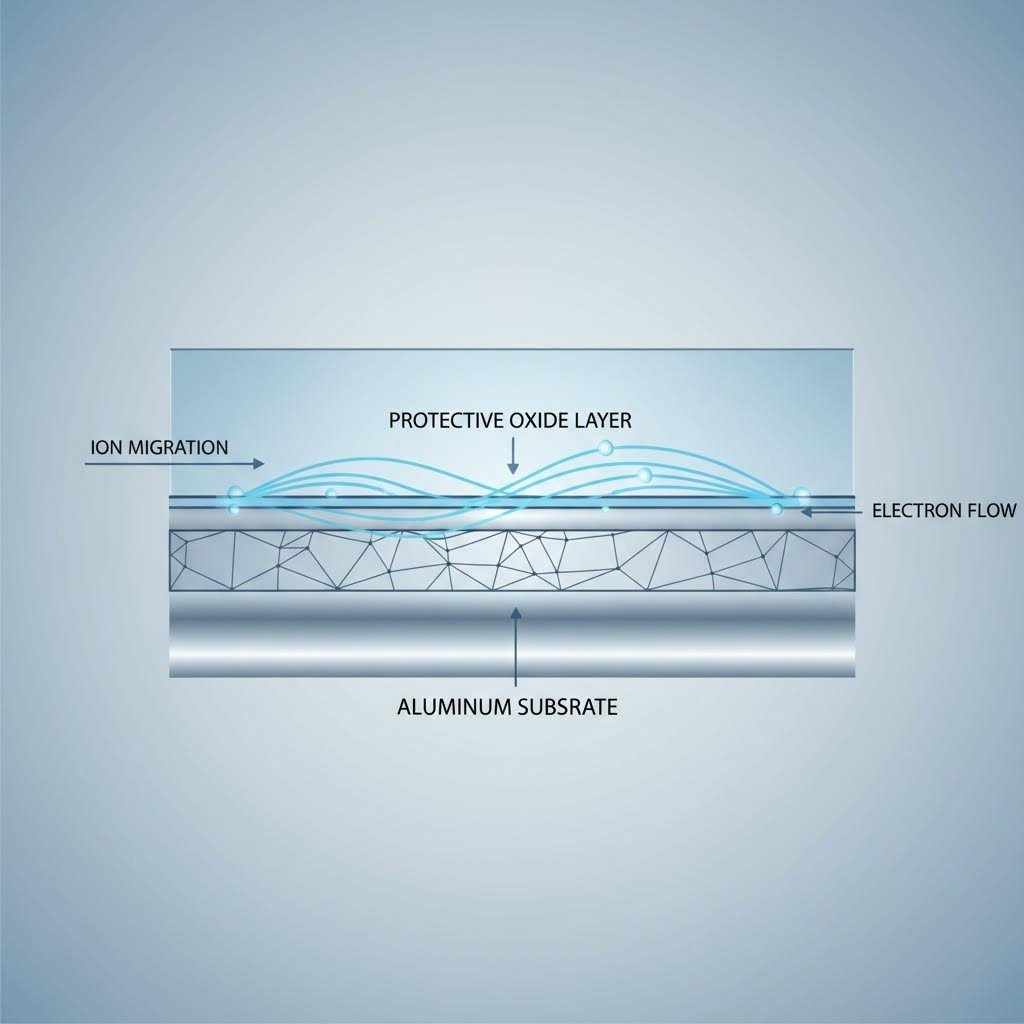
You've selected the perfect marine-grade alloy and specified the ideal profile geometry for your project. But here's a sobering reality: even properly specified marine aluminum extrusions can fail rapidly when installed alongside dissimilar metals. The culprit? Galvanic corrosion - an electrochemical reaction that transforms saltwater into a battery, with your aluminum components serving as the electrode that gets consumed.
This phenomenon catches many builders off guard because it's invisible until significant damage has occurred. Understanding why it happens and how to prevent it separates marine projects that last decades from those requiring expensive repairs within a few seasons.
Imagine two different metals - say, your aluminum hull and a stainless steel through-hull fitting - both submerged in saltwater. According to electrochemical principles, when dissimilar metals contact each other in the presence of an electrolyte like seawater, they become a battery with electrical current flowing from one metal to the other. The weaker metal in this electrochemical relationship gives up metal ions, gradually corroding away.
The galvanic series determines which metal suffers. This ranking lists metals by their electrochemical potential - essentially, their willingness to give up electrons. Aluminum sits relatively high on this anodic scale, meaning it will sacrifice itself to protect more cathodic (noble) metals like stainless steel, bronze, or copper when they're in electrical contact.
Here's where things get particularly troublesome for marine applications. Saltwater is one of the most corrosive environments, creating ideal conditions for galvanic reactions. Marine applications often involve dissimilar metals - aluminum hulls paired with stainless steel fittings, bronze propellers, or copper-based antifouling paints. Each pairing creates an accelerated galvanic cell that can destroy aluminum components surprisingly fast.
The surface area ratio between metals also dramatically affects corrosion rates. A small aluminum fastener connecting large stainless steel components faces an unfavorable cathode-to-anode ratio. The surface area effect tells us that if the area of the anode is much smaller than that of the cathode, corrosion of the anode will be much worse. This explains why aluminum rivets in stainless steel panels corrode far faster than you might expect.
Preventing galvanic corrosion requires a multi-layered approach. Consider implementing these strategies for your marine aluminum components:
Real-world marine construction inevitably requires connecting aluminum to other metals. Your aluminum t trim might attach to a steel framework. Boat moulding trim often interfaces with bronze hardware. Each junction demands careful attention to prevent electrochemical attack.
Effective isolation starts with understanding that both physical and electrical contact must be interrupted. Two metals can be physically separated yet still electrically connected through mounting hardware, structural frames, or even conductive marine growth bridging the gap.
For practical isolation in marine aluminum assemblies, follow these techniques:
Sacrificial anode management deserves special attention. When anodes corrode below 50% of their original size, replace them immediately. Inspect them often until you determine the corrosion rate for your individual applications - rates vary significantly between installations.
When installing pencil zincs in engine heat exchangers, avoid using sealant tape on threads. Tape electrically isolates the zinc, rendering it useless for corrosion protection. Instead, apply electrically conductive anti-seize paste that maintains the electrical connection while easing future removal.
How do you verify your aluminum alloys will perform as expected in actual marine conditions? The ASTM G69-97 standard provides a method for measuring the corrosion potential of aluminum alloys in aqueous solutions. This testing helps with selecting suitable alloys for specific environments, predicting the behavior of aluminum components under various conditions, and developing new alloys with enhanced corrosion resistance.
The testing procedure measures electrochemical potential using a reference electrode in a standardized sodium chloride solution. Results characterize the metallurgical condition of aluminum alloys and help predict galvanic compatibility with other materials in your assembly.
For critical marine applications, request mill test certificates documenting alloy composition and consider independent corrosion testing when specifying unfamiliar alloys or operating in particularly aggressive environments. This verification step costs little compared to replacing prematurely failed components in difficult-to-access marine installations.
With corrosion prevention strategies in place, the final layer of protection comes from surface treatments and finishes specifically engineered for marine exposure conditions.
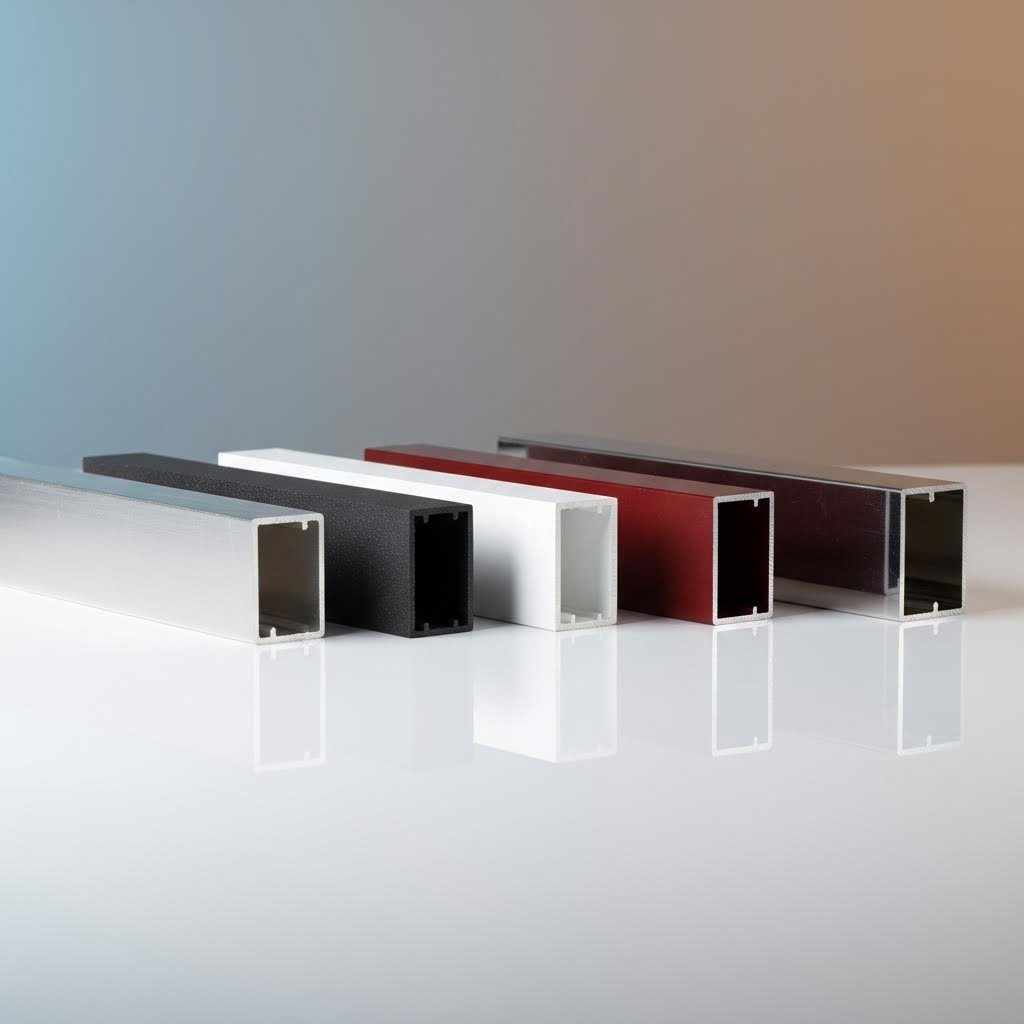
You've selected the right alloy, designed the perfect profile, and planned your corrosion prevention strategy. But there's one final layer of protection that can mean the difference between a decade of service and a lifetime of performance: surface finishing. The finish you specify for your marine aluminum extrusions directly determines how they'll weather UV exposure, salt spray, and the constant assault of marine environments.
Think of surface treatments as armor for your aluminum. Raw aluminum's natural oxide layer provides baseline protection, but marine applications demand more. The question isn't whether to apply a finish - it's which finish matches your specific exposure conditions, aesthetic requirements, and maintenance capabilities.
Here's a comprehensive comparison of the primary finishing options available for marine aluminum applications:
| Finishing Method | Durability Rating | UV Resistance | Saltwater Performance | Aesthetic Options | Cost Considerations |
|---|---|---|---|---|---|
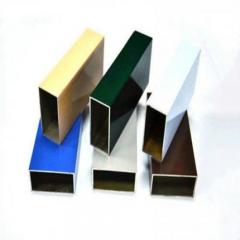
| Standard Anodizing (Type II) | Good | Moderate | Good | Wide color range, matte to satin | Low to Moderate |
| Hard Anodizing (Type III) | Excellent | Good | Excellent | Limited colors, darker tones | Moderate to High |
| Color Anodizing | Good | Moderate (fades over time) | Good | Vibrant colors, integral finish | Moderate |
| Powder Coating | Very Good | Excellent | Very Good | Unlimited colors, textures | Moderate |
| PVDF Coating | Excellent | Excellent | Excellent | Wide color range, metallic options | High |
| Micro-Arc Oxidation | Excellent | Very Good | Excellent | Limited, ceramic-like appearance | High |
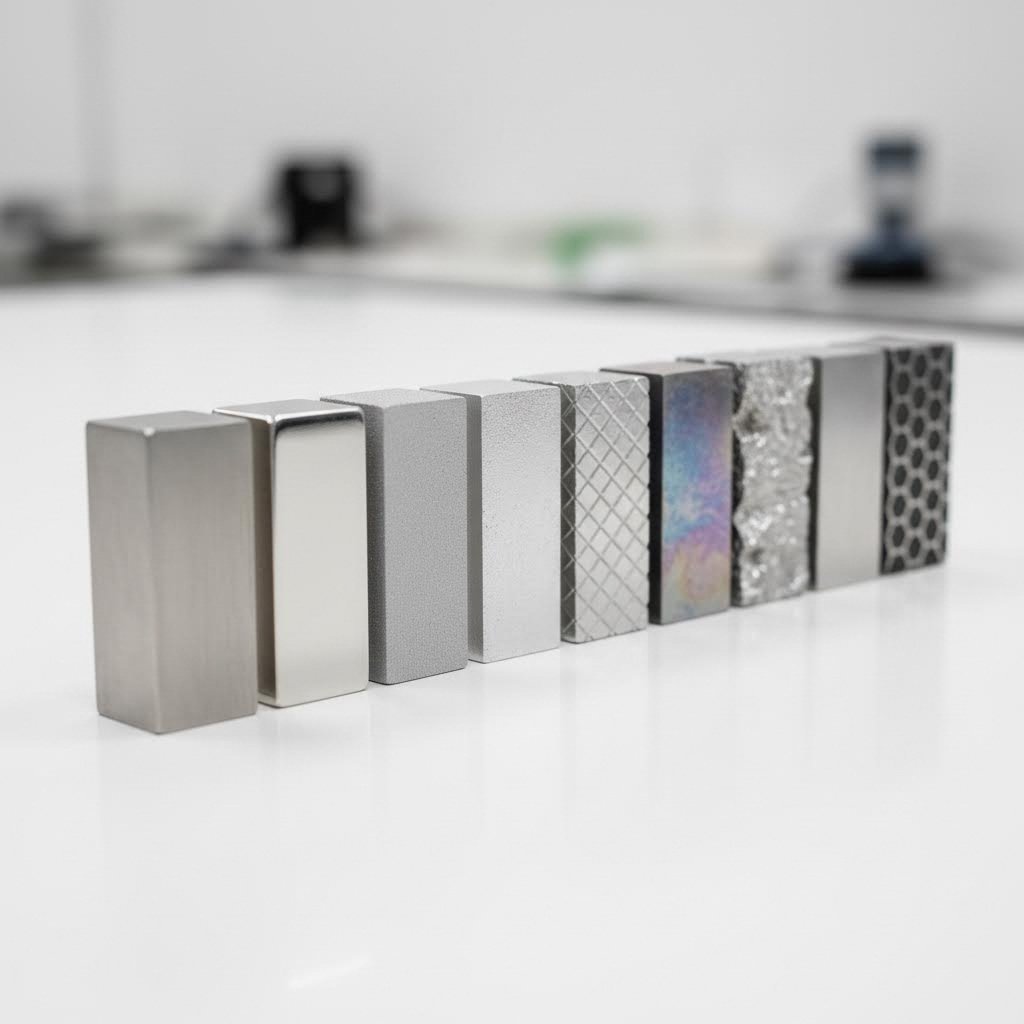
Anodizing isn't just a coating - it's a transformation of the aluminum surface itself. According to surface treatment specialists, anodizing is an electrochemical process that converts the metal surface into a durable, corrosion-resistant, anodic oxide finish. This integrated layer is much harder than raw aluminum.
For marine aluminum finishing, you'll encounter three primary anodizing options:
How long does aluminum anodizing marine finishes actually last? Typically, an anodized coating lasts 10-20 years, with high-quality Type III hard coat exceeding this range. The actual lifespan depends heavily on environmental exposure, wear patterns, and maintenance practices.
When your marine application demands unlimited color options or specific aesthetic requirements that anodizing can't satisfy, powder coating and PVDF finishes offer compelling alternatives.
Powder Coating applies a dry powder electrostatically, then cures it under heat to form a tough, uniform film. For rv aluminum trim molding and boat components requiring specific brand colors or custom aesthetics, powder coating delivers unmatched versatility. It provides excellent impact resistance - particularly important for aluminum boat trim that may contact dock pilings or debris.
PVDF (Polyvinylidene Fluoride) coatings represent the premium tier of marine finishes. These fluoropolymer-based coatings offer exceptional UV stability and chemical resistance. While more expensive, PVDF finishes maintain their appearance for decades in the harshest marine environments. Architectural marine applications and high-end yacht components frequently specify PVDF for this reason.
Micro-Arc Oxidation creates a ceramic-like coating through plasma discharge on the aluminum surface. This emerging technology produces extremely hard, wear-resistant surfaces with excellent corrosion protection. It's particularly valuable for submerged components and high-wear applications where traditional anodizing may not provide sufficient protection.
Why do certain finishes excel in specific conditions? The answer lies in understanding exposure variables:
Maintenance requirements vary significantly by finish type. For anodized surfaces, use mild soap with water for cleaning - aggressive cleaning can strip away the protective layer. Powder-coated surfaces tolerate slightly more aggressive cleaning but avoid abrasive compounds. PVDF finishes are notably low-maintenance, typically requiring only periodic rinsing to remove salt deposits.
Whatever finish you select, remember that surface preparation determines success. Before finishing, aluminum typically requires etching to remove the natural oxide layer and create a uniform surface for coating adhesion. This preparation step is essential for achieving the manufacturer's specified performance in marine conditions.
With your surface treatment strategy defined, you might be surprised to learn that the same marine-grade aluminum specifications apply equally well to another demanding application category - recreational vehicles and trailers.
Here's something boat builders and RV manufacturers have long understood: the same aluminum alloys that survive years of saltwater exposure perform exceptionally well on highways and in campgrounds. When you think about it, the parallels make perfect sense. Both marine vessels and recreational vehicles face constant weather exposure, strict weight limitations, and the need for decades-long durability without excessive maintenance.
Whether you're sourcing motorhome mouldings for a Class A coach or aluminum camper trim for a travel trailer, the performance requirements mirror marine specifications closely. Let's explore why this crossover works and which applications benefit most.
Consider what an RV endures during its service life. Road salt in winter months creates conditions remarkably similar to coastal marine environments. Rain, humidity, and temperature swings stress materials continuously. UV radiation fades and degrades inferior materials. And through it all, every pound of weight affects fuel economy and payload capacity.
These demands explain why marine-grade aluminum alloys - particularly the 5xxx and 6xxx series discussed earlier - have become standard in quality RV construction. The same corrosion resistance that protects a boat hull from saltwater guards your aluminum trim for rv from road salt and winter weather. The same strength-to-weight ratio that improves vessel performance enhances RV fuel efficiency.
The manufacturing advantages carry over as well. Extrusion processes create complex profiles that integrate multiple functions - structural support, weather sealing, and aesthetic finishing - into single components. This reduces assembly time, eliminates potential leak points, and creates cleaner visual lines than multi-piece assemblies.
Walk around any quality motorhome or travel trailer, and you'll notice aluminum extrusions everywhere. Each serves specific purposes that demand the same performance characteristics required in marine applications:
Motorhome mouldings present particularly demanding specifications. Class A motorhomes may exceed 40 feet in length, creating significant expansion and contraction with temperature changes. Quality aluminum extrusions accommodate this thermal movement while maintaining weather-tight seals - a capability directly inherited from marine engineering practices.
The finishing options discussed for marine applications apply equally here. Anodized aluminum trim resists road salt and maintains appearance with minimal maintenance. Powder-coated profiles offer unlimited color matching for brand-specific aesthetics. And the same installation precautions about galvanic corrosion protection remain critical when aluminum contacts steel RV frames.
For manufacturers and restorers sourcing aluminum trim molding trailers or motorhome components, the message is straightforward: specify marine-grade alloys and finishes, and your products will handle whatever highways and campgrounds throw at them. The performance margin designed for saltwater exposure translates directly into extended service life in land-based mobile applications.
You've mapped out the technical specifications - alloy selection, profile geometry, corrosion prevention, and surface finishing. Now comes the question that ultimately determines project feasibility: what will all of this actually cost, and how do you justify the investment? Understanding the economics of marine aluminum extrusions requires looking beyond initial purchase prices to consider the complete financial picture over your component's entire service life.
Unlike commodity materials with straightforward pricing, marine aluminum cost depends on multiple interconnected factors. Smart specification decisions made early in the design process can dramatically affect both upfront expenses and long-term value.
When evaluating aluminum extrusion pricing, initial purchase cost tells only part of the story. Consider a dock system or boat hull designed for 30+ years of service. The materials representing perhaps 20-30% of initial construction costs will influence maintenance expenses, operational efficiency, and eventual replacement timing for decades.
Four primary factors drive your marine extrusion costs:
Sounds complex? Here's a practical framework: calculate the cost per year of expected service rather than just purchase price. A premium 5083 extrusion with hard anodizing might cost 40% more upfront than a basic 6061 alternative, but if it lasts three times longer in your saltwater application, the annual cost drops dramatically.
Not every marine application demands maximum specifications. The key lies in matching material investment to actual exposure conditions and performance requirements.
Consider these scenarios where premium specifications justify their costs:
Conversely, above-waterline decorative trim, protected interior components, and easily replaceable hardware can often use more economical specifications without compromising overall project success.
Aluminum's infinite recyclability fundamentally changes the lifecycle cost equation. Unlike materials that become waste at end-of-life, recyclable boat aluminum retains significant scrap value - often recovering 30-40% of original material cost. This recovery, combined with recycling requiring only about 8% of the energy needed for primary production, makes marine aluminum one of the most economically and environmentally sustainable material choices available.
This recyclability benefit compounds over time. Sustainable marine materials like aluminum reduce disposal costs, generate end-of-life revenue, and increasingly satisfy regulatory and customer expectations for environmental responsibility. For commercial operations, these sustainability credentials can differentiate your offerings in environmentally conscious markets.
When requesting quotes from suppliers, specify your complete requirements upfront - alloy, temper, dimensions, finishing, and expected quantities. This enables accurate pricing and prevents surprises when specifications change mid-project. Quality suppliers will help optimize specifications for your budget, identifying where premium options deliver genuine value and where more economical alternatives perform equally well.
With economic factors understood, the final step is selecting a manufacturing partner capable of delivering your specifications reliably and efficiently.
You've done the hard work - selecting the optimal alloy, defining profile geometries, planning corrosion prevention strategies, and specifying surface finishes. But here's where many marine projects stumble: partnering with a supplier who can't actually deliver on those specifications. Finding a capable custom aluminum extrusion supplier isn't just about price; it's about ensuring your carefully planned components arrive on time, within tolerance, and ready for decades of saltwater service.
The marine extrusion manufacturer you choose becomes your partner throughout the entire production journey. From initial die development to final quality inspection, their capabilities and expertise directly impact your project's success. Let's walk through the complete selection process and the critical questions that separate excellent suppliers from adequate ones.
Before requesting quotes or scheduling facility visits, follow this systematic approach to ensure you're evaluating suppliers against your actual requirements:
That fifth step deserves particular attention. Many suppliers can produce simple extrusions, but marine applications often demand capabilities that separate comprehensive manufacturers from basic job shops.
When you're vetting a marine extrusion manufacturer, the right questions reveal whether they can genuinely support your project or whether you'll face frustrating limitations mid-production. Consider asking:
Understanding how aluminum profile processing flows from concept to delivery helps you evaluate whether a supplier's capabilities match your timeline and quality expectations.
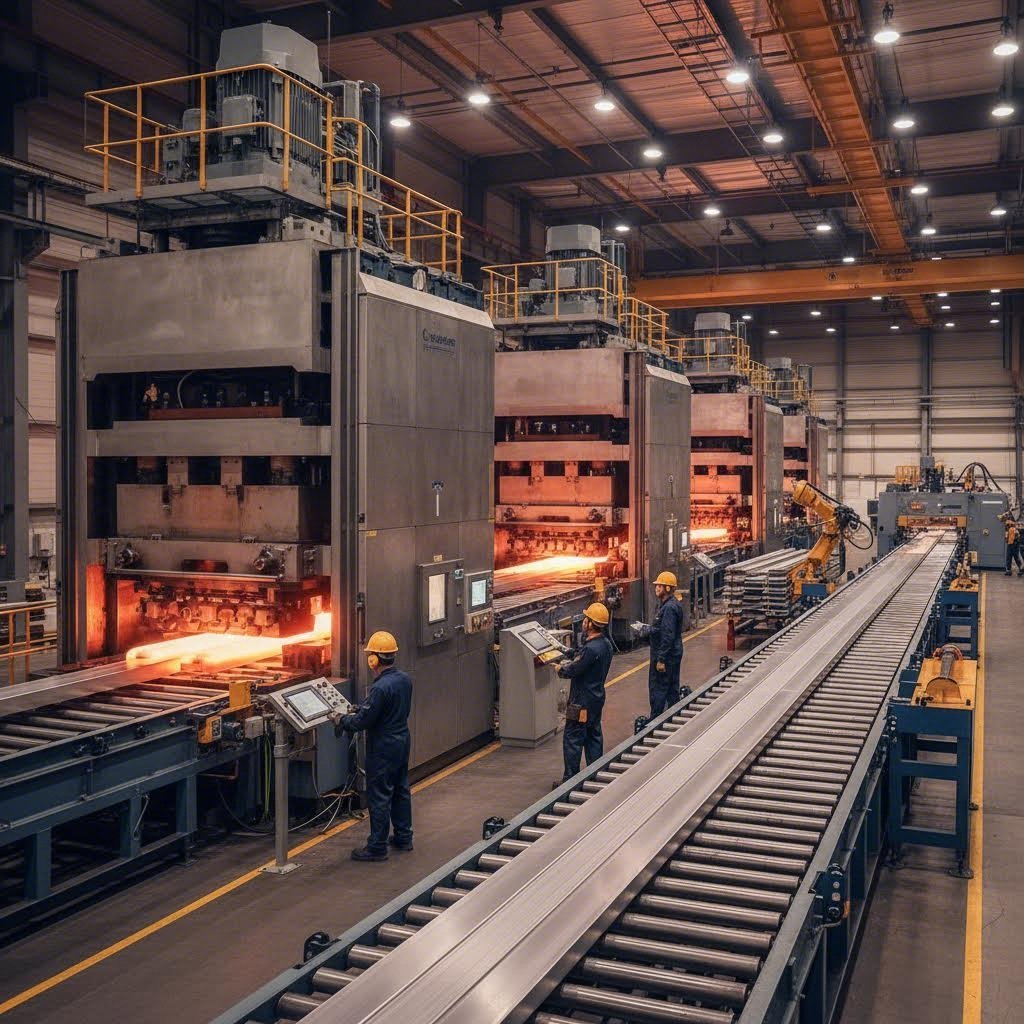
The journey begins with die development. Your profile drawings translate into precision steel tooling that will shape heated aluminum billets into your exact specifications. Quality die design accounts for material flow characteristics, thermal expansion during extrusion, and the specific alloy's behavior under pressure. Rushed or poorly designed dies produce profiles with dimensional inconsistencies, surface defects, or internal stresses that compromise marine performance.
Extrusion follows, where press capacity becomes critical. A manufacturer operating 35 extrusion presses ranging from 600T to 5500T, for example, can match the right press to your profile's requirements - smaller presses for intricate decorative trim, massive presses for structural hull components. This flexibility ensures optimal production efficiency and quality regardless of profile complexity.
Post-extrusion processing transforms raw profiles into finished components. CNC machining centers handle precise cutting to length, drilling mounting holes, milling complex features, and bending where required. For marine applications, these secondary operations must maintain the tight tolerances that ensure proper fit-up during vessel or structure assembly.
Surface treatment represents the final production phase. As discussed earlier, marine finishing options include anodizing (standard, hard, and color variants), powder coating, PVDF, and micro-arc oxidation. A supplier offering this complete range under one roof simplifies your supply chain and ensures finishing specifications align perfectly with your extrusion requirements.
The most capable marine extrusion partners provide support extending beyond manufacturing. Look for suppliers offering:
For comprehensive aluminum profile processing that spans the complete journey from custom die development to finished marine components, manufacturers like Shengxin Aluminium demonstrate what integrated capability looks like. Their operation combines 35 extrusion presses (600T-5500T range), CNC machining centers for secondary processing, and the full spectrum of marine-appropriate surface treatments - anodizing, powder coating, PVDF, and micro-arc oxidation - all supported by over 30 years of industry experience.
When evaluating any supplier, request references from previous marine projects, ask to see sample components similar to your requirements, and if possible, visit the production facility. The investment of time in thorough supplier evaluation pays dividends throughout your project - ensuring your marine aluminum extrusions arrive ready to perform for decades in the demanding environments they were designed to withstand.
The 5xxx series alloys (5052, 5083, 5086) offer maximum corrosion resistance due to their magnesium content, making them ideal for hull construction and submerged applications. The 6xxx series (6061-T6, 6063) works well for above-waterline components like window frames and railings, though they require protective finishes in direct saltwater exposure. Shengxin Aluminium can produce custom extrusions in both series with appropriate surface treatments for your specific marine environment.
Marine-grade aluminum naturally forms a thin, self-healing aluminum oxide layer when exposed to air. This protective shield is airtight and incredibly hard. When properly specified with marine-grade alloys like 5083 or 5086, this oxide layer can withstand harsh saltwater environments without additional protective coatings above the waterline. For submerged applications, additional protection through anodizing or specialized coatings enhances longevity.
Galvanic corrosion occurs when dissimilar metals contact each other in saltwater, creating an electrochemical reaction. Aluminum sacrifices itself to protect more noble metals like stainless steel or bronze. Prevention requires proper isolation materials between metals, sacrificial zinc anodes, protective coatings, and careful fastener selection. Always use non-conductive barriers and avoid direct contact between aluminum and incompatible metals.
Hard anodizing (Type III) provides excellent durability and saltwater performance for demanding applications. PVDF coatings offer superior UV resistance and long-term color stability. Powder coating delivers unlimited color options with good corrosion protection. Micro-arc oxidation creates ceramic-like surfaces for extreme wear resistance. Shengxin Aluminium offers all these treatments in-house, ensuring your marine components receive optimal protection.
Yes, marine-grade aluminum performs exceptionally well for RV and trailer applications. Both environments face similar challenges: weather exposure, weight constraints, road salt, and durability demands. The same 5xxx and 6xxx series alloys protecting boat hulls guard motorhome mouldings and aluminum camper trim from corrosion. The crossover makes marine specifications ideal for exterior trim, window frames, awning rails, and structural components.



 خدمة الإنترنت
 0086 136 3563 2360
 sales@sxalu.com
 +86 136 3563 2360
 العربية
 English
 français
 Deutsch
 русский
 español
 português
 ไทย
ไทย Việt
Việt Українська