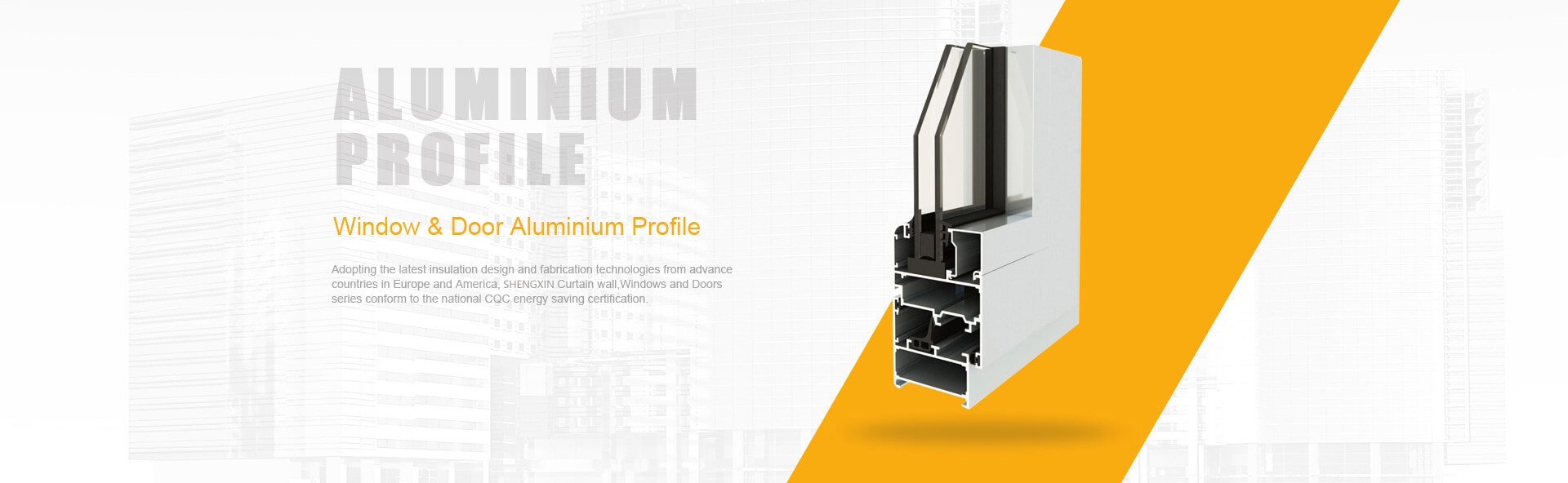
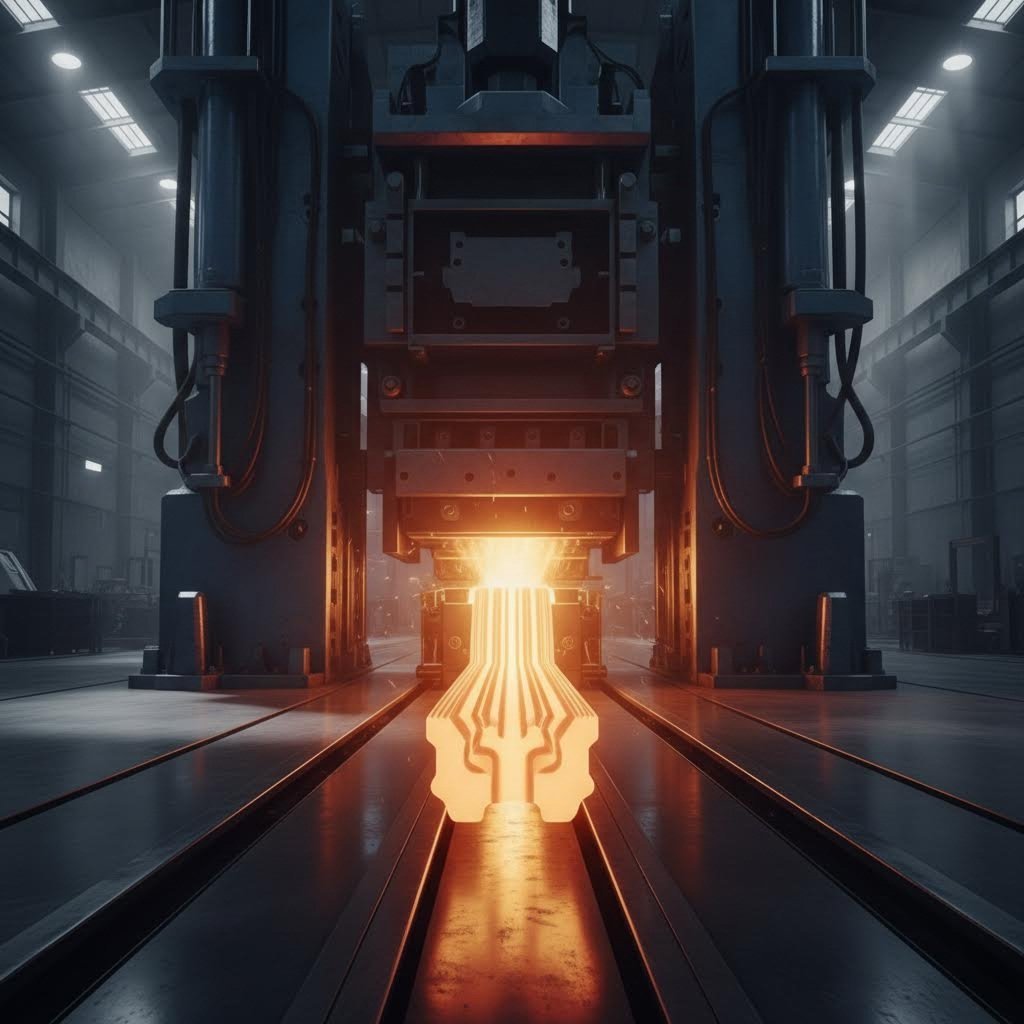
Ever asked a manufacturer how much is a aluminum extrusion going to cost, only to receive the frustrating answer: "It depends"? You're not alone. Unlike off-the-shelf products with fixed price tags, custom aluminum extrusions carry pricing that shifts based on dozens of interconnected variables. Understanding these factors isn't just helpful—it's essential for protecting your project budget from costly surprises.
The custom aluminum extrusion cost you'll ultimately pay reflects a complex equation. According to industry data for 2025, standard aluminum extrusion ranges between $2.50 and $3.80 per kilogram, but custom work can swing dramatically higher based on your specific requirements. Raw aluminum ingot pricing alone accounts for 60-75% of your total cost, yet that's just the starting point.
When you request a quote for custom aluminum extrusions, you're really asking about five separate cost streams that interact in unexpected ways. A simple design change—say, adding an extra hollow chamber to your profile—can trigger cascading effects across tooling, processing time, and even finishing costs. This interconnection explains why two seemingly similar projects can carry vastly different price tags.
Think about it this way: ordering a custom extrusion isn't like buying raw material by the pound. You're paying for engineering expertise, precision tooling, specialized equipment time, surface treatments, and logistical handling. Each element responds to different market forces and project specifications.
Before diving into detailed breakdowns, let's map out the primary cost categories that shape your aluminum extrusion cost:
Custom extrusion costs vary dramatically based on project specifications—from profile complexity and alloy selection to order volume and finishing requirements. Without understanding these variables, buyers risk budget overruns that could have been avoided through informed decision-making.
This guide takes a buyer-centric approach to custom aluminum extrusion pricing. Rather than justifying what manufacturers charge, we'll focus on helping you understand, compare, and negotiate quotes effectively. You'll learn which cost factors you can influence, where hidden charges lurk, and how to structure projects for maximum value.
Whether you're sourcing your first custom extrusion or looking to optimize ongoing production costs, the insights ahead will help you ask better questions, spot inflated quotes, and make decisions that protect your bottom line.
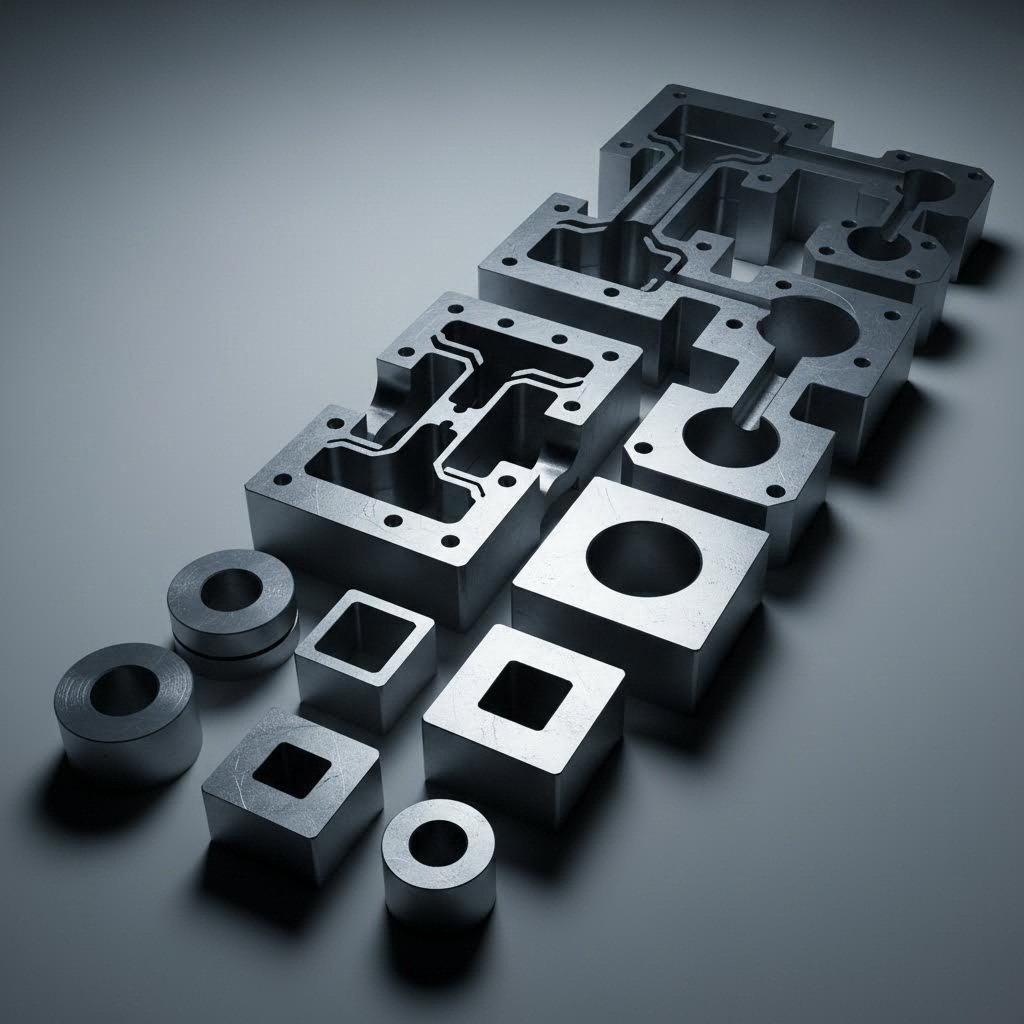
Here's a budget reality that catches many first-time buyers off guard: before a single foot of aluminum extrusion rolls off the press, you'll need to invest in custom tooling. The aluminum extrusion die—the precision-machined steel component that shapes molten aluminum into your profile—represents the most significant upfront expense in any custom project. Understanding this investment is crucial because it directly impacts both your initial budget and your long-term per-unit economics.
Unlike standard profiles where tooling costs have long been amortized across millions of parts, custom extruders must create dies specifically for your design. According to Profile Precision Extrusions, most custom dies fall between $1,250 and $1,950 depending on profile type, though the range extends significantly based on complexity. Simpler solid profiles might cost as little as $300-$800, while intricate multi-void designs can exceed $5,000.
What makes one aluminum extrusion die cost five times more than another? The answer lies in how your profile's geometry translates into machining requirements. Every sharp corner, internal void, and tight tolerance specification adds time and precision to the die fabrication process.
Consider the fundamental die categories and how they escalate in both manufacturing difficulty and price:
| Profile Type | Die Structure | Typical Cost Range | Common Applications |
|---|---|---|---|
| Solid Die | One-piece construction, no internal features | $300 - $800 | Angles, flat bars, channels |
| Semi-Hollow Die | Partial bridge with narrow openings | $800 - $1,500 | Mounting brackets, trim pieces |
| Hollow Die | Mandrel and bridge assembly for internal voids | $1,000 - $3,000 | Square tubes, round tubes, structural sections |
| Multi-Cavity Die | Multiple identical profiles per press stroke | $1,500 - $5,000+ | LED housings, heat sink fins, rail clips |
Beyond basic die type, several specifications drive costs higher. Wall thickness variations require more careful die for aluminium extrusion design to ensure balanced metal flow. According to Ya Ji Aluminum's analysis, maintaining consistent wall thickness between 1.2-2.5mm keeps tooling simpler and more affordable. Drastic thickness variations cause uneven cooling and material flow issues, demanding more sophisticated die engineering.
Tolerance requirements also significantly impact aluminum extrusion tooling costs. Standard tolerances of ±0.15mm for dimensions under 25mm are achievable with conventional dies. However, specifying tighter tolerances triggers longer machining cycles, additional EDM (Electrical Discharge Machining) work, and more inspection checkpoints—potentially adding 15-30% to your die investment.
Here's where understanding die ownership transforms your long-term cost picture. When you pay for a custom aluminium extrusion die, you typically own that tooling. This ownership creates a dramatic economic advantage on subsequent orders.
Imagine you're ordering a moderately complex hollow profile. Your first order might break down like this:
When you reorder the same profile six months later, that $2,000 die cost disappears entirely. Your die is already manufactured, tested, and stored at the extruder's facility. This is why companies like Star Extruded Shapes Inc and other experienced custom extruders emphasize building long-term relationships—the economics improve substantially over time.
The amortization math becomes compelling at scale. A $1,500 die used to produce 100,000 feet of profile adds only $0.015 per foot to your cost. As production volume increases, this per-unit tooling cost approaches zero, making raw material and extrusion time the dominant expenses. For high-volume production, industry analysis shows the ROI on custom dies is exceptionally strong precisely because of this amortization effect.
One important note: die longevity varies by profile type and alloy. Solid dies typically last for 20,000-50,000 kg of extrusion, while hollow dies may handle 10,000-30,000 kg. High-strength alloys like 7075 can reduce die life by up to 30% due to increased wear. Factor these lifespans into your calculations when planning multi-year production programs.
With tooling costs now clearly mapped, the next major variable enters the equation: the aluminum alloy you select and how raw material pricing affects your project budget.
Now that you understand tooling investments, let's tackle the expense that often surprises buyers most: raw material costs. When working with any alu extruder, the aluminum alloy you specify doesn't just affect performance—it directly shapes your project budget. Raw material typically accounts for more than half of operating expenses in aluminum extrusion processing, making alloy selection one of your most consequential decisions.
Here's what many buyers miss: not all aluminum is priced equally. The difference between choosing 6063 and 7075 can mean a 50-100% increase in material costs alone. Understanding which alloy delivers the performance you actually need—without overpaying for properties you won't use—is essential for smart budget management.
When you aluminum extrude a custom profile, the alloy grade determines everything from corrosion resistance to structural strength. Most custom extrusion projects use one of three common alloys, each occupying a distinct price-performance tier:
| Alloy Grade | Average Cost (USD/kg) | Strength Level | Corrosion Resistance | Best Applications | When Premium Investment Makes Sense |
|---|---|---|---|---|---|
| 6063 | $3.20 - $4.00 | Medium | High | Window frames, curtain walls, aluminium extrusion tube, decorative trim | Standard architectural and general-purpose applications where excellent surface finish matters |
| 6061 | $3.50 - $4.50 | Medium-High | High | Structural frames, load-bearing components, machinery parts | When structural integrity and machinability outweigh cost considerations |
| 7075 | $5.00 - $6.50 | Very High | Moderate | Aerospace components, high-stress structural elements, specialized equipment | Only when extreme strength-to-weight ratio is non-negotiable for safety or performance |
For most aluminum extruded applications, 6063 represents the sweet spot. This alloy offers excellent extrudability—meaning it flows smoothly through the aluminium extrusion machine, producing clean profiles with superior surface finish. Its high corrosion resistance makes it ideal for architectural applications without requiring expensive protective treatments. When you see beautiful anodized window frames or sleek curtain wall systems, you're typically looking at 6063.
Stepping up to 6061 makes sense when your project demands enhanced mechanical properties. The higher magnesium and copper content delivers approximately 40% greater tensile strength compared to 6063. This makes 6061 the go-to choice for structural frameworks, bridge components, and any application where load-bearing capacity matters. The 10-15% price premium over 6063 typically justifies itself through reduced material weight requirements or longer service life.
Reserve 7075 for truly demanding applications. This aerospace-grade alloy costs roughly 60% more than 6063 but delivers strength approaching that of many steels. Unless your project involves high-stress components where failure isn't an option, you're likely overpaying for capability you won't utilize.
Here's a budget variable that catches even experienced buyers off guard: aluminum is a globally traded commodity, and its price fluctuates constantly. According to industry analysis, aluminum costs have ranged between $1,500 and $3,500 per metric ton in recent years. These swings directly impact your quoted prices.
What drives these fluctuations? Several interconnected factors:
What does this mean for your project? Timing can matter. If you have flexibility in your production schedule, monitoring LME (London Metal Exchange) aluminum prices before committing to large orders could yield savings. Some buyers lock in material pricing through forward contracts with suppliers, protecting against short-term volatility on major projects.
The extruded aluminum process also generates material waste that factors into your per-unit costs. During extrusion, approximately 5-15% of aluminum becomes scrap through butt ends, run-out material, and quality rejections. Suppliers factor this waste into their pricing—and the impact becomes more pronounced on smaller orders where waste represents a higher percentage of total material consumed.
This brings us to a critical consideration: minimum order quantities. As BWC Profiles explains, aluminum extrusion involves significant setup costs including die preparation, workforce allocation, and machine calibration. When small quantities are required, these overhead costs distribute over fewer units, making per-piece pricing disproportionately high.
Most suppliers establish MOQs ranging from 500 to 2,000 pounds depending on profile complexity. Orders below these thresholds often incur premium charges of 15-30% to offset the operational inefficiency. For buyers with smaller needs, strategies like consolidating multiple profiles into single orders or timing purchases to coincide with other production runs can help minimize these penalties.
Understanding material economics positions you to make smarter alloy choices and negotiate more effectively. But raw aluminum is just the starting point—the surface finishing and secondary processing you specify can add substantial costs that many buyers underestimate.
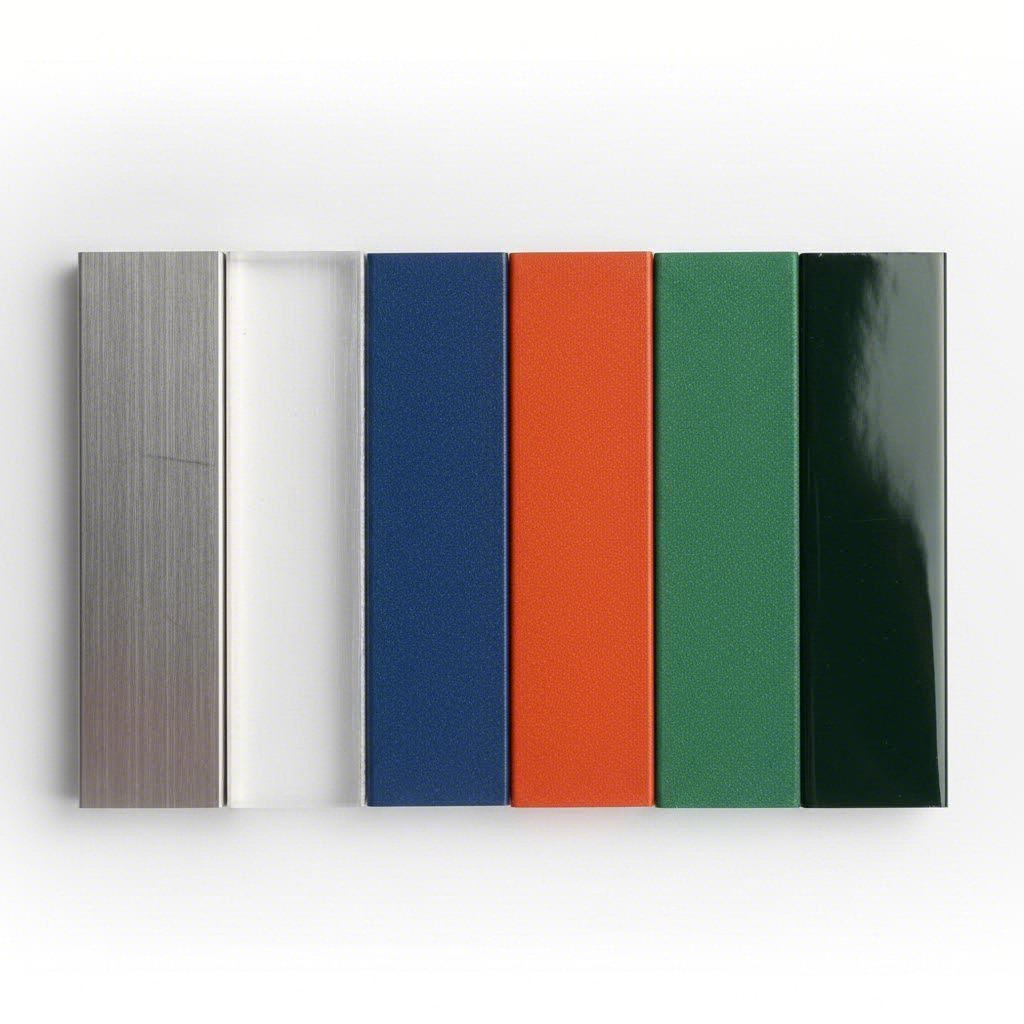
You've selected your alloy and committed to tooling—so your custom extruded aluminum is ready to ship, right? Not quite. For most projects, the raw extrusion emerging from the press represents only a semi-finished product. The surface finishing and secondary processing you specify can add 10-40% to your total project cost, yet many buyers treat these expenses as afterthoughts rather than strategic decisions.
Here's the reality: according to industry pricing data, anodizing and powder coating typically run $1,200 to $1,400 per metric ton, while even basic machining operations add $200-$300 per metric ton. For complex aluminium profile extrusion projects requiring multiple finishing steps, these costs can rival your base material investment. Understanding your options—and their trade-offs—helps you allocate budget where it matters most.
When specifying finishes for custom extrusions, you're balancing four factors: appearance, durability, corrosion protection, and cost. Each finishing method occupies a different position on this spectrum, making selection highly application-dependent.
The primary surface treatment options include:
For aluminum angle extrusions used in visible architectural applications, the finish choice directly impacts perceived quality. A poorly specified finish can undermine an otherwise excellent design, while over-specifying wastes budget on protection you don't need.
| Finish Type | Relative Cost | Durability Rating | UV Resistance | Best Applications |
|---|---|---|---|---|
| Mill Finish | Baseline | Low | Poor | Interior components, hidden structural elements |
| Clear Anodizing | +$0.20-$0.60/meter | High | Good | Architectural trim, consumer electronics housings |
| Colored Anodizing | +$0.40-$0.80/meter | High | Good | Display fixtures, decorative applications |
| Powder Coating | +$0.30-$1.00/meter | Very High | Very Good | Outdoor furniture, window frames, industrial equipment |
| PVDF Coating | +$1.50-$3.00/meter | Exceptional | Excellent | Curtain walls, exterior cladding, marine applications |
| Micro-Arc Oxidation | +$2.00-$5.00/meter | Exceptional | Excellent | Wear surfaces, aerospace components, specialty industrial |
Sounds expensive? It can be—but premium finishes often deliver value that exceeds their cost. Consider a metric aluminum extrusion destined for an exterior building facade. Choosing powder coating over mill finish adds perhaps $0.50 per meter. However, that coating eliminates repainting costs for 15-20 years while maintaining appearance and protecting structural integrity. The math favors quality finishing for any application with long service life or high visibility.
Conversely, over-specifying finishes wastes money. An extrusion hidden inside an equipment enclosure doesn't need colored anodizing. Interior components in climate-controlled environments rarely justify PVDF's premium. Match your finish specification to actual performance requirements—not worst-case scenarios.
Beyond surface treatments, aluminum extrusion fabrication often requires secondary mechanical operations that significantly impact project costs:
Here's where supplier selection becomes a cost lever. Facilities offering vertically integrated capabilities—extrusion, finishing, and fabrication under one roof—typically deliver lower total costs than coordinating between specialized vendors. Why? Every time your profile transfers between facilities, you incur handling charges, potential damage, and scheduling delays.
As Gabrian International notes, selecting a manufacturer that combines extrusion, fabrication, and finishing services minimizes logistical management burden and reduces final costs compared to coordinating operations between multiple vendors. A single supplier also maintains accountability for quality throughout the process—eliminating finger-pointing when issues arise.
The lesson? Don't evaluate quotes based solely on base extrusion pricing. Request fully loaded quotes that include all finishing and secondary operations. This reveals the true cost comparison between suppliers and prevents budget surprises after production begins.
With finishing costs now mapped, we need to address the expenses that catch even experienced buyers off guard: the hidden charges that rarely appear in initial quotes but inevitably impact your project budget.
You've calculated tooling, material, and finishing costs—your budget should be locked in, right? Unfortunately, this is where many buyers encounter their most frustrating surprises. The hidden expenses lurking beneath initial quotes can inflate your project cost by 15-25%, transforming what seemed like a competitive bid into a budget nightmare.
Unlike the transparent line items we've discussed, these costs often surface only after you've committed to a supplier. Some appear buried in contract fine print. Others emerge during production as "necessary adjustments." Understanding these potential charges before signing any agreement protects your budget and positions you to negotiate more effectively with custom aluminum extrusion suppliers.
When evaluating quotes from custom aluminum extruders, the sticker price rarely tells the complete story. Watch for these commonly overlooked expenses that can significantly impact your total investment:
Rush orders deserve special attention because they trigger cascading cost increases. When you request expedited production, you're asking the supplier to disrupt their scheduled workflow, potentially pay overtime labor, and prioritize your order over existing commitments. Companies like Sapa Extrusions and Tower Extrusions LLC—along with most established manufacturers—build these disruption costs into their expedite pricing. A project that could cost $10,000 with standard six-week lead time might run $14,000-$15,000 for two-week delivery.
Conversely, flexibility on timing can yield savings. Some suppliers offer 5-10% discounts for orders with extended lead times that can be scheduled during slower production periods. If your project timeline permits, asking about "economy scheduling" options may reduce costs.
Logistics represents the expense category most consistently underestimated by buyers—particularly for large aluminum extrusions. As freight specialists note, shipping aluminum profiles involves unique challenges: long lengths require specialized handling, heavy bundles demand reinforced packaging, and dimensional profiles are vulnerable to damage during transit.
Consider this breakdown of typical shipping scenarios:
| Freight Method | Cost Range | Transit Time | Best For |
|---|---|---|---|
| Domestic Ground (Under 500 miles) | $150-$400 | 2-5 days | Regional orders, standard profiles |
| Domestic Ground (Over 500 miles) | $400-$1,200 | 5-10 days | Cross-country shipments |
| Sea Freight (International) | $800-$2,500 per container | 3-6 weeks | Large volume international orders |
| Air Freight (International) | $4-$8 per kg | 3-7 days | Urgent small orders only |
For international sourcing, logistics complexity multiplies. Beyond base shipping costs, you may face customs duties, import tariffs, port handling fees, and inland delivery charges. Current U.S. tariffs on aluminum imports can add 50% to landed costs—a critical consideration when comparing domestic versus overseas quotes.
How do you protect yourself from budget surprises? Ask the right questions before committing to any supplier. Request fully itemized quotes that separately identify:
According to supplier selection best practices, requesting detailed quotes that break down all costs—materials, labor, and additional fees—protects against unexpected expenses. Watch for vendors who aren't transparent about pricing structures; that ambiguity often signals hidden charges waiting to surface.
Also establish clarity on what happens when specifications change mid-project. Engineering revisions, quantity adjustments, or timeline changes frequently trigger additional charges. Understanding these policies upfront prevents contentious negotiations after production begins.
Armed with complete cost visibility, you're positioned to make informed comparisons—not just between suppliers, but between custom extrusion and alternative manufacturing methods that might better serve your project needs.
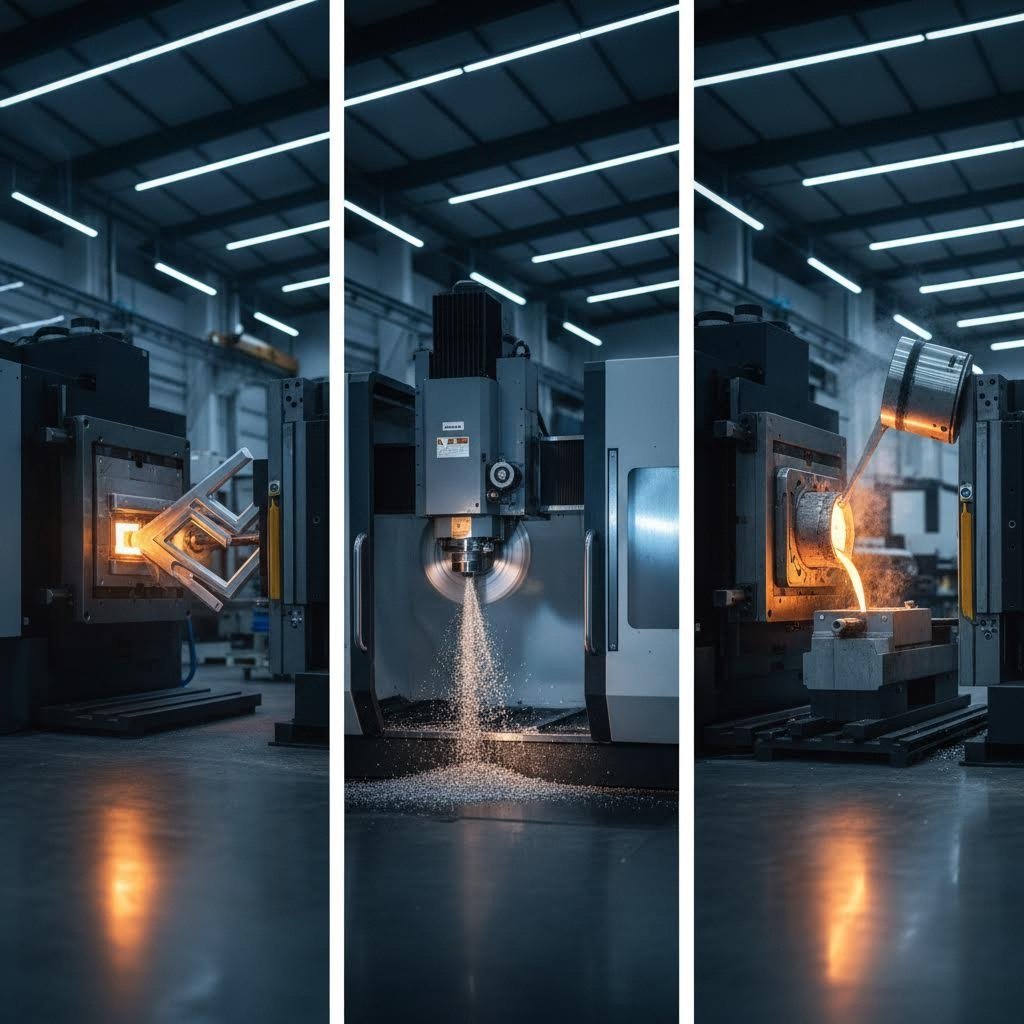
Now that you understand the full cost picture of custom extrusion aluminum, a critical question emerges: is custom extrusion actually the right manufacturing approach for your project? Many buyers assume it's their only option—or conversely, dismiss it as too expensive without comparing alternatives. The truth? Each manufacturing method occupies a distinct economic sweet spot, and choosing the wrong one can cost you thousands in avoidable expenses.
Here's what experienced procurement professionals know: the lowest quoted price for any single method rarely represents the best total value. Extruding aluminum makes financial sense in specific scenarios, but machining from billet, die casting, or even standard off-the-shelf profiles might better serve your needs depending on volume, complexity, and timeline requirements.
Custom aluminum extrusion delivers its strongest value proposition in a specific production window. According to American Douglas Metals, while casting tools can exceed $30,000, custom extrusion dies often cost under $1,000—sometimes as low as $300-$500 for simple profiles. This dramatic tooling cost difference shifts the break-even equation significantly in extrusion's favor for medium-volume production.
Think about the underlying economics. Custom extrusion involves a moderate upfront die investment that gets amortized across your production run. At low volumes (under 100 units), that tooling cost weighs heavily on per-unit pricing. But as quantities increase, the per-piece tooling contribution shrinks toward zero while your material and processing costs remain stable. This creates a compelling cost curve for runs between 500 and 50,000+ pieces.
The process also excels when your design features consistent cross-sections. Aluminum frame extrusions, structural channels, heat sinks, and trim profiles all represent ideal candidates because extrusion produces these shapes efficiently in continuous lengths. Complex internal voids, hollow chambers, and intricate geometries that would require extensive machining operations come essentially "free" through extrusion—the die creates them in a single pass.
Consider this real-world comparison: producing 1,000 feet of a custom hollow profile with internal chambers might cost $3,000-$5,000 via extrusion (including die). Machining the same geometry from solid billet? You're looking at $15,000-$25,000 in material and labor costs. The math becomes even more favorable on reorders when tooling is already paid.
To make informed decisions, you need clear visibility into how custom extrusion stacks up against alternatives across multiple dimensions. This comparison helps identify which method delivers optimal value for your specific requirements:
| Factor | Custom Extrusion | CNC Machining from Billet | Die Casting | Roll Forming |
|---|---|---|---|---|
| Tooling Cost | $300-$5,000 | None (fixtures only: $50-$500) | $15,000-$75,000+ | $5,000-$25,000 |
| Per-Unit Cost (100 pcs) | High (tooling dominates) | Moderate-High | Very High (tooling amortization) | High |
| Per-Unit Cost (1,000 pcs) | Low-Moderate | High | Moderate | Moderate |
| Per-Unit Cost (10,000+ pcs) | Low | Very High | Low | Low |
| Design Flexibility | High (complex cross-sections) | Very High (3D features) | High (3D shapes) | Limited (open profiles) |
| Lead Time (First Article) | 2-6 weeks | 1-3 weeks | 8-16 weeks | 4-10 weeks |
| Material Efficiency | 85-95% | 30-60% | 90-95% | 90-95% |
| Minimum Practical Order | 200-500 lbs | 1 piece | 1,000+ pieces | 2,000+ feet |
Notice how the economics shift dramatically based on volume. For prototyping or quantities under 50 units, CNC machining typically wins despite higher per-piece costs—you avoid tooling investment entirely. But as production scales, that equation reverses. According to industry analysis, raw material costs constitute approximately 90% of basic extrusion expenses at volume, meaning your per-unit costs approach pure material value as quantities increase.
Die casting becomes competitive for very high volumes (typically 5,000+ complex parts) where its substantial tooling investment amortizes across massive production runs. However, for extruded aluminum beams and linear profiles, extrusion almost always outperforms casting economically—the process simply isn't designed for long, uniform shapes.
Here's a budget reality many buyers overlook: sometimes the most cost-effective "custom" solution involves no custom manufacturing at all. Standard aluminum extrusion profiles—particularly modular T-slot systems like aluminum extrusion 1515 or 20 20 aluminum extrusion series—offer immediate availability with zero tooling investment.
As Modular1 explains, standard profiles provide immediate availability, proven performance, and straightforward budgeting. Mass production using standardized dies creates cost efficiencies that custom work simply cannot match for common applications.
Consider standard profiles when:
When evaluating whether custom extrusion aluminum represents the right choice, work through this assessment:
The break-even point varies by profile complexity, but a useful rule of thumb emerges from industry data: custom extrusion typically becomes more economical than machining alternatives at around 200-300 linear feet of profile or 300-500 individual pieces. Below these thresholds, carefully evaluate whether machining, standard profiles, or even a redesign around available shapes delivers better total value.
With manufacturing method selection clarified, another major decision awaits: should you source domestically or explore international suppliers? The answer involves trade-offs that extend far beyond simple per-unit pricing.
You've identified custom extrusion as the right manufacturing approach—now comes a decision that can make or break your project budget: where should you source? The choice between domestic and international suppliers involves trade-offs that extend far beyond the per-pound prices appearing on quotes. What looks like 20-30% savings from overseas manufacturing can evaporate—or even reverse—once you account for the full picture.
Here's what experienced buyers understand: sourcing custom aluminium extrusions isn't simply a price comparison exercise. According to Monarch Metal's 2025 sourcing analysis, the sourcing decision now hinges on lead time, compliance risk, quality control, and total landed cost—not just the line item on a quote sheet. With Build America, Buy America rules fully enforced, Section 232 tariffs reaching 50-100% on some imports, and UFLPA forced-labor scrutiny intensifying, the calculus has shifted dramatically.
When comparing american aluminum extrusion suppliers against international extrusions manufacturers, you're really evaluating two fundamentally different value propositions. Domestic suppliers typically deliver shorter cycles, clearer documentation, and stronger compliance alignment. Offshore partners offer volume capacity and lower base pricing—but with trade-offs that don't always appear in initial quotes.
Consider the scenarios where each option excels:
Domestic sourcing wins when your project demands:
International sourcing makes sense when:
For projects tied to public infrastructure, aerospace, or OEM assemblies requiring strict documentation, domestic sourcing isn't just faster—it's often the only compliant option. Companies like Canart Aluminum and Republic Extrusions exemplify the North American manufacturing base that serves these demanding applications.
The smartest sourcing teams now calculate total landed cost (TLC) instead of focusing on per-pound pricing. This formula captures what you'll actually pay:
TLC = Ex-works price + Freight + Duties + Tariffs + Compliance + Carrying Cost + Risk Buffer
Even small shifts in freight time or tariff rates can flip the economics. Consider this: an eight-week ocean cycle that forces you to carry two extra months of inventory at an 18% annual carrying cost can erase a 5-8% price advantage overnight. Add the constant threat of changing tariff amounts due at time of U.S. receipt, and that "cheap" overseas quote becomes considerably less attractive.
The following comparison illuminates the true trade-offs across key sourcing dimensions:
| Factor | Domestic Sourcing | International Sourcing |
|---|---|---|
| Unit Pricing | 10-30% higher base price | Lower ex-works pricing, especially at volume |
| Shipping Costs | $150-$1,200 ground freight | $800-$2,500+ per container plus drayage |
| Lead Times | 3-8 weeks; 2 weeks for reorders | 8-16 weeks including 32-52 day ocean transit |
| Minimum Orders | 500-2,000 lbs typical | Often 5,000+ lbs to justify shipping economics |
| Communication | Same time zone, direct contact | 12+ hour time differences, potential language barriers |
| Quality Consistency | Direct oversight, easier audits | Variable; requires robust QC protocols |
| IP Protection | Strong legal framework | Enforcement challenges in some jurisdictions |
| Tariff Exposure | None | 50-100% Section 232 tariffs on some aluminum |
| Compliance Documentation | Straightforward BABA certification | UFLPA traceability requirements; detention risk |
That lead time differential deserves emphasis. According to industry data, domestic extruders routinely turn around dies and production runs in three to eight weeks once billet is booked. Once dies are made and in use, repeat order lead times drop to as low as two weeks. By contrast, ocean freight from China to the U.S. West Coast averages about 32 days door-to-port—or 52 days to the East Coast—not counting customs clearance and final delivery.
That lag can make a decisive difference when managing product launches, PPAP cycles, or last-minute design changes. If agility matters to your operation, closer is almost always better.
Despite higher quoted prices, domestic sourcing frequently provides superior total value in these scenarios:
The quality dimension also warrants consideration. Most projects fall under ASTM B221, covering extruded bars, rods, profiles, and tubes. Domestic extruders tend to excel at tight design-for-manufacturing feedback loops, fine-tuning die design and hollow features in ways that can save downstream machining costs. Overseas suppliers can match performance on large, repeatable orders but typically lack the fast iteration pace that smaller U.S. runs can offer.
Many OEMs and fabricators now run a dual-source model that captures benefits from both approaches:
You can also cut the master die domestically (for IP protection) and send a licensed replica overseas once qualified. Pair that with two to four weeks of domestic safety stock, and you gain both cost control and supply chain resilience.
Regardless of sourcing location, supplier capability verification remains essential. Request certifications (ASTM B221, ISO documentation), review mechanical and chemistry test reports, and verify production capacity matches your volume requirements. For custom aluminium extrusions, ask for sample runs before committing to full production—this small investment prevents costly quality issues at scale.
With sourcing strategy clarified, the next step is optimizing your approach to squeeze maximum value from every dollar spent on custom extrusion projects.
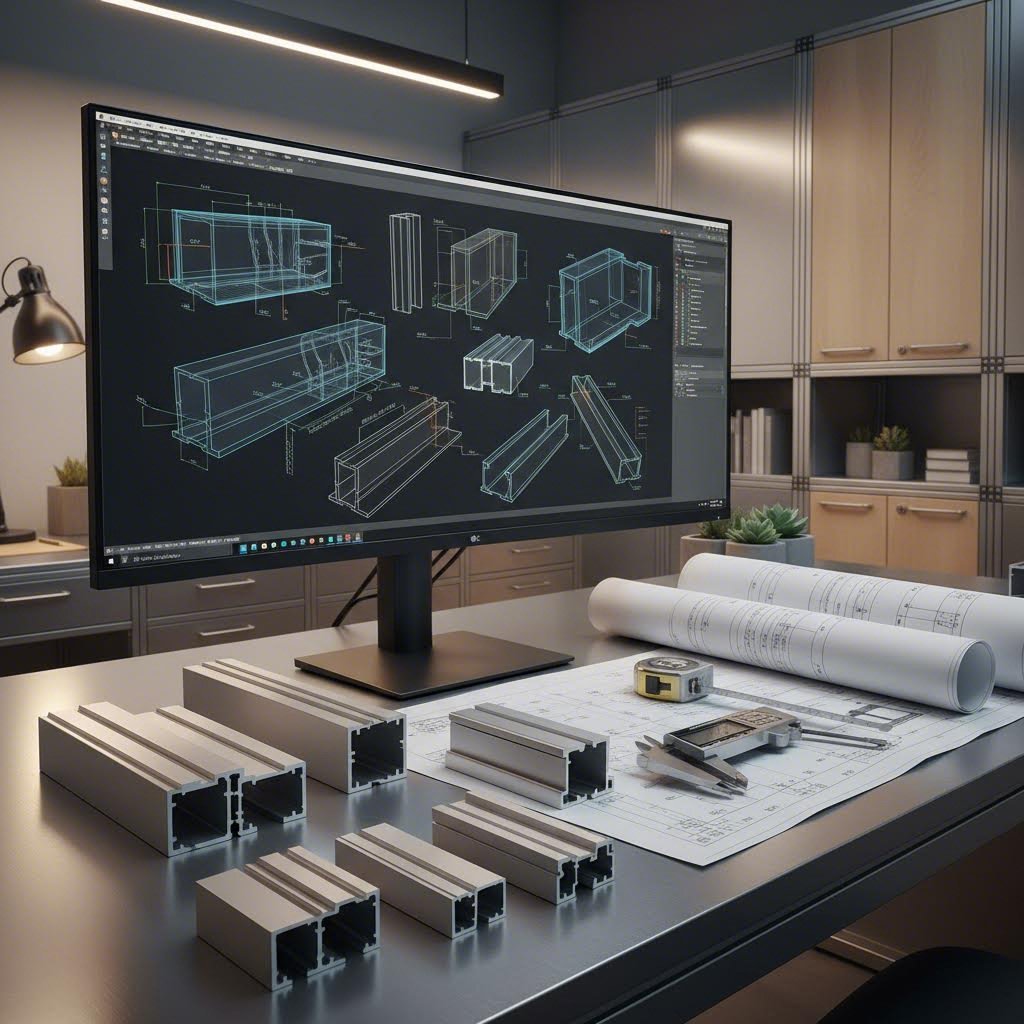
You've mapped the full cost landscape—now it's time to take control. Understanding where expenses originate is valuable, but the real budget wins come from strategic action at each project phase. The good news? Substantial savings opportunities exist whether you're designing your first custom aluminum profiles or optimizing ongoing production programs.
Here's what separates cost-conscious buyers from those who overpay: they intervene early, build supplier relationships strategically, and structure orders for maximum efficiency. According to American Douglas Metals, implementing these approaches can yield 10-30% savings compared to buyers who simply accept initial quotes. Let's break down the actionable strategies by project phase.
The biggest cost-saving opportunities exist before you ever request a quote. Once you've committed to a die design, you're locked into its associated manufacturing costs for the life of that tooling. Smart buyers invest time upfront to optimize their custom extruded aluminum profiles—eliminating unnecessary complexity that inflates both tooling and production expenses.
Consider this reality: raw material costs constitute approximately 90% of basic extrusion expenses at volume. Every gram of aluminum in your profile translates directly to ongoing cost. Shaving 10% from your cross-sectional area through thoughtful design reduces material consumption on every piece produced—forever.
Work through these design optimization strategies in sequence:
Here's where supplier collaboration becomes a cost lever. Engaging experienced manufacturers during the design phase—before tooling investment—can identify savings opportunities invisible to designers unfamiliar with extrusion constraints. As industry experts note, subtle differences in profile design often lead to substantial differences in cost. An expert extruder can suggest modifications that preserve function while dramatically improving manufacturability.
Imagine you're designing an aluminum extrusion desk frame requiring specific mounting features. Your initial concept might call for machined pockets and drilled holes as secondary operations. But a knowledgeable supplier could suggest integrating T-slots or snap-fit channels directly into the extrusion profile—features that cost nothing additional during extrusion but would require expensive CNC time if added afterward. Similarly, an aluminum extrusion for table saw fence might incorporate integral mounting provisions that eliminate assembly steps downstream.
Design optimization establishes your cost floor—ordering strategy determines whether you approach it or pay unnecessary premiums. The decisions you make about supplier selection, order timing, and volume planning directly impact your per-unit economics.
For ongoing production needs, blanket orders represent one of the most powerful cost-reduction tools available. According to Protospace Manufacturing, standard blanket orders—also known as JIT (Just in Time) production delivery—allow you to take advantage of lower per-unit pricing when you know you'll need multiple orders throughout a 12-month period.
Here's how the economics work: you commit to a total quantity over the contract period, securing volume pricing across all releases. The supplier maintains your die in ready condition and schedules production based on your release instructions. Quantities can range from as few as 5 pieces per release up to 100+ within each shipment.
The benefits compound beyond unit pricing:
For prototyping situations where design may evolve, consider a prototyping blanket order structure. You purchase your first article release at regular quantity-one pricing, then subsequent releases ship at volume-discounted rates if you proceed. This approach minimizes risk while preserving cost advantages once design stabilizes.
Effective negotiation with custom extrusion suppliers isn't about squeezing margins—it's about structuring agreements that benefit both parties. Suppliers who feel squeezed on pricing often recover margin through reduced service levels, slower response times, or deprioritized scheduling during busy periods.
Instead, focus on value creation:
As industry guidance suggests, if a customer's order falls under standard minimums, negotiate the terms so it's a win-win situation rather than walking away or forcing uneconomical pricing. Creative solutions—like combining with another customer's compatible order or adjusting timing—can serve everyone's interests.
The strategies outlined here work best when applied systematically across project phases. But implementing them effectively requires partnering with a supplier who has the capabilities, capacity, and collaborative mindset to deliver on efficiency opportunities. Your final consideration: selecting the manufacturing partner who transforms these strategies into realized savings.
You've navigated the complete cost landscape—from tooling investments and alloy selection to hidden fees and sourcing decisions. Now comes the decision that determines whether all that knowledge translates into actual savings: selecting a manufacturing partner capable of delivering value across every dimension we've explored.
Here's the uncomfortable truth many buyers learn too late: exceptional aluminum extrusion custom work requires more than competitive pricing. The supplier you choose either multiplies your cost-saving efforts or undermines them entirely. According to industry sourcing experts, choosing the right supplier affects your product design, manufacturing process, product quality, and cost—making this decision one of the most consequential in your entire project.
Before evaluating suppliers, consolidate everything you've learned into a comprehensive total cost of ownership (TCO) framework. This model captures the complete investment required from initial design through ongoing production—revealing the true economics that simple per-unit quotes obscure.
Your TCO calculation should encompass:
When you tally these components, the picture becomes clear: comparing suppliers based solely on quoted unit price ignores 30-50% of your actual investment. A supplier quoting $0.10 less per foot but charging $400 more for finishing and adding two weeks to your lead time might cost significantly more than the "expensive" alternative.
The lowest quoted price rarely represents the best total value. Suppliers who understand your complete requirements and offer integrated capabilities consistently deliver lower total costs than vendors competing solely on unit pricing.
This principle explains why sophisticated procurement teams evaluate suppliers holistically rather than chasing the cheapest line item. As sourcing specialists emphasize, consider the total cost of ownership, not just the unit cost—value is measured by how well the supplier helps you meet your project goals efficiently.
What capabilities distinguish suppliers who deliver genuine value from those who simply compete on price? Experienced buyers evaluate partners against specific criteria that predict successful, cost-effective collaboration.
Suppliers with diverse press capabilities offer significant advantages. A facility operating presses from 600T to 5500T can match your profile to the optimal equipment—avoiding the cost penalties that come from running small profiles on oversized presses or struggling to produce large aluminium extrusions on undersized equipment.
This flexibility matters because press size directly impacts economics. According to industry guidance, manufacturing capabilities and facilities determine whether a supplier can handle your project's complexity and volume. State-of-the-art equipment isn't just about capacity—it's about matching the right press to each job for optimal efficiency.
Ask potential suppliers about their press range and which equipment they'd use for your specific profile. Partners who can articulate why a particular press size suits your needs demonstrate the technical sophistication that translates into cost savings.
Every time your extrusions transfer between facilities, you incur costs: packaging, shipping, unpacking, quality inspection, and potential damage. Suppliers offering comprehensive in-house finishing—anodizing, powder coating, PVDF, and specialty treatments like micro-arc oxidation—eliminate these transfers while maintaining quality accountability.
As Paramount Extrusions notes, offering a single source for comprehensive finishing services delivers substantial customer value. This customer-centric approach reduces lead times, simplifies project management, and often costs less than coordinating between specialized vendors.
Evaluate whether your potential partner can handle your complete finishing requirements without outsourcing. The savings from integrated operations frequently offset any per-unit price differences compared to facilities that must send your profiles elsewhere for treatment.
Many aluminum extrusion custom projects require post-extrusion machining—drilling, tapping, milling, cutting to length, or complex feature creation. Suppliers with integrated CNC machining centers can perform these operations immediately after extrusion, while profiles are already fixtured and quality-verified.
According to supplier selection best practices, choosing a supplier who offers finishing and value-added services like CNC machining in-house can reduce costs and turnaround time compared to outsourcing these operations.
When evaluating machining capabilities, ask about:
The most valuable supplier relationships begin before you finalize your design. Partners who offer genuine technical collaboration during die development help you avoid costly mistakes—identifying design modifications that reduce tooling costs, improve extrudability, or eliminate unnecessary secondary operations.
As industry experts recommend, ask whether suppliers offer design-for-manufacturability support. Can they suggest changes that will lower costs while maintaining functionality? Early design input can lead to significant cost savings and improved manufacturability.
Quality suppliers invest in this collaboration because it benefits both parties: you get optimized profiles at lower cost, and they get production-ready designs that run efficiently on their equipment. This partnership approach distinguishes commodity vendors from strategic manufacturing partners.
To illustrate what comprehensive capability looks like in practice, consider what distinguishes full-service operations from limited-scope vendors. Shengxin Aluminium's deep processing services exemplify the integrated approach that delivers total cost advantages.
With 35 extrusion presses ranging from 600T to 5500T, they match profiles to optimal equipment rather than forcing one-size-fits-all production. Their integrated CNC machining centers handle precision cutting, drilling, and bending without requiring external coordination. Surface treatment options spanning anodizing, powder coating, PVDF, and micro-arc oxidation mean your profiles stay in one facility from die development through finished goods.
This end-to-end capability model—offering factory-direct pricing with technical support throughout the process—represents the supplier structure that consistently delivers lower total project costs compared to fragmented alternatives requiring coordination between multiple vendors.
Before selecting your manufacturing partner, work through these essential verification steps:
Some buyers have found success working with established names—organizations like ABC Aluminum Solutions or Altec Aluminum Technologies demonstrate the kind of track record worth investigating. However, capability matters more than brand recognition; a smaller supplier with the right equipment and collaborative approach may outperform industry giants for your specific requirements.
Your supplier decision extends beyond a single project. The relationship you establish influences costs on every future order. Remember that once your die is created, reorder economics improve dramatically—but only if you maintain a productive partnership with the die holder.
According to industry best practices, experienced suppliers have refined their techniques and can offer advice to optimize your designs—they're more likely to deliver consistent quality and meet your specific requirements over time.
The manufacturers who invest in understanding your applications, maintain your tooling properly, and proactively suggest improvements become genuine competitive advantages. Those relationships—not the lowest initial quote—deliver the best long-term value on your custom aluminum extrusion investment.
As you move forward with your project, carry this framework for evaluating total cost of ownership and supplier capabilities. The insights you've gained position you to ask better questions, compare quotes accurately, and select a manufacturing partner aligned with your true objectives. Whether you're developing your first custom profile or optimizing an established production program, informed decision-making transforms custom extrusion from a budget uncertainty into a strategic manufacturing advantage.
Custom aluminum extrusion costs vary significantly based on multiple factors. Die tooling typically ranges from $300-$5,000+ depending on profile complexity. Material costs run $3.20-$6.50 per kilogram based on alloy grade (6063, 6061, or 7075). Per-pound pricing for custom profiles generally falls between $5-$9 depending on design complexity, finishing requirements, and order volume. First orders carry higher per-unit costs due to tooling amortization, while reorders drop substantially since the die is already paid.
Raw aluminum costs fluctuate between $1,500-$3,500 per metric ton based on global commodity markets. However, finished extrusion pricing adds processing, tooling amortization, and finishing costs on top of raw material. Current extrusion costs typically range from $2.50-$3.80 per kilogram for standard work, with custom profiles commanding premiums based on complexity. Anodizing and powder coating add approximately $1,200-$1,400 per metric ton, while machining operations add $200-$300 per metric ton.
Aluminum extrusion die costs depend primarily on profile complexity. Simple solid dies cost $300-$800, while semi-hollow dies range from $800-$1,500. Standard hollow dies for tubes and channels typically cost $1,000-$3,000, and complex multi-cavity dies can exceed $5,000. Die ownership usually transfers to the buyer, creating significant cost advantages on reorders since tooling expense is eliminated. Dies typically last 10,000-50,000 kg of extrusion depending on profile type and alloy.
Custom extrusion becomes more economical than CNC machining at approximately 200-300 linear feet or 300-500 pieces. For smaller quantities, machining avoids tooling investment entirely. However, extrusion offers 85-95% material efficiency versus 30-60% for machining, and complex internal features come essentially free through extrusion. At 10,000+ pieces, extrusion costs approach raw material value while machining remains labor-intensive. The break-even depends on profile complexity—hollow chambers and intricate cross-sections favor extrusion economics.
Hidden costs can add 15-25% to project budgets. Watch for minimum order fees (15-30% surcharge for small quantities), setup charges ($200-$500 per run), rush fees (25-50% premium), and specialty packaging ($50-$200+). Freight costs vary dramatically—domestic ground runs $150-$1,200, while international sea freight costs $800-$2,500+ per container. Quality inspection, documentation, and current U.S. tariffs (50%+ on some imports) represent additional expenses often absent from initial quotes.



 خدمة الإنترنت
 0086 136 3563 2360
 sales@sxalu.com
 +86 136 3563 2360
 العربية
 English
 français
 Deutsch
 русский
 español
 português
 ไทย
ไทย Việt
Việt Українська