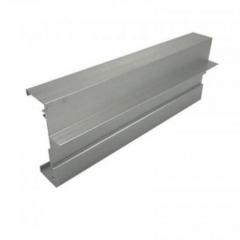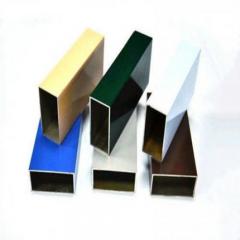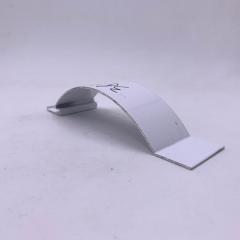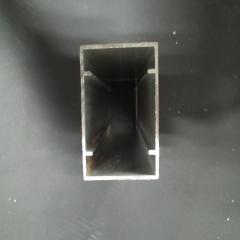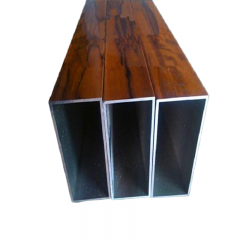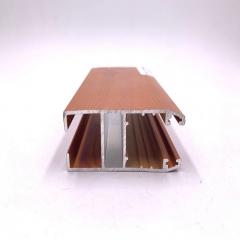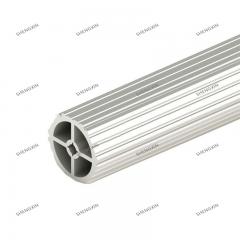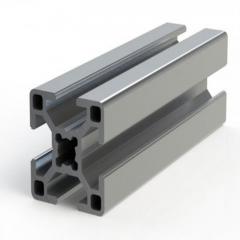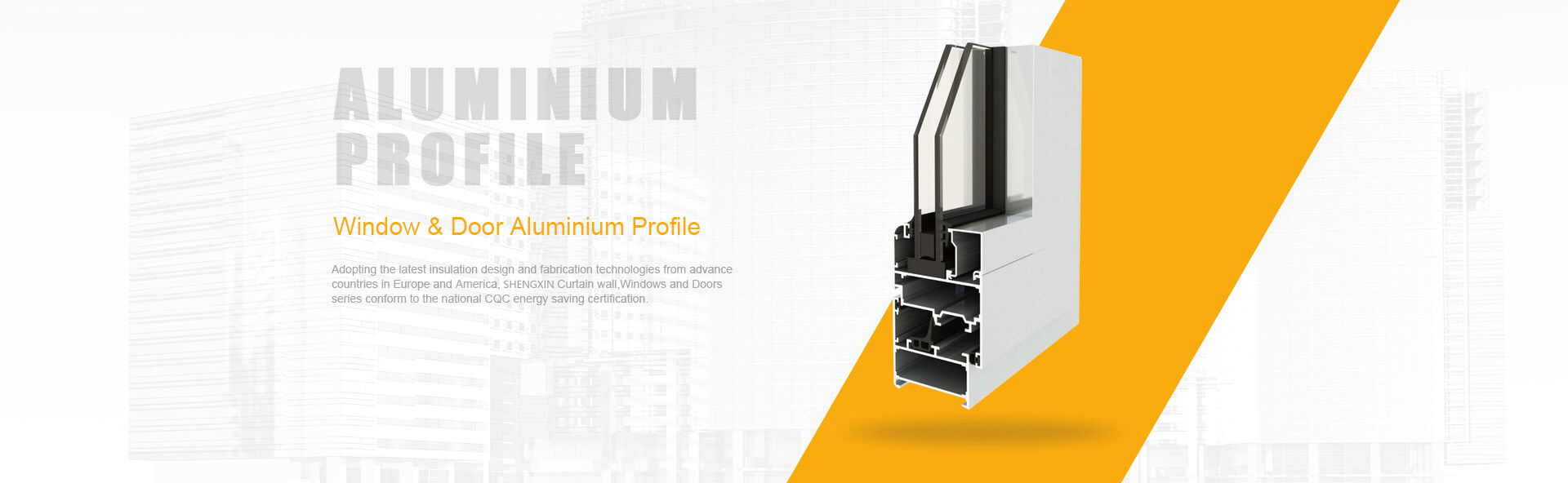
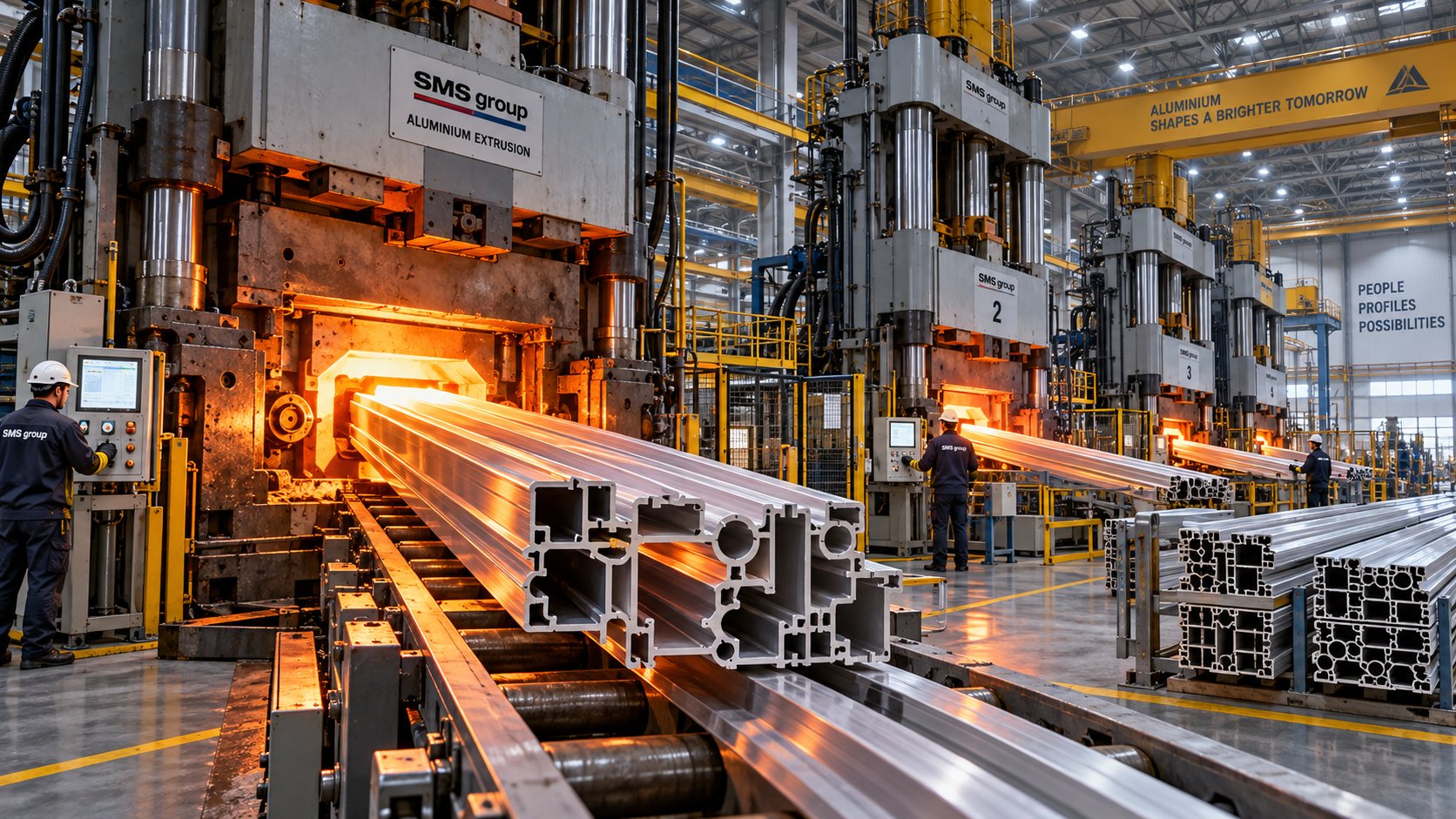
When you hear the term "aluminum extrusion," you might picture simple channels, angles, or basic tubing. But what happens when engineers need profiles with intricate hollow sections, razor-thin walls, or geometries that push the boundaries of manufacturing? That's where complexity enters the picture, and understanding this distinction becomes essential before selecting a capable manufacturer.
So, what is aluminum extrusion in its most advanced form? At its core, the aluminum extrusion process forces heated aluminum billets through a shaped die to create profiles with consistent cross-sections. Standard aluminum extrusion profiles include straightforward shapes like rectangular bars, simple tubes, or basic angles. Complex extrusions, however, demand significantly more engineering expertise and manufacturing precision.
What is an aluminum extrusion considered "complex"? The answer lies in the geometric and dimensional challenges that require specialized tooling, advanced process control, and exceptional quality management. When manufacturers aluminum extrude profiles with multiple internal cavities, asymmetrical designs, or extremely tight tolerances, they enter territory where few suppliers can consistently deliver.
The distinction between standard and complex aluminum extrusion profiles becomes clear when examining specific technical parameters. Standard profiles typically feature symmetrical designs, moderate wall thicknesses, and tolerances that fall within easily achievable ranges. Complex profiles, on the other hand, challenge these conventional boundaries.
Key distinguishing factors that define complex extruded aluminum profiles include:
What is extruded aluminum at the engineering edge? The threshold for complexity isn't arbitrary. It emerges from the interaction between profile geometry, alloy selection, and achievable tolerances. For instance, cross-sectional dimension tolerances for profiles with circumscribing circles under 10 inches differ substantially from those 10 inches and over, with space dimension tolerances becoming increasingly critical as distance from the base of legs increases.
Engineers and procurement professionals evaluating a complex aluminum extrusion manufacturer should recognize that shape, wall thickness, and alloy all influence achievable tolerances. As noted in European tolerance standards, profiles with complex designs that are difficult to manufacture may require special agreements between customer and supplier, as no general rules can cover every possible configuration.
This foundational understanding of complexity becomes your reference point when assessing whether a manufacturer possesses the capabilities your project demands. The sections ahead will explore exactly how leading manufacturers tackle these challenges through advanced die design, precision process control, and comprehensive quality systems.
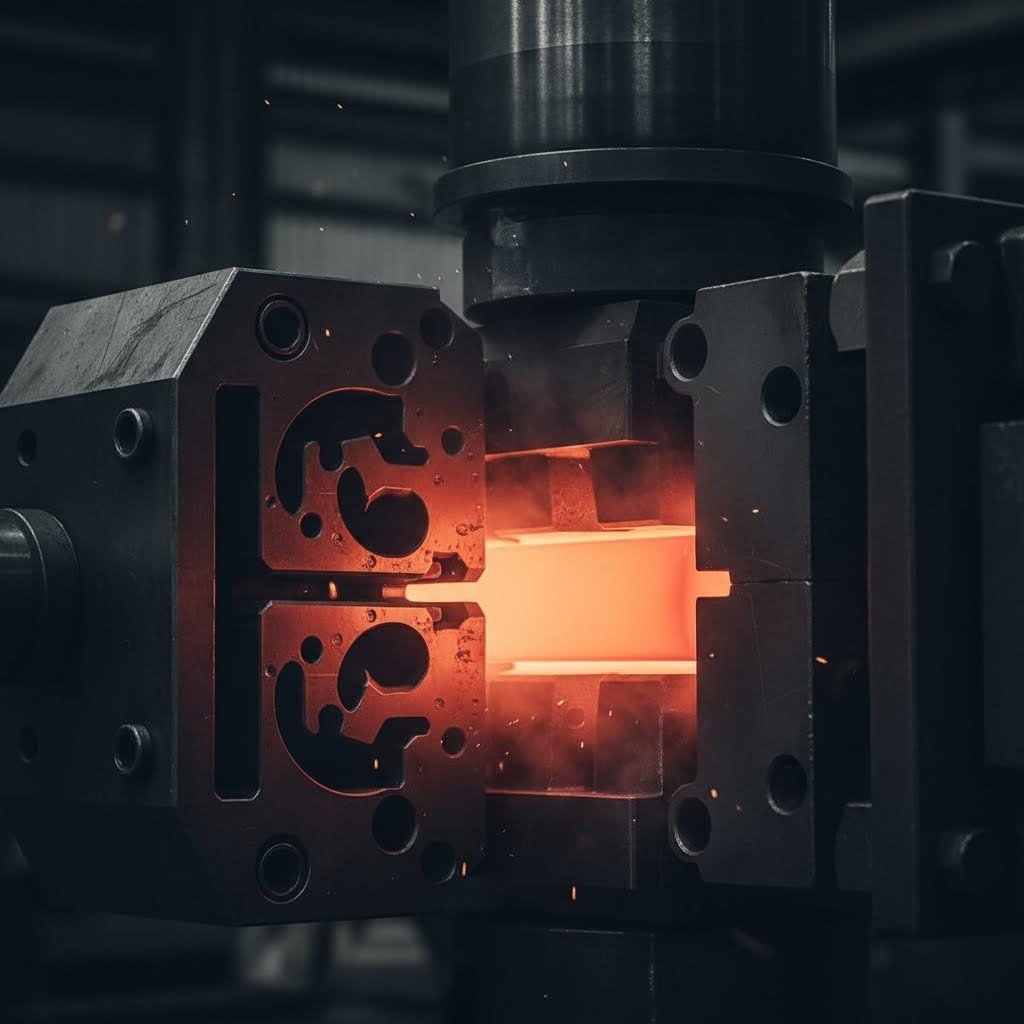
Ever wondered how are aluminum extrusions made when they feature intricate hollow sections or paper-thin walls? The answer lies in a carefully orchestrated manufacturing sequence where every variable—from die geometry to thermal control—must work in perfect harmony. Understanding this process helps engineers and procurement teams recognize what separates capable manufacturers from those who simply cannot deliver on complex specifications.
The aluminum extrusion die serves as the heart of the entire process. For standard profiles, die design is relatively straightforward. Complex profiles, however, demand an entirely different engineering approach. When you need to extrude aluminum through multi-void hollow sections, manufacturers must employ porthole dies with precisely calculated bridge configurations that allow metal to flow around mandrels and reweld seamlessly.
According to Shape Corporation's engineering specifications, their team leverages advanced CAE simulations and close collaboration with leading tool manufacturers to optimize every stage of the extrusion process. By simulating real-world performance, engineers can anticipate and mitigate challenges early, ensuring that every extrusion meets exacting standards. This results in precision tooling that accommodates tight tolerances and complex profiles.
For asymmetrical cross-sections, die designers must account for uneven metal flow rates across different profile sections. Without proper compensation, thicker sections cool at different rates than thin walls, creating dimensional distortion that renders parts unusable.
The aluminum extrusion machine you select directly impacts what complexity levels become achievable. Larger extrusion press capacities enable manufacturers to push aluminum through more demanding die geometries while maintaining consistent quality. Consider these real-world specifications from industry-leading operations:
| Press Capacity | Max Circle Size | Best Applications | Unit Pressure at Die Face |
|---|---|---|---|
| 4,000 Ton | 9.5" | Asymmetric cross-sections, quench-sensitive alloys | 94,629 lbs/in² |
| 5,500 Ton (12") | 14" | Complex multi-void hollows, quench-sensitive alloys | 91,235 lbs/in² |
| 5,500 Ton (14") | 13.5" | Large asymmetric sections, automotive applications | 67,787 lbs/in² |
The relationship between press tonnage and profile complexity isn't simply about force—it's about maintaining consistent pressure throughout the extrusion stroke while accommodating the resistance created by intricate die geometries. Higher-tonnage aluminium extrusion machine configurations provide the reserve capacity needed when pushing material through challenging profiles.
Temperature control represents perhaps the most critical variable in precision extrusion. According to technical research from MAT Aluminum, for 6063 alloy, when the general extrusion temperature exceeds 540°C, mechanical properties no longer increase, while temperatures below 480°C may result in unqualified tensile strength.
The thermal challenge intensifies with complex profiles. When the extruder starts, the enormous pushing force generates significant friction, converting to heat that can push temperatures beyond optimal ranges. For thin-wall sections, this thermal sensitivity becomes even more pronounced—excessive heat causes tearing, while insufficient temperature reduces extrusion speed and compromises surface quality.
Outlet temperatures must be carefully maintained between 550-575°C, with a minimum threshold of 500-530°C. Below this range, alloying elements like magnesium cannot properly dissolve, affecting final mechanical properties. Above it, you risk tearing and surface defects that complex profiles simply cannot tolerate.
The complete aluminum extrusion process follows a precise sequence from raw material to finished part:
The integration of CNC machining centers within the manufacturing workflow proves particularly valuable for complex profiles. As noted by leading manufacturers, complete fabrication and finishing services with total control of the entire development process ensure products achieve peak quality while eliminating subcontractor dependencies that add time and cost.
With the manufacturing fundamentals now clear, the next consideration becomes understanding what technical specifications and design parameters you can realistically achieve—and what trade-offs you'll need to navigate when specifying complex extrusions.
You've seen how complex profiles get manufactured—but what specifications can you actually achieve? This question sits at the heart of every engineering decision. Understanding the interplay between tolerances, material selection, and design principles helps you specify profiles that perform as intended without blowing budgets or timelines.
Tolerances define how closely your extruded aluminum profiles match their intended dimensions. For complex geometries, achieving tight tolerances becomes exponentially more challenging. According to ANSI H35.2-2024, the American National Standard for dimensional tolerances covers aluminum mill products extensively, providing the benchmark specifications that manufacturers reference.
What tolerance grades should you expect? The answer depends on your aluminum extrusion profile's complexity. Standard aluminum extrusion profiles typically fall within general commercial tolerances, while precision applications demand tighter specifications—sometimes half the standard allowance or less.
| Design Parameter | Standard Profiles | Complex Profiles | Complexity Indicator |
|---|---|---|---|
| Minimum Wall Thickness | 1.5mm - 3.0mm | 0.5mm - 1.0mm | High (requires precise thermal control) |
| Cross-Sectional Tolerance | ±0.3mm - ±0.5mm | ±0.1mm - ±0.2mm | High (demands specialized dies) |
| Straightness (per meter) | 0.5mm - 1.0mm | 0.2mm - 0.4mm | Moderate (stretching process critical) |
| Angular Tolerance | ±1.0° | ±0.5° | Moderate to High |
| Surface Flatness | 0.3mm per 25mm width | 0.15mm per 25mm width | High (cooling uniformity essential) |
Here's the reality: overly tight tolerances might sound like a quality advantage, but as Profile Precision Extrusions notes, they could lead to higher costs and longer production times. Engineers should specify tolerances that match functional requirements rather than defaulting to the tightest possible values. When reviewing extruded aluminum sizes and aluminum extrusion sizes for your project, focus on what your application truly needs.
Your aluminum shapes perform only as well as the alloy you select. Different alloys offer distinct advantages in strength, corrosion resistance, machinability, and finishing characteristics. The choice directly impacts both extrudability and final properties.
Consider these common alloy applications:
The trade-off is straightforward: higher-strength alloys resist metal flow during extrusion, limiting achievable complexity. A profile easily produced in 6063 might require significant redesign—or become impossible—in 7075. When specifying standard aluminum extrusion profiles for demanding environments, balance your strength requirements against manufacturing feasibility.
Even the best alloy selection and tolerance specifications cannot overcome fundamental design flaws. Engineers who understand manufacturability principles create profiles that perform better and cost less to produce.
Start with wall thickness consistency. Large variations cause cooling inconsistencies, lead to warping, and increase costs. As a practical guideline, keep walls as uniform as possible and avoid sharp transitions. When thickness must vary, design smooth transitions to maintain material flow during extrusion.
Consider these cost-saving design strategies:
The engineering trade-offs become clear: every complexity increase impacts cost, lead time, and achievable tolerances. A profile with three internal voids, thin walls, and asymmetrical geometry will cost substantially more than a simplified alternative—and may require specialized manufacturers capable of handling such demands.
Prototyping offers validation before committing to full production. Working with your extrusion partner during design development speeds this process and ensures the final specification is production-ready. The surface treatments you'll apply to these profiles introduce their own considerations, particularly for complex geometries where achieving uniform finishes presents unique challenges.
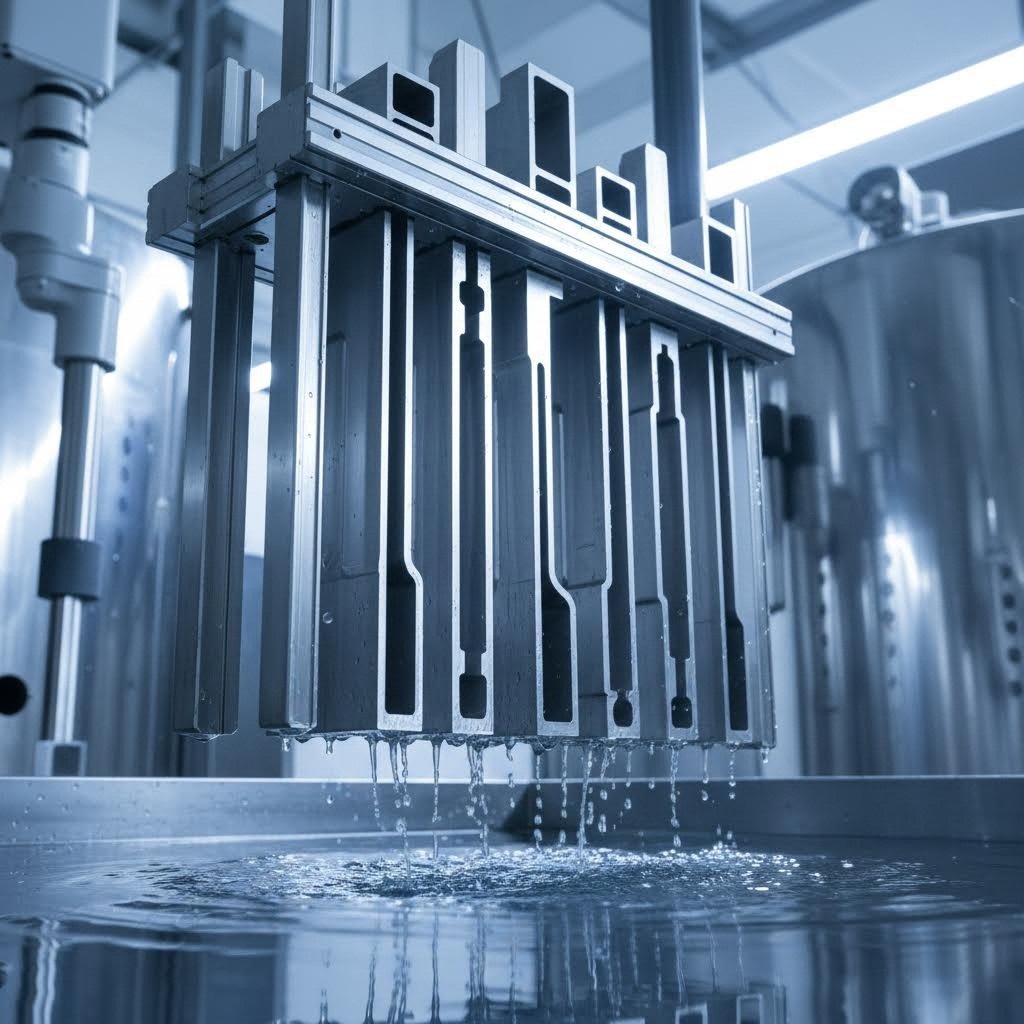
Imagine spending weeks perfecting a multi-cavity aluminium extruded profile with tight tolerances—only to discover that achieving a uniform finish across its intricate geometry proves nearly impossible. Surface treatments transform raw extrusions into finished products, but complex shapes introduce challenges that standard profiles never encounter. Understanding these finishing realities helps you specify treatments that enhance both appearance and performance.
Anodizing creates a durable, corrosion-resistant aluminum oxide layer through an electrochemical process where the profile is submerged in an electrolyte solution while electric current passes through it. For simple shapes, this works beautifully. Complex geometries? That's where things get interesting.
The challenge lies in current distribution. According to aluminum anodizing specialists, the anodic film forms integral to the metal itself rather than as a coating applied on top—meaning every surface must receive consistent electrical contact. Deep recesses, internal cavities, and sharp corners create areas where current density drops, resulting in thinner oxide layers and inconsistent coloring.
Manufacturers overcome these challenges through several approaches:
Color consistency presents particular difficulties for custom aluminum extrusions with varying wall thicknesses. Thicker sections absorb dye differently than thin walls, potentially creating visible color variations. Experienced anodizers account for this by adjusting dye concentrations and immersion times based on profile geometry.
Powder coating applies electrostatically charged particles that cure under heat to form a durable finish. Sounds straightforward—until you encounter multi-void hollow sections where electrostatic shielding prevents powder from reaching interior surfaces.
The physics work against you. As powder coating technical research explains, spray penetration on cavities and voids becomes insufficient when powder supply speed is too fast (creating rebound), incorrect nozzle types produce electrostatic shielding, or profile grounding is poor. The solution involves adjusting static voltage moderately, optimizing powder supply pressure for appropriate feeding speed, selecting proper nozzles, and sometimes filling powder manually with spray guns.
Uneven coating thickness—another common issue with aluminium extrusion profiles—stems from multiple factors: non-uniform spraying speed, excessive powder delivery, incorrect spray gun distance, chain speed coordination problems, and profile designs that create inherent electrostatic shielding. Each variable requires careful calibration based on your specific profile geometry.
For aluminum extrusion trim and decorative applications, achieving consistent film thickness across complex shapes requires:
When standard anodizing or powder coating cannot meet performance requirements, advanced treatments offer solutions for demanding applications. Your aluminum extrusion shapes may require specialized finishes based on environmental exposure, aesthetic requirements, or industry standards.
Available surface treatment options include:
Architectural applications like window frames and curtain walls demand specific finish standards. According to Hydro Aluminium's surface quality specifications, the surface quality of an extruded aluminium profile depends on die condition, profile design, production conditions, and alloy choice. Different surface classes satisfy standard requirements for various product groups—always consult with manufacturers about which class suits your application.
Finish selection impacts more than aesthetics. Durability requirements vary dramatically between indoor decorative applications and marine or industrial environments. The anodic film, while dramatically enhancing corrosion resistance, is not invulnerable to strong acids, alkalis, or extreme temperatures. Your maintenance requirements, cleaning agents, and specific application environment should all inform treatment selection.
With surface treatment capabilities now clear, the next step involves understanding which industries actually require these complex profiles—and what specific performance characteristics they demand from their extrusion partners.
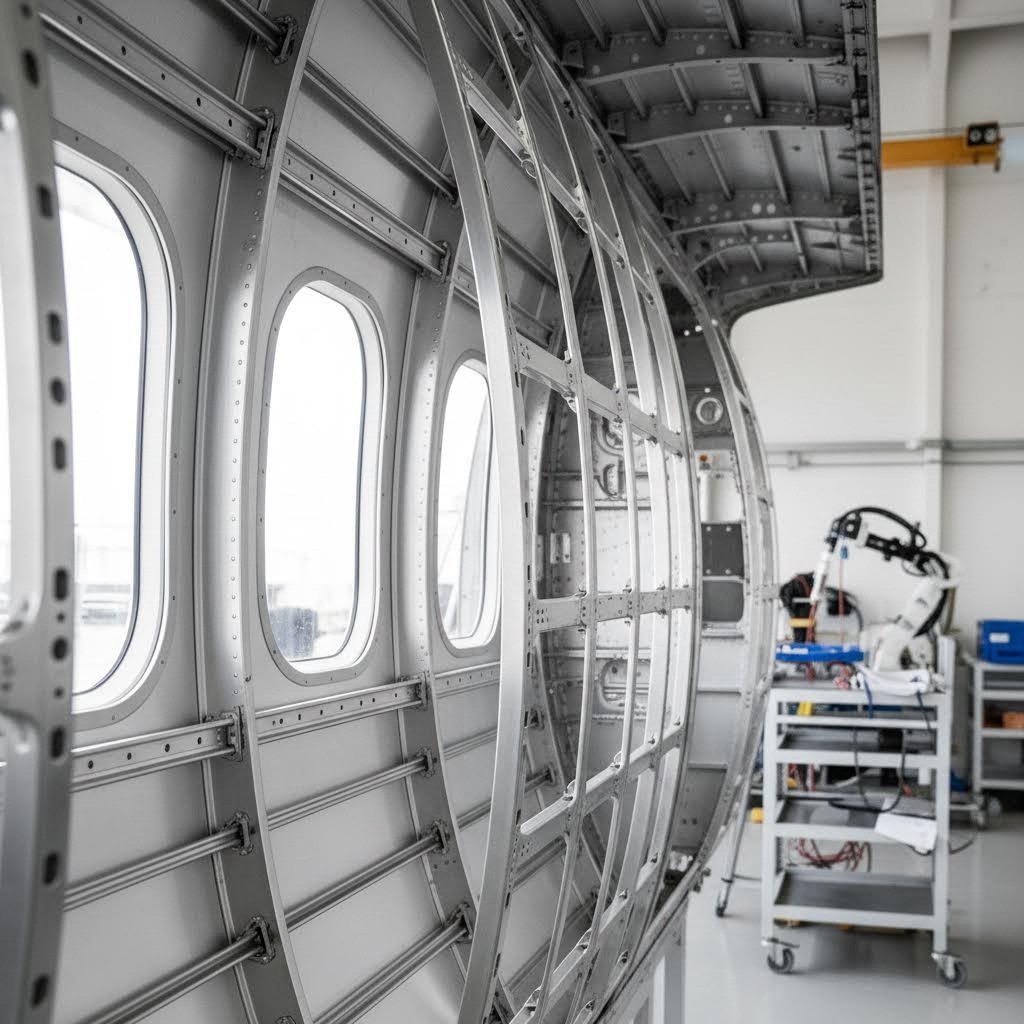
Which industries actually need those multi-void hollow sections and paper-thin walls we've been discussing? The answer spans from aircraft flying at 35,000 feet to the window frames in your office building. Each sector demands complexity for different reasons—and understanding these requirements helps you identify manufacturers with genuine expertise in your specific application.
When failure isn't an option, aerospace and defense applications push aluminum extrusions to their absolute limits. According to aerospace manufacturing specialists, aluminum extrusions are trusted in aviation because they combine light weight, strength, corrosion resistance, and design flexibility in a cost-effective form.
What makes aerospace requirements uniquely demanding? Aircraft components face extreme conditions: weight limits measured in grams, strength requirements that cannot compromise, and safety regulations with zero tolerance for error. The extruded aluminum shapes used in these applications often feature:
Certification requirements add another complexity layer. Aerospace aluminum extrusions must meet AS9100 quality management standards, AMS material specifications, and pass rigorous testing for strength, traceability, and consistency. Manufacturers must control every stage—melting, extrusion, heat treatment, inspection—while maintaining detailed records. Without complete documentation including mill certificates, chemical analysis, and mechanical test results, parts simply cannot be used in certified aircraft.
Vibration and fatigue resistance matter enormously. Airplanes vibrate constantly from engines, wind, and pressure shifts. According to industry research, well-designed extruded aluminum components using proper alloys like 6061-T6 or 7075-T6 can pass cyclic fatigue testing that simulates years of flight. If the profile geometry is optimized, extrusions actually outperform many welded assemblies in vibrating environments.
Walk into any modern commercial building and you're surrounded by complex aluminum extrusions—though you might not recognize them. Window frames, curtain wall systems, sunrooms, and decorative elements all rely on sophisticated extrusion shapes that balance structural performance with aesthetic requirements.
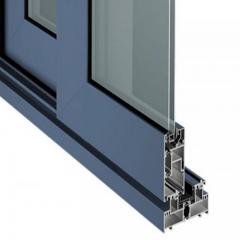
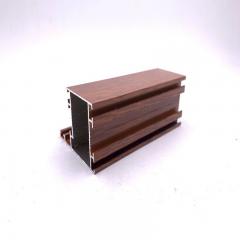
Architectural applications demand complexity for different reasons than aerospace. According to aluminum profile classification research, architectural aluminum profiles prioritize light weight, corrosion resistance, and various surface treatments including spraying, electrophoresis, and wood grain transfer. Typical applications include broken-bridge aluminum window frames, sliding door tracks, unit-type curtain wall systems, and decorative lines.
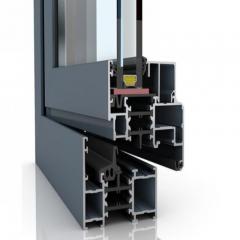
Thermal break profiles represent a particularly complex architectural application. These aluminum extruded shapes incorporate polyamide strips within hollow sections to prevent thermal conductivity—essential for energy-efficient buildings. The multi-cavity geometry must accommodate precise insertion of insulating materials while maintaining structural integrity under wind loads and thermal expansion cycles.
Surface finish requirements intensify complexity demands. Unlike industrial applications where function trumps form, architectural extrusion shapes must deliver consistent appearance across large facade areas. This means tighter tolerances on visible surfaces, careful alloy selection for optimal anodizing response, and die designs that minimize surface defects.
From conveyor systems to robotic arm tracks, industrial applications consume vast quantities of complex metal extrusion profiles. According to industry analysis, industrial aluminum profiles emphasize high strength, modular design, and easy processing, with common alloys being 6063-T5 and 6061-T6.
Industrial complexity requirements vary dramatically by application:
Heat dissipation profiles deserve special mention. According to technical specifications, these custom aluminum products require high thermal conductivity using high-purity aluminum alloys like 1070 or 1050. Applications include CPU heat sinks, LED lamp heat dissipation fins, and power equipment cooling channels—all featuring complex fin geometries that maximize surface area within compact envelopes.
How do requirements stack up across sectors? This comparison helps procurement professionals quickly identify which aluminum extrusion companies possess relevant expertise:
| Industry Sector | Typical Complexity Requirements | Tolerance Needs | Common Profile Types |
|---|---|---|---|
| Aerospace & Defense | Multi-void hollows, thin walls (0.5-1.0mm), hidden reinforcements | ±0.1mm or tighter, AS9100 certified | Fuselage frames, wing spars, structural brackets |
| Architectural | Thermal break cavities, decorative surfaces, weather sealing channels | ±0.2-0.3mm, surface finish critical | Window frames, curtain walls, door systems |
| Industrial Automation | Integrated T-slots, modular connection points, high straightness | ±0.2mm, dimensional consistency across runs | Conveyor frames, equipment enclosures, linear guides |
| Heat Management | High-density fin arrays, optimized surface area, thermal conductivity | ±0.15mm, fin spacing critical | Heat sinks, cooling channels, LED housings |
| Transportation | Lightweight optimization, crash performance, integration features | ±0.15-0.2mm, weldability important | Body structures, battery trays, rail car components |
| Medical Equipment | Precision fits, cleanability, non-reactive surfaces | ±0.1mm, surface contamination control | CT scanner brackets, operating table rails, equipment frames |
Notice the pattern? Every industry values different aspects of complexity. Aerospace prioritizes strength-to-weight ratio and certification traceability. Architecture emphasizes aesthetics and thermal performance. Industrial applications focus on modularity and dimensional consistency. Medical equipment demands precision and cleanliness.
This diversity explains why selecting the right complex aluminum extrusion manufacturer matters so much. A supplier excelling in architectural profiles may lack the certifications or testing capabilities aerospace demands. Conversely, an aerospace-focused manufacturer might not offer the decorative finishing options architectural projects require.
Understanding your industry's specific complexity requirements—and verifying that potential suppliers have proven experience in that sector—becomes the foundation for successful partnerships. The next consideration involves how manufacturers actually verify that their complex profiles meet these demanding specifications through quality control and certification standards.
How do you know a complex aluminum extrusion actually meets specifications? In aerospace, a dimensional variance of 0.005 inches can determine whether a part fits perfectly or gets scrapped. In medical equipment, surface contamination could compromise patient safety. The answer lies in rigorous quality control systems that verify every critical dimension, tolerance, and material property—from billet selection to final inspection.
Quality control for precision extrusions isn't a final checkpoint—it's woven into every manufacturing stage. According to Profile Precision Extrusions, quality starts well before extrusion with careful selection of raw materials and carries through extrusion, artificial aging, and every subsequent process to ensure each part meets the customer's specifications.
What does comprehensive quality assurance actually look like? Consider these critical control points:
For custom extrusions with demanding specifications, this systematic approach ensures consistency across production runs. When you're producing unique extrusions for aerospace or medical applications, every piece must match the first—and the last—with no variation outside acceptable limits.
Complex profiles present measurement challenges that simple shapes never encounter. How do you verify internal cavity dimensions? What about thin-wall sections prone to deflection during measurement? Capable extrusion manufacturing operations employ multiple inspection technologies to address these challenges.
Dimensional inspection combines traditional and advanced methods. As noted in industry quality standards, manufacturers rely on tried-and-true inspection techniques using tools like calipers and micrometers, while also utilizing high-precision equipment like optical measurement machines and coordinate measuring machines (CMMs). These instruments verify extrusion tolerances against customer drawings, ensuring each profile meets strict dimensional and mechanical criteria.
Beyond dimensional verification, mechanical testing validates material performance:
According to aerospace tolerance standards, statistical process control helps identify trends before they become problems. Tracking key dimensions over time shows whether the process is drifting, and control charts make it easy to see when dimensions approach tolerance limits—giving manufacturers time to adjust before producing nonconforming parts.
Certifications separate capable manufacturers from those merely claiming capability. For standard aluminum extrusions, basic quality systems may suffice. Complex profiles destined for regulated industries demand more rigorous credentials.
The gold standard for aerospace and defense applications is AS9100D certification. According to Minalex's certification documentation, this globally recognized standard signifies a proactive approach to identifying defects and minimizing risks. AS9100D builds upon ISO 9001 requirements while adding aerospace-specific controls for product safety, counterfeit part prevention, and supply chain management.
Key quality indicators buyers should verify when evaluating manufacturers:
Documentation requirements extend beyond certifications. First article inspection reports must include dimensional measurements, material certifications, and mechanical property test results—becoming part of the permanent record for each part number. This traceability proves essential when components enter service in critical applications.
The importance of end-to-end technical support cannot be overstated. Manufacturers offering comprehensive services—from die development through mass production—maintain quality control across every process step. This integrated approach eliminates handoff points where quality issues typically emerge, ensuring your complex profiles arrive meeting specifications without costly iterations or delays.
With quality standards now clear, the next step involves translating these requirements into practical manufacturer evaluation criteria—asking the right questions and verifying the capabilities that matter most for your specific project.
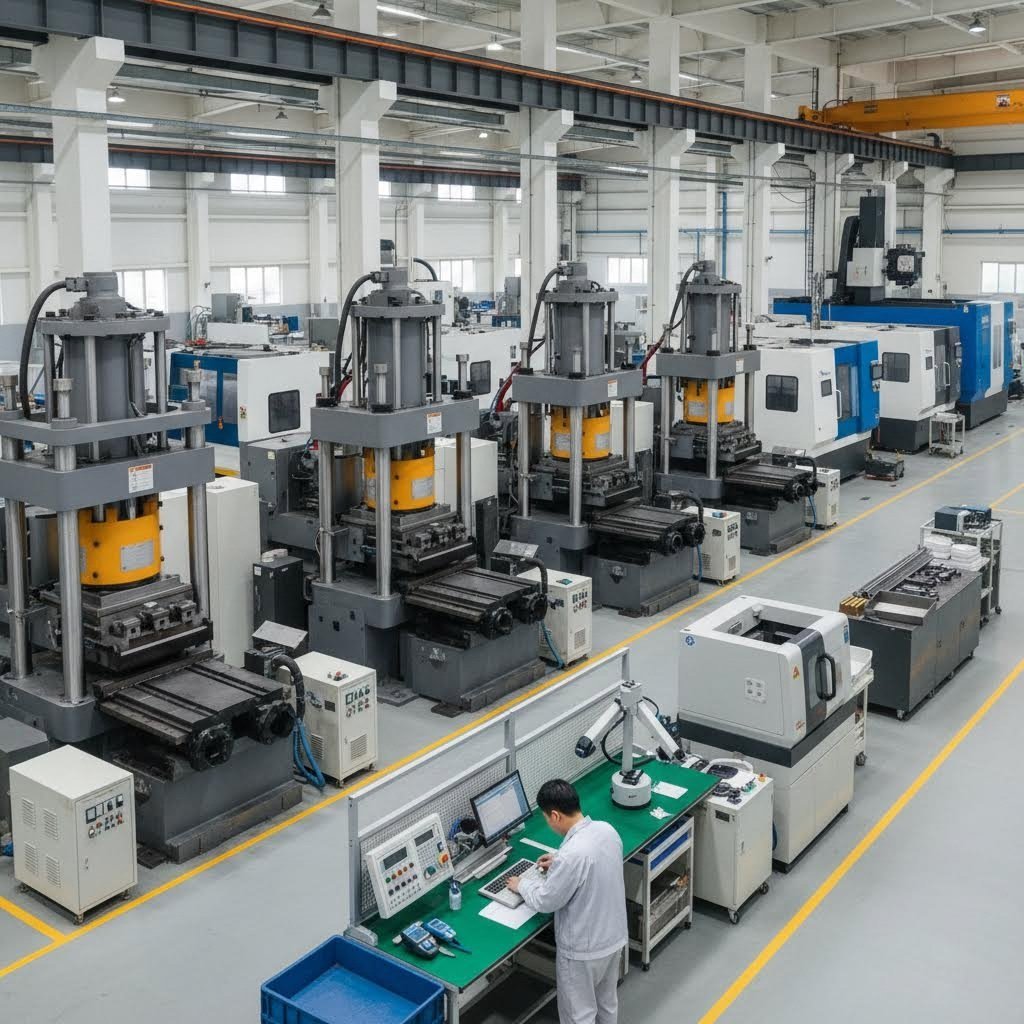
You've defined your complexity requirements, understood the manufacturing process, and identified the quality standards your project demands. Now comes the critical decision: which manufacturer actually possesses the capabilities to deliver? Choosing custom aluminum extrusion suppliers isn't simply about comparing quotes—it's about verifying that technical claims translate into real-world production capability.
When assessing potential aluminum extrusion suppliers, start with the fundamentals. Does the manufacturer have the equipment range to handle your specific profile complexity? A single press operation may struggle with projects requiring diverse tonnage levels or quick changeovers between different profile sizes.
Consider what comprehensive manufacturing capacity actually looks like. For example, Shengxin Aluminium's processing facilities feature 35 extrusion presses ranging from 600T to 5500T—enabling everything from delicate thin-wall sections on smaller presses to large-format multi-void profiles requiring maximum tonnage. This breadth means a single partner can handle diverse project requirements without outsourcing.
Use this capability checklist when evaluating potential manufacturers:
Die development expertise deserves special attention. According to industry manufacturing experts, experienced engineers and skilled operators understand the intricacies of die design, material flow, and troubleshooting potential issues before they impact production. This experience translates into better solutions and reliable outcomes for clients working with complex geometries.
Sounds complex? It doesn't have to be. Focus your evaluation conversations on specific, verifiable capabilities rather than general claims. Here are the essential questions that separate top aluminum suppliers for custom products from those who simply cannot deliver:
Technical capability questions:
Quality and process questions:
Partnership and support questions:
As noted by custom aluminum extrusions suppliers, engaging with manufacturers who outsource key processes can result in varying quality levels and additional costs. When challenges arise, having multiple intermediaries makes troubleshooting a cumbersome affair. Prioritize manufacturers with integrated capabilities.
Beyond equipment lists and certifications, successful complex extrusion projects depend on partnership quality. You need a manufacturer who functions as an extension of your engineering team—not just an order fulfillment operation.
Factory-direct pricing advantages become significant for complex profiles. When you work directly with the manufacturer rather than through intermediaries, you eliminate markup layers and gain direct access to technical expertise. This matters enormously when specifications need adjustment or questions arise during production.
End-to-end support creates tangible value. According to manufacturing partnership research, leading manufacturers don't just extrude metal—they provide support from initial design consultation and optimization, through extrusion, to secondary operations like precision cutting, CNC machining, surface finishing, and even assembly. This integrated approach simplifies the supply chain, ensuring quality control throughout the entire process.
Consider these partnership factors when making your final selection:
Experience matters profoundly for complex projects. Manufacturers with decades of industry experience have encountered—and solved—the challenges your project may present. They've refined their processes, invested in equipment upgrades, and developed the institutional knowledge that prevents costly mistakes.
For instance, operations like Shengxin Aluminium's deep processing services demonstrate what comprehensive capability looks like: 30+ years of experience, extensive press capacity, advanced CNC machining, and complete surface treatment options all under one roof. This integration eliminates the coordination headaches and quality risks that emerge when multiple vendors handle different production stages.
The bottom line? Evaluate manufacturers holistically. Technical capability matters, but so does communication quality, support availability, and genuine partnership orientation. The manufacturer who invests time understanding your application requirements—and proactively suggests improvements—will deliver better results than one who simply processes orders.
With your evaluation framework now complete, the final step involves translating these insights into action and advancing your complex extrusion project from concept toward production reality.
You've navigated the technical landscape of complex aluminum profile extrusion—from understanding what makes profiles truly complex to evaluating manufacturing capabilities, quality systems, and partnership potential. Now it's time to transform that knowledge into action. The manufacturers you select will ultimately determine whether your project succeeds or struggles through costly iterations and delays.
The extrusion of aluminium for complex applications demands more than standard manufacturing approaches. Throughout this guide, you've discovered that success hinges on several interconnected factors: die design expertise that accounts for multi-void geometries, press capacity matching your profile requirements, thermal management precision for tight-tolerance sections, and quality systems capable of verifying every critical dimension.
What separates successful projects from problematic ones? The answer consistently points to manufacturer selection. According to industry partnership research, experienced suppliers have full knowledge of the aluminium extrusion process and have refined their techniques to offer advice that optimizes your designs. They are more likely to deliver consistent quality and meet your specific requirements.
The relationship between manufacturer capabilities and project success is direct and measurable—manufacturers with comprehensive facilities, proven die development expertise, and end-to-end technical support consistently deliver complex profiles that meet specifications on the first production run.
Ready to move from research to results? Here's your roadmap for advancing complex extrusion projects:
The value of working with experienced partners cannot be overstated. When you choose manufacturers offering complete aluminum extrusion and deep processing services, you gain access to integrated capabilities that eliminate handoff risks. For readers ready to explore their options, Shengxin Aluminium's processing services—backed by 30+ years of industry experience and comprehensive facilities including 35 extrusion presses and advanced CNC machining centers—demonstrate what end-to-end support looks like in practice.
Your complex aluminum extrusion project deserves a manufacturing partner who understands the nuances of advanced extrusion, invests in verifying quality at every stage, and commits to your success as genuinely as you do. Start those conversations today—the right partner transforms challenging specifications into production reality.
Complex aluminum extrusions are defined by technical parameters that push manufacturing boundaries. Key characteristics include wall thickness below 1mm, multi-cavity hollow sections requiring porthole dies, asymmetrical shapes causing uneven metal flow, and precision tolerances often half or less of standard allowances. Additional complexity factors include large circumscribing circle diameters exceeding 10 inches and extreme aspect ratios with very wide thin sections or deep narrow channels. These features demand specialized die design, advanced thermal management, and higher press tonnages that standard extrusion operations cannot accommodate.
Complex extrusion manufacturing requires specialized processes at every stage. Die design for multi-void hollow sections employs porthole dies with precisely calculated bridge configurations for seamless metal rewelding. Higher-tonnage presses (ranging from 600T to 5500T) provide the consistent pressure needed for intricate die geometries. Thermal management becomes critical, with optimal temperatures between 470-540°C for 6063 alloy and exit temperatures maintained at 550-575°C. The sequential process includes billet homogenization, preheating, die preheating to 426°C, extrusion, quenching, stretching, precision cutting, aging, and CNC machining for final dimensional accuracy.
Tolerance capabilities vary significantly between standard and complex profiles. Complex extrusions can achieve minimum wall thickness of 0.5-1.0mm, cross-sectional tolerances of ±0.1-0.2mm, and straightness of 0.2-0.4mm per meter. Angular tolerances reach ±0.5° and surface flatness can be held to 0.15mm per 25mm width. However, specifying unnecessarily tight tolerances increases costs and production times. Engineers should specify tolerances matching functional requirements rather than defaulting to the tightest possible values. Alloy selection also impacts achievable tolerances, with higher-strength alloys like 7075 reducing extrudability compared to 6063.
Essential certifications depend on your application requirements. ISO 9001 provides foundational quality management applicable across industries. For aerospace and defense applications, AS9100D certification is critical, demonstrating comprehensive quality management with aerospace-specific controls for product safety and counterfeit part prevention. ITAR registration is required for defense-related articles. AMS and MIL-SPEC compliance governs material properties and processing requirements for specialized applications. Additional quality indicators include first article inspection capabilities, process capability studies showing Cpk values of 1.33 or higher, and complete documentation with material traceability from billet to finished product.
Effective supplier evaluation examines equipment range, expertise, and partnership quality. Verify press tonnage capabilities (ideally 600T-5500T range) matching your profile complexity needs. Confirm in-house die development rather than outsourced die production. Assess CNC machining capabilities for precision cutting, drilling, and bending. Review surface treatment options including anodizing, powder coating, and PVDF. Check certifications relevant to your industry and request examples of similar complexity profiles successfully produced. Beyond technical capabilities, evaluate communication responsiveness, design collaboration willingness, and end-to-end support from die development through mass production to ensure a true manufacturing partnership.



 خدمة الإنترنت
 0086 136 3563 2360
 sales@sxalu.com
 +86 136 3563 2360
 العربية
 English
 français
 Deutsch
 русский
 español
 português
 ไทย
 Việt
 Українська