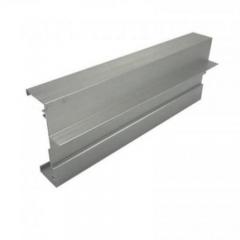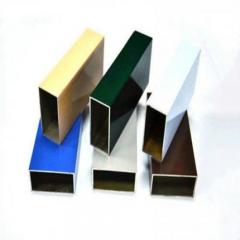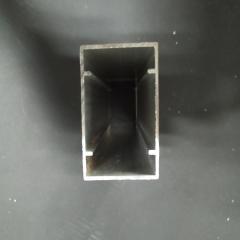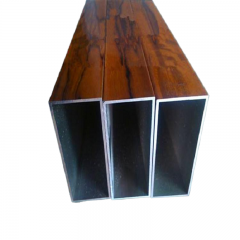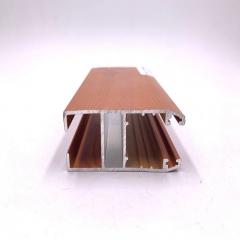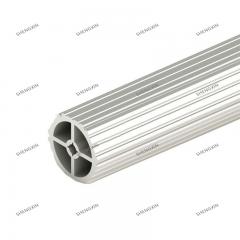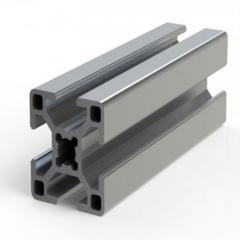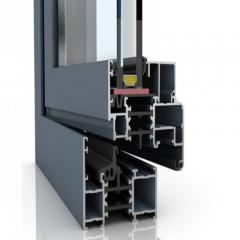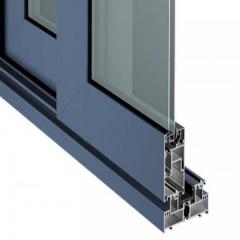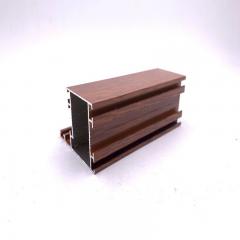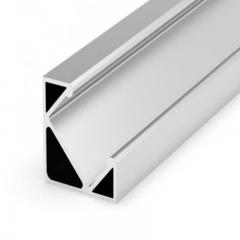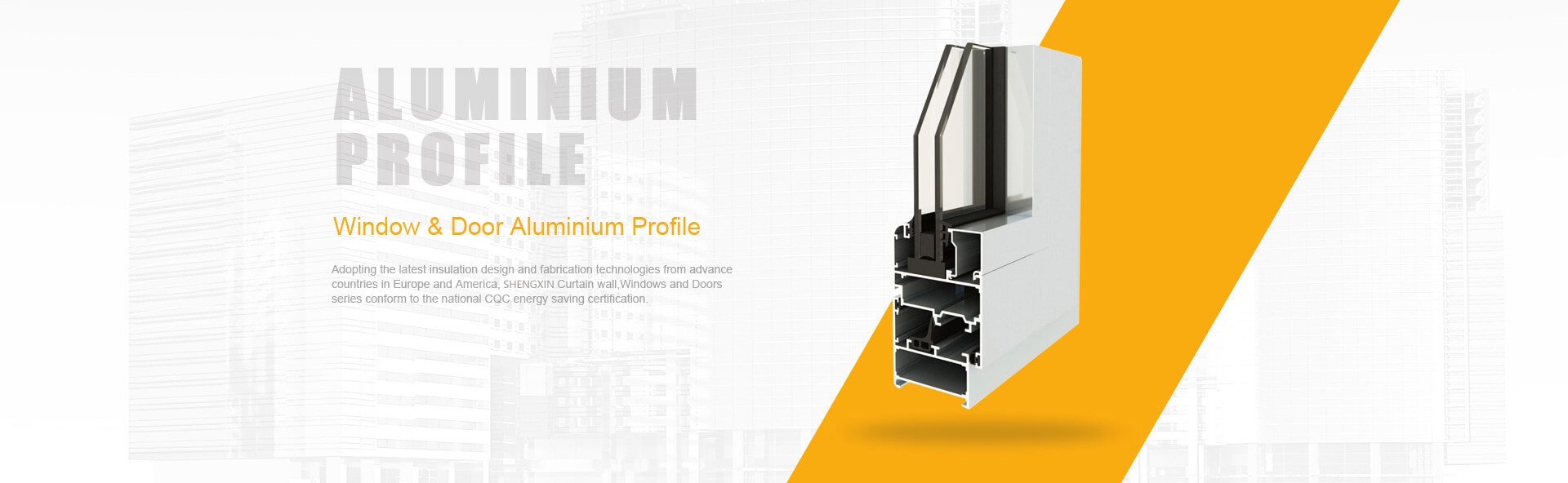
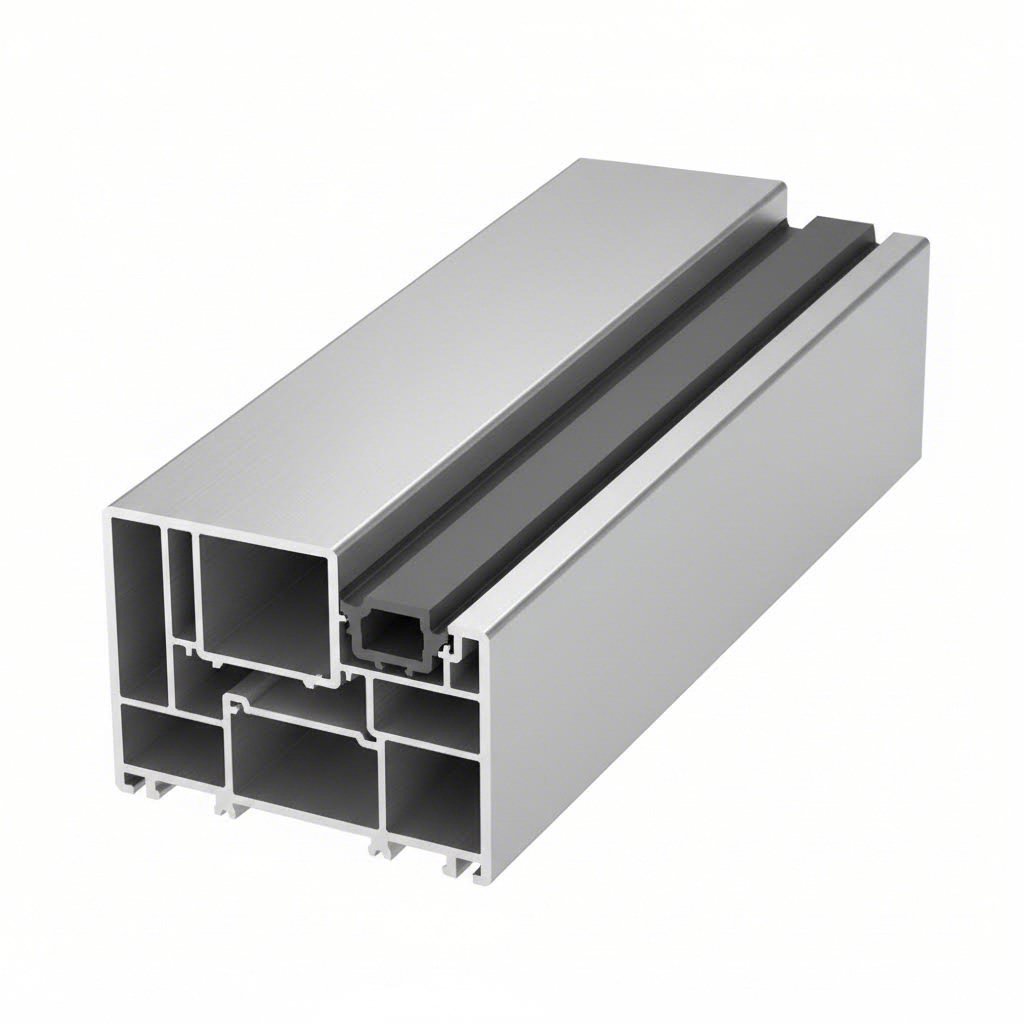
When you look at a modern building's sleek window frames, you're likely seeing the result of a fascinating manufacturing process called aluminum extrusion. But what exactly are aluminum window frame extrusion profiles? Simply put, they're precision-engineered structural components created by forcing heated aluminum alloy through a custom-shaped die, producing continuous lengths of material with consistent cross-sectional shapes designed specifically for window applications.
Think of it like pushing playdough through a shaped opening - except the material is superheated aluminum, and the precision involved is measured in fractions of a millimeter. This process has made extruded aluminum the dominant choice in modern fenestration, and for good reason.
Why has aluminum extrusion become the go-to method for window frame production? The answer lies in aluminum's unique combination of properties. According to industry experts, aluminum costs less to transport than other materials, is easier to construct due to its lightweight nature, and offers inherent strength that allows designers and architects to create diverse features and styles.
The extrusion process itself offers remarkable versatility. It enables an infinite range of forms and sections, allowing manufacturers to integrate numerous functions into a single aluminium profile. Whether you need casement windows, sliding systems, or complex aluminium door window assemblies, extrusion can accommodate virtually any design requirement. Additionally, aluminum is 100% recyclable while retaining most of its original properties - making it an environmentally responsible choice for sustainable construction projects.
Understanding what separates quality aluminum extrusion profiles from mediocre ones helps you make informed decisions. Here are the key characteristics that define excellence in window frame extrusions:
Throughout this guide, you'll discover how raw aluminum transforms into finished profilé aluminium ready for installation. We'll explore everything from alloy selection and manufacturing processes to thermal break technology and surface finishing options - information typically reserved for manufacturers but essential for architects, specifiers, and informed end-users making crucial decisions about their fenestration projects.
Before committing to any window frame material, you need objective information - not marketing claims. Each material brings distinct advantages and limitations that affect long-term performance, maintenance requirements, and overall project costs. Let's break down how aluminum stacks up against vinyl, wood, and fiberglass so you can make decisions based on facts rather than assumptions.
The aluminum versus vinyl debate often comes down to strength versus thermal performance. According to WindowRama, aluminum windows are 4-11 times stronger than vinyl windows - a crucial advantage for large, wall-sized windows or buildings in extreme weather conditions prone to hurricane damage.
Vinyl windows, made from PVC (polyvinyl chloride), offer excellent thermal insulation thanks to multi-chambered profiles that trap air. They're lightweight, moisture-resistant, and require almost no maintenance beyond occasional cleaning. However, vinyl frames tend to be bulkier, which reduces visible glass area and may not suit contemporary architectural styles demanding clean, minimal sightlines.
Where does the aluminium frame shine? Its superior strength-to-weight ratio allows manufacturers to create slimmer profiles while supporting larger glass expanses. Think of how metal stud construction enables precise, strong structural frameworks - aluminum window profiles work on the same principle, delivering maximum strength with minimal material bulk. This makes them ideal for modern architecture where expansive views and natural light are priorities.
The thermal conductivity challenge is real, though. Without thermal breaks, aluminum conducts heat roughly 1,000 times faster than vinyl. However, modern thermally broken aluminum systems achieve U-values competitive with vinyl, ranging from 0.30-0.43 according to Argo Window Repair's 2025 comparison data.
Wood window frames remain the gold standard for traditional aesthetics and natural insulation. They offer unparalleled beauty with natural grain patterns that simply cannot be replicated by aluminum tubing or any metal profile. Wood also provides excellent thermal performance - better than uninsulated aluminum - and can be customized with virtually any paint or stain color.
The trade-off? Wood demands significant ongoing maintenance. Annual sealing, periodic repainting, and vigilant moisture protection are essential to prevent rot, warping, and pest damage. In humid climates or coastal environments, wood frames require even more attention. While properly maintained wood windows can last 20+ years, neglect accelerates deterioration rapidly.
Fiberglass and composite materials occupy an interesting middle ground. Pultruded fiberglass is 8-10 times stronger than vinyl, provides excellent thermal insulation (U-values as low as 0.19), and requires almost no maintenance. Like aluminum angle and aluminum square tube profiles, fiberglass frames offer dimensional stability - they expand and contract at nearly the same rate as glass, reducing seal failures over time.
However, fiberglass comes with higher upfront costs than either vinyl or standard aluminum. It also offers fewer customization options than extruded aluminum, which can be formed into virtually unlimited cross-sectional shapes through die design.
| Criteria | Aluminum (Thermally Broken) | Vinyl (uPVC) | Wood | Fiberglass/Composite |
|---|---|---|---|---|
| Durability | Excellent - resists warping, won't rot or crack | Good - resists moisture and pests | Moderate - vulnerable to rot/pests without maintenance | Excellent - extremely warp-resistant |
| Thermal Performance (U-Value) | 0.30-0.43 | 0.23-0.35 | 0.25-0.38 | 0.19-0.30 |
| Maintenance Requirements | Low - occasional cleaning, lubrication | Very Low - soap and water only | High - yearly sealing, periodic repainting | Very Low - minimal upkeep needed |
| Design Flexibility | Excellent - slim profiles, custom shapes, large spans | Limited - bulkier profiles, fewer custom options | Excellent - fully customizable | Good - paintable, limited profile options |
| Environmental Impact | Excellent - 100% recyclable, often recycled content | Moderate - PVC recycling challenges | Good - renewable but requires treatment chemicals | Good - often includes recycled materials |
| Typical Lifespan | 30+ years | 30-40 years | 20+ years with maintenance | 45-55 years |
| Installed Cost (2025) | $1,800-$2,400 | $850-$1,450 | $2,050-$2,850 | $1,150-$1,700 |
When evaluating these materials, consider your specific project requirements. Commercial buildings and modern residential designs often benefit from aluminum's strength and aesthetic versatility. Similar to how steel stud framing provides precise dimensional control in wall construction (with standard metal stud dimensions enabling consistent, predictable assembly), aluminum extrusion offers the precision and repeatability that complex fenestration projects demand.
For budget-conscious residential projects in moderate climates, vinyl delivers excellent value. Historic renovations and luxury custom homes often justify wood's higher costs and maintenance demands. And for passive house projects or extreme climate applications, fiberglass may offer the best balance of thermal performance and durability.
The key takeaway? No single material is universally "best" - the right choice depends on matching material characteristics to project priorities. Understanding how these profiles are actually manufactured helps you evaluate quality differences between suppliers and products.
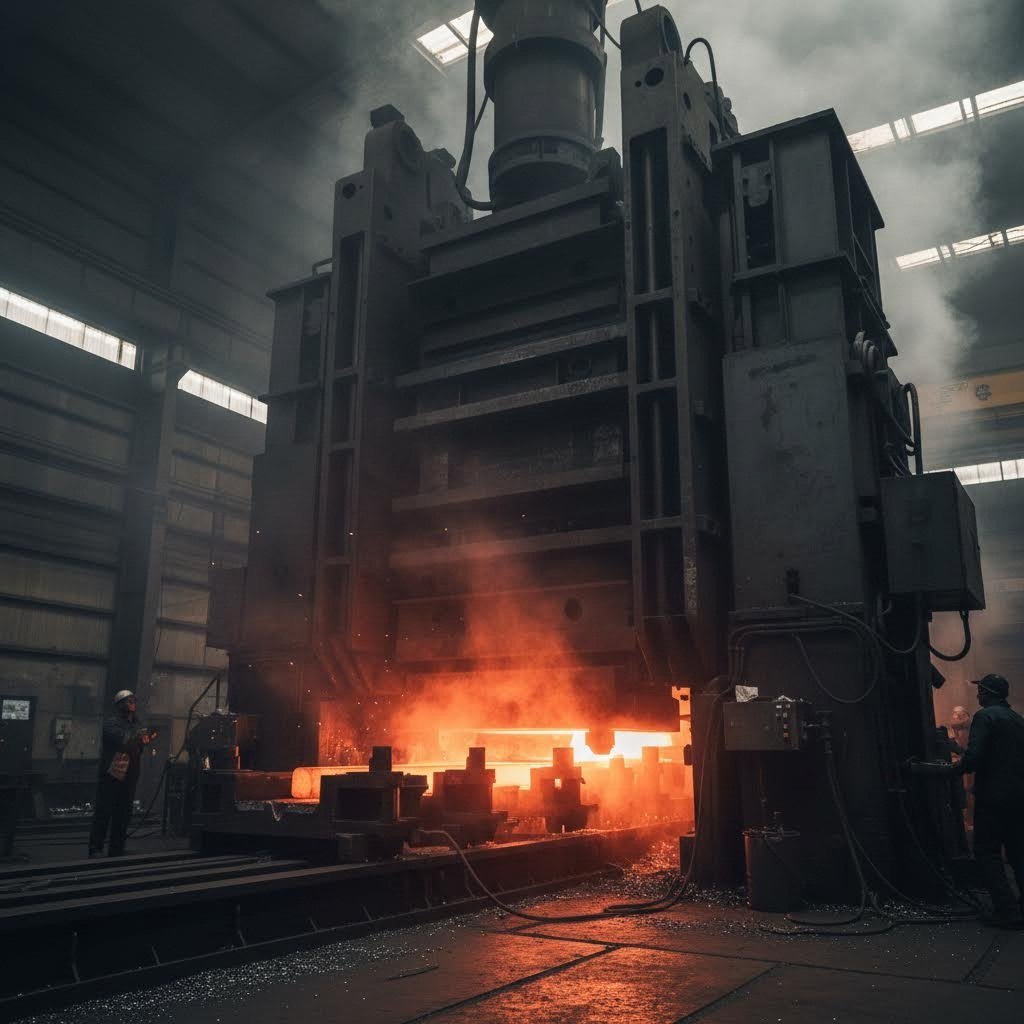
Ever wondered what happens between raw aluminum and the precision profiles installed in your windows? The journey is more complex than most people realize - and understanding it helps you distinguish quality aluminum extrusions from substandard products. Let's walk through the manufacturing process step by step, revealing the critical details that determine whether a profile will perform flawlessly for decades or fail prematurely.
The transformation begins with a billet - a solid cylindrical block of aluminum alloy cut from a longer log of material. Think of it as the raw ingredient that will become your window extrusion. According to RapidDirect's manufacturing guide, this process dates back over 100 years, with the hot extrusion technique developed in 1894 still forming the foundation of modern production.
Here's how the complete manufacturing sequence unfolds:
This sequence applies to direct extrusion, the most common method. In indirect extrusion, the die moves toward a stationary billet instead - a technique that generates less friction and often produces more consistent extruded aluminium profiles, though it's less commonly used for window extrusion applications.
Understanding where quality issues originate helps you evaluate manufacturers and their products. Three factors deserve particular attention: wall thickness control, press tonnage matching, and temperature management.
Wall Thickness and Structural Integrity
Profile wall thickness directly affects both strength and manufacturing difficulty. According to SinoExtrud's technical analysis, thicker walls aren't always better. Wall thickness controls strength, cost, tooling life, and delivery time - but once thickness exceeds safe ranges, the extrusion process becomes unstable.
Here's why this matters for aluminum window extrusion profiles: thick walls hold heat longer during extrusion, causing uneven cooling. If the core stays hot while the surface cools, internal stress develops - potentially causing post-extrusion bending or cracking during aging. The practical limits depend on alloy choice, press capacity, and die design rather than structural requirements alone.
For window applications, typical safe thickness ranges fall between 1.0-6.0mm for small presses and up to 15-25mm for large industrial presses. Attempting to exceed these limits without proper equipment leads to surface tears, internal cracks, or incompletely filled sections - defects that compromise both appearance and performance.
Press Tonnage and Profile Complexity
The extrusion press tonnage determines what profiles can actually be manufactured. As FONIRTE explains, tonnage directly controls cross-sectional size, profile complexity, and achievable quality.
Larger, more complex window profiles - think thermally broken frames with multiple chambers and thin walls - require substantially more force than simple solid shapes. A press with insufficient tonnage will produce incomplete filling, poor surface finish, and potential die damage. Manufacturers with diverse press capacities (ranging from 600T to 5500T or more) can match the right equipment to each profile's specific demands.
This is similar to how router bit profiles require appropriate spindle power and feed rates to achieve clean cuts - using underpowered equipment produces inferior results regardless of operator skill.
Temperature Control Throughout Processing
Temperature management affects every stage. The best billet temperature provides acceptable tolerance and surface conditions while enabling the shortest practical cycle time. Too high, and the metal becomes overly fluid, resisting entry into constricted die areas and causing dimensions to fall outside tolerances. Excessive heat also tears metal at sharp corners and thin edges - common features in window frame profiles.
Quality manufacturers monitor temperature continuously, adjusting parameters to maintain consistency across production runs. This attention to process control separates reliable aluminum window extrusion profiles from those prone to dimensional variations and hidden defects.
With manufacturing fundamentals established, the next crucial decision involves selecting the right aluminum alloy - a choice that profoundly affects everything from extrudability to long-term corrosion resistance.
You've seen how aluminum transforms from billet to finished profile - but here's a question most content overlooks: which aluminum alloy should you actually specify? Not all aluminum is created equal, and the alloy designation stamped on your window frame profiles profoundly affects extrudability, surface finish quality, strength, and long-term durability. Let's decode the specifications that architects and specifiers need to understand.
Walk into any architectural aluminum supplier's warehouse and you'll find one alloy overwhelmingly represented: 6063. Often called the "architectural alloy," according to Tri-State Aluminum's specification guide, 6063 is the most cost-efficient choice for a wide range of architectural applications - and there are compelling technical reasons for this dominance.
What makes 6063 special? It's a magnesium-silicon (Mg-Si) alloy containing approximately 0.6% silicon and 0.9% magnesium. This composition forms magnesium silicide (Mg₂Si) during heat treatment, providing the strength needed for window applications while maintaining exceptional formability. The result is an aluminium section that flows smoothly through complex die geometries, emerging with the bright, consistent surface finish that architectural applications demand.
Consider why this matters for your project. According to Metal Exchange's technical overview, 6063 is "prized for its combination of moderate strength, excellent formability, and superior surface finish." When you're specifying window frames that will be anodized or powder coated, surface quality isn't optional - it's essential. Imperfections in the base aluminum section telegraph through finished coatings, creating visible defects that undermine both aesthetics and long-term performance.
So when should you consider 6061 instead? This alternative alloy delivers approximately 30% higher yield strength than 6063 in comparable tempers, making it the go-to choice for load-bearing frames and structural applications. According to Rapid Axis's comparative analysis, 6061-T6 can more than double the yield strength of its T4 state - impressive performance when structural demands exceed what 6063 can deliver.
However, 6061 comes with trade-offs. Its superior strength comes at the expense of extrudability and surface finish quality. The alloy doesn't flow as smoothly through dies, and the resulting aluminum plate or profile often requires additional finishing work. For window applications where appearance matters as much as performance, 6063 typically wins.
| Property | 6063-T5 | 6063-T6 | 6061-T6 |
|---|---|---|---|
| Tensile Strength (Ultimate) | 186 MPa (27 ksi) | 241 MPa (35 ksi) | 310 MPa (45 ksi) |
| Yield Strength | 145 MPa (21 ksi) | 214 MPa (31 ksi) | 276 MPa (40 ksi) |
| Thermal Conductivity | 209 W/m·K | 201 W/m·K | 167 W/m·K |
| Anodizing Response | Excellent - uniform, bright finish | Excellent - uniform, bright finish | Good - may show slight variation |
| Extrudability | Excellent - complex shapes possible | Very Good | Moderate - limited complexity |
| Corrosion Resistance | Excellent (low copper content) | Excellent | Good (higher copper reduces resistance) |
| Typical Window Applications | Standard frames, decorative trim, interior profiles | Exterior frames, thermally broken systems | Heavy-duty frames, curtain wall mullions, structural components |
Notice the thermal conductivity difference? Interestingly, 6063 actually conducts heat faster than 6061 - which might seem counterintuitive for window applications. However, this higher conductivity gives 6063 an advantage in heat-sink applications and architectural glazing profiles exposed to sun load. When thermal breaks are incorporated (which we'll cover in a later section), the alloy's base conductivity becomes less critical than the overall assembly's U-value.
Sounds complex? It's simpler than it appears. The "T" designation following an alloy number tells you how the aluminum has been heat-treated - and this directly determines mechanical properties you'll rely on for decades.
For window frame applications, you'll most commonly encounter T5 and T6 tempers:
When reviewing specifications on a 4x8 aluminum sheet or window profile, you might also encounter T1 (naturally aged after extrusion) and T4 (solution heat treated, naturally aged) - but these are less common for finished window components.
Reading Aluminum Extrusion Profile Specifications
Imagine you're reviewing a specification sheet for window frame profiles. What should you look for? Here's a practical framework for architects and specifiers:
This might remind you of reviewing a screw dimensions chart - you need the right specifications matched to your application, and substitutions can cause problems. The difference is that aluminum alloy substitutions affect performance for the entire lifespan of the building.
For corrosion resistance, both 6063 and 6061 score well in salt-spray testing, meaning they withstand seacoast exposure without protection. However, 6063 generally edges out 6061 thanks to its lower copper content. Combined with its finer as-extruded finish, 6063 accepts clear or colored anodizing with minimal preparation - another reason it dominates architectural applications.
With alloy selection clarified, the next consideration is how profile geometry varies across different window styles - and why casement, sliding, and tilt-turn windows each require distinct extrusion characteristics.
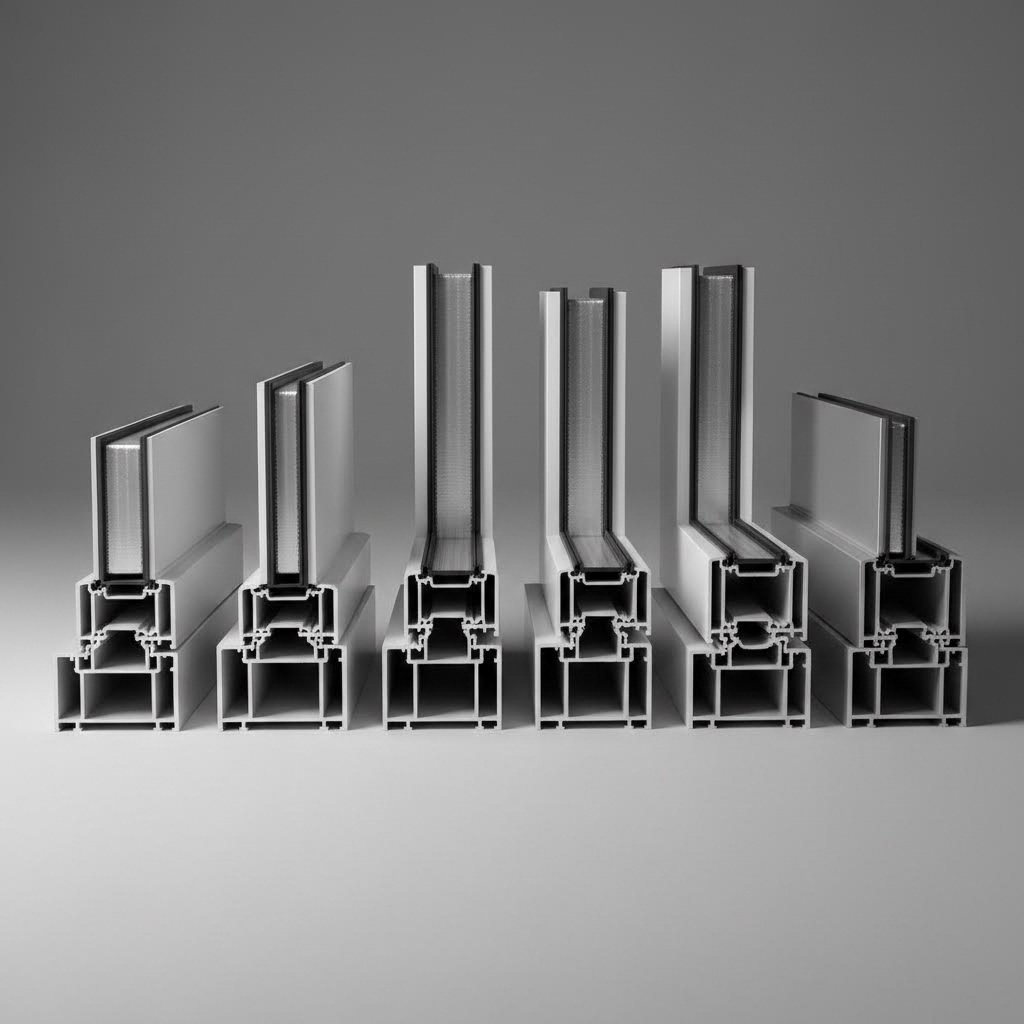
Here's something most window profile discussions miss entirely: different window styles require fundamentally different aluminum extrusion geometries. You can't simply swap a casement window profile into a sliding system and expect it to function. Each window type demands specific channels, reinforcement zones, and hardware accommodation features engineered directly into the extrusion itself. Let's explore what makes each window profile unique - and why these differences matter for your project's long-term performance.
Casement windows - the most common type in residential construction - feature sashes that swing outward on side or top hinges. According to Aspect Windows, these windows can accommodate both modern and traditional appearances while providing excellent ventilation control. But what does this mean for the aluminum window profile design?
The casement profile must accomplish several tasks simultaneously. It needs integrated hinge reinforcement channels capable of supporting the entire sash weight plus wind loads over thousands of opening cycles. It requires precise weatherseal grooves positioned to maintain compression when the sash closes. And it must include hardware pockets for multi-point locking mechanisms that distribute security forces across the frame perimeter.
Key characteristics of quality casement aluminium window profiles include:
Awning window profiles share many characteristics with casement designs but add critical drainage considerations. Because awning windows hinge at the top and open outward from the bottom, water management becomes paramount. Quality awning profiles incorporate sloped surfaces and weep channels that direct rainwater away from the interior - similar to how a 2x3 frame in construction incorporates specific drainage planes for moisture management.
These profiles also need enhanced weathersealing at the bottom rail, where gravity pulls the sash against the frame. The gasket compression must accommodate both the closing force and any water that pools against the seal during heavy rain. Manufacturers often specify deeper gasket grooves and dual-durometer seals for awning applications.
Sliding window profiles represent a completely different engineering challenge. Instead of hinge channels, they require integrated track systems that guide smooth horizontal movement. The aluminum window profile must accommodate rollers, interlocking meeting rails, and weatherstripping that seals despite constant movement across the track surface.
According to Yaji Aluminum's profile type guide, sliding profiles typically use slightly thinner walls (0.8-1.4mm) than casement profiles because the track system distributes loads differently. However, the track surfaces themselves require precise dimensional control - even minor variations cause binding, noise, or premature wear.
Sliding window profiles feature these distinct characteristics:
Tilt-turn window profiles present perhaps the greatest complexity. These European-style windows operate in two modes: tilting inward from the bottom hinge for ventilation, or swinging inward on side hinges for full opening. The profile must accommodate specialized multi-function hardware that switches between operating modes based on handle position.
What makes tilt-turn window profiles so demanding? They require hardware accommodation zones at both hinge positions, reinforced corners capable of supporting the sash in multiple orientations, and weatherseal geometry that maintains compression whether the sash is tilted or turned. According to Aspect Windows, the handle rotation sequence (90° for tilt, 180° for turn) demands mechanical pathways integrated directly into the aluminum profile sections.
Tilt-turn profiles typically feature:
Fixed windows - those that don't open - might seem simpler, but they offer unique opportunities and requirements. According to Aspect Windows, fixed light windows can be very large since maximum size isn't limited by hinge carrying capacity. This means profiles for fixed applications often emphasize structural strength over hardware accommodation.
Fixed aluminium profiles offer these distinct advantages:
Beyond these common types, specialty aluminum window profiles serve specific applications. Bi-fold profiles must accommodate multiple hinged panels that stack compactly when opened - requiring reinforced hinges, robust rollers, and precisely aligned folding mechanisms. Pivot profiles support windows that rotate on central horizontal or vertical axes, demanding balanced weight distribution and specialized hardware mounting zones.
Understanding why these profile differences matter helps you make informed specification decisions. Three critical performance factors connect directly to profile geometry: hardware compatibility, weathersealing effectiveness, and operational longevity.
Hardware Compatibility: Window hardware manufacturers design their products around standardized profile geometries. Specifying a profile that doesn't match your intended hardware creates costly modification requirements or forces hardware substitutions that may compromise performance. Quality aluminum window profile manufacturers provide compatibility documentation identifying which hardware systems their profiles accommodate.
Weathersealing Effectiveness: Gasket compression determines air and water infiltration resistance. Profile geometry must position weatherstrips precisely where sash meets frame, with groove dimensions that maintain proper compression throughout the operating range. Poorly designed profiles may seal adequately when new but lose effectiveness as gaskets age and take set.
Operational Performance: How smoothly does the window operate? How long will it continue operating smoothly? These questions depend heavily on profile geometry. Casement profiles with inadequate hinge reinforcement will sag over time. Sliding profiles with imprecise tracks will bind or rattle. Tilt-turn profiles with undersized hardware channels will experience premature mechanism failure.
When evaluating window profiles for your project, consider not just the immediate application but the full service life. A profile designed for occasional residential use may not survive the daily cycling of a commercial building entrance. Conversely, specifying heavy-duty commercial profiles for a residential application adds unnecessary cost without proportional benefit.
With profile geometry matched to your window style requirements, the next critical consideration is thermal break technology - the feature that transforms aluminum from a thermal liability into an energy-efficient building envelope component.
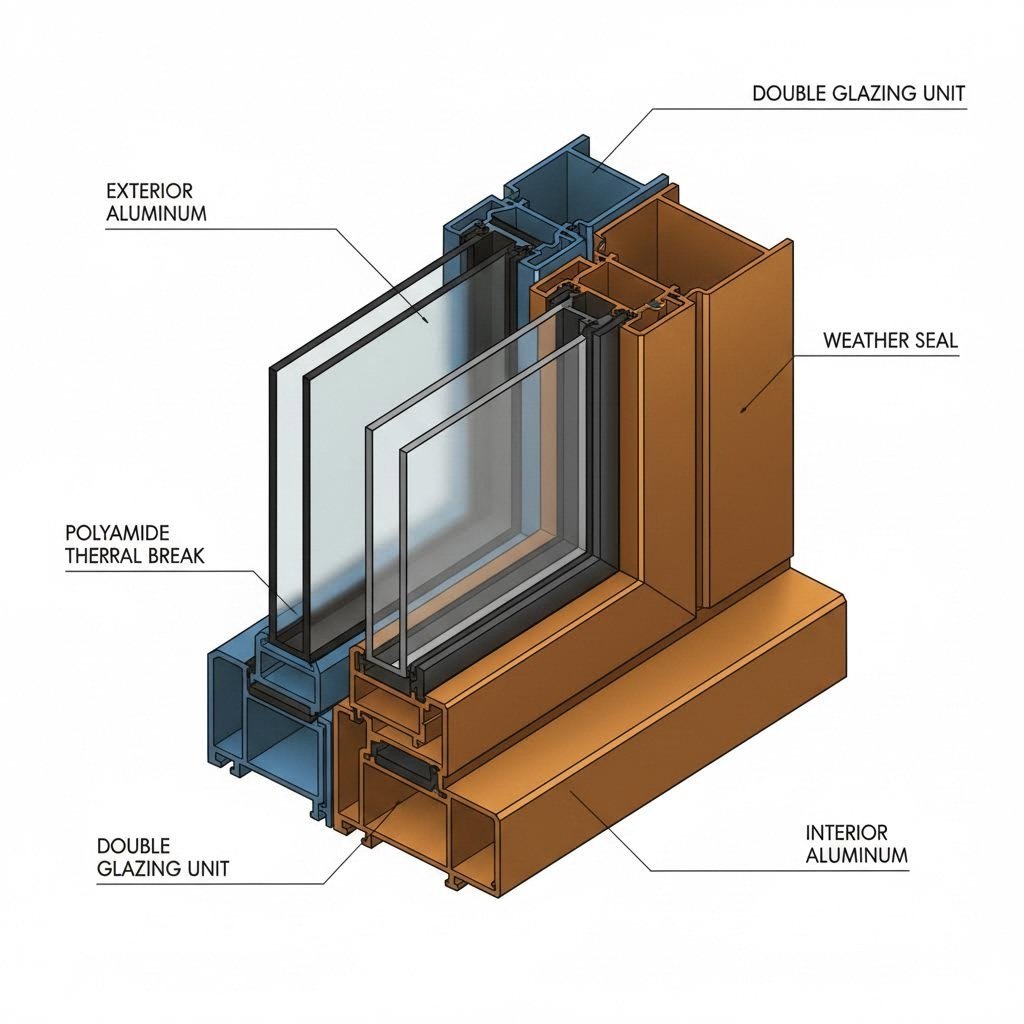
Here's the challenge with aluminum: it conducts heat approximately 1,000 times faster than wood and 200 times faster than PVC. Without intervention, that beautiful aluminium profile for windows becomes a thermal superhighway, allowing expensive conditioned air to escape and outdoor temperatures to infiltrate your building envelope. This is where thermal break technology transforms aluminum from an energy liability into a high-performance solution.
But what exactly happens inside a thermally broken aluminum window profile? And why do material choices matter so much for long-term performance? Let's explore the engineering that makes modern aluminum windows competitive with - and often superior to - other frame materials.
To understand thermal breaks, you first need to grasp what they're preventing. Thermal bridging occurs when highly conductive materials create a pathway for heat to bypass insulation, leading to increased energy loss and potential condensation issues. According to Monumental Windows and Doors, in traditional aluminum frames, the continuous metal allows for rapid heat conduction - essentially creating an uninterrupted highway for heat transfer between your interior and exterior environments.
Imagine holding a metal spoon in hot soup. Within seconds, the handle becomes too hot to touch because heat travels rapidly through the continuous metal. Traditional aluminum window frames work the same way - exterior temperature conditions transfer directly to interior frame surfaces, creating cold spots in winter and hot zones in summer.
Thermal breaks interrupt this conductive pathway by inserting an insulating barrier between the interior and exterior aluminum sections. According to Rhea Windows' technical analysis, this approach allows aluminum windows to retain their superior strength-to-weight ratio and durability while achieving thermal performance comparable to other insulating materials.
While traditional aluminum windows achieve U-values of 4.0-6.0 W/(m²K), thermally broken systems routinely achieve 0.8-2.0 W/(m²K) - representing 70-85% improvement in thermal efficiency.
This dramatic improvement occurs through several mechanisms. First, the thermal break material has low thermal conductivity, meaning it resists the flow of heat. When placed between the inner and outer aluminum sections, it acts as a barrier that significantly reduces heat transfer. Second, modern aluminium profiles for windows often incorporate multi-chamber designs that create additional air spaces within the frame, each acting as another thermal barrier.
The practical benefits extend beyond energy savings. According to Monumental's research, thermally broken frames maintain interior surface temperatures closer to ambient indoor temperature, reducing the likelihood of condensation forming on windows and doors. This condensation reduction minimizes mold risk and extends the longevity of both the window system and surrounding wall assemblies.
Not all thermal breaks are created equal. The material separating your interior and exterior aluminum sections determines long-term performance, structural integrity, and overall window lifespan. Understanding these materials helps you specify systems that will perform reliably for decades.
Polyamide (PA66) - The Industry Standard
The most widely used thermal break material is PA66, also known as Polyamide 66 or Nylon 66. According to BuildPano's comprehensive guide, PA66 plays a crucial role as the insulating barrier that separates the inner and outer aluminum profiles, significantly reducing heat transfer while maintaining excellent structural integrity.
What makes PA66 special? It combines strength, insulation, and durability in ways that ensure thermal break aluminum systems deliver comfort and performance for decades. Its ability to resist environmental challenges while maintaining mechanical integrity makes it the go-to material for high-quality 80/20 aluminum window systems worldwide.
Modern PA66 thermal breaks are reinforced with glass fibers - typically 25% glass fiber content by weight. This reinforcement dramatically improves dimensional stability and mechanical strength. According to Rhea Windows, these polyamide strips feature:
Polyurethane - The Alternative Approach
Some manufacturers use polyurethane-based thermal breaks, often applied through a "pour and debridge" manufacturing process. In this method, liquid polyurethane is poured into channels within the aluminum profile, allowed to cure, and then the connecting aluminum bridge is machined away - leaving the polyurethane as the sole connection between interior and exterior sections.
This approach offers cost advantages and works well for simpler profile geometries. However, polyamide strips generally provide superior mechanical strength and dimensional stability, making them preferred for high-performance 80 20 aluminum window applications where structural demands are significant.
Advanced Materials: Aerogel Integration
The cutting edge of thermal break technology incorporates aerogel insulation within polyamide strips. According to Rhea Windows, aerogel's exceptional insulating properties (thermal conductivity as low as 0.013 W/mK) enable unprecedented thermal performance in aluminum windows. These advanced systems achieve U-values that would have been impossible a decade ago - approaching passive house standards without requiring the bulky frames associated with other high-performance systems.
Thermal Break Width and Performance
The width of the thermal break significantly impacts overall window performance. Wider breaks provide more insulating material between aluminum sections, but they also require more sophisticated engineering to maintain structural integrity. Here's how width affects performance:
| Thermal Break Width | Typical U-Value Range (Frame) | Best Applications | Considerations |
|---|---|---|---|
| 12-18mm | 2.0-2.8 W/(m²K) | Moderate climates, commercial applications | Cost-effective, proven performance |
| 20-24mm | 1.4-2.0 W/(m²K) | Cold climates, residential high-performance | Balance of performance and profile size |
| 28-35mm | 0.8-1.4 W/(m²K) | Extreme cold, passive house projects | Maximum performance, larger profile required |
| 35mm+ with Aerogel | Below 0.8 W/(m²K) | Ultra-high-performance buildings | Premium cost, exceptional energy savings |
Your climate zone should drive thermal break specification decisions. What works perfectly in San Diego may underperform in Minneapolis - and over-specifying for mild climates wastes budget without proportional benefit.
Extreme Cold Climates
In regions with extended heating seasons and temperatures regularly below -20°C (-4°F), thermal break performance becomes critical. Wider thermal breaks (28mm+) with glass-fiber-reinforced PA66 are essential. The investment in higher-performance systems pays back through reduced heating costs and - equally important - prevention of interior condensation and ice formation that can damage window systems and surrounding wall assemblies.
Consider that thermally broken frames maintain interior surface temperatures much closer to room temperature. In extreme cold, this difference between a 12mm and 35mm thermal break might mean the difference between comfortable, condensation-free windows and frames that ice over during cold snaps.
Moderate and Mixed Climates
For regions with both heating and cooling seasons - the majority of the United States - standard 20-24mm thermal breaks provide excellent performance without excessive cost. These systems achieve U-values that satisfy most energy codes while maintaining reasonable frame dimensions.
The key consideration in mixed climates is solar heat gain. Thermal breaks prevent unwanted heat transfer in both directions - keeping heat inside during winter and outside during summer. Systems with moderate thermal break widths paired with appropriate solar control glazing often deliver the best overall performance.
Hot and Humid Climates
In cooling-dominated climates, thermal breaks serve a different primary function: preventing outdoor humidity from condensing on cold, air-conditioned interior surfaces. Even narrower thermal breaks (12-18mm) can effectively address this concern while keeping costs reasonable.
However, coastal applications in any climate require additional consideration. Salt air accelerates corrosion, and the mechanical connections between thermal breaks and aluminum sections must resist this aggressive environment. Quality manufacturers specify marine-grade fasteners and enhanced sealants for coastal installations - similar to how 8020 aluminum extrusion systems for industrial applications require appropriate hardware selection for their operating environment.
When specifying thermal breaks, remember that the frame represents only one component of overall window thermal performance. The glazing unit, spacer bars, weatherseals, and installation details all contribute to - or detract from - energy efficiency. A v slotted aluminum insert might work perfectly for industrial framing applications, but window systems require integrated thermal management across all components.
With thermal break fundamentals established, the next consideration is how surface finishing options protect your investment while delivering the aesthetic appearance your project demands.
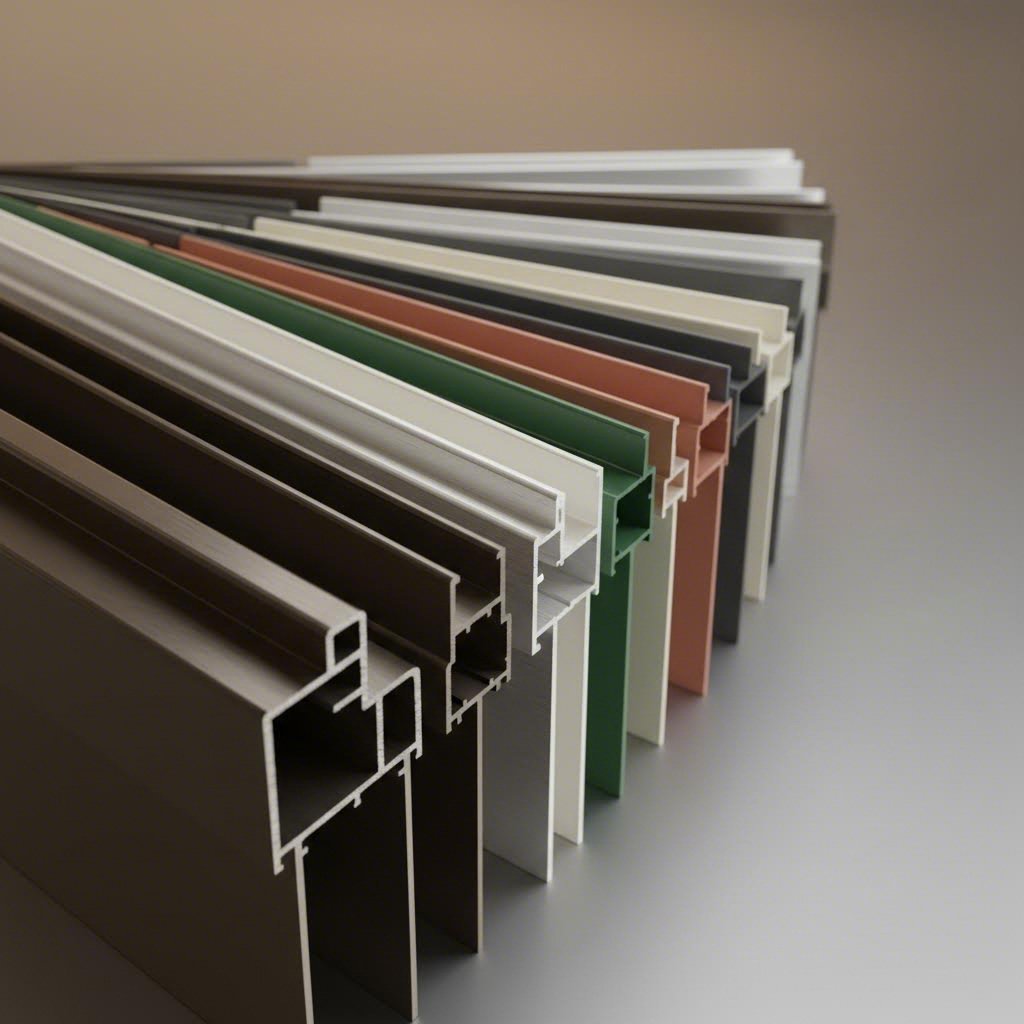
Your aluminum window profiles are manufactured, thermally broken, and ready for installation - but they're not complete yet. The surface finish you select determines not just how your windows look on day one, but how they'll perform and appear decades from now. Will they resist salt spray in coastal environments? Maintain vibrant color under intense UV exposure? Require annual maintenance or virtually none?
These questions matter because surface finishing is where profile aluminum transforms from raw industrial material into architectural-grade product. Let's compare your options so you can specify with confidence.
Anodizing isn't a coating applied to aluminum - it's a transformation of the aluminum itself. According to Gabrian's technical comparison, technicians submerge the aluminum piece into an electrolytic bath and run an electric current through it. By using aluminum as the anode in the circuit, the oxidation process occurs on the surface of the metal, creating an oxide layer thicker than the naturally occurring one.
Think of it like this: aluminum naturally develops a thin protective oxide layer when exposed to air. Anodizing simply accelerates and enhances this natural process, creating a surface that's actually part of the metal rather than sitting on top of it. This distinction matters enormously for durability.
What makes anodized aluminium profile extrusion special for window applications?
Color options for anodized aluminum windows profile extend well beyond basic clear and bronze. Modern anodizing processes offer champagne, rose gold, black, blue, and various custom metallic tones. However, according to Prance Building's durability analysis, anodizing performs best where color variety is limited to metallic tones and platinum hues. If you need vibrant reds, blues, or custom brand colors, other finishing methods offer more flexibility.
For coastal and marine environments, anodized finishes excel. According to Lorin Industries, the sapphire hardness of aluminum oxide protects and preserves the aluminum surface from corrosion in harsh weather environments, including coastal areas. Salt spray is pH neutral, so it has little impact on the anodic layer - unlike painted surfaces that may require special formulations and warranty surcharges for coastal installations.
When vibrant colors, custom finishes, or specific textures are required, coating technologies step in where anodizing reaches its limits. But which coating system should you specify?
Powder Coating: The Versatile Workhorse
Powder coating applies dry powder particles using electrostatic attraction, then cures them in an oven to form a uniform, solid layer. According to Gabrian, no solvents are used, making powder coating an environmentally friendly alternative to wet painting processes.
The resulting coating offers excellent durability and an almost unlimited color palette. You'll commonly see powder-coated profile aluminum on outdoor equipment, architectural facades, and window systems where specific colors must match brand standards or design specifications. The technology also enables textured finishes - wood grain, hammered, and matte effects that would be impossible with anodizing.
However, powder coatings have limitations. The coating sits on top of the aluminum rather than becoming part of it, making it susceptible to chipping from impact damage. In high-UV environments, standard powder coatings may chalk or fade over time without premium formulations.
PVDF: Premium Protection for Demanding Applications
Polyvinylidene fluoride (PVDF) coatings - often sold under brand names like Kynar - represent the premium tier of aluminum window profiles finishing. These fluoropolymer coatings provide exceptional resistance to UV degradation, chemical attack, and environmental weathering.
According to Prance Building's analysis, PVDF coil-coatings conforming to AAMA 2605 deliver a broad color palette - including vibrant solids and custom prints - along with outstanding UV, chemical, and chalk resistance, with warranties up to 30 years.
For aluminium windows profile applications in high-UV environments like the American Southwest or tropical regions, PVDF coatings maintain color integrity far longer than standard powder coatings. The technology is comparable in some ways to industrial pipe shelving systems that require robust coatings for demanding environments - both applications demand finishes that perform under stress without degradation.
Micro-Arc Oxidation: The Emerging Technology
Micro-arc oxidation (MAO), also called plasma electrolytic oxidation, creates ceramic-like oxide layers significantly harder than conventional anodizing. This emerging technology produces exceptionally wear-resistant surfaces with enhanced corrosion protection.
While less common for standard window applications due to higher costs, MAO finishes suit specialized applications requiring extreme durability - heavy-use commercial entrances, industrial facilities, or projects where long-term performance justifies premium finishing investments.
Which finish should you specify? The answer depends on your project's specific requirements:
| Criteria | Anodizing (Class I/II) | Powder Coating | PVDF (AAMA 2605) | Micro-Arc Oxidation |
|---|---|---|---|---|
| Durability/Hardness | Excellent - sapphire-level hardness | Good - may chip on impact | Very Good - flexible, chip-resistant | Exceptional - ceramic-like hardness |
| UV Resistance | Excellent - no organic degradation | Moderate - may chalk over time | Excellent - 30-year fade warranties | Excellent - inorganic surface |
| Color Options | Limited - metallic tones, bronze, black | Unlimited - any RAL color, textures | Extensive - vibrant solids, metallics | Limited - gray/white tones typical |
| Coastal/Marine Performance | Excellent - no warranty surcharges | Good - may require special formulation | Very Good - enhanced chemical resistance | Excellent - superior corrosion barrier |
| Maintenance Requirements | Very Low - occasional cleaning only | Low - periodic cleaning, inspect for chips | Low - periodic cleaning | Very Low - occasional cleaning only |
| Typical Warranty | 20+ years (surface and color) | 10-20 years (varies by formulation) | Up to 30 years (AAMA 2605 spec) | Varies by manufacturer |
| Relative Cost | Moderate-High | Low-Moderate | High | Premium |
| Best Applications | Architectural projects, coastal, metallic aesthetics | Cost-conscious projects, custom colors | High-UV areas, long-term color retention | Industrial, extreme wear applications |
Coastal and Marine Environments
Salt air accelerates corrosion on improperly finished aluminum. For coastal applications, anodizing offers a compelling advantage: according to Lorin Industries, paint manufacturers charge extra for warranties on material used near the coast without changing their product formulation. Quality anodizing requires no such surcharge - as long as you specify architectural Class 1 or 2 anodic layers, you receive the same warranty regardless of proximity to saltwater.
If colors beyond anodizing's metallic palette are required for coastal projects, PVDF coatings provide the next-best protection. Ensure specifications call for AAMA 2605 compliance, which requires salt spray resistance testing.
High UV Exposure Regions
Desert climates, tropical locations, and high-altitude installations subject aluminum window profiles to intense ultraviolet radiation. Standard powder coatings may chalk or fade within 5-10 years under these conditions.
For maximum color retention, PVDF coatings with 30-year fade warranties represent the appropriate specification. Alternatively, anodized finishes using UV-stable dyes maintain appearance indefinitely since the aluminum oxide layer itself cannot degrade from UV exposure.
Urban and Industrial Environments
Pollution, acid rain, and airborne contaminants challenge surface finishes in urban settings. Anodizing's chemical resistance handles these conditions well, as does properly specified PVDF. Powder coatings may require more frequent cleaning to maintain appearance but perform adequately in most urban applications.
With surface finishing options understood, the next step is learning how to evaluate and specify aluminum window frame extrusions that meet your project's unique requirements.
You've explored alloys, thermal breaks, and surface finishes - but how do you translate this knowledge into specifications that actually get you the aluminum window extrusions your project needs? This is where many architects and specifiers hit a wall. Technical data sheets can be overwhelming, and manufacturer literature often emphasizes features rather than the performance criteria that matter for your specific application.
Let's change that. Here's the practical guidance you need to evaluate suppliers, read specifications confidently, and match profile characteristics to your project's unique demands.
When reviewing aluminium window extrusions from potential suppliers, focus on these critical evaluation criteria:
Beyond these core specifications, evaluate supplier certifications. ISO 9001 quality management certification indicates systematic process control. Membership in industry organizations like the Aluminum Extruders Council suggests commitment to industry standards and best practices.
Different project contexts demand different specification priorities. Here's how to align profile characteristics with common application scenarios:
Salt air creates one of the most demanding environments for aluminum window extrusions. When specifying for coastal projects:
When evaluating aluminum window extrusions suppliers for coastal projects, ask specifically about their marine environment experience and whether warranty terms differ for installations within specified distances of saltwater.
Extended heating seasons and sub-zero temperatures prioritize thermal performance above other considerations:
In extreme cold applications, the investment in premium thermal break systems often pays back within 3-5 years through reduced heating costs - and prevents the operational problems and comfort complaints that inadequate specifications cause.
Desert climates, tropical locations, and high-altitude installations subject aluminium window extrusions to intense ultraviolet radiation that degrades many finishes:
When aluminium profile suppliers provide technical documentation, here's what to look for and verify:
Cross-Section Drawings
Profile cross-section drawings should clearly indicate:
If drawings lack tolerance information, reference the applicable tables from Aluminum Standards & Data (Tables 11.5-11.14 for extruded profiles, Tables 12.2-12.14 for tubes). Discuss any dimensions requiring tighter-than-standard tolerances with the extruder early in the specification process.
Material Specifications
Complete material specifications should identify:
Performance Data
Look for independently verified performance data including:
Before committing to any aluminium window manufacturers, clarify these critical points:
Taking time to properly specify aluminum window extrusions upfront prevents costly problems during installation and throughout the building's service life. The next section explores how to identify and partner with manufacturers capable of delivering the quality your project demands.
You've mastered alloy selection, thermal break technology, and surface finishing specifications - but here's the reality check: even perfect specifications mean nothing without a manufacturing partner capable of executing them consistently. The gap between what you specify on paper and what arrives at your job site depends entirely on your manufacturer's capabilities, experience, and commitment to quality.
Finding the right partner for aluminum windows fabrication goes beyond comparing quotes. It's about identifying a manufacturer who understands your project requirements, maintains the equipment necessary to meet tight tolerances, and provides support from initial concept through final delivery. Let's explore what separates qualified manufacturers from those who simply take orders.
When evaluating potential partners for your extruded aluminum window frame needs, manufacturing capability reveals more than marketing claims ever could. According to JM Aluminium's manufacturing guide, the manufacturer's capability, expertise, and practice are crucial in delivering high-quality extruded profiles, regardless of the complexity of a particular industry or custom-designed components.
What should you look for when assessing manufacturing facilities?
Experience matters enormously in aluminum joinery applications. Manufacturers with decades of industry presence have encountered and solved the challenges that newer operations are still learning to manage. They understand the nuances of die design, material flow optimization, and the process adjustments needed for consistent results across production runs.
The journey from your design concept to finished aluminium window frame extrusions involves multiple critical stages - and a qualified manufacturer guides you through each one.
Die Design and Development
According to Star Extruded Shapes' process overview, the die is a critical tool that shapes the aluminum as it is forced through under high pressure. Precision in die creation is essential to ensure the final product meets all dimensional and performance criteria.
Quality manufacturers use specialized design software for die development, enabling faster and more precise quoting, streamlined prototyping, and reduced time to market. This digital-first approach catches potential issues before expensive tooling is cut - saving you time and money while ensuring your aluminum door extrusion or window profiles perform as intended.
Production Capability and Flexibility
Beyond initial capability, consider production flexibility. Can the manufacturer handle both prototype quantities and volume production? Do they maintain inventory programs for repeat orders? How do they manage quality consistency across extended production runs?
For example, Shengxin Aluminium exemplifies comprehensive manufacturing capability with over 30 years of industry experience and 35 extrusion presses ranging from 600T to 5500T. This press diversity means they can match equipment to profile complexity - using smaller presses for simple shapes and larger tonnage for the complex, multi-chamber profiles that thermally broken window systems require.
Their end-to-end support model - from die development through mass production - illustrates the integrated approach that reduces risk and simplifies project management. When a single partner handles extrusion, CNC machining, and surface treatment (including anodizing in custom colors, powder coating, PVDF, and micro-arc oxidation), you eliminate the coordination challenges and quality inconsistencies that arise from managing multiple suppliers.
Before committing to any aluminum window frame extrusions partner, systematically evaluate these critical factors:
Choosing the right manufacturer for your aluminum window components is a strategic decision that affects project success, timeline reliability, and long-term building performance. By evaluating capabilities systematically rather than simply comparing prices, you identify partners capable of delivering the quality your specifications demand - transforming your carefully developed requirements into installed window systems that perform flawlessly for decades.
6063 aluminum is the industry standard for window frame extrusions due to its excellent extrudability, superior surface finish quality, and strong corrosion resistance. It flows smoothly through complex die geometries and accepts anodizing beautifully. For structural applications requiring higher strength, 6061 offers approximately 30% greater yield strength but with reduced surface quality. Both alloys are available in T5 and T6 tempers, with T6 providing maximum strength for exterior frames and thermally broken systems.
Thermally broken aluminum windows dramatically outperform standard frames in energy efficiency. While traditional aluminum achieves U-values of 4.0-6.0 W/(m²K), thermally broken systems routinely achieve 0.8-2.0 W/(m²K) - representing 70-85% improvement. The thermal break, typically made from glass-fiber-reinforced PA66 polyamide, interrupts the heat conduction pathway between interior and exterior aluminum sections. This technology also prevents condensation formation on interior frame surfaces, reducing mold risk and extending window system longevity.
Aluminum window profiles vary significantly by window style. Casement profiles feature hinge reinforcement channels and multi-point locking hardware pockets. Sliding profiles incorporate integrated track systems and roller housing recesses. Tilt-turn profiles accommodate complex dual-function hardware for both tilting and swinging operations. Fixed window profiles offer simplified thermal break options and slimmer sightlines since they don't require hardware accommodation. Each profile type is engineered specifically for its operational requirements, weathersealing needs, and hardware compatibility.
Anodizing is the preferred finish for coastal aluminum window installations. The aluminum oxide layer provides sapphire-level hardness and exceptional salt spray resistance without warranty surcharges that paint manufacturers typically require for coastal applications. For projects requiring colors beyond anodizing's metallic palette, PVDF coatings meeting AAMA 2605 specifications offer excellent chemical resistance and 30-year color retention warranties. Manufacturers like Shengxin Aluminium offer comprehensive finishing options including custom anodizing colors, powder coating, PVDF, and micro-arc oxidation.
When specifying aluminum window extrusions, evaluate wall thickness requirements (1.2-1.4mm for residential, 1.6-2.0mm for commercial), thermal break width (24mm+ for cold climates), and surface treatment standards (AAMA 611 for anodizing, AAMA 2605 for premium painted finishes). Request third-party verified U-values and mill test reports confirming alloy composition. Work with experienced manufacturers offering comprehensive capabilities - extrusion presses ranging from 600T to 5500T, in-house CNC machining, and multiple surface treatment options ensure consistent quality from die development through finished product delivery.



 خدمة الإنترنت
 0086 136 3563 2360
 sales@sxalu.com
 +86 136 3563 2360
 العربية
 English
 français
 Deutsch
 русский
 español
 português
 ไทย
ไทย Việt
Việt Українська