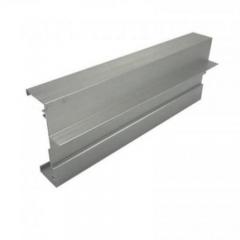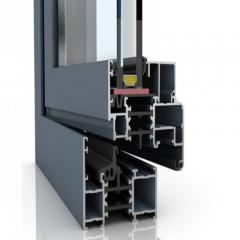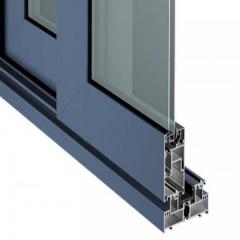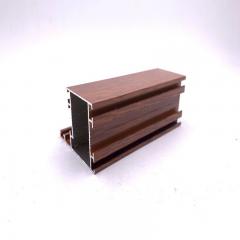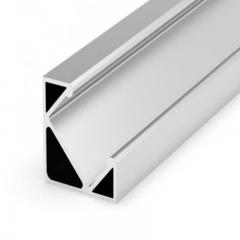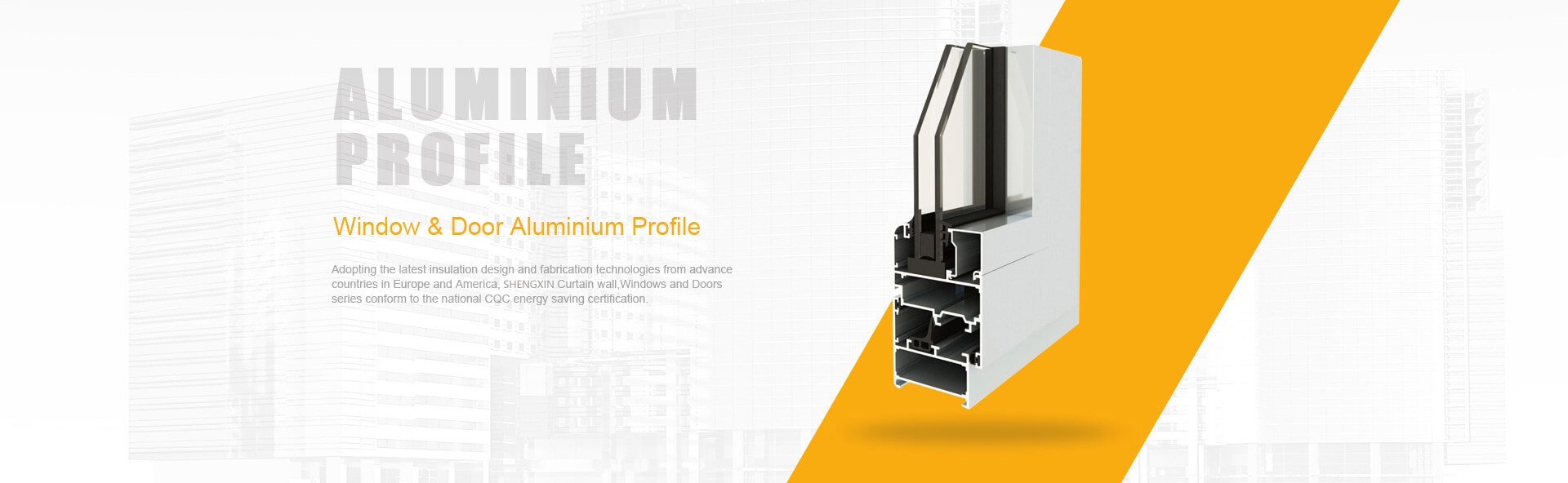
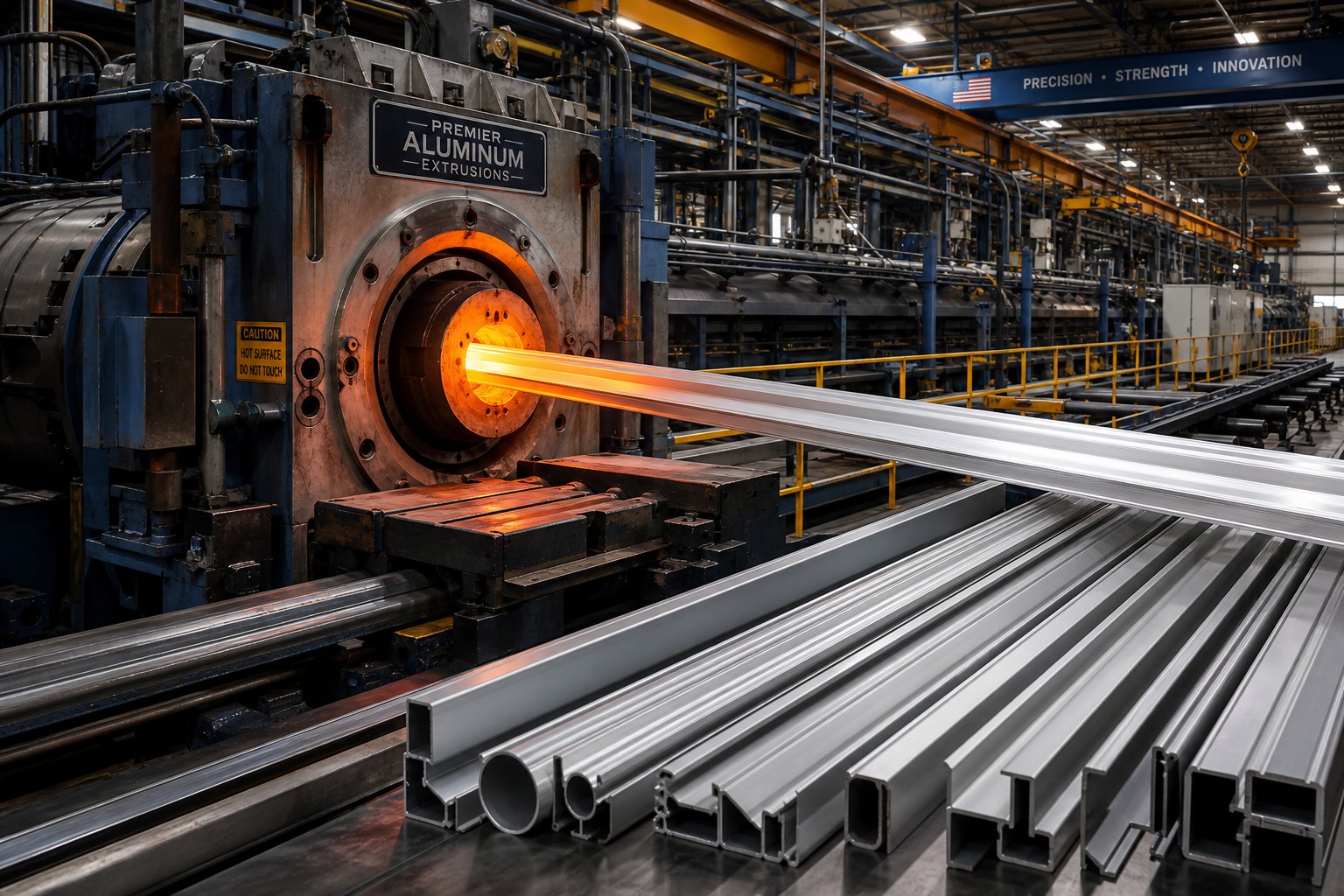
Ever wondered how modern trailers achieve that perfect balance between strength and weight? The answer lies in aluminum trailer extrusions—precisely engineered profiles that form the structural backbone of today's most durable trailers. These components are created by forcing heated aluminum alloy through specially designed dies, producing consistent cross-sectional shapes that range from simple angles to complex travel trailer aluminum siding and aluminum trailer trim molding.
Whether you're building a utility trailer from scratch or replacing worn aluminum RV siding on a camper, understanding these extruded components gives you a significant advantage. They're the reason modern trailers can haul heavy loads while remaining fuel-efficient and resistant to the elements.
Imagine squeezing toothpaste through a tube—that's essentially how aluminum extrusion works, just with a lot more pressure and heat. The process transforms solid aluminum into perfectly shaped profiles through a series of carefully controlled steps.
First, manufacturers cut cylindrical aluminum billets from larger logs of material. These billets are then preheated in an oven to approximately 400-500°C, making the metal soft and malleable without actually melting it. Think of it like warming butter—it becomes workable while still holding its shape.
Once heated, the billet transfers to an extrusion press where a hydraulic ram applies up to 15,000 tons of pressure. This immense force pushes the aluminum through a steel die—a specialized mold that determines the final profile shape. Whether it's aluminum trailer decking material or a rub rail trailer component, the die creates consistent cross-sections every time.
After exiting the die, the still-hot extrusion undergoes rapid cooling through water baths or high-powered fans. This "quenching" process locks in the profile's shape and begins developing its strength. Finally, workers stretch the cooled profiles to correct any minor twists, then cut them to specified lengths before heat treatment brings them to their final strength specifications.
You'll notice that premium trailer manufacturers increasingly turn to extruded aluminum—and for good reason. Compared to traditional steel construction, these profiles deliver advantages that directly impact your trailer's performance and longevity.
Aluminum weighs roughly one-third as much as steel while maintaining impressive structural integrity. This weight reduction translates to better fuel economy, increased payload capacity, and easier towing. For camper aluminum applications, this means you can carry more gear without upgrading your tow vehicle.
These advantages explain why everything from simple utility trailer frames to sophisticated enclosed cargo trailers now relies on extruded aluminum components. As you explore the following sections, you'll discover how to select the right profiles, alloys, and finishes for your specific trailer application.
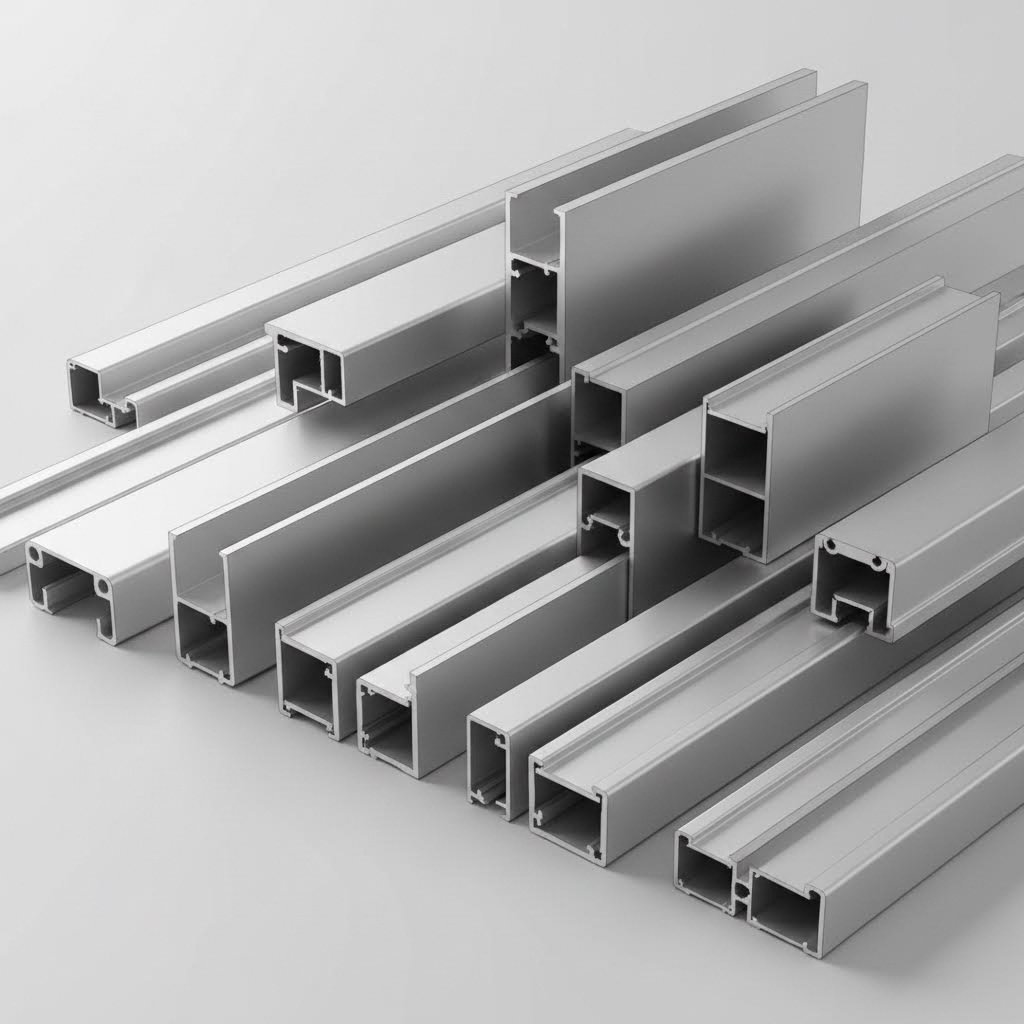
Now that you understand how aluminum trailer extrusions are made and why they matter, the next question is obvious: which profile shape do you actually need? Walk into any trailer supply warehouse, and you'll find dozens of different cross-sectional shapes—each designed for a specific purpose. Choosing the wrong profile means compromised structural integrity or wasted material. Choosing the right one? That's where smart trailer construction begins.
Think of profile shapes as the vocabulary of trailer building. Just as different words serve different purposes in a sentence, each extrusion shape performs a distinct structural or aesthetic role. Let's break down the most common types you'll encounter.
Angles (L-Profiles) feature two legs meeting at a 90-degree corner. You'll use these to reinforce joints, create corner brackets, and add rigidity where two flat surfaces meet. They're the workhorses of trailer framing—simple, versatile, and incredibly effective at distributing loads along two planes simultaneously.
Channels (U-Profiles) have a flat base with two parallel legs rising from it, forming an open rectangular shape. These profiles excel as tracks for sliding components, protective covers for wiring runs, and structural members where you need bending resistance. RV window trim often uses channel profiles to create secure mounting points while providing clean sight lines.
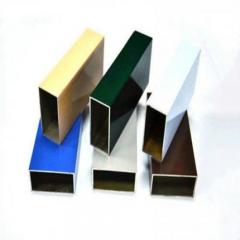
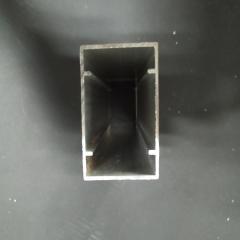
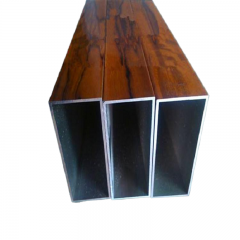
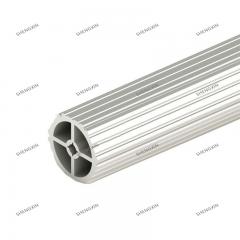
Tubes come in square, rectangular, and round variations. Their hollow construction delivers exceptional strength-to-weight performance—perfect for main frame rails, cross members, and any application where you need maximum rigidity without excessive weight. Square and rectangular tubes connect easily with flat surfaces, while round tubes offer superior torsional resistance.
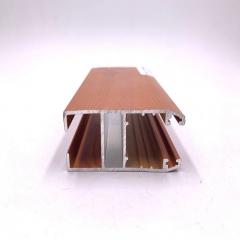
Trim Pieces encompass a wide variety of specialized profiles designed for finishing and protection. RV door trim molding, edge caps, and transition strips all fall into this category. These profiles typically feature snap-fit or slide-in designs that simplify installation while creating weather-tight seals.
Corner Molding represents a specialized subset of trim designed specifically for exterior corners. RV corner trim and camper corner trim protect vulnerable edges from impact damage while providing a finished appearance. Many corner molding profiles incorporate channels for sealant, ensuring moisture stays outside where it belongs.
RV roof trim profiles often combine multiple functions—they cap roof edges, channel water away from seams, and provide mounting points for accessories. This multi-purpose design philosophy extends across many trailer extrusions, reducing part counts and simplifying construction.
Selecting the right profile requires understanding what forces your trailer will face. Will the component bear weight? Resist bending? Protect against impacts? The answer determines which shape serves you best.
| Profile Type | Common Applications | Structural Role | Best Used For |
|---|---|---|---|
| Angles (L-Profile) | Corner reinforcements, brackets, edge protection | Distributes loads across two perpendicular planes; adds rigidity to joints | Frame connections, mounting supports, rv exterior corner trim molding |
| Channels (U-Profile) | Wiring runs, sliding tracks, panel mounting | Resists bending forces; contains and protects components | Door frames, window surrounds, rv exterior trim moulding |
| Square/Rectangular Tubes | Main frame rails, cross members, support posts | Maximum bending and torsional resistance with minimal weight | Primary structural framework, tongue assemblies, A-frames |
| Round Tubes | Roll cages, handrails, curved structural elements | Superior torsional strength; uniform stress distribution | Safety structures, grab handles, bow supports |
| Trim Profiles | Edge finishing, panel transitions, weathersealing | Protects edges; creates sealed joints; enhances appearance | Rv corner molding, door surrounds, panel terminations |
| Corner Molding | Exterior corners, vertical edges, roof-to-wall transitions | Impact protection; weatherproofing; aesthetic finishing | Camper corner trim, enclosed trailer corners, exterior edge caps |
When evaluating profiles, consider wall thickness alongside shape. Thicker walls increase load capacity but add weight and cost. For primary structural members like frame rails, heavier wall thicknesses make sense. For trim applications where appearance matters more than strength, lighter gauges reduce weight without sacrificing function.
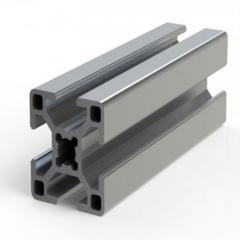
Also pay attention to how profiles will connect. Some extrusions feature built-in T-slots or mounting channels that accept standard fasteners, dramatically simplifying assembly. Others require welding or mechanical fastening—choices that affect both construction complexity and long-term serviceability.
Understanding these profile types and their applications prepares you for the next critical decision: selecting the right aluminum alloy. Different alloys offer varying combinations of strength, formability, and corrosion resistance—factors that significantly impact your trailer's performance and longevity.
So you've identified the right profile shape—but here's where many trailer builders stumble. Choosing between aluminum alloys can feel like deciphering a secret code. What does "6061-T6" actually mean for your project? Will 6063 hold up under heavy loads? These questions matter because the alloy you select directly impacts your trailer's strength, durability, and lifespan.
The good news? You don't need a metallurgy degree to make smart alloy decisions. By understanding the practical differences between the three most common trailer alloys—6063, 6061, and 6005—you'll confidently match materials to your specific application.
All three alloys belong to the 6000 series, meaning they share magnesium and silicon as primary alloying elements. This Al-Mg-Si composition creates magnesium silicide (Mg₂Si), which provides the strength and corrosion resistance that make these materials ideal for trailer construction. However, subtle differences in their chemical makeup produce distinct performance characteristics.
6063 Aluminum is often called the "architectural alloy" because of its exceptional surface finish and extrudability. When you need complex shapes with smooth, attractive surfaces—think aluminum trim molding or decorative rv aluminum trim—6063 delivers. It extrudes beautifully into thin-walled, intricate profiles that would challenge other alloys. The trade-off? Lower strength compared to its siblings, with a yield strength around 240 MPa in the T6 temper.
6061 Aluminum represents the versatile workhorse of trailer construction. Its balanced combination of strength, machinability, and weldability makes it suitable for everything from structural frames to extruded aluminum trailer flooring. With yield strength reaching approximately 276 MPa, it handles demanding applications where 6063 might fall short. However, 6061 contains small amounts of copper, which slightly reduces its corrosion resistance compared to copper-free alloys.
6005 Aluminum occupies the middle ground as a medium-strength structural alloy. It offers better strength than 6063 while maintaining easier extrudability than 6061. This makes 6005 particularly attractive for structural extrusions where you need reliable performance without the premium cost of 6061. Many manufacturers use it for cross members, support brackets, and secondary structural components.
| Alloy Type | Strength Rating (Yield/Tensile MPa) | Best Applications | Weldability | Corrosion Resistance |
|---|---|---|---|---|
| 6063-T6 | 240 / 270 (Moderate) | Aluminum trim for rv, decorative profiles, window frames, complex shapes | Excellent | Excellent |
| 6061-T6 | 276 / 310 (High) | Main frames, load-bearing members, extruded aluminum trailer flooring, structural components | Good (post-weld treatment may be needed) | Good (copper content slightly reduces) |
| 6005-T6 | 260 / 310 (Medium-High) | Cross members, support structures, modular framing, aluminum siding for campers | Excellent | Good |
Sounds complex? It's actually straightforward once you match alloy properties to your project requirements. Ask yourself three questions: How much load will this component bear? Does it need to look good? Will it face harsh environmental conditions?
For primary structural members—main frame rails, tongue assemblies, and load-bearing cross members—6061-T6 is your best choice. Its higher strength means you can use thinner wall sections without sacrificing structural integrity, potentially offsetting its premium cost through material savings. According to Protolabs, 6061 is generally selected where welding or brazing is required, though note that welding can weaken the heat-affected zone.
For aluminum camper trim and decorative applications, 6063 excels. Its superior surface finish accepts anodizing and powder coating beautifully, creating that polished appearance customers expect. The lower strength isn't a concern because trim profiles don't carry significant loads—they protect, seal, and finish.
For secondary structural components like interior supports, bracket systems, and modular framing, 6005 provides an excellent balance. You'll get better strength than 6063 with easier processing than 6061, making it cost-effective for high-volume applications.
Consider environmental exposure too. If your trailer will frequently encounter saltwater, road salt, or industrial chemicals, the excellent corrosion resistance of 6063 and 6005 offers advantages. For applications where strength takes absolute priority, 6061's slight corrosion trade-off is easily managed through proper finishing—which brings us to the surface treatments and protective coatings covered in upcoming sections.
Remember that alloy selection also affects long-term maintenance and repair. Trailers built with 6061 frames can be field-welded if damaged, though proper technique matters. Knowing which alloy you're working with helps fabricators, repair technicians, and future owners make informed decisions throughout the trailer's service life.
With your alloy knowledge in place, the next step is matching these materials to specific trailer types—because a horse trailer's requirements differ dramatically from a flatbed hauler or enclosed cargo unit.
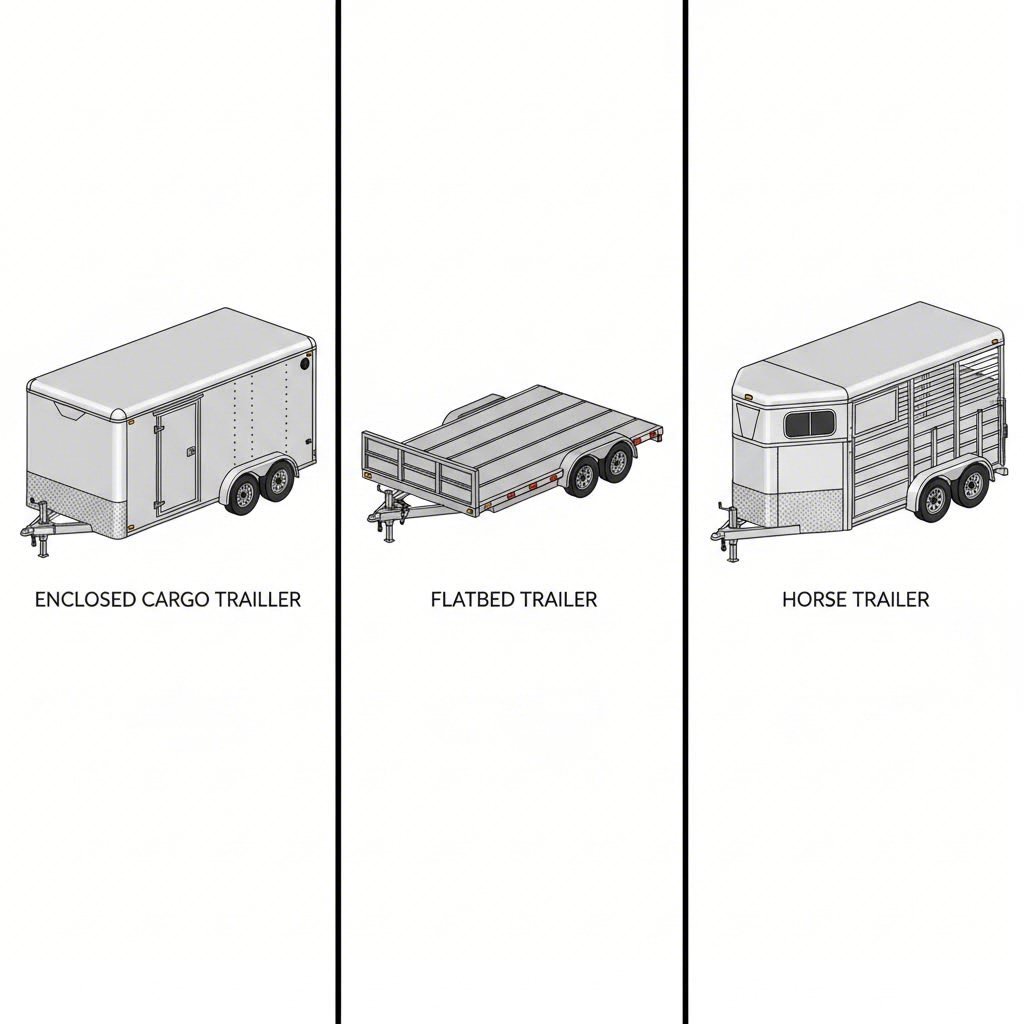
Now that you understand profile shapes and alloy options, here's the practical question: which extrusions work best for your specific trailer? A flatbed hauler faces completely different stresses than an enclosed cargo trailer. Horse trailers demand ventilation considerations that boat trailers never encounter. Let's match the right aluminum trailer extrusions to each application—because generic recommendations waste your time and money.
Enclosed cargo trailers represent one of the most demanding applications for extruded aluminum. These box-like structures must maintain rigidity across large unsupported spans while protecting cargo from weather, road debris, and theft. According to industry sources, enclosed trailers use aluminum for roof bows, wall studs, and floor panels—allowing for better thermal performance, lighter doors, and easy access to wiring and insulation.
When building or repairing enclosed trailers, you'll need a strategic combination of structural and finishing profiles:
The enclosed trailer trim you select significantly impacts both durability and appearance. Travel trailer exterior trim must withstand constant UV exposure while maintaining tight seals against wind-driven rain. Many manufacturers opt for 6063 alloy trim profiles because they accept powder coating and anodizing finishes beautifully, creating that polished, professional appearance customers expect.
Beyond enclosed cargo units, each trailer type presents unique challenges that specific extrusion profiles address. Here's how to approach the most common specialty applications.
Utility Trailers
Landscapers, contractors, and homeowners rely on utility trailers for daily hauling tasks. These trailers need corrosion resistance above all else—they're constantly outdoors, exposed to rain, fertilizers, and road salt. Open designs mean every component faces direct environmental exposure.
Horse and Livestock Trailers
Transporting animals introduces considerations you won't find in cargo applications. Ventilation matters—horses generate significant heat and moisture. Kick resistance is critical because frightened animals can deliver powerful impacts to interior walls. Smooth surfaces prevent injuries during loading and transport.
Boat Trailers
Saltwater and freshwater immersion create the harshest environment any trailer faces. Boat trailers spend significant time submerged during launching and retrieval, then sit wet for extended periods. Corrosion resistance isn't optional—it's essential for survival.
Flatbed Trailers
Industry experts note that the principle idea behind flatbed trailer design is to optimize payload—some are built 100% from aluminum alloy. These trailers carry everything from sheet metal to vehicles, making weight reduction particularly valuable. According to manufacturing data, aluminum flatbeds can weigh 36% less than comparable steel versions.
Grain and Dump Trailers
Hydraulic-operated dump trailers face unique stresses during loading and unloading cycles. Grain trailers are synonymous with U-shaped cross members made from aluminum extrusions—designs that spread weight evenly and prevent stress point formation.
Regardless of trailer type, proper profile selection balances three factors: load capacity requirements, environmental exposure levels, and aesthetic expectations. A working utility trailer might prioritize function over finish, while an rv trailer exterior trim application demands both durability and visual appeal.
Understanding these application-specific requirements prepares you for the next consideration: how these same extrusion profiles serve RV, motorhome, and camper applications where recreational demands add another layer of complexity.
Here's something many trailer builders discover: the aluminum extrusion profiles used in utility trailers and cargo haulers share remarkable overlap with RV and motorhome construction. That corner molding protecting your enclosed trailer's edges? It's often identical to what you'll find on a Class A motorhome. Understanding this crossover opens doors—literally and figuratively—to better sourcing options and smarter repair decisions.
Whether you're restoring a vintage camper or maintaining a modern motorhome, aluminum trailer extrusions provide the structural integrity and weather protection these recreational vehicles demand. Let's explore how these versatile profiles serve the unique needs of RVs, motorhomes, and campers.
Recreational vehicles face a challenging combination of road vibration, temperature extremes, and constant exposure to the elements. According to Tri-State Aluminum, manufacturers commonly use 6063, 6105, 6005A, and 6061 aluminum alloys for RV components—the same alloys powering trailer construction. This means rv trim designed for one application often works perfectly in another.
The range of motorhome mouldings available reflects decades of design evolution. Modern RV manufacturers have refined these profiles to solve specific problems—water intrusion, impact damage, UV degradation—that plagued earlier designs. Here's how different rv exterior trim molding categories address these challenges:
Imagine pulling into a campsite after a 500-mile journey. Your camper has absorbed countless road vibrations, temperature swings, and perhaps an unexpected thunderstorm. The camper trim moulding protecting your investment has worked continuously throughout—flexing slightly with thermal expansion, channeling water away from seams, absorbing minor impacts from road debris.
Camper exterior trim serves both protective and aesthetic purposes. When selecting replacement components, matching the existing installation matters more than you might expect:
Rv outside trim applications extend beyond simple panel edging. Awning rails feature channels for securely attaching and holding awning fabric, allowing smooth extension and retraction. Drip gutters above doors and windows prevent water cascades during rainstorms. Rub rails protect lower body panels from campsite obstacles and careless parking neighbors.
The marine industry shares many component requirements with RV construction—both environments involve moisture exposure, vibration, and weight sensitivity. This crossover means boat trailer components sometimes work perfectly for marine-adjacent camper applications, particularly for campers frequently stored or used near water.
When sourcing replacement camper trim, consider that manufacturers like Tri-State Aluminum maintain over 2,000 standard extrusion dies, producing components to tolerances within +/-0.002 inches. This precision matters when you're matching 20-year-old trim on a restoration project—quality suppliers can often match vintage profiles or suggest compatible alternatives.
With your understanding of how aluminum extrusions serve RV and camper applications, the next logical step is exploring surface finishes and protective treatments that extend component life—particularly important for recreational vehicles that face extreme environmental conditions season after season.
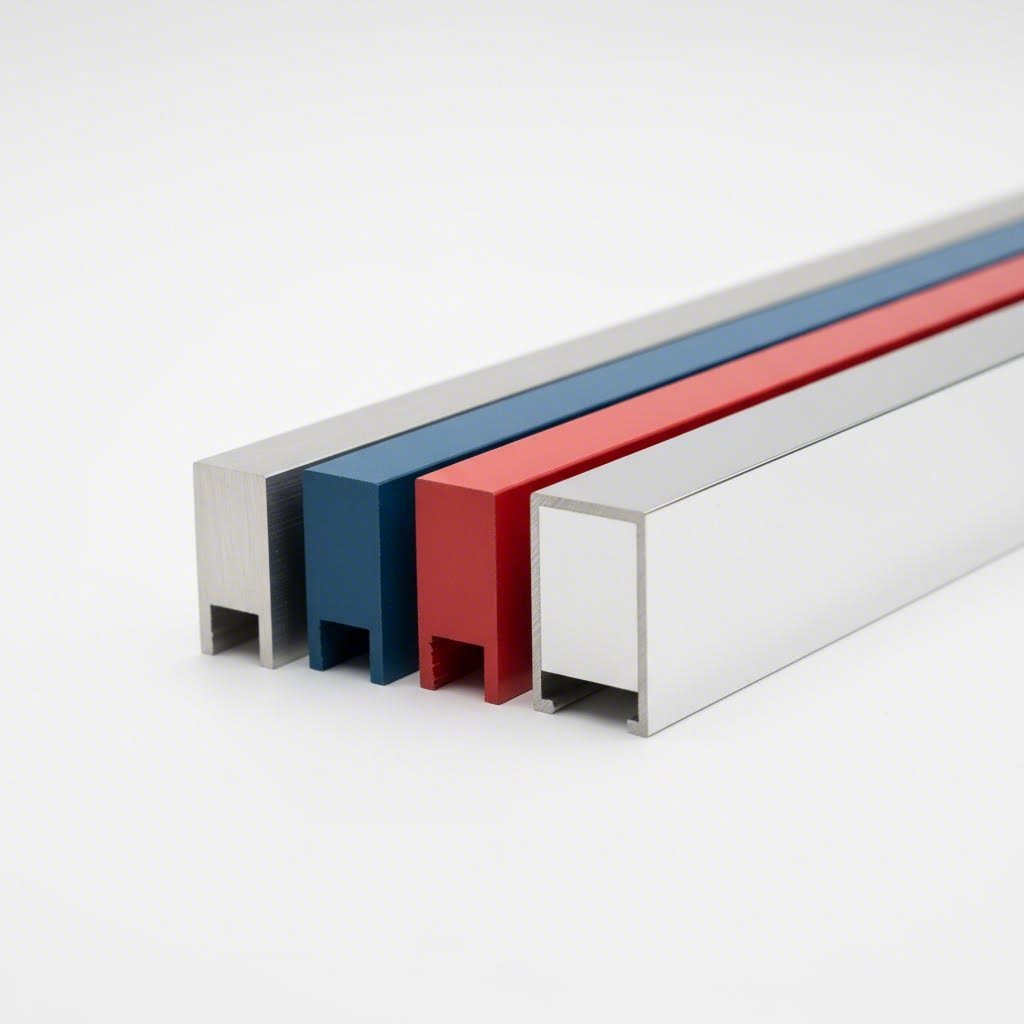
You've selected the right profile shape, chosen the appropriate alloy, and matched components to your specific trailer type. But here's a critical factor that separates trailers lasting five years from those enduring twenty: surface finishing. Raw aluminum fresh from the extrusion press—called "mill finish"—looks appealing initially but remains vulnerable to scratches, stains, and environmental degradation. The finish you apply determines how your exterior rv trim and structural components perform under real-world conditions.
Think of surface treatments as armor for your aluminum trailer extrusions. Each option offers distinct advantages depending on your trailer's intended environment, aesthetic requirements, and maintenance expectations. Let's decode your options so you can make informed decisions.
Unlike paints or coatings that sit on top of aluminum, anodizing transforms the metal's surface through an electrochemical process. When you submerge aluminum in an acid bath and pass electric current through it, you create a super-hard layer of aluminum oxide that's actually integrated with the metal itself—not just stuck to it.
This distinction matters enormously for rv exterior molding and high-wear applications. According to industry experts, anodized surfaces won't chip, peel, or flake because the protective layer is part of the aluminum structure. The process creates surfaces significantly harder than raw aluminum, dramatically improving scratch and abrasion resistance.
Color options extend far beyond basic silver and black. Specialized manufacturers like Shengxin Aluminium offer anodizing in custom colors including Champagne and Rose Gold—opening design possibilities for camper exterior trim that stands out from standard offerings. These colors penetrate the oxide layer, creating durable finishes that maintain their appearance through years of UV exposure.
However, anodizing has limitations worth understanding. Color matching can prove challenging for repair work, and the process works best on 6000-series alloys. Complex multi-part assemblies may show slight color variations between pieces processed in different batches. For rv outside trim applications where exact color matching matters, order all components simultaneously.
When your trailer faces extreme conditions—coastal salt spray, industrial chemicals, or intense UV exposure—applied coatings may outperform anodizing. Two technologies dominate professional applications: powder coating and PVDF (Polyvinylidene Fluoride) coating.
Powder Coating uses electrostatically charged dry powder that's baked onto grounded aluminum parts. This process creates thick, uniform protective layers with exceptional impact resistance. According to surface treatment specialists, powder coating offers virtually unlimited color options—from standard whites and blacks to custom-matched brand colors. The thick coating provides superior protection for exterior trim for rv applications subject to stone chips and loading impacts.
Powder coating's environmental friendliness adds another advantage. The process produces minimal waste, and overspray can be recycled. For high-volume trailer production, this translates to cost savings and easier regulatory compliance.
PVDF Coating represents the premium choice for architectural and high-performance applications. Often recognized by the trade name Kynar 500, this liquid paint system delivers exceptional fade resistance—maintaining color integrity for decades even under intense UV exposure. Architects consider PVDF the gold standard for exterior projects, and these same properties make it ideal for rv exterior molding trim that must look perfect year after year.
For demanding applications, advanced treatments like Micro-arc Oxidation create ceramic-like surfaces with exceptional hardness values. Manufacturers such as Shengxin Aluminium offer this technology alongside conventional Powder Coating and PVDF options, providing comprehensive finishing solutions for specialized trailer applications.
Mill Finish remains appropriate for concealed structural components where appearance doesn't matter. Internal frame members, hidden supports, and components covered by panels don't need decorative finishing. However, even these pieces benefit from the natural oxide layer aluminum develops—just ensure proper storage to prevent surface contamination before assembly.
| Finish Type | Durability Rating | Best Environment | Aesthetic Options | Maintenance Level |
|---|---|---|---|---|
| Anodizing (Clear/Color) | Excellent (integrated with metal) | General outdoor, moderate UV exposure | Silver, black, bronze, custom colors (Champagne, Rose Gold) | Low—periodic cleaning only |
| Powder Coating | Very Good (thick protective layer) | High-impact areas, industrial settings | Virtually unlimited colors, textures, and glosses | Low to Moderate—inspect for chips |
| PVDF Coating | Superior (decades of UV stability) | Harsh UV, coastal, architectural applications | Wide color range with exceptional fade resistance | Very Low—self-cleaning properties |
| Mill Finish | Moderate (natural oxide forms) | Concealed structural components | Raw aluminum appearance only | Moderate—monitor for corrosion |
| Micro-arc Oxidation | Exceptional (ceramic-like hardness) | Extreme wear, high-temperature applications | Limited—primarily functional | Very Low—extremely durable surface |
When selecting finishes for camper exterior trim molding, consider the complete lifecycle. Anodized components often cost less initially but may be harder to repair if damaged. Powder-coated parts can be stripped and refinished—valuable for restoration projects. PVDF's premium price pays dividends through reduced maintenance and extended appearance life.
Also consider how different finishes interact during assembly. Mixing finish types on adjacent components can create visual inconsistencies and, in some cases, galvanic corrosion concerns when dissimilar coatings trap moisture at contact points.
With your finish selected, the next consideration becomes equally important: how will you cut, join, and install these finished extrusions without compromising their protective surfaces? Proper installation techniques preserve the performance characteristics you've invested in—a topic we'll address in the following section.
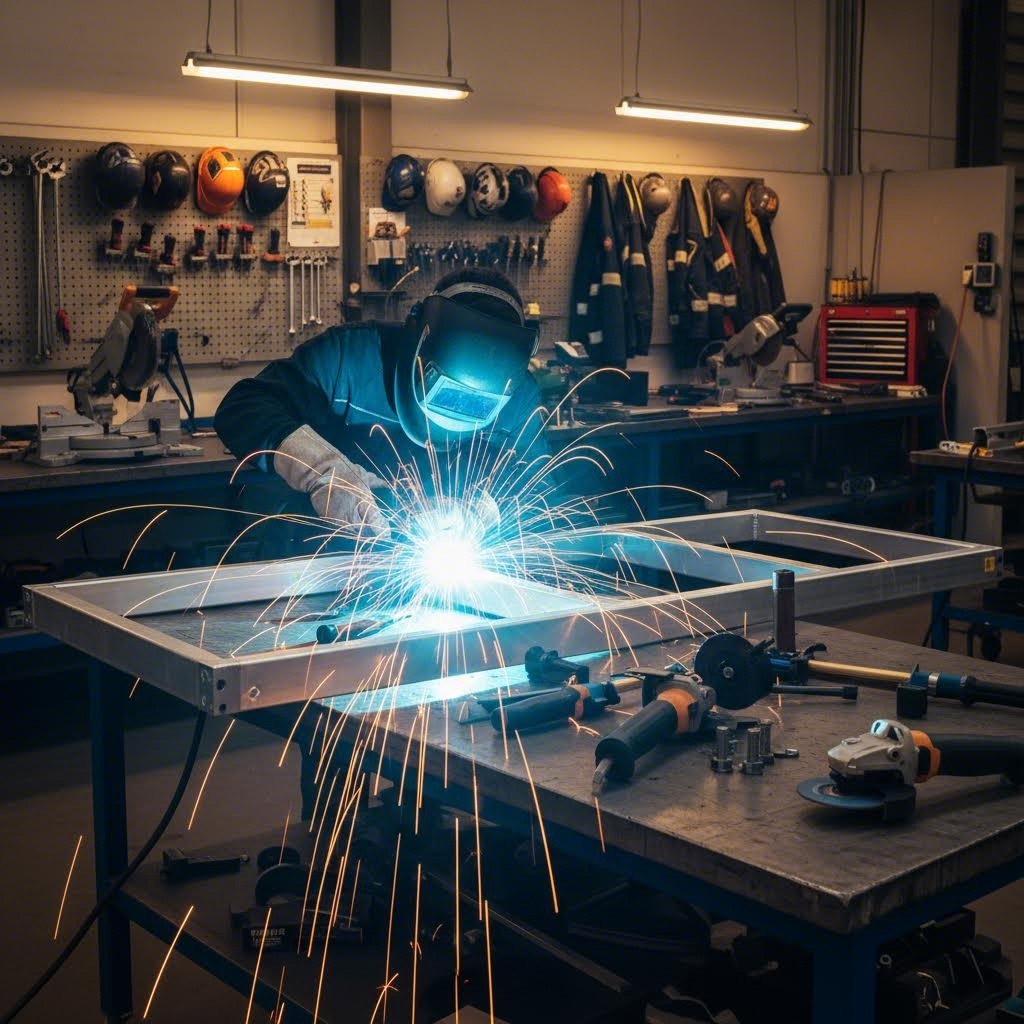
You've selected the perfect profiles, matched the right alloys, and chosen protective finishes that will last for years. Now comes the moment of truth: actually putting everything together. This is where many trailer projects go sideways—not because of material failures, but because of fabrication mistakes that undermine all your careful planning. Whether you're welding rv trim and molding into place or mechanically fastening rv exterior trim, proper technique preserves both structural integrity and appearance.
The good news? Aluminum fabrication follows predictable rules. Master these fundamentals, and you'll avoid the cracking, corrosion, and premature failures that plague poorly assembled trailers.
Here's a perception that trips up many experienced welders: aluminum isn't harder to weld than steel—it's just different. According to Lincoln Electric, many welding professionals mistakenly bring their steel habits to aluminum work, creating unnecessary problems.
Before striking an arc, verify your alloy is actually weldable. Virtually all 1XXX, 3XXX, 4XXX, 5XXX, and 6XXX family alloys work well with GTAW or GMAW processes. However, most 2XXX and 7XXX alloys—including commonly available 2024 and 7075—are not weldable. Welding an incompatible alloy can cause immediate cracking or premature service failure down the road.
Filler metal selection matters enormously for rv moulding and structural applications. For joining 5XXX sheet alloys to 6XXX extrusions (like 6061-T6), industry experts recommend 5356 or 5554 filler alloys. Using the wrong filler can result in weld failures that appear months or years later—a nightmare scenario for trailer owners.
According to engineering analysis, welding introduces stress concentrations where cracks often originate. This is particularly critical near the top and bottom faces of load-bearing beams. Design welds away from high-stress surfaces whenever possible, and consider using thicker material—even 1/8" to 3/16" increases can dramatically improve fatigue resistance at welded joints.
Not every connection requires welding. For camper molding, rv roof molding, and exterior aluminum trim applications, mechanical fasteners often provide superior results—especially when you need to disassemble components later for maintenance or replacement.
However, mixing metals introduces a hidden danger: galvanic corrosion. When dissimilar metals contact each other in the presence of moisture, an electrochemical reaction accelerates corrosion of the more active metal. According to corrosion specialists, aluminum paired with steel or copper can deteriorate rapidly if not properly isolated.
When cutting aluminum extrusions, use carbide-tipped saw blades designed for non-ferrous metals. Standard steel-cutting blades generate excessive heat and produce rough edges. For rv outside corner molding and visible trim, clean cuts eliminate time-consuming finishing work.
Drilling aluminum requires sharp high-speed steel or cobalt bits with proper chip clearance. Unlike steel, aluminum tends to grab drill bits—use slower speeds and steady pressure to prevent grabbing. Back up thin-wall extrusions with scrap material to prevent deformation at hole exit points.
Bending aluminum extrusions demands attention to minimum bend radius specifications. Attempting tight bends in cold material causes cracking, particularly in higher-strength 6061 alloys. For tight radius bends, consider warming the material slightly—though stay well below temperatures that affect temper properties.
Before installing any retrofit reinforcements on existing trailers, inspect carefully for hairline cracks with the trailer hitched and tongue under load. Cracks are easier to see when beams are in tension.
Whether welding structural frames or fastening decorative trim, proper technique protects your investment. The extra time spent on correct procedures pays dividends through years of reliable service—and prevents the frustrating failures that result from rushed or improper installation.
With your aluminum trailer extrusions properly installed, the final consideration becomes ongoing care. Proper maintenance extends component life dramatically, which we'll explore in the next section.
Your aluminum trailer extrusions are installed, finished, and looking sharp. But here's what separates trailers that stay pristine from those that deteriorate prematurely: consistent maintenance. According to industry experts, aluminum trailers endure tough conditions—road salts, UV rays, moisture, and debris can all degrade components over time if not addressed. The good news? A proactive routine keeps your rv exterior trim replacement costs low and your trailer looking professional for decades.
Think of cleaning as preventive medicine for your trailer. Road salts accelerate corrosion around joints and fasteners. UV rays cause oxidation that dulls surfaces. Moisture trapped in crevices leads to pitting. Addressing these factors before they cause damage saves both money and headaches.
Follow this routine to keep your camper trim molding and structural components in top condition:
For heavily oxidized surfaces, aluminum polish removes the dull white layer and restores shine. However, polishing removes a thin layer of material—use it only when necessary, not as routine maintenance. Regular cleaning prevents the oxidation that makes polishing necessary.
Coastal environments, winter roads, and agricultural applications expose trailers to corrosive elements that challenge even well-finished aluminum. According to corrosion specialists, aluminum's natural oxide layer provides protection—but chlorides, sulfides, and galvanic reactions can break through this barrier.
Proactive strategies keep corrosion from gaining a foothold:
When inspecting for wear, look beyond obvious damage. Hairline cracks near welds often indicate fatigue—especially on load-bearing components. Discoloration around fasteners suggests galvanic corrosion between dissimilar metals. Catching these issues early enables repair before replacement becomes necessary.
Minor oxidation and surface scratches typically respond well to polishing and resealing. However, pitting corrosion, structural cracks, or significant material loss generally require rv corner molding replacement rather than repair.
Proper maintenance transforms aluminum from a good material choice into an exceptional one. A well-maintained trailer retains its structural integrity, appearance, and resale value—making the modest time investment worthwhile over years of reliable service. With care fundamentals covered, the final consideration becomes selecting suppliers who can provide quality extrusions and support your ongoing needs.
You've mastered profile selection, alloy choices, finishing options, and installation techniques. Now comes perhaps the most consequential decision of all: who will actually manufacture your aluminum trailer extrusions? The right supplier becomes a technical partner—supporting precision manufacturing, consistent quality, and long-term reliability. The wrong one? Expect delayed shipments, dimensional inconsistencies, and warranty headaches that haunt your projects for years.
Whether you need corner molding for rv applications, aluminum trim molding trailers, or custom structural profiles, evaluating suppliers systematically separates successful projects from frustrating failures. Let's walk through the criteria that matter most.
According to industry experts, a qualified aluminum extrusion supplier offers much more than extruded profiles—they provide engineering collaboration, quality assurance, and integrated production capabilities that align with your business goals. Here's what to assess before committing to any manufacturer.
Production Capacity and Equipment
The size and variety of extrusion presses directly impacts what profiles a manufacturer can produce. Press tonnage determines maximum profile dimensions—larger presses handle bigger, more complex shapes. For trailer trim molding and structural components, look for manufacturers with multiple press capacities to accommodate diverse project needs.
For example, Shengxin Aluminium operates 35 extrusion presses ranging from 600T to 5500T capacity—a range that handles everything from delicate camper moulding profiles to heavy structural frame components. This equipment diversity matters when your project requires both precision trim and load-bearing extrusions.
Quality Certifications
Certifications aren't just badges—they represent verified commitment to standardized processes. According to manufacturing specialists, ISO 9001 certification confirms documented processes from quoting to shipping, with regular audits and corrective action systems. For automotive applications, look for IATF 16949; aerospace projects may require AS9100 compliance.
Ask about in-house testing capabilities: does the manufacturer offer tensile strength testing, dimensional inspection, salt spray resistance checks, or hardness verification? A strong quality assurance program minimizes rejects and downstream production interruptions.
Value-Added Services
Beyond extrusion, full-service suppliers deliver in-house surface finishing (anodizing, powder coating, PVDF), CNC machining, cutting-to-length, drilling, bending, and even welding. These integrated services reduce your coordination costs and improve turnaround times. When sourcing extruded aluminum trailer trim, manufacturers with comprehensive capabilities can deliver finished components rather than raw profiles requiring additional processing.
Standard profiles work for many applications—but trailers often demand custom solutions. Maybe you need a unique rv exterior corner trim molding replacement profile that matches a discontinued design. Perhaps your application requires specialized rv corner molding exterior components with integrated mounting features. Custom extrusion opens these possibilities, but requires careful supplier evaluation.
Die Development Support
Creating custom profiles starts with die design. Top-tier suppliers assist with die development and prototyping, ensuring manufacturability from the design stage. According to industry sources, this early-stage technical support—including tolerance advice, extrusion optimization, and CAD file consultation—can improve your final product while reducing tooling revisions.
Manufacturers like Shengxin Aluminium provide end-to-end support from die development through mass production, with CNC machining capabilities for precise cutting, drilling, and bending to exact specifications. This integrated approach streamlines projects and reduces the coordination burden on your team.
Cost Considerations
Custom extrusion costs depend on several factors: die complexity, aluminum alloy selection, profile intricacy, order quantity, and finishing requirements. According to cost analysis, initial tooling investments typically range from $2,000-$10,000, but per-part costs become very economical at higher volumes—often dropping to cents per part for medium to high-volume production.
Factory-direct pricing from established manufacturers can significantly reduce costs compared to working through distributors or middlemen. When evaluating quotes, consider total cost of ownership: a slightly higher per-piece price from a supplier offering integrated finishing and machining may cost less overall than coordinating multiple vendors.
Essential Questions to Ask Potential Suppliers
Before committing to any manufacturer, gather the information you need to make an informed decision. Use this checklist during your evaluation:
Building a structured evaluation approach—scoring potential suppliers across capabilities, quality control, delivery performance, and communication—helps you compare options objectively. According to supplier evaluation best practices, defining benchmarks for each category and using weighted scoring prioritizes factors most important to your specific application.
Request physical samples to validate extrusion precision, surface finish, and material consistency before committing to full contracts. If possible, conduct factory audits or virtual walkthroughs to assess machinery, cleanliness, and workflow organization. These verification steps—combined with reference checks from companies with similar needs—protect your supply chain from sudden disruptions and quality inconsistencies.
The supplier relationship you establish today determines whether your aluminum trailer extrusions arrive on time, meet specifications, and perform reliably for years to come. Invest the effort upfront to find a partner who understands your requirements, communicates transparently, and delivers consistent quality—your trailers (and your customers) will thank you.
6061-T6 aluminum is the preferred choice for trailer frames due to its high yield strength (approximately 276 MPa), excellent weldability, and balanced corrosion resistance. This alloy handles demanding structural applications where maximum strength matters, including main frame rails, tongue assemblies, and load-bearing cross members. For secondary structural components, 6005-T6 offers a cost-effective alternative with medium-high strength, while 6063-T6 works best for decorative trim and non-structural applications.
Aluminum weighs approximately one-third as much as steel while maintaining impressive structural integrity. Aluminum flatbed trailers can weigh up to 36% less than comparable steel versions. This significant weight reduction translates directly to better fuel economy, increased payload capacity, and easier towing—allowing you to haul more cargo without upgrading your tow vehicle or exceeding weight limits.
Trailer and RV construction utilizes several extrusion profile types: angles (L-profiles) for corner reinforcements and brackets; channels (U-profiles) for wiring runs, door frames, and window surrounds; square and rectangular tubes for primary structural framework; trim profiles for edge finishing and weathersealing; and corner molding for exterior protection. Each profile serves specific structural or aesthetic purposes, with manufacturers like Shengxin Aluminium offering comprehensive options from 600T to 5500T press capacities.
Major surface finish options include anodizing (available in standard and custom colors like Champagne and Rose Gold), powder coating (virtually unlimited colors with excellent impact resistance), PVDF coating (superior UV and fade resistance for decades), and mill finish for concealed components. Each finish offers different durability levels, aesthetic options, and maintenance requirements. Specialized treatments like Micro-arc Oxidation create ceramic-like surfaces for extreme wear applications.
Prevent galvanic corrosion by using compatible fasteners (stainless steel with proper isolation), installing non-conductive barriers like plastic or rubber washers between dissimilar metals, applying protective sealants at fastener locations to block moisture, and ensuring aluminum components have larger surface area than steel components when mixing metals is unavoidable. Regular inspection of joints and fastener locations helps catch early corrosion signs before significant damage occurs.



 خدمة الإنترنت
 0086 136 3563 2360
 sales@sxalu.com
 +86 136 3563 2360
 العربية
 English
 français
 Deutsch
 русский
 español
 português
 ไทย
ไทย Việt
Việt Українська