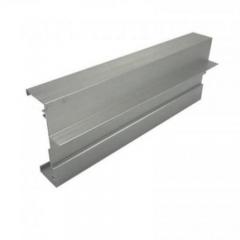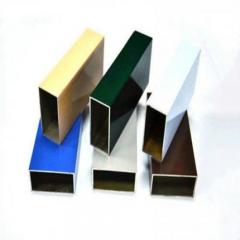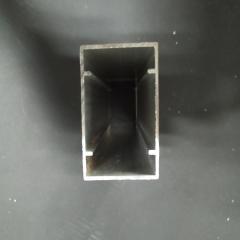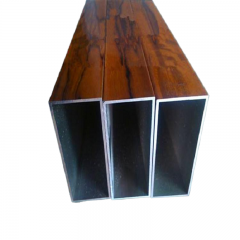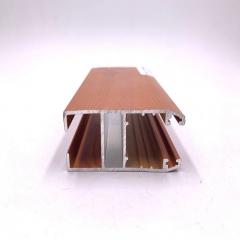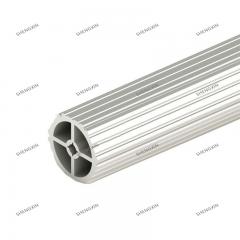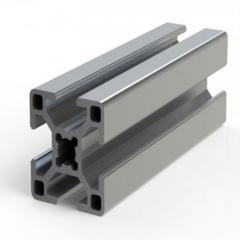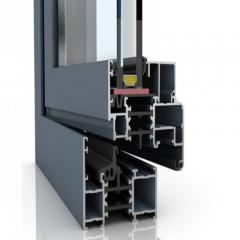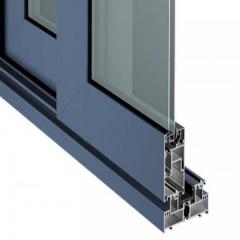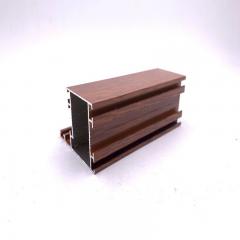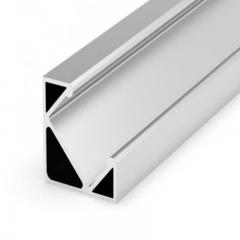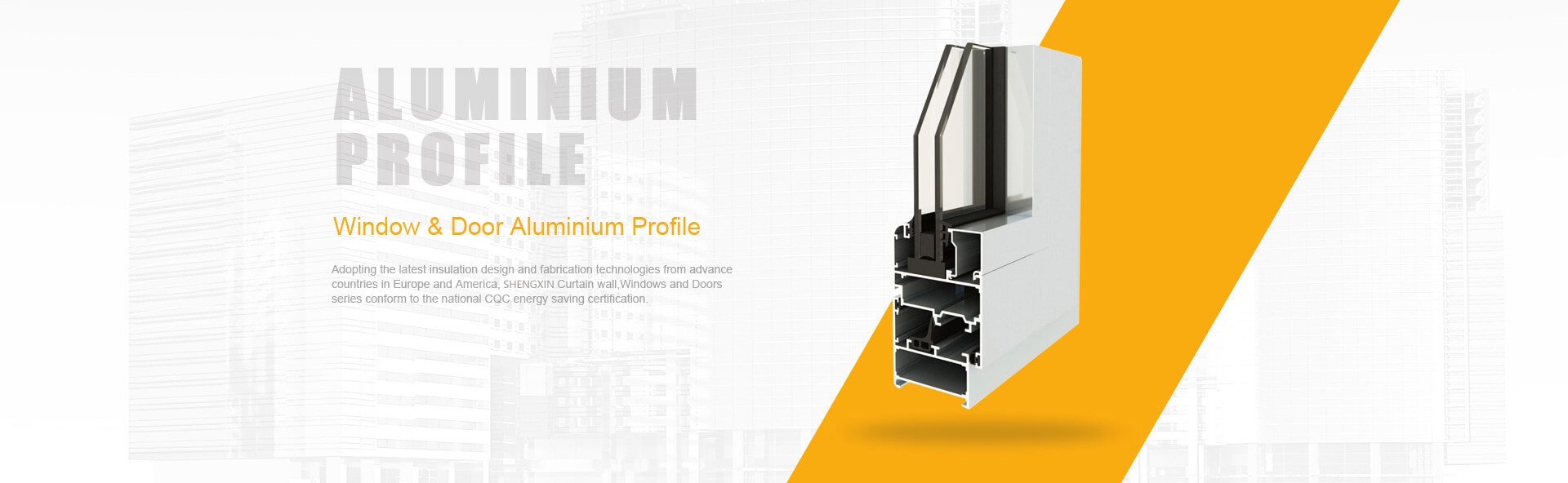
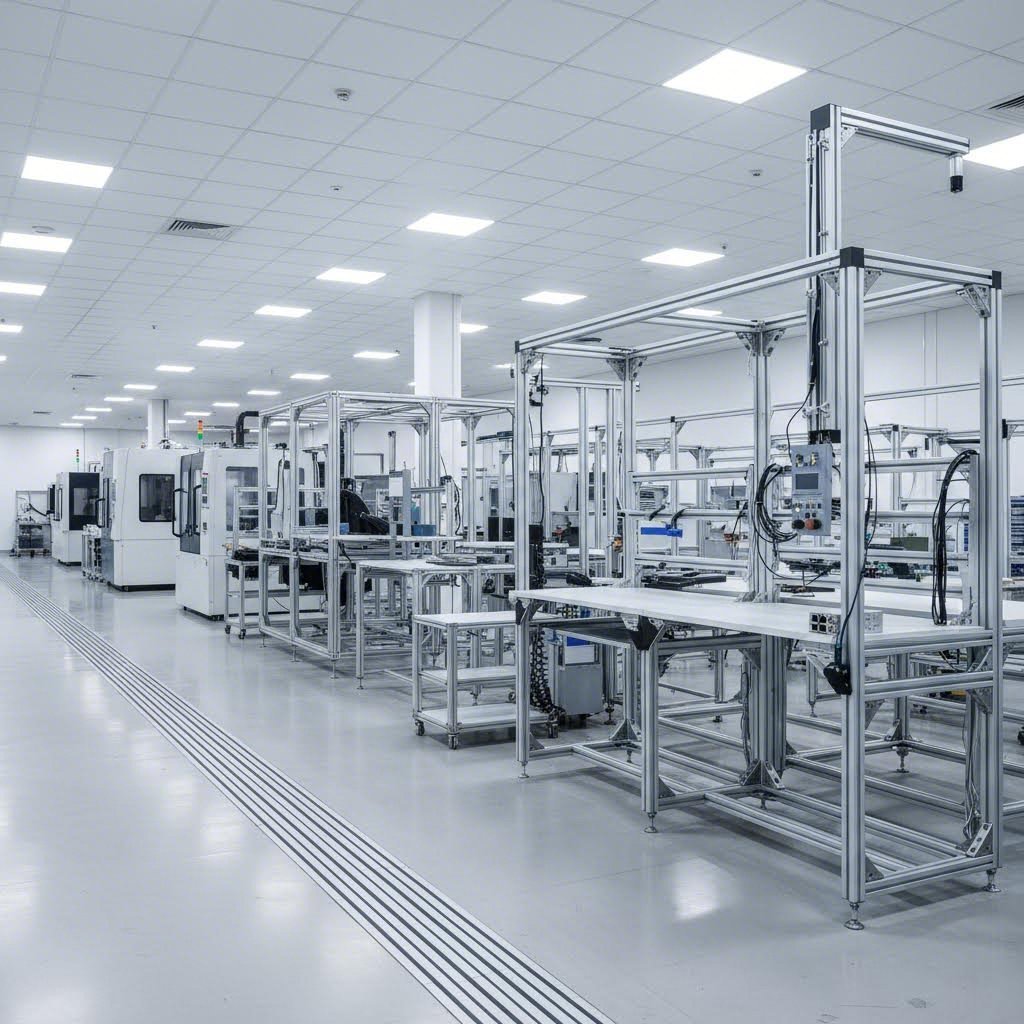
Aluminum slotted extrusion refers to extruded aluminum profiles featuring T-shaped or V-shaped channels running along their length. These channels enable modular assembly without welding, drilling, or permanent fasteners. Unlike solid aluminum profiles designed for single-purpose applications, slotted aluminum extrusion transforms structural building into a flexible, reconfigurable system where components connect anywhere along the profile's length.
Think of it this way: standard aluminum extrusion profiles lock you into fixed designs, while t slotted aluminum extrusions give you freedom to adjust, expand, and modify your structures on demand.
Understanding the basic components helps you navigate product catalogs and communicate effectively with suppliers. Here are the key terms you'll encounter:
Profiles can feature slots on one side, multiple sides, or all four faces. A v slotted aluminum insert allows you to add motion capabilities to existing structures, while tslots provide the primary connection points for hardware and accessories.
Before slotted extrusions became widely available, building custom frames meant welding, drilling precise holes, and committing to permanent designs. Any modification required grinding, re-welding, and hoping your measurements were correct.
T-slot framing systems eliminate the need for welding certifications, specialized fabrication equipment, and permanent joints—allowing anyone to build professional-grade structures with basic hand tools.
This fundamental shift delivers three core advantages that make slotted aluminum extrusion invaluable across industries:
According to Gabrian International, you can easily set up frames and structures by joining profiles with connectors, eliminating welding while still achieving robust construction. The connectors create solid, stable joints capable of withstanding vibrational forces and supporting heavy loads when properly configured.
Whether you're building a 3D printer frame, a CNC machine enclosure, or an industrial workstation, aluminum extrusion profiles provide a standardized yet infinitely adaptable foundation for your project.
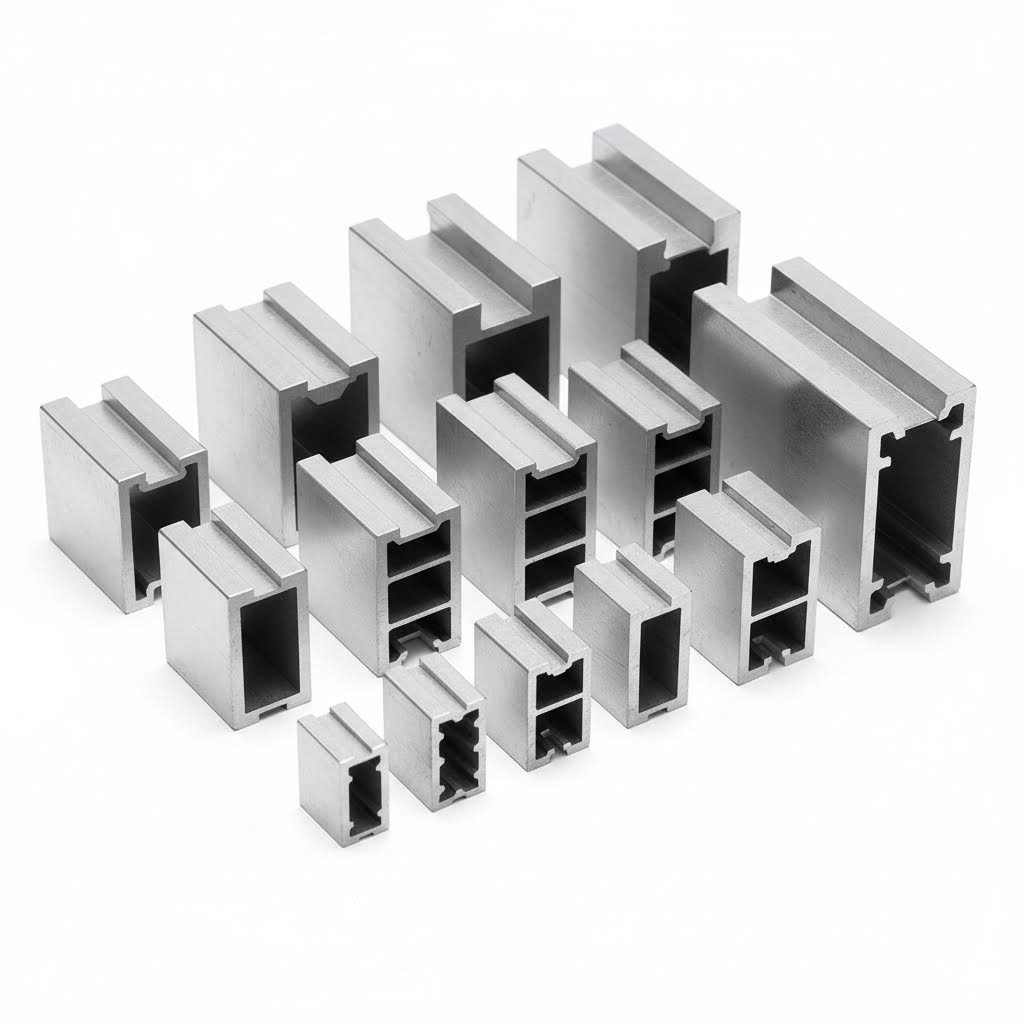
Ever wondered what those numbers like "10 Series" or "4040" actually mean when shopping for aluminum slotted extrusion? You're not alone. Most suppliers reference these classifications without explaining them, leaving buyers confused about which profile fits their project. Let's decode these series numbers so you can confidently select the right size from the start.
The series number system follows a logical pattern once you understand the underlying principle. For fractional (imperial-based) systems like 80/20 aluminum profiles, the series number relates to the base profile dimension and slot configuration. For metric systems, the number directly indicates the profile's cross-sectional dimension in millimeters.
According to 80/20's naming convention guide, profile names typically follow this pattern: [Series Number]-[Profile Size]x[Profile Size/Shape]-[Additional Features]. The series number represents the broader category based on general profile size and determines hardware compatibility across that product line.
Here's how the major series break down:
The 80 20 10 series has become something of an industry standard for light to medium-duty projects. When you hear someone mention "80 20 aluminum," they're often referring to this versatile 1" profile system that balances strength, cost, and component availability.
Choosing between series isn't just about size—it's about matching slot width, load capacity, and available hardware to your specific application. The table below provides a comprehensive comparison to guide your selection:
| Series | Base Dimension | Slot Width | Slot Compatibility | Typical Load Range | Common Applications |
|---|---|---|---|---|---|
| 10 Series (1010 series) | 1" (25.4mm) | .255" (6.5mm) | Slot 6 | Light to Medium | 3D printer frames, small enclosures, display fixtures |
| 15 Series | 1.5" (38.1mm) | .322" (8.2mm) | Slot 8 | Medium to Heavy | Machine guards, workstations, larger enclosures |
| 20 Series | 20mm | 6mm | M5 Hardware | Light | Desktop projects, prototypes, hobby builds |
| 30 Series | 30mm | 8mm | M6/M8 Hardware | Light to Medium | Assembly fixtures, carts, frames |
| 40 Series | 40mm | 8mm | M8 Hardware | Medium to Heavy | CNC machines, industrial automation, structural frames |
| 45 Series | 45mm | 10mm | M8/M10 Hardware | Heavy | Large machinery, safety guarding, load-bearing structures |
Notice something important: most T-slot systems worldwide use metric measurements for slot widths and hardware, even in markets that prefer imperial dimensions. As Parco's profile guide explains, the 30mm and 40mm profiles share an 8mm slot, while 45mm and 60mm profiles use a 10mm slot. This metric standardization means your M8 T-nuts and bolts work across multiple series, simplifying inventory management.
The 1010 extrusion remains the go-to choice for makers and engineers starting their first slotted extrusion project. Its smaller footprint keeps costs manageable while still providing enough structural integrity for most desktop and light industrial applications. When projects demand more strength or span longer distances without deflection, stepping up to 15 Series or 4040 profiles makes practical sense.
One crucial detail: hardware doesn't transfer between fractional and metric systems. A T-nut designed for 10 Series profiles won't fit a 30 Series slot, even though both exist in the "lighter duty" category. Always verify slot compatibility before purchasing components from different manufacturers.
With series classifications now demystified, you're ready to explore the material science behind these profiles—specifically, which aluminum alloys deliver the performance characteristics your application demands.
So you've identified the right profile series for your project. But here's a question that product catalogs rarely answer clearly: what's actually inside that aluminum extrusion profile? The alloy composition determines everything from how much weight your structure can support to how it looks after years of use. Let's break down the material science in terms that actually help you make decisions.
The 6000 series aluminum alloys dominate the slotted extrusion market. These alloys combine magnesium and silicon as their primary alloying elements, creating materials that extrude beautifully while delivering solid structural performance. Two specific grades stand out: 6063 and 6061.
When browsing aluminium extrusion options, you'll encounter 6063-T5 and 6061-T6 repeatedly. Understanding their differences prevents costly mismatches between material capabilities and project requirements.
6063 Aluminum earns the nickname "architectural aluminum" for good reason. According to Industrial Metal Service, this alloy contains fewer additional metals than 6061, resulting in a purer composition that produces exceptional surface finishes. While this reduces raw strength compared to 6061, it enhances the material's appearance and makes it more amenable to aesthetic coating processes like anodizing.
You'll find 6063 in most standard aluminum t slot profiles, extruded aluminum panels for enclosures, and architectural elements where visual appeal matters alongside function. Its excellent corrosion resistance makes it ideal for applications exposed to varying environmental conditions.
6061 Aluminum steps in when structural demands increase. This alloy delivers significantly higher tensile and yield strength—approximately 45,000 psi tensile strength in T6 temper compared to 35,000 psi for 6063-T6. Think machine frames handling dynamic loads, automation equipment with precision requirements, or any application where deflection under stress creates problems.
Here's what each alloy brings to your project:
The letter-number combinations after alloy names—like T5 or T6—indicate heat treatment and mechanical processing. These temper designations dramatically affect performance.
T4 Temper: Naturally aged after solution heat treatment. Provides moderate strength with good formability. You'll see T4 when profiles need bending or significant post-extrusion shaping.
T5 Temper: Artificially aged after cooling from the extrusion process. This common treatment for 6063 balances strength, cost, and surface quality for general-purpose applications.
T6 Temper: Solution heat treated and artificially aged for maximum strength. The 6061-T6 designation represents one of the strongest aluminum conditions available, making it the go-to for structural aluminum plate, aluminum angle brackets, and high-stress extruded aluminium components.
For reference, 6061-T6 achieves a Brinell hardness of 95 compared to 73 for 6063-T6—a meaningful difference when components face impact or wear.
Surface treatments serve functional purposes that extend beyond making profiles look professional. Black aluminum extrusion, for instance, isn't just visually striking—the anodized layer adds corrosion protection and wear resistance.
Common finish options include:
The anodizing process actually becomes part of the aluminum surface rather than sitting on top like paint, making it extremely durable for high-wear applications. When specifying extruded aluminum profiles for your project, consider both the underlying alloy and surface treatment as complementary decisions.
Now that you understand what these profiles are made of, let's explore the hardware ecosystem that makes modular assembly possible—the connectors, fasteners, and accessories that transform raw extrusions into functional structures.
You've selected the perfect profile series and understand the alloy behind it. But here's the reality: aluminum slotted extrusion is only as useful as the hardware connecting it. Without the right fasteners, brackets, and accessories, those precision-engineered profiles remain just expensive aluminum bars sitting in your workshop.
The hardware ecosystem transforms modular framing from concept to functional structure. According to A-Line Automation, T-slot accessories are what transform a simple aluminum frame into a fully functional, customized solution—whether it's a machine guard, ergonomic workstation, or complex automated assembly line. Let's decode this ecosystem so you can build with confidence.
Every t slot rail system relies on a core set of components. Understanding what each does—and when to use it—separates frustrating builds from smooth ones.
T-Nuts: The Foundation of Every Connection
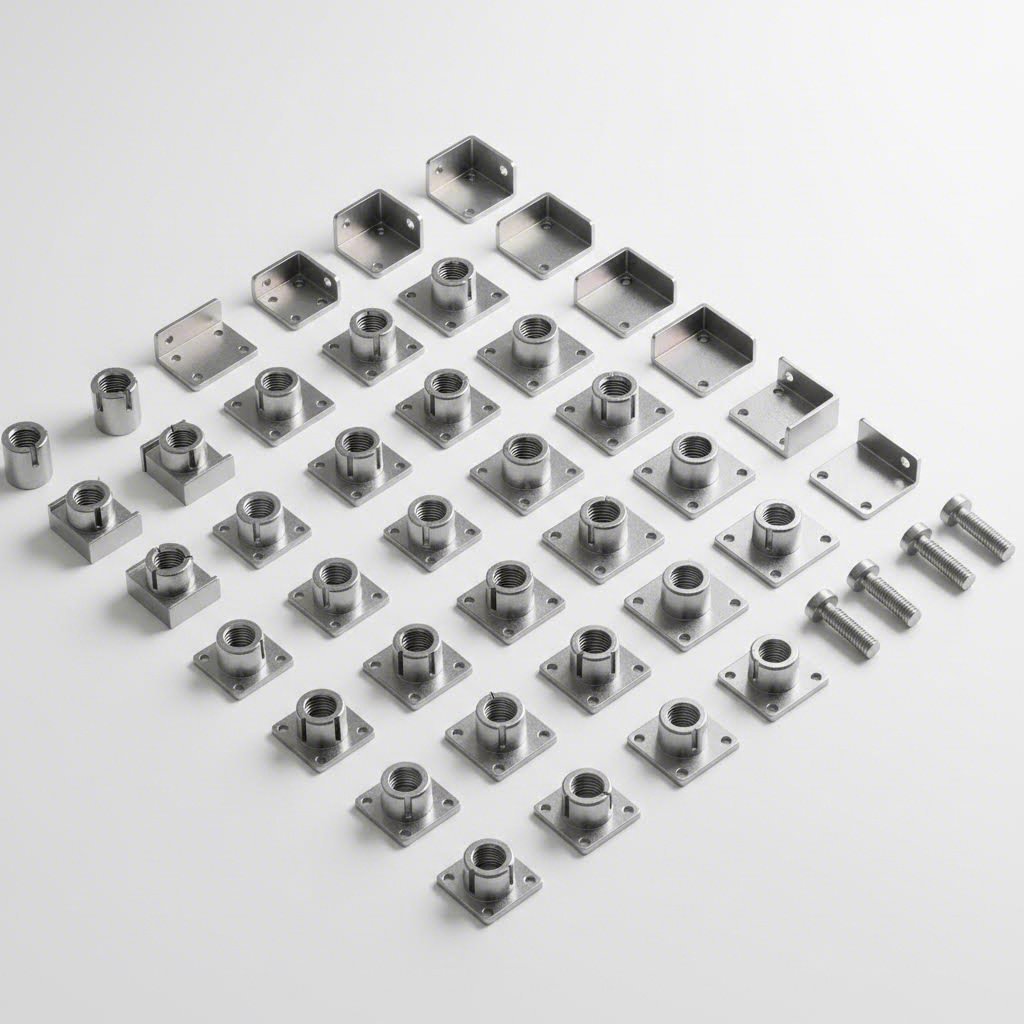
T-nuts slide into the aluminum t track channel and provide threaded holes for securing brackets, panels, and other components. Three types serve different assembly scenarios:
Corner Brackets and L Shaped Brackets
Creating rigid 90-degree connections requires proper bracketing. Your options include:
Gussets and Joining Plates
When standard brackets aren't enough, gussets distribute stress across larger areas. These triangular reinforcement plates significantly increase joint rigidity—essential for frames handling dynamic loads or spanning longer distances. Cast aluminum or zinc gussets balance strength with cost-effectiveness across various profile series.
Hardware selection directly impacts three critical factors: how fast you can assemble, how easily you can modify later, and how much load your structure safely supports. The following table organizes components by their primary function:
| Function | Component Types | Best For | Considerations |
|---|---|---|---|
| Fastening | T-nuts (standard, drop-in, roll-in), T-bolts, button head cap screws, socket head cap screws | Securing brackets, panels, and accessories to profiles | Match thread size to series slot width; SHCS for high-torque needs |
| Joining | Corner brackets, end fasteners, joining plates, anchor connectors | Connecting profiles at 90-degree or custom angles | End fasteners create hidden joints; brackets offer visible strength |
| Reinforcing | Gussets, corner gusset kits, bracing plates, diagonal supports | Increasing rigidity on high-load or long-span connections | Size gussets to profile series; cast aluminum balances cost and strength |
| Motion | Linear bearings, drawer glides, V-wheels, pivot joints, hinges | Adding controlled movement, sliding panels, or adjustable positions | Linear bearings require precision alignment; hinges suit doors and guards |
Hardware Compatibility Across Series
Here's where many first-time builders stumble: hardware designed for one series rarely fits another. A T-nut sized for t slotted rail systems in the 10 Series won't work in 40 Series profiles—slot widths differ significantly. Before mixing components from different suppliers or series, verify these compatibility factors:
What's in a Starter Hardware Kit?
If you're beginning your first slotted extrusion project, pre-assembled hardware kits eliminate guesswork. A typical starter kit includes:
For builds requiring mobility, add caster mounting plates. Need doors or access panels? Include hinges and panel gaskets—those rubber or PVC strips that secure polycarbonate or mesh panels without additional fasteners.
The right hardware transforms raw profiles into functional structures. But selecting appropriate hardware means first understanding what load your structure must handle—which brings us to the critical topic of profile sizing for your specific application.
You've got a project in mind, the perfect alloy picked, and hardware options mapped out. Now comes the question that trips up even experienced builders: which aluminum extrusion sizes actually match your load requirements? Pick too small and your structure flexes or fails. Pick too large and you've wasted budget on unnecessary material.
Here's the reality most product guides skip: selecting profile extrusions isn't just about fitting your space—it's about understanding how cross-sectional geometry, span length, and applied loads interact. Let's break down a practical methodology that gets you to the right answer without an engineering degree.
Before browsing catalogs, answer three critical questions about your application:
According to MISUMI's load capacity calculations, deflection for aluminum frames is typically calculated assuming both ends of the extrusion are supported. The company defines maximum allowable load as the force producing deflection equal to 1/1000 of the extrusion length—a useful benchmark for evaluating your own requirements.
Understanding Moment of Inertia (Without the Math Headache)
Sounds complex? Think of moment of inertia as a profile's resistance to bending. Higher values mean less deflection under identical loads. Here's the practical insight: a profile's orientation matters as much as its size.
Consider an aluminum square tube with a 20mm x 40mm rectangular cross-section. Oriented with the 40mm dimension vertical, it resists downward bending much better than when rotated 90 degrees. Same material, same profile—dramatically different performance based purely on how you position it.
The deflection formula for a beam supported at both ends shows this relationship clearly:
Deflection = (P × L³) ÷ (48 × E × I)
Where P is your load, L is span length, E is the material's elasticity (constant for aluminum), and I is the moment of inertia. Notice that span length is cubed—doubling your span increases deflection by eight times, not two. This explains why long runs demand larger profiles or intermediate supports.
Matching profiles to applications becomes straightforward once you categorize by typical load requirements. Use these guidelines as starting points, then adjust based on your specific span lengths and safety factors:
Light-Duty Applications (1010, 1515, 2020 Profiles)
These profiles work beautifully for spans under 500mm carrying loads under 10kg. Think of them as your "desktop-scale" solutions—similar in concept to metal stud dimensions used in light partition framing.
Medium-Duty Applications (2020, 2040, 3030 Profiles)
Medium-duty profiles handle spans up to 800mm with loads reaching 25-50kg when properly supported. The 2040 profile—essentially 2 square tubing in metric terms—offers excellent versatility by providing extra rigidity in one axis without excessive bulk.
Heavy-Duty Applications (4040, 4080, 45-Series Profiles)
When spans exceed 1000mm or loads push beyond 100kg, heavy profiles become essential. The 4080 profile doubles the 4040's strength in one direction—ideal for long horizontal runs where vertical rigidity matters most.
Two errors plague first-time builders more than any others:
Under-Sizing for Deflection
Your frame might hold the load without breaking, but excessive deflection creates problems. For precision equipment like CNC routers or measurement fixtures, even 0.5mm of flex under load ruins accuracy. Standard stud spacing principles from construction don't directly translate—aluminum profiles behave differently than steel studs.
Always calculate expected deflection, not just ultimate strength. MISUMI's reference data indicates that an HFS8-4040 profile spanning 500mm with 800N (approximately 80kg) load deflects roughly 0.3mm when supported at both ends—acceptable for most applications but potentially problematic for precision work.
Over-Sizing That Wastes Budget
Jumping to the largest available profile "just to be safe" multiplies costs unnecessarily. A 4040 profile costs roughly 3-4 times more per meter than a 2020. When your application genuinely requires light-duty capacity, spending on heavy-duty material provides zero functional benefit.
Consult a screw dimensions chart for your fasteners to ensure your chosen hardware matches the profile series—mismatched components create weak points regardless of profile strength.
Some applications demand professional analysis beyond catalog specifications:
Most reputable suppliers provide engineering support or can connect you with resources for complex applications. When in doubt, requesting a deflection calculation for your specific configuration costs nothing and prevents expensive mistakes.
With proper sizing methodology established, you're ready to see how these profiles perform across real-world industries—from factory floors to maker spaces.
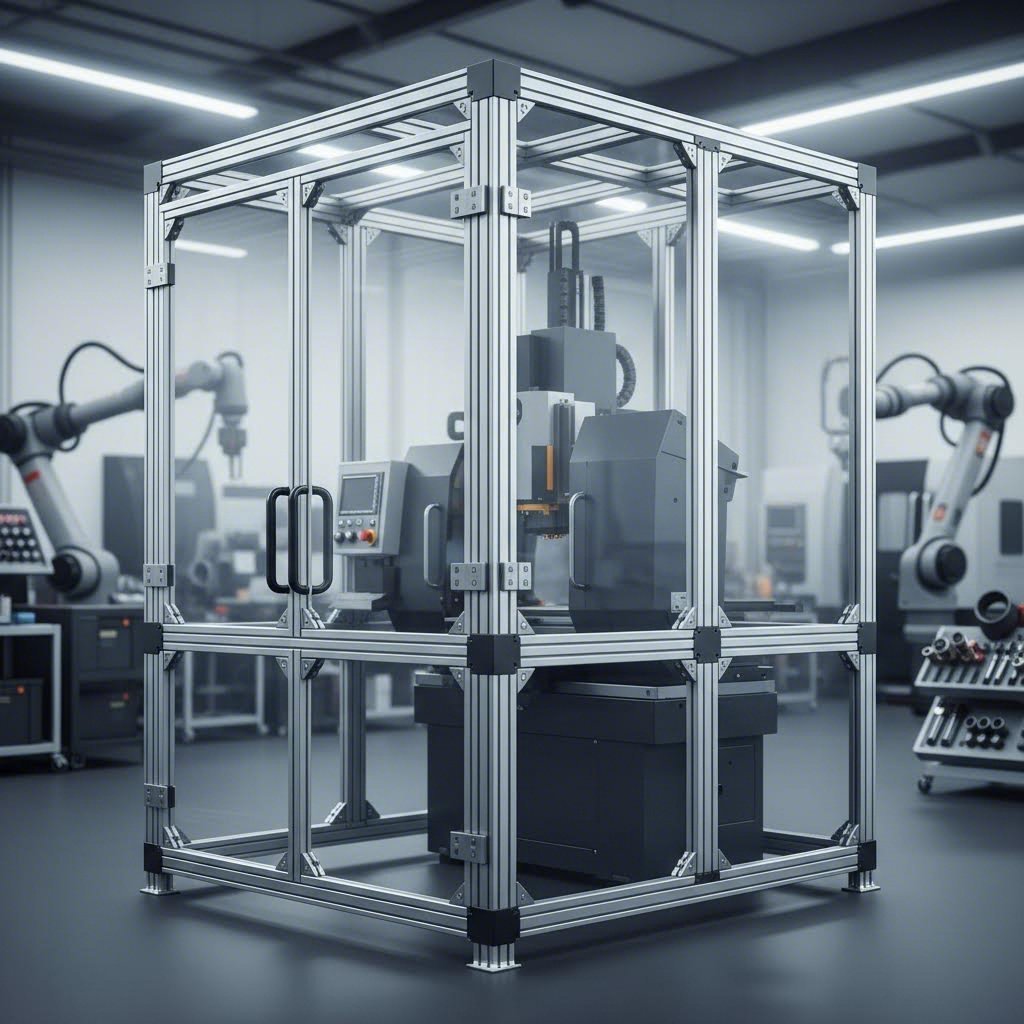
Now that you understand profile sizing, here's where aluminum slotted extrusion truly shines: versatility that spans from factory automation lines to weekend workshop projects. The same modular aluminum framing system building industrial conveyor supports might construct your next 3D printer enclosure. That flexibility isn't accidental—it's the fundamental reason these profiles have transformed how professionals and hobbyists approach structural building.
According to A-Line Automation, T-slot aluminum has found extensive use across applications ranging from industrial machinery to homemade projects and furniture, earning its reputation as the material of choice for DIY enthusiasts, engineers, and industry professionals alike.
Manufacturing environments demand structures that handle vibration, support precision equipment, and adapt as production requirements evolve. Aluminum structural framing delivers on all three fronts.
Common industrial applications include:
The industrial appeal comes down to one word: adaptability. When production engineers need to relocate a sensor or add a new component, they loosen a few bolts rather than calling in welders. That operational flexibility translates directly to reduced downtime and lower modification costs.
Beyond factory floors, slotted extrusions serve applications you might not immediately expect. The maker and hobbyist community has embraced these profiles for projects ranging from practical to artistic.
Maker and hobbyist applications:
Architectural and design applications:
Iterative design environments particularly benefit from modular framing. When you're developing new equipment or testing concepts, the ability to modify structures without starting over saves tremendous time and money.
Consider the advantages over traditional fabrication methods:
Whether you're an automation engineer designing production cells or a hobbyist building your dream workshop setup, these profiles provide a common language of construction. The same principles and hardware work across scales and industries—knowledge that transfers from project to project.
Of course, slotted extrusions aren't the only option for structural building. Understanding how they compare to traditional methods helps you make informed decisions about when modular aluminum makes sense—and when alternatives might serve you better.
Now that you've seen where aluminum slotted extrusion excels, let's address the question every practical builder asks: when does modular aluminum actually beat the alternatives? And just as importantly—when doesn't it?
Honest comparison matters here. T-slot framing solves many problems brilliantly, but it's not universally superior. Understanding the tradeoffs helps you choose the right method for each specific project rather than defaulting to whatever you used last time.
Steel framing has dominated industrial construction for generations. It's strong, familiar, and often the first option engineers consider. But according to GCG's comparison analysis, 80/20 aluminum framing typically costs 25% less than steel while offering comparable strength—the yield strength of T-slot aluminum reaches 35,000 psi, nearly matching A36 carbon steel's 36,000 psi.
Weight differences prove equally dramatic. Extruded aluminum framing weighs roughly one-third of equivalent steel structures. For applications requiring portability, operator repositioning, or mounting on load-sensitive surfaces, this weight reduction transforms what's practically feasible.
Anglelock's engineering analysis frames the comparison this way: steel is a brute-force material while aluminum represents a more engineered solution. That distinction shapes when each makes sense.
Modular aluminium frame systems don't suit every situation. Being honest about limitations builds credibility and saves you from costly misapplications.
Choose welded steel when:
Consider wood framing when:
The following table provides a comprehensive comparison across the methods you're most likely to evaluate:
| Factor | T-Slot Aluminum | Welded Steel | Wood Framing | Steel Stud Framing |
|---|---|---|---|---|
| Material Cost | Moderate-High | Low-Moderate | Low | Low-Moderate |
| Total Project Cost | Often 25% lower than steel | Higher due to labor | Lowest for basic structures | Moderate |
| Assembly Time | Hours to days | Days to weeks | Hours to days | Hours to days |
| Adjustability | Excellent—infinite repositioning | Poor—requires re-fabrication | Fair—requires new holes/fasteners | Fair—limited by stud spacing |
| Strength | 35,000 psi yield | 36,000+ psi yield | Variable by species | Moderate |
| Weight | Light (1/3 of steel) | Heavy | Light-Moderate | Moderate |
| Skill Requirements | Basic hand tools | Welding certification | Basic carpentry | Metal stud experience |
| Corrosion Resistance | Excellent—natural oxide layer | Poor without treatment | Poor—requires sealing | Moderate with galvanizing |
| Reusability | 100%—full disassembly possible | Minimal—usually scrapped | Limited—damage during removal | Limited |
| Precision | High—machined tolerances | Depends on fabricator skill | Low-Moderate | Moderate |
Notice that framing extrusion often wins on total project cost despite higher material prices. GCG documented a case where converting from steel to aluminum extrusion frame construction cut a manufacturer's assembly time in half—a significant labor savings that offset the material premium.
The reusability factor deserves special attention for businesses running multiple projects. Those steel frames you fabricated last year? Probably sitting as scrap. Those aluminum profiles? Ready for your next build with zero waste.
For outdoor applications requiring extended exposure without treatment, understand that even aluminum's natural corrosion resistance has limits in coastal or industrial environments. Powder coating or anodizing extends service life significantly when environmental exposure demands it.
With a clear picture of how slotted extrusions compare to alternatives, you're ready to evaluate suppliers who can deliver the profiles and services your project requires.
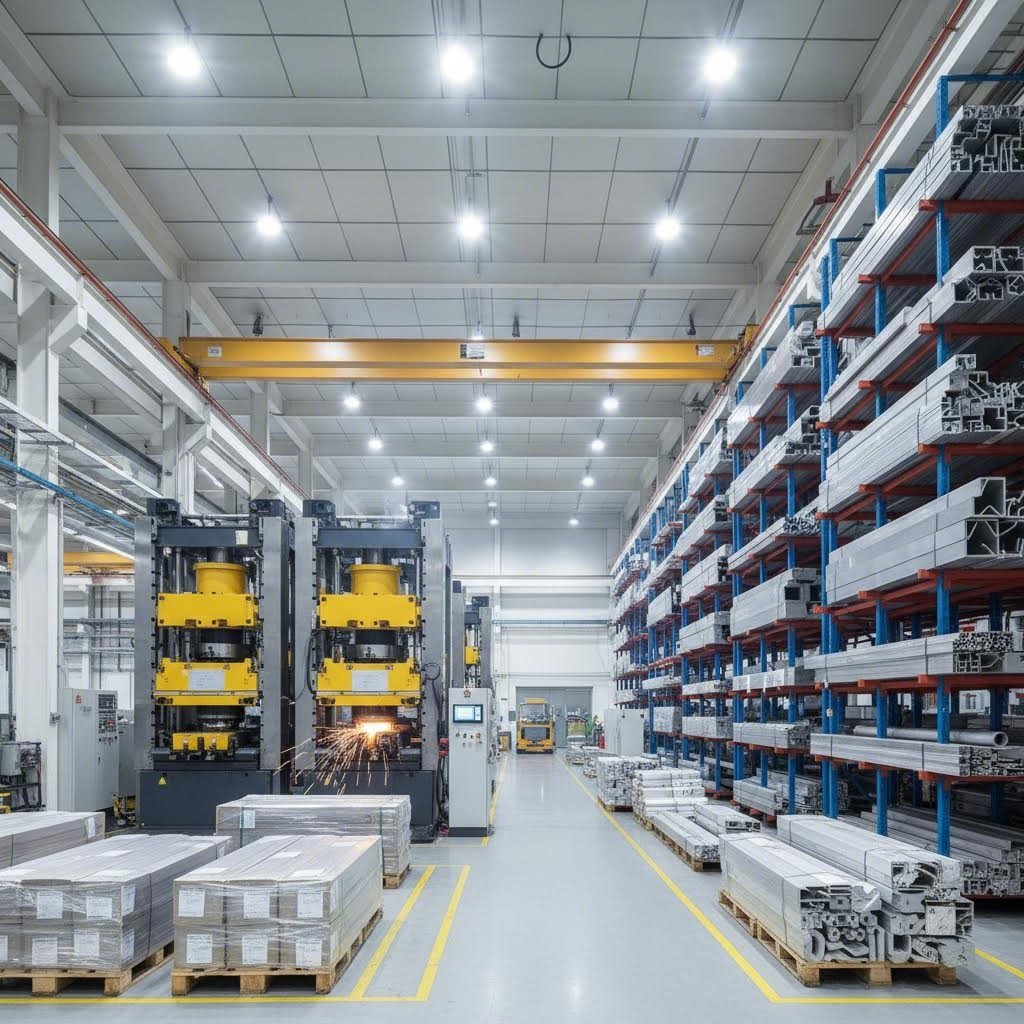
You've mapped out your project requirements, selected the right profile series, and understand how aluminum slotted extrusion compares to traditional methods. Now comes a decision that determines whether your build succeeds or stalls: where to buy aluminum extrusion that meets your specifications without breaking your budget.
Finding the right supplier involves more than comparing prices on a quote sheet. According to industry analysis for 2025, buyers should evaluate vendors across multiple dimensions including product quality, technological capabilities, customization flexibility, and technical support responsiveness. Let's break down what actually matters when choosing your extrusion partner.
Not all suppliers offer the same capabilities. Some stock standard catalog profiles for quick shipment. Others specialize in custom extrusion development from scratch. Understanding these distinctions helps you match supplier strengths to your project needs.
Key supplier evaluation criteria:
When evaluating aluminum extrusion cost, remember that the cheapest quote often excludes services you'll need later. A supplier charging slightly more but including precision cutting, surface finishing, and technical support typically delivers better total value than one offering bare profiles at rock-bottom prices.
The decision between off-the-shelf extruded aluminum rails and custom-designed profiles shapes your entire project approach. Each path offers distinct advantages depending on your requirements.
Standard catalog profiles work best when:
Sources like mcmaster carr aluminum extrusion catalogs or tslots by bonnell aluminum offer extensive standard profile selections with quick delivery. These work perfectly for straightforward projects using established dimensions.
Custom profiles become valuable when:
Custom extrusion requires die development—a one-time investment that enables production of your unique profile. The cost varies based on complexity, but amortizes across production volume. For projects exceeding a few hundred meters of profile, custom dies often pay for themselves through optimized material usage and eliminated secondary operations.
Suppliers offering comprehensive services from die development through finishing streamline complex projects significantly. Rather than coordinating between an extruder, a machining shop, and a finishing house, single-source suppliers handle the entire process.
Consider what end-to-end capability includes:
For example, Shengxin Aluminium exemplifies this comprehensive approach with 35 extrusion presses ranging from 600T to 5500T, CNC machining centers for precision fabrication, and diverse surface treatments including anodizing in custom colors, powder coating, PVDF, and micro-arc oxidation. This breadth of capability means projects requiring 4x8 aluminum sheet panels, complex machined profiles, or specialized finishes flow through a single quality-controlled pipeline.
The technical support aspect deserves emphasis. When you're developing custom profiles or solving unusual application challenges, access to experienced engineers who understand aluminum behavior makes the difference between smooth projects and frustrating iterations. Suppliers invested in customer success provide consultation that goes beyond order-taking—they help you avoid design pitfalls before committing to production.
Searching for cheap aluminum extrusion reveals countless options at seemingly attractive prices. Before jumping on the lowest quote, consider what typically gets sacrificed:
Industry guidance suggests evaluating suppliers through small pilot orders before committing to large volumes. Testing dimensional accuracy, surface quality, and delivery reliability on a limited batch protects against costly surprises at scale.
With supplier evaluation criteria established, you're ready to move from planning into action—assembling the checklist that transforms your slotted extrusion project from concept to completed build.
You've absorbed the knowledge—profile series classifications, alloy properties, hardware ecosystems, and supplier evaluation criteria. Now it's time to transform that understanding into action. Whether you're building a precision CNC enclosure or a simple workstation frame, following a structured approach prevents costly missteps and gets your aluminum extrusions assembled faster.
According to Anglelock's engineering guidance, using design techniques that prioritize modularity and adjustability makes projects easier on your crew—saving time during assembly and avoiding costs of rework. That philosophy starts before you order a single slotted rail or extrusion bar.
Ready to move forward? Work through these steps systematically to ensure nothing gets overlooked:
With your checklist complete, the actual assembly becomes straightforward. T slotted framing systems transform what once required welding expertise and machine shop access into something achievable with basic hand tools and careful planning.
The core advantages that make structural aluminum extrusions valuable come together during this phase:
For complex or custom projects, partnering with experienced suppliers streamlines the entire process. Shengxin Aluminium brings over 30 years of expertise to extruded aluminum profiles, offering comprehensive processing from die development through mass production. Their 35 extrusion presses (600T to 5500T), CNC machining centers, and diverse surface treatment options—including anodizing, powder coating, PVDF, and micro-arc oxidation—mean your custom requirements flow through a single quality-controlled source with factory-direct pricing.
Whether you're prototyping your first build or scaling to production volumes, the methodology remains consistent: define requirements, match profiles to loads, plan hardware thoroughly, and partner with capable suppliers. Follow this approach, and your aluminum slotted extrusion project moves from concept to completed structure with confidence.
T-Slot aluminum framing consists of extruded aluminum profiles featuring T-shaped channels that enable modular assembly without welding or permanent fasteners. Engineers use these systems for building machine frames, workstations, safety guarding, CNC enclosures, and automation equipment. The profiles allow components to attach anywhere along the slot length, making structures easily adjustable and reconfigurable. Suppliers like Shengxin Aluminium offer comprehensive extrusion services with 35 presses ranging from 600T to 5500T, supporting projects from prototypes to mass production.
Aluminum slotted extrusions come in standardized series classifications including 10 Series (1" base), 15 Series (1.5" base), 20 Series (20mm), 30 Series (30mm), 40 Series (40mm), and 45 Series (45mm). Common profiles include 1010, 2020, 2040, 3030, 4040, and 4080 configurations. Each series uses specific slot widths and compatible hardware. Light-duty applications typically use 1010 or 2020 profiles, while heavy-duty industrial applications require 4040 or larger sections.
T-slot aluminum typically costs 25% less than welded steel while offering comparable strength—aluminum's yield strength reaches 35,000 psi versus steel's 36,000 psi. Aluminum weighs one-third of equivalent steel structures, requires no welding certifications, and allows complete reconfiguration using basic hand tools. Steel excels for extreme loads and permanent installations with persistent vibration. Aluminum wins on assembly speed, corrosion resistance, and reusability across multiple projects.
Essential T-slot hardware includes T-nuts (standard, drop-in, or roll-in types), corner brackets (internal or external), gussets for reinforcement, and compatible fasteners matching your slot width. Drop-in T-nuts allow adding components without disassembling frames. Hardware must match your profile series—10 Series uses Slot 6 hardware while 40 Series uses M8 fasteners. Starter kits typically include 20-50 T-nuts, cap screws, corner brackets, gussets, and end caps.
Quality aluminum extrusions are available from specialized suppliers, industrial distributors, and manufacturers offering custom solutions. When evaluating suppliers, consider press capacity range, surface treatment options (anodizing, powder coating, PVDF), CNC machining capabilities, minimum order quantities, and technical support availability. Shengxin Aluminium provides end-to-end services including die development, extrusion on 35 presses, precision CNC machining, and diverse surface treatments with factory-direct pricing for both standard and custom profiles.



 خدمة الإنترنت
 0086 136 3563 2360
 sales@sxalu.com
 +86 136 3563 2360
 العربية
 English
 français
 Deutsch
 русский
 español
 português
 ไทย
ไทย Việt
Việt Українська