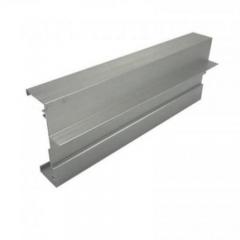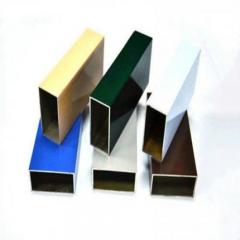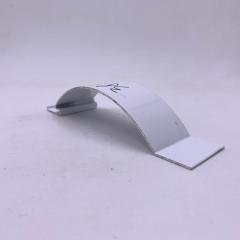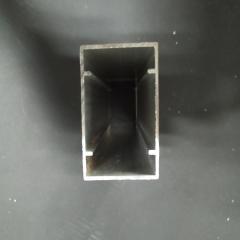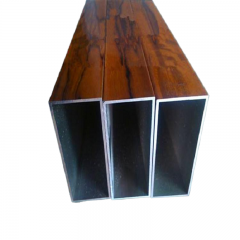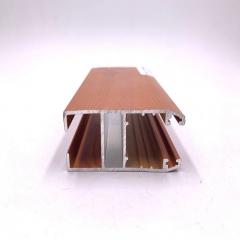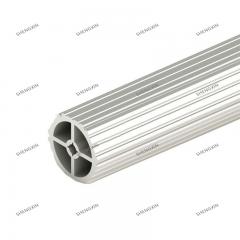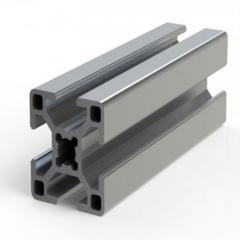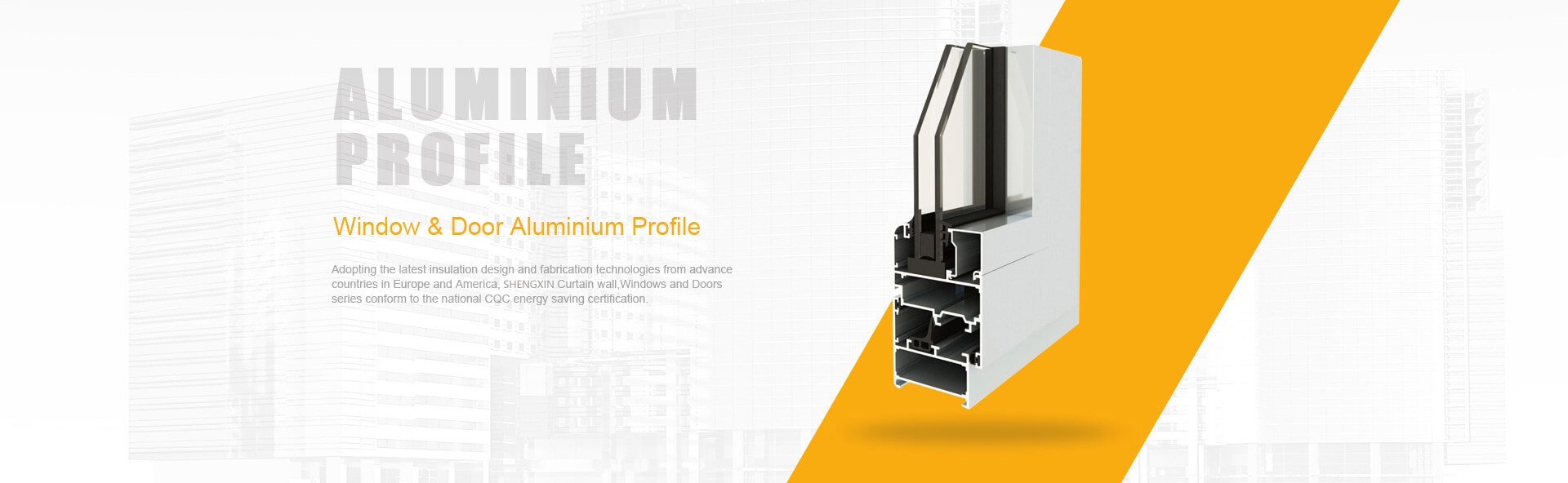
Imagine pushing soft clay through a shaped cookie cutter. Now scale that concept up to industrial proportions, replace clay with heated aluminum, and you have the basic idea behind aluminum extrusion. This manufacturing process creates uniform metal profiles used in everything from window frames to automotive components. For businesses sourcing aluminum extrusions from China, understanding both the process and why the country dominates global production is essential for making informed purchasing decisions.
An aluminum extrusion definition is straightforward: it refers to any aluminum product created by forcing heated aluminum alloy through a shaped opening called a die. The result is a profile with a consistent cross-section that can stretch to remarkable lengths while maintaining precise dimensional accuracy.
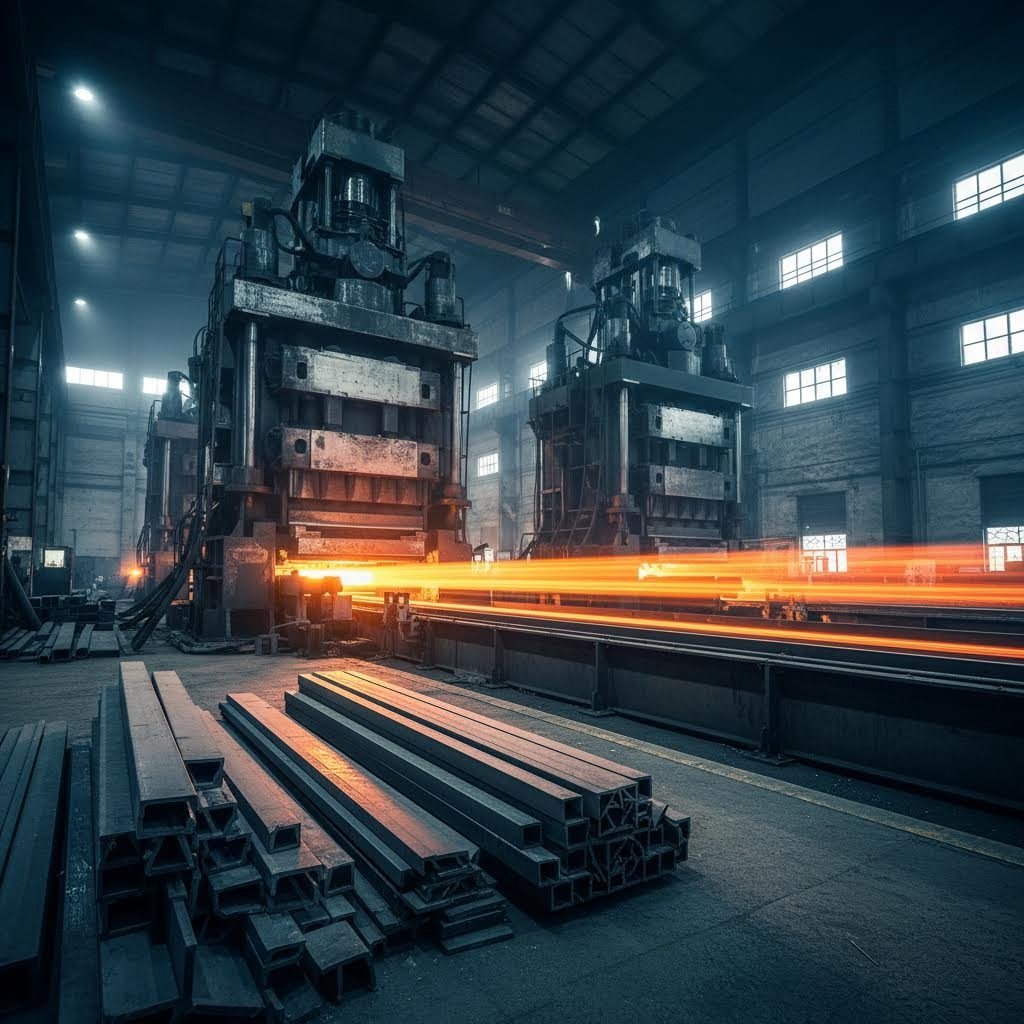
The extrusion process transforms raw aluminum into finished profiles through a carefully controlled sequence. First, manufacturers preheat a round die to 450-500°C to ensure even metal flow and maximize die longevity. Meanwhile, cylindrical aluminum billets are heated in ovens to 400-500°C, making them malleable without becoming molten.
Once prepared, the softened billet enters the extrusion press, where a hydraulic ram applies up to 15,000 tons of pressure. This immense force pushes the aluminum through the die opening, and the metal emerges fully formed with the desired cross-sectional shape. A puller then grasps the extrusion to guide it along a cooling table, where it undergoes quenching through water baths or fans to stabilize its structure.
After cooling, technicians use stretchers to correct any twists and ensure the profiles meet exact specifications. Finally, the extrusions are cut to desired lengths and aged in ovens to achieve proper temper designations like T5 or T6, which determine the material's final mechanical properties.
The most common types of aluminum extrusions include:
China's position as the world's leading producer of aluminum extrusions didn't happen by accident. The country has systematically built manufacturing infrastructure that dwarfs competitors globally. According to the International Aluminum Institute, China alone produced over 40 million metric tons of aluminum in 2023, accounting for more than 60% of Asia Pacific production.
This massive capacity stems from several strategic advantages. Chinese manufacturers benefit from integrated supply chains that control everything from raw bauxite processing to finished extrusion fabrication. The National Development and Reform Commission reports that China produced over 20 million metric tons of extruded aluminum in 2023, with production facilities clustered in manufacturing hubs like Qingdao, where aluminum profile trading has become a significant export industry.
Beyond sheer volume, Chinese extrusion facilities have invested heavily in modern equipment and precision capabilities. Large-scale operations often feature dozens of extrusion presses, enabling them to handle orders ranging from small custom batches to massive production runs. This flexibility, combined with competitive pricing driven by economies of scale, makes China aluminum suppliers attractive partners for businesses worldwide.
The Asia Pacific aluminum extrusion market reached USD 21.12 billion in 2024 and is projected to grow at a 9.10% CAGR through 2033. China's dominant 36.5% market share reflects both its production capacity and its role in supplying global construction, automotive, and industrial sectors with extruded aluminum components.

So where do all these extruded aluminum profiles actually end up? The answer spans nearly every industry you can imagine. From the window frames in skyscrapers to the hull reinforcements on fishing boats, Chinese manufacturers supply extruded aluminum systems for applications that demand precision, durability, and cost efficiency. Understanding these diverse uses helps buyers identify the right alloy specifications and supplier capabilities for their specific needs.
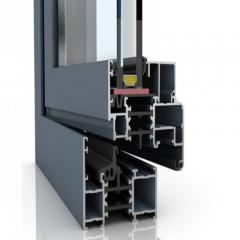
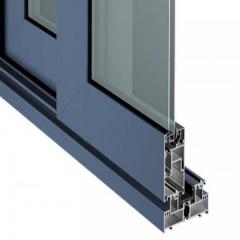
The construction industry represents the largest consumer of aluminum extrusions worldwide. Walk through any modern commercial building, and you'll encounter dozens of extruded components without even realizing it. Window frames, curtain wall systems, door assemblies, and storefront facades all rely on precisely shaped aluminum profiles.
Why does architecture favor aluminum extrusions for panels and structural elements? As noted by industry experts at Window and Door, aluminum offers an unmatched combination of lightweight strength, corrosion resistance, and design flexibility. The material's strength-to-weight ratio allows architects to create expansive glass facades with narrow sightlines, satisfying the current trend toward unobstructed views and all-glass aesthetics.
Beyond aesthetics, aluminum's infinite recyclability makes it increasingly attractive for sustainable construction projects. Nearly 75 percent of all aluminum ever produced remains in use today, and recycling rates in building applications exceed 90 percent. This cradle-to-cradle sustainability appeals to developers targeting green building certifications.
Common architectural applications include:
Beyond buildings, extruded aluminum serves critical functions in manufacturing facilities and vehicles of all types. Industrial machinery relies on aluminum extrusion case frames and structural supports that combine rigidity with ease of assembly. The modular nature of extruded profiles allows engineers to design, modify, and expand equipment frameworks without custom fabrication for every component.
Transportation applications leverage aluminum's weight savings to improve fuel efficiency and payload capacity. Automotive manufacturers increasingly specify extruded components for crash management systems, battery enclosures in electric vehicles, and structural chassis elements. Rail systems use large-scale extrusions for train car bodies and interior framing.
Marine applications deserve special mention. Aluminum boat extrusions provide corrosion-resistant structural elements for hulls, decks, and superstructures. The material's natural resistance to saltwater degradation makes it ideal for vessels ranging from recreational craft to commercial fishing boats.
| Industry Sector | Example Products | Typical Alloys | Key Properties Required |
|---|---|---|---|
| Architecture & Construction | Window frames, curtain walls, door systems, aluminum railing extrusions | 6063-T5, 6063-T6 | Surface finish quality, corrosion resistance, anodizing capability |
| Industrial Equipment | Machinery frames, conveyor systems, workstation structures | 6061-T6, 6005-T5 | Structural strength, dimensional stability, machinability |
| Automotive & Transportation | Crash structures, battery enclosures, chassis components | 6061-T6, 7075-T6 | High strength, crashworthiness, weldability |
| Marine | Hull reinforcements, deck structures, mast sections | 5083-H116, 6061-T6 | Saltwater corrosion resistance, fatigue strength |
| Electronics & Consumer | Heat sinks, enclosures, display frames | 6063-T5, 1100 | Thermal conductivity, aesthetic finish options |
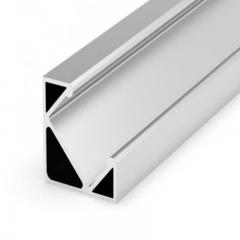
Consumer electronics and appliances round out the application spectrum. Heat sinks dissipating thermal energy from LED lighting and computer processors often feature complex extruded fin designs that maximize surface area. Display cases, furniture components, and sporting goods equipment all benefit from aluminum's combination of formability and finished appearance.
With such diverse applications demanding different performance characteristics, selecting the right supplier becomes critical. The next section examines how to evaluate Chinese aluminum extrusion suppliers to ensure they can meet your specific industry requirements.
You've identified your application requirements and understand what specifications you need. Now comes the harder question: how do you find a supplier you can actually trust? When sourcing aluminum extrusions from China, the difference between a reliable partner and a costly mistake often comes down to thorough vetting before placing your first order.
Unlike established domestic suppliers such as International Extrusion Corp or Republic Extrusions, Chinese manufacturers require additional verification steps due to distance, language barriers, and varying quality standards. The good news? A systematic evaluation process can help you identify capable extruded aluminium suppliers while avoiding common pitfalls that catch unprepared buyers off guard.
Certifications serve as your first filtering mechanism when evaluating potential suppliers. They won't guarantee perfect performance, but they do indicate a manufacturer's commitment to formalized quality systems and continuous improvement.
According to industry quality experts, certifications such as ISO 9001, ISO 14001, and IATF 16949 demonstrate commitment to consistent quality, environmental responsibility, and customer satisfaction. More importantly, they ensure full traceability and reliable documentation throughout the manufacturing process.
The key certifications to look for include:
Don't simply accept a supplier's claim of certification. Request copies of current certificates, verify the issuing body's legitimacy, and confirm the certification scope covers the specific processes relevant to your order.
Certifications tell you what a supplier claims to do. Factory audits reveal what they actually do. As third-party audit specialists emphasize, factory audits provide a comprehensive evaluation of a supplier's capabilities compared to simple supplier questionnaires, focusing on verifying whether your potential partner meets legal obligations and can consistently produce goods conforming to your quality standards.
A thorough factory audit examines multiple dimensions of the operation:
If you cannot conduct an on-site visit personally, consider engaging a reputable third-party inspection service to perform the audit on your behalf. These services provide unbiased evaluations and can identify potential risks that remote communication might miss.
Beyond formal audits, pay attention to communication patterns during your initial interactions. Responsive suppliers who answer technical questions thoroughly, provide detailed quotations, and proactively address potential issues typically perform better over the long term. Red flags include evasive answers about production processes, reluctance to share factory photos or videos, and unrealistic promises on pricing or lead times that seem too good to be true.
Request references from existing customers, particularly those in your industry or with similar order volumes. A supplier confident in their capabilities will readily provide contacts, while hesitation may signal hidden performance issues.
Once you've identified promising suppliers through certification verification and due diligence, the next critical step involves understanding the regulatory landscape that affects your imports, particularly anti-dumping duties that significantly impact total landed costs.
Here's where sourcing aluminum extrusions from China gets complicated. While you may have found a reliable supplier with competitive pricing, the final cost of your imports depends heavily on duties imposed by U.S. trade regulations. Understanding the aluminum extrusion anti dumping framework isn't optional—it's essential for calculating accurate landed costs and avoiding costly compliance mistakes.
The regulatory landscape surrounding aluminum extrusions antidumping measures has evolved significantly since the original investigation. In 2011, the U.S. Department of Commerce established antidumping (AD) and countervailing duty (CVD) orders specifically targeting Chinese aluminum extrusions. These orders remain in full force today, requiring importers to deposit additional duties beyond standard tariffs. According to BDO's trade analysis, the 2011 AD/CVD orders on aluminum extrusions from China continue to affect importers, even as separate investigations involving other countries have concluded.
What exactly are these duties, and why do they exist? Anti-dumping duties are designed to offset the practice of selling goods below fair market value in the U.S. market. When foreign manufacturers price exports artificially low—sometimes below production costs—domestic producers suffer competitive harm. The U.S. government responds by imposing additional duties that bring import prices closer to fair value.
Countervailing duties (CVD) address a different problem: government subsidies. When foreign governments provide financial assistance to their manufacturers—through tax breaks, reduced utility costs, or direct grants—those subsidies distort competition. CVD measures counteract this advantage by adding duties equivalent to the subsidy benefit.
The AD/CVD case number A-570-967 specifically covers aluminum extrusions from China. The scope definition is remarkably broad, encompassing shapes and forms produced through extrusion from aluminum alloys in the 1000, 3000, and 6000 series designations. According to the Department of Commerce case records, this includes hollow profiles, solid profiles, pipes, tubes, bars, and rods with various finishes including mill finished, anodized, and powder coated products.
Duty rates aren't fixed—they vary by manufacturer and are subject to periodic administrative reviews. The Department of Commerce conducts these reviews to recalculate rates based on current pricing and subsidy data. For reference, the most recent administrative review covers the period from May 1, 2024, through April 30, 2025, with preliminary results expected by April 2026.
| Duty Type | Purpose | How Rates Are Determined | Review Frequency |
|---|---|---|---|
| Antidumping Duty (AD) | Offsets below-fair-value pricing | Comparison of export price to normal value in home market | Annual administrative reviews |
| Countervailing Duty (CVD) | Counteracts government subsidies | Calculation of subsidy benefit received by manufacturer | Annual administrative reviews |
| Standard Tariffs | General import revenue | Fixed rates by HTSUS classification | Legislative changes only |
One critical point often confuses first-time importers: deposit rates and final duty rates frequently differ. When you import, you deposit duties based on current estimated rates. After administrative review—sometimes years later—Commerce establishes final rates. If final rates exceed deposits, you owe the difference. If final rates are lower, you receive refunds. This uncertainty requires careful financial planning.
Meeting AD/CVD requirements involves more than simply paying duties. As trade compliance attorneys emphasize, products subject to AD or CVD duties must be entered as type 03 entries, and the importer of record bears responsibility for correct entry, duty deposits, and ultimate payment when entries liquidate.
The compliance process involves several key steps:
One aspect that catches many importers off guard: the scope extends to products containing aluminum extrusion components. If your imported product includes an extruded aluminum part—even if fabricated in a third country—the extrusion portion may still be covered. This means reviewing bills of materials for any components that might trigger duty obligations.
Certain products qualify for exclusions from the order's scope. Finished merchandise containing aluminum extrusions as fully assembled parts at the time of entry—such as completed windows with glass or doors with glass panels—may be excluded. Similarly, finished goods kits containing all necessary parts for assembly, requiring no further fabrication, may qualify for exclusion. However, simply including fasteners in packaging with an extrusion product does not create exclusion eligibility.
Given the complexity of these regulations and the financial stakes involved, many importers work with licensed customs brokers or trade compliance consultants who specialize in AD/CVD matters. The upfront cost of professional guidance often proves far less expensive than penalties, interest, and retroactive duty assessments resulting from compliance errors.
With regulatory requirements understood, the next consideration becomes equally important for your bottom line: understanding all the cost components that contribute to your total landed price.
That supplier quote looks attractive at first glance. But what does your aluminum extrusion actually cost once it reaches your warehouse? If you're only looking at the per-kilogram price, you're missing most of the picture. The real cost involves multiple components that can double your initial estimate if you don't account for them upfront.
Unlike domestic purchases with straightforward pricing, importing aluminum extrusions from China requires calculating a comprehensive landed cost. This means tracking everything from raw material fluctuations to tooling investments, surface treatments, shipping, and those AD/CVD duties we just discussed. Let's break down each component so you can build accurate budgets and compare supplier quotes on equal footing.
When you request a quote from Chinese extrusion suppliers, you'll typically receive a price in dollars per kilogram or per metric ton. But that headline number rarely tells the complete story. According to industry cost analysis, aluminum raw material prices alone have ranged from $1,500 to $3,500 per metric ton in recent years—a variation that significantly impacts your final unit cost.
Here's what drives pricing at the manufacturing stage:
Raw Material Costs
The base aluminum price fluctuates based on global demand, energy costs, and geopolitical factors. Suppliers typically reference the London Metal Exchange (LME) aluminum valuation plus a premium for processing. Some manufacturers offer to lock in metal prices if you commit to larger volumes over time—a strategy worth considering during volatile market conditions. Keep in mind that specialty alloys like 7075 for aerospace applications cost more than common 6063 architectural grades.
Die and Tooling Fees
Custom profiles require dedicated extrusion dies made specifically for your design. Tooling costs for standard architectural and industrial applications typically range from $400 to $1,000, while large parts requiring 2,000-4,000 ton presses can push die costs to $2,000 or higher. Complex geometries with tight tolerances increase both cost and lead time. Normal tool turnaround runs 3-4 weeks, with production following within a week of sample approval.
One important note: many manufacturers refund tooling costs if you purchase a stipulated volume within two years. Most also replace worn dies at no charge for ongoing orders. Ask about these policies upfront—they can significantly reduce your effective tooling investment.
Surface Treatment Costs
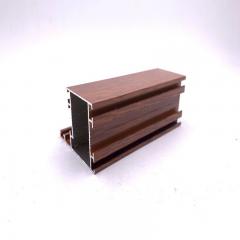
Raw mill-finished extrusions rarely meet end-use requirements. Surface treatments add both functionality and appearance but increase costs. According to finishing specialists, anodizing and powder coating run $1,200 to $1,400 per metric ton depending on profile complexity. Alodine finishing costs approximately $800 per metric ton. Specialty finishes like wood-grain effects command significantly higher premiums based on surface area and complexity.
Secondary Operations
Many applications require machining after extrusion—drilling holes, cutting slots, or bending profiles. Simple drilling operations add $200-$300 per metric ton, while complex CNC machining involves additional tooling costs plus processing time charges. Vertically integrated suppliers who handle fabrication in-house typically offer better pricing than coordinating between multiple vendors.
When evaluating supplier quotes, request itemized breakdowns that separate these cost components:
Itemized quotes enable true apples-to-apples comparisons between suppliers. A higher headline price from one manufacturer might actually deliver better value once you account for included services that another quotes separately.
Your supplier's quote—even fully itemized—represents only the manufacturing portion of your total expense. As cost analysis experts note, a product costing $4.00 per unit to manufacture might reach $6.50 per unit after including overseas shipping, tariffs, and domestic delivery. For aluminum extrusions subject to AD/CVD duties, the gap can be even wider.
A complete landed cost calculation includes:
Freight and Shipping
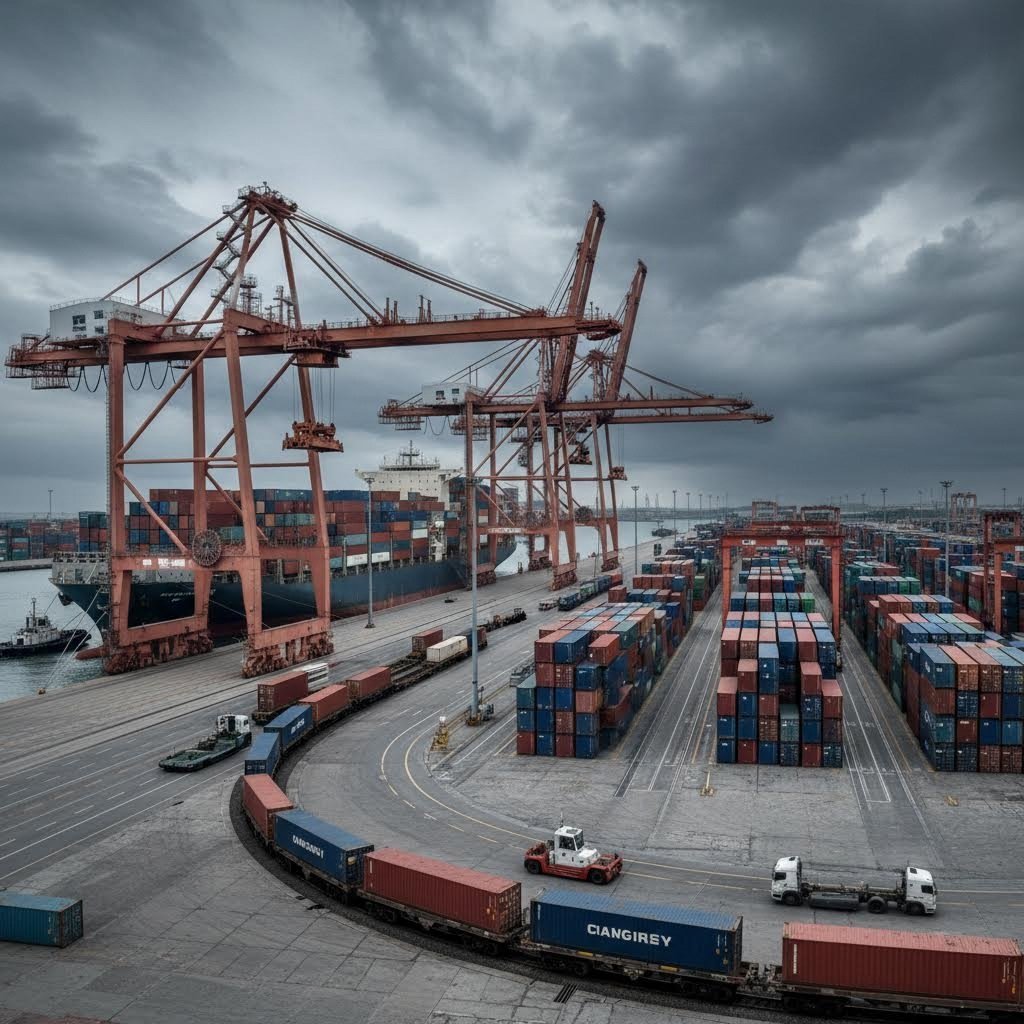
International shipping costs have varied dramatically in recent years. Industry sources report that shipping a 40-foot container from Asia to North America has ranged from $8,000 to $20,000 depending on market conditions, political uncertainty, and container availability. Get current freight quotes before finalizing supplier decisions—rates change weekly.
Import Duties
For aluminum extrusions from China, you'll face standard tariffs plus AD/CVD deposits. Remember that deposit rates are estimates—final rates may differ after administrative review. Budget conservatively and maintain reserves for potential additional assessments.
Customs Brokerage and Fees
Customs brokers handle documentation, inspections, and regulatory compliance. Their fees vary by shipment complexity but typically include per-entry charges plus any government filing fees. Additional costs may arise for inspections, bonding, and administrative processing.
Inland Transportation
Once your extrusions clear customs, they still need to reach your facility. Trucking or rail costs from the port to your warehouse add to your total. Facilities distant from major ports face higher last-mile expenses, particularly for heavy aluminum shipments.
Insurance and Handling
Cargo insurance protects against loss or damage during transit. Terminal handling fees, demurrage charges for delayed pickup, and container detention fees can accumulate if logistics aren't managed carefully.
Understanding payment terms also affects your cash flow planning. According to payment specialists, the most common structure with Chinese manufacturers follows a 30/40/30 pattern: 30% deposit upon order confirmation, 40% before shipping, and 30% after delivery verification. Alternatively, 50/50 splits work for smaller orders or new relationships.
T/T (telegraphic transfer) remains the most common payment method, though processing typically takes 3-5 business days with fees ranging from 2-8% of transaction value. Letters of Credit (L/C) offer stronger buyer protection for large transactions but involve higher costs and complexity that many suppliers prefer to avoid.
To calculate your complete landed cost per unit, add all these components and divide by total quantity. This figure—not the supplier's quote price—determines your actual margins and should guide pricing decisions for your end products.
With cost structures understood, the next logical question becomes: how can you test a new supplier relationship without committing to massive volumes upfront?
You've found a supplier with competitive pricing and proper certifications. Their factory looks impressive, and communication has been smooth so far. But here's the reality check: committing thousands of dollars to an unproven supplier based on quotes and promises alone is a recipe for trouble. Smart importers test relationships before scaling them.
The good news? Most Chinese aluminum extrusion manufacturers understand this dynamic. They expect prospective customers to start with smaller quantities before ramping up. The key is understanding what "small" actually means in this industry and how to structure your initial orders for maximum learning with minimum risk.
When you hear MOQ, think of it as the minimum volume a manufacturer needs to make production economically viable. For aluminum extrusions, this threshold varies dramatically based on your profile type, supplier size, and relationship status.
Standard MOQ expectations typically fall into these ranges:
Why do these minimums exist? Aluminum extrusion involves significant setup time. Heating the billet, installing the die, running test material, and achieving consistent quality all consume resources before the first sellable meter emerges. Suppliers spread these fixed costs across larger runs to maintain profitability.
That said, MOQs aren't always fixed. According to manufacturing scaling experts, understanding how MOQs affect your costs is essential for planning—and negotiation is often possible. Suppliers may accept lower quantities for new relationships with growth potential, during slow production periods, or when you're willing to pay a premium per kilogram. Frame your request around future business potential rather than expecting special treatment without reason.
Ordering a sample is one of the most important steps in product sourcing—it's your first real look at what a supplier can deliver. As sourcing specialists note, if you don't manage the process well, you can waste a lot of time and money.
Here's the step-by-step approach for starting small with a new supplier:
Rushing this process could mean missing details that affect quality and production. Take your time at this stage—patience now prevents expensive problems later.
Once you're satisfied with trial orders, scaling follows naturally. Increase quantities gradually, perhaps 2-3x per order, while monitoring quality consistency. Build payment history that qualifies you for better terms. Negotiate volume pricing tiers tied to annual commitments rather than individual orders.
Remember that scaling isn't just about volume—it's about building a partnership. Suppliers invest more attention in customers who demonstrate growth trajectory and reliable payment. Your trial order behavior signals what kind of long-term customer you'll become, so treat these initial transactions as relationship-building opportunities rather than one-off purchases.
With a tested supplier relationship established, the next priority becomes ensuring consistent quality across larger production runs—starting with understanding alloy specifications and surface treatment options.
Your supplier passed the trial order with flying colors. Now comes the challenge of maintaining that quality across thousands of kilograms of production. Understanding the technical specifications that define aluminum extrusion quality—from alloy chemistry to dimensional tolerances to surface finishes—gives you the vocabulary to communicate expectations clearly and catch problems before they become expensive.
When evaluating Chinese aluminum suppliers, buyers often focus on price while overlooking the technical details that ultimately determine whether their extrusions perform as required. Whether you're sourcing aluminum railing extrusions for architectural projects or precision components for industrial applications, mastering these specifications separates successful importers from those who learn expensive lessons.
Not all aluminum is created equal. The alloy designation on your purchase order determines strength, corrosion resistance, workability, and surface finish potential. For china aluminium imports, two alloys dominate the extrusion landscape: 6063 and 6061.
According to metallurgical specialists, both 6061 and 6063 aluminum share the same alloying elements—primarily magnesium and silicon—but in different proportions that yield distinct performance characteristics. Understanding these differences helps you specify the right material for your application.
6063 Aluminum
Often called "architectural aluminum," 6063 is the workhorse of the extrusion industry. Its excellent response to extrusion allows manufacturers to form complex shapes with fine surface finishes suitable for decorative applications. Key characteristics include:
You'll find 6063 in window frames, door systems, curtain wall mullions, and decorative trim where appearance matters as much as function.
6061 Aluminum
When structural performance takes priority, 6061 delivers. This alloy offers higher strength while maintaining good extrudability and weldability. According to industry analysis, 6061 aluminum is used in applications ranging from electronics to welded assemblies, primarily for its increased strength over other alloys in the 6xxx series. Key characteristics include:
Industrial equipment frames, machinery components, transportation structures, and applications requiring machining typically specify 6061.
Temper Designations
The letter-number code following the alloy designation indicates the material's mechanical condition. For extrusions, you'll most commonly encounter:
Specifying the wrong temper can mean profiles that bend when they should remain rigid—or crack when you try to form them. Match temper to your application requirements.
Dimensional Tolerances
How precise does your extrusion need to be? Standard industry tolerances follow established guidelines published by organizations like the Aluminum Association. According to tolerance specifications, cross-sectional dimension tolerances vary based on whether the dimension involves metal or space, with tighter precision tolerances available for critical applications.
For profiles with circumscribing circles less than 10 inches in diameter, standard tolerances on metal dimensions range from ±0.006 inches for dimensions up to 0.124 inches, increasing to ±0.024 inches for dimensions between 2.000 and 3.999 inches. Precision tolerances tighten these ranges by approximately 30-35%.
When your application demands tighter control than standard tolerances allow, specify precision tolerances in your purchase order—and expect to pay a premium for the additional quality control required.
Raw mill-finished aluminum rarely meets end-use requirements. Surface treatments protect against corrosion, enhance appearance, and add functionality. But which treatment suits your application? According to surface finishing experts, for products that are seen, touched, or exposed to the elements, the surface finish is what truly defines its quality, durability, and aesthetic.
The three dominant surface treatment technologies each offer distinct advantages:
| Treatment Type | Process Description | Key Benefits | Limitations | Best Applications |
|---|---|---|---|---|
| Anodizing | Electrochemical process creating integrated aluminum oxide layer | Extremely hard surface; integral to metal (won't peel); excellent wear resistance; preserves metallic appearance | Limited color range; color consistency can vary between batches; higher cost for thick coatings | High-end electronics, architectural facades, premium window/door frames, precision mechanical parts |
| Powder Coating | Electrostatically applied dry powder cured at high temperature | Unlimited color options; excellent coverage on complex shapes; environmentally friendly (no solvents); cost-effective | Less UV resistant than PVDF; can chip under severe impact; thickness adds to dimensions | Window/door frames, fencing, furniture, automotive parts, industrial components |
| PVDF Coating | High-performance liquid paint system baked at high temperatures | Superior UV and weather resistance; 20-30 year color stability; excellent chemical resistance | Higher cost; requires controlled factory application; limited texture options | Building facades, curtain walls, metal roofing, harsh environment applications |
Anodizing
Unlike paint or coating, anodizing transforms the aluminum surface itself. As finishing specialists explain, the process submerges aluminum in an acid bath and passes an electric current through it, forming a super-hard protective layer of aluminum oxide that is fully integrated with the metal itself.
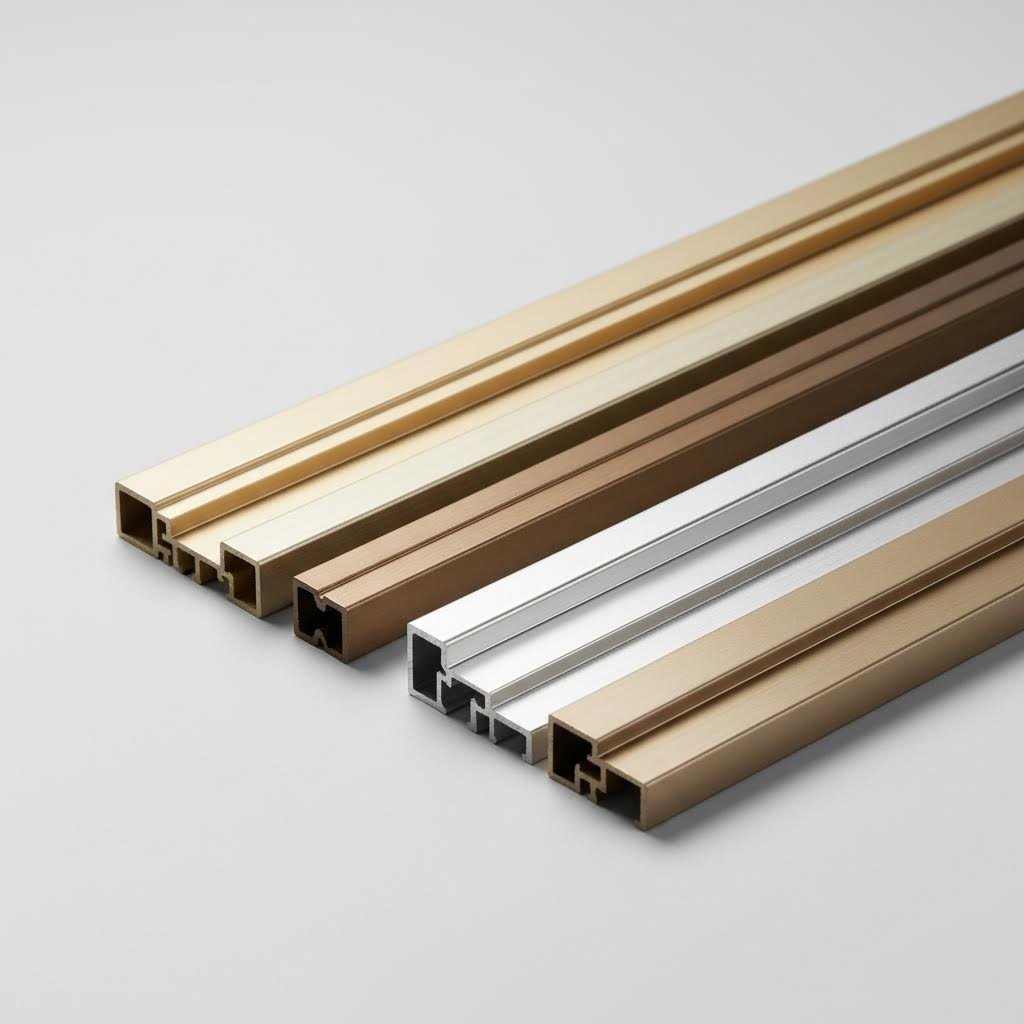
This integration means anodized finishes won't peel, chip, or flake like applied coatings might. The result is exceptional durability for high-traffic or high-wear applications. Standard anodizing produces silver or bronze tones, while specialty processes enable colors like champagne, black, or rose gold.
Powder Coating
For applications requiring specific colors or textures, powder coating offers unmatched versatility. The dry powder adheres electrostatically before oven curing melts it into a smooth, durable finish. According to coating analysis, powder coating provides virtually unlimited color options with excellent coverage on complex shapes—and it's environmentally friendly since it uses no solvents.
Architectural projects frequently specify powder coating for color matching to brand standards or design palettes. The finish performs well in most environments, though extreme UV exposure may cause gradual fading over decades.
PVDF Coating
When long-term exterior performance is non-negotiable, PVDF (Polyvinylidene Fluoride) represents the gold standard. Often sold under trade names like Kynar 500, this high-performance liquid coating system delivers exceptional resistance to UV degradation, atmospheric pollution, and chemical exposure.
PVDF coatings maintain color stability for 20-30 years even in harsh coastal or industrial environments. This longevity justifies the higher cost for monumental architecture, building facades, and applications where repainting would be impractical or impossible.
Specialty Finishes
Beyond these primary options, established suppliers offer specialized treatments for specific requirements:
When evaluating suppliers, look for comprehensive in-house finishing capabilities. Manufacturers with their own anodizing lines, powder coating facilities, and specialty treatment options offer better quality control and faster turnaround than those who outsource finishing to third parties.
For example, established manufacturers like Shengxin Aluminium demonstrate the kind of vertical integration buyers should seek—offering anodizing in custom colors including champagne and rose gold, powder coating, PVDF, and micro-arc oxidation all under one roof. With over 30 years of experience and 35 extrusion presses ranging from 600T to 5500T, such suppliers provide the production capacity and technical depth needed for demanding applications.
Quality control throughout production—not just at final inspection—ultimately determines whether your chinese aluminum extrusions meet specifications consistently. Ask suppliers to describe their inspection protocols at each stage: incoming material verification, in-process dimensional checks, surface treatment quality monitoring, and final inspection before packaging.
With technical specifications understood and quality expectations established, you're equipped to make informed decisions about sourcing. But every sourcing strategy involves trade-offs. The next section examines both the advantages and challenges of Chinese extrusion imports with the transparency needed for realistic planning.
You've done your homework on specifications, duties, and supplier vetting. But before signing that first purchase order, let's have an honest conversation about what you're actually getting into. Sourcing aluminum extrusions from China offers compelling advantages—but it also comes with real challenges that catch unprepared buyers off guard. Understanding both sides helps you plan realistically and avoid nasty surprises.
Too many sourcing guides either oversell China's benefits or focus narrowly on regulatory headaches. The truth? Both exist simultaneously. Your success depends on leveraging the advantages while proactively managing the challenges. Here's what to expect.
Why do thousands of businesses continue importing aluminum extrusions from China despite tariffs and regulatory complexity? Because the fundamental value proposition remains strong for the right applications and buyers.
These aluminum extrusion benefits explain why China remains the world's largest exporter despite trade tensions. For volume production of custom profiles, the combination of capability, capacity, and cost is difficult to match elsewhere.
Now for the reality check. According to procurement specialists, importing from China has become a key strategy for businesses worldwide, but the process is not without challenges. From language barriers to shipping complexities, importers must be aware of potential obstacles.
These china sourcing challenges aren't insurmountable—they're manageable with proper planning and the right partners. The key aluminum import considerations involve matching your organization's capabilities to the demands of international sourcing.
Smaller businesses without dedicated import expertise may find the learning curve steep. Companies with experienced procurement teams, established logistics relationships, and sufficient order volumes to justify the complexity often succeed where others struggle. Consider whether the cost savings justify the operational investment required—for some buyers, domestic alternatives or third-country sourcing from places like Vietnam may offer better risk-adjusted value.
With this balanced perspective on benefits and challenges, you're positioned to make an informed decision about whether Chinese sourcing fits your specific situation—and what steps to take next.

You've absorbed a lot of information—from duty calculations to supplier vetting protocols to quality specifications. Now comes the moment of truth: is sourcing aluminum extrusions from China right for your business? The answer depends on honestly evaluating your organization's capabilities, volume requirements, and risk tolerance against the opportunities and challenges we've discussed.
There's no universal answer. What works brilliantly for a high-volume manufacturer may prove impractical for a small fabricator. Your aluminum extrusion sourcing decision should flow from a clear-eyed assessment of where you stand today and where you're headed.
Before committing to Chinese suppliers, work through these critical evaluation criteria:
Your china supplier evaluation should also consider the specific capabilities you need. Not all suppliers offer the same depth of service. Look for partners providing end-to-end support from die development through mass production, including CNC machining capabilities for precise cutting, drilling, and bending. Vertically integrated manufacturers like Shengxin Aluminium—with 35 extrusion presses and comprehensive surface treatment facilities—demonstrate the production depth that supports demanding applications while offering factory-direct pricing.
The most successful importers treat supplier relationships as long-term partnerships, not transactional purchases. Invest time in thorough vetting upfront, start with trial orders to verify quality, and scale gradually as trust builds.
Ready to move forward with your aluminum import next steps? Here's your action plan:
For buyers ready to explore custom extrusion services with comprehensive deep processing capabilities, manufacturers offering integrated solutions—from die design through CNC machining and specialty finishes—streamline the sourcing process while maintaining quality control under one roof.
The path from first inquiry to successful ongoing imports takes patience and diligence. But for businesses with appropriate volume, lead time flexibility, and operational capacity, Chinese aluminum extrusions deliver value that domestic alternatives often can't match. Your next step? Pick up the phone, send that first inquiry, and start building the supplier relationships that will power your production for years to come.
The U.S. imported approximately 222,000 metric tons of aluminum from China in 2024, representing about 2% of total aluminum imports. While this percentage seems small, China remains a significant source for specialized aluminum extrusion products due to its massive manufacturing capacity and competitive pricing, even with anti-dumping and countervailing duties in effect.
Zhongwang Aluminum stands as Asia's largest aluminum extrusion producer and one of the most technically advanced. The company serves aerospace, automotive, and marine industries with high-performance alloy applications. Other major players include manufacturers like Shengxin Aluminium, which operates 35 extrusion presses ranging from 600T to 5500T and offers comprehensive surface treatment capabilities.
Common issues include dimensional inaccuracies from irregular cooling, worn dies, or incorrect extrusion speeds that lead to poor fit in assemblies. Surface defects like scratch marks or die lines arise from improper lubrication or billet contamination. Quality consistency risks increase when sourcing internationally, making thorough supplier vetting and third-party inspections essential for maintaining standards.
Aluminum extrusions from China remain subject to AD/CVD orders established in 2011 under case number A-570-967. Duty rates vary by manufacturer and are updated through annual administrative reviews. Importers must file type 03 entries, deposit duties based on producer-specific rates, and maintain documentation for compliance. Combined tariffs including Section 232 and 301 measures can reach up to 70%.
MOQs vary based on profile type and supplier size. Standard architectural profiles typically start at 500 kg, while custom profiles requiring new dies usually demand 1,000-2,000 kg minimum. Specialty alloys or complex finishes may require 2,500-5,000 kg. However, suppliers often negotiate lower quantities for new relationships with growth potential or during slower production periods.



 خدمة الإنترنت
 0086 136 3563 2360
 sales@sxalu.com
 +86 136 3563 2360
 العربية
 English
 français
 Deutsch
 русский
 español
 português
 ไทย
ไทย Việt
Việt Українська