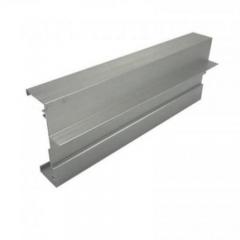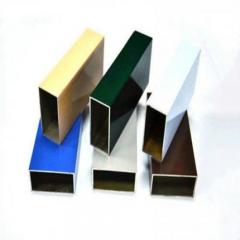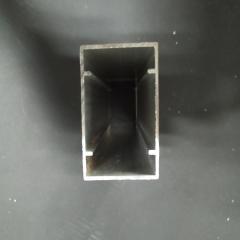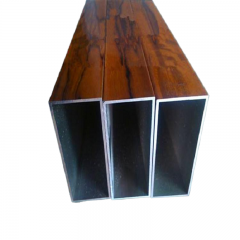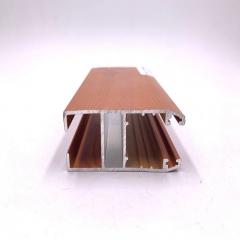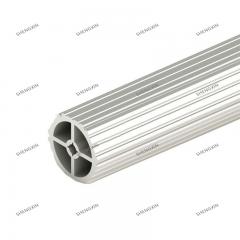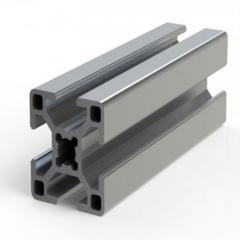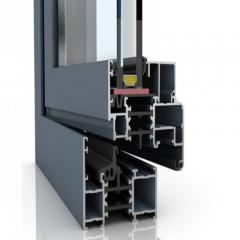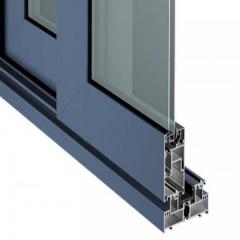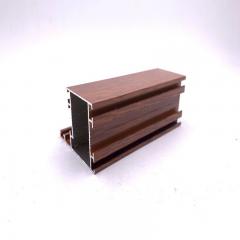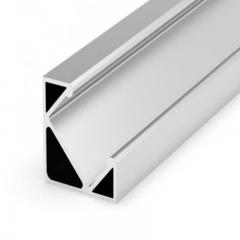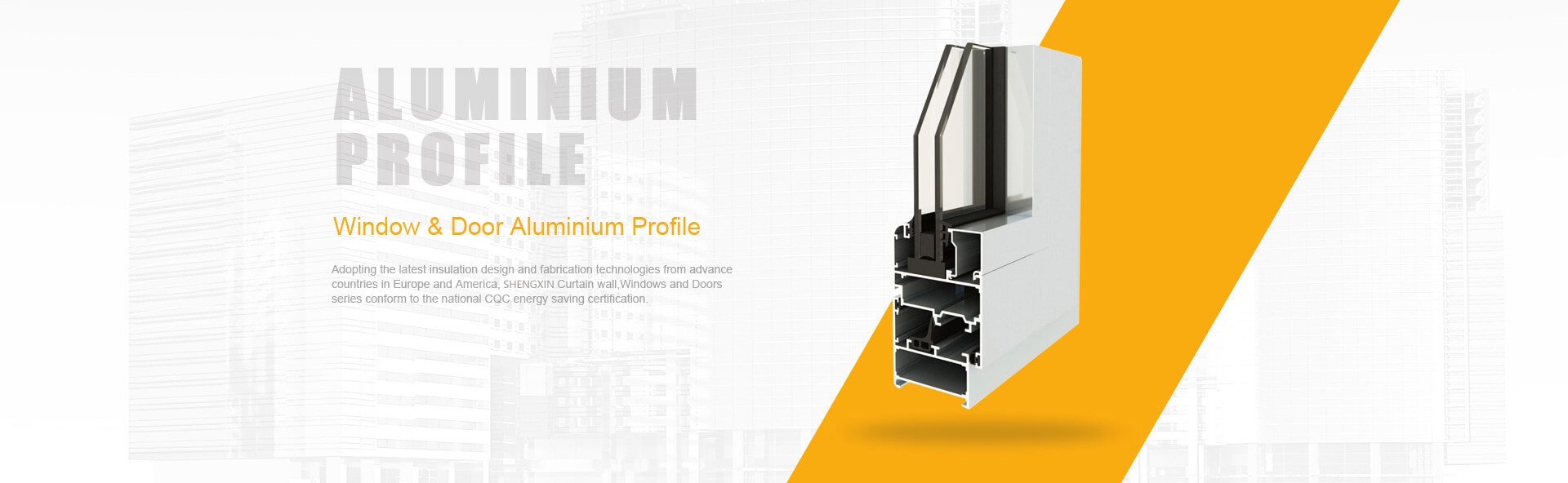

An aluminum extrusion window frame is a structural component manufactured by forcing heated aluminum alloy through a precision-shaped die to create consistent, durable profiles used in residential and commercial window systems. This process delivers exceptional strength-to-weight ratios, corrosion resistance, and design flexibility that other materials simply cannot match.
Have you ever wondered why modern buildings increasingly feature sleek, narrow window frames that seem to maximize glass while maintaining structural integrity? The answer lies in the remarkable properties of extruded aluminum. For over 45 years, architects and builders have relied on aluminum frame windows to achieve designs that balance aesthetics, performance, and longevity.
When you look at an aluminum window frame, you're seeing the result of a material perfectly suited to its purpose. Aluminum's exceptional malleability allows manufacturers to create complex profiles with precise dimensions, while its natural corrosion resistance ensures decades of reliable performance.
Unlike bulky alternatives, an extruded aluminum window frame can achieve remarkably slim sightlines without sacrificing strength. This creates more visible glass area, essentially turning your windows into a glass showcase that floods interiors with natural light. The material's inherent durability also means these frames require minimal maintenance compared to wood or vinyl options.
"Aluminium window and door profiles are the future of high-end design-led projects. The images of aluminium profiles speak for themselves - they are sharp, crisp, innovative, flexible and modern; everything we are looking for in a glazing framing system." - Vejay Lal, Architect, Unit One Architects
Beyond aesthetics, aluminum extrusion offers sustainability advantages that matter increasingly to environmentally conscious builders. According to industry data, aluminum recycling provides energy savings of 95% compared to primary production, with approximately 95% of aluminum products in buildings being collected and recycled during renovations or demolitions.
Imagine squeezing toothpaste through a tube, and you'll understand the basic concept behind aluminum extrusion. Of course, the industrial process is far more sophisticated, but the principle remains the same: forcing material through a shaped opening to create a consistent profile.
The aluminum extrusion process begins with a solid aluminum billet, a cylindrical log of aluminum alloy. This billet is heated to between 800°F and 925°F, making it soft and malleable without becoming liquid. The heated billet is then transferred to a powerful hydraulic press.
Here's where precision engineering comes into play. The press applies tremendous force, pushing the softened aluminum through a steel die. This die contains the exact cross-sectional shape of the final window profile. Whether you need aluminium window frame kits with complex thermal break channels or simple decorative trim, the die determines everything.
The resulting extruded aluminum sections emerge from the die with remarkable consistency. They're immediately cooled, stretched to ensure straightness, and cut to specified lengths. This process creates profiles with excellent surface finish and dimensional accuracy, critical factors for window frames that must seal properly against weather infiltration.
What makes this process particularly valuable for window manufacturing is the ability to create both solid and hollow profiles. Hollow dies produce the tubular shapes common in aluminium window profiles, providing excellent structural strength while minimizing weight. Semi-hollow dies can create partially enclosed voids, perfect for integrating drainage channels or hardware mounting points directly into the frame design.
Manufacturing quality directly impacts real-world performance. Precisely extruded profiles fit together seamlessly, creating tighter seals against air and water infiltration. Consistent wall thicknesses ensure uniform strength throughout the frame. And accurate dimensions mean hardware components align perfectly, ensuring smooth operation for years to come.
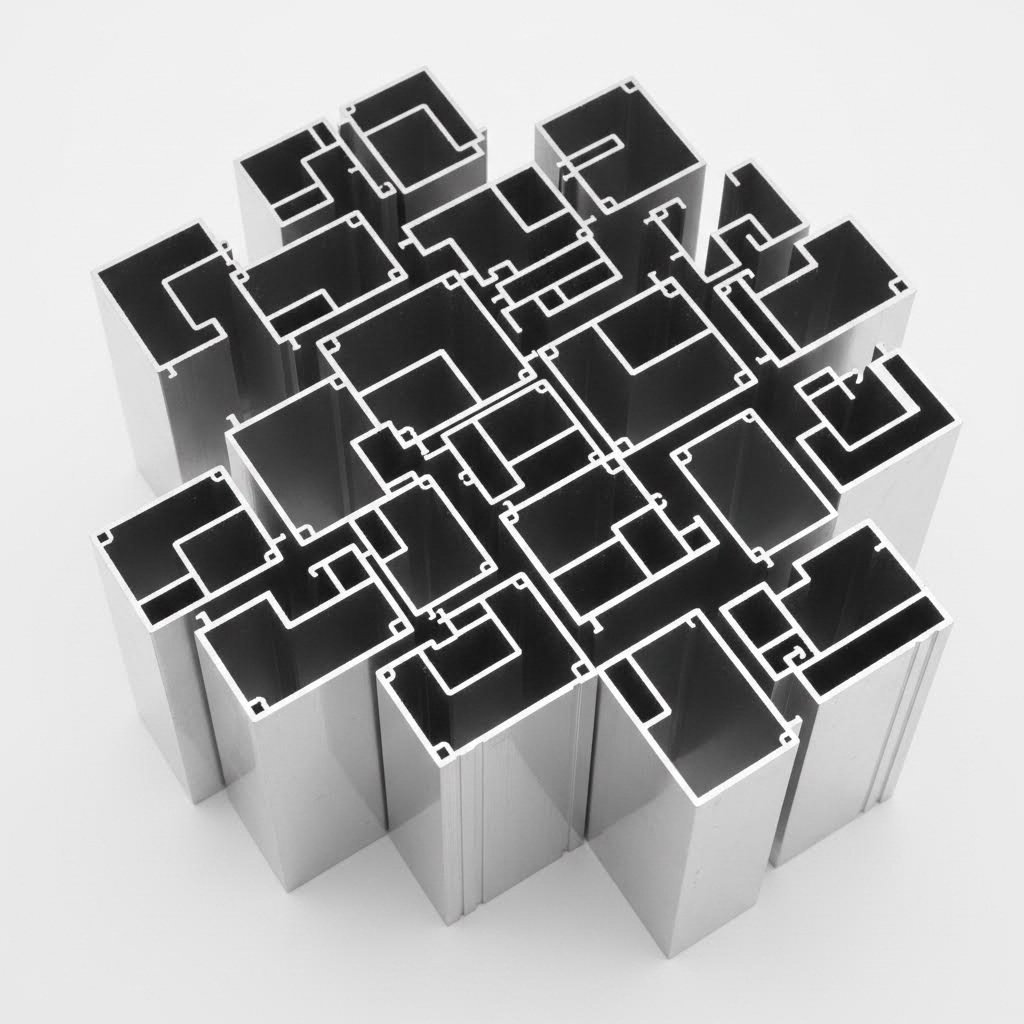
Not all aluminum is created equal. When you're evaluating an aluminum extrusion window frame, the specific alloy grade determines everything from how the frame looks to how long it lasts. Yet most suppliers gloss over this critical detail, leaving buyers unaware of why certain frames outperform others.
The 6000 series aluminum alloys dominate window frame production because they combine magnesium and silicon to deliver an exceptional balance of strength, corrosion resistance, and workability. However, two alloys within this family serve very different purposes, and understanding their differences helps you make smarter purchasing decisions.
Walk into any modern building with impressive floor-to-ceiling windows, and you're almost certainly looking at 6063 aluminum frames. Often called "architectural aluminum," this alloy has earned its reputation as the gold standard for aluminium window profiles.
What makes 6063 so special? It starts with superior extrudability. This alloy flows smoothly through extrusion dies, allowing manufacturers to create intricate window profile shapes with thin walls and sharp edges. You'll notice the difference immediately in the clean lines and precise details that define high-quality frames.
The surface finish quality of 6063 sets it apart from alternatives. According to Metal Exchange, this alloy maintains a smooth, bright surface that accepts anodizing and powder coating beautifully. When your aluminum window frame material needs to look impeccable for decades, 6063 delivers consistent results with minimal surface preparation.
Corrosion resistance represents another significant advantage. With its low copper content, 6063 aluminum scores exceptionally well in salt-spray testing, making it ideal for coastal installations and humid environments. Your frames resist oxidation and maintain their appearance year after year.
So when would you consider 6061 aluminum instead? This alloy delivers approximately 30% more yield strength than 6063-T6, making it the preferred choice for structural applications requiring maximum load-bearing capacity.
However, that extra strength comes with trade-offs. The 6061 alloy produces rougher surface finishes and doesn't extrude as smoothly into complex shapes. For window frames where aesthetics matter, these limitations often outweigh the strength benefits.
Here's a practical comparison to guide your selection:
| Alloy Type | Key Properties | Best Applications | Surface Finish Quality |
|---|---|---|---|
| 6063-T5 | Excellent extrudability, superior corrosion resistance, moderate strength | Window frames, door frames, curtain walls, decorative trim | Excellent - smooth, accepts anodizing and coating evenly |
| 6063-T6 | Heat-treated for higher strength while maintaining good formability | Premium aluminium windows profile systems, commercial glazing | Excellent - consistent finish with enhanced durability |
| 6061-T6 | High tensile strength, excellent machinability, good weldability | Structural beams, load-bearing supports, heavy-duty frames | Good - may show machining marks, requires more prep for finishing |
The temper designation matters too. When you see "T5" or "T6" after the alloy number, it indicates how the aluminum was heat-treated. T6 tempers undergo solution heat treatment and artificial aging, producing higher strength suitable for demanding applications. T5 tempers offer better formability, making them ideal for decorative work where intricate details matter most.
For most residential and commercial aluminum window profile applications, 6063-T5 or 6063-T6 represents the optimal choice. You get the surface quality needed for beautiful finishes, the corrosion resistance required for exterior exposure, and sufficient strength for standard window sizes.
When evaluating any item extruded aluminium supplier, ask specifically about alloy grades and temper designations. Quality manufacturers will readily provide this information and explain why they've selected particular alloys for their window frame products. If a supplier can't answer these basic questions, consider it a warning sign about their technical expertise.
With alloy selection clarified, the next critical factor affecting your frame's performance involves how manufacturers address aluminum's natural thermal conductivity through thermal break technology.
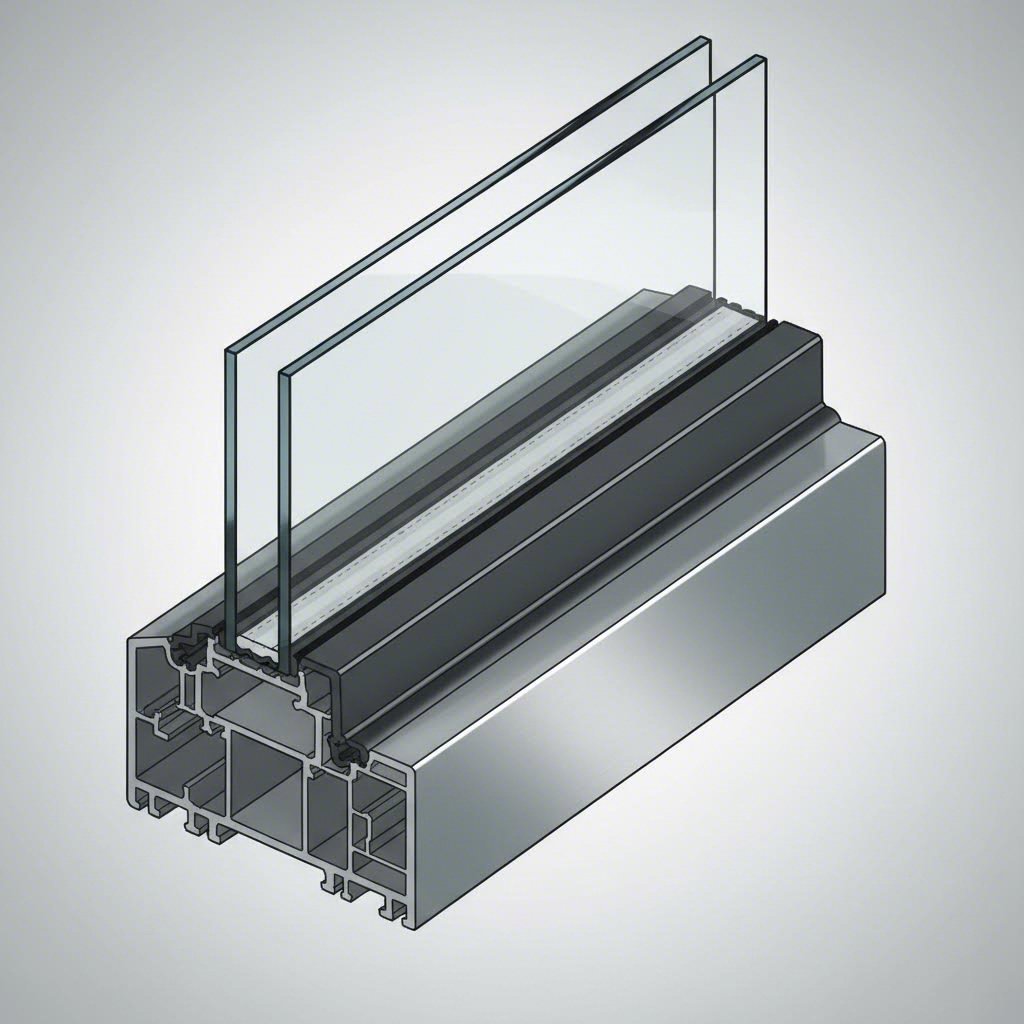
Here's a secret most suppliers won't mention upfront: that beautiful aluminum extrusion window frame conducts heat approximately 1,000 times more efficiently than polyamide thermal break materials. Without proper insulation, your aluminum window frames become energy superhighways, transferring outdoor temperatures directly into your living space.
Sounds concerning? It should be. But here's the good news: thermal break technology completely solves this problem, transforming aluminum window frames from energy liabilities into high-performance building components that rival the best insulating materials available.
Imagine leaving a metal spoon in a hot cup of coffee. Within moments, the handle becomes warm because metal conducts heat so efficiently. Traditional aluminum window frames work exactly the same way, creating what engineers call a thermal bridge. During summer, this bridge pulls scorching heat indoors. In winter, it leeches warmth right out of your home.
A thermal break interrupts this energy transfer by inserting a low-conductivity material between the interior and exterior portions of your aluminium window frames. According to thermal break specialists, while aluminum conducts heat at approximately 237 W/mK, polyamide thermal barriers conduct at only about 0.3 W/mK. This difference cuts heat transfer through the frame by more than 95%.
Think of it like the plastic handle on a cast-iron pan. The pan can be sizzling hot on the stove, but the handle stays cool enough to touch. Thermal breaks provide that same protective barrier for your home, separating the outdoor-facing aluminum from the interior-facing aluminum so temperature extremes never cross through.
"Research indicates that thermal bridges increase building energy consumption by 5%-30%. Cutting-edge technologies, such as vacuum glazing with U values as low as 0.2 W/(m²*K) and aerogel-filled frame cavities that reduce thermal permeability by 45%, demonstrate considerable energy-saving potential." - Sustainable and Clean Buildings Journal
The impact on your energy bills is significant. Window extrusion systems with properly designed thermal breaks can achieve U-factors below 1.0 W/m²K, meeting rigorous standards such as Passive House requirements. Commercial buildings installing curtain walls with polyamide thermal breaks typically see U-factors drop between 0.12 and 0.18 BTU per hour square foot degree Fahrenheit, translating to substantial annual energy savings.
When you hear "thermal break," you're typically hearing about PA66 glass-reinforced polyamide, the gold standard material for aluminum window frames. But what makes this specific material so effective?
Engineering-grade PA66 differs substantially from standard nylon. Its molecular structure provides 15-20% higher heat deflection temperature, enabling stable performance up to 220°C. This enhanced thermal resilience ensures long-term integrity even in demanding aluminum window frame applications where temperature extremes are common.
The glass fiber reinforcement transforms polyamide into a high-performance composite. Incorporating 25-30% glass fibers increases flexural strength by 30% and reduces thermal expansion by 40% compared to unreinforced variants. This rigid matrix prevents warping under mechanical stress, preserving airtight seals throughout your window's lifespan.
Durability testing confirms these materials deliver lasting performance. According to independent testing, glass-reinforced polyamide retains 98% of its tensile strength after 5,000 humidity cycles, outperforming standard nylon by 41% in load retention. After spending 5,000 hours under UV light according to ASTM G154 standards, the material still maintains approximately 92% of its original strength.
For aluminium window design applications in coastal structures or regions experiencing repeated freeze-thaw cycles, these properties matter enormously. The embedded glass fibers combat brittleness down to temperatures as cold as minus 40 degrees Celsius, making PA66 ideal for extreme climate installations.
When properly implemented, thermal break technology delivers measurable improvements across multiple performance categories:
Not every project requires maximum thermal performance. Understanding when to specify thermal break aluminium window frames helps you allocate budget appropriately.
In climate zones with significant temperature differentials, thermal breaks become essential rather than optional. If your location experiences freezing winters, hot summers, or substantial day-to-night temperature swings, the energy savings justify the additional investment. Coastal areas, mountain regions, and northern climates particularly benefit from this technology.
For projects targeting energy certifications like LEED, Passive House, or ENERGY STAR, thermal break frames are typically mandatory to achieve required performance thresholds. The same applies when local building codes specify maximum U-factor ratings that non-broken aluminum cannot meet.
However, in mild climates with minimal heating or cooling demands, or for interior applications where temperature control isn't critical, standard aluminum frames may provide adequate performance at lower cost. Covered exterior spaces with limited weather exposure represent another scenario where thermal breaks might be optional rather than essential.
The key is matching frame technology to your specific project requirements. A supplier who understands thermal performance can help you evaluate whether the investment in thermal break technology makes sense for your climate zone, building type, and energy goals.
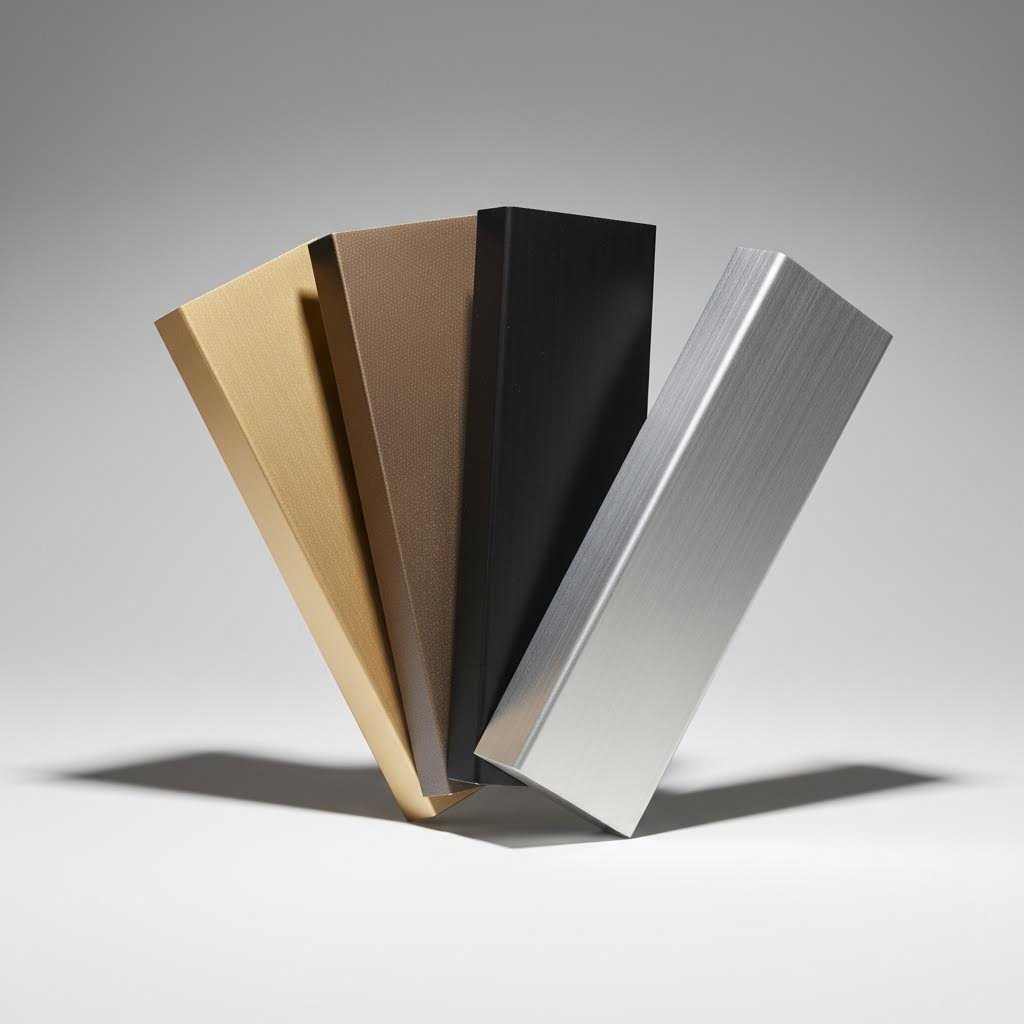
You've selected the right alloy and specified thermal break technology. Now comes a decision that determines how your aluminum extrusion window frame looks and performs for decades: surface finishing. This critical step transforms raw aluminium extrusions into weather-resistant, visually stunning components that maintain their appearance through years of sun, rain, and temperature extremes.
What most suppliers won't tell you? The cheapest finish isn't always the worst value, and the most expensive option isn't automatically the best choice for your project. Understanding the real differences between surface treatments helps you avoid overspending or, worse, underspecifying for your environment.
Every aluminum window profile needs protection. Raw aluminum naturally forms a thin oxide layer, but this passive protection isn't sufficient for exterior exposure. Professional surface treatments create barriers against corrosion, UV degradation, and physical damage while adding aesthetic value.
Four primary finishing technologies dominate the market, each with distinct advantages:
Anodizing creates an electrochemical oxide layer directly on the aluminum surface. According to industry comparisons, anodized aluminum windows offer excellent scratch resistance and a natural metallic luster that powder coating cannot replicate. The process produces an integral layer rather than an applied coating, meaning it won't peel or flake. However, color options remain limited primarily to metallic tones, platinum hues, champagne, bronze, and rose gold finishes.
Powder coating electrostatically applies dry powder particles that cure under heat to form a seamless protective layer. As coating specialists note, powder coated aluminum windows deliver superior resistance to scratches, chipping, and fading compared to other options. The technology offers virtually unlimited color choices, including custom matches and textured finishes. Standard powder coating provides 15-20 years of durability according to industry standards.
PVDF coatings (polyvinylidene fluoride) represent the premium tier for architectural applications. Conforming to AAMA 2605 specifications, these coatings deliver outstanding UV stability, chemical resistance, and chalk resistance with warranties extending up to 30 years. While the film can scratch more easily than anodized surfaces, proper primer application makes small damages virtually invisible.
Micro-arc oxidation (MAO) creates an ultra-hard ceramic layer through plasma discharge in an electrolytic bath. This advanced treatment produces exceptional hardness and wear resistance, making it suitable for high-traffic commercial applications or harsh industrial environments where standard finishes would deteriorate quickly.
When architects specify aluminum extrusion trim, color selection often drives the finishing decision. Each treatment technology offers different aesthetic possibilities that affect design flexibility.
Anodizing excels at delivering sophisticated metallic appearances. Clear anodizing preserves aluminum's natural silver tone while adding depth and protection. Electrolytic coloring produces elegant champagne, bronze, and rose gold tones that complement contemporary and traditional architecture alike. These finishes maintain a distinctive metallic character that painted surfaces cannot achieve.
Powder coating unlocks the full color spectrum. From standard RAL colors to custom formulations, you can match virtually any design vision. Textured finishes simulate wood grain, stone, or other materials while maintaining aluminum's performance advantages. Dual-color finishes, where interior and exterior surfaces receive different treatments, add approximately 10-20% to costs but provide valuable design flexibility.
PVDF coatings combine broad color availability with exceptional longevity. Custom prints and special effects expand creative possibilities for signature architectural projects. When your aluminum window profiles must maintain precise color consistency across decades, PVDF delivers confidence that powder coating cannot always match.
| Treatment Type | Durability Rating | Color Options | Best Applications | Maintenance Requirements |
|---|---|---|---|---|
| Anodizing | Excellent - rarely needs repainting | Limited - metallic tones, champagne, bronze, rose gold | Coastal projects, high-traffic areas, modern minimalist designs | Low - periodic cleaning only |
| Powder Coating | Very Good - 15-20 year lifespan | Unlimited - full RAL spectrum, textures, custom matches | Residential, commercial, anywhere color variety matters | Low - basic cleaning, possible touch-up after decades |
| PVDF Coating | Superior - warranties up to 30 years | Extensive - vibrant solids, custom prints, special effects | Premium commercial, high-exposure facades, landmark buildings | Low - periodic cleaning, minimal fading concerns |
| Micro-Arc Oxidation | Exceptional - ceramic hardness | Limited - primarily grey and earth tones | Industrial facilities, heavy-duty commercial, extreme environments | Very Low - highly resistant to damage |
Environmental exposure should guide your finishing decision more than aesthetics alone. Coastal installations demand finishes that resist salt spray corrosion. According to project guidelines, marine-grade anodizing or specialized powder coating is mandatory in salt air environments where standard treatments would deteriorate prematurely.
Budget considerations matter, but lifecycle cost often differs from upfront price. Anodizing typically costs more initially than standard powder coating but may prove more economical over 30+ years due to lower maintenance and refinishing requirements. PVDF's premium price makes sense for high-visibility facades where appearance consistency justifies the investment.
Consider these decision factors:
Don't overlook the environmental angle. As finishing experts explain, powder coating emerges as the more environmentally friendly choice compared to anodizing. The process generates minimal waste, while modern formulations feature lower volatile organic compound levels and reduced energy consumption during curing.
When specifying aluminium extrusion trim for projects requiring multiple color zones or complex architectural details, remember that dual-color treatments add processing steps but enable designs impossible with single-finish approaches. Interior surfaces can receive warm tones that complement living spaces while exterior faces get finishes optimized for weather resistance.
With surface finishing decisions clarified, the next consideration involves understanding how aluminum frames compare against alternative materials across the full spectrum of performance factors.
Choosing window frame materials feels overwhelming when every manufacturer claims their product is superior. Here's what suppliers rarely discuss openly: no single material wins every category. Your ideal choice depends on specific project priorities, climate conditions, and long-term goals. Understanding the honest trade-offs between aluminium framed windows and alternatives empowers you to make decisions based on facts rather than marketing claims.
Let's break down how aluminum extrusion window frames stack up against vinyl, wood, and fiberglass across the performance factors that actually matter for your project.
When evaluating aluminium frames for windows against competing materials, five key performance categories determine real-world satisfaction: durability, thermal efficiency, maintenance demands, design flexibility, and environmental impact.
Durability and structural strength represent aluminum's most significant advantage. According to window material specialists, aluminum frames boast one of the best strength-to-weight ratios among all frame types, supporting large glass expanses with minimal structural bulk. This makes aluminium frame windows the preferred choice for commercial aluminum window frames, oversized residential installations, and contemporary designs featuring floor-to-ceiling glazing.
Vinyl frames, while adequate for standard-sized openings, lack the structural rigidity needed for large spans without reinforcement. Wood offers good strength but requires thicker profiles that reduce visible glass area. Fiberglass extrusions deliver strength approaching aluminum while providing better thermal performance, though availability remains more limited.
Thermal performance requires honest discussion. Without thermal breaks, aluminum conducts heat approximately 1,000 times more efficiently than insulating materials. This represents a genuine limitation for budget installations. However, thermally broken aluminum frames achieve U-factors as low as 0.23, placing them competitive with premium vinyl and approaching fiberglass performance levels.
Vinyl naturally insulates well, with foam-filled chambers providing excellent thermal resistance. According to 2025 window material ratings, quality vinyl achieves U-values between 0.23-0.35, while thermally broken aluminum ranges from 0.30-0.43. Fiberglass leads with U-values as low as 0.19, making it the thermal champion for passive house and ultra-efficient construction.
Maintenance requirements favor aluminum and vinyl equally. Both materials need only periodic cleaning with soap and water. Wood demands yearly sealing and refinishing to prevent rot, representing a significant ongoing commitment. As one homeowner discovered, wood windows required "endless hours of sanding and refinishing" yet "never looked new again" after just four years of exposure.
Initial purchase price tells only part of the story. Evaluating aluminium frame window options against alternatives requires examining total cost of ownership across expected lifespans.
An aluminum extrusion window frame typically costs more than vinyl but less than premium wood or high-end fiberglass. According to 2025 installation cost data from Chicago, vinyl windows range from $850-$1,450 installed, thermally broken aluminum runs $1,800-$2,400, and fiberglass costs $1,150-$1,700. Solid wood commands the highest prices at $2,050-$2,850.
However, lifespan dramatically affects value calculations. Commercial aluminum window frames routinely last 30+ years with minimal degradation. Fiberglass and composite frames offer exceptional longevity of 45-55 years. Vinyl typically performs reliably for 20-40 years, while wood's lifespan depends heavily on maintenance quality.
Environmental impact increasingly influences purchasing decisions. Here's where aluminum shines: as environmental assessments confirm, aluminum can be recycled indefinitely without losing its properties, and the recycling process consumes only 5% of the energy required for primary production. This 100% recyclability makes aluminium frame windows the most sustainable choice for environmentally conscious projects.
Vinyl poses recycling challenges requiring specialized facilities not available in all regions. Wood is renewable and biodegradable when sourced responsibly from FSC-certified forests, but manufacturing and transportation still carry environmental costs. Fiberglass offers good recyclability but remains less established in recycling infrastructure.
| Material | Durability | Thermal Performance | Maintenance | Lifespan | Environmental Impact | Cost Range (Installed) |
|---|---|---|---|---|---|---|
| Aluminum (Thermally Broken) | Excellent - resists corrosion, won't rot or warp | Good with thermal breaks (U: 0.30-0.43) | Low - periodic cleaning only | 30+ years | Excellent - 100% recyclable, 95% energy savings when recycled | $1,800-$2,400 |
| Vinyl (uPVC) | Good - moisture resistant, may warp in extreme heat | Very Good (U: 0.23-0.35) | Very Low - soap and water only | 20-40 years | Moderate - recyclable but process is challenging | $850-$1,450 |
| Wood (Solid) | Good when maintained - vulnerable to rot and pests | Excellent natural insulator (U: 0.25-0.38) | High - yearly sealing required | 20+ years (depends on care) | Good if FSC-certified - renewable, biodegradable | $2,050-$2,850 |
| Fiberglass/Composite | Superior - 8-10x stronger than vinyl | Excellent (U: 0.19-0.30) | Very Low - nearly maintenance-free | 45-55 years | Good - recyclable, often includes reclaimed materials | $1,150-$1,700 |
Rather than declaring a universal "winner," consider which material aligns with your specific priorities:
Climate considerations should influence your decision as well. In humid environments like coastal regions, aluminum's corrosion resistance outperforms wood significantly. Cold climates demand either thermally broken aluminum or naturally insulating alternatives. Hot, sunny exposures require materials that resist UV degradation and thermal expansion.
The honest truth? Aluminium framed windows excel in applications where their unique advantages, including strength, design flexibility, recyclability, and longevity, align with project requirements. They're not the cheapest option, and without thermal breaks, they're not the most energy-efficient. But for projects demanding durability, slim sightlines, and sustainable materials, aluminum frames deliver performance that alternatives struggle to match.
Understanding these trade-offs positions you to evaluate manufacturing quality and custom options, which directly influence whether any frame material delivers on its performance promises.
You've identified the perfect alloy, specified thermal break technology, and selected an ideal finish. But here's what separates a specification on paper from a window frame that performs flawlessly for decades: manufacturing quality. The equipment, processes, and expertise behind your aluminum extrusions determine whether your project meets expectations or falls short.
Most buyers focus exclusively on the finished product without understanding how manufacturing capabilities directly affect what's achievable. Whether you need standard aluminum extrusions from an extruded aluminum shapes catalog or require completely custom aluminum windows, understanding the production side helps you evaluate suppliers and avoid costly surprises.
Before diving into manufacturing details, you'll face a fundamental choice: standard profiles or custom designs. Each path has distinct implications for your project timeline, budget, and design flexibility.
Standard profiles from an aluminum shapes catalog offer immediate advantages. Die tooling already exists, eliminating weeks of development time. Minimum order quantities are typically lower since manufacturers produce these shapes regularly. Costs per linear foot decrease significantly because tooling expenses are already amortized across thousands of previous orders.
When does a standard profile make sense? Consider this option when your design requirements align with existing shapes, when tight deadlines prevent custom development, or when budget constraints prioritize cost savings over unique aesthetics. Many residential projects successfully use standard window profiles, customizing through finish selection and hardware choices rather than profile geometry.
Custom aluminum extrusions unlock design possibilities that standard profiles cannot achieve. Want thinner sightlines, integrated drainage channels, or profiles optimized for specific thermal break configurations? Custom extrusion makes it possible. According to aluminum extrusion specialists, hollow dies can create complex window frame profiles with internal reinforcements, while semi-hollow dies accommodate partially enclosed voids perfect for hardware mounting points.
The trade-off? Custom projects require die development, which adds both time and upfront investment. Die costs typically range from $2,000 to $10,000 depending on complexity. However, this one-time investment amortizes across your total production, making per-part costs increasingly economical at higher volumes.
Ever wonder why some manufacturers can produce profiles others refuse to quote? The answer lies in their press capabilities. Extrusion press capacity, measured in tonnage, directly determines what profiles are achievable and at what quality level.
According to industry specifications, common press capacities range from 500 tons to over 15,000 tons. This matters because more complex shapes, larger profiles, and hollow sections require significantly more force to produce. Here's how tonnage affects your options:
Hollow profiles, common in window frame applications, require higher tonnage than solid shapes because they involve more complex deformation processes. An aluminum extrusion slider channel, for example, demands precise die design and adequate press capacity to maintain dimensional accuracy throughout the extrusion run.
The die development process deserves particular attention for custom projects. Quality manufacturers use Finite Element Analysis (FEA) simulations to model material flow, thermal behavior, and die structural integrity before cutting steel. This predictive approach identifies potential issues before manufacturing begins, reducing die trials and accelerating time to production.
Die trials represent another critical phase. After initial die fabrication, manufacturers run test extrusions to verify dimensions and surface quality against specifications. Efficient management of this phase, including prompt review and clear feedback on sample parts, keeps projects on schedule.
When evaluating any aluminum extrusion case for window frame production, certain capabilities signal genuine manufacturing expertise versus basic commodity production:
These capabilities translate directly to practical outcomes. Robust press capabilities mean greater design flexibility and the ability to produce complex extruded frame profiles. Precise CNC machining ensures components assemble correctly on-site. Comprehensive certifications reduce quality risks that could delay your project.
How do manufacturing capabilities affect your bottom line? Consider these practical implications:
Lead times depend heavily on equipment availability and die development efficiency. Manufacturers with greater capacity and streamlined die processes deliver faster than constrained operations. For custom profiles, expect 4-8 weeks for die development plus production time.
Minimum order quantities reflect setup costs and production efficiency. Smaller manufacturers may require higher minimums to justify production runs. Larger operations with diverse customer bases often accommodate lower quantities more readily.
Design flexibility expands with manufacturing sophistication. A supplier with 500T-5500T press range can accommodate everything from delicate decorative trim to massive structural sections within a single extruded frame system.
When reviewing potential suppliers, request specifics about their equipment and processes. Quality manufacturers readily share this information because it demonstrates their capabilities. Reluctance to discuss manufacturing details often signals limitations they prefer not to acknowledge.
Understanding manufacturing fundamentals positions you to evaluate suppliers effectively. But even the best extruded profiles require proper installation to deliver their full performance potential, which brings us to critical installation considerations most suppliers never discuss.
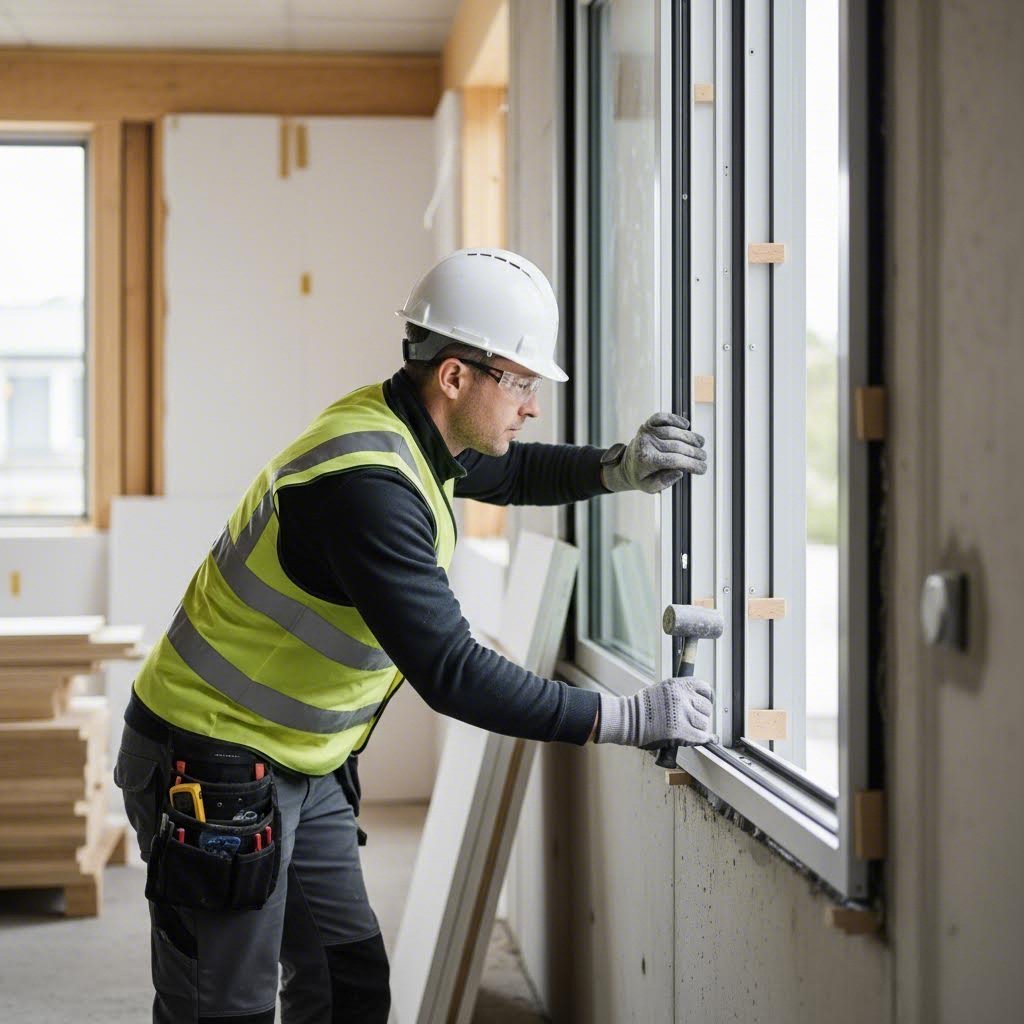
Here's an uncomfortable truth most suppliers avoid: even the finest aluminum extrusion window frame becomes a liability when installed incorrectly. Manufacturing precision means nothing if your contractor ignores thermal expansion allowances or applies the wrong sealant. The gap between a 30-year performer and a 5-year headache often comes down to installation details that take hours to address but decades to regret skipping.
What makes aluminum window installation particularly demanding? Unlike forgiving materials that compress or flex to accommodate errors, extruded aluminum sections maintain their precise dimensions regardless of how they're handled. This dimensional stability is an advantage when properly leveraged but becomes problematic when installers force frames into out-of-square openings or neglect movement allowances.
Successful installation begins before any aluminium window frame touches the opening. Proper preparation prevents the most common failure modes and ensures your investment performs as designed.
First, verify opening dimensions against frame specifications. According to building warranty guidelines, aluminum frames require specific gap allowances based on opening size: 5mm per side for openings under 1.5 meters, 5mm for openings between 1.5-3.0 meters, and 7.5mm for openings between 3.0-4.5 meters. These tolerances accommodate both fitting requirements and thermal expansion.
Why do these gaps matter so much? Aluminum expands and contracts with temperature changes. A 3-meter aluminum frame can experience several millimeters of movement between winter lows and summer highs. Without adequate clearance, this movement stresses seals, distorts frames, and eventually causes operational problems or water infiltration.
The maximum gap permitted for openings less than 3 meters should be 10mm, while openings exceeding 3 meters allow up to 15mm gaps. Exceeding these maximums creates finishing challenges and may compromise weathertightness, so accurate rough opening preparation is essential.
Your aluminum window components don't exist in isolation. They integrate with wall assemblies, flashing systems, and waterproofing membranes to create a continuous building envelope. Understanding these connections prevents the integration failures that cause most window-related building problems.
Follow this installation sequence to ensure proper aluminum extrusion assembly and long-term performance:
The connection between installation technique and window performance extends far beyond initial appearance. Three critical performance areas depend directly on installation quality:
Air infiltration represents the most common installation-related failure. Gaps in perimeter sealing, improperly compressed weatherstripping, or frame distortion from over-tightened fasteners all allow conditioned air to escape and outdoor air to enter. Even small infiltration paths significantly impact energy efficiency and comfort.
Water resistance demands particular attention at window frame section interfaces. Water follows gravity and surface tension, finding any discontinuity in your weather barrier. Proper flashing integration creates overlapping layers that direct water outward at every transition. Sealant provides the secondary defense, but flashing provides the primary protection.
Structural integrity depends on proper anchorage and load distribution. Window sections must transfer wind loads to surrounding structure without excessive deflection. Over-shimmed or under-anchored frames flex under pressure, breaking seals and allowing water entry. Conversely, over-constrained frames cannot accommodate thermal movement, leading to stress fractures or seal failure over time.
Unless you're personally installing your windows, your installation quality depends on contractor competence and attention to detail. Here's what to verify during the installation process:
Don't assume problems will reveal themselves immediately. Many installation deficiencies remain hidden until seasonal temperature changes stress the assembly or driving rain tests weather resistance. By then, remediation becomes far more expensive and disruptive than getting it right initially.
Proper installation establishes the foundation for long-term performance. But even perfectly installed windows require appropriate ongoing care to maintain their capabilities across decades of service, which brings us to maintenance requirements and realistic longevity expectations.
You've invested in quality aluminum extrusion window frames, specified the right alloy, and ensured proper installation. Now comes the question suppliers rarely answer honestly: what does it actually take to keep these frames performing for decades? The good news? Aluminum demands remarkably little compared to alternatives. The catch? Neglecting even basic care can void warranties and accelerate problems that proper maintenance would prevent entirely.
According to industry longevity research, properly maintained aluminium window frames can last up to 45 years or more. Compare that to vinyl's 20-40 year lifespan or wood's maintenance-dependent durability, and you'll understand why aluminum remains the preferred choice for projects prioritizing long-term value.
What separates a 20-year frame from a 45-year performer? Consistent, appropriate maintenance. The beauty of aluminum window frame parts is their simplicity. You won't spend weekends sanding and refinishing like wood demands. But you will need to follow a regular schedule that addresses cleaning, inspection, and lubrication.
Here's your essential maintenance schedule for parts for aluminum windows:
Your aluminium window glass requires separate attention. According to manufacturer care guidelines, prepare a cleaning solution of one teaspoon baby shampoo per gallon of water. Rinse surfaces from top to bottom, clean with a sponge using uniform pressure, and promptly dry to prevent water spotting. Never use power washers, which can force water past seals and cause infiltration problems.
Remember those finishing decisions from earlier? They directly impact your ongoing maintenance requirements.
Anodized aluminum window channel surfaces require the least ongoing attention. The electrochemical oxide layer integrates with the aluminum itself, meaning it won't peel or flake. Periodic cleaning and occasional wax application maintain appearance indefinitely. However, bare aluminum edges and weep holes will oxidize naturally, producing a dark, metallic residue that wipes off during cleaning.
Powder coated frames need similar minimal care but may eventually require touch-up after 15-20 years of UV exposure. Inspect annually for chips or scratches that expose bare aluminum, addressing these promptly to prevent corrosion from spreading beneath the coating.
PVDF coatings offer superior UV stability, often maintaining color consistency for 30+ years. Your maintenance burden with these premium finishes is primarily cleaning rather than protection.
How do you know when maintenance is no longer sufficient? Watch for these warning signs that indicate more serious problems with your glass aluminium frame system:
Oxidation alone rarely justifies replacement. As maintenance specialists explain, use a fine scratch pad or steel wool to gently remove oxidation from bare aluminum areas, then apply car wax for protection. This remediation addresses cosmetic oxidation effectively without frame replacement.
Weatherstrip degradation represents the most common repair need. If weatherstripping appears torn, cracked, brittle, or no longer bounces back when pressed, replacement restores air and water sealing without frame replacement. Most aluminium window supplies dealers stock replacement weatherstrip that homeowners with basic skills can install.
Here's something suppliers definitely won't volunteer: neglecting maintenance can void your warranty coverage. Most aluminum window warranties explicitly require following manufacturer care guidelines. Document your maintenance activities, especially for commercial installations where warranty claims may involve significant value.
The investment in regular care pays dividends beyond warranty protection. According to window system specialists, proper aluminium window maintenance is key to ensuring longevity, maintaining aesthetic appeal, and keeping windows functioning smoothly for years. That 45-year lifespan isn't automatic. It's the result of consistent, appropriate care that prevents minor issues from becoming major failures.
With maintenance requirements understood, the final consideration involves finding a supplier whose capabilities match your project needs and whose support extends beyond the initial sale.
You've learned everything about alloys, thermal breaks, finishes, and installation requirements. But here's the uncomfortable reality: all that knowledge means nothing if you partner with the wrong supplier. The gap between aluminum window extrusions suppliers who deliver consistently and those who create endless headaches often comes down to capabilities you never thought to verify.
What separates a true manufacturing partner from a middleman repackaging someone else's work? It's not just price or lead time. The suppliers who consistently deliver quality aluminium window extrusions invest in equipment, expertise, and processes that commodity providers simply cannot match. Understanding what to look for transforms your supplier selection from a gamble into a strategic decision.
When sourcing aluminum window extrusions for your project, resist the temptation to make decisions based solely on quoted prices. According to industry specialists, a qualified aluminum extrusion supplier offers much more than extruded profiles—they provide engineering collaboration, quality assurance, and integrated production capabilities that align with your business goals.
Think about what happens when problems arise. Will your supplier troubleshoot die issues proactively? Can they adjust production schedules when your timeline shifts? Do they have the technical depth to suggest profile optimizations that reduce your costs? These capabilities distinguish partners from vendors.
Here's what to evaluate when comparing aluminum window extrusions suppliers:
Don't overlook production capacity when evaluating aluminium window frame extrusions suppliers. As manufacturing experts note, facilities with multiple extrusion lines and automated systems often outperform smaller shops in meeting delivery windows. Ask about annual output capabilities and how they handle demand fluctuations.
Armed with evaluation criteria, you need specific questions that reveal whether a supplier's claims match reality. These inquiries separate qualified partners from those overpromising capabilities they cannot deliver.
About manufacturing capabilities:
About quality assurance:
About project support:
According to aluminum frame specialists, an experienced supplier will guide you through the selection process based on your project's requirements and environmental conditions. If a potential supplier cannot provide clear, detailed answers to these questions, consider it a warning sign about their actual capabilities.
Words are cheap. How do you confirm a supplier actually delivers what they promise? Several verification steps protect you from discovering capability gaps after you've committed to an order.
Request physical samples before committing to production volumes. Evaluate extrusion precision, surface finish consistency, and dimensional accuracy against your specifications. If samples fall short, production runs won't magically improve.
Ask for references from companies with similar project requirements. Speaking directly with other buyers reveals real-world performance—delivery reliability, problem resolution, and long-term consistency—that marketing materials never address.
Review certifications carefully. ISO 9001 certification indicates systematic quality management. For specialized applications, additional certifications like IATF 16949 for automotive or AS9100 for aerospace demonstrate elevated capabilities. Verify certifications are current and cover the specific facility that will produce your order.
Consider factory audits for significant projects. Whether in-person or virtual, seeing equipment, observing workflow organization, and meeting technical staff provides insight that documentation cannot capture. Quality-focused suppliers welcome this scrutiny because it demonstrates their capabilities.
Be cautious of suppliers who provide vague answers about materials, resist sample requests, or cannot explain their manufacturing process in detail. As sourcing guides emphasize, a supplier that cannot provide samples, audit access, or detailed answers about materials and tolerances may not be a reliable long-term partner.
Finding the right crl aluminum or cr laurence aluminum distributor for standard components is relatively straightforward. But when you need custom aluminium window extrusions that meet precise specifications, the supplier relationship becomes a true partnership requiring ongoing communication and mutual commitment.
The most successful buyer-supplier relationships share common characteristics. Clear communication about specifications, timelines, and expectations prevents misunderstandings. Regular updates during production keep projects on track. And when issues arise—because they inevitably do—partners work collaboratively toward solutions rather than assigning blame.
Evaluate financial stability before committing to long-term relationships. A supplier's growth trajectory, investment in equipment, and international market experience indicate whether they'll remain viable partners for years to come. Choosing a financially stable partner protects your supply chain from disruptions due to bankruptcy or restructuring.
The investment in proper supplier evaluation pays dividends across every project. Quality crl us aluminum components, reliable delivery schedules, and responsive technical support all flow from selecting partners whose capabilities genuinely match your requirements. Take the time to verify claims, ask tough questions, and build relationships with suppliers who view your success as their own.
Aluminum window profiles offer exceptional strength-to-weight ratios, allowing slim sightlines that maximize glass area. They resist corrosion naturally, require minimal maintenance compared to wood, and are 100% recyclable with 95% energy savings during recycling. With thermal break technology, aluminum frames achieve U-factors competitive with premium vinyl and fiberglass, making them ideal for commercial buildings, coastal installations, and modern residential designs requiring durability and design flexibility.
Key considerations include alloy grade (6063-T5 or T6 for optimal surface finish and corrosion resistance), thermal break technology for energy efficiency, and surface treatment options like anodizing or powder coating based on environmental exposure. Evaluate supplier capabilities including press tonnage range, in-house finishing, quality certifications like ISO 9001, and technical support for custom die development. Climate zone requirements and building code compliance should also guide your specifications.
Properly maintained aluminum window frames typically last 30 to 45 years or more, significantly outlasting vinyl's 20-40 year lifespan. Longevity depends on proper installation with correct thermal expansion allowances, appropriate surface treatments for your environment, and regular maintenance including quarterly inspections, biannual hardware lubrication, and annual comprehensive checks. Coastal installations require more frequent cleaning to prevent salt-related corrosion.
6063 aluminum dominates window frame production due to superior extrudability, excellent surface finish quality, and outstanding corrosion resistance. It flows smoothly through dies, creating intricate profiles with thin walls and sharp edges ideal for architectural applications. 6061 offers approximately 30% more yield strength but produces rougher surface finishes and doesn't extrude as smoothly into complex shapes, making it better suited for structural load-bearing applications rather than aesthetic window frames.
Thermal breaks insert PA66 glass-reinforced polyamide barriers between interior and exterior frame sections, reducing heat transfer by over 95%. While aluminum conducts heat at approximately 237 W/mK, polyamide barriers conduct at only 0.3 W/mK. This technology eliminates thermal bridging that causes energy loss, reduces condensation on interior surfaces, improves comfort by eliminating cold spots, and helps meet stringent building codes including Passive House requirements with U-factors below 1.0 W/m²K.



 خدمة الإنترنت
 0086 136 3563 2360
 sales@sxalu.com
 +86 136 3563 2360
 العربية
 English
 français
 Deutsch
 русский
 español
 português
 ไทย
ไทย Việt
Việt Українська