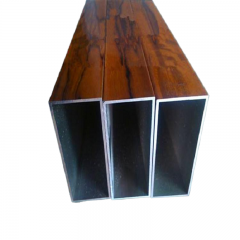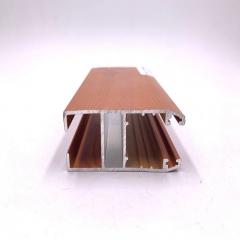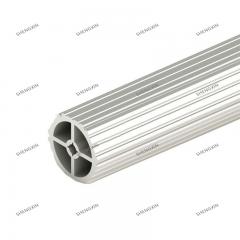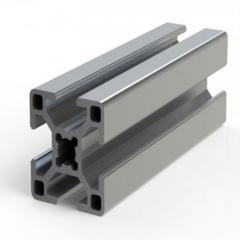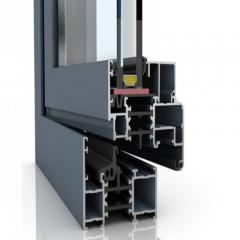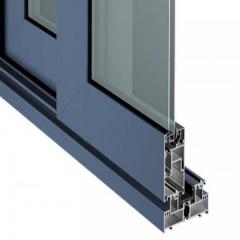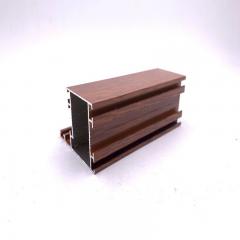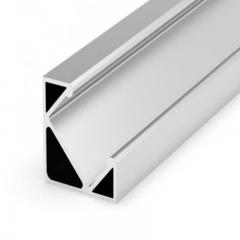
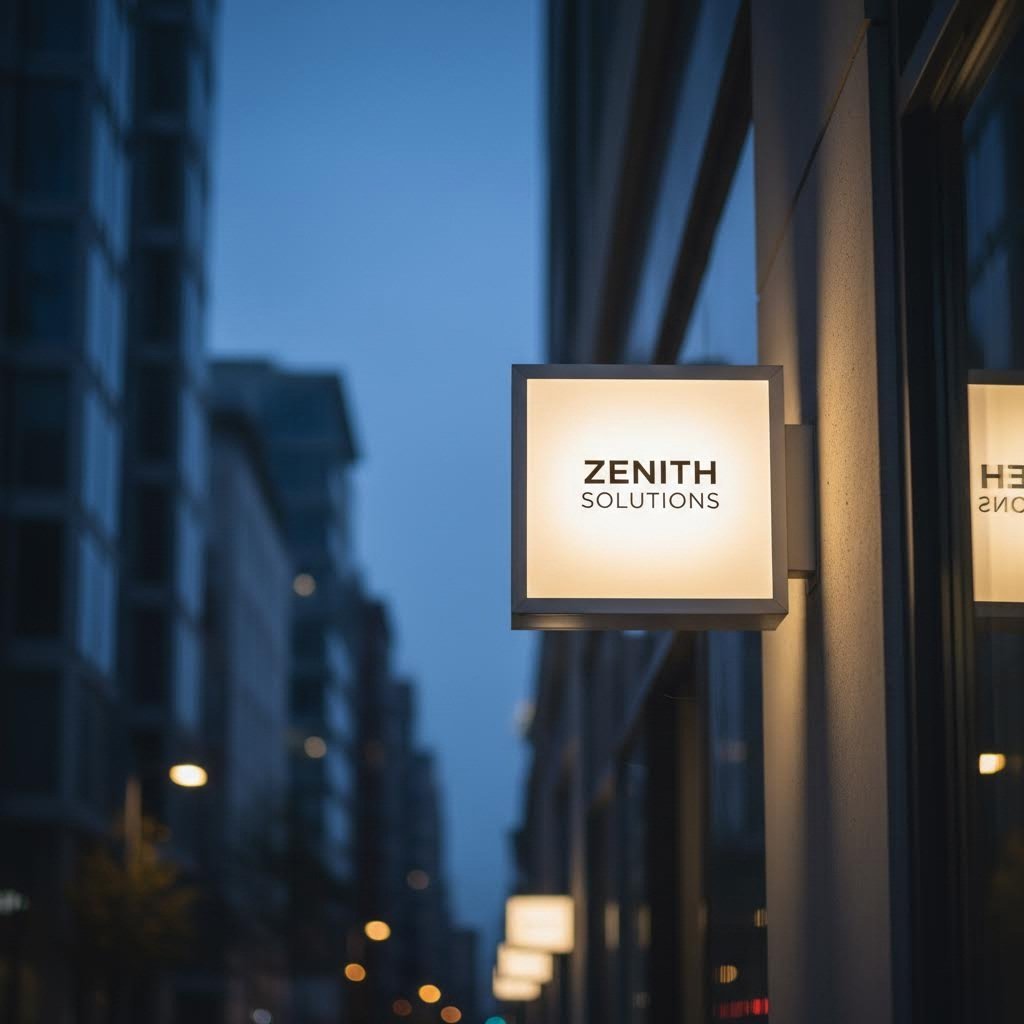
When you drive past a shopping center at night and notice those glowing business signs mounted on storefronts, you're likely looking at an aluminum extrusion sign cabinet in action. But what exactly makes these structures tick? Understanding the fundamentals will help you make smarter decisions whether you're a sign professional or a business owner planning your next signage investment.
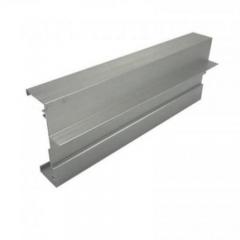
An aluminum extrusion sign cabinet is a structured enclosure made from extruded aluminum profiles that houses lighting components and sign faces to create illuminated cabinet signage for commercial applications.
Think of it as the skeleton and shell of your illuminated sign. The extruded aluminum framework provides structural integrity, while the cabinet design allows for internal lighting that brings your graphics to life after dark.
Imagine squeezing toothpaste through a tube opening. Aluminum extrusion works on a similar principle, just with significantly more force and precision. Here's what happens behind the scenes:
First, manufacturers prepare a cylindrical aluminum billet by preheating it to approximately 400-500°C. This temperature makes the metal malleable without melting it completely. A specialized die, which is essentially a steel plate with a custom-shaped opening, is also preheated to around 450-500°C to ensure even metal flow and extend the die's lifespan.
Once everything reaches optimal temperature, a hydraulic ram applies tremendous pressure, sometimes up to 15,000 tons, forcing the softened aluminum through the die opening. The metal emerges on the other side as a continuous profile matching the die's exact cross-sectional shape. Picture it like a continuous ribbon of aluminum maintaining the same profile throughout its entire length.
After exiting the press, the profile undergoes rapid cooling through water baths or industrial fans. This quenching process locks in the material's properties. Technicians then stretch the extrusions to correct any minor twists and cut them to specified lengths before a final aging treatment enhances strength and durability.
You might wonder why sign cabinet manufacturers overwhelmingly choose aluminum over other materials. The answer lies in a unique combination of properties that no other material matches for this specific application.
Aluminum's strength-to-weight ratio makes it ideal for large sign cabinets that need to withstand wind loads without requiring excessive structural support. A cabinet sign made from steel would demand heavier mounting hardware and potentially more complex installation procedures.
Corrosion resistance is another critical factor. An illuminated sign cabinet faces constant exposure to rain, humidity, UV radiation, and temperature swings. Aluminum naturally forms a protective oxide layer that prevents rust, unlike steel which requires ongoing maintenance to avoid deterioration.
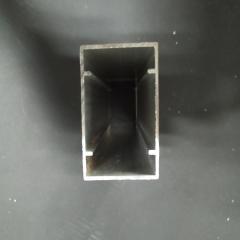
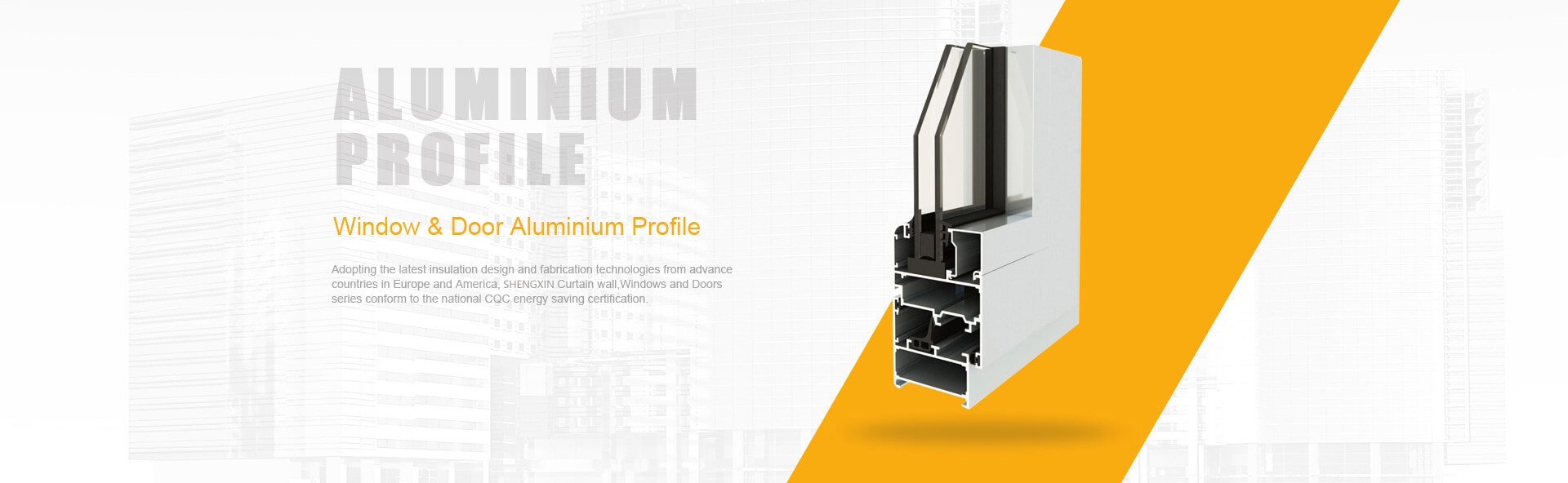
The extrusion process itself offers remarkable design flexibility. Manufacturers can create custom die shapes that incorporate features like built-in channels for wiring, integrated mounting flanges, and snap-fit connections for sign faces. These engineered profiles simplify assembly and create cleaner finished products.
For businesses investing in cabinet signage, understanding these fundamentals reveals why quality aluminum extrusion isn't just a manufacturing preference. It's the foundation that determines how well your sign performs year after year.
Now that you understand how aluminum extrusion works, the next logical question is: why has this material become the undisputed champion for sign cabinets? The answer goes deeper than simple tradition. When you compare aluminum against steel, plastic, and other alternatives, the advantages become clear across virtually every performance metric that matters for commercial signage.
Imagine choosing materials for a lighted sign that will hang on your building facade for the next decade. Steel might seem like the stronger option at first glance, but consider the full picture. Steel sign cabinets are significantly heavier, sometimes requiring reinforced mounting systems that add complexity and cost to installations. More importantly, steel demands ongoing maintenance to prevent rust, especially in coastal or humid environments where corrosion can compromise structural integrity within just a few years.
Plastic alternatives present their own set of challenges. While lightweight and initially affordable, plastic cabinet signs tend to fade quickly under UV exposure and can become brittle over time. According to industry observations, aluminum signs typically last 10 to 15 years while maintaining color and structural integrity, whereas plastic often shows noticeable degradation within three to five years of outdoor exposure.
Aluminum strikes the perfect balance. It delivers approximately 50% weight savings compared to steel while providing rust-proof performance without the maintenance headaches. Unlike plastic, aluminum won't warp, crack, or discolor from prolonged sun exposure. This durability translates directly to lower lifetime costs for business owners who want their sign cabinets to perform reliably year after year.
What specific characteristics make aluminum the ideal choice for illuminated sign boxes? Understanding these properties helps you appreciate why sign extrusion manufacturers have standardized around this material.
Thermal conductivity deserves special attention, especially for LED sign cabinet applications. Modern illuminated signs rely on LED modules that generate heat during operation. Aluminum's excellent thermal conductivity naturally dissipates this heat across the cabinet structure, preventing hot spots that could shorten LED lifespan or cause performance issues. Steel transfers heat less efficiently, while plastic actually acts as an insulator, potentially trapping heat where you don't want it.
The malleability of aluminum makes the extrusion process faster and more cost-effective. Because the material shapes easily under pressure, manufacturers can create complex profiles with integrated features like wiring channels and snap-fit edges without driving up production costs. This design flexibility enables unique shapes and contours that help businesses create distinctive branded signage.
When it comes to alloy selection, 6063 aluminum has emerged as the preferred choice for architectural signage applications. This alloy offers an excellent surface finish after extrusion, making it ideal for sign cabinets where visual appearance matters. Its superior extrudability allows manufacturers to produce complex profiles with smooth surfaces that accept finishing treatments beautifully. For applications requiring additional strength, 6005 and 6061 alloys provide higher durability ratings while maintaining good workability.
The 6063 alloy's moderate-to-high strength rating proves more than adequate for most sign cabinet applications, while its finishing characteristics ensure your cabinet signage looks professional from day one. This combination of extrudability and surface quality explains why experienced fabricators consistently recommend 6063 for illuminated sign projects where aesthetics and performance must work together seamlessly.
Understanding these material advantages positions you to ask better questions when evaluating sign cabinets. But material selection is just the beginning. The next critical decision involves choosing the right extrusion depth for your specific project requirements.
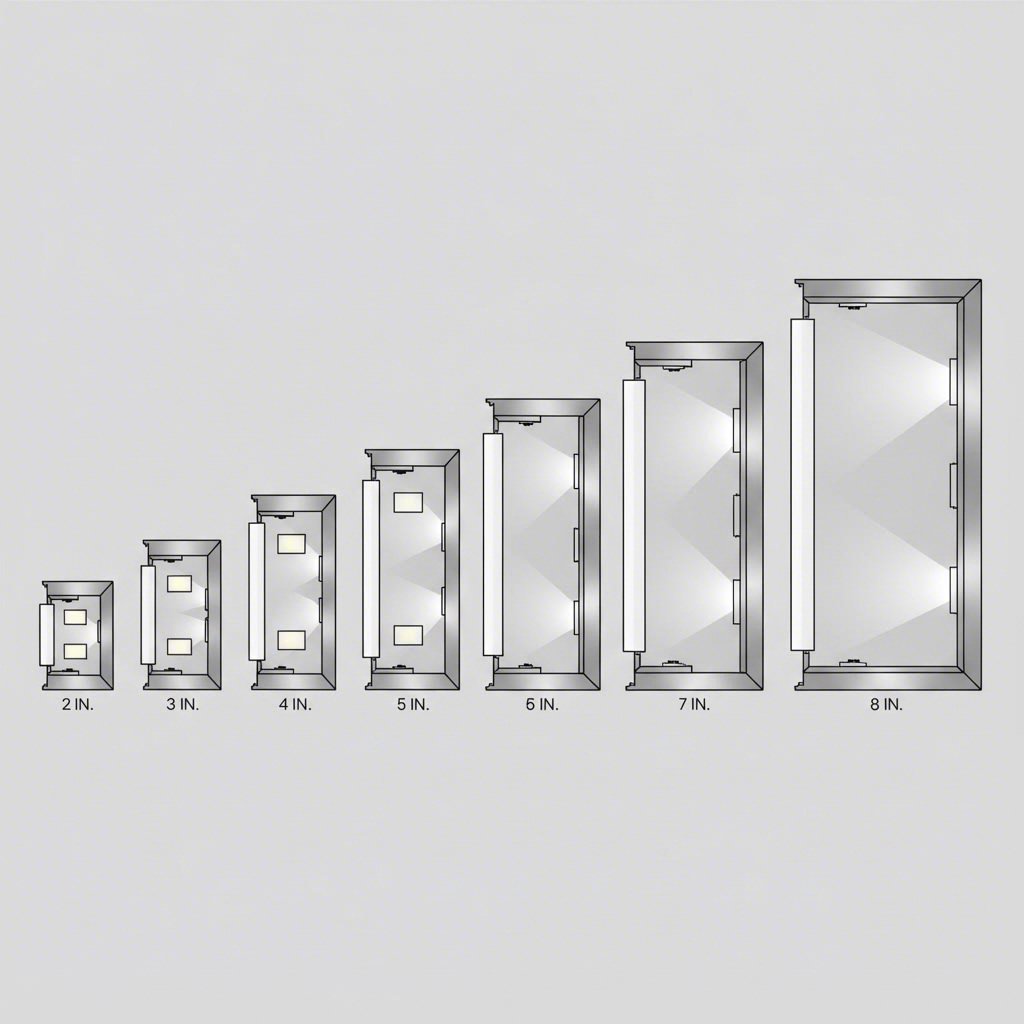
Here's a secret most suppliers won't volunteer: the depth of your sign cabinet directly determines whether your illumination looks professional or amateurish. Get this measurement wrong, and you'll end up with hot spots, uneven lighting, or a sign that's unnecessarily bulky for its application. Let's break down exactly how to match cabinet depth to your specific project needs.
Industry-standard depth options typically include 8.5", 9.25", 12", 13.3", 14.5", and 17.25" configurations. Each serves distinct applications, and understanding the reasoning behind these measurements will help you avoid costly mistakes that many first-time buyers make.
Think of cabinet depth and face size as dance partners. They need to work together harmoniously. A shallow illuminated sign box with an oversized face will display uneven brightness, while an excessively deep cabinet for a small sign wastes materials and adds unnecessary weight.
The general principle works like this: larger sign faces require deeper cabinets to achieve uniform light distribution. Why? Because the light sources inside need adequate distance to "mix" before reaching the translucent face. When LEDs or other lighting modules sit too close to the sign face, you'll see individual bright spots where each module sits, surrounded by darker areas between them.
For smaller light up sign box applications with face dimensions under 4 feet in either direction, shallow depths between 8.5" and 9.25" typically provide sufficient room for proper illumination. These compact profiles work well for storefronts, directory signs, and smaller identification signage where space conservation matters.
Medium-sized sign boxes, including popular 4x8 lighted sign box configurations, generally perform best with depths ranging from 12" to 14.5". This depth range provides enough internal space for LEDs to spread their illumination evenly across faces measuring up to approximately 6 feet by 10 feet.
Large-format signs, particularly highway-visible installations or monument signs with faces exceeding 60 square feet, often require the deeper 14.5" to 17.25" profiles. These depths accommodate the greater light-mixing distance needed for consistent illumination across expansive surfaces.
Understanding the physics behind light distribution helps explain why depth matters so much. According to industry lighting specialists, deeper signs allow for wider spacing between LED modules because there's more distance for light to mix before reaching the face, preventing those telltale hot spots that scream "cheap installation."
Here's what happens inside your cabinet: LED modules emit light in a cone-shaped pattern. In shallow cabinets, these cones don't overlap sufficiently before reaching the sign face, creating visible bright and dark zones. Increase the depth, and those light cones have more room to blend together, producing the smooth, even illumination that professional installations demand.
The trade-off? Deeper cabinets require more total lumens to achieve adequate brightness since light disperses more before reaching the face. As noted in LED spacing research, "less LEDs means less total lumens, so there is a practical limit that keeps in mind the need for adequate brightness." This balance between evenness and brightness drives many depth selection decisions.
Face materials also influence depth requirements. Highly translucent acrylics may need closer LED spacing even in deeper cabinets to prevent the modules from becoming visible through the material. Lower transparency materials might require more lighting power but can tolerate slightly shallower depths since the material itself helps diffuse the light.
| Cabinet Depth | Recommended Face Size Range | Typical Applications | Lighting Considerations |
|---|---|---|---|
| 8.5" | Up to 3' x 4' | Small storefront signs, directory panels, interior wayfinding | Requires close LED spacing (3-4" between modules); ideal for single-stroke graphics |
| 9.25" | Up to 4' x 6' | Standard retail signage, building identification, menu boards | Moderate spacing (4-5"); works well with batwing-style LED modules |
| 12" | 4' x 6' to 5' x 8' | Medium commercial signs, 4x8 lighted sign box applications, double-face pole signs | Standard 5-6" row spacing; good balance of brightness and evenness |
| 13.3" | 5' x 8' to 6' x 10' | Large retail centers, shopping plaza identification, multi-tenant signs | Allows 6-8" spacing; reduces module count while maintaining uniformity |
| 14.5" | 6' x 10' to 8' x 12' | Highway-visible signs, monument signs, large-format advertising | Wider spacing possible (8-10"); may require high-output backlit modules |
| 17.25" | 8' x 12' and larger | Major highway monuments, stadium signage, large commercial installations | Maximum spacing up to 12"; prioritize high-lumen output modules for adequate brightness |
When evaluating these options for your project, consider the installation environment as well. A wall-mounted sign in a protected alcove might perform well at minimum depth specifications, while an exposed pole-mounted installation facing prevailing winds might benefit from the added structural rigidity of a slightly deeper profile.
The relationship between depth and lighting technology continues evolving. Modern LED modules with specialized optics can achieve even illumination at shallower depths than traditional modules, potentially allowing you to use more compact cabinets without sacrificing visual quality. However, these advanced modules typically cost more upfront, creating another variable in your decision matrix.
With depth selection clarified, the next consideration involves understanding the various cabinet configurations available and matching them to your specific visibility requirements and installation context.
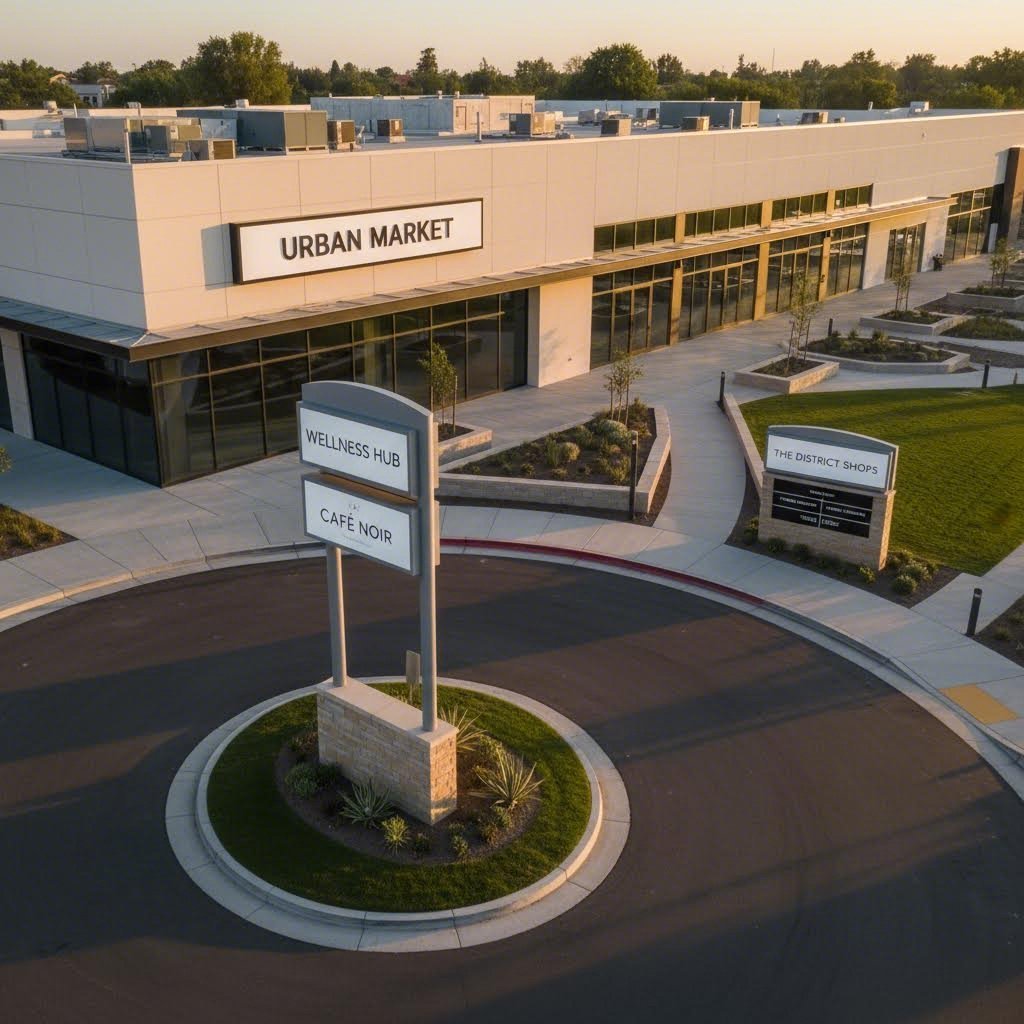
Choosing the right cabinet configuration can make or break your signage investment. You might have the perfect depth and premium aluminum construction, but if you select a single-face design when your business sits on a corner lot, you're leaving half your potential visibility on the table. Let's explore how different configurations serve specific business visibility needs so you can match your investment to your actual requirements.
Imagine you're standing in front of a retail storefront. That lighted cabinet sign mounted flat against the building facade? That's a single-face configuration, and it serves a very specific purpose. Single-face signs direct their message in one direction, making them ideal when your target audience approaches from a consistent angle.
Single-face illuminated sign boxes work exceptionally well for:
Double-face configurations tell a different story. These led sign box designs feature illuminated panels on both front and back, creating visibility from opposing directions. According to signage industry experts, "double-face variants are freestanding, making them visible from both directions" and proving particularly valuable for businesses along traffic corridors.
When should you consider a double-face illuminated light sign box? Think about locations where customers or traffic approach from multiple directions:
The cost difference between configurations isn't simply double the materials. Double-face designs require additional structural considerations for wind load since they present a larger surface area to prevailing winds. However, for businesses where bidirectional visibility genuinely matters, the investment pays dividends in customer awareness.
Beyond face configuration, how you mount your cabinet significantly impacts visibility, regulatory compliance, and overall effectiveness. Each mounting approach serves distinct business contexts.
Wall-Mounted Cabinet Signs
Wall-mounted installations attach directly to your building structure, making them the most common choice for storefronts and building identification. As industry specialists note, cabinet signs "can be mounted on your building, the ground, a monument, or the top of a pole" with wall mounting being particularly popular for retail and service businesses.
Wall-mounted illuminated sign boxes offer several advantages:
Pole-Mounted Cabinet Signs
When your business sits far from the road or competes with surrounding visual clutter, elevated pole-mounted signs provide the height advantage necessary for visibility. These installations raise your lighted cabinet sign above obstacles, making them particularly effective for gas stations, fast-food restaurants, and businesses along high-speed corridors.
Pole-mounted configurations typically use double-face designs to maximize their elevated exposure. The height requirements and structural engineering involved make these installations more complex, but for businesses requiring highway visibility, few alternatives deliver comparable impact.
Monument Sign Configurations
Monument-style cabinet signs occupy the ground level, typically featuring sturdy bases that convey permanence and professionalism. Unlike pole-mounted options that emphasize height, monument signs prioritize aesthetics and integration with landscape design.
According to signage comparisons, monument signs "serve as a landmark for businesses, offering clear visibility while blending seamlessly with their surroundings." Healthcare facilities, corporate campuses, and upscale retail developments frequently choose monument configurations to project stability and professionalism.
Monument installations work especially well for:
Standard vs Custom Profile Designs
Beyond mounting style, the profile design of your cabinet frame influences both aesthetics and functionality. Standard extrusion profiles offer cost efficiency and readily available replacement parts. Custom profiles, however, allow businesses to create distinctive shapes that reinforce brand identity or meet unusual architectural requirements.
Standard profiles suit most commercial applications where function and budget take priority. Custom designs become worthwhile when brand differentiation justifies the additional tooling investment or when architectural integration demands non-standard dimensions.
Matching the right configuration to your specific situation requires honest assessment of your visibility needs, budget constraints, and local regulations. But configuration is only part of the equation. Understanding the technical specifications and compliance requirements that govern sign cabinet installations ensures your investment meets both performance expectations and legal obligations.
Here's where many sign buyers get caught off guard. You've selected the perfect configuration and depth, but have you verified whether your lighted sign cabinet can actually survive the conditions it will face? Technical specifications and compliance standards aren't just bureaucratic checkboxes. They're the difference between a sign that performs reliably for decades and one that becomes a liability during the first major storm.
Let's dig into the specifications that genuinely matter and the certifications that protect both your investment and your customers.
When wind hits your sign, it doesn't politely flow around it. Instead, it creates pressure that your cabinet and mounting system must absorb. Wind load measures the pressure wind puts on a structure, depending on both the wind's speed and the sign's size and shape.
Think about it this way: a larger led sign cabinet presents more surface area for wind to push against. A cabinet mounted on a tall pole faces different forces than one attached flush to a building. The American Society of Civil Engineers has established standards defining acceptable wind load calculations based on maximum expected wind speeds in specific locations.
What factors influence your sign's wind load requirements?
Your local zoning ordinances typically specify minimum wind load requirements for outdoor signage. According to industry guidance, both the sign and its supporting structures must meet these local standards to ensure stability and safety during severe storms.
Weight capacity considerations add another layer of complexity. The mounting surface, whether masonry, steel framing, or wood construction, must support not just the cabinet's static weight but also the dynamic forces created by wind and weather. A properly engineered aluminum sign channel system distributes these loads appropriately, but only when matched correctly to the installation context.
Sounds complex? Here's why certifications matter so much. When you install an electric sign, you're combining structural elements with electrical systems in an outdoor environment. Without proper certification, you're gambling with safety, insurance coverage, and legal liability.
UL Solutions provides comprehensive testing and certification for electric sign manufacturers, and their standards have become the benchmark for the industry. The key certifications to verify include:
Why does UL certification carry such weight? Building inspectors across the country rely on these certifications for approval under the National Electrical Code NFPA 70, Article 600. A lighted sign cabinet without proper UL listing may face rejection during inspection, delaying your installation and potentially requiring costly modifications.
The UL General Coverage Program offers sign manufacturers flexibility for custom-made signs, allowing certification for installations in dry, damp, or wet locations. This matters because your installation environment determines which certification category applies. An interior directory sign faces different requirements than a weather-exposed pole-mounted cabinet.
Beyond electrical safety, weather resistance standards ensure your sign survives environmental exposure. Look for specifications addressing:
| Specification Category | What to Verify | Why It Matters | Typical Requirement |
|---|---|---|---|
| Wind Load Rating | Maximum wind speed tolerance in mph | Ensures structural integrity during storms | 90-150 mph depending on location |
| Electrical Certification | UL 48 listing for complete sign assembly | Required for building inspector approval | UL Listed mark on nameplate |
| Component Safety | UL 879 or 879A for LED modules and drivers | Prevents fire and shock hazards | Listed components from Sign Component database |
| Weather Resistance | IP rating for enclosure protection | Prevents moisture and dust damage | IP65 or higher for wet locations |
| Operating Temperature | Rated temperature range for electronics | Ensures year-round reliability | -30°F to 130°F typical range |
| Mounting Load Capacity | Weight rating for hardware and surface | Prevents structural failure | Safety factor of 4:1 minimum |
When evaluating suppliers, ask specifically about their certification documentation. Reputable manufacturers provide clear specification sheets listing wind load ratings, UL certifications, and environmental ratings. If a supplier can't produce this documentation readily, consider it a warning sign about their manufacturing standards.
For large or complex installations that fall outside standard certification programs, UL Solutions offers preliminary investigations and on-site evaluations that create pathways toward official approval. This option becomes relevant for oversized monuments, unusual configurations, or signs integrated with other equipment.
Understanding these technical requirements positions you to ask informed questions and verify that your investment meets both safety standards and local regulations. However, even the best-specified cabinet fails to deliver value if installation planning falls short. The next consideration involves practical guidance for mounting, electrical connections, and maintenance access that will determine your sign's real-world performance.
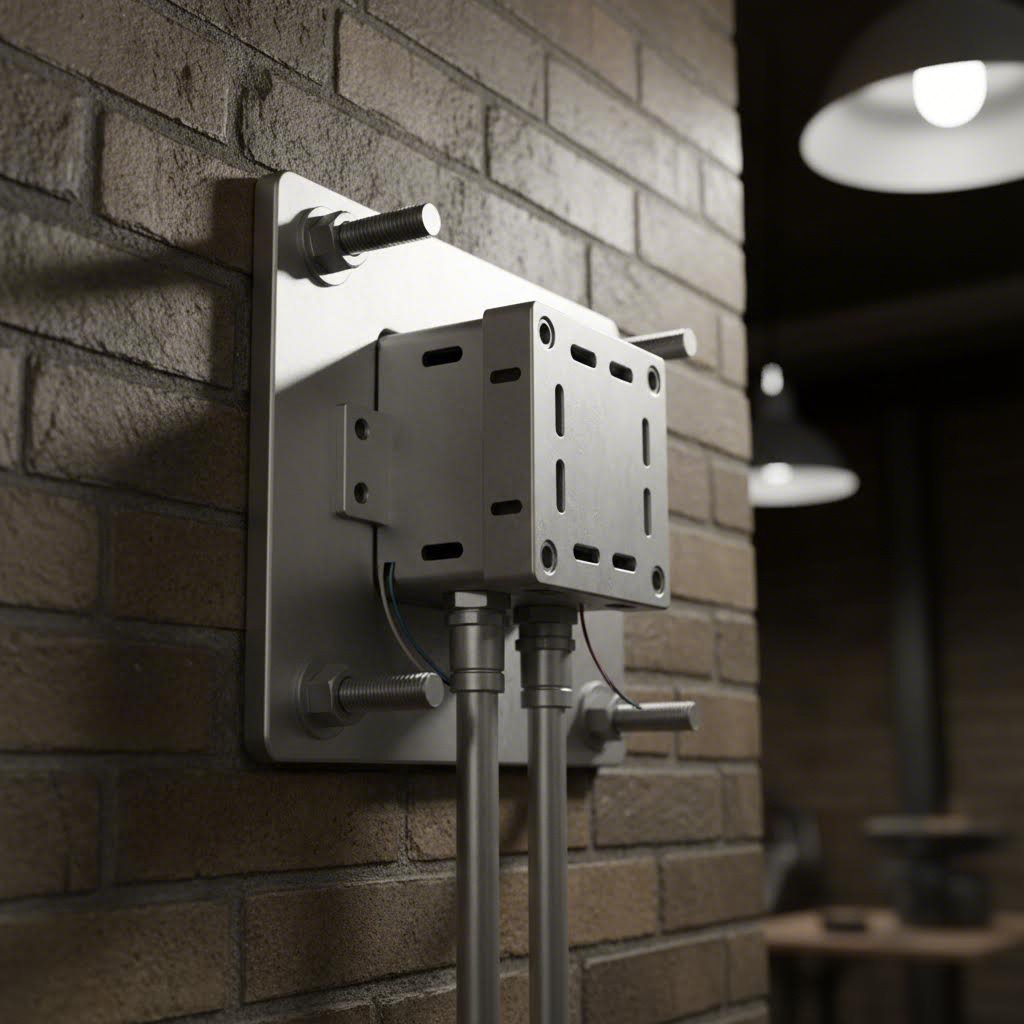
You've selected the perfect cabinet specifications and verified all compliance requirements. Now comes the part where many projects stumble: actually getting your sign safely mounted and operational. Proper installation planning separates professional results from costly headaches, yet this critical phase rarely receives the attention it deserves. Let's walk through the mounting methods, electrical requirements, and maintenance considerations that will determine your sign's long-term success.
Your building's construction material fundamentally shapes how your aluminum sign frame extrusions attach to the structure. Each substrate presents unique challenges and requires specific hardware approaches.
Masonry Installations
Brick, block, and concrete structures offer excellent strength for supporting cabinet signs, but they demand careful preparation. You'll need masonry anchors rated for your sign's total load, including both static weight and dynamic wind forces. According to industry installation guides, suppliers strongly encourage installers "not to build the masonry structure until you have received the sign and have verified all measurements and properly aligned all hardware." This advice prevents the frustrating scenario where pre-drilled holes don't align with your cabinet's mounting points.
For masonry applications, wall gussets provide a reliable mounting solution. These triangular aluminum brackets, typically measuring 6" x 6" x 1/8", weld to the cabinet's inside corners and allow direct attachment through drilled holes in the masonry.
Steel Structure Installations
Steel framing offers predictable mounting points but requires different hardware than masonry. Through-bolts or structural screws designed for steel-to-steel connections work well when you can access both sides of the beam. For hollow steel columns, toggle-style anchors or specialized steel fasteners provide secure attachment without requiring rear access.
The key advantage of steel structures? They typically handle heavier loads with less concern about material failure. However, you'll need to account for potential galvanic corrosion where dissimilar metals contact each other. Use isolation bushings or appropriate coatings to prevent aluminum-to-steel corrosion over time.
Wood Framing Installations
Wood-framed buildings present unique considerations for illuminated sign boxes. Lag screws into solid wood framing members provide excellent holding power, but you must verify you're hitting actual studs rather than just sheathing. For larger cabinet signs, consider adding a backing board to distribute loads across multiple framing members.
Moisture management becomes especially critical with wood construction. Ensure proper sealing around mounting hardware to prevent water intrusion that could compromise both the building structure and the sign's electrical components.
Available Mounting Hardware Options
Professional aluminum sign frame kits typically offer several mounting configurations to match your installation context:
Even the most beautifully mounted sign becomes a maintenance nightmare if you can't access its internal components. Planning for electrical connections and future service needs during installation prevents expensive service calls down the road.
Electrical Requirements
Your illuminated cabinet sign requires dedicated electrical service that meets local code requirements. Coordinate with a licensed electrician early in the planning process to ensure adequate power reaches your mounting location. Consider these electrical factors:
Access Panel Planning
How will technicians service your sign's lighting and electrical components? For wall-mounted installations, removable sign faces typically provide front access to internal components. However, rear access through hinged or removable back panels simplifies maintenance significantly when the installation allows.
Pole-mounted and monument installations often require more creative access solutions. Some configurations allow sign faces to slide out from top or bottom depending on how horizontal or vertical angles are oriented. Planning this access during installation prevents the frustrating discovery that servicing your sign requires a crane or specialized equipment.
Weatherproofing Considerations
Every penetration through your cabinet represents a potential water entry point. Seal around electrical conduits, mounting hardware, and any custom cutouts with appropriate weatherproofing materials. Silicone sealants and rubber gaskets help maintain the cabinet's weather resistance throughout its service life.
For installations in harsh environments, consider optional finishing packages that include perforated rear panels and filler panels. According to mounting and finishing specifications, these additions give double-sided LED cabinets a single cabinet appearance while completing the weather envelope on exposed cabinet backs.
Pre-Installation Checklist
General Assembly Sequence
When searching for cabinet signs near me or evaluating installation contractors, ask specifically about their experience with your building type and cabinet configuration. Proper installation expertise protects your investment and ensures your sign performs as designed for years to come.
With installation fundamentals covered, the next practical consideration involves understanding the cost factors that influence your total project investment and how to balance upfront expenses against long-term value.
So how much should you actually expect to pay for an aluminum extrusion sign cabinet? This question frustrates buyers because honest answers require understanding multiple variables that suppliers don't always explain upfront. According to industry pricing research, light box signs typically range between $1,500 and $3,000 on average, but that number can shift dramatically based on your specific requirements. Let's break down exactly what drives these costs so you can budget realistically and avoid sticker shock.
When you request quotes from suppliers, the numbers you receive reflect a complex calculation involving several interconnected factors. Understanding these variables helps you compare apples to apples and identify where you might optimize spending without sacrificing quality.
Beyond these primary factors, secondary considerations like artwork complexity and color quality can influence pricing. Photorealistic graphics require more advanced printing equipment and premium inks compared to simple text on solid backgrounds.
Here's where smart buyers separate themselves from those who chase the lowest bid. That cheaper alternative might look appealing today, but what happens three years from now when you're facing a lighted sign face replacement or dealing with corrosion damage?
Quality aluminum construction delivers value that extends far beyond the initial purchase price. Consider these long-term factors when evaluating your options:
When calculating true cost, factor in the complete ownership picture rather than just the purchase price. A cabinet that costs 20% more upfront but lasts twice as long with half the maintenance actually delivers superior value over time.
Budget-conscious buyers can optimize costs without sacrificing quality by standardizing dimensions where possible, selecting stock finishes rather than custom colors, and timing purchases to take advantage of manufacturer promotions. Many suppliers also offer financing options for larger projects, spreading the investment over time while you benefit from immediate signage impact.
Understanding these cost dynamics positions you for more productive supplier conversations. But pricing only tells part of the story. The surface treatments and finishing options you select significantly impact both the upfront cost and the long-term performance of your investment.
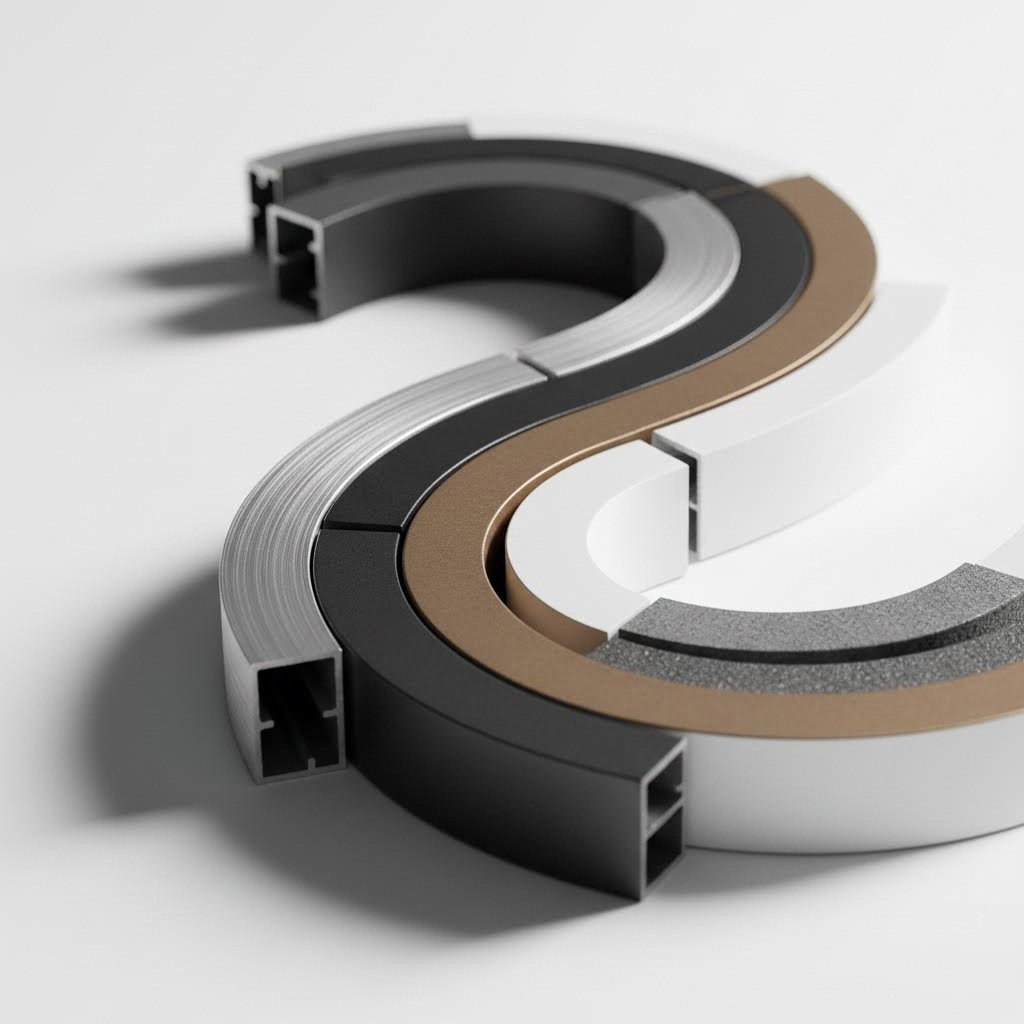
The finish you choose for your aluminum sign cabinet determines far more than just color. It affects how well your sign resists corrosion, retains its appearance over time, and performs in your specific climate conditions. Yet many buyers select finishes based purely on aesthetics, overlooking the significant performance differences between options. Let's explore the major finishing methods and help you match the right treatment to your installation environment.
These two finishing methods dominate the aluminum sign cabinet industry, but they work in fundamentally different ways. Understanding this distinction helps explain why each excels in specific applications.
Anodized aluminum signage results from an electrolytic process that actually transforms the surface of the metal itself. According to finishing specialists, "a robust, corrosion-resistant layer is created by submerging the aluminium in an acid electrolytic bath and passing an electric current through it. This natural oxide layer is not merely a coating but is integrated with the underlying aluminium."
What does this mean for your sign? The protective layer doesn't peel or chip because it's literally part of the aluminum rather than something applied on top. This integration provides exceptional wear resistance and long-term durability, particularly valuable for signs in high-traffic areas where physical contact might occur.
Powder coated sign cabinet finishes take a different approach. A dry powder adheres to the metal through electrostatic application before being cured under heat, forming a tough, uniform layer on the surface. This method offers broader color options and can create various textures that anodizing cannot match.
How do they compare in practice?
For architectural applications where aesthetics matter alongside performance, both methods deliver excellent results. Powder coating's versatility makes it popular for matching specific brand colors, while anodizing appeals when the natural aluminum appearance or superior abrasion resistance takes priority.
Beyond standard anodizing and powder coating, specialized surface treatments address specific performance demands or aesthetic goals that standard options cannot achieve.
PVDF Coatings
When your sign faces extreme environmental exposure, PVDF (Polyvinylidene Difluoride) coatings represent the premium choice. According to Sherwin-Williams technical documentation, "over the last half-century, no other architectural product has more decisively withstood the test of time than 70 percent PVDF resin-based coatings."
What makes PVDF coatings special for custom sign cabinet coating applications?
PVDF finishes cost more than standard powder coating but deliver measurably superior performance for signs exposed to intense sun, salt air, or industrial atmospheres. Major architectural projects worldwide rely on PVDF coatings to maintain appearance over 20+ year service lives.
Micro-Arc Oxidation
This advanced treatment creates an exceptionally hard ceramic-like surface layer through plasma-assisted electrochemical processing. The resulting finish offers superior hardness and wear resistance compared to standard anodizing, making it valuable for signs in demanding industrial environments or locations where physical durability matters most.
Custom Color Matching
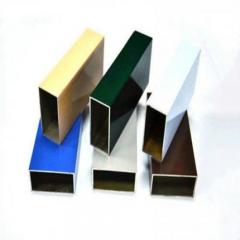
Brand consistency often requires exact color matching across all signage and marketing materials. Specialized manufacturers like Shengxin Aluminium offer comprehensive surface treatment capabilities including custom anodizing colors (Champagne, Rose Gold), powder coating, PVDF, and micro-arc oxidation. This range of options from a single source simplifies the process of achieving precise brand colors while meeting performance requirements.
| Finish Type | Durability Rating | Color Options | Best Applications |
|---|---|---|---|
| Standard Anodizing | Excellent (integrated protection) | Limited metallic tones; custom colors available from specialized manufacturers | Architectural signage, high-traffic areas, coastal environments |
| Powder Coating | Very Good (surface coating) | Virtually unlimited colors and textures | Brand-matched signage, decorative applications, interior signs |
| PVDF Coating | Superior (long-term weathering) | Wide range with exceptional color retention | Extreme UV exposure, coastal/industrial atmospheres, premium installations |
| Micro-Arc Oxidation | Superior (ceramic-like hardness) | Limited range | Industrial environments, high-wear locations, specialty applications |
When selecting aluminum sign cabinet finishes, consider your installation environment first. A sign facing south in Arizona faces different challenges than one mounted in a shaded urban canyon. Coastal installations demand corrosion resistance that inland locations may not require. Match finish performance characteristics to your specific conditions rather than defaulting to the lowest-cost option.
The expertise required to properly apply these finishes varies significantly. Standard powder coating is widely available, but PVDF application and custom anodizing demand specialized equipment and experience. Working with manufacturers who offer multiple finishing options in-house often produces better results than sourcing cabinets and finishing separately.
With surface treatment options clarified, the final piece of the puzzle involves selecting a manufacturing partner who can deliver the quality, customization, and support your project requires.
You've done the research, compared specifications, and understand exactly what your project requires. Now comes the decision that ties everything together: choosing the right aluminum extrusion manufacturer to bring your vision to life. This choice matters more than most buyers realize. The wrong partner delivers headaches, delays, and compromised quality. The right one becomes a long-term asset for every signage project you undertake.
What separates exceptional sign cabinet fabrication partners from the rest? It comes down to manufacturing depth, technical expertise, and genuine commitment to customer success. Let's examine the specific capabilities and qualities that identify trustworthy suppliers.
When you're evaluating an aluminum profile manufacturer, look beyond marketing claims to verify actual production capacity. According to industry selection guidance, "the combination of quality materials and machinery ensures a precision part or component that meets your criteria."
What specific equipment indicators signal a capable custom sign cabinet supplier?
Press capacity tells you a lot about what a manufacturer can produce. Extrusion presses range from small tonnage machines suitable for simple profiles to massive 5000+ ton presses capable of producing complex, large-scale extrusions. A manufacturer with multiple press sizes, such as Shengxin Aluminium's 35 extrusion presses ranging from 600T to 5500T capacity, offers flexibility to match the right equipment to your project requirements rather than forcing compromises.
Secondary processing capabilities determine whether you'll need multiple vendors or can consolidate with one partner. CNC machining centers handle precise cutting, drilling, and complex fabrication work that transforms raw extrusions into finished cabinet components. Look for manufacturers offering comprehensive deep processing services that eliminate the coordination headaches of managing multiple suppliers.
Die development expertise matters significantly for custom projects. Creating new extrusion dies requires engineering skill and specialized tooling. Experienced manufacturers maintain in-house die design and fabrication, accelerating development timelines and ensuring your custom profiles meet specifications on the first production run.
As supplier evaluation experts note, you should "ask about their quality management system (QMS), which contains their processes and procedures for ensuring quality." Has the supplier implemented recognized quality standards such as ISO 9001? Independent certification provides objective verification of manufacturing consistency.
Before committing to any sign cabinet fabrication partner, arm yourself with the right questions. The answers reveal whether a supplier can genuinely meet your needs or just talks a good game.
Start with production fundamentals: What alloys do they work with, and do they stock 6063 aluminum commonly used for architectural signage? Can they provide material certifications documenting alloy composition and mechanical properties? According to manufacturing specialists, "the caliber of the finished product depends significantly on what the manufacturer uses to make it."
Probe their quality control processes. Evaluation frameworks recommend reviewing "the supplier's quality control (QC) processes, including inspection methods, testing procedures, and quality assurance (QA) protocols." Request sample inspection reports or documentation from previous projects similar to yours.
Investigate their capacity situation. Suppliers operating below 60% capacity may lack competitiveness, while those over 80% capacity could struggle to meet your timelines. The ideal range falls between 60-80%, suggesting healthy demand while maintaining flexibility for new orders.
Don't hesitate to request references. Reputable aluminum extrusion companies "will jump at the chance to share information with you, whereas those with questionable agendas will try to skirt the issue." Use references to understand delivery reliability, communication quality, and problem resolution approaches.
Manufacturers like Shengxin Aluminium, with over 30 years of industry experience and end-to-end support from die development through mass production, exemplify the comprehensive capability profile you should seek. Their technical team approach, providing guidance throughout the entire process, reduces the burden on buyers who may not have deep extrusion expertise themselves.
Supplier Evaluation Checklist
Selecting your aluminum extrusion partner deserves the same careful analysis you've applied to cabinet specifications and installation planning. The manufacturer you choose influences not just this project but potentially every sign cabinet you produce going forward. Take time to verify capabilities, check references, and confirm that their production capacity aligns with your timeline requirements.
When you find the right partner, the relationship delivers value beyond individual transactions. Technical expertise transfers to your team, quality becomes predictable, and production challenges find solutions faster because you're working with people who understand your needs. That's the real secret suppliers won't volunteer: the best manufacturing relationships are partnerships built on transparency, capability, and mutual success.
Extruded cabinet signs are illuminated sign enclosures made from aluminum profiles created through an extrusion process. Heated aluminum is pushed through a die to form specific cross-sectional shapes that create the structural framework. These cabinets house LED lighting and translucent sign faces, making them ideal for outdoor business signage. The aluminum construction provides corrosion resistance, lightweight strength, and excellent thermal conductivity for LED heat dissipation, which explains why they dominate commercial signage applications.
Cabinet sign costs typically range from $1,500 to $3,000 on average, but prices vary significantly based on several factors. Cabinet size is the biggest cost driver, by depth, face configuration (single vs double-face), finish options, and illumination type. Double-face designs cost 60-100% more than single-face options. Premium finishes like PVDF coatings and custom colors add to expenses, while RGB LEDs run 15-20% higher than standard white LEDs. Quality aluminum construction delivers better long-term value through reduced maintenance and longer lifespan.
Cabinet signs are versatile illuminated enclosures that can be wall-mounted, pole-mounted, or ground-mounted, offering flexibility in placement and configuration. Monument signs specifically refer to ground-level installations with sturdy bases that convey permanence and professionalism. While cabinet signs on poles emphasize height for highway visibility, monument signs prioritize aesthetics and landscape integration. Healthcare facilities, corporate campuses, and upscale retail developments often choose monument configurations for their professional appearance and compliance with height restrictions.
Cabinet depth selection depends on sign face dimensions and lighting requirements. Shallow depths (8.5"-9.25") suit faces under 4 feet, while medium depths (12"-14.5") work for 4x8 configurations. Large-format signs exceeding 60 square feet often require 14.5"-17.25" depths. The key principle: larger faces need deeper cabinets for uniform light distribution. When LEDs sit too close to the face, you'll see hot spots. Deeper cabinets allow light to mix properly before reaching the translucent surface, producing professional, even illumination.
Quality aluminum sign cabinets should carry UL 48 certification for complete electric sign assemblies and UL 879 or 879A certification for LED components and drivers. These certifications ensure compliance with National Electrical Code NFPA 70, Article 600, which building inspectors require for approval. Additionally, verify wind load ratings appropriate for your geographic location (typically 90-150 mph), IP65 or higher weather resistance ratings for outdoor wet locations, and documented operating temperature ranges suitable for your climate's seasonal extremes.



 خدمة الإنترنت
 0086 136 3563 2360
 sales@sxalu.com
 +86 136 3563 2360
 العربية
 English
 français
 Deutsch
 русский
 español
 português
 ไทย
ไทย Việt
Việt Українська