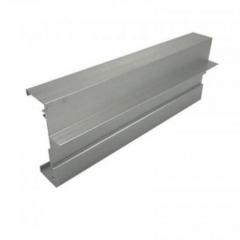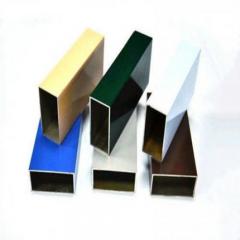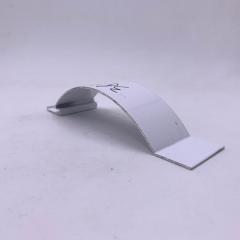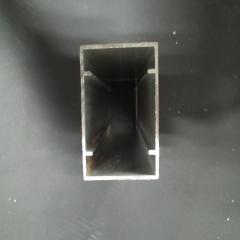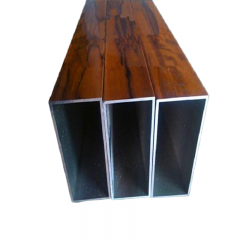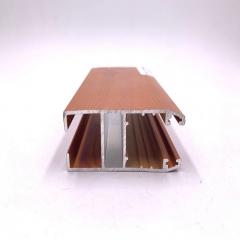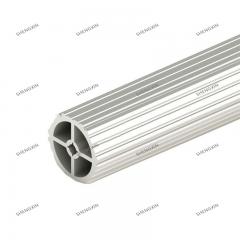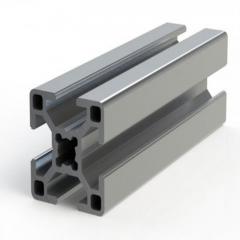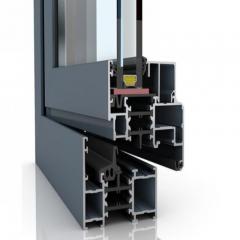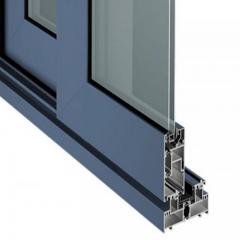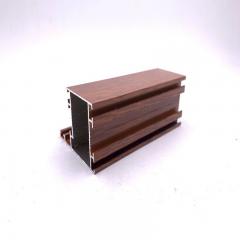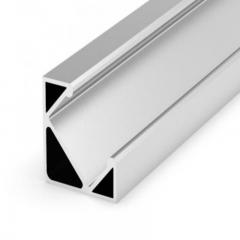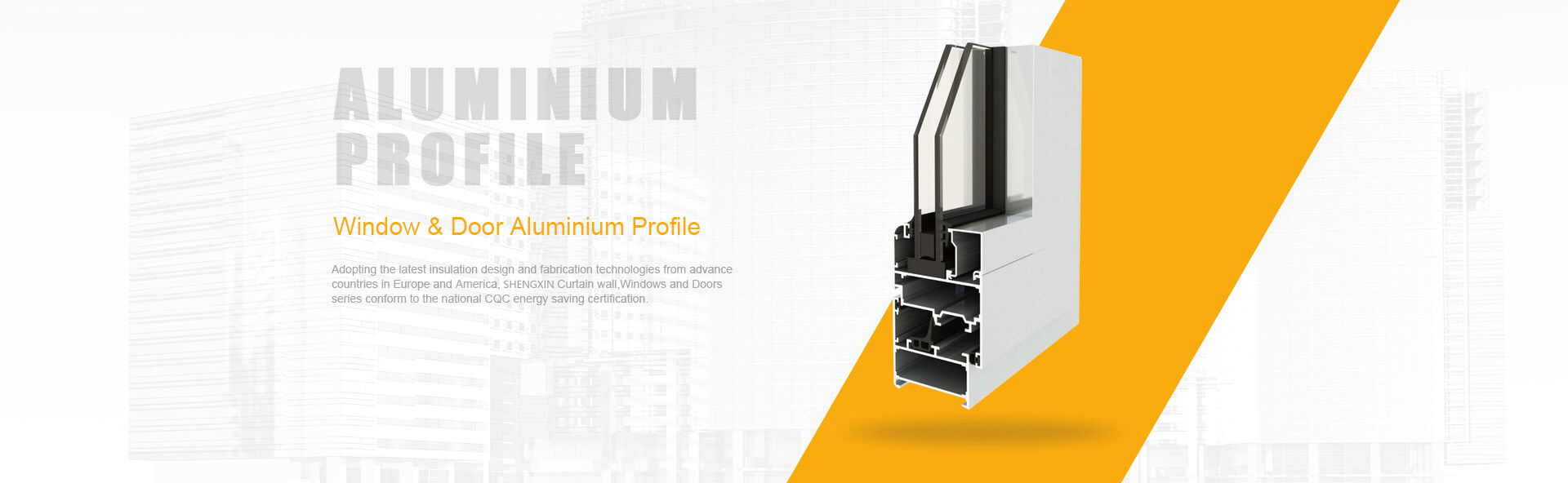
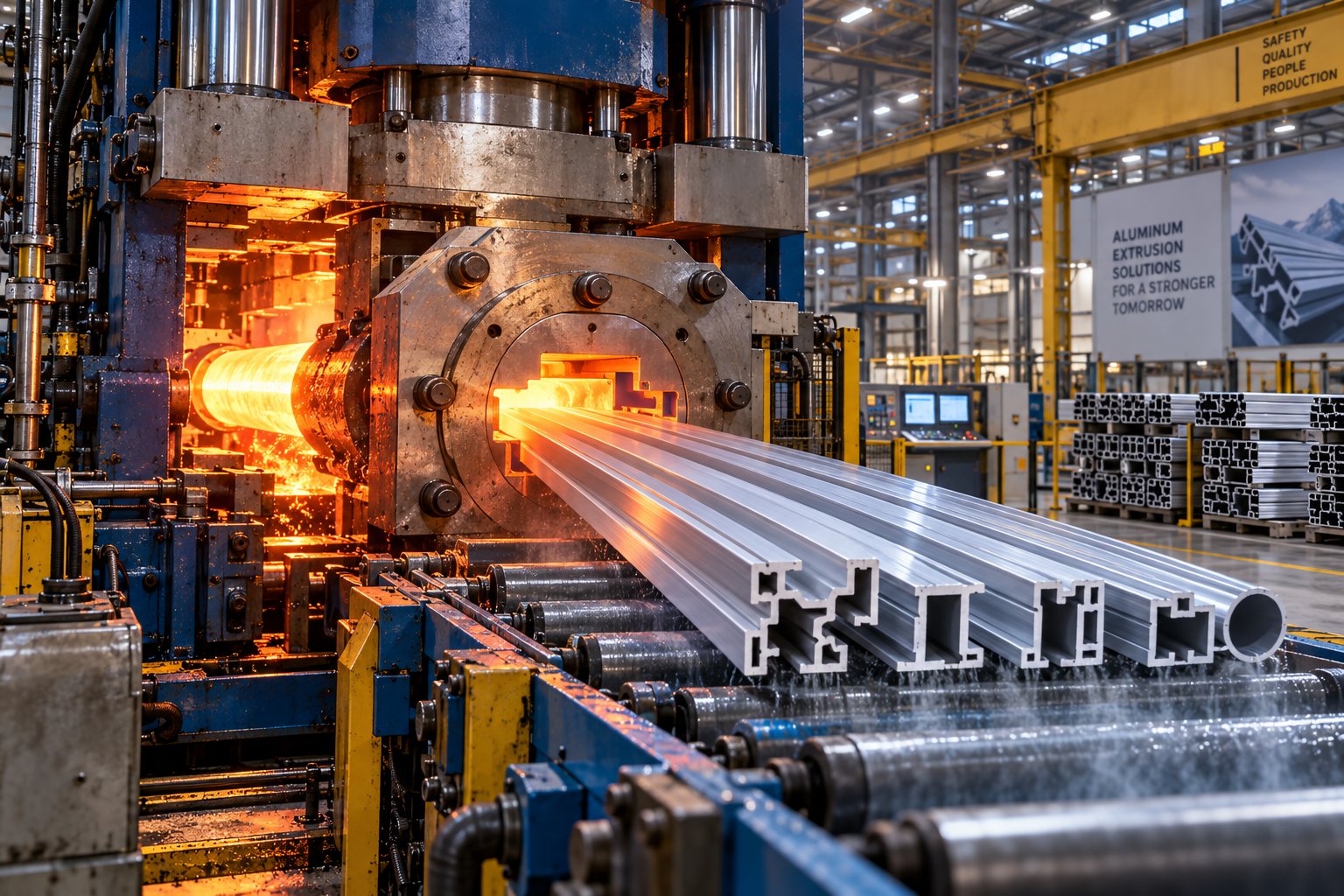
Ever wondered how those precisely shaped aluminum channels, tubes, and frames are made? The answer lies in a fascinating manufacturing process called extrusion. Aluminum extrusion profiles are lengths of aluminum shaped by forcing heated metal through a specially designed die, creating consistent cross-sectional shapes that can be simple or remarkably complex. From the square aluminium extrusion in your office partition to the v slot aluminium extrusion holding together industrial automation systems, these profiles are everywhere.
When you're sourcing these essential components, understanding both the process and the global supply landscape becomes critical. China has emerged as the undisputed leader in this industry, and for good reason. Let's break down what makes aluminum extrusion unique and why extruded aluminum manufacturers from China dominate international markets.
Picture squeezing toothpaste through a tube. Now imagine that principle scaled up dramatically, with superheated aluminum replacing the paste and a precision-engineered steel die replacing the tube opening. That's aluminum extrusion in its simplest form.
The process begins with a cylindrical aluminum billet, preheated in an oven to approximately 400-500°C. This temperature makes the metal malleable without melting it completely. A hydraulic ram then applies tremendous pressure, up to 15,000 tons, forcing the softened aluminum through a die opening. The metal emerges on the other side in the exact cross-sectional shape of that die, whether it's a simple rectangular bar or a complex curved aluminum extrusion with intricate internal chambers.
What happens next is equally important. The freshly extruded profile undergoes quenching, either through water baths or cooling fans, to lock in its properties. After reaching room temperature, stretching corrects any twists, and precision sawing cuts the profiles to specified lengths. Heat treatment then optimizes the material's strength characteristics.
Why does this process matter for buyers? Consider these key advantages:
China's position as the world's primary source for aluminum extrusion profiles didn't happen by accident. According to SMM's 2025 aluminum industry analysis, China's aluminum extrusion sector has shown rapid development over the past decade, with industrial extrusion production projected to rise from 9.88 million metric tons in 2023 to 15.91 million metric tons by 2028.
For international buyers seeking aluminum extrusion suppliers, this scale translates into tangible benefits. Chinese manufacturers operate extensive facilities with multiple extrusion presses ranging from small-tonnage machines for precision profiles to massive 5000+ ton presses capable of producing large aluminium extrusions. This diversity means whether you need delicate electronic enclosure profiles or heavy-duty structural components, production capacity exists to meet your requirements.
The industry's evolution is particularly noteworthy. While construction extrusions face some decline due to real estate market adjustments, industrial extrusions are experiencing compound annual growth rates of 10%. Photovoltaic applications, automotive lightweighting, and general industrial uses are driving this expansion. Many manufacturers have invested heavily in upgraded equipment, including advanced CNC machining centers, positioning themselves to serve increasingly sophisticated international demand.
What does this mean for your sourcing decisions? Access to a mature ecosystem where competition drives quality improvements while maintaining competitive pricing. Understanding this landscape is your first step toward successful procurement of aluminum extrusion profiles from China.
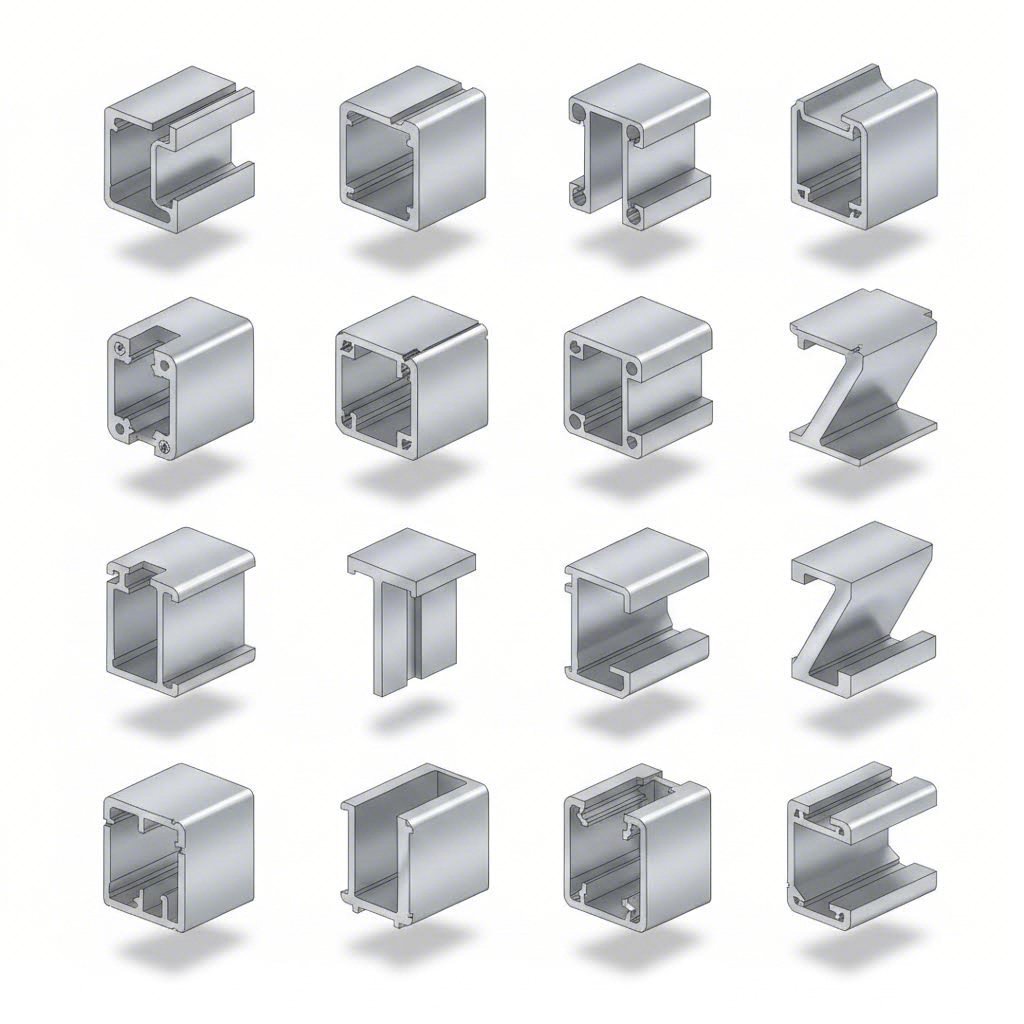
Now that you understand how aluminum extrusion works and why China dominates production, the next question is practical: which profile shape do you actually need? This isn't just catalog browsing. Choosing the wrong profile can mean structural failures, assembly headaches, or wasted budget. Let's walk through the most common shapes, where they excel, and how to match them to your specific project requirements.
Aluminum channels come in distinct cross-sectional shapes, each engineered for specific load-bearing and assembly characteristics. According to industry specifications, these profiles are formed through extrusion, where molten aluminum is forced through a die to create consistent dimensions and structural integrity.
Here's what you need to know about each major profile type:
C Channel Aluminum Extrusion: Picture the letter "C" and you've got it. This profile features a flat base with a single upright flange extending perpendicularly from one side. You'll find c channel aluminum extrusion commonly used in framing applications, edge trimming, and as structural supports in modular construction. Its open design allows for easy cable management and attachment of secondary components.
Aluminium H Channel: The aluminium h channel looks exactly like its namesake letter. A flat web connects two flanges extending outward on opposite sides. This symmetrical design excels at joining two panels or sheets, creating smooth transitions between surfaces. Window and door manufacturers rely heavily on H-channels for frame construction, while solar installers use them for panel mounting rails.
Aluminum Hat Channel: Similar to a U-channel but with one critical difference: one flange is significantly wider than the other, resembling a hat brim. This aluminum hat channel design provides excellent rigidity while creating a mounting surface. Construction professionals use them extensively for furring and drywall installations, while industrial applications include conveyor system frames.
T-Profiles: These form a perpendicular junction, ideal for creating intersections in frame structures. You'll encounter them in exhibition booth construction, furniture manufacturing, and anywhere components need to meet at right angles.
Z-Bars: With flanges extending upward at an angle, Z-profiles handle lateral loads and connect components at offset positions. Cladding attachments, roofing purlins, and structural bracing represent typical applications. The triangular aluminum extrusion variant offers even greater torsional strength for specialized engineering requirements.
| Profile Type | Cross-Section Shape | Primary Applications | Key Specifications |
|---|---|---|---|
| C-Channel | Open "C" shape | Framing, edge trim, cable management | Wall thickness: 1.5-4mm; Width: 20-150mm |
| H-Channel | Symmetrical "H" | Panel joining, window frames, solar mounting | Web height: 15-100mm; Flange width: 10-60mm |
| Hat Channel | Asymmetric U-shape | Furring, drywall support, conveyor frames | Base width: 25-75mm; Height: 20-50mm |
| T-Profile | Perpendicular "T" | Frame intersections, exhibition structures | Stem height: 15-80mm; Top width: 20-100mm |
| Z-Bar | Angled "Z" | Cladding, roofing purlins, bracing | Depth: 25-200mm; Flange: 20-75mm |
| J-Channel | Hooked "J" | Siding trim, panel edges, decorative borders | Hook depth: 10-25mm; Base: 15-40mm |
The aluminum j channel extrusion deserves special mention for architectural applications. Its hooked profile creates clean termination points for siding panels, vinyl installations, and decorative trim work. You'll often see these specified in commercial building facades where aesthetics matter as much as function.
Standard shapes cover most applications, but what about specialized needs? This is where v slot extruded aluminum and other engineered profiles come into play.
V-Slot Profiles: These feature a distinctive V-shaped groove running along the extrusion length. The v slot extruded aluminum system has revolutionized modular construction, particularly in automation, robotics, and 3D printer frames. Specialized nuts slide into the grooves, allowing components to be positioned anywhere along the profile without drilling. Industrial machine builders and makers alike appreciate the flexibility.
Aluminum Corner Extrusion: When two surfaces meet at an angle, aluminum corner extrusion provides clean, durable transitions. These L-shaped or angled profiles protect edges, conceal joints, and add structural reinforcement. Cabinet makers, display manufacturers, and architectural designers specify them regularly.
Understanding which industries favor which profiles helps narrow your selection:
Architectural Requirements:
Industrial Requirements:
The distinction matters because architectural profiles typically prioritize surface finish and aesthetic consistency, while industrial profiles emphasize dimensional tolerance and load capacity. When sourcing from China, specifying your end application helps manufacturers recommend appropriate alloys and tolerances, which brings us to our next critical topic: understanding aluminum alloys and technical specifications.
Selecting the right aluminum alloy isn't just a technical checkbox. It determines whether your profiles will perform reliably for decades or fail prematurely under stress. When sourcing aluminum extrusion profiles from China, understanding alloy differences separates informed buyers from those who end up with mismatched materials. Let's decode the technical specifications that actually matter for your purchasing decisions.
Two alloy series dominate conversations with Chinese extrusion suppliers: 6063 and 7075. They represent opposite ends of the performance spectrum, and choosing between them depends entirely on your application requirements.
6063-T6 Aluminum: This is the workhorse alloy for architectural and general-purpose extrusions. You'll find it in window frames, furniture components, pipe fittings, and decorative trim. Why? It offers an exceptional combination of extrudability, corrosion resistance, and surface finish quality. The alloy flows smoothly through complex dies, making it ideal for intricate profiles with thin walls and detailed features.
7075 Aluminum: Think aerospace, high-stress structural components, and applications where strength trumps everything else. Tube aluminium 7075 delivers tensile strength approaching steel-like levels while maintaining aluminum's weight advantage. However, this performance comes with trade-offs. 7075 aluminum extrusion is significantly harder to machine, more expensive, and offers reduced corrosion resistance compared to 6063.
Here's how these alloys compare across critical properties, according to comparative material data:
| Property | 6063-T6 | 7075 | Buyer Implications |
|---|---|---|---|
| Ultimate Tensile Strength | 240 MPa | 240-590 MPa | 7075 handles significantly higher loads |
| Yield Strength | 210 MPa | 120-510 MPa | 7075 resists permanent deformation better |
| Elongation at Break | 11% | 1.8-12% | 6063 offers more consistent ductility |
| Thermal Conductivity | 200 W/m-K | 130 W/m-K | 6063 dissipates heat faster (heatsinks) |
| Corrosion Resistance | Excellent | Moderate | 6063 better for outdoor/marine exposure |
| Extrudability | Excellent | Difficult | Complex profiles easier in 6063 |
| Surface Finish Quality | Superior | Good | 6063 preferred for visible applications |
Choose 6063 when your application prioritizes surface appearance, corrosion resistance, or complex profile geometry. Select 7075 only when structural demands genuinely require its superior strength-to-weight ratio, and budget accordingly for the premium pricing and reduced finishing options.
Beyond these two primary options, you'll encounter other alloys in specialized applications:
When requesting quotes from anodized aluminum tubing suppliers, always specify your alloy preference upfront. Suppliers maintaining aluminium tube stock typically carry 6063 in standard aluminium square tube sizes, while 7075 aluminum extrusion often requires custom production runs with longer lead times.
Imagine ordering a large diameter aluminum pipe for a precision assembly, only to discover it's 2mm wider than specified. Tolerance specifications prevent these costly surprises, but understanding what's achievable requires knowing the process limitations.
Wall Thickness Capabilities: Modern extrusion presses can produce remarkably thin walls, but practical limits exist. For standard 6063 profiles, minimum wall thicknesses typically range from 1.0mm to 1.5mm, depending on profile complexity and overall dimensions. Larger profiles and those with complex internal chambers require thicker walls for structural integrity during extrusion. A large diameter aluminum tube with a 200mm diameter, for instance, will need proportionally thicker walls than a 25mm tube to maintain roundness during cooling.
Dimensional Tolerances: Standard extrusion tolerances follow industry specifications, but tighter tolerances come at premium pricing. Here's what you should expect:
Profile Complexity Limitations: Not every design can be extruded economically. Several factors constrain what's practical:
For buyers ordering large diameter aluminum pipe or complex hollow sections, these constraints directly impact feasibility and pricing. Experienced Chinese manufacturers can review your drawings and suggest modifications that maintain design intent while improving extrudability, reducing both tooling costs and production scrap rates.
Understanding these technical specifications empowers you to communicate effectively with suppliers and set realistic expectations. However, even perfectly extruded profiles need proper finishing to meet your application requirements. That's where surface treatments and thermal break technology come into play.
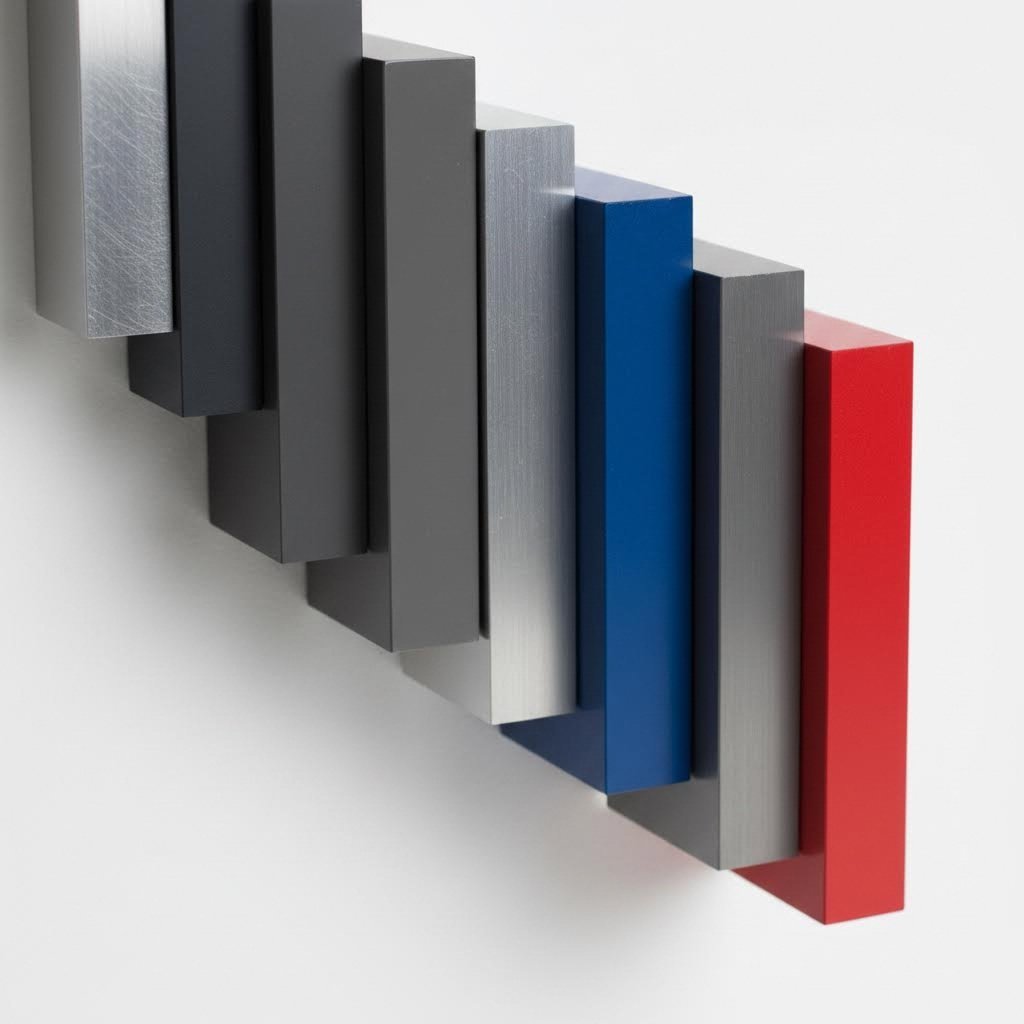
You've selected the right alloy and specified precise tolerances. Now comes a decision that determines how your aluminum extrusion profiles will look, perform, and last: surface finishing. Raw extruded aluminum oxidizes naturally, developing a dull gray patina that offers minimal protection. For most applications, that's simply not acceptable. Whether you're sourcing an extruded aluminum window frame for architectural projects or an aluminium extrusion box for industrial enclosures, understanding your finishing options ensures you get exactly what your application demands.
Anodizing transforms aluminum's surface through an electrochemical process that creates a hard, corrosion-resistant oxide layer. Unlike paint or coating that sits on top of the metal, anodized extruded aluminum features protection that's actually part of the material itself. This integrated approach means the finish won't peel, chip, or flake under normal conditions.
When specifying anodizing for your aluminum extrusion profiles from China, thickness grade matters significantly:
Color options extend far beyond the familiar silver and black. Standard anodizing produces clear, bronze, champagne, and black finishes through the natural aluminum and dyeing process. For bespoke aluminium profiles requiring specific brand colors or architectural matching, custom color anodizing accommodates virtually any shade. However, color consistency across large production runs requires experienced suppliers with precise process control.
Want that high-end reflective appearance? A mirror profile finish requires specialized polishing before anodizing, creating surfaces that rival stainless steel aesthetics while maintaining aluminum's weight advantage.
Powder coating offers what anodizing cannot: unlimited color selection and textured finishes. The process applies electrostatically charged powder particles to grounded aluminum profiles, then cures them in ovens at approximately 200°C. The result is a durable, uniform coating typically 60-80 microns thick.
For aluminum window frame material and architectural facades, PVDF (polyvinylidene fluoride) coatings represent the premium choice. These fluoropolymer finishes, applied in liquid form at 25-35 microns thickness, deliver exceptional weather resistance lasting 20+ years in harsh environments. Custom aluminum tile trim for exterior applications particularly benefits from PVDF's UV stability and color retention.
Micro-arc oxidation (MAO) represents the newest advancement in surface technology. This plasma-based process creates ceramic-like oxide layers reaching hardness levels exceeding conventional anodizing by 3-5 times. Industrial profiles requiring extreme wear resistance increasingly specify MAO treatment.
| Finish Type | Thickness | Durability Rating | Cost Level | Best Applications |
|---|---|---|---|---|
| Clear Anodizing | 10-25 microns | Good (10-15 years exterior) | Low-Medium | Interior trim, industrial components |
| Color Anodizing | 15-25 microns | Good (10-15 years exterior) | Medium | Architectural details, consumer products |
| Powder Coating | 60-80 microns | Very Good (15-20 years) | Medium | Window frames, outdoor furniture, signage |
| PVDF Coating | 25-35 microns | Excellent (20-30 years) | High | Curtain walls, exterior cladding, marine |
| Micro-Arc Oxidation | 20-100 microns | Superior (hardness focused) | High | High-wear industrial, automotive, aerospace |
Imagine touching an aluminum window frame on a freezing winter morning. Without thermal break technology, that frame conducts cold directly from outside to inside, creating condensation, energy loss, and uncomfortable cold spots. Thermal break profiles solve this problem elegantly.
These specialized extrusions feature a polyamide (nylon) or polyurethane barrier inserted between the interior and exterior aluminum sections. This insulating strip, typically 14-35mm wide, dramatically reduces thermal conductivity. For extruded aluminum window frame applications in climate-controlled buildings, thermal breaks aren't optional. They're essential for meeting energy codes and occupant comfort standards.
When should you specify thermal break profiles versus standard extrusions?
The cost premium for thermal break profiles typically ranges 30-50% above standard extrusions, reflecting the additional materials and assembly complexity. However, for architectural projects, this investment pays dividends through reduced HVAC loads and improved occupant satisfaction.
With surface finishing and thermal performance specifications clarified, you're nearly ready to engage suppliers. But how do you separate reliable manufacturers from risky options? Evaluating Chinese aluminum extrusion suppliers requires knowing exactly what questions to ask and what certifications actually guarantee.
You've defined your profile requirements, selected the appropriate alloy, and specified surface finishing. Now comes the decision that determines whether your project succeeds or becomes a sourcing nightmare: choosing the right aluminum profile manufacturer. With thousands of suppliers operating across China, separating genuinely capable partners from those who overpromise and underdeliver requires systematic evaluation. Let's examine what quality indicators actually matter and which warning signs should send you looking elsewhere.
Certifications appear on virtually every aluminium profile manufacturer's website. But what do these acronyms actually mean for your order quality? Understanding the distinction between different certification types helps you assess supplier claims critically.
ISO 9001: This quality management system certification confirms that a custom aluminum extrusion manufacturer has documented processes for consistent production. It doesn't guarantee product quality directly. Instead, it verifies that the company follows standardized procedures, maintains records, and implements corrective actions when problems arise. Think of it as proof that systems exist, not that outputs meet specific performance standards.
ASTM Standards: These material specifications define the actual properties your aluminum must achieve. When a supplier claims ASTM B221 compliance for extruded profiles, they're stating their products meet specific requirements for chemical composition, mechanical properties, and dimensional tolerances. Unlike ISO certification, ASTM compliance relates directly to what you receive.
IATF 16949: This automotive-specific quality standard represents a significantly higher bar than ISO 9001. Manufacturers holding IATF certification have demonstrated capability for the rigorous quality demands automotive OEMs require. Even if your application isn't automotive, suppliers with this certification typically maintain superior process control across all aluminum profile manufacturing operations.
Beyond these core certifications, look for:
Ask suppliers for current certification copies with validity dates. Legitimate certifications include registrar contact information for verification. If a supplier hesitates to provide documentation or certificates appear outdated, consider this a significant warning sign.
Experience teaches buyers to recognize patterns that predict future problems. When evaluating any aluminium profile manufacturer, watch for these warning indicators:
Capacity Claims Without Evidence: Suppliers claiming extensive production capability should demonstrate it with factory photos, equipment lists, and press specifications. A manufacturer stating they operate 5000-ton extrusion presses should be able to provide equipment documentation. Vague responses to capacity questions often indicate trading companies reselling from unknown sources rather than actual producers.
Unrealistically Low Pricing: When quotes come in 30-40% below market rates, something is wrong. Either material quality is compromised, tolerances won't be met, or the supplier is buying your order with plans to renegotiate later. Sustainable aluminum profile manufacturing requires real costs for quality materials, skilled labor, and proper equipment maintenance.
Communication Gaps: Professional suppliers respond promptly with technical questions and provide clear timelines. If getting basic information requires multiple follow-ups, imagine managing actual production issues. Technical competence shows in how representatives discuss alloy properties, tolerance capabilities, and finishing options.
Missing Quality Documentation: Legitimate custom aluminum extrusion manufacturers maintain mill certificates, inspection reports, and test results as standard practice. Reluctance to provide these documents suggests quality control systems that exist only on paper.
Before committing to any supplier, verify these critical elements:
Understanding what extrusion press tonnage means helps you assess whether a supplier can actually produce your required profiles. Press capacity determines the maximum size and complexity of profiles a manufacturer can create.
Small Presses (600-1600 tons): Suitable for smaller profiles with circumscribing circles under 150mm. These presses excel at precision work for electronic enclosures, small structural components, and decorative trim.
Medium Presses (1800-3500 tons): Handle most standard architectural and industrial profiles. Window frames, structural channels, and modular framing systems typically fall within this range.
Large Presses (4000-6000+ tons): Required for large structural sections, heavy industrial profiles, and complex hollow shapes with significant cross-sectional areas. If your project involves substantial profiles, confirm the supplier operates appropriately sized equipment.
A manufacturer's press range indicates their versatility. Suppliers operating only small presses cannot produce large structural sections regardless of their claims. Conversely, using oversized presses for small profiles creates inefficiency that may increase your costs.
Beyond press capacity, evaluate the supplier's complete manufacturing ecosystem. Can they handle your finishing requirements in-house, or will profiles ship to third parties for anodizing or powder coating? Integrated operations typically deliver better quality control and shorter lead times than suppliers who outsource critical processes.
With a qualified supplier identified, you're ready to navigate the ordering process itself. Understanding timelines, documentation requirements, and import logistics ensures your aluminum extrusion profiles arrive when and how you expect them.
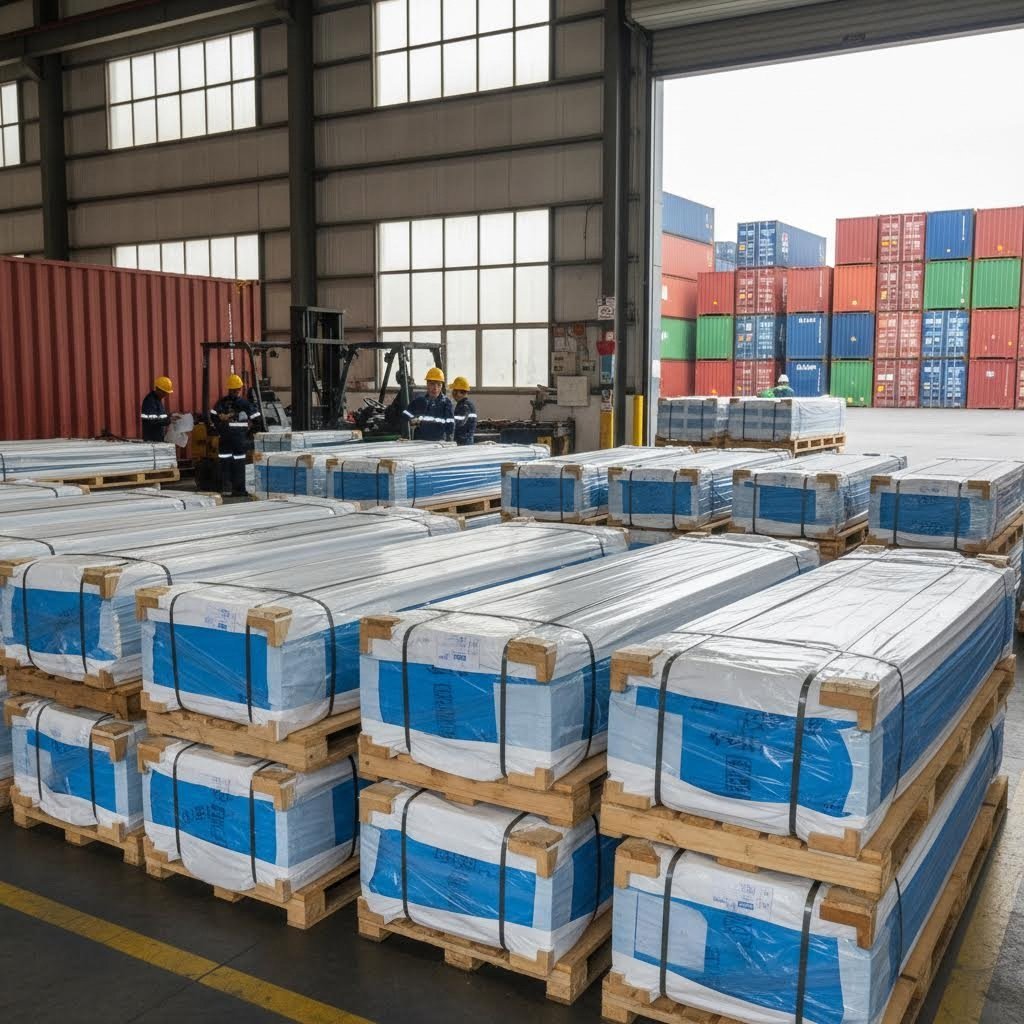
You've identified a qualified supplier and defined your specifications. Now what? The journey from initial inquiry to receiving your aluminum extrusion profiles involves multiple stages, each with specific timelines and requirements. Understanding this process upfront prevents surprises and helps you plan project schedules realistically. Whether you're ordering standard aluminium extrusions or custom profiles, knowing what to expect at each phase keeps your procurement on track.
The ordering process for aluminum extrusion profiles from China follows a predictable sequence. Here's what experienced buyers expect at each stage:
| Order Stage | Standard Profiles | Custom Profiles | Key Dependencies |
|---|---|---|---|
| Quotation | 1-3 days | 3-7 days | Drawing clarity, specification completeness |
| Sample Approval | 5-7 days | 2-4 weeks | Existing inventory vs. trial production |
| Die Production | N/A | 2-6 weeks | Profile complexity, die shop capacity |
| Extrusion | 1-2 weeks | 2-4 weeks | Order quantity, press availability |
| Surface Finishing | 5-10 days | 5-10 days | Finish type, color matching requirements |
| Sea Freight | 3-5 weeks | 3-5 weeks | Destination port, shipping line schedules |
For buyers working with aluminum extruder supplier relationships for the first time, expect the complete cycle from inquiry to delivery taking 10-16 weeks for custom profiles. Repeat orders with established tooling move significantly faster, often completing in 6-8 weeks.
Smooth customs clearance depends on proper documentation prepared before your shipment leaves China. According to industry import guidance, you'll need a solid set of documents to clear customs without delays or penalties.
Essential documentation includes:
Accurate HS codes are critical for proper duty assessment. Aluminum extrusion profiles typically fall under HS heading 7604 (aluminum bars, rods, and profiles) or 7608 (aluminum tubes and pipes). Misclassification can trigger audits, penalties, or shipment holds.
Import duties and taxes vary significantly by destination country. Some regions maintain anti-dumping duties on specific aluminum products from China, though as noted in industry reports, these typically target foil products rather than extrusion profiles. Research your specific requirements early and factor landed costs into your total procurement budget.
Shipping method selection balances cost against urgency. Sea freight suits most orders where 3-5 week transit times are acceptable. For urgent requirements or smaller quantities, air freight delivers faster but at 5-8 times the cost per kilogram. Many experienced buyers use sea freight for production quantities while air-shipping critical samples or urgent replacement parts.
With logistics and documentation understood, your sourcing foundation is complete. However, specific applications require additional considerations. Architectural projects, particularly window and facade systems, involve unique specifications that merit dedicated attention.
Building projects demand more from aluminum extrusion profiles than most industrial applications. When your profiles become part of a building envelope, they must handle structural loads, resist weather exposure, meet energy codes, and look good doing it for decades. Aluminum window frame extrusions represent one of the largest application categories for Chinese manufacturers, and understanding what specifications matter helps you source components that perform as expected.
What makes window extrusion different from general-purpose profiles? The answer lies in the unique combination of demands these components face daily.
Aluminum window extrusion profiles must simultaneously address:
Aluminium window extrusions typically use 6063-T5 or 6063-T6 alloy for its excellent surface finish and corrosion resistance. Wall thicknesses generally range from 1.4mm for residential applications to 2.5mm or greater for commercial curtain wall systems. According to industry manufacturing standards, producing aluminum profiles involves several technical steps including precise temperature, pressure, and speed regulation to ensure profiles meet required specifications for strength, durability, and dimensions.
When sourcing aluminum window profiles from China, specify these critical parameters:
Standard window systems cover most residential and commercial needs. But what happens when architects specify something unique? Custom architectural extrusions bridge the gap between vision and reality.
As noted by architectural design guides, custom aluminum extrusions empower architects to transcend traditional design limitations, enabling the creation of unique profiles and intricate shapes. This flexibility facilitates innovative architectural concepts from complex facades to custom railing systems tailored precisely to project specifications.
Aluminium window frame extrusions for custom projects often incorporate features impossible with off-the-shelf solutions:
The collaboration process with manufacturers follows a structured path. Initial consultations establish project requirements and design concepts. Skilled engineers then refine designs using advanced CAD software, considering factors like aluminum alloy grade and mechanical properties. Prototyping follows, allowing adjustments before committing to production tooling.
For aluminum window extrusions suppliers serving architectural markets, the ability to support this collaborative development process separates capable partners from simple commodity producers. Look for manufacturers who can review your drawings, suggest improvements for extrudability, and produce samples that validate both appearance and performance before mass production begins.
Whether you're specifying standard aluminium window extrusions or developing entirely custom solutions, the common thread is attention to application-specific requirements. Generic specifications lead to generic results. Detailed requirements communicated clearly to capable manufacturers deliver profiles that perform as your building projects demand.
Successfully translating these requirements into finished components often requires more than extrusion capability alone. Comprehensive manufacturing support, from die development through secondary processing, determines whether your architectural vision becomes reality.
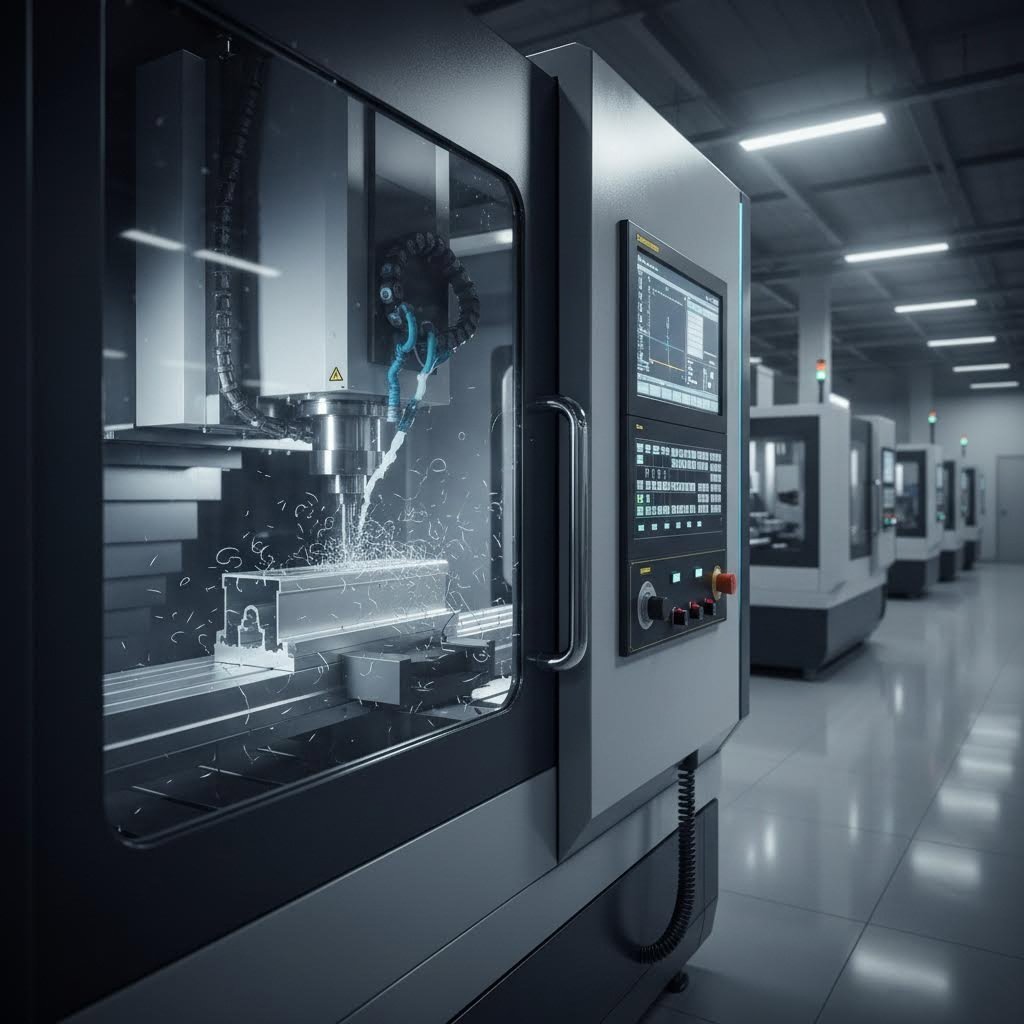
Extrusion is just the beginning. Your aluminum profiles often need cutting, drilling, bending, or precision machining before they're ready for installation. When these secondary operations happen at different facilities, quality control becomes fragmented, lead times stretch, and costs multiply. That's why experienced buyers increasingly seek aluminium extrusion manufacturers offering comprehensive services from initial die development through finished components ready for assembly.
What does full-service support actually look like in practice? Let's examine the capabilities that distinguish complete manufacturing partners from basic extruders.
Imagine ordering aluminum extrusions shapes for a complex machine frame. The profiles arrive perfectly extruded, but now you need precise holes drilled at specific intervals, mitered corners cut to exact angles, and curved sections bent to match your assembly drawings. Coordinating multiple vendors for each operation introduces delays, quality variations, and logistical headaches.
Integrated manufacturers eliminate these friction points by handling everything under one roof. According to industry manufacturing standards, full-service aluminum extrusion facilities provide complete fabrication solutions including precision cutting, double end mitering, milling, drilling, punching, deburring, and custom bending.
When evaluating potential partners, look for these essential processing capabilities:
Surface treatment capabilities matter equally. The best partners offer multiple finishing options in-house rather than shipping your profiles elsewhere for anodizing or powder coating. This integration ensures color consistency, reduces handling damage, and shortens overall lead times.
Manufacturers like Shengxin Aluminium exemplify this comprehensive approach. With over 30 years of industry experience, their facility houses 35 extrusion presses ranging from 600T to 5500T, accommodating everything from delicate aluminium track extrusions to substantial structural sections. Their surface treatment options span standard anodizing through custom colors like Champagne and Rose Gold, plus powder coating, PVDF, and micro-arc oxidation for enhanced durability.
Not all "full-service" claims deliver equal value. How do you verify that a manufacturer's secondary processing actually meets your requirements?
Start with equipment specifications. CNC machining centers should accommodate your profile lengths and feature complexity. For aluminium extruded tubes and oval extruded aluminum sections requiring internal machining, confirm the manufacturer has appropriate fixturing and tooling experience. Ask specific questions:
Production capacity also matters. A manufacturer might own excellent equipment but lack capacity to process your order volumes within required timelines. Understand their throughput capabilities and current workload before committing.
The real value of full-service manufacturing isn't just convenience. It's accountability. When one partner controls the entire process from die development to finished parts, there's nowhere to shift blame if something goes wrong. That single point of responsibility drives quality focus throughout every operation.
Technical support throughout the development process distinguishes experienced partners from basic job shops. Manufacturers with genuine engineering expertise review your designs proactively, suggesting modifications that improve both extrudability and secondary processing efficiency. They understand how upstream decisions affect downstream operations and optimize the entire production chain rather than just their piece of it.
For buyers sourcing aluminum extrusion profiles from China, partnering with manufacturers offering end-to-end support simplifies procurement, improves quality consistency, and often reduces total landed costs despite seemingly higher per-unit pricing. The elimination of multi-vendor coordination, quality disputes between suppliers, and shipping between facilities more than compensates for modest price premiums.
With manufacturing partnerships clarified, you're ready to consolidate everything you've learned into actionable next steps for your sourcing journey.
You've absorbed a substantial amount of information about aluminum extrusion profiles, from alloy selection and surface finishing to supplier evaluation and import logistics. Now comes the practical question: how do you translate this knowledge into successful procurement? The difference between buyers who struggle and those who succeed often comes down to preparation. Clear specifications, systematic supplier assessment, and realistic expectations form the foundation for productive partnerships with Chinese manufacturers.
Before sending your first inquiry to any aluminium extrusion supplier, organize your requirements into a comprehensive specification package. Incomplete information leads to inaccurate quotes, extended back-and-forth communication, and potential misunderstandings that surface during production.
Your specification document should address these essential elements:
For specialized profiles like aluminium z bar or aluminum z profile sections used in cladding and structural applications, include load requirements and environmental exposure conditions. This context helps manufacturers recommend appropriate wall thicknesses and alloy choices.
With specifications prepared, you're ready to engage potential aluminum profile supplier partners. Request quotes from multiple manufacturers, but avoid the temptation to simply choose the lowest price. As you've learned throughout this guide, the cheapest quote often becomes the most expensive decision.
Evaluate responses against these criteria:
The best sourcing relationships balance competitive pricing with technical capability and service quality. A supplier who helps optimize your design, maintains consistent quality, and communicates proactively about production status delivers far more value than one offering marginally lower per-kilogram pricing but requiring constant oversight.
Manufacturers offering factory-direct pricing combined with robust technical support represent the partnership model that delivers best results for international buyers. Companies like Shengxin Aluminium, with their comprehensive custom extrusion services spanning die development through surface finishing and deep processing, exemplify this integrated approach. Their combination of 30+ years experience, extensive press capacity, and end-to-end manufacturing capabilities provides the accountability and consistency that successful projects require.
Your sourcing journey doesn't end with selecting a supplier. Build the relationship through clear communication, reasonable expectations, and mutual respect. The aluminium extruded profiles suppliers who become your best long-term partners are those who understand your business, anticipate your needs, and grow their capabilities alongside your requirements. Start with a smaller initial order to validate quality and service before committing larger volumes. This measured approach protects your interests while building the trust foundation for expanded collaboration.
Armed with the knowledge from this guide and a systematic approach to supplier engagement, you're positioned to source aluminum extrusion profiles from China successfully. The combination of clear specifications, thorough evaluation, and strategic partnership selection transforms international procurement from a risky venture into a competitive advantage for your business.
Evaluate manufacturers by verifying ISO 9001 and IATF 16949 certifications, requesting mill test certificates, and checking production capacity through equipment documentation. Ask for customer references, sample profiles demonstrating quality, and confirm in-house testing capabilities. Avoid suppliers with unrealistically low pricing or poor communication responsiveness. Established manufacturers like Shengxin Aluminium with 30+ years experience and 35 extrusion presses offer comprehensive quality assurance and technical support throughout the ordering process.
Custom aluminum extrusion orders typically take 10-16 weeks from inquiry to delivery. This includes 3-7 days for quotation, 2-4 weeks for sample development, 2-6 weeks for die production, 2-4 weeks for extrusion and finishing, and 3-5 weeks for sea freight shipping. Repeat orders with existing tooling complete faster in 6-8 weeks. Standard profiles from inventory ship within 1-3 weeks before accounting for transit time.
Pricing varies based on alloy type, profile complexity, quantity, and finishing requirements. Standard 6063 profiles typically range from $1.50-$4.00 per kilogram for raw extrusions. Custom die costs add $300-$2,000 depending on complexity. Surface treatments like anodizing or powder coating increase costs by 15-30%. Always factor in shipping, customs duties, and secondary processing when calculating total landed costs. Request detailed quotes specifying all cost components.
For most applications, 6063-T6 offers the best balance of extrudability, corrosion resistance, and surface finish quality, making it ideal for architectural and general-purpose profiles. Choose 6061 when you need higher strength with good weldability for structural frames. Select 7075 only for aerospace or high-stress applications requiring superior strength-to-weight ratio, accepting reduced corrosion resistance and higher costs. Describe your application to manufacturers for specific recommendations.
Essential import documents include commercial invoice, packing list, bill of lading or airway bill, certificate of origin, and mill test certificates confirming material compliance. Wooden packaging requires fumigation certificates. Accurate HS codes under heading 7604 for profiles or 7608 for tubes ensure proper duty assessment. Some countries maintain anti-dumping duties on specific aluminum products, so research destination-specific requirements and factor all duties into your budget planning.



 خدمة الإنترنت
 0086 136 3563 2360
 sales@sxalu.com
 +86 136 3563 2360
 العربية
 English
 français
 Deutsch
 русский
 español
 português
 ไทย
 Việt
 Українська