You wake up on a cold morning, pull back the curtains, and there it is—a thick layer of condensation dripping down your windows. The glass is fogged, water pools on the sill, and that faint musty smell lingers in the air. Sound familiar? If you have ever worried about mold creeping into window corners or wondered why your home feels stuffy even with the heating on, you are not alone. These are telltale signs that your home lacks adequate ventilation.
Slot ventilators for windows, commonly known as trickle vents, offer a simple yet effective solution to this widespread problem. These narrow, unobtrusive openings sit within your window frame, allowing a steady stream of fresh air to enter your home while stale, moisture-laden air escapes—all without opening a window or compromising security.
A trickle vent is a small ventilation device typically installed at the top of a window frame. Unlike opening a window wide, which can invite noise, security risks, and significant heat loss, trickle vents provide low-level background ventilation that works continuously and quietly.
The mechanics are straightforward. These vented windows rely on passive ventilation principles—natural differences in air pressure between your home's interior and the outdoors cause air to flow through the vent openings. Warm, moist air inside your home rises and escapes, while cooler, drier air from outside replaces it. This gentle air exchange prevents moisture from building up on cold surfaces like window glass, reducing condensation and the conditions that encourage mold growth.
Most trickle vents feature an adjustable slider or flap, giving you manual control over the airflow. You can open them fully during high-moisture activities like cooking or showering, or reduce the opening during extreme weather. This controllability distinguishes them from unintended gaps and drafts, which allow air movement you cannot regulate.
Here is the challenge: modern construction practices prioritize energy efficiency. Homes built or renovated in recent decades often feature improved insulation, double or triple glazing, and airtight seals around windows and doors. While this keeps heating bills down and reduces energy waste, it creates an unintended consequence—trapped indoor air.
According to Panasonic's indoor air quality research, airtight homes without proper ventilation strategies can trap pollutants, allergens, carbon dioxide, volatile organic compounds, and excess moisture inside. Everyday activities such as cooking, showering, and even breathing generate significant amounts of moisture. Without adequate air exchange, this moisture condenses on cold surfaces, creating the perfect environment for mold and mildew to thrive.
The solution is not to make homes leakier—that would waste energy and invite uncontrolled drafts, dust, and outdoor pollutants. Instead, controlled trickle ventilation provides the best of both worlds. As New Zealand's Building Performance guidelines note, built-in trickle vents, louvres, and slots in window framing can provide low-level ventilation over long periods without creating security risks or excessive heat loss.
Understanding how these small devices work—and why your home likely needs them—is the first step toward healthier indoor air and windows free from persistent condensation. With this foundation in place, you are ready to explore the specific types of trickle vents available, when building codes require them, and how to choose the right option for your situation.
So you understand what trickle vents do and why ventilation matters—but here is the pressing question: do you actually need them? The answer depends on where you live, whether you are building new or renovating, and the specific regulations that apply to your project. Understanding when house window vents are legally mandated versus optional can save you from compliance headaches and ensure your home meets current standards.
Building codes across many countries now recognize that airtight, energy-efficient homes require purposeful background ventilation. In the UK, for example, amendments to Approved Document F (Ventilation) have progressively tightened requirements for trickle ventilation windows. Since June 2022, the installation of trickle vents in all new and replacement windows has become compulsory under UK building regulations, with these requirements strengthening further in 2025 to align with the Future Homes Standard.
The rationale is straightforward. Modern construction methods create buildings with significantly higher airtightness compared to older properties. According to industry data, approximately 84% of new build homes in the UK achieve an Energy Performance Certificate rating of B or higher—compared to just 3% of existing older properties. This dramatic improvement in energy efficiency means fresh air no longer enters through unintended gaps and cracks, making deliberate ventilation solutions essential.
Key compliance points you should understand include:
While specific regulation numbers and requirements vary by jurisdiction, the underlying principle remains consistent: if your building project improves airtightness without providing adequate background ventilation, you will likely need trickle vents to achieve compliance.
The distinction between new construction and retrofit projects significantly affects your trickle vent requirements. For new builds, the rules are typically clear-cut—trickle vent windows are mandatory as part of meeting overall ventilation standards. Builders must incorporate these features from the design stage, ensuring adequate airflow is built into the property from day one.
Retrofit applications present a more nuanced situation. Previously, replacing windows in an existing home did not automatically trigger trickle vent requirements, particularly if the original windows lacked them. However, regulations have evolved to recognize a critical point: replacement windows generally make a building even more airtight than before. Installing modern double or triple glazing without adding background ventilation can worsen indoor air quality rather than improve it.
Current regulations in many jurisdictions now require that replacement windows match or exceed the ventilation performance of the originals. If your existing windows had any form of background ventilation—whether intentional vents or simply air leakage through aging seals—your new windows must provide equivalent or better ventilation capacity.
Scenarios where a trickle vent window is typically required include:
Notable exceptions may apply in specific circumstances. Listed buildings and properties in conservation areas often qualify for alternative solutions to preserve historic character. Buildings with dedicated mechanical ventilation systems already in place may not require additional trickle vents if existing systems meet background ventilation requirements.
The most reliable approach? Contact your local building control office before starting any window installation project. They can confirm exactly which requirements apply to your situation, preventing costly retrofits or failed inspections. As industry experts note, windows installed without required trickle vents will fail necessary inspections and will not be eligible for compliance certificates—a situation no homeowner or installer wants to face.
With a clear understanding of when regulations require trickle vents, you can now explore the different types available and determine which option best suits your specific needs and installation scenario.
Now that you understand when regulations require background ventilation, the next question becomes: which type of trickle vent is right for your project? Walk into any hardware store or browse supplier catalogs, and you will quickly discover that window trickle vents come in several distinct varieties—each with its own installation method, performance characteristics, and ideal use cases.
Choosing the wrong type can mean compromised aesthetics, inadequate airflow, or unnecessary noise intrusion. Choosing wisely means your windows work harder for you, quietly delivering fresh air while maintaining comfort and security. Let's break down the key categories so you can match the right vent to your specific situation.
The first major distinction involves where and how the vent integrates with your window. This affects everything from installation complexity to visual appearance.
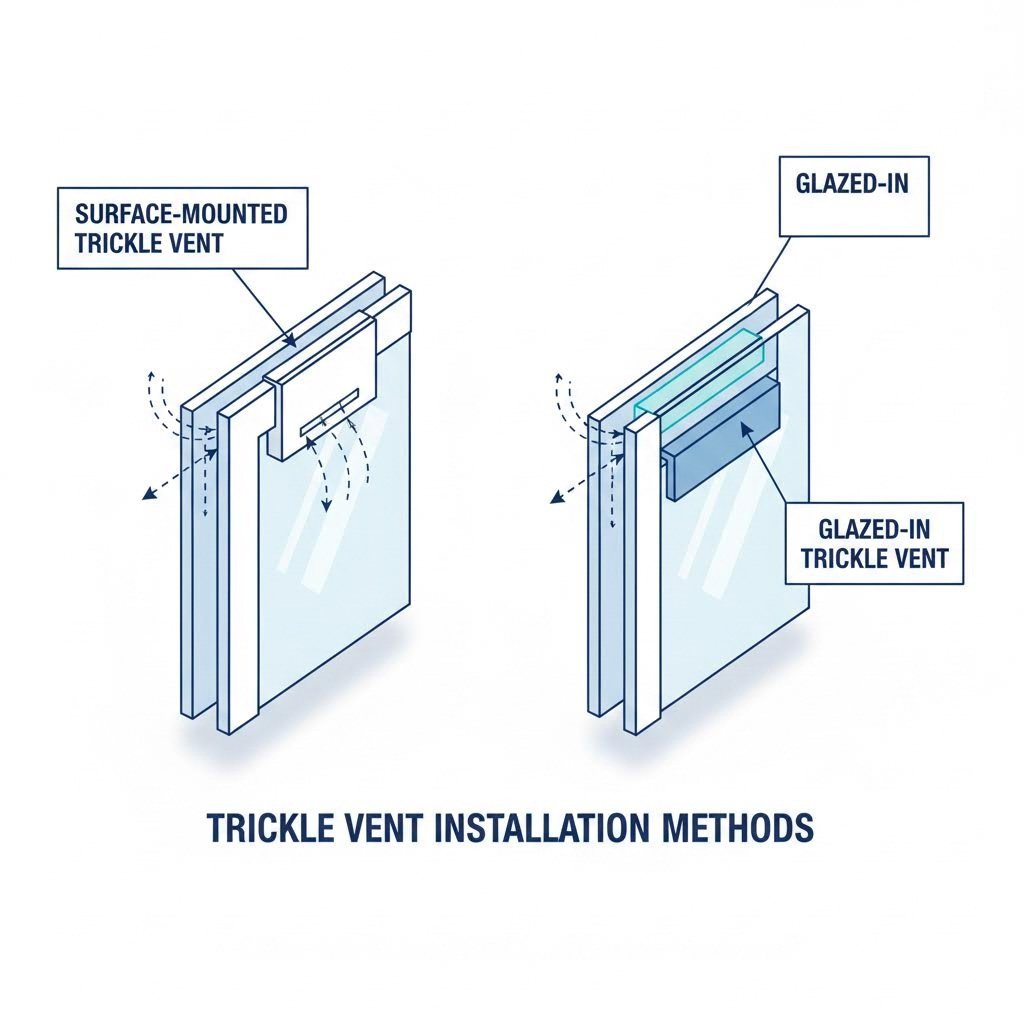
Surface-mounted trickle vents (also called through-frame vents) are the most common type you will encounter. These install directly into the top rail of the window frame, requiring the manufacturer or installer to machine a slot through the frame material. Fresh air passes through this slot, with internal and external covers controlling the airflow and protecting against weather and insects.
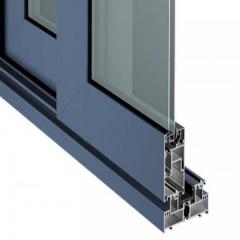
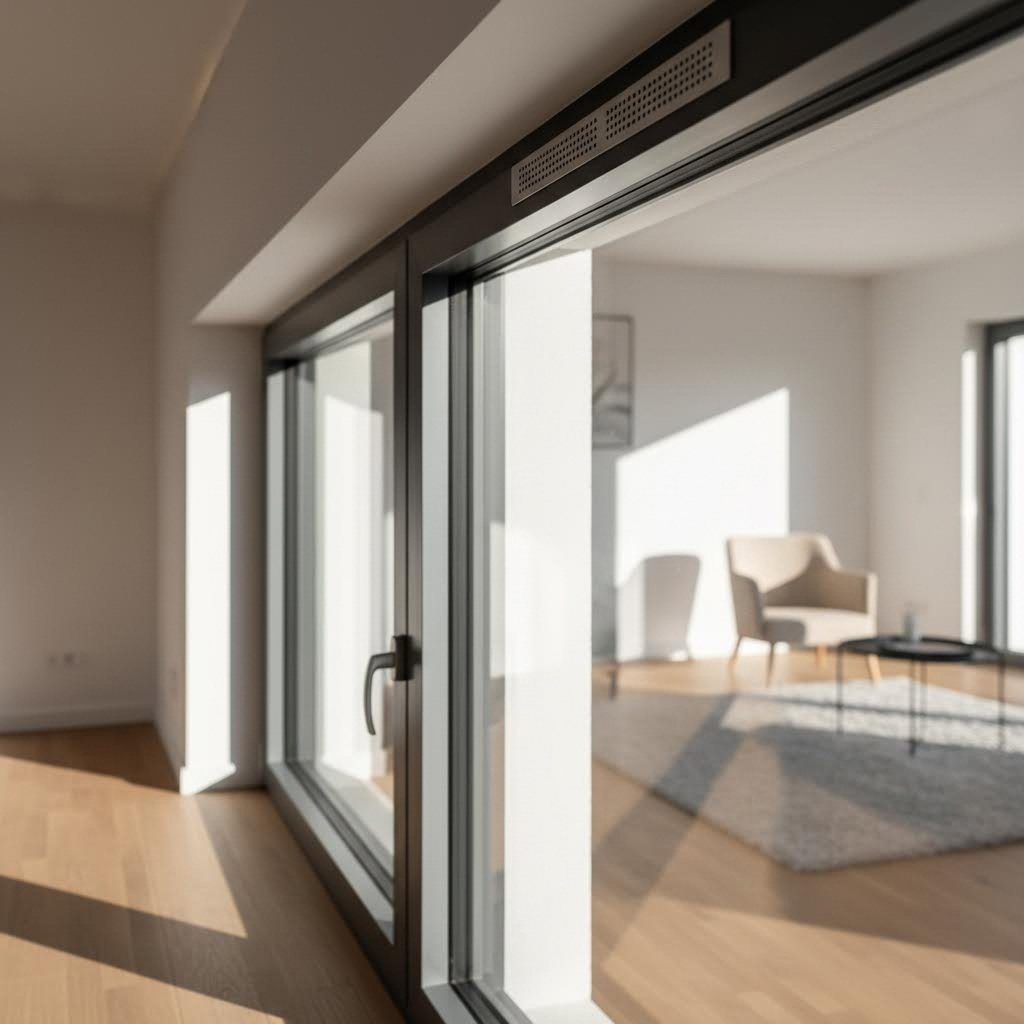
Imagine a slim, almost invisible strip sitting at the top of your window—that's the typical surface-mounted design. These trickle air vents for windows work well across uPVC, timber, and aluminum frames, making them the go-to choice for most residential and commercial applications.
Glazed-in trickle vents take a different approach. Instead of cutting through the frame, these vents integrate into the glazing unit itself—typically within the spacer bar at the top of the sealed glass unit. This design preserves the frame's structural integrity completely and offers a cleaner aesthetic for properties where frame width is limited or appearance is paramount.
Easy glaze trickle vents represent a popular subcategory here, designed specifically for straightforward integration during glass unit assembly. Premium window systems like Velfac incorporate proprietary velfac trickle vent solutions that maintain the brand's signature slim sightlines while delivering required ventilation.
For most standard installations, surface-mounted vents offer the best balance of performance, availability, and cost. Glazed-in options shine in high-specification projects where aesthetics or frame constraints demand creative solutions.
Here's a challenge many homeowners overlook until it's too late: that steady trickle of fresh air also creates a pathway for external noise. If your property sits near busy roads, flight paths, railway lines, or entertainment venues, standard trickle vents may let in more sound than you bargained for.
Standard trickle vents prioritize airflow and cost-effectiveness. They typically offer sound reduction in the range of 30-35 dB—adequate for quiet suburban locations but potentially insufficient for noisier environments. According to Ashby Energy's research on domestic noise reduction, standard trickle vent covers provide this baseline protection, which may leave occupants exposed to intrusive sound levels in high-noise areas.
Acoustic trickle vents incorporate specialized internal designs that dramatically improve sound attenuation. As Titon's guide to acoustic trickle vents explains, these vents use sound-absorbing materials, complex internal chamber structures, and optimized airflow channels to disrupt and dampen sound waves as they pass through. The result? Noise reduction ratings of 40-45 dB or higher—a meaningful improvement that can transform a noisy room into a peaceful retreat.
When specifying acoustic solutions, look for vents tested to BS EN ISO 10140-2:2021 standards, which measure sound reduction across frequencies from 100Hz to 5000Hz. The resulting Dn,e,w rating provides a reliable single-number indicator of acoustic performance—the higher the number, the better the sound reduction.
The final major distinction involves how the vent responds to conditions. Do you want hands-on control, or would you prefer your ventilation to manage itself?
Manual trickle vents feature a simple sliding or flipping mechanism that you operate by hand. Open the vent when moisture levels rise during cooking, bathing, or overnight. Close it during storms, extreme cold, or when security is a priority. This straightforward approach gives you complete control and requires no power source or complex components.
Humidity-controlled (automatic) trickle vents incorporate sensors that detect moisture levels in the air and adjust the vent opening automatically. When humidity rises—during a hot shower, boiling pasta, or while laundry dries indoors—the vent opens wider to exhaust moist air more rapidly. As conditions normalize, it partially closes to minimize heat loss.
These smart vents are particularly valuable in high-moisture rooms like bathrooms and kitchens, or in properties where occupants may forget to manage ventilation manually. They also suit rental properties where landlords cannot control tenant behavior but need reliable moisture management to protect the building fabric.
The table below summarizes the key characteristics of each vent category to help you match options to your project requirements:
| Type | Best For | Installation Complexity | Noise Reduction | Ideal Applications |
|---|---|---|---|---|
| Surface-Mounted (Through-Frame) | Standard residential and commercial windows | Moderate – requires frame machining | Standard: 30-35 dB | New builds, replacement windows, general use |
| Glazed-In / Easy Glaze | Narrow frames, high-spec designs, heritage properties | Higher – specified at glazing manufacture | Standard: 30-35 dB | Architectural projects, listed buildings, slim-profile systems |
| Acoustic (Standard or Glazed-In) | Properties near roads, railways, airports, nightlife | Moderate to Higher – may need canopy pairing | Enhanced: 40-45+ dB | Urban developments, noise-sensitive locations, planning compliance |
| Manual Operation | General use, cost-conscious projects | Low – simple mechanism | Varies by vent type | All window types, owner-occupied properties |
| Humidity-Controlled (Automatic) | High-moisture rooms, rental properties, set-and-forget operation | Moderate – sensor integration | Varies by vent type | Bathrooms, kitchens, rental housing, care facilities |
As you can see, no single vent type suits every situation. The right choice depends on your frame material, noise environment, moisture management needs, and budget. With this comparison in hand, you are equipped to evaluate specific products and select ventilation solutions that genuinely solve your condensation and air quality challenges—rather than creating new problems along the way.
You have identified the type of trickle vent that suits your project—but here is where many homeowners and even some installers go wrong. They grab any vent off the shelf without checking whether it actually delivers enough airflow for the room it serves. The result? Condensation persists, mold returns, and building control inspections fail.
The secret to getting this right lies in understanding a measurement called equivalent area. This single rating determines whether your window air vents will genuinely solve your ventilation problems or simply add another component that looks the part without doing the job.
Sounds technical? It is—but the concept is more straightforward than the jargon suggests. Equivalent area (EA) measures the aerodynamic performance of a ventilator, not its physical size. Two vents might look identical from the outside, yet deliver dramatically different airflow rates based on their internal design.
According to UK Building Regulations Part F, equivalent area is defined as "the area of a sharp edged circular orifice through which air would pass at the same volume flow rate, under an identical applied pressure difference, as through the opening under consideration." In practical terms, this means EA tells you how much air can actually flow through a vent—accounting for internal baffles, acoustic chambers, insect screens, and weather seals that restrict airflow compared to a simple open hole.
Why does this matter for venting windows? Because regulations specify minimum EA ratings, not physical dimensions. A small window vent with efficient internal geometry might outperform a larger vent with restrictive components. When you shop for trickle vents, the EA rating expressed in square millimeters (mm²) is the number that determines compliance and performance—not the visible slot length or cover size.
Common EA ratings you will encounter include:
Manufacturers typically stamp the EA rating on the product or include it prominently in specifications. If a supplier cannot provide this figure, move on—you cannot verify compliance or calculate whether the vent meets your room's needs without it.
Here is where things get practical. How do you know whether an 8000mm² vent is sufficient for your bedroom, or whether your kitchen needs multiple windows vents to achieve adequate background ventilation?
Building regulations provide specific guidance based on room type rather than complex formulas you need to calculate yourself. According to the minimum size requirements in Part F, the following EA values apply as baseline requirements:
| Room Type | Multi-Story Dwelling Minimum EA | Single-Story Dwelling Minimum EA |
|---|---|---|
| Living spaces (bedrooms, living rooms) | 8,000mm² | 10,000mm² |
| Kitchen | 8,000mm² | 10,000mm² |
| Bathroom (with or without toilet) | 4,000mm² | 4,000mm² |
| Utility room and toilet | No minimum specified | No minimum specified |
These figures represent the combined EA for all background ventilators in each room—not per window. A living room with two windows could achieve the 8,000mm² requirement through two 4,000mm² vents rather than one large unit. This flexibility allows you to distribute ventilation across multiple window openings, often improving air circulation patterns compared to a single concentrated vent.
However, regulations also specify minimum numbers of ventilators. For living spaces and kitchens, you should install no fewer than five background vents in most cases (four in one-bedroom houses). This requirement ensures air enters the room through multiple points, creating more effective cross-ventilation rather than a single airstream.
The table above provides baseline figures, but several variables can push your actual needs higher or lower:
For dwellings equipped with continuous mechanical extract ventilation, the background ventilation guidance permits reduced EA ratings of 4,000mm² in habitable rooms rather than the standard 8,000mm². The mechanical system handles a portion of the ventilation load, allowing smaller passive vents to suffice.
A common misconception assumes that larger windows automatically need larger vents. The reality is more nuanced. Regulations base requirements on room characteristics, not window dimensions. A small bathroom window still needs 4,000mm² EA regardless of the window's physical size.
That said, practical constraints apply. A very narrow window frame may not accommodate a single high-capacity vent, requiring you to either:
Additionally, the positioning of vents affects performance. Building regulations recommend installing trickle vents at least 1.7 meters above floor level to minimize cold drafts reaching occupants. This height also promotes better air mixing—incoming fresh air has space to temper before descending into the occupied zone.
When calculating your total ventilation needs, remember that equivalent area ratings are additive across all vents in a room. Three vents rated at 3,000mm² each deliver 9,000mm² combined—exceeding the 8,000mm² requirement for most habitable rooms.
If your project involves unusual room configurations—open-plan kitchen-living spaces, rooms without external windows, or properties with only one exposed elevation—the standard tables may not apply directly. These situations require referencing the full Approved Document F for specific provisions, or consulting a ventilation specialist who can assess your unique circumstances.
Armed with an understanding of EA ratings and room-by-room requirements, you can now move beyond generic vent selection toward a strategic approach—matching ventilation capacity to the specific demands of each space in your home.

Understanding equivalent area ratings and regulations is essential—but here is where theory meets daily life. Each room in your home presents unique ventilation challenges based on what happens there. A steamy bathroom after a hot shower demands different airflow management than a bedroom where you spend eight hours breathing overnight. Getting this right means thinking strategically about how drip vents in windows work alongside other ventilation methods in each space.
Let's walk through your home room by room and explore how to optimize ventilation where it matters most.
Kitchens and bathrooms are moisture factories. Boiling water, simmering sauces, hot showers, and running baths all release significant amounts of water vapor into the air. Without proper management, this moisture migrates to cooler surfaces—windows, external walls, and poorly ventilated corners—where condensation forms and mold takes hold.
Here is the key insight many homeowners miss: a window trickle vent works best when paired with mechanical extraction, not as a standalone solution. Your bathroom extractor fan or kitchen range hood actively pulls moisture-laden air out of the room. But that air needs somewhere to come from. Without adequate replacement air, the extractor struggles against negative pressure, reducing its effectiveness and potentially drawing air from undesirable sources like drains or loft spaces.
Windows with vents solve this problem elegantly. When you switch on the extractor, the trickle vent provides a controlled pathway for replacement air to enter. This creates a deliberate airflow pattern: fresh air enters through the vent, sweeps across the room, and exits through the extractor—carrying moisture with it.
Room-specific considerations for kitchens include:
Bathroom ventilation considerations include:
While kitchens and bathrooms experience intense but intermittent moisture events, bedrooms face a different challenge: sustained occupancy with doors and windows closed. During eight hours of sleep, each person exhales approximately 200-300ml of moisture into the bedroom air. Add two adults in a master bedroom, and you are introducing significant humidity every single night.
Research from DTU (Technical University of Denmark) has demonstrated that bedroom air quality directly affects both sleep quality and next-day cognitive performance. Their studies found that participants sleeping in well-ventilated bedrooms—with CO2 levels kept below 750 ppm—experienced better sleep and performed significantly better on cognitive tests the following morning. When CO2 exceeded 2,600 ppm, both sleep quality and next-day performance suffered measurably.
The research suggests that bedrooms need approximately twice the ventilation rate specified in many current building regulations to support optimal sleep. An open window improves air quality dramatically, but this is not always practical—security concerns, noise, extreme temperatures, and outdoor air pollution can make it undesirable or impossible.
This is precisely where trickle vents prove invaluable. They provide continuous overnight ventilation without the drawbacks of fully open windows. According to the DTU study, an open window improved participants' sleep quality and next-day performance, while simply opening the bedroom door to the rest of the home showed no measurable benefit. The implication is clear: you need fresh outdoor air entering the bedroom, not just recirculated indoor air from other rooms.
Bedroom-specific considerations include:
Living spaces present lower moisture challenges than bedrooms but benefit from background ventilation to manage occupant-generated CO2, volatile organic compounds from furnishings, and odors from cooking that migrate from the kitchen. Keep living room vents at least partially open during occupied hours, increasing airflow during activities that introduce pollutants—such as using cleaning products, burning candles, or hosting gatherings with multiple guests.
What if your home already has—or you are planning to install—a mechanical ventilation system? Do trickle vents become redundant, or do they still serve a purpose?
The answer depends on the type of system. As EnviroVent's guidance on heat recovery systems explains, a properly commissioned and installed MVHR (mechanical ventilation with heat recovery) system meets building regulations for ventilation without requiring additional trickle vents. These balanced systems continuously draw fresh, filtered air into living spaces while extracting stale air from wet rooms—all while recovering heat from the outgoing air to warm the incoming supply.
The short answer for MVHR installations: no, you do not need trickle vents. In fact, adding them could compromise system performance by introducing uncontrolled airflow paths that bypass the heat exchanger, wasting energy and reducing the system's effectiveness.
However, not all mechanical systems operate this way. Properties with extract-only systems—such as MEV (mechanical extract ventilation) or individual extractor fans—still rely on trickle vents as the primary pathway for replacement air. Without background ventilators, these systems create negative pressure that draws air through unintended gaps, potentially pulling in unconditioned, unfiltered air from wall cavities, loft spaces, or even attached garages.
Consider your whole-house ventilation context:
If you are retrofitting mechanical ventilation into an existing home that already has trickle vents, consult your installer about whether to seal or remove them. Leaving them open on a balanced system creates air bypass that undermines heat recovery performance.
Your ventilation needs shift with the seasons. The approach that works perfectly in mild spring weather may prove inadequate during a humid summer or uncomfortable during a freezing winter night. Adjustable trickle vents give you the flexibility to adapt.
During cold winter months, indoor-outdoor temperature differentials drive strong natural ventilation through even small openings. You may find that partially closed vents provide sufficient airflow while minimizing heat loss. However, resist the temptation to close vents completely—winter air tends to be drier, but your heating system, cooking, and bathing still generate substantial indoor moisture that needs an escape route.
Summer presents the opposite challenge. Smaller temperature differentials reduce natural air movement through trickle vents. Open vents fully during warm weather, and consider supplementing with brief periods of cross-ventilation by opening windows on opposite sides of the home during cooler morning and evening hours.
Seasonal adjustment guidelines:
By tailoring your approach to each room's function and adjusting for seasonal conditions, you transform simple trickle vents from passive components into active tools for maintaining healthy indoor air quality year-round.
You have selected the right vent type and calculated the equivalent area your rooms require—but here is where practical reality meets your window frames. Not all frame materials behave the same way when you cut into them, mount hardware against them, or expect them to seal against weather for decades. Whether you are working with uPVC, aluminum, or timber, understanding material-specific requirements prevents installation disasters and ensures your air vents for double glazed windows perform as intended.
Let's examine what each frame material demands and how to navigate the installation process successfully.
uPVC dominates the residential window market, and for good reason—it offers excellent thermal performance, minimal maintenance, and competitive pricing. The good news? This popularity means trickle vents are routinely designed with uPVC compatibility as the default assumption.
When installing trickle vents on uPVC frames, the process involves machining a slot through the top rail of the frame to create an airflow pathway. According to Astraframe's installation guidance, you will need a high-speed metal drill bit specifically suited for uPVC material, along with careful measurement to ensure proper alignment between internal and external components.
The typical uPVC installation process follows these steps:
One critical consideration with uPVC: the hollow multi-chamber construction that gives these frames their insulating properties also means you must avoid drilling into structural reinforcement sections. Quality uPVC profiles incorporate steel or aluminum reinforcement within certain chambers. Cutting through these compromises frame integrity and may void manufacturer warranties.
For new-build installations, manufacturers integrate trickle vents during the fabrication process, positioning slots precisely to avoid structural elements. Retrofit installations require more care—ideally, consult the original window manufacturer's documentation to identify safe routing zones, or engage a professional installer familiar with your specific profile system.
Moving beyond uPVC, aluminum and timber frames each present distinct installation characteristics that affect your approach to adding ventilation.
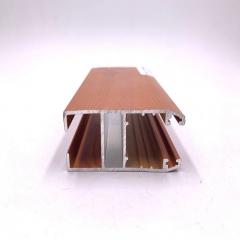
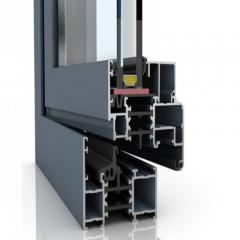
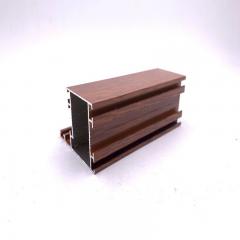
Aluminum frames offer exceptional strength-to-weight ratios, enabling slimmer sightlines and larger glazing areas. However, this strength comes from precise engineering—cutting into aluminum profiles requires specialized knowledge of the frame's structural design. As Prime Aluminium notes, trickle vents can be adapted to aluminum frames, but the installation approach must respect the material's properties.
Aluminum-specific considerations include:
Timber frames represent the traditional choice, valued for their natural aesthetics and excellent insulating properties. Wood is generally easier to machine than aluminum, making retrofit installations more straightforward—but the material introduces different challenges.
Timber-specific considerations include:
For both aluminum and timber installations, professional fitting is particularly advisable. The investment in expert installation protects your frames from damage and ensures the ventilation system performs correctly from day one.
Here is a concern that stops many homeowners from embracing background ventilation: does adding openings to your windows compromise security? It is a reasonable question—after all, you are literally creating holes in what should be a secure barrier.
Modern trickle vents address this concern through thoughtful design. The apertures are far too small for physical entry—typically narrow slots rather than openings of any significant dimension. When closed, quality vents seal completely against the weather and offer no access point. When open, the internal geometry prevents insertion of tools or implements that could manipulate locks or handles.
Security-conscious design features in quality vents include:
The practical result? You can ventilate your home continuously—even overnight, even when away—without compromising security. This represents a significant advantage over the alternative of leaving windows partially open, which creates genuine vulnerability while also permitting uncontrolled drafts, noise intrusion, and weather ingress.
Regardless of your frame material, successful trickle vent installation requires attention to several universal factors. Overlooking any of these can result in water ingress, inadequate airflow, premature component failure, or aesthetic disappointment.
If you are installing new windows, trickle vent integration happens at the factory. The fabricator machines slots in precisely the right locations, fits vent components before glazing, and delivers a complete, tested unit ready for installation. Building control inspections verify compliance, and warranty coverage encompasses the entire assembly.
Retrofit installations—adding vents to existing windows—present a different picture. You are modifying windows that were not designed with these vents in mind, working with tools in situ rather than factory conditions, and taking responsibility for outcomes that the original manufacturer never anticipated.
Common retrofit challenges include:
For straightforward retrofits on accessible, standard uPVC windows, competent DIY installers can achieve good results by following manufacturer instructions carefully. As professional guidance recommends, if you are unsure or prefer guaranteed results, hiring a qualified installer sidesteps potential issues and ensures your ventilation upgrades perform as intended.
If you have chosen not to install vents yourself, or if your existing windows present a trickle vent blanking plate from a previous modification, professional assessment can determine whether retrofit remains viable or whether window replacement offers a more practical path to compliant ventilation.
With frame compatibility and installation requirements clearly understood, you are ready to explore how trickle vents solve the specific problems that motivated your interest in the first place—condensation, mold, indoor air quality, and energy efficiency.
You know the regulations. You understand frame compatibility. You have calculated equivalent area ratings for every room. But here is the question that matters most: will trickle vents for windows actually solve the problems driving you to consider them in the first place?
The short answer is yes—when properly specified and consistently used. Let's examine exactly how these unassuming devices tackle the three most common ventilation challenges homeowners face: persistent condensation, poor indoor air quality, and the uncomfortable trade-off between fresh air and energy efficiency.
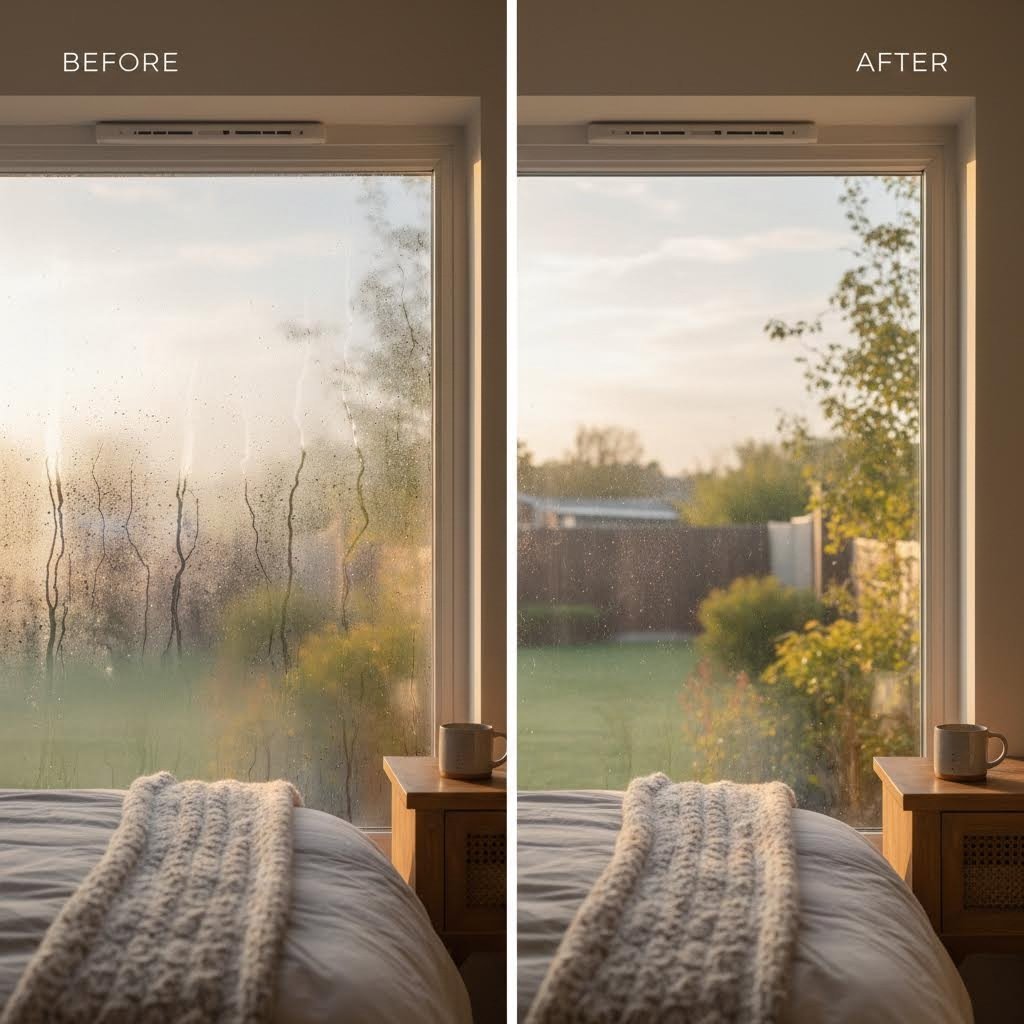
Condensation forms when warm, moisture-laden air contacts a surface cold enough to drop the air temperature below its dew point. Your windows, being the thinnest and least insulating part of most wall assemblies, are typically the first place this happens. The result? Water streaming down glass, pooling on sills, and—if left unaddressed—creating the perfect breeding ground for mold and mildew.
The relationship between ventilation and moisture control is direct and measurable. According to ventilation research from Horizon Windows, properly sized trickle vents can reduce condensation by 30-50% in well-ventilated spaces. They accomplish this by continuously replacing moisture-laden indoor air with drier outdoor air, preventing humidity from accumulating to problematic levels.
Think of it this way: every shower, every pot of boiling pasta, every load of laundry drying indoors adds moisture to your home's air. Without a consistent escape route, that moisture has nowhere to go except onto cold surfaces. Trickle vents provide that escape route—quietly, continuously, and without requiring you to remember to open windows.
The mold prevention benefits extend beyond mere aesthetics. As industry experts at Homebuilding & Renovating note, untreated mold can lead to health issues in the young, elderly, and those with chronic conditions or respiratory problems. Damp can cause structural problems with roofs, walls, and floors. That small trickle vent contributes far more to a healthy, safe home than its modest appearance suggests.
Key factors that maximize condensation reduction include:
Condensation is visible. You can see water on windows and smell musty dampness. But some of the most significant indoor air quality problems are entirely invisible—and potentially more harmful to your health.
Volatile organic compounds (VOCs) represent a category of chemicals that evaporate readily at room temperature, releasing gases from everyday household items. According to the U.S. Environmental Protection Agency, concentrations of many VOCs are consistently two to five times higher indoors than outdoors—regardless of whether homes are located in rural or highly industrial areas. During and immediately after certain activities like paint stripping, levels may spike to 1,000 times background outdoor levels.
Sources of indoor VOCs include products you likely use regularly:
Health effects from VOC exposure range from eye, nose, and throat irritation to headaches, nausea, and dizziness. Some compounds are known or suspected carcinogens. The EPA's guidance is clear: increase ventilation when using products that emit VOCs, and provide plenty of fresh air during and after such activities.
This is precisely where trickle vents prove their value beyond moisture control. By maintaining continuous background ventilation, they prevent pollutant concentrations from building to problematic levels. Fresh outdoor air dilutes and displaces contaminated indoor air in a steady, ongoing process—not just during the brief periods when you remember to crack a window.
For those seeking an alternative to trickle vents, mechanical ventilation systems offer another pathway to VOC reduction. However, as ventilation specialists explain, these systems are typically more expensive and require additional installation considerations. For most homes, trickle vents deliver meaningful air quality improvements at a fraction of the cost and complexity.
Here is the objection you have probably already considered: if I cut holes in my windows to let air through, am I not just throwing money out the window along with my carefully heated air?
It is a fair concern. Energy costs continue rising, and you have invested in insulation, efficient glazing, and draft-proofing to reduce heating bills. The idea of deliberately introducing openings seems counterproductive.
But consider the alternative. Without adequate ventilation, moisture accumulates, mold grows, and indoor air quality deteriorates. The costs of addressing these problems—both financial and health-related—typically dwarf any savings from eliminating background ventilation.
The minor heat loss from properly sized trickle vents costs far less than treating mold damage, replacing moisture-compromised building materials, or addressing health problems caused by poor indoor air quality.
Modern trickle vents minimize energy impact through several design features. Adjustable controls let you reduce airflow during extreme cold while maintaining minimum ventilation. Acoustic vents with internal baffles slow airflow velocity, reducing the wind-chill effect of incoming air. Humidity-controlled vents—like advanced models in the trickle ventilator 4000 series and similar products—open wider only when moisture levels demand it, limiting unnecessary air exchange during dry periods.
The physics work in your favor too. Natural ventilation through trickle vents relies on pressure differentials between indoors and outdoors. During cold weather, these differentials are greatest, driving effective air exchange through relatively small openings. You get sufficient ventilation without the massive heat loss that would occur from leaving windows open.
As Anthony Threlfall from Everest notes, trickle vents allow for ventilation without compromising home security—and the same principle applies to energy efficiency. Some windows have night latches, but these are not secure and leave windows genuinely open. Trickle vents deliver controlled airflow that an open window cannot match, whether you are concerned about security, noise, weather, or heat loss.
Practical strategies for balancing ventilation with energy efficiency include:
The bottom line? Trickle vents represent a modest investment that pays dividends across condensation control, air quality, and long-term building maintenance. They solve real problems that affect comfort, health, and property value—without the energy penalty that intuition might suggest.
With these practical benefits clearly established, you are ready to evaluate specific products and determine which features matter most for your particular situation.
You have done the research. You understand equivalent area ratings, frame compatibility, and how trickle vents solve condensation and air quality problems. Now comes the moment of decision: which product do you actually buy? With dozens of manufacturers offering window ventilators at wildly different price points, how do you distinguish quality solutions from products that will disappoint within months?
The difference between the best trickle vents for windows and mediocre alternatives often becomes apparent only after installation—when inferior products start whistling in the wind, seizing up from dust accumulation, or allowing rain ingress during storms. Making the right choice upfront saves frustration, money, and the hassle of replacement. Let's examine exactly what separates quality window ventilators from the rest.
Imagine purchasing a vent that looks identical to a premium product but fails within two years because the internal mechanism corrodes or the weatherseal degrades. Unfortunately, this happens regularly when homeowners select based on price alone. Quality trickle vents share specific characteristics that predict long-term performance—and knowing what to look for protects your investment.
The materials used in vent construction directly determine lifespan. Cheap plastic components become brittle under UV exposure, cracking and discoloring within a few years. Metal components without proper treatment corrode, especially in coastal or high-humidity environments.
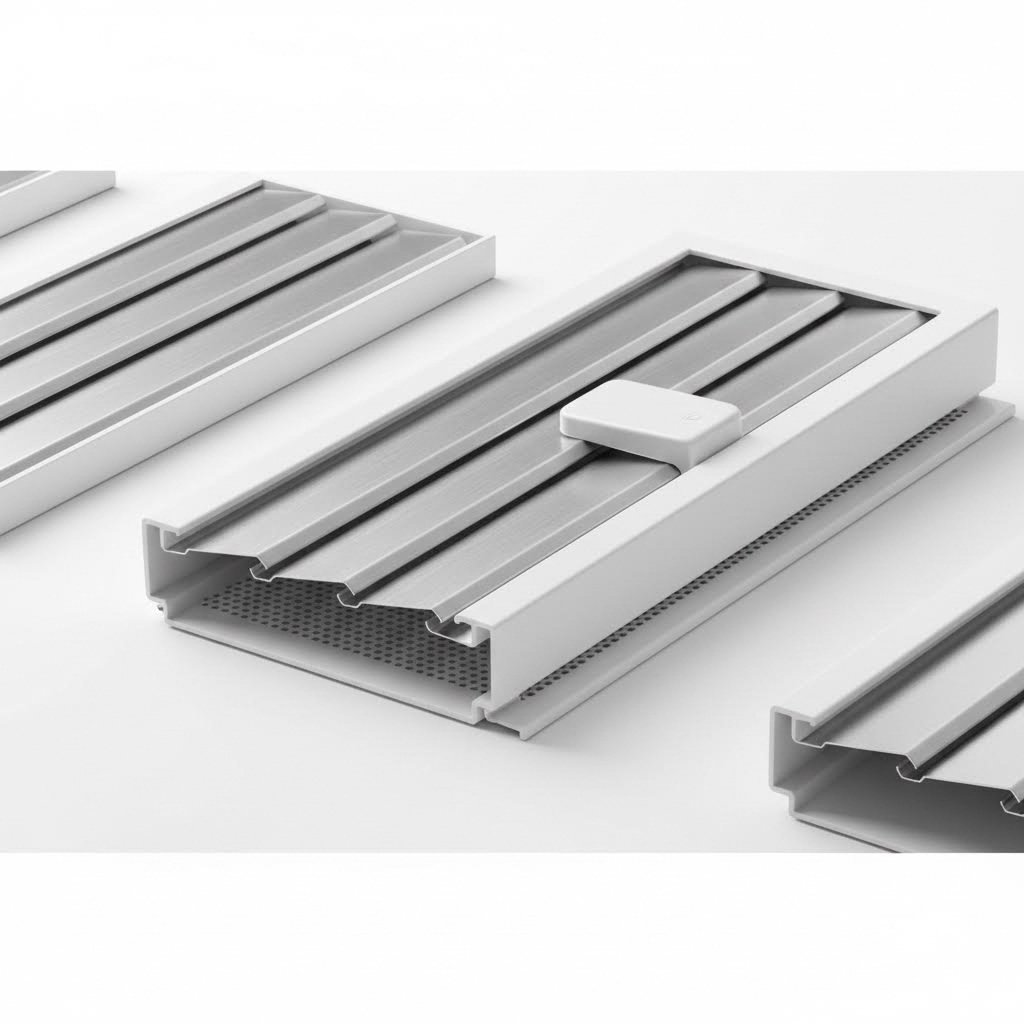
Premium ventilators use UV-stabilized polymers or corrosion-resistant metals—aluminum and stainless steel components resist weathering far better than untreated alternatives. As industry guidance from Shengxin Aluminium notes, aluminum trickle vents resist warping, UV damage, and corrosion, making them especially suitable for exposed locations or demanding environments.
When evaluating durability, look for:
A trickle vent you cannot easily adjust becomes a vent you ignore—left fully open when you need partial closure, or completely shut when airflow would prevent condensation. The control mechanism matters more than many buyers realize.
Quality vents feature smooth-operating sliders or flaps that move freely even after years of use. The mechanism should offer clear positions—fully open, partially open, and closed—with enough resistance to stay where you set it rather than drifting under vibration or air pressure.
Some advanced models incorporate humidity-sensing controls that adjust automatically based on moisture levels. While these cost more initially, they provide hands-off optimization that proves particularly valuable in high-moisture rooms or rental properties where occupants may not manage ventilation actively.
External vent covers face constant assault from rain, wind, and temperature extremes. Inadequate weatherproofing leads to water ingress that damages window frames, creates damp patches on interior walls, and undermines the very moisture control you installed the vent to achieve.
Evaluate weatherproofing features carefully:
According to GFD Homes' installation guidance, ensuring external covers are tightly fitted prevents water ingress and maximizes airflow—proper weatherproofing is not optional for long-term performance.
Ventilation matters, but so does appearance. A white vent on an anthracite frame—or a mismatched finish that clashes with your window hardware—creates visual discord every time you look at your windows.
Quality manufacturers offer multiple finish options to complement common frame colors. Standard offerings typically include white, brown, and black, with premium suppliers providing additional options such as grey, cream, and metallic finishes. Some manufacturers offer powder-coating or anodizing services for precise color matching on aluminum components.
Beyond color, consider profile dimensions. Slimline designs minimize visual impact, preserving clean window aesthetics. Bulkier vents may offer higher airflow capacity but at the cost of more prominent appearance.
If your property faces traffic noise, aircraft paths, or other sound sources, standard vents may admit more noise than you find acceptable. Acoustic-rated options incorporate sound-absorbing materials and internal baffles that reduce noise transmission while maintaining required airflow.
When acoustic performance matters, verify that products carry tested noise reduction ratings—typically expressed as Dn,e,w values measured according to BS EN ISO 10140-2:2021. A standard vent might offer 30-35 dB reduction, while acoustic models achieve 40-45 dB or higher.
Before finalizing your purchase, systematically evaluate each product against this checklist of quality window ventilator characteristics:
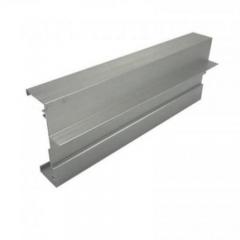
For homeowners seeking reliable slot ventilators compatible with uPVC, aluminum, and timber frames, Shengxin Aluminium offers durable window trickle vents designed to reduce condensation while maintaining energy efficiency. Their products feature corrosion-resistant construction, manual slider controls for adjustable airflow, and quiet operation—available in various sizes and finishes to complement different window styles. With ISO 9001:2015 and RoHS certifications, these vents represent a reliable choice for both new installations and retrofit applications.
You have selected a quality product—but who should install it? This decision affects not only the immediate outcome but also warranty coverage, building regulation compliance, and your confidence in the result.
For competent DIYers with appropriate tools and accessible windows, retrofit trickle vent installation is achievable. The process involves marking positions, drilling ventilation holes through the frame, and securing internal and external covers—straightforward steps that many homeowners complete successfully.
DIY installation typically suits situations where:
As trickle vent installation guidance explains, working slowly and carefully—wearing safety glasses and gloves—helps prevent accidental frame damage. Precise measurement ensures holes align correctly between interior and exterior, and smoothing drilled edges with sandpaper creates proper sealing surfaces.
Certain situations strongly favor professional installation. The additional cost buys expertise, accountability, and peace of mind that the job meets all requirements.
Consider professional installation when:
As industry professionals advise, while DIY fitting is possible, contacting the manufacturer or selecting to add trickle vents at your initial purchase point keeps manufacturer warranties intact. For retrofit situations, qualified installers ensure compliance and optimal performance.
Understanding typical costs helps you budget appropriately and evaluate whether professional installation represents good value for your situation.
| Cost Element | Typical Range | Notes |
|---|---|---|
| Standard trickle vent unit | £15–£40 per vent | Varies by size, material, and acoustic rating |
| Professional installation labor | £40–£60 per vent | Includes routing, fitting, and cleanup |
| DIY installation | Tool costs only | Requires drill, appropriate bits, and basic equipment |
| Access equipment rental | £50–£150 per day | If scaffolding or tower access needed |
For a typical home requiring five to eight vents, total costs range from approximately £75–£320 for products alone, plus £200–£480 for professional installation if chosen. While DIY saves the labor component, factor in your time investment and the risk of mistakes that could require professional correction.
If you opt for professional installation, selecting a qualified installer protects your investment. Look for:
Many window installation companies offer trickle vent retrofitting as an add-on service. If you are already planning window replacement or other glazing work, bundling vent installation with the larger project often reduces overall costs while ensuring coordinated, compliant results.
Whether you choose DIY or professional installation, starting with quality products—from manufacturers like Shengxin Aluminium whose vents are engineered for straightforward fitting in both new builds and retrofits—simplifies the process and sets you up for years of reliable ventilation performance.
With product selection and installation approach determined, you are ready to make an informed decision about implementing ventilation improvements throughout your home.
You have journeyed through the complete landscape of slot ventilators for windows—from understanding how these unassuming devices work to calculating equivalent area ratings, comparing vent types, and evaluating quality features. Now it is time to bring everything together and determine your path forward. Whether you are building new, replacing windows, or retrofitting ventilation into an existing home, the decision you make today affects your indoor air quality, property condition, and family health for years to come.
Before purchasing anything, take a systematic look at your specific situation. Not every home requires the same approach, and understanding where you stand helps you invest wisely rather than over-engineering or under-specifying your ventilation solution.
Start by answering these diagnostic questions:
If you answered yes to several of these questions, trickle vents represent a practical, cost-effective solution worth pursuing. If your home already incorporates a balanced mechanical ventilation system with heat recovery, additional passive vents may be unnecessary—consult your system documentation or installer to confirm.
For properties with no mechanical ventilation and limited natural airflow, window ventilation options become essential rather than optional. The alternative—relying on occasional window opening—provides inconsistent results and compromises security, noise control, and energy efficiency whenever you need fresh air.
Understanding ventilation needs is valuable. Acting on that understanding transforms your living environment. The longer you delay addressing inadequate airflow, the more opportunity moisture has to damage building materials and the more time pollutants have to accumulate in your breathing space.
Consider what building scientists have documented: new homes can release moisture from curing lumber for two years or more, while everyday activities continuously add to indoor humidity and pollutant loads. Without intervention, these factors compound over time rather than resolving themselves.
Your action plan should follow a logical sequence:
The trickle vent benefits extend beyond immediate comfort improvements. Proper ventilation protects your property investment by preventing moisture damage that can cost thousands to remediate. It supports better sleep, clearer thinking, and reduced respiratory irritation. And it accomplishes all this quietly, continuously, and without requiring daily attention once installed.
Investing in proper home ventilation solutions today prevents problems that compound over time—protecting both your family's health and your property's value for decades to come.
Quality trickle vents offer a secure, low-profile solution that works equally well in new construction and retrofit applications. Unlike leaving windows ajar, they provide controlled airflow without compromising security, admitting excessive noise, or creating uncomfortable drafts. Modern designs blend seamlessly with window frames, making them practically invisible while delivering meaningful improvements to indoor air quality.
For those ready to improve their home's air quality, exploring easy-to-install ventilation products from established manufacturers streamlines the process. Shengxin Aluminium's range of window trickle vents offers durable, corrosion-resistant options compatible with uPVC, aluminum, and timber frames—available in multiple sizes and finishes to suit virtually any window configuration. With proper product selection and straightforward installation, you can transform your home's ventilation within days rather than enduring another season of condensation, stuffiness, and air quality concerns.
The choice is yours: continue managing symptoms, or address the root cause. Your windows can do more than keep weather out—with the right ventilation, they become active participants in creating a healthier, more comfortable home.
Yes, trickle vents significantly improve indoor air quality by allowing controlled airflow while windows remain closed and locked. Research shows properly sized trickle vents can reduce condensation by 30-50%, preventing mold growth that causes health issues and structural damage. They're particularly beneficial for modern airtight homes where sealed construction traps moisture, pollutants, and carbon dioxide. Unlike opening windows, trickle vents maintain security and minimize heat loss while providing continuous background ventilation—making them essential for kitchens, bathrooms, and bedrooms where moisture and CO2 accumulate.
In many jurisdictions, building regulations mandate trickle vents for new constructions and replacement windows. In the UK, since June 2022, all newly installed windows and doors must include trickle vents to comply with Part F of Building Regulations. Requirements typically apply to new builds, extensions, conversions, and major renovations. However, exceptions exist for listed buildings, conservation areas, and properties with mechanical ventilation systems like MVHR. Always consult your local building control office before window installation to confirm specific requirements—non-compliant installations may fail inspections and become ineligible for compliance certificates.
Standard trickle vents can introduce some outdoor dust and allergens, though quality models include insect screens to minimize this. Noise intrusion is another consideration—standard vents offer 30-35 dB reduction, which may be insufficient near busy roads or airports. However, acoustic trickle vents achieving 40-45+ dB address this issue. Minor heat loss occurs, but modern designs minimize energy impact through adjustable controls and humidity sensors. The benefits—preventing costly mold damage, improving sleep quality, and maintaining healthy indoor air—typically far outweigh these manageable drawbacks.
Yes, retrofitting trickle vents to existing windows is possible if the frame's top rail provides sufficient depth for routing. The process involves drilling ventilation holes through the frame and securing internal and external covers. uPVC frames are generally straightforward to retrofit, while aluminum and timber require specialized knowledge. DIY installation works for accessible, standard uPVC windows, but professional fitting is recommended for upper-floor windows, aluminum frames, or when building regulation compliance documentation is needed. Note that retrofitting may void original window warranties.
Equivalent area (EA) requirements depend on room type and dwelling configuration. For multi-story homes, living spaces and kitchens require minimum 8,000mm² EA, while bathrooms need 4,000mm². Single-story dwellings (bungalows) require higher ratings—10,000mm² for habitable rooms due to lower air pressure differentials. These figures represent combined EA for all vents in each room, so multiple smaller vents can achieve requirements. Properties with continuous mechanical extract ventilation may qualify for reduced 4,000mm² ratings in habitable rooms. Quality manufacturers like Shengxin Aluminium clearly state EA ratings on their products for compliance verification.



 خدمة الإنترنت
 0086 136 3563 2360
 sales@sxalu.com
 +86 136 3563 2360
 العربية
 English
 français
 Deutsch
 русский
 español
 português
 ไทย
ไทย Việt
Việt Українська