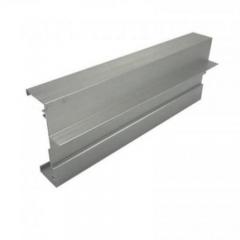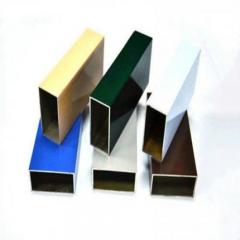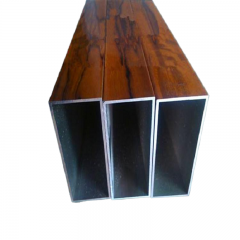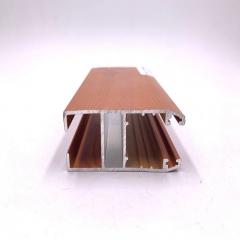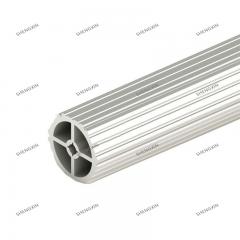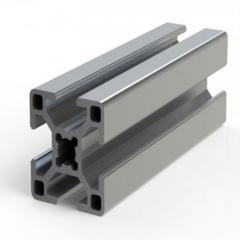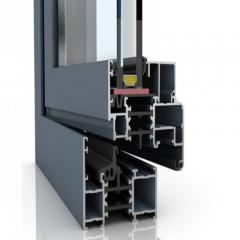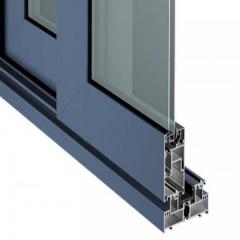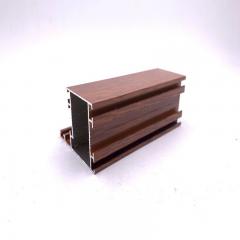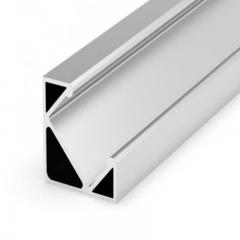
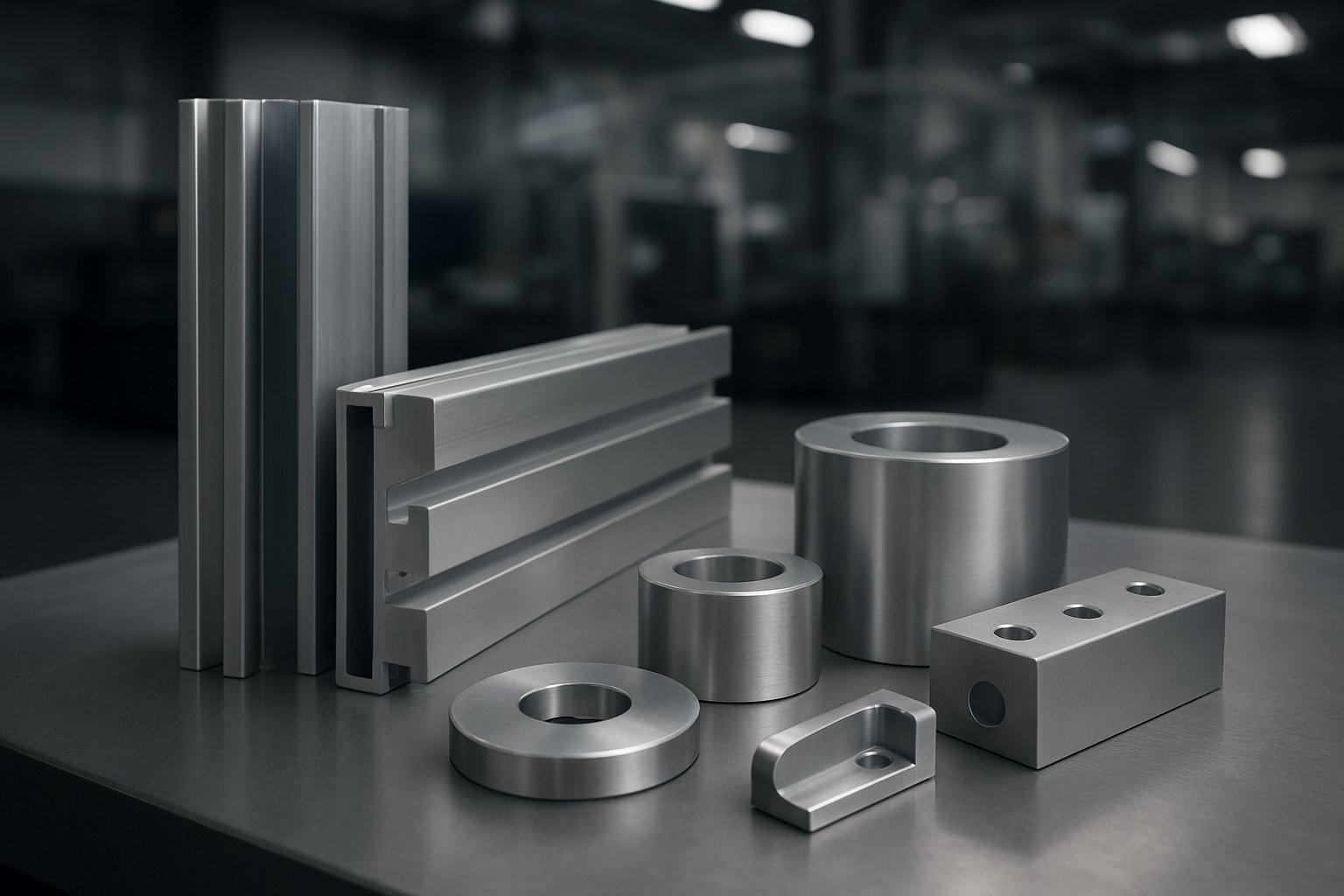
If you are asking what is anodizing, start with this key idea: it changes the aluminum surface itself. Aluminum anodizing is not paint, and it is not plating. It is an electrochemical process that deliberately thickens and controls the oxide layer that naturally forms on aluminum. Industry references from Protolabs and Valence describe it as a bonded oxide growth that improves corrosion resistance, wear behavior, and finish options.
Aluminum anodizing is an electrochemical conversion process that grows a controlled aluminum oxide layer on the metal surface, rather than covering it with a separate coating.
So, what is anodized aluminum in plain language? It is aluminum that has been processed to build a harder, more protective surface layer. Because that layer is part of the metal, an anodized surface does not peel or chip the way a top-applied coating can. That is the big difference from painted aluminum, where an organic coating sits on top of the substrate.
Think of it this way. Bare aluminum already has a thin natural oxide film. Painted aluminum adds a film over the metal. Anodized aluminum strengthens the oxide layer itself. In British usage, you may also see this written as anodising.
Buyers, engineers, and fabricators specify anodized parts because the finish can balance protection and appearance at the same time. The porous oxide formed before sealing can also accept color, which is one reason decorative and architectural parts are often anodized.
That performance, however, is only as good as the way the part is prepared, processed, colored, and sealed on the line.
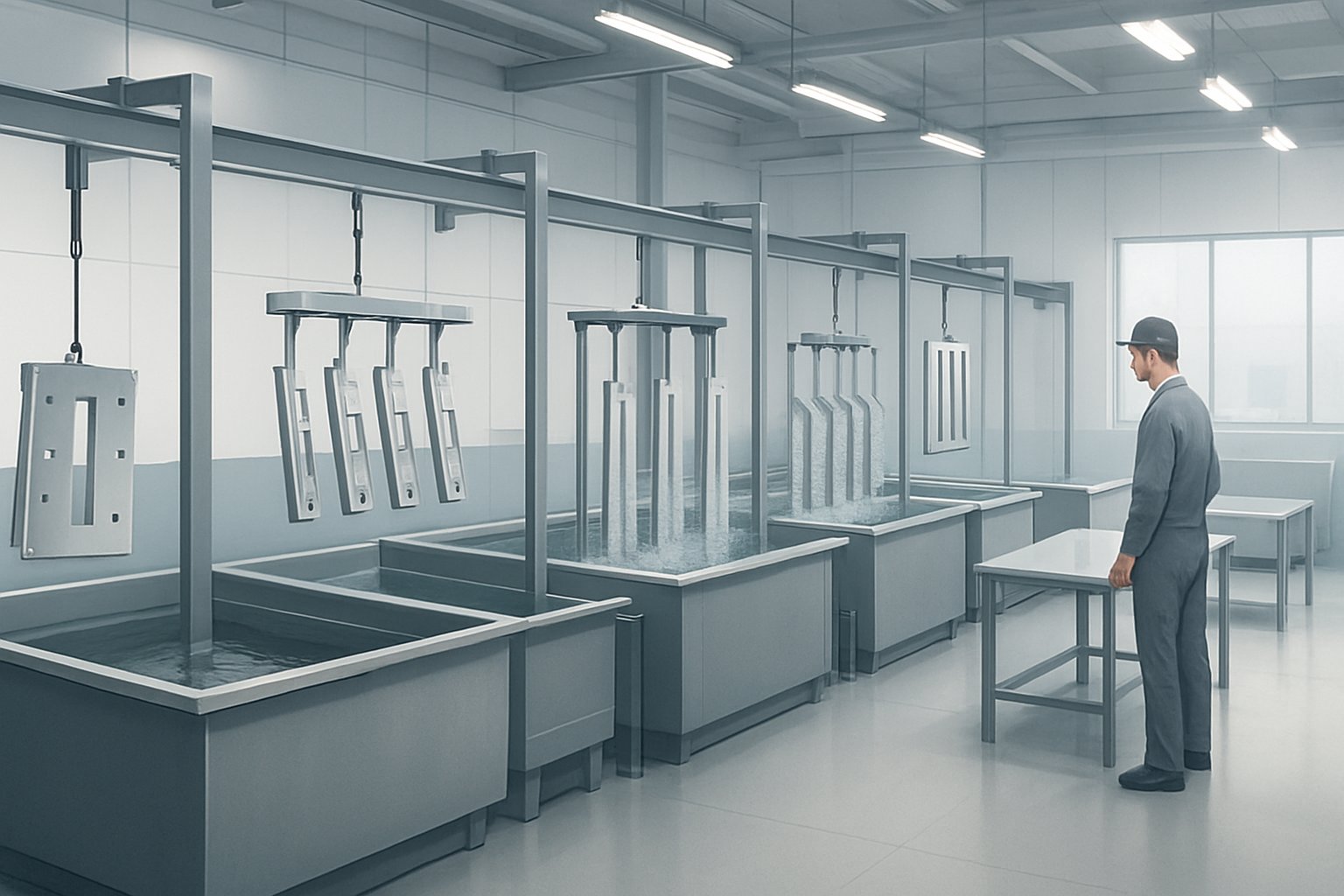
That line sequence is where good results are made or lost. If you are wondering how does anodizing work, the short answer is controlled chemistry in a fixed order. Guidance from AluConsult describes three broad phases: pretreatment, anodizing, and post-treatment, with water rinsing used between steps so each surface is ready for the next bath. People searching how to anodize aluminum or how do you anodize aluminum often picture only the acid tank, but the finish is shaped just as much by preparation and sealing.
In practice, anodizing aluminum is a linked workflow. Each stage affects appearance, dye uptake, corrosion performance, and consistency. When someone asks, "how do i anodize aluminum," this is the industrial answer.
Sealing is not a minor add-on. It is one of the steps that most directly affects how the finished surface holds up in service. The AluConsult workflow notes that poor sealing leaves the porous oxide open to water and aggressive substances, which can reduce corrosion protection and fade color over time.
The chemistry may follow a clear sequence, but the target is not always the same. Different applications call for different film types, classes, and performance priorities, which is where anodizing terminology starts to matter.
The line chemistry shapes the oxide layer, but the drawing note tells that layer what job it needs to do. In plain English, anodization terms are really selection shortcuts for corrosion resistance, color, dimensional control, or wear life. Trade summaries from Worthy Hardware and Gleco Plating sort the common aluminum routes into Type I, Type II, and Type III, each with a different balance of appearance and performance.
Type I is chromic acid anodizing. Worthy describes it as the thinnest of the three main finishes, often chosen where corrosion resistance matters and dimensional change must stay minimal. It also works well as a base for paint. If a print calls for a type 1 anodize, think thin protective film first, not decorative color.
Type II is sulfuric acid anodizing, and both sources present it as the most common general purpose option. It gives solid corrosion protection, good durability, and strong color flexibility because the oxide layer is porous enough to accept dye. That is why many consumer, industrial, and architectural parts end up here.
Type III is hardcoat anodizing. Gleco notes that it is thicker and more wear-focused than conventional Type II, making it a better fit for sliding parts, gears, hinges, pistons, and other components that see abrasion or repeated contact. The finish is usually more functional in look, with darker natural tones more typical than bright decorative color.
| Finish type | Typical use case | Color options | Wear emphasis | Appearance considerations |
|---|---|---|---|---|
| Type I, chromic acid | Tight-tolerance parts, corrosion protection, paint base | Limited, generally not chosen for dye | Low to moderate | Usually dull gray and thin |
| Type II, sulfuric acid | General protection plus decorative finish | Clear or dyed in many colors | Moderate | Best choice when appearance matters |
| Type III, hardcoat | High-wear industrial parts and demanding service | More limited, often darker functional tones | High | Looks more technical than decorative |
Specification shorthand can look intimidating, but it usually answers two simple questions: what process family is required, and is color part of the requirement? In common drawing usage, Class 1 refers to a non-dyed finish, while Class 2 points to a dyed finish. So if your print or search query says mil a 8625 type ii class 2, the practical takeaway is usually a sulfuric finish with color expectations.
The hyphenated forms show up the same way. A note like mil-a-8625 type ii class 2 usually signals a dyed Type II finish. A callout such as mil-a-8625 type iii class 1 anodizing points toward a non-dyed hardcoat where wear performance matters more than cosmetics. If a part is marked only mil-a-8625 type iii, confirm the class before release, because dye, sealing, and final appearance can change the buyer's expectations quickly.
Thickness language works as a planning tool. Thin films favor tighter dimensional control. Heavier builds usually lean toward wear resistance, hardness, and dielectric performance. Sealing is often mentioned alongside these specs because it closes the porous structure and helps lock in corrosion performance, especially on dyed Type II work. Even with the right callout, though, the same finish can look different from one aluminum grade to another, which makes alloy choice the next decision that really deserves attention.
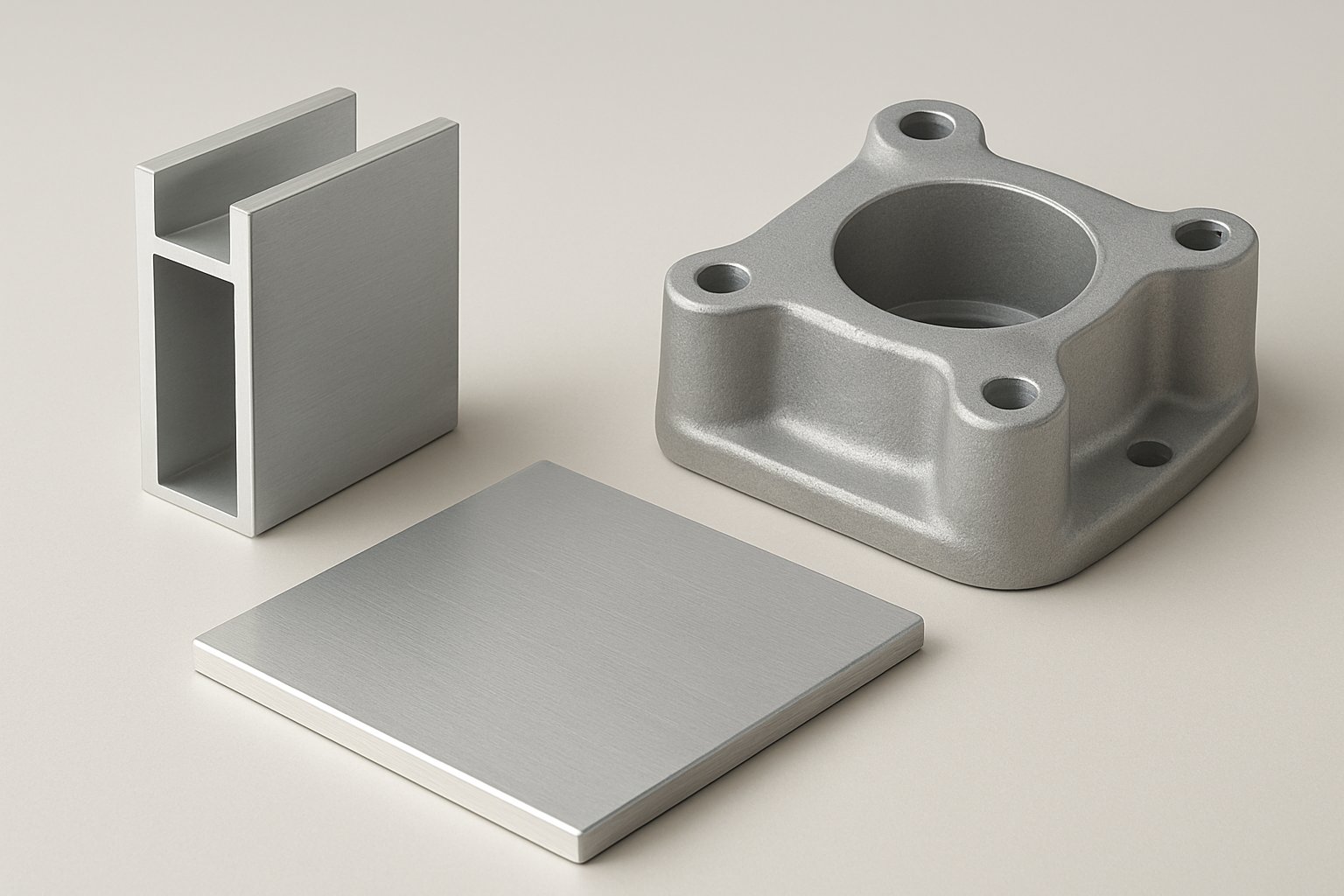
Two parts can run through the same finishing line and still come out looking different. In many cases, the reason starts with the alloy itself. Guidance from the Aluminum Anodizers Council and Linetec shows that alloy series, temper, shape, and even material lot can change the final appearance, even when the anodizing process stays the same. That is why finish quality is never just a line-control issue for buyers specifying anodized aluminum material or finished components.
People often ask can you anodize aluminum across all grades. The practical answer is yes, but equal processing does not mean equal results. Only the aluminum portion responds in the same basic way. Alloying elements such as copper, silicon, zinc, and magnesium change how the surface looks after finishing. That can affect color uniformity, luster, shade, and how much variation shows from run to run.
Some alloy families are simply easier to finish attractively. High-copper 2xxx alloys can be harder to anodize, and the oxide is usually softer with lower corrosion resistance than coatings on lower-copper alloys. In contrast, 6xxx alloys are widely used for visible extrusions because they respond well. The same source notes that 6063 and 6463 are especially known for good luster and clear silver appearance. For sheet and fabricated work, Linetec recommends 5005 for better consistency, while noting that structural choices like 5052 and 6061 may be necessary even though they do not usually match the same visual uniformity.
| Alloy category | General anodizing behavior | Finish consistency | Planning cautions |
|---|---|---|---|
| 2xxx, copper-rich wrought alloys | More difficult as copper increases | Appearance can be harder to control | Usually chosen for strength and machinability, not show-finish cosmetics |
| 3xxx, manganese-bearing alloys | Can anodize clear silver, grayish, or brownish | Shade depends on production conditions | Expect some tone shift with process conditions |
| 5xxx sheet alloys, such as 5005 and 5052 | Often workable for architectural and fabricated parts | 5005 is commonly preferred for appearance; 5052 may look more yellowish in thicker coatings | Do not mix visible parts made from different 5xxx grades |
| 6xxx extrusion alloys, such as 6063, 6463, and 6061 | Generally strong response to finishing | 6063 and 6463 are known for good luster; 6061 is more structural | Do not expect 6061 to visually match 6063 automatically |
| 7xxx, zinc-rich wrought alloys | Can anodize gray, blue-gray, or brown-black | Mottling may be more noticeable | Better suited to strength-driven parts than decorative uniformity |
| High-silicon 4xxx or silicon-rich castings | Often poor candidates for cosmetic work | Consistency is limited | High silicon can leave gray or black residue and may require special handling |
Extrusions and wrought sheet usually give more predictable results than castings. That is one reason many anodized aluminum parts start with 6xxx extrusions or carefully selected 5xxx sheet. Anodizing cast aluminum is possible, but cast alloys often contain more silicon, and that changes the way the surface responds. The Council notes that high-silicon castings may leave black or gray silicon powder because only the aluminum anodizes readily while higher-silicon areas do not.
So can you anodize aluminum when it is cast? Often yes, but lower-silicon casting alloys tend to behave better, and some higher-silicon grades need special techniques. Linetec also advises against mixing alloys or tempers on one visible project and recommends keeping material from one source and one lot where possible. Bending and forming are best finished before coating, since post-finish bending can craze the film, and weld heat can leave a halo effect near the joint. Those same material choices also shape how clear, black, and dyed finishes finally look in production.
Color is where alloy choice becomes easy to see. On aluminum, the shade is not simply painted over the surface. Guidance from Xometry explains that color is built into the porous oxide layer formed during anodizing, then locked in during sealing. That is why clear anodized aluminum and dyed parts can keep their look better than a typical top-applied coating.
A clear anodized aluminum finish usually keeps the natural oxide appearance without added dye, so the part stays metallic and silver-toned while gaining protection. Black anodized aluminum is typically produced by forming the porous anodic layer, adding black dye, and then sealing the pores. Other anodized aluminum colors can be created through dye coloring, electrolytic coloring, or integral coloring, but the process route affects both the palette and repeatability.
That matters when buyers want color anodized aluminum for visible products or architectural parts. A digital swatch is only a starting point. For real production, a supplier color reference, finish sample, or specification-backed table is far more useful than assuming every shade will match perfectly across lots.
Final appearance moves with the process. Xometry notes that film thickness, dye concentration, metal type, and temperature all influence the result. Production-focused guidance from JLCCNC adds that surface preparation, oxide thickness, part geometry, and even rack position can shift the shade. That is why aluminum anodizing colors are best treated as controlled ranges, not absolute paint codes.
When low variation, outdoor durability, or stable appearance matter more than a wide palette, clear finishes and black anodized aluminum are often easier to control than bright custom colors. That tradeoff becomes central once finish goals have to align with wear, corrosion exposure, tolerances, and handling in service.
A finish can look perfect on a color sample and still be the wrong choice for the part. The right anodized aluminum finish depends on what the surface must do in service, not just how it looks on day one. In real-world aluminum anodization, the smart choice usually comes down to seven questions: Does the part need color, wear resistance, corrosion protection, dielectric insulation, tight dimensional control, a specific surface feel, or all of the above?
Protolabs describes Type II as the better fit for color and general protection, while Type III hardcoat is favored when wear and abrasion resistance matter most. Micron Coatings also notes that sulfuric clear anodizing is widely used for decorative and protective purposes, whereas hard anodizing builds a denser layer for more demanding mechanical and corrosive environments.
| Anodizing route | Finish objective | Durability emphasis | Color flexibility | Design considerations |
|---|---|---|---|---|
| Type I, chromic | Thin protective film, minimal dimensional change | Corrosion over wear | Low | Useful where tight tolerances matter more than appearance options |
| Type II, clear sulfuric | Decorative or general protective anodized finish | Moderate corrosion and wear resistance | Clear metallic look | Good for visible parts, with less buildup than hardcoat |
| Type II, dyed sulfuric | Color plus protection | Moderate | High | Best when appearance is part of the specification |
| Type III, hardcoat | High wear, higher hardness, stronger barrier | Heavy wear and harsher service | Limited | Usually costs more, feels more technical, and needs tighter tolerance planning |
Choose alloy, pretreatment, and end-use together. Treating them as separate decisions is how good-looking parts become poor-performing parts.
If the main goal is a premium visual surface, a Type II anodized finish is often the practical default. If the part slides, rubs, or sees repeated handling in harsh conditions, hardcoat becomes more attractive. That tradeoff also affects the cost to anodize aluminum. Protolabs notes Type III is generally more expensive than Type II, so extra performance should solve a real problem, not just sound safer on paper.
Dimensional planning deserves early attention. Anodizing is a conversion process, so coating growth changes finished size. Micron explains that clear sulfuric coatings often grow about 30 percent outward, while hard anodizing commonly grows about 50 percent outward and 50 percent inward. Zenith frames that hardcoat rule as critical for shafts, bores, and sliding fits. In other words, anodizing thickness is not a late-stage note for purchasing. It belongs in machining tolerances from the start.
For teams reading international drawings, anodising thickness deserves the same attention. It affects fit, thread engagement, masking, and dielectric behavior. Since anodic films reduce electrical conductivity and can provide insulation, contact points may need to be masked if conductivity matters. A good aluminum anodization choice balances function, appearance, and build direction before the part ever reaches the tank. Even then, perfect selection on paper does not guarantee a perfect result, because defects, sealing issues, and post-finish handling can still undo the plan.
In production, the part usually tells you where control slipped. Guidance from Worthwill Aluminium and the AAC shows that defects rarely come from one mystery cause. They usually trace back to alloy chemistry, pretreatment, bath control, coloring, sealing, or rough handling. That is why quick online searches for anodize solutions often disappoint. The symptom matters, but the chain behind it matters more.
One practical example: poor shade match is often blamed on anodizing dye, but the real problem may start earlier with uneven cleaning, trapped gas, loose electrical contact, or inconsistent film growth. The same logic applies to pitting, burning, and patchiness.
| Defect | Likely cause | Prevention guidance |
|---|---|---|
| Electrical burning | Excess local current density, poor contact, short circuit, or rapid current rise | Maintain solid rack contact, control current ramp-up, and keep cathodes and tooling in good condition |
| Pitting or black spots | Contaminated rinse stages, alloy impurities, or a chloride-heavy anodising solution | Control bath contamination, rinse quality, and incoming material consistency |
| Patchy or uneven appearance | Incomplete degreasing, uneven etching, or gas trapped in corners and recesses | Improve cleaning, control etch conditions, and allow better exhaust during immersion |
| Poor dye uptake or color variation | Uneven oxide structure, loose clamping, weak conductivity, or coloring control issues | Stabilize anodizing conditions and verify racking before blaming the color bath |
| Sealing smut or sealing failure | Improper sealing time, temperature, pH, or contaminated sealing bath | Filter and maintain the seal bath, and confirm seal quality against the job requirement |
| Scratches and fingerprint corrosion | Dirty gloves, sweat, collisions, poor packaging, or careless transport | Use clean gloves, separate parts, and protect edges and contact points after finishing |
An anodized finish on aluminum is durable, not damage-proof. Packaging, storage, and gentle cleaning still matter.
Post-finish care starts with inspection. AAC lists common quality checks such as eddy-current thickness testing under ASTM B244 and seal-quality testing under ASTM B680. Visual review still matters too, especially for rack marks, scratches, patchiness, and color range.
For routine maintenance, Light Metals Coloring and AAC both point to mild soap, soft cloths, non-abrasive sponges, and prompt rinsing with clean water. Harsh acidic or alkaline cleaners, steel wool, and aggressive scrubbing can damage the anodized finish on aluminum. If secondary steps are planned, such as painting anodized aluminum, tell the finisher early because rinsing and sealing choices can affect adhesion. And if you are researching how to remove anodizing from aluminum for rework, AAC notes that stripping carries hazards and should be handled by a professional anodizer.
When defects keep repeating, the issue is often not the drawing note at all, but the discipline of the shop running the line. That is where supplier capability starts to become part of finish quality.
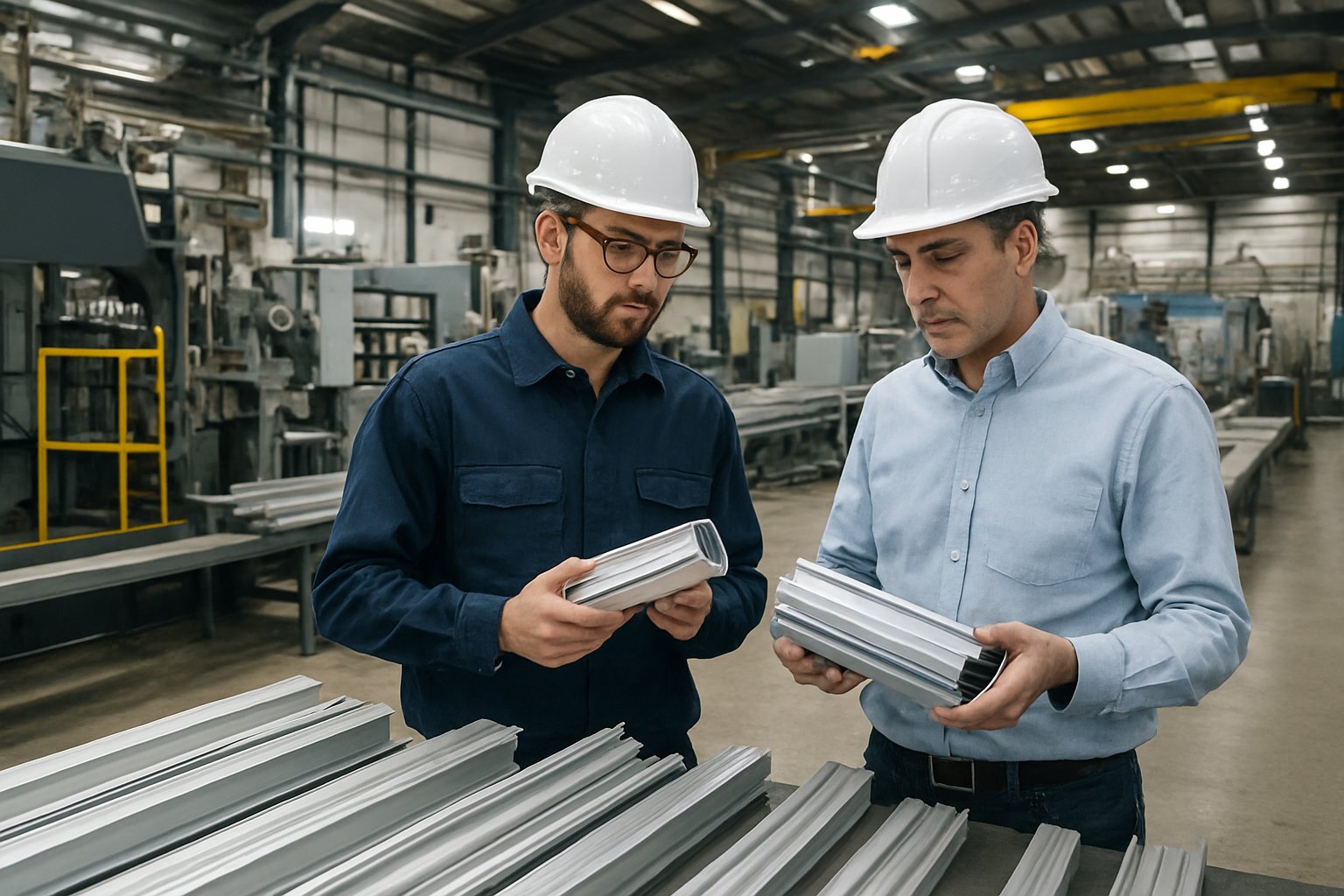
Finish problems often reveal supplier limits before they reveal chemistry limits. For buyers sourcing industrial profiles or custom parts, strong aluminum anodizing suppliers do more than quote color and price. They ask about alloy, temper, visible surfaces, drainage, tank fit, packaging, and delivery timing before the order is released.
The SAF checklist works well as a buyer's screening tool. It stresses anodizing-friendly alloy selection, pre-anodizing inspection, drilled drainage, tank capacity, same-lot samples for color matching, and protective packing. Hydro also notes that some alloys are poor candidates, so a credible anodizer should flag material risk early instead of trying to finish around it later.
A search for 'anodized aluminum near me' or 'anodize aluminum near me' can help build a vendor list, but distance alone does not tell you whether the shop can hold appearance standards or support your profile geometry. That is where better anodizing manufacturers stand out.
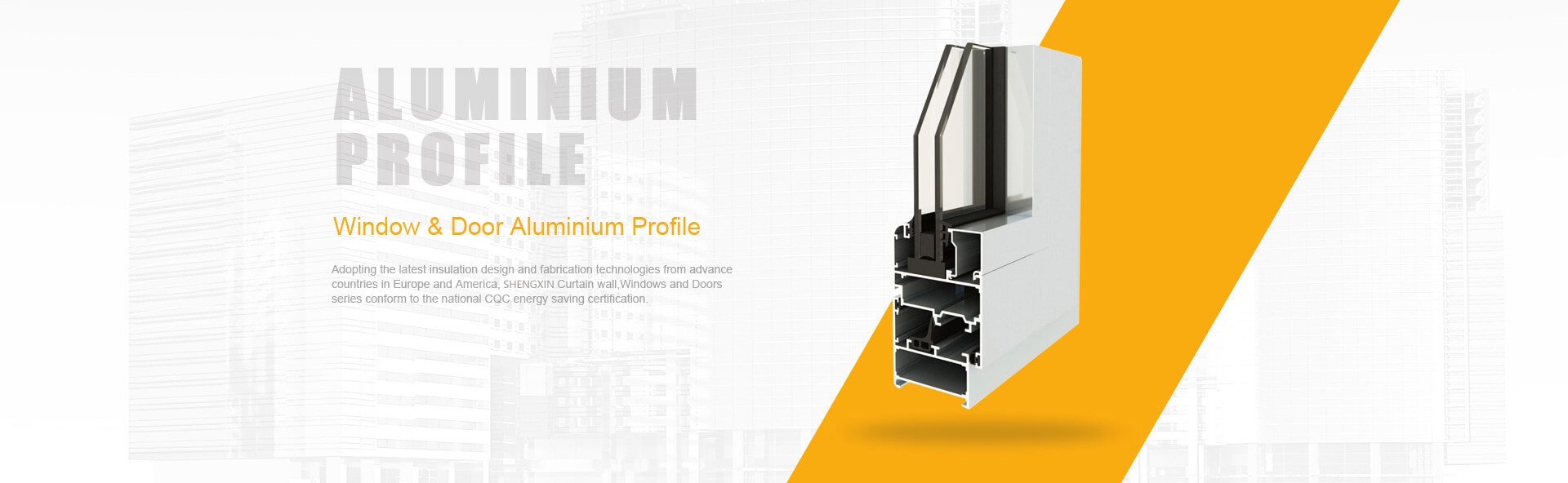
Integration matters most when the part design is still being refined. As one example, Shengxin Aluminium combines over 30 years of manufacturing experience, 35 extrusion machines, and in-house anodizing lines with design-to-delivery support. For custom profiles, that kind of setup can reduce disconnects between extrusion design, racking, finishing, and final handling.
| Supplier model | Service scope | Customization support | Process integration |
|---|---|---|---|
| Shengxin Aluminium | Custom extrusion profiles plus in-house anodizing | High | Strong alignment from design through delivery |
| Independent toll anodizer | Finishing only | Usually limited to supplied parts | Best when drawings, alloy, and handling needs are already defined |
| Fabricator using outside finisher | Fabrication plus outsourced finishing | Moderate | Can work well, but needs tighter communication across more handoffs |
For industrial work, the best anodizer is usually the one that can explain alloy choice, surface expectations, packaging, and schedule risk in the same conversation. That level of coordination is what keeps a good finish from turning into an expensive surprise.
Aluminum anodizing is an electrochemical process that turns the outer surface of aluminum into a controlled oxide layer. Unlike paint or plating, it does not add a separate film on top of the metal. The finish becomes part of the surface itself, which is why anodized aluminum is valued for corrosion resistance, better wear behavior, stable appearance, and the ability to accept color without the typical peeling or chipping associated with many top-applied coatings.
Many projects get the most consistent cosmetic results from alloys commonly used for visible extrusions and architectural work, especially in the 6xxx family. For sheet applications, certain 5xxx grades are often chosen when appearance consistency matters. By contrast, high-copper alloys and high-silicon cast materials can be harder to finish evenly. The key point is that alloy, temper, surface condition, and even lot consistency all influence the final look, so material selection should be discussed before the part reaches the anodizing line.
Type II anodizing is typically chosen when you need a balance of protection, appearance, and color options. It is the common choice for decorative and general-purpose parts. Type III, often called hardcoat anodizing, is used when wear resistance and more demanding service conditions matter more than decorative appearance. It usually has a more technical look, more limited color flexibility, and tighter dimensional planning requirements, so it is often specified for moving or contact-heavy components rather than show surfaces.
Yes. A clear anodized aluminum finish keeps the natural metallic look without added dye, while black anodized aluminum is commonly created by dyeing the porous oxide layer and then sealing it. However, exact color matching is not automatic. Alloy chemistry, pretreatment, oxide structure, part geometry, dye conditions, and sealing all affect the final result. For visible parts, it is smarter to approve a physical sample or supplier reference standard than to rely on a screen image or a generic color name.
Look beyond price and location. A strong supplier should understand alloy behavior, visible surface requirements, racking, drainage, masking, inspection, packaging, and lead-time control. It also helps if anodizing is coordinated closely with extrusion, machining, or fabrication, because fewer handoffs usually mean fewer finish surprises. For custom profile work, an integrated supplier such as Shengxin Aluminium can be useful because extrusion and anodizing support are managed together, which can simplify design review, finishing coordination, and delivery planning.



 خدمة الإنترنت
 0086 136 3563 2360
 sales@sxalu.com
 +86 136 3563 2360
 العربية
 English
 français
 Deutsch
 русский
 español
 português
 ไทย
ไทย Việt
Việt Українська