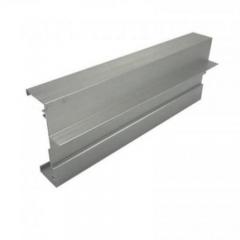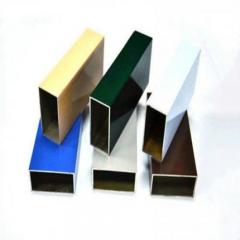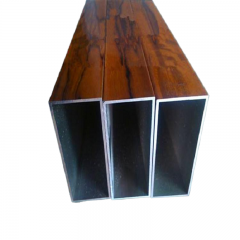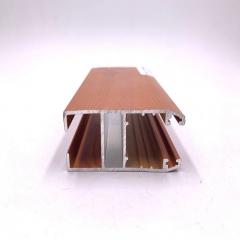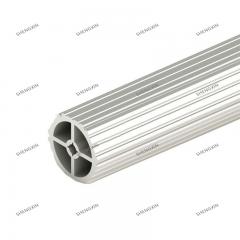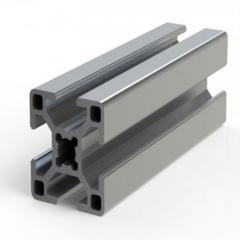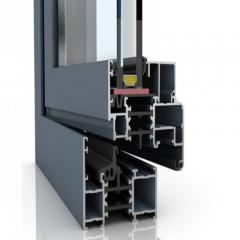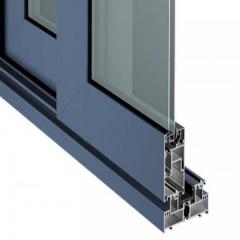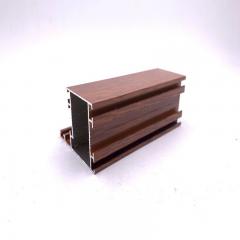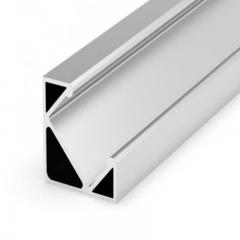
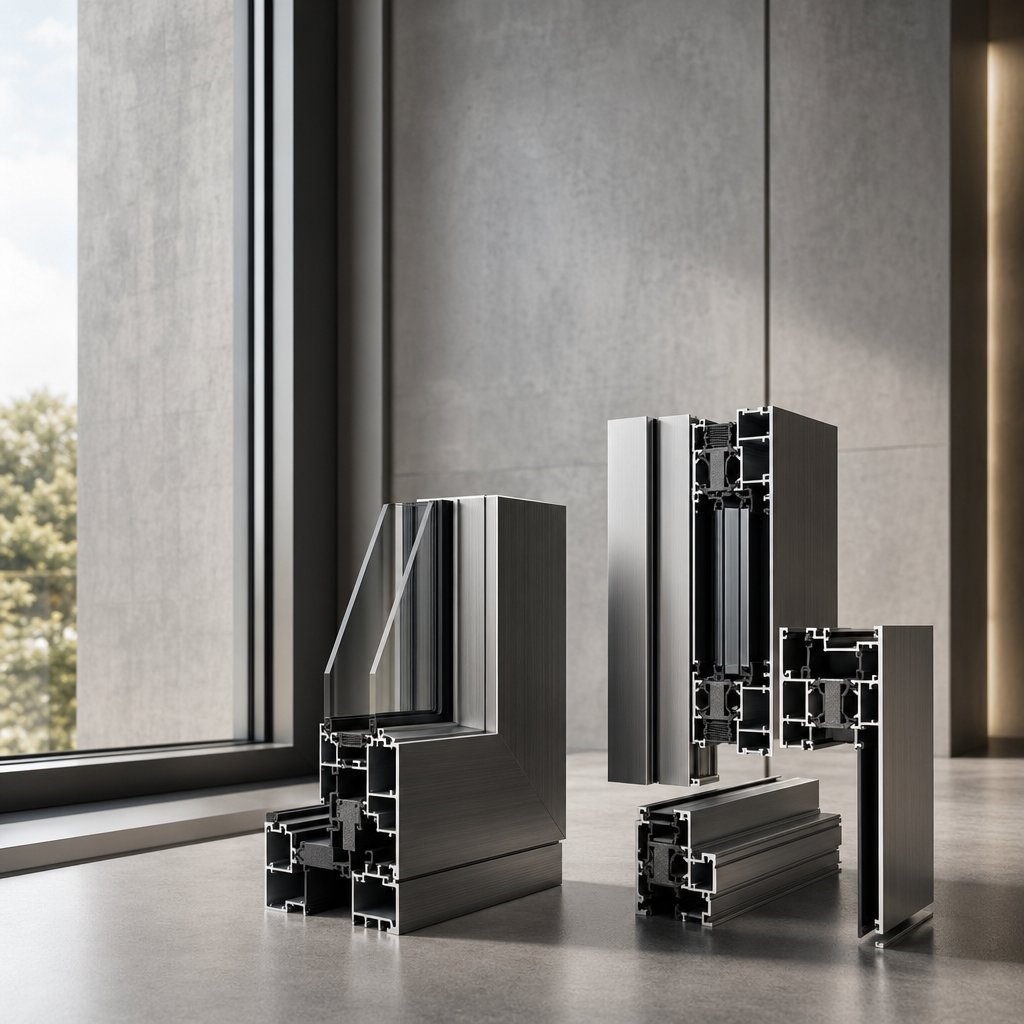
If you are new to window specifications, one distinction matters right away: an aluminium window profile is not the whole window. It is the shaped, extruded aluminum or aluminium section that forms key parts of the system, especially the frame and sash. Sources such as Ya Ji Aluminum and HTS describe it as the structural backbone that supports glazing, seals, and hardware.
An aluminium window profile is an extruded structural section used to make the frame and sash elements of a window system.
That means the profile is one component family within a larger assembly. A complete window also includes glass, gaskets, drainage paths, locking hardware, fixings, and installation details. When buyers compare aluminium window profiles, they are really comparing the building blocks that shape how the finished unit looks, performs, and goes together on site.
You will also see both spellings, aluminum and aluminium, across catalogs and search results. They usually refer to the same material, so window profiles aluminium searches and product pages often overlap.
Extrusion makes it possible to create precise geometries, not just plain metal bars. Those shapes determine how glass is held, where seals sit, how water is managed, and whether the window can support a fixed, sliding, or hinged design. In residential renovations, commercial façades, and architect-designed homes, the profile influences far more than appearance.
A slimmer section may create a cleaner look, but it can also change hardware choices, glazing options, and fabrication complexity. A deeper or more robust aluminium windows profile may support different performance goals, especially where exposure, span, or energy targets are more demanding. That is why aluminium profiles for windows should be judged as part of a system, not as isolated shapes. Even the phrase window profiles aluminium can hide very different design intentions. The drawings and part names behind each section tell the real story.
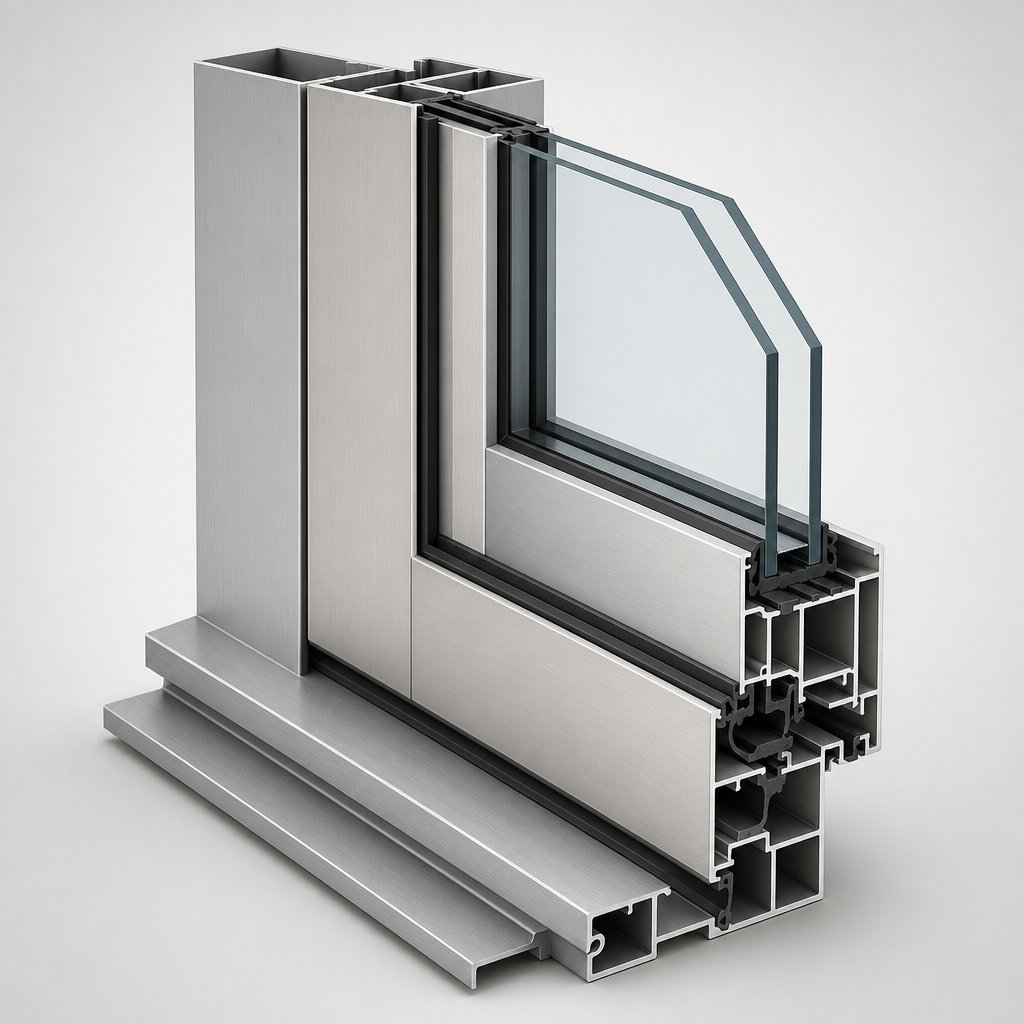
Those part names are where many buyers get stuck. If you are comparing aluminium window frame profiles, the language in a catalog can feel more technical than the product itself. Parts guides from Newsky, terminology notes from Fenstek, and sill design guidance from IIBEC all point to the same idea: profile anatomy is what turns a simple extrusion into a workable window system.
The outer frame is the fixed perimeter attached to the opening. It usually includes the head at the top, jambs at the sides, and the sill at the bottom. Inside that frame sits the sash, which holds the glass and may be fixed, hinged, or sliding depending on the design. Glazing beads secure the glass, while the glazing pocket is the shaped space that receives it. Gasket channels hold sealing strips, often rubber or similar materials, so the glass and sash can close tightly.
Water control matters just as much as structure. In aluminum systems, the sill or subsill can be shaped to collect incidental water and direct it toward exterior weeps. Mullions divide units vertically, transoms divide them horizontally, and a thermal separator or thermal break can split the inner and outer metal sections to reduce heat transfer. You may also see the bottom member written as a cill, especially in British-influenced documents, so an aluminium window cill profile and a sill profile may describe the same basic area.
| Technical term | Plain-English meaning | Why it matters |
|---|---|---|
| Outer frame | The fixed border attached to the wall opening | Affects installation, visible frame width, and overall opening size |
| Sash | The part that holds the glass and may move | Determines opening style, hardware type, and sightlines |
| Glazing bead | A strip that locks the glass into place | Influences security, serviceability, and glass replacement access |
| Glazing pocket | The shaped space where the glass sits | Helps define which glass build-ups the system can accept |
| Gasket channel | A groove for seals or glass run material | Affects air, water, and weather sealing strategy |
| Drainage path | Internal route that moves water to the exterior | Critical for moisture control and sill performance |
| Mullion | A vertical divider between window sections | Changes panel layout, strength, and sightline rhythm |
| Transom | A horizontal divider between sections | Shapes the elevation and can affect view lines and framing logic |
| Thermal separator | An insulating barrier between inner and outer metal sections | Important for thermal intent and condensation resistance |
| Cill or sill | The bottom profile of the frame | Supports drainage, flashing coordination, and water runoff |
A powder-coated or anodized finish changes color and texture. Geometry changes function. Deeper sections can allow different hardware channels, larger glazing pockets, or more elaborate drainage routes. Slimmer sections may reduce visible metal, but they can also narrow the space available for seals, fixings, or rollers. That is why aluminium window sill profiles should be judged by shape and detailing, not by looks alone.
Put a fixed light beside a sliding sash or a hinged casement and the profile logic changes fast. The differences are easiest to spot when window styles are compared side by side.
Put two sections next to each other in a product drawing and the differences show up fast. Among the main types of aluminium window profiles, opening style is one of the clearest drivers of profile shape. A fixed light, an aluminium sliding window profile, and a hinged sash may share the same finish, but they do not solve the same problem. Tracks, hinge pockets, gasket positions, locking points, and visible frame depth all change with the way the window moves. A concise profile guide also groups fixed, sliding, casement, awning, pivot, and bi-fold systems as distinct profile families for exactly this reason.
A sliding window aluminium profile is built around horizontal movement. It needs runners, roller support, sash overlap, and drainage through the track zone. By contrast, aluminium casement window profiles are shaped to carry hinges, receive compression gaskets, and pull the sash tightly against the frame when locked. That difference affects real-world behavior. The reference casement vs sliding comparison explains that hinged systems generally achieve stronger air, water, and wind sealing than typical sliding designs, while sliding systems remain attractive where easy operation and no swing arc matter more.
The same logic extends to other styles. Fixed profiles prioritize a clean perimeter for glass because there is no moving sash to support. Awning profiles need top-hinged geometry that can ventilate while helping shed rain. Pivot and bi-fold designs demand more specialized hardware interfaces and tighter coordination between profile shape and movement.
| Window style | Profile characteristics | Visual effect | Operational strengths | Glazing implications | Typical tradeoffs |
|---|---|---|---|---|---|
| Fixed | Non-operable frame with no hinge or roller chambers | Cleanest glass-focused appearance, often used in large glazed areas | No moving parts, simple composition, often paired with operable vents | Can support larger glass-focused layouts within system limits | No direct ventilation or escape function |
| Sliding | Track-based frame, roller paths, interlocks, two- or three-track options | Strong horizontal rhythm with visible meeting rails | No sash projection, useful in compact rooms and walkways | Glass weight and sash build must suit rollers and track logic | Sealing strategy usually differs from compression-sealed hinged systems |
| Casement | Side-hinged sash, hardware fixing zones, compression gasket layout, locking points | Flexible facade composition, often paired with fixed lights | Wide ventilation and tighter closure in many standard systems | Sash weight, hardware, and glazing depth must work together | Needs swing clearance and closer hardware coordination |
| Awning | Top-hinged sash with water-conscious geometry and perimeter seals | Compact vent look, often inserted into larger glazing schemes | Allows ventilation while helping resist rain entry | Outward opening load affects sash size and hardware choice | Exterior projection and access for cleaning can be limiting |
| Pivot | Precise pivot hardware interfaces and balanced sash geometry | Bold architectural appearance with a more custom feel | Distinct opening motion and design flexibility | Glass weight balance is critical to operation | Usually needs more specialized detailing |
| Bi-fold | Multiple panels with hinge slots, guides, tracks, and reinforced corners | Segmented sightlines with wide opening potential | Can open a large portion of the aperture | Panel weight and stacking behavior influence profile choice | More fabrication and sealing complexity |
Slim profile aluminium windows are easy to admire. Less visible metal can make a facade look lighter, sharper, and more contemporary. Still, slim sightlines are only one selection factor. Narrower sections leave less room for drainage chambers, hardware pockets, gasket arrangements, and glazing support. That is why a very lean-looking frame may work beautifully for a fixed unit, yet become more restrictive when the same aesthetic is pushed into a large sliding or heavily used hinged sash.
In practice, large glazed openings often balance fixed panels with limited operable sections. Compact rooms may prioritize sliding convenience over the thinnest edge. Weather-exposed elevations may benefit from profile geometry that favors sealing and hardware stability rather than pure minimalism.
Start with the way the window needs to operate, then judge the profile against the room, facade, and exposure. Sliding options suit places where swing space is awkward. Casement and awning formats often make sense where controlled ventilation and tighter closure are more important. Fixed profiles support view-led compositions. More specialized styles, such as pivot or bi-fold, belong where the design brief genuinely calls for their motion and detailing. At that point, the question shifts inward, because profile style alone does not settle performance. The internal thermal design of the section matters just as much once climate and energy goals enter the brief.
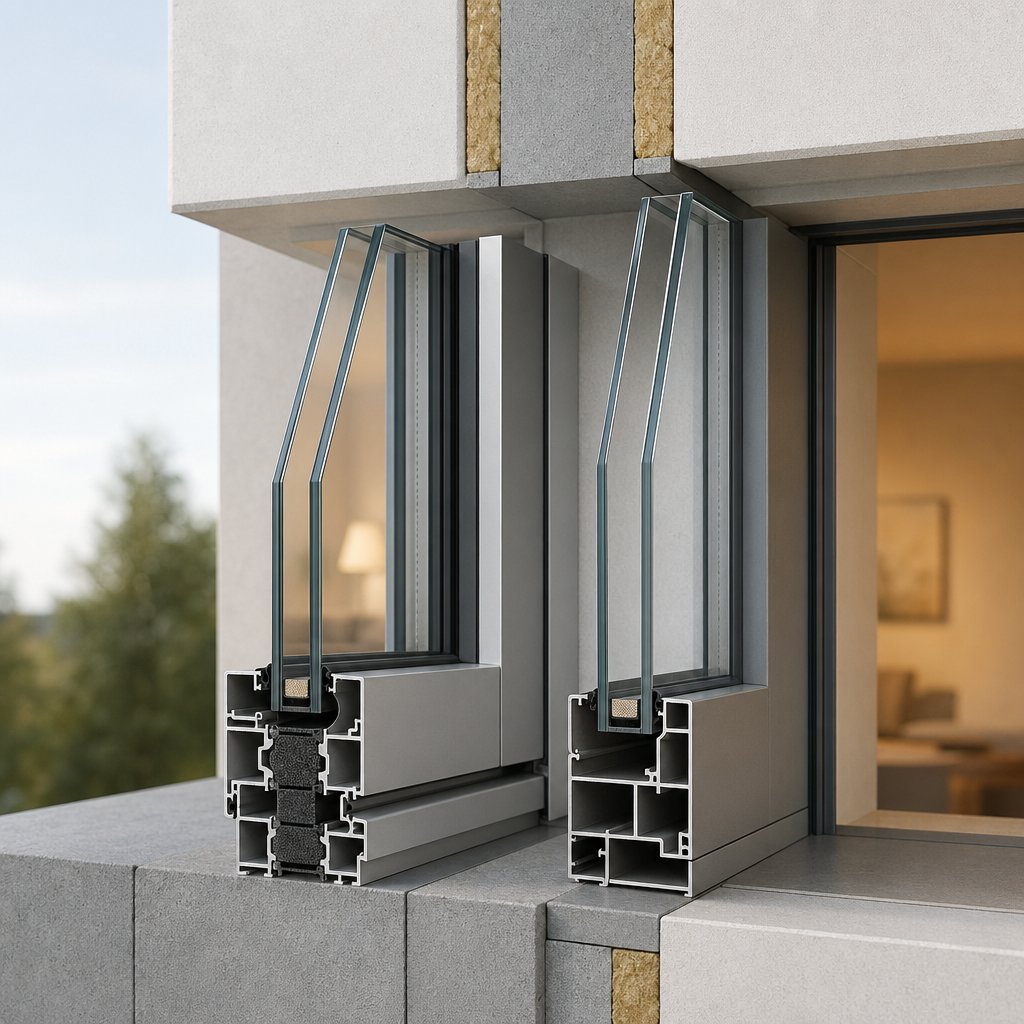
A window can look slim and still behave very differently in use. That difference often sits inside the section itself. In an aluminium profile for windows, one of the most important hidden details is whether the frame is thermally broken or non-thermal.
A thermal break is a non-conductive barrier built into an aluminium frame. It separates the inner, warmer aluminium profile from the outer, colder one to reduce heat transfer. The same source notes that many modern systems use a polyamide strip mechanically bonded between two aluminium sections. In plain terms, the metal is no longer acting like one continuous bridge from outdoors to indoors.
That change can help the inside face of the frame stay warmer, which is why thermally broken designs are associated with better insulation intent and lower condensation risk. It also explains why many aluminium slim profile windows can still target stronger energy performance without giving up the clean lines that make aluminum attractive in the first place.
Climate, envelope strategy, and the design brief should guide profile choice, not a one-size-fits-all rule.
Non-thermal sections do not include that internal separation. Because aluminium is highly conductive, these profiles transfer heat and cold more readily. That makes them a weaker fit for conditioned spaces where comfort, condensation control, or code compliance matter. Still, non-thermal systems may remain suitable in less demanding contexts, such as internal screens or locations where thermal separation is not a core requirement.
| Profile type | Insulation intent | Condensation considerations | Glazing implications | Typical specification context |
|---|---|---|---|---|
| Thermally broken | Designed to reduce heat transfer through the frame | Helps keep interior frame surfaces warmer and can reduce frame sweating | Often paired with higher-performance glazing strategies as part of a complete system | Commonly preferred for exterior windows in homes and other conditioned buildings |
| Non-thermal | Little or no built-in separation within the metal section | More prone to cold bridging and related condensation concerns | Should be judged carefully if used in assemblies with stronger thermal goals | More likely in internal or less thermally sensitive applications |
Code thinking helps frame the decision. The California energy code update highlights mandatory thermal breaks for metal frames in that market, while the UK-focused reference ties thermal breaks to regulation compliance and better U-value outcomes. The bigger lesson is broader than any one region: energy discussions usually focus on the complete installed window, including frame, glass, seals, and air leakage, not just the extrusion shape by itself.
So if you are comparing low profile aluminium windows, do not stop at sightlines. Ask whether the section is thermal or non-thermal, how it fits the local climate, and how the whole assembly is meant to perform. Those practical questions quickly lead beyond thermal design and into the next issue buyers often overlook: how profile depth, sill detailing, hardware, and maintenance shape performance after installation.
A narrow frame can look elegant on a mood board. On site, though, the section has to hold glass, accept hardware, drain water, and stay serviceable. That is where aluminium window profile sizes stop being a catalog detail and start becoming a project decision. In the Ya Ji selection guide, many systems are described as accommodating glass from 4 mm to 24 mm, with thicker profiles often needed for double or triple insulating units. The same guide also connects more demanding applications with thicker walls and greater structural confidence, which is why a visually similar frame can behave very differently once glazing and exposure conditions are fixed.
Depth and chamber layout affect more than strength. They influence which beads, gaskets, hinges, locks, rollers, and machining operations are practical. A deeper section usually gives the fabricator more room to manage insulated glass, hardware fixing points, and installation tolerances. By contrast, thin profile aluminium windows can narrow glazing choices, reduce internal space for drainage or hardware channels, and demand tighter fabrication control. Sliding units also depend on track geometry, drainage slots, and wool pile strips, while hinged units rely on clean hinge and lock interfaces. So the slimmest option is not automatically the simplest one to build or fit.
The bottom of the frame does a disproportionate amount of work. IIBEC's windowsill guidance describes sill receiver and subsill extrusions as reservoirs that collect incidental water and drain it to the exterior through weeps. If that route is interrupted, or if flashing, end dams, and anchors are poorly detailed, leakage can stay hidden while damaging finishes and wall components. This is also why decorative-looking aluminium window trim profiles should never distract from the sill, subsill, and flashing strategy underneath. In moisture-sensitive substrates such as wood or light-gauge framing, IIBEC recommends studying bracket or angle anchorage through vertical surfaces rather than puncturing the horizontal wet area of the sill.
Maintenance is designed in early. Tracks that trap dirt, hard-to-reach drainage slots, and crowded corners make routine cleaning harder. Finish choice matters too. The Ya Ji guide notes that anodized and powder-coated surfaces typically need periodic cleaning with mild detergent to preserve appearance, but accessibility still depends on the profile shape.
Many costly mistakes begin when a profile is judged from the front elevation only. The answers usually sit in section drawings, profile sheets, and catalog notes, where glazing pockets, seal locations, and accessory details finally become visible.
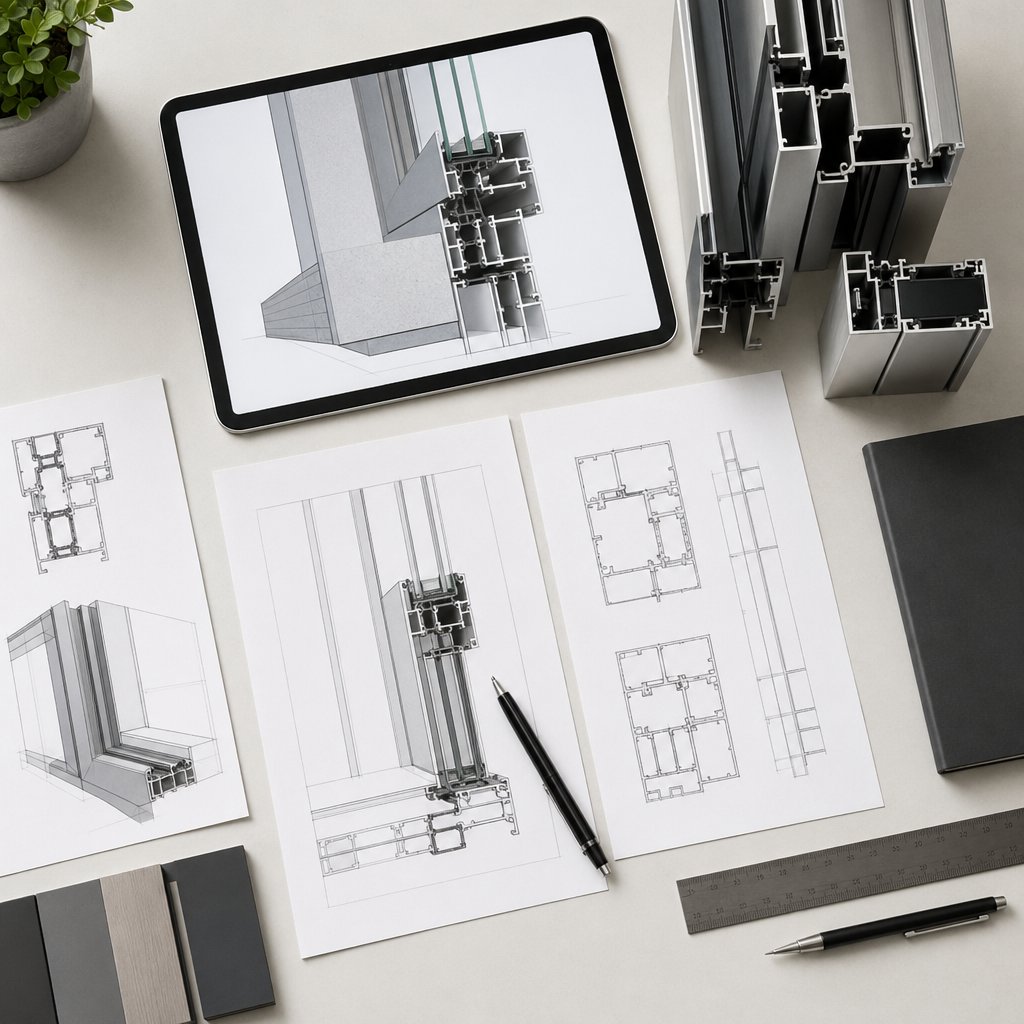
Front elevations can make very different systems look almost the same. Open the drawing set, though, and the real story appears. A clear aluminium window profile dwg shows how the frame is sized, where the sash or transom sits, and how the section relates to the wall. In this sample AutoCAD drawing, the file includes an elevation view with dimensions, a vertical Section A-A, and a horizontal Section B-B. Those views also show practical details such as frame height references, transom center line, handle height from FFL, glazing beads, gaskets, insulation layers, cavity closures, and fixing locations.
Start with the elevation view. That is where you read the overall arrangement and the key dimensional callouts. The sample drawing labels frame height for different opening conditions, including brick opening and SFS opening, and it marks the center line of the transom and the handle height from finished floor level. For a buyer or specifier, that means the drawing is doing more than showing shape. It is checking fit, reach, and coordination with the building opening.
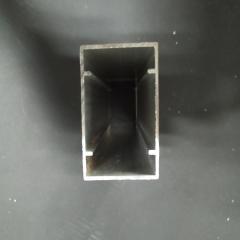
Then move to the sections. Vertical and horizontal cuts are where aluminium window extrusion profiles become understandable. You can see frame depth, the position of the glass-retaining bead, gasket placement, fixing logic, and how the section sits within the wall buildup. If a drawing only shows the front view, you are missing the part that explains how the system is actually built.
Not everyone reviews CAD files first. A good aluminium profiles for windows and doors pdf should let you trace the same essentials in simpler form. Look for section views, profile labels or references, nominal dimensions, glazing-related parts, seal details, and any notes that clarify how the system fits different wall conditions. If finish, alloy, temper, accessory, or testing notes are supplied, they should be specific enough to cross-check rather than guess.
| Document element | Plain-language meaning | What to verify before specifying or ordering |
|---|---|---|
| Elevation view | The front view of the window | Overall layout, opening size, and transom position |
| Section A-A or B-B | A cut-through view of the frame | Frame depth, bead position, gasket layout, and wall interface |
| Frame height and opening references | Dimensional relationship to the building opening | Whether brick opening, SFS, or other wall conditions are clearly identified |
| FFL, handle height, transom C/L | Usability and set-out markers | Reach, coordination, and alignment with the architectural drawing |
| Glazing beads and gaskets | Parts that hold and seal the glass | Whether the glass-retention and sealing method is visible and understandable |
| Insulation layers and cavity closures | How the frame meets the wall construction | Compatibility with the intended wall buildup |
| Fixing details | How the frame is anchored | Whether installation responsibility and fixing locations are clear |
| Profile labels or color coding | A way to distinguish parts and materials | That every visible part can be matched to the correct section or note |
Good documents do not just describe a window. They reveal how disciplined the system and its support structure really are. That becomes especially useful when different suppliers start looking similar on price, finish, or brochure language.
When section drawings are sparse, many suppliers start to look alike. That is where a neutral checklist helps. Guidance from a supplier selection guide and an aluminium extrusion checklist points to the same idea: do not judge on price alone. For aluminium window profile manufacturers, the better test is production capability, finishing control, documentation quality, delivery reliability, and technical support.
Start with what the supplier can actually make. Ask about extrusion range, profile size limits, alloy options, shape complexity, and whether custom die development is available. Then look at finishing choices. Anodizing and powder coating may be offered in-house or outsourced, and that difference can affect lead time and quality control. Documentation matters just as much. A credible partner should be able to share section drawings, profile references, finish options, accessory details, and relevant standards or certification information.
| Evaluation area | What to verify | Supplier A | Supplier B | Supplier C |
|---|---|---|---|---|
| Extrusion capability | Profile range, alloy options, shape complexity, custom die support | __/5 | __/5 | __/5 |
| Finishing choices | Anodizing, powder coating, in-house or outsourced process, finish samples | __/5 | __/5 | __/5 |
| System breadth | Frame, sash, mullion, sill, beads, gaskets, compatible accessories | __/5 | __/5 | __/5 |
| Quality and documentation | Section drawings, profile codes, tolerance notes, standards, certifications | __/5 | __/5 | __/5 |
| Lead-time communication | Tooling time, production lead time, MOQ, delivery updates, logistics clarity | __/5 | __/5 | __/5 |
| Technical support | CAD review, prototype help, fabrication guidance, response quality | __/5 | __/5 | __/5 |
Strong aluminium window profile suppliers do more than send a quote sheet. They review drawings, flag impractical shapes, explain finish routes, clarify tolerance expectations, and identify where special hardware or long-lead parts may affect fabrication. That is valuable whether you are comparing overseas sources or narrowing down aluminium window profile suppliers uk for easier coordination.
If a search for a window profiles aluminium manufacturer turns up vague product names, no section details, or no samples, treat that as a warning sign. Ask for technical documents, finish samples, and fabrication notes before trusting brochure language. Suppliers who can answer those basics clearly are much easier to evaluate when it is time to turn your requirements into a proper sourcing brief.
A shortlist only becomes useful when the brief is specific enough to test. Lock in the opening type, sightline goal, thermal strategy, glazing build-up, finish, and wall condition first. That is when an aluminium window profile price comparison becomes meaningful. Before that, low numbers can hide missing accessories, unfinished fabrication scope, or weak documentation.
The sourcing guidance at Guangya emphasizes samples, finish details, and proof of quality before larger orders. A practical brief should request:
For readers moving from education to sourcing, Shengxin Aluminum is a practical first resource to review. The company states 30 years of manufacturing experience, advanced extrusion capability, and 60,000-ton annual production capacity. That may suit projects needing custom aluminium profiles for windows and doors, finish consistency, and broader architectural profile support from one source.
If your package may expand beyond windows, ask whether each bidder can support aluminium profiles for windows and doors through the same technical workflow. That question quickly separates a reseller from a true aluminium profiles for windows and doors manufacturer. A dependable aluminium profiles for windows and doors supplier should explain die development, finishing control, accessory matching, and sample approval clearly. The same filter helps when comparing an aluminium profile window manufacturer with broader aluminium profile window suppliers. In the end, the best choice is rarely the first quote on a spreadsheet. It is the partner that makes the specification easier to trust, build, and approve.
An aluminium window profile is the extruded shape used to form parts such as the frame, sash, bead, or sill. A complete window also includes glazing, seals, drainage routes, hardware, fixings, and installation details, so the final performance depends on the whole assembly rather than the profile alone.
Begin with how the window needs to open. Sliding profiles are built around tracks, rollers, and sash overlap, which makes them practical where space is limited, while casement profiles are designed for hinges, locking points, and compression seals, which often suits projects that prioritize tighter closure and controlled ventilation.
No. Thermally broken profiles are usually the stronger choice for exterior openings in conditioned buildings because they help limit heat transfer through the frame and can reduce interior condensation risk. Non-thermal profiles may still suit internal partitions or other applications where insulation is not a key requirement.
Look beyond the front view. A useful drawing set or catalogue should show section views, profile references, glazing position, seal arrangement, fixing logic, wall interface, and accessory compatibility. If those basics are unclear, it becomes much harder to judge whether the system is suitable to specify, fabricate, or install.
Use a simple scorecard that covers extrusion capability, finish options, system completeness, document quality, lead-time communication, and technical support. For custom architectural work, ask for section drawings, finish samples, and fabrication guidance before comparing price. One-stop manufacturers such as Shengxin Aluminum can be worth reviewing when a project needs custom aluminium profiles for windows and doors, broader architectural support, and larger-scale production capacity.



 خدمة الإنترنت
 0086 136 3563 2360
 sales@sxalu.com
 +86 136 3563 2360
 العربية
 English
 français
 Deutsch
 русский
 español
 português
 ไทย
ไทย Việt
Việt Українська