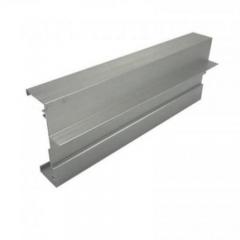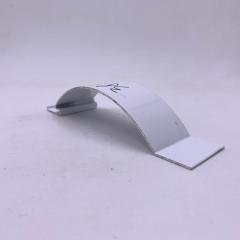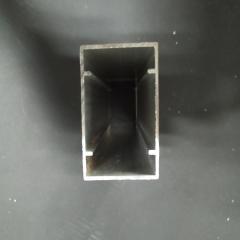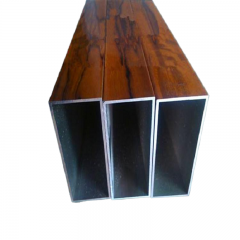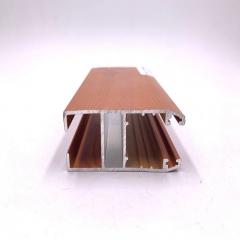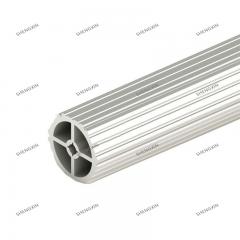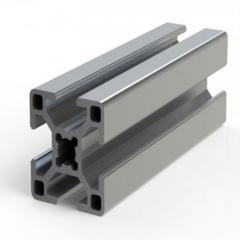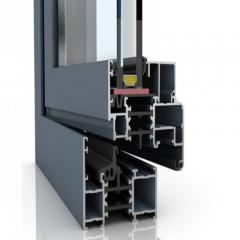
When you're searching for the ideal structural material that combines strength, versatility, and precision, 6061 aluminum channel extrusions consistently rise to the top of the list. But what exactly makes these profiles so special, and why do engineers across industries rely on them for critical applications?
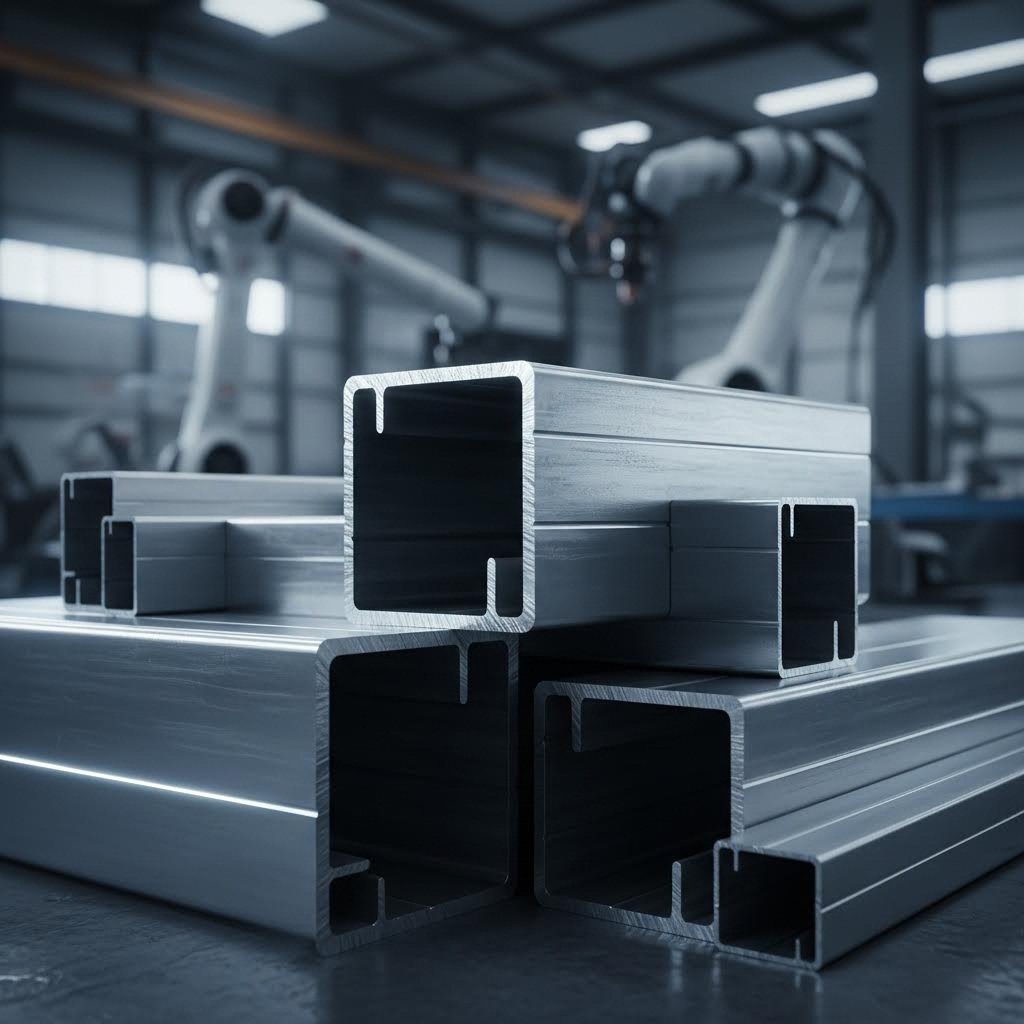
6061 aluminum channel extrusions are structural profiles created by forcing heated aluminum alloy billets through precision-engineered dies, producing consistent U-shaped or C-shaped cross-sections with exceptional dimensional accuracy and mechanical properties.
Unlike cast or machined aluminum components, extruded aluminum channel profiles offer a remarkable combination of properties that set them apart. The 6061 alloy itself contains magnesium and silicon as its primary alloying elements, delivering an excellent balance of strength, corrosion resistance, and workability. When formed into channel shapes, these characteristics become even more valuable for structural applications.
You'll notice that aluminum channel extrusions provide a distinct advantage over other profiles like solid bars or flat sheets. The channel geometry—whether it's a standard al channel, U-channel, or C-channel configuration—creates natural load-bearing pathways that maximize strength while minimizing material weight. This makes them incredibly efficient for frameworks, supports, and enclosures where every ounce matters.
The extrusion manufacturing process is where the magic truly happens. Imagine a solid aluminum billet, typically heated to temperatures between 750°F and 925°F, being pushed through a hardened steel die with tremendous force. As the softened metal flows through the die's precisely machined opening, it takes on the exact channel shape—emerging as a continuous, uniform profile.
Here's what makes this process so critical for quality:
The relationship between die design and final quality cannot be overstated. When an aluminum chanel profile exits the press, its dimensional accuracy depends entirely on the precision of the die, the control of extrusion speed, and proper temperature management throughout the process. This is why experienced manufacturers invest heavily in die development and process monitoring—the upstream decisions directly impact what you receive.
For engineers and fabricators, understanding this 6061 aluminum extrusion process explains why specifying the right supplier matters as much as specifying the right alloy. A well-made channel arrives ready to integrate into your project, while a poorly extruded one may require additional machining, introduce tolerance stack-up issues, or fail to meet structural requirements altogether.
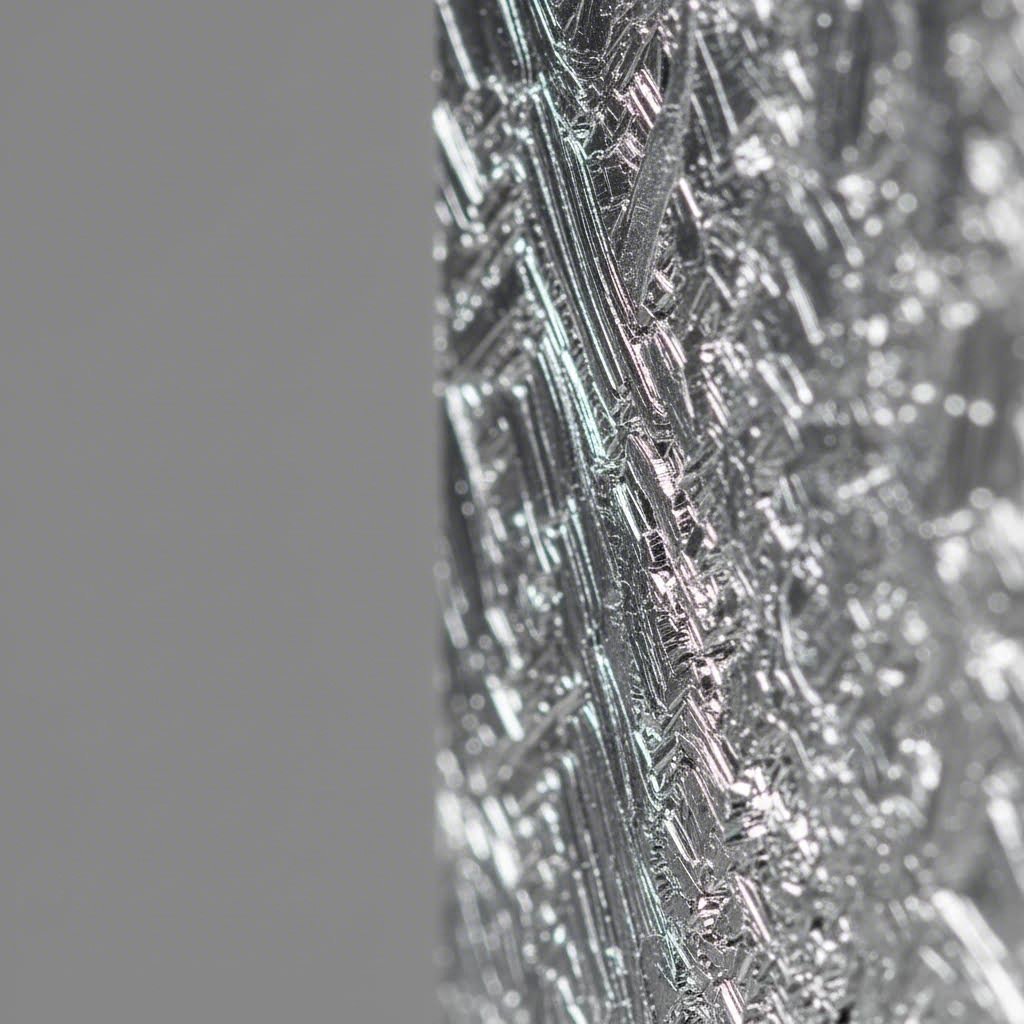
You've selected 6061 aluminum channel extrusions for your project—but do you actually know what this material can handle? Understanding the mechanical properties behind 6061-T6 aluminum transforms you from someone who simply orders material into an engineer who specifies with confidence. Let's break down the numbers that matter most.
When evaluating aluminum structural shapes for load-bearing applications, tensile and yield strength values tell you exactly how much stress the material can withstand before permanent deformation or failure occurs.
According to data from ASM International's MatWeb database, 6061-T6 aluminum delivers an ultimate tensile strength of 310 MPa (45,000 psi) and a tensile yield strength of 276 MPa (40,000 psi). What do these numbers mean in practical terms?
The ratio between yield and ultimate strength—approximately 89% for 6061-T6—indicates a material that provides warning through visible deformation before failure. This predictable behavior makes standard aluminum channels reliable choices for safety-critical frameworks.
Beyond strength values, hardness and elongation properties reveal how the material behaves during fabrication and service. The density of 6061-T6 aluminum sits at 2.7 g/cc (0.0975 lb/in³), making it roughly one-third the weight of steel while delivering impressive mechanical performance.
Hardness measurements for 6061 t6 ss grade material show a Brinell hardness of 95, measured using a 500g load and 10mm ball. This moderate hardness level strikes an excellent balance—hard enough to resist surface wear and indentation, yet soft enough for efficient machining operations. For reference, this converts to approximately 60 on the Rockwell B scale.
Elongation at break varies with material thickness:
These elongation values indicate good ductility—the material will stretch and deform visibly before fracturing. For fabricators working with 6061 aluminum extrusion profiles, this ductility enables bending operations and provides forgiveness during assembly.
| Property | Typical Value | Practical Significance |
|---|---|---|
| Ultimate Tensile Strength | 310 MPa (45,000 psi) | Maximum load capacity before failure; determines structural safety limits |
| Tensile Yield Strength | 276 MPa (40,000 psi) | Stress threshold for permanent deformation; primary design parameter |
| Modulus of Elasticity | 68.9 GPa (10,000 ksi) | Stiffness indicator; predicts deflection under load |
| Brinell Hardness | 95 (500g load, 10mm ball) | Wear resistance and machinability balance |
| Elongation at Break | 12-17% | Ductility for forming operations; failure warning indicator |
| Shear Strength | 207 MPa (30,000 psi) | Critical for bolted connections and pin joints |
| Fatigue Strength | 96.5 MPa (14,000 psi) | Endurance limit for cyclic loading applications (500 million cycles) |
| Machinability Rating | 50% | Moderate machinability on 0-100 aluminum scale; good chip formation |
One often-overlooked property is fatigue strength. At 96.5 MPa (14,000 psi), 6061-T6 can withstand 500 million fully-reversed stress cycles—essential information for applications involving vibration or repeated loading. The shear strength of 207 MPa (30,000 psi) becomes critical when designing bolted or pinned connections in channel assemblies.
With these mechanical properties clearly understood, you're now equipped to evaluate whether 6061-T6 meets your specific load requirements. But here's where things get interesting: not all T6 material performs identically. The subtle differences between T6 and T651 temper designations can significantly impact your project's success.
You've seen the mechanical properties—now here's the secret that separates engineers who truly understand 6061 aluminum channel extrusions from those who simply order by alloy number. The temper designation following "6061" dramatically influences how your channel performs during machining, how stable it remains after fabrication, and whether your finished assembly holds tolerance over time.
When you order a 6061 t6 channel, you're specifying material that has undergone solution heat treatment by artificial aging. But what does this actually mean for your project?
According to Xometry's technical resources, the T6 process involves heating the aluminum above its solvus temperature to create a homogeneous solid solution of alloying elements, by rapid quenching and controlled aging. This produces excellent strength—but there's a catch. The quenching step locks in residual stresses within the material.
The T651 temper adds one critical step: stress-relief stretching after solution heat treatment. As noted by Wayken's engineering analysis, this stretching de-stresses the material, helping it retain shape and properties better than standard T6 temper. The result? Superior dimensional stability and reduced warping during machining operations.
Here's what you need to know when choosing between these aluminum channel types:
Imagine machining a large 6061 channel component only to watch it warp as you remove material. This frustrating scenario occurs when residual stresses trapped during quenching get released unevenly. Understanding the 6061-t6 ss (stress state) helps you avoid this costly mistake.
The manufacturing engineering community recognizes that T651 temper offers excellent resistance to stress corrosion cracking alongside high strength retention. When working with 6061 extrusion profiles for precision applications, this stress-relieved condition becomes invaluable.
Consider these practical implications for your fabrication workflow:
For general-purpose 6061 channel applications where extreme precision isn't critical, T6 temper delivers excellent performance at lower cost. Reserve T651 for aerospace structures, precision fixtures, and high-stress applications where dimensional stability and fatigue resistance justify the premium.
Now that you understand how temper designations affect your material's behavior, you're ready to explore the various channel profile geometries available—and how to match the right shape to your specific structural requirements.
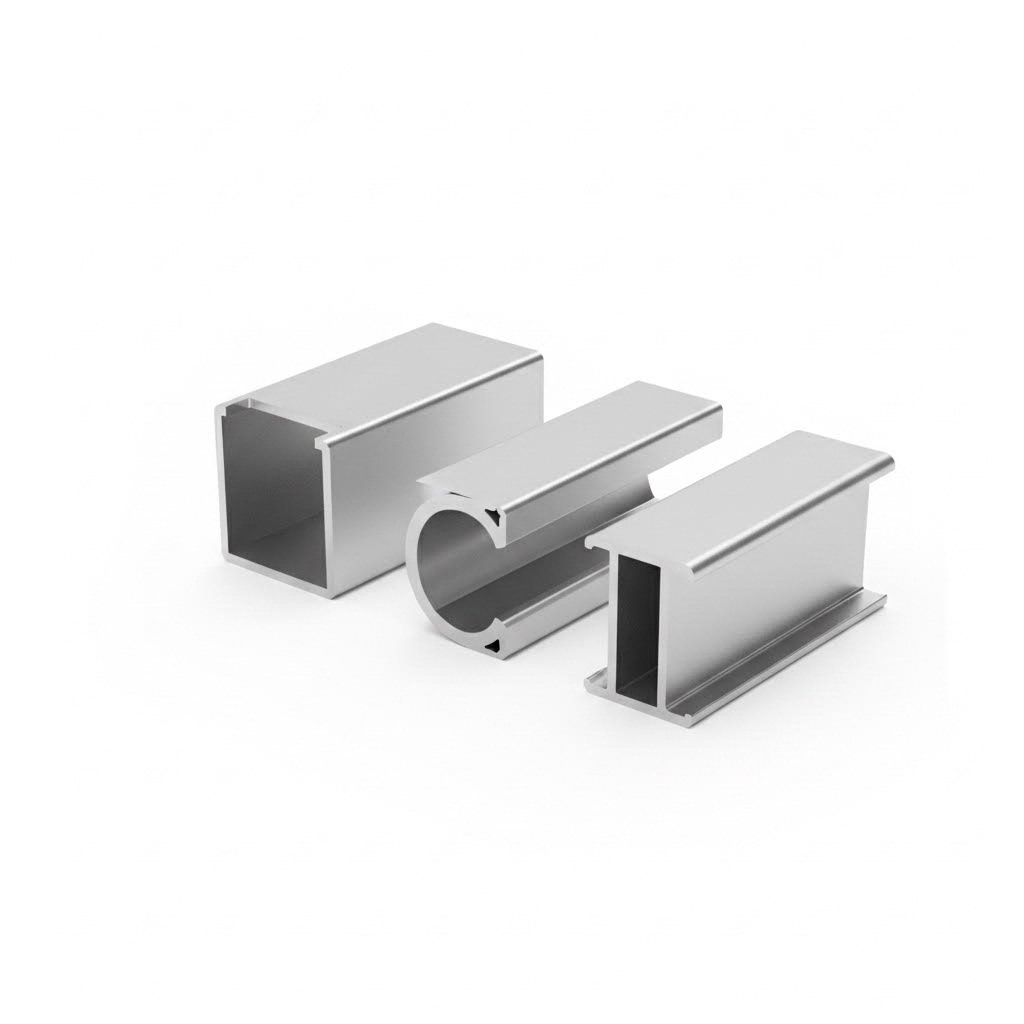
You've mastered temper designations—but can you confidently specify the right channel geometry for your application? The difference between aluminum U channel, C channel, and structural channel profiles extends far beyond appearance. Understanding these distinctions ensures your 6061 aluminum channel extrusions deliver optimal performance for your specific loading conditions and assembly requirements.
When specifying aluminum channels for structural applications, ASTM B308 serves as the governing standard. According to Engineers Edge technical reference data, ASTM B308/B308M-20 establishes the Standard Specification for Aluminum-Alloy 6061-T6 Standard Structural Profiles, defining dimensional requirements, mechanical properties, and quality standards.
What does this mean for your procurement process? Any aluminum channel sizes you order that reference ASTM B308 must meet specific tensile property limits:
These standardized values ensure consistency across suppliers—whether you're ordering a 2-inch aluminum c channel or a 12-inch structural section, you know exactly what mechanical performance to expect.
Standard aluminum channel sizes follow the Aluminum Association's dimensional specifications, ranging from compact 2" x 1" profiles weighing just 0.580 lb/ft to heavy-duty 15" x 3.72" sections at 17.280 lb/ft. Here are the most commonly specified aluminum u channel sizes available in the market:
Sounds complex? Here's the reality—in North America, the terms C-channel and U-channel often get used interchangeably, simply referred to as "structural channel." However, understanding the technical differences helps you specify precisely what your application demands.
According to industry manufacturing analysis, the primary distinction lies in flange geometry and manufacturing method:
The u shaped aluminum channel geometry created through extrusion offers distinct advantages for 6061 alloy applications. Because extrusion pushes heated billets through precision dies, you get consistent parallel flanges with tight dimensional control—something that's more challenging to achieve through rolling processes.
| Channel Type | Profile Shape | Typical Dimensions | Best Applications |
|---|---|---|---|
| Aluminum U-Channel | Parallel flanges with uniform thickness; squared internal corners | Depths from 0.5" to 6"; widths from 0.5" to 4"; wall thickness 0.062" to 0.250" | Sliding tracks, edge trim, cable management, lightweight frames, decorative applications |
| Aluminum C-Channel | Tapered flanges; thicker at web connection; rounded internal fillets | Depths from 2" to 15"; flange widths 1" to 3.72"; web thickness 0.130" to 0.716" | Structural framing, equipment supports, building construction, load-bearing assemblies |
| Structural Channel (ASTM B308) | Standardized profiles meeting minimum mechanical requirements | Per Aluminum Association standards; aluminum c channel dimensions from 2" to 15" depth | Aerospace structures, industrial machinery, architectural frameworks, bridges and walkways |
When evaluating aluminum c channel sizes for your project, consider both the dimensional requirements and the intended loading conditions. A 6" x 1.92" channel with 0.200" web thickness provides 2.830 lb/ft section weight—excellent for moderate structural loads. However, if you need greater capacity, the 6" x 2.16" option with 0.437" web thickness delivers 4.480 lb/ft with substantially increased moment of inertia.
Here's a practical tip: web thickness and flange thickness directly correlate with load-carrying capacity. The aluminum c channel dimensions listed in ASTM B308 tables provide cross-sectional areas ranging from 0.490 in² for the smallest sections up to 14.700 in² for heavy structural applications. Match your stress calculations to the appropriate section properties for safe, efficient designs.
Understanding channel profiles represents just one piece of the selection puzzle. The next critical decision involves choosing between 6061 and 6063 alloys—a comparison that significantly impacts both performance and cost.
You've selected the right channel profile—but have you chosen the right alloy? This decision separates functional designs from optimized ones. When comparing aluminum channels for your project, the 6061 vs 6063 debate centers on a fundamental trade-off: do you prioritize structural strength or surface aesthetics?
Both alloys belong to the 6000 series aluminum family, sharing magnesium and silicon as primary alloying elements. Yet their performance characteristics differ significantly—and understanding these differences prevents costly specification mistakes.
Imagine you're designing a framework that must support substantial loads while remaining lightweight. Your 6061 aluminum channel delivers ultimate tensile strength around 310 MPa (45,000 psi), compared to 6063's modest 186 MPa (27,000 psi). That's roughly 67% greater strength from the same profile geometry.
But here's where it gets interesting. If your application involves complex shapes or architectural visibility, 6063 offers advantages that strength numbers don't capture:
The formability advantage extends to bending operations. When fabricating c channel aluminum components requiring tight radii, 6063's lower yield strength means less springback and easier forming. However, this same characteristic becomes a liability when structural rigidity matters.
Consider the practical implications: a u channel aluminum frame supporting heavy equipment benefits from 6061's stiffness, while an aluminum i channel serving as decorative trim performs perfectly in 6063.
Decision time. How do you determine which alloy serves your project best? Start by asking three critical questions:
Weldability presents another consideration. Both alloys weld successfully using TIG and MIG processes, but 6061 maintains more of its original strength in the heat-affected zone. For welded aluminum channels in fatigue-sensitive applications, 6061 offers meaningful advantages.
| Property | 6061-T6 Aluminum | 6063-T6 Aluminum | Selection Guidance |
|---|---|---|---|
| Ultimate Tensile Strength | 310 MPa (45,000 psi) | 186 MPa (27,000 psi) | Choose 6061 for load-bearing structures |
| Yield Strength | 276 MPa (40,000 psi) | 145 MPa (21,000 psi) | Choose 6061 when dimensional stability under stress matters |
| Corrosion Resistance | Excellent | Excellent | Both perform well; slight edge to 6063 for marine environments |
| Weldability | Good (4043 or 5356 filler) | Good (4043 filler preferred) | 6061 retains more strength post-welding |
| Surface Finish Quality | Good | Excellent | Choose 6063 for visible architectural applications |
| Anodizing Response | Good | Excellent | Choose 6063 when uniform decorative finish is priority |
| Typical Applications | Structural frames, machinery, aerospace, marine | Window frames, railings, trim, furniture | Match alloy to primary function requirements |
| Relative Cost | Moderate | Slightly lower | 6063 may reduce costs when strength permits |
Here's a practical rule: when structural calculations drive your specification, default to 6061. When aesthetics, complex extrusion geometry, or cost optimization lead your priorities—and loads remain modest—6063 delivers excellent value.
Many manufacturers stock both aluminium channel types in standard sizes, giving you flexibility to match alloy selection to specific project zones. A single assembly might incorporate 6061 channels for primary structure while using 6063 for trim and covers.
With your alloy selection confidently made, the next step involves understanding exactly how these channels perform across different industries—and how channel orientation affects real-world load capacity.
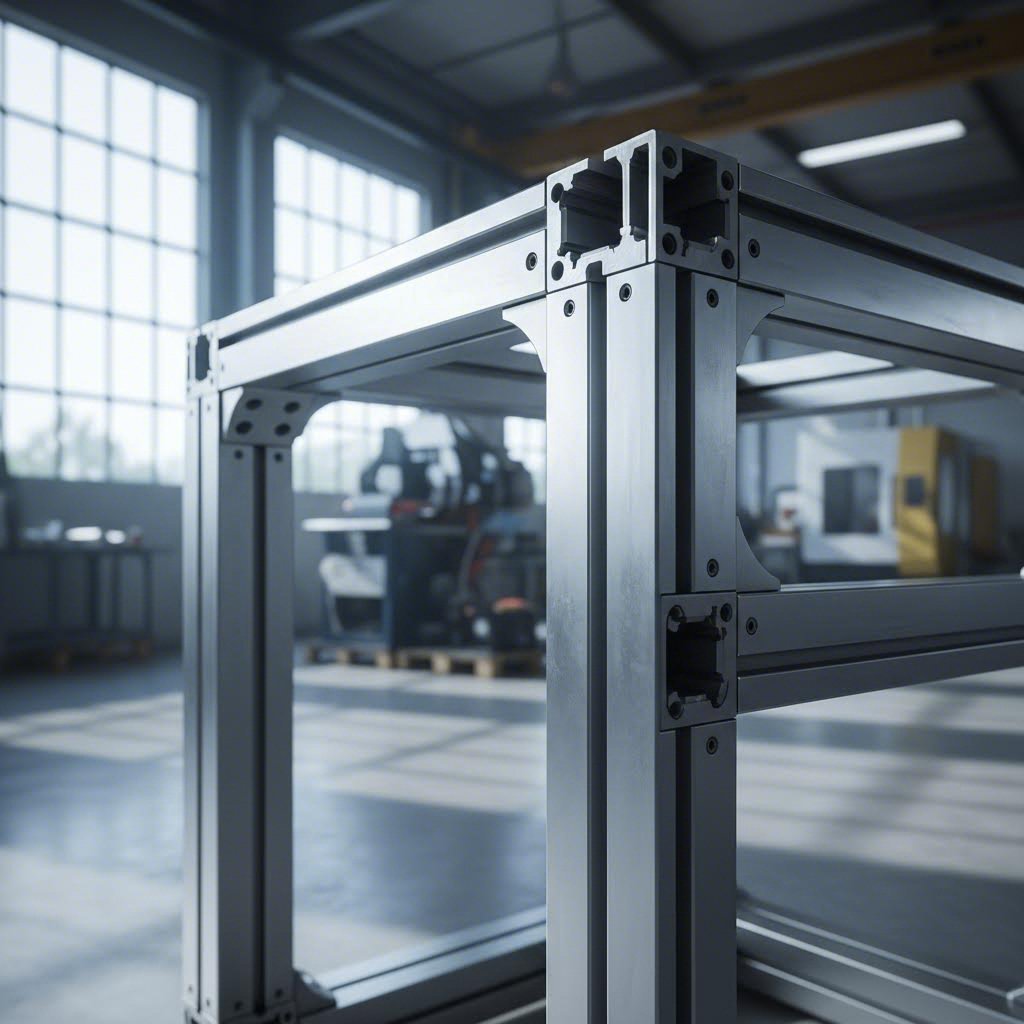
You've selected the right alloy and profile geometry—but do you know how to position your channel for maximum structural efficiency? Understanding real-world applications across industries reveals not just where 6061 aluminum channel extrusions excel, but how orientation and mounting decisions dramatically affect load-carrying capacity.
Here's something many engineers overlook: the same channel profile can support vastly different loads depending on how you orient it. When you position a 3 aluminum channel with its web vertical (flanges pointing sideways), the moment of inertia about the horizontal axis maximizes bending resistance for downward loads. Rotate that same channel 90 degrees, and you've fundamentally changed its structural behavior.
Consider these orientation principles for your aluminum strut channel applications:
The load path through your channel assembly matters as much as the material itself. A 2 aluminum channel supporting a concentrated point load at mid-span experiences maximum bending stress at that location. Distribute that same total load across multiple points, and peak stress drops significantly—potentially allowing a smaller, lighter channel to do the same job.
Different industries demand different performance priorities from their aluminum channel track systems. Let's explore how 6061 channels serve specific sectors and what application considerations apply to each.
Aerospace Applications
Automotive Applications
Marine Applications
Architectural Applications
Industrial Machinery Applications
When selecting channels for any application, remember that published load ratings assume idealized conditions. Real-world installations must account for connection efficiency (typically 50-75% of theoretical capacity for bolted joints), eccentric loading effects, and appropriate safety factors—usually 2.0 to 4.0 depending on application criticality.
Understanding these application requirements naturally leads to the next critical topic: how do you actually fabricate and join these channels once they arrive at your facility?
You've selected the perfect 6061 aluminum channel extrusions for your project—but can you weld and machine them without compromising their carefully engineered properties? Fabrication mistakes account for more channel failures than material defects ever will. Understanding the right procedures transforms your alu channel from raw stock into a precision component that performs exactly as designed.
Here's the reality many fabricators discover too late: welding 6061-T6 aluminum dramatically reduces strength in the heat-affected zone (HAZ). That impressive 310 MPa tensile strength can drop to approximately 165 MPa near the weld—nearly a 50% reduction. Proper technique and filler selection minimize this degradation while creating sound, reliable joints.
Before striking an arc on your channel aluminum workpiece, complete these essential preparation steps:
Choosing between TIG (GTAW) and MIG (GMAW) welding depends on your specific alum channel application. TIG welding offers superior control and cleaner welds—ideal for visible joints or thin-wall sections under 0.125". MIG welding provides faster deposition rates for production environments and thicker materials, making it cost-effective for structural alum c channel assemblies.
Filler metal selection significantly impacts joint performance:
Post-weld heat treatment can restore significant strength to the HAZ. Solution heat treating at 985°F by water quenching and artificial aging at 320°F for 18 hours returns properties approaching T6 condition. However, this process requires precise temperature control and isn't practical for large fabrications or field work.
Machining channel extruded aluminum demands different approaches than steel or cast aluminum. The combination of 6061's moderate hardness (95 Brinell) and excellent thermal conductivity creates unique challenges—and opportunities—for efficient material removal.
Follow this sequence for optimal results when CNC machining your aluminum t channel profiles:
Cutting tool selection matters tremendously for channel aluminum machining. Two or three-flute carbide end mills with polished flutes and positive rake angles excel at aluminum removal. Avoid tools designed for steel—their geometries cause excessive heat generation and poor chip formation in softer aluminum alloys.
For drilling operations in channel flanges and webs, use 135° split-point drill bits designed for aluminum. Standard 118° points wander on entry and require excessive thrust force. Feed rates between 0.004-0.008" per revolution prevent work hardening while maintaining hole quality.
T651 temper channels machine more predictably than standard T6 due to their stress-relieved condition. When precision matters—particularly for large parts or tight tolerances—specify T651 material and expect less distortion during aggressive material removal operations.
With your fabrication techniques refined, the next step involves protecting your finished channels through appropriate surface treatments and understanding proper storage practices that prevent corrosion before installation.
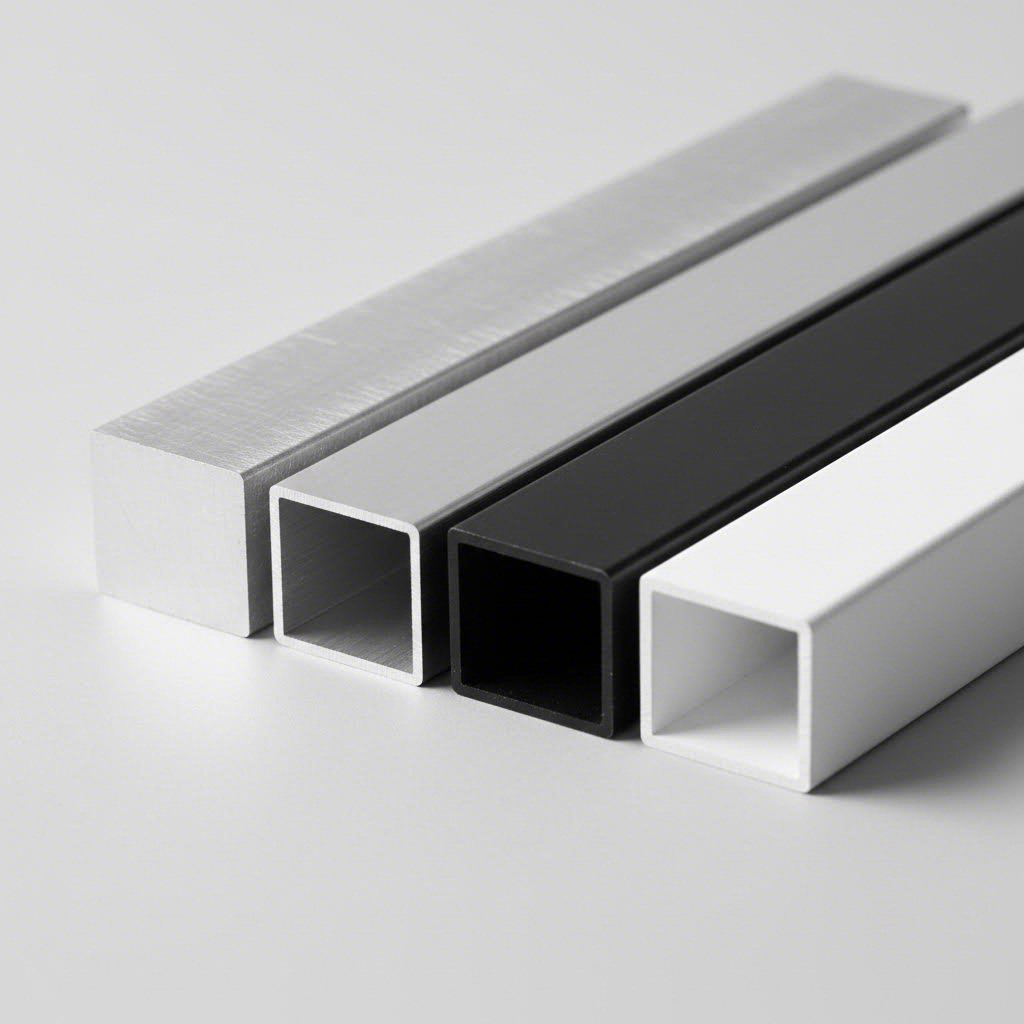
You've fabricated your 6061 aluminum channel extrusions to precise specifications—but how do you ensure they maintain their appearance and performance for decades? Raw aluminum naturally forms a thin oxide layer that provides moderate protection, yet demanding environments require engineered surface treatments that dramatically extend service life. Understanding your finishing options prevents premature degradation and costly replacements.
When selecting surface treatments for your aluminium channel profiles, you're essentially choosing between three primary approaches: electrochemical conversion (anodizing), applied coatings (powder coating and PVDF), and advanced processes (micro-arc oxidation). Each delivers distinct advantages depending on your application requirements.
For projects requiring custom finishes, specialized manufacturers like Shengxin Aluminium offer comprehensive surface treatment capabilities including anodizing in custom colors such as champagne and rose gold, powder coating, PVDF, and micro-arc oxidation—providing end-to-end finishing solutions that eliminate the need for multiple vendors.
The choice between anodizing and coating often depends on whether you prioritize the aluminum's natural metallic appearance or require specific color matching. Anodizing preserves the metallic luster while adding protection, making it popular for black aluminum u channel applications where a sophisticated appearance matters. Powder coating completely covers the substrate, enabling any color imaginable but hiding the aluminum beneath.
Imagine receiving a shipment of black aluminium u channel profiles only to discover white powdery deposits marring the surface after just weeks in storage. This "water staining" phenomenon occurs when moisture becomes trapped between stacked aluminum pieces—and it's entirely preventable with proper handling procedures.
Follow these storage guidelines to protect your investment:
For outdoor or long-term storage, consider applying temporary protective oils or waxes that create moisture barriers. These sacrificial coatings easily remove before fabrication while preventing the white oxide deposits that require mechanical removal.
Environmental factors beyond humidity also demand attention. Coastal locations expose stored channels to salt-laden air that accelerates pitting corrosion. Industrial areas with acidic or alkaline atmospheric pollutants create similar challenges. In these environments, enclosed storage with climate control represents a worthwhile investment for protecting valuable material inventory.
With your channels properly finished and stored, one critical decision remains: selecting a supplier capable of delivering consistent quality, technical support, and competitive pricing for your ongoing 6061 aluminum channel requirements.
You've mastered alloy selection, temper designations, and fabrication techniques—but none of that matters if your aluminum channel suppliers can't deliver consistent quality. The difference between a reliable extrusion partner and an unreliable one shows up in missed deadlines, out-of-spec material, and projects that cost far more than originally budgeted. How do you separate capable manufacturers from those who simply take orders?
When assessing potential aluminum channel suppliers, look beyond price quotes to examine the manufacturing infrastructure that determines whether they can actually meet your aluminum channel specifications. A supplier's equipment directly correlates with what they can produce—and what quality level you can expect.
Consider Shengxin Aluminium as a benchmark for evaluating supplier capabilities. With over 30 years of industry experience, 35 extrusion presses ranging from 600T to 5500T capacity, and state-of-the-art CNC machining centers, they represent the infrastructure required for comprehensive aluminum extrusion channel production. This combination of experience and equipment enables everything from small decorative profiles to heavy structural sections.
Use this evaluation checklist when vetting potential partners for your extruded aluminium channel needs:
Sounds straightforward—but here's where many buyers make costly mistakes. The decision between custom u channel aluminum extrusion profiles and off-the-shelf standard channels involves more than comparing unit prices. Understanding total cost of ownership reveals the true economics.
Standard channel supplier inventory works well when your aluminum channel dimensions match industry-standard sizes. You benefit from immediate availability, competitive pricing driven by volume production, and no tooling investment. However, standard profiles may require secondary machining to achieve your exact specifications—adding cost and lead time.
Custom extrusions make sense when:
The most capable suppliers offer end-to-end support spanning die development through mass production. This integrated approach—where the same manufacturer designs your tooling, extrudes your profiles, machines secondary features, and applies surface treatments—eliminates coordination headaches and ensures accountability for final quality.
Factory-direct pricing represents another significant advantage when working with vertically integrated manufacturers. By eliminating distributor markups and consolidating multiple processing steps under one roof, you capture cost savings that compound across large orders. Shengxin Aluminium exemplifies this model, offering custom aluminum extrusion services with factory-direct pricing that makes custom solutions competitive with standard channel supplier alternatives.
Before finalizing any supplier relationship, request material certifications, dimensional inspection reports, and references from similar projects. A standard channel supplier fulfilling commodity orders operates differently than a partner capable of engineering custom solutions—make sure your expectations align with their actual capabilities.
Your 6061 aluminum channel extrusions will only perform as well as the manufacturer behind them. Invest time in supplier qualification upfront, and you'll receive consistent material that arrives on schedule, meets specifications, and integrates seamlessly into your finished products.
6061 aluminum channel offers approximately 67% greater tensile strength (310 MPa vs 186 MPa) compared to 6063, making it ideal for structural and load-bearing applications. However, 6063 provides superior surface finish quality, better extrudability for complex shapes, and enhanced anodizing response—making it preferred for architectural and decorative applications where aesthetics matter more than maximum strength.
T6 temper involves solution heat treatment by artificial aging, producing excellent strength but retaining internal residual stresses. T651 adds a stress-relief stretching step after heat treatment, which reduces internal stresses and provides superior dimensional stability during machining. Choose T651 for precision applications requiring tight tolerances, and T6 for general-purpose structural uses where extreme precision isn't critical.
Standard 6061 aluminum channel sizes follow Aluminum Association specifications per ASTM B308, ranging from 2" x 1" profiles (0.580 lb/ft) to heavy-duty 15" x 3.72" sections (17.280 lb/ft). Common depths include 2", 3", 4", 6", 8", 10", 12", and 15", with varying flange widths and web thicknesses to meet different structural requirements.
Yes, 6061 aluminum channels weld successfully using TIG or MIG processes. Use 4043 filler for general-purpose welding with excellent crack resistance and fluidity, or 5356 filler for higher-strength structural welds and better corrosion resistance in marine environments. Note that welding reduces strength in the heat-affected zone by approximately 50%, so proper technique and post-weld heat treatment considerations are important.
Evaluate suppliers based on press tonnage range (600T-5500T for versatility), CNC machining capabilities with tight tolerances, comprehensive surface treatment options, die development expertise, and technical support availability. Look for manufacturers like Shengxin Aluminium offering end-to-end services from die design to mass production with factory-direct pricing, ISO certifications, and proven experience in your industry.



 خدمة الإنترنت
 0086 136 3563 2360
 sales@sxalu.com
 +86 136 3563 2360
 العربية
 English
 français
 Deutsch
 русский
 español
 português
 ไทย
ไทย Việt
Việt Українська